

Setting the Scene
The 2026 Volkswagen Camper Van, now dubbed the California, has traded its workhorse chassis for a car platform, specifically the Multivan. VW claims this makes it more civilized, but I see a compromise in the thermal cycling and mechanical stress it's designed to endure. This isn't your grandad's rugged Transporter; it's a glorified minivan with a pop-top, starting around £80,000. The California isn't officially sold in the US, so there's no direct US MSRP.
They're pushing the 'car-like design' angle to Carwow's review, which means a softer ride. Great for Sunday drives, less so for gravel roads where constant low-amplitude vibration cycles will eventually fatigue suspension components. Think about the shear forces on those lower control arm bushings after 50,000 miles of washboard. VW isn't designing for that. They're designing for the Starbucks drive-thru.
My concern isn't the initial purchase price, it's the cost-per-fix when that 'enhanced driveability' means thinner sheet metal or less robust attachment points for the interior modules. A camper van lives a hard life. It sees more dirt, more humidity, and more thermal expansion cycles than a suburban grocery getter. These are the conditions that expose design flaws.
The PHEV option with 215 horsepower is a nice touch for range, but it adds complexity. More electronics, more thermal management for the battery pack. Another failure mode. They brag about a 1,500-liter cargo capacity, but ignore the structural rigidity needed to prevent chassis flex when fully loaded and bouncing down a forest service road. This isn't just about aesthetics; it's about the underlying engineering. I'm looking at the spec sheet, not the glossy brochure.
VW Camper Van 2026: Your Expert Review Dimensions and Cargo Space
The 2026 Volkswagen Camper Van, specifically the California PHEV, clocks in at 4,904 mm in length, with a width of 1,900 mm. That's about 193 inches long and 75 inches wide. Not huge, but they've packed a lot in.
| Metric | Value |
|---|---|
| Overall Length | 4,904 mm (193 inches) |
| Overall Width | 1,900 mm (75 inches) |
| Cargo Capacity (rear seats up) | 1,000 liters (35.3 cubic feet) |
| Cargo Capacity (seats folded) | 1,500 liters (53 cubic feet) |
| Sleeping Length | 1,950 mm (76.8 inches) |
| Sleeping Width | 1,280 mm (50.4 inches) |
| Max Payload | 600 kg (1,320 lbs) |
Cargo capacity is advertised at 1,000 liters with seats up, expanding to 1,500 liters when the rear seats are folded flat. That's a good volume, but don't forget the payload limit is around 600 kg for the ID. Buzz variant. Every cooler, every bag, every passenger eats into that. Overload it consistently and you'll be replacing shocks and springs faster than you can say 'warranty denied'.
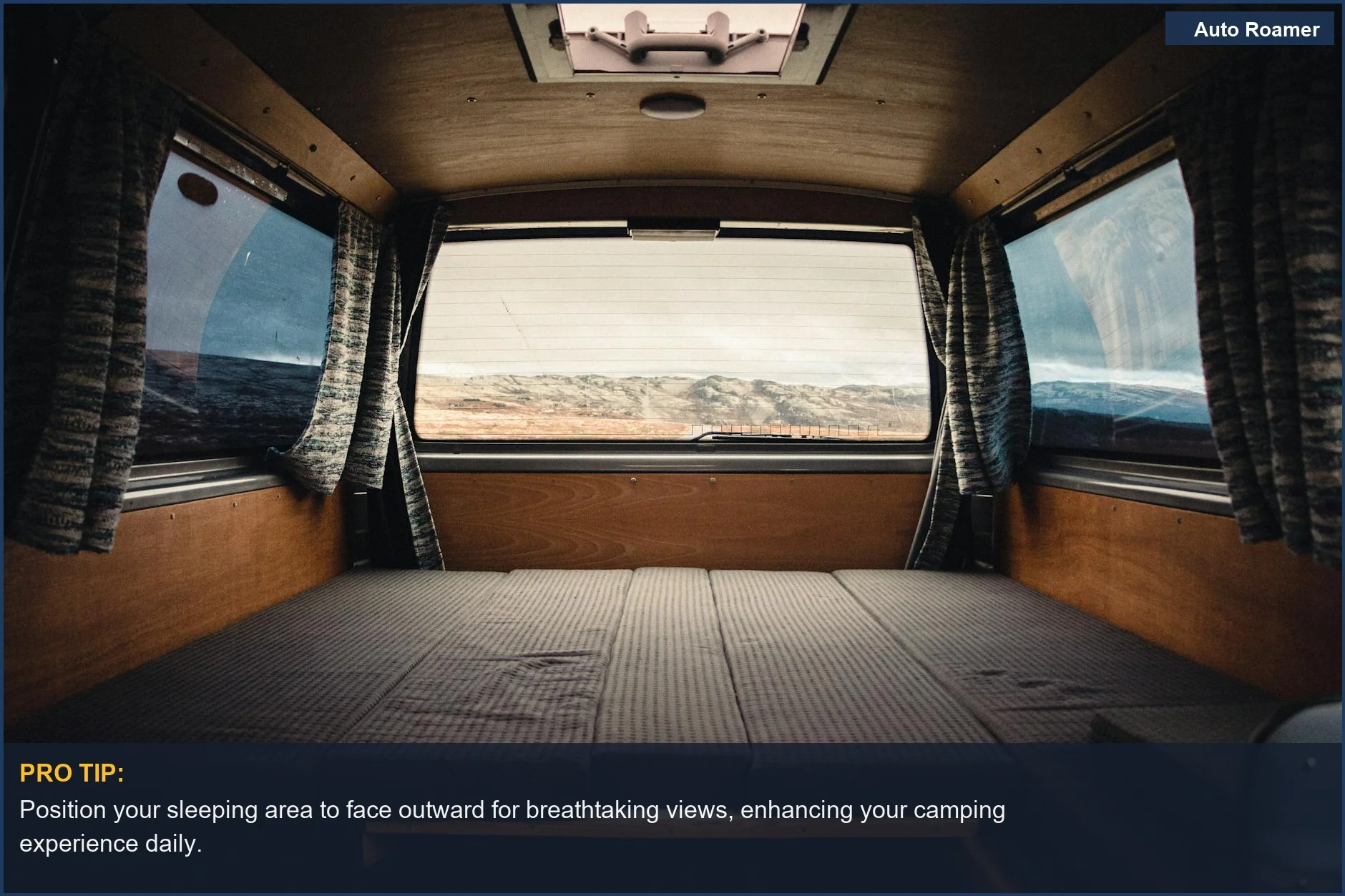
The sleeping area is listed at 1,950 mm long and 1,280 mm wide when the seats are folded by Auto Roamer. That's about 6 feet 5 inches by 4 feet 2 inches. Barely enough for two adults to sleep comfortably without significant body contact. If you're over 6 feet tall, your feet are hitting the tailgate or your head is pressed against the front seats. Not exactly luxury.
They also emphasize the dual sliding doors for easy access. This is a double-edged sword. More moving parts means more potential points of failure. Those roller mechanisms will collect grit and eventually bind, especially if you're frequently parked on dusty campsites. The tolerances on sliding door tracks are notoriously tight, and a little bit of particulate contamination turns smooth operation into a grinding struggle.

Best Sleeping Setups for the VW Camper Van 2026: Your Expert Review

-
Measure Your Actual Space
Before buying anything, physically measure the flat area with the seats folded. The advertised dimensions are often optimistic. Account for any seatbelt buckles or console protrusions that reduce effective sleeping width. You might find you only have 1,200 mm of usable width, not 1,280 mm. Every millimeter matters when you're trying to avoid a night of micro-adjustments. -
Consider a Custom-Cut Foam Mattress
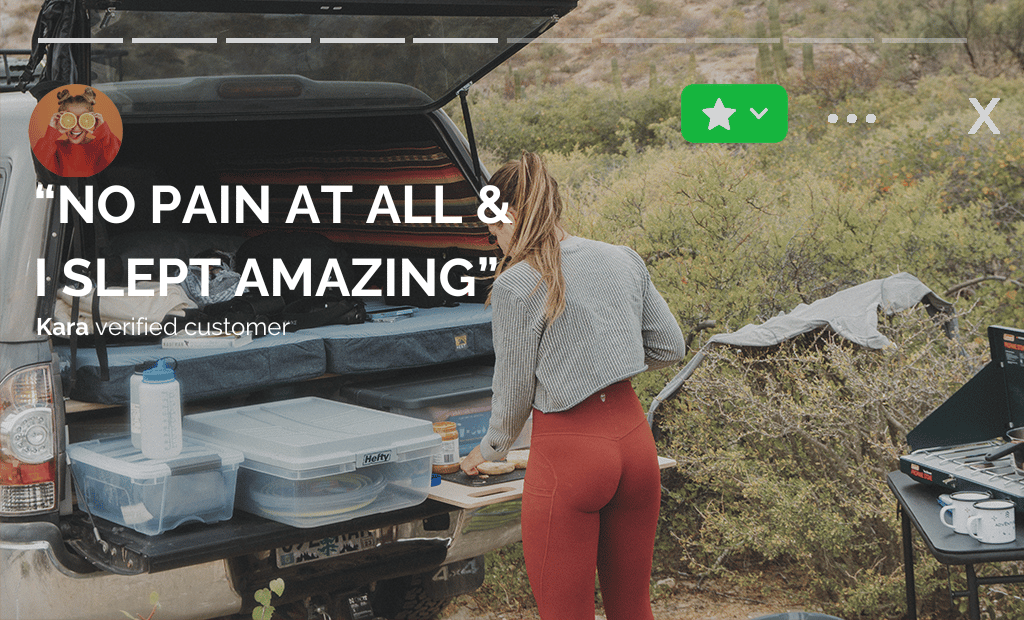
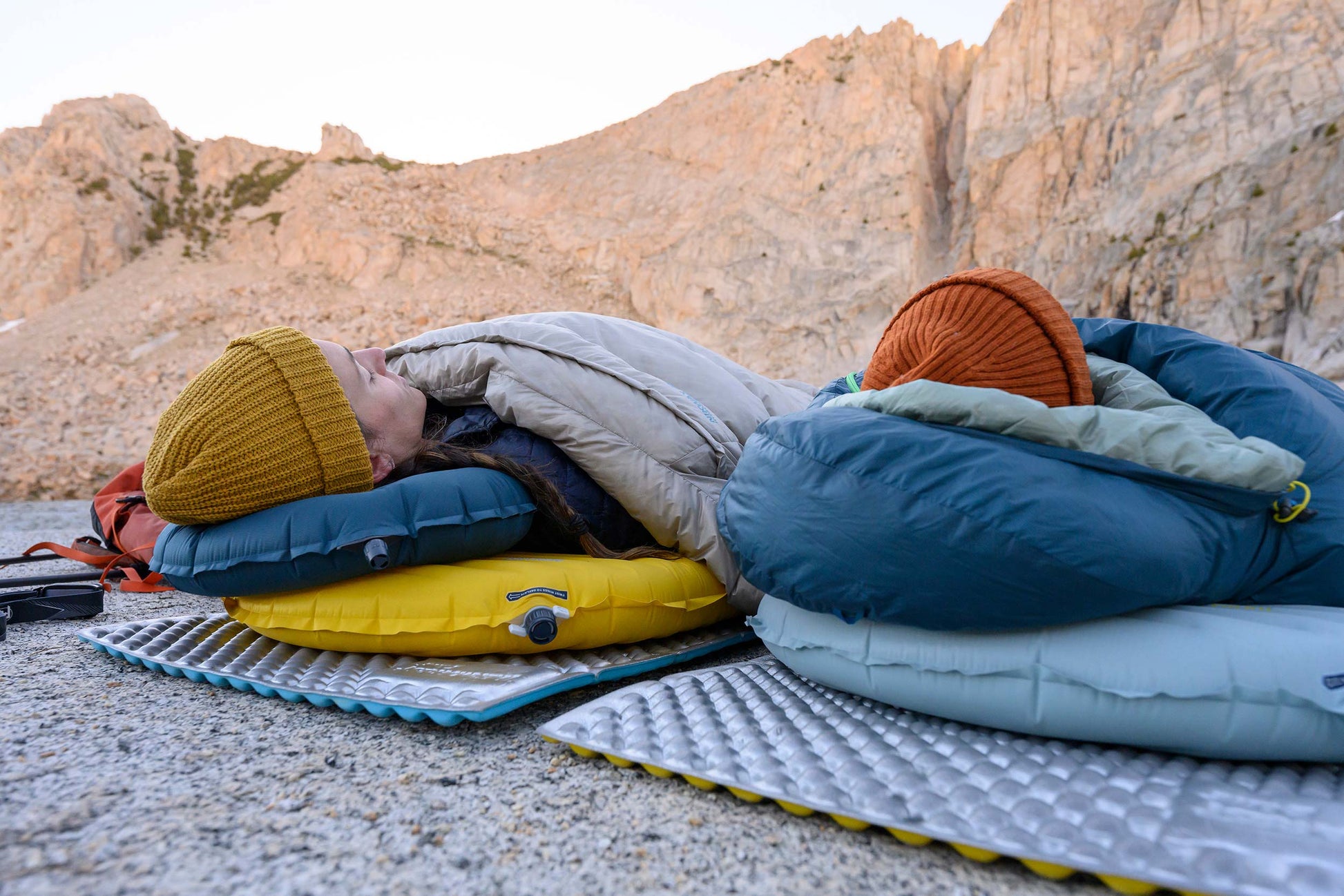
Forget air mattresses unless you enjoy mid-sleep deflation. A dense foam mattress, cut to fit the exact contours, provides superior thermal insulation and pressure distribution. I'd look for a 4-inch high-density foam, minimum 1.8 PCF (pounds per cubic foot) density. You can get a custom-cut piece for around $150-250, depending on the foam type. This avoids the constant creaking and vibration damping issues of inflatable pads. For a good balance of comfort and packability, check out the Hest Dually Long Mattress (~$450) if you want something premium, or a more budget-friendly Milliard Tri-Fold Mattress (~$120) that you can trim yourself. For a more compact option, the Therma-Rest NeoAir XLite NXT (~$200) provides good R-value without hogging space. Address the Pop-Top Bed
The pop-top bed is typically a thin pad on a slatted base. It's fine for kids, but adults will feel every slat. This also helps dampen the vibrational transfer from the roof structure. The roof itself is a thin composite panel, not designed for heavy, static loads.Ventilation is Key
Condensation is a killer. Two adults exhale about 1 liter of water vapor over 8 hours. Without proper airflow, that vapor condenses on cold surfaces - windows, roof, and eventually, your bedding. This leads to mold growth and material degradation. Run the auxiliary fan, even on low, and crack a window or two.
Practical Tips for VW Camper Van 2026: Your Expert Review Camping
The 2026 VW Camper Van is built on a car chassis as Carwow points out, meaning it handles more like a large sedan than a rugged utility vehicle. This impacts everything from tire choice to how much gear you can realistically haul. Don't treat it like a 4x4.
First, check your tire pressure religiously. A 1 PSI drop in pressure for every 10 degrees F ambient temperature drop is typical. If you leave a campsite at 35 degrees F and drive into a 70 degree F valley, your tires are overinflated by 3 PSI. This changes the contact patch and increases wear on the center tread. Conversely, cold weather underinflation increases sidewall flex and heat buildup, a prime cause of tire failure.
A cheap digital gauge is a $15 investment that saves you hundreds.
Next, understand your electrical system. The PHEV adds a whole layer of complexity. Don't hardwire accessories directly to the main 12V bus without a proper fuse block and switched power. A parasitic draw of just 100mA will kill a 60Ah lead-acid battery in about 25 days. The body control module already pulls its own quiescent current. Use a $15 multimeter to check for draw if your battery goes flat.
Ventilation for cooking is non-negotiable. The single burner stove mentioned in reviews will produce carbon monoxide and water vapor. Keep a window cracked, even if it's cold. Better a slightly chilly interior than a headache or worse. The pop-top canvas isn't sealed against outgassing from cooking fumes.
Finally, inspect your pop-top mechanism regularly. The hinges and struts are under constant mechanical stress from thermal cycling and deployment. Look for signs of fatigue cracking around attachment points or excessive play in the pivot pins. Lubricate with a dry PTFE spray, not grease, to prevent dust accumulation. A seized strut could mean a $400 repair bill for a part that costs $80.
The Bottom Line
The 2026 VW Camper Van, or California, is an attempt to blend daily driver comfort with weekend warrior utility. It's a compromise. The shift to a car chassis means better road manners, sure, but it also means less robust construction for the kind of abuse a camper van sees. You're paying a premium for aesthetics and the VW badge, not necessarily for over-engineered durability.
With a starting price north of $65,000, you're buying into a lifestyle, not a bulletproof rig. The PHEV drivetrain adds complexity and weight, increasing the number of potential failure points, especially in harsh conditions. Thermal management for battery packs is critical, and a small camper van chassis is not an ideal environment for consistent thermal stability.
My bottom line: if your idea of camping is paved roads and glamping sites, this might work. If you plan on any real dirt, any serious thermal cycling, or carrying heavy loads, you'll be replacing components faster than you expected. It's a fine vehicle, but understand its mechanical limits. Don't expect a Transporter when you've bought a Multivan. The Carwow review pretty much nails it: versatile and cool, but not as functional as it used to be.