
Best Wireless Reverse Camera for Cars
The dealer wanted $300 to install a wired backup camera on my old F-150, claiming 'complex wiring harnesses' and 'integration challenges.' Absolute garbage. Most wireless reverse cameras are a 10-minute install, maybe 30 if you're slow with a crimper. The real cost is usually $100-$200 for the unit itself, not the labor.
The dealer wanted $300 to install a wired backup camera on my old F-150, claiming 'complex wiring harnesses' and 'integration challenges.' Absolute garbage. Most wireless reverse cameras are a 10-minute install, maybe 30 if you're slow with a crimper. The real cost is usually $100-$200 for the unit itself, not the labor. For example, a decent 720p wireless system with a 5-inch monitor and a magnetic mount can be found for around $120. Installation typically involves simply plugging the monitor into a 12V cigarette lighter socket and attaching the camera to your license plate frame, powering it from your reverse light circuit – a simple two-wire connection. Some even come with solar-powered cameras, eliminating the need for any wiring to the vehicle's electrical system whatsoever, making them truly plug-and-play.
Car and Driver points out that after 2018, backup cameras became standard on all new vehicles, but for anything older, you're on your own. This means millions of pre-2018 vehicles on the road could benefit from an aftermarket solution. Don't let them fleece you with exorbitant labor costs for a job you can easily do yourself with minimal tools, saving you hundreds of dollars.
⭐ Quick Picks
Top Picks
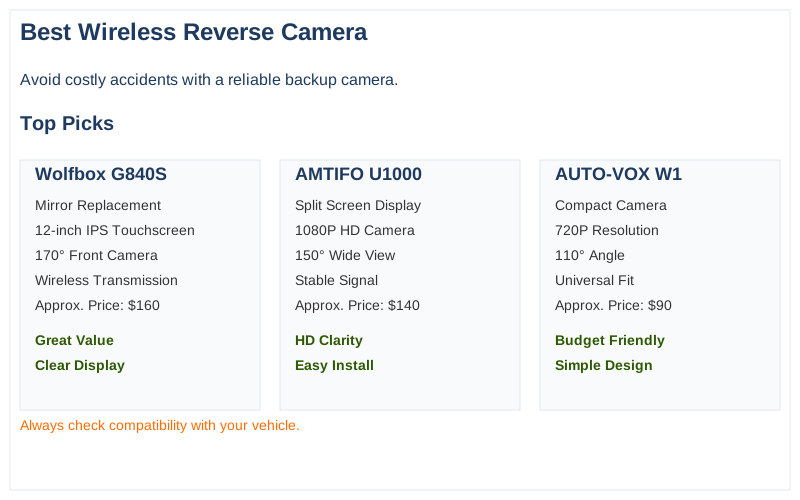
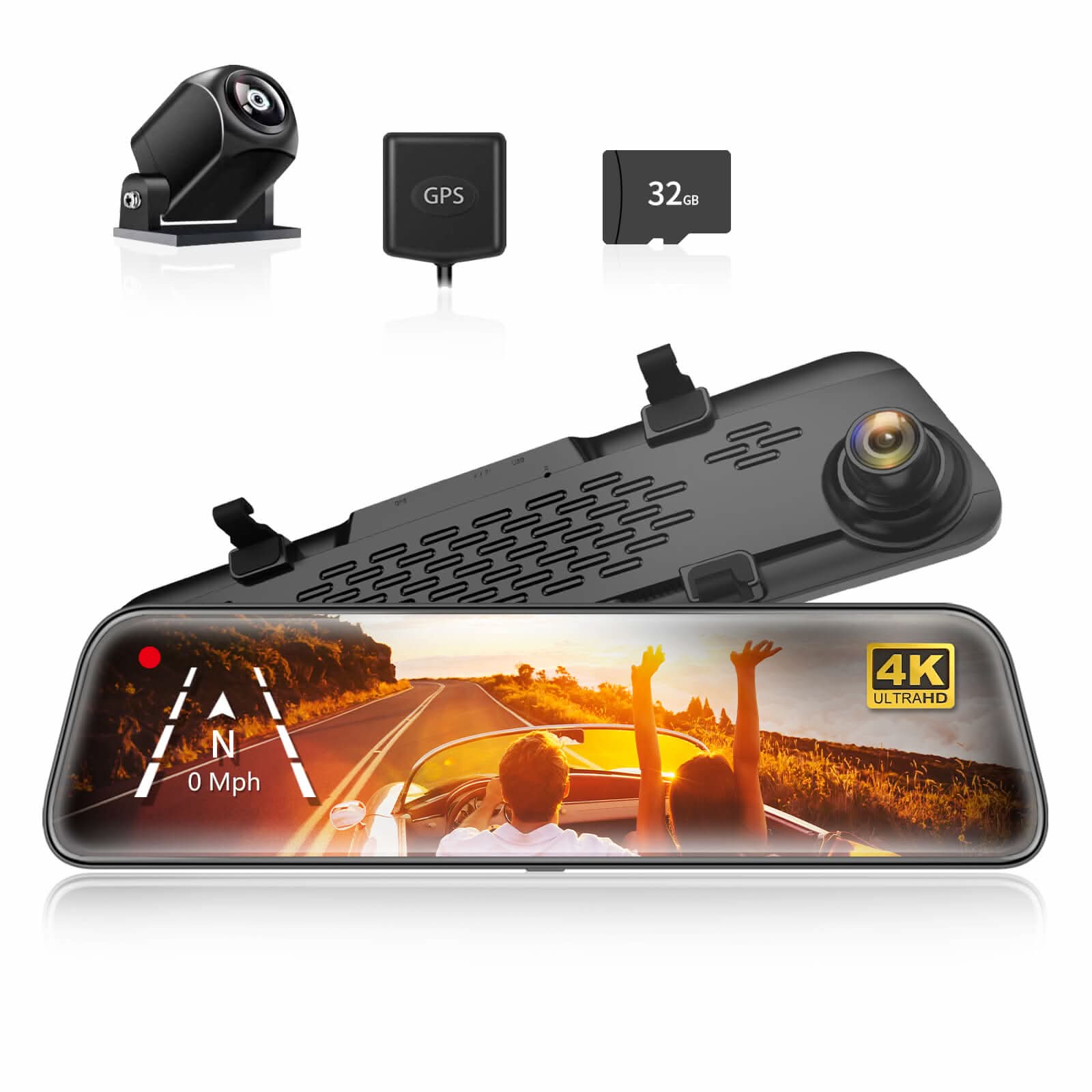
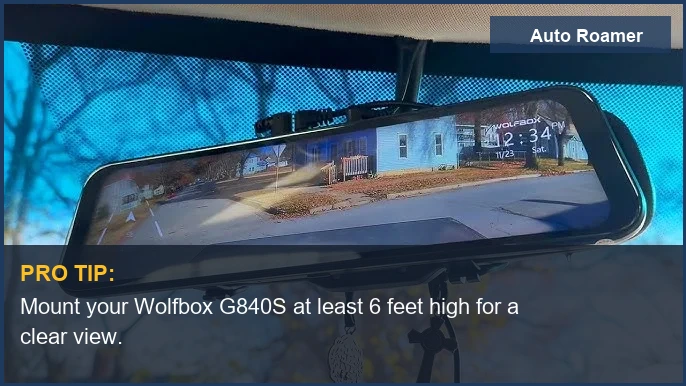
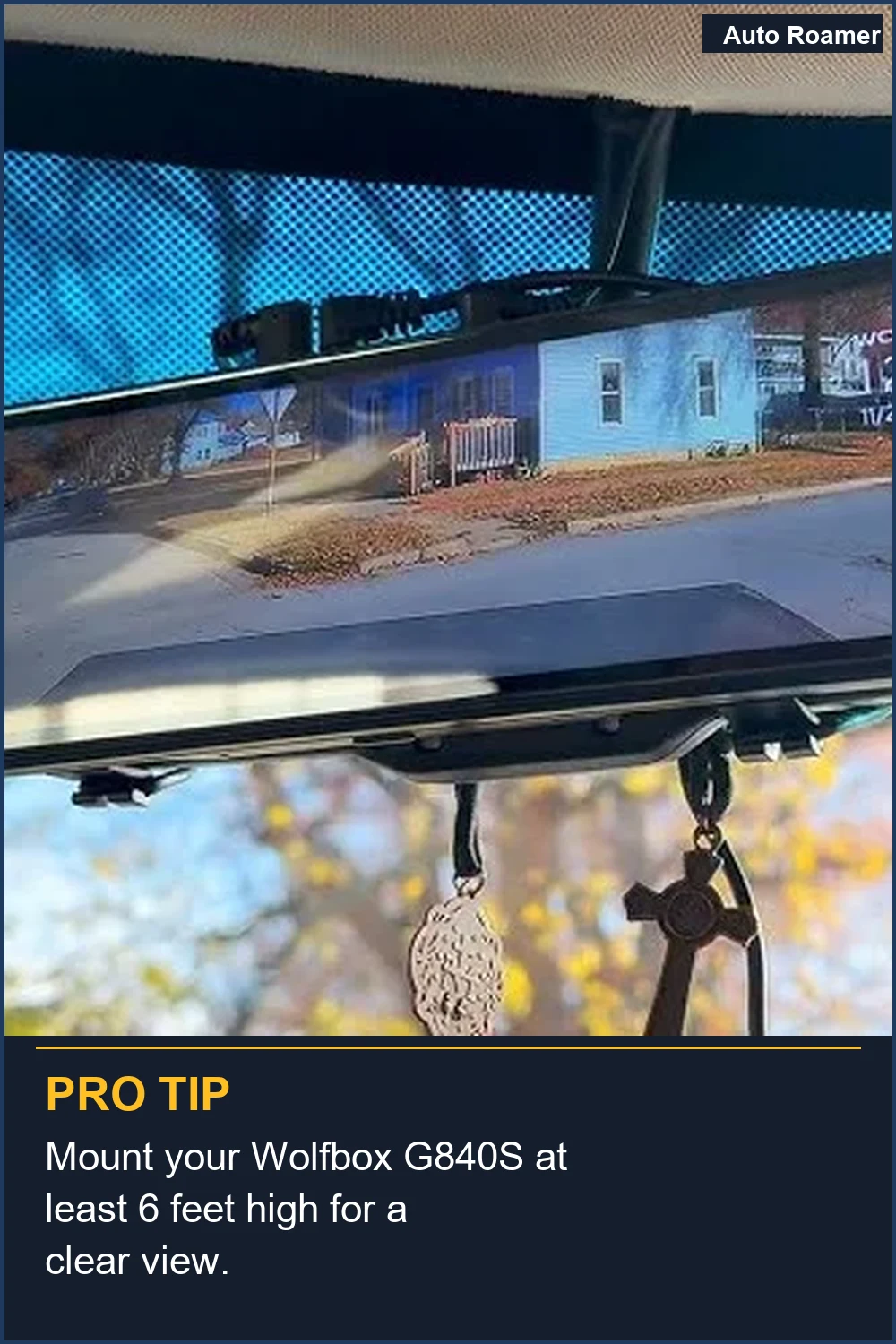
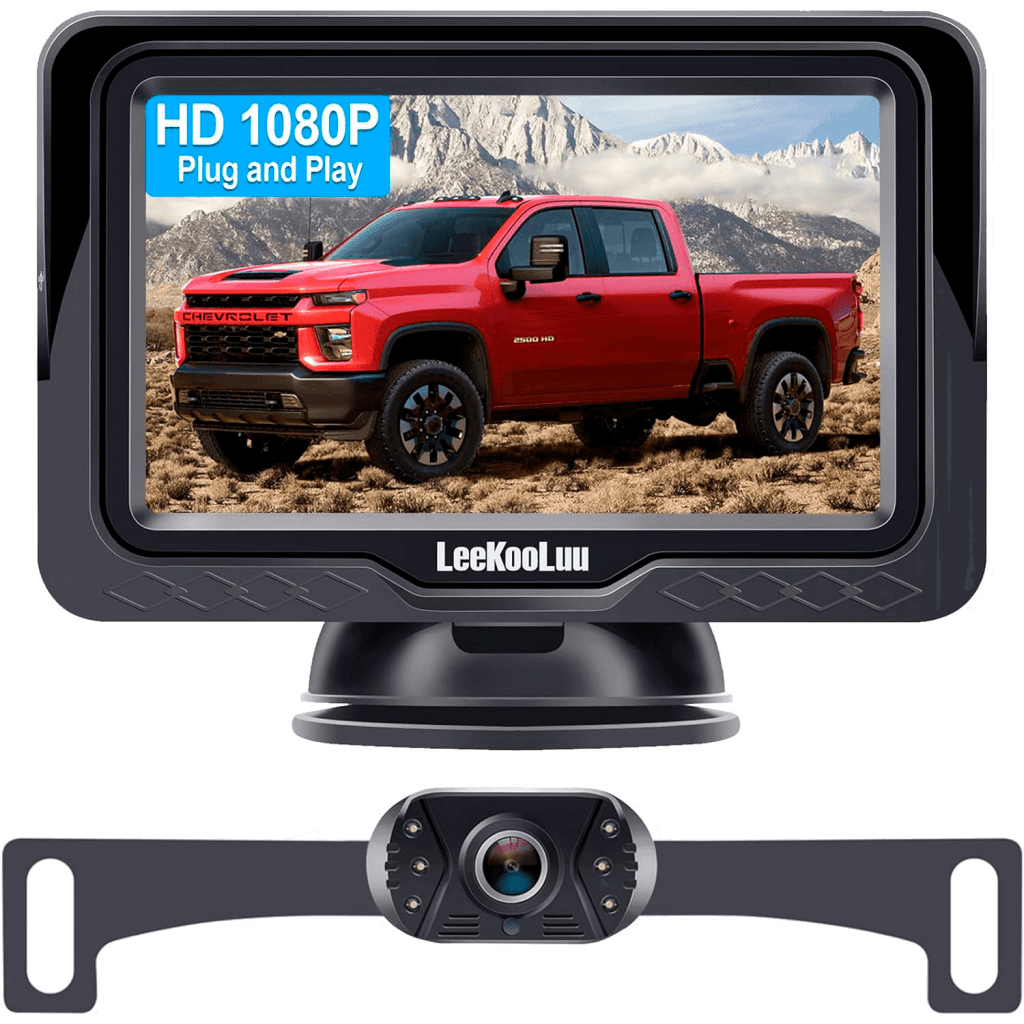
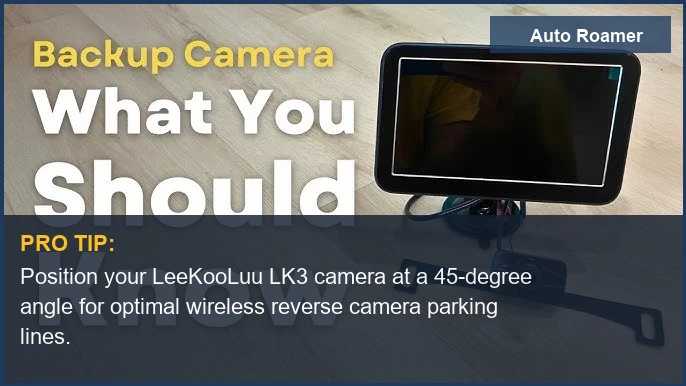
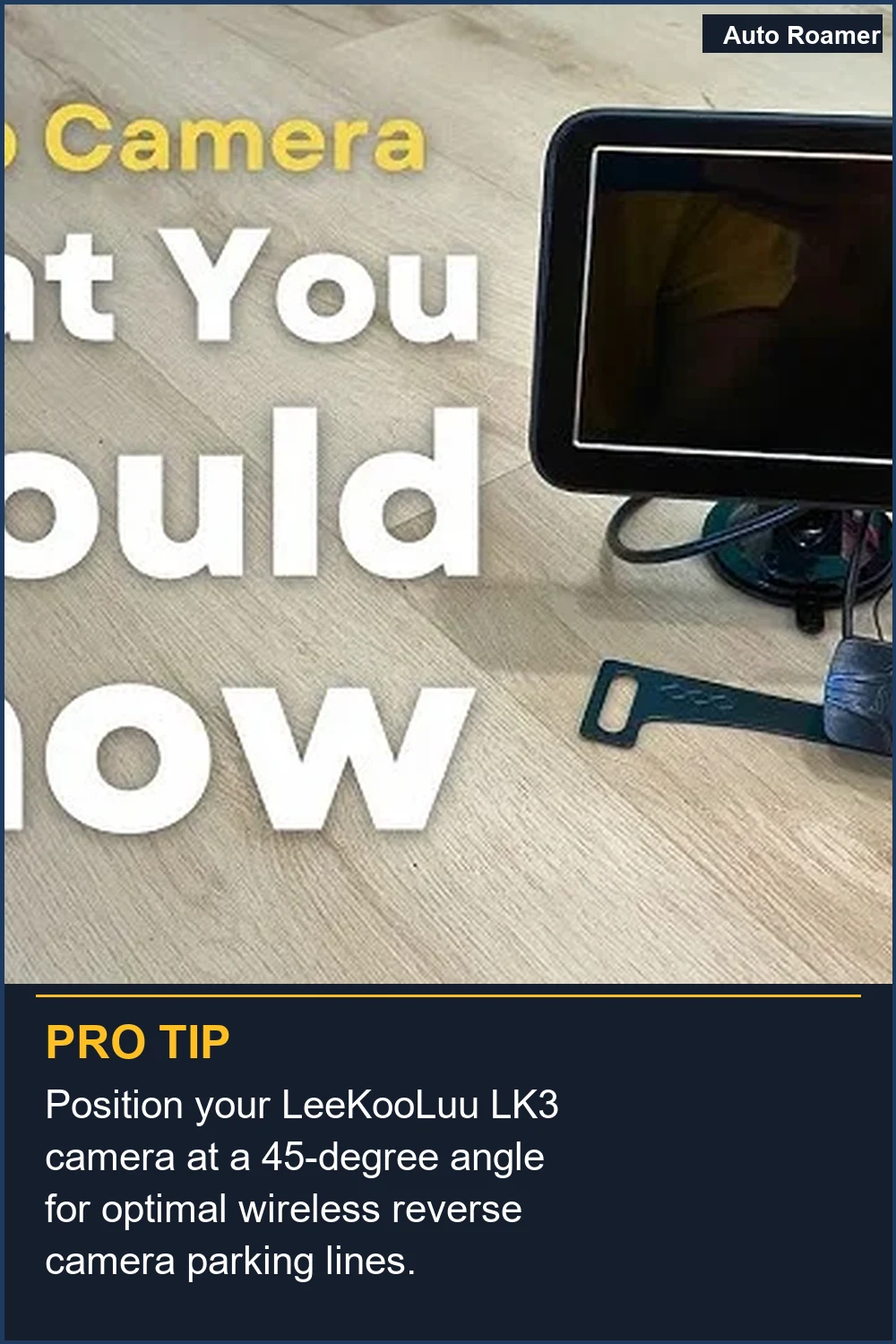
Wireless cameras skip the headache of running 20 feet of signal cable through your chassis. The main failure point is always signal integrity or power delivery. These units minimize both, mostly. YouTube reviews highlight the critical difference between 'wireless video' and 'wireless power.' Pay attention. Wolfbox G840S (~$170) Specs: 1296P mirror dash cam, 170-degree front/140-degree rear, IP68 waterproof rear cam. Pros: Good image resolution, dual-camera system, solid mounting hardware. The mirror mounts are surprisingly stable, resisting vibration. Cons: Still needs a wired power connection to the reverse light, which is not truly 'wireless.' The touch screen can be less tactile in cold weather. Best For: Drivers wanting a dashcam and backup camera combo without running a separate monitor wire to the front. LeeKooLuu LK3 (~$100) Specs: 1080P, 150-degree wide angle, 5-inch monitor, IP69K waterproof. Pros: Simple installation, the monitor plugs into the cigarette lighter. The camera draws power from the reverse light circuit, minimizing parasitic draw. Cons: Image quality can degrade with distance, especially in heavy RF interference areas. The suction cup mount for the monitor will eventually fail from thermal cycling. Best For: Anyone who wants the absolute easiest install and isn't picky about ultra-HD resolution. ZDNET praises its ease of installation. Garmin BC40 (~$150) Specs: 720P, 150-degree field of view, runs on 2x AA batteries, Wi-Fi connectivity. Pros: Truly wireless for power and signal - no wiring to the reverse light. Magnetic mount is strong enough for most light-duty applications. Battery life is decent, around 3 months. Cons: 720P resolution is barely adequate. The internal battery compartment seal is a common failure point; water ingress is a known issue. Battery changes are a pain. Matrack notes its discreet design. Best For: Trailers or vehicles where running any wire is a non-starter. Just remember to check those batteries. AUTO-VOX Solar 3A Plus (~$180) Specs: 720P, 110-degree field of view, solar-powered camera with 3350mAh battery, 5-inch monitor. Pros: Solar charging means no wiring to the reverse lights. Good for RVs or campers where reverse lights are far from the bumper. The camera recharges itself. Cons: 110-degree field of view is narrow for a backup camera. Solar charging efficiency drops drastically in overcast conditions, leading to dead batteries. The internal battery will degrade from thermal cycling. Best For: RVs or long trailers where a truly self-sufficient camera is critical, if you live somewhere sunny. It's a popular choice in some YouTube reviews. eRapta ERT02 (~$70) Specs: 720P, 149-degree angle, IP69 waterproof, RCA wired connection to wireless transmitter. Pros: Cheapest option for a 'wireless' setup. Image quality is acceptable for the price point. The separate wireless transmitter offers some flexibility in mounting. Cons: Still requires a wired connection from the camera to the wireless transmitter, which then plugs into reverse power. The transmitter itself is often the weak link for signal integrity. Cheap plastic housing on the transmitter will crack from UV exposure. Best For: Those on a tight budget who don't mind a slightly more involved (but still simple) install. Think of it as a wireless video adapter for a wired camera.View on Amazon — Wolfbox G840S
View on Amazon — LeeKooLuu LK3
Quick Verdict
When you cut the wires, you introduce new failure modes. Radio frequency interference, signal attenuation, and power management become critical. Crutchfield highlights that image quality often takes a hit with wireless systems.- Signal Integrity is King: If your camera's video link drops out at 50 feet, it's useless for an RV. The advertised range is always under ideal, no-interference conditions. Expect about 60% of that in the real world.
- Power Delivery is a Close Second: Battery-powered cameras are convenient until the battery dies mid-maneuver. Solar-powered units mitigate this, but only if they get adequate direct sunlight. Otherwise, you're back to charging.
- Mounting Hardware: A cheap plastic mount will vibrate loose, causing image blur and eventual component fatigue. Look for metal brackets and secure fasteners. Suction cups are temporary fixes, not permanent solutions.
- Latency: A half-second delay in your video feed is enough to hit something. Low latency is crucial for safety. Cheap units often have unacceptable lag.
- Environmental Sealing: IP68 or IP69K ratings are necessary. Water ingress into the camera housing or battery compartment will kill the unit faster than anything else. Condensation from thermal cycling will fog the lens and corrode internal components. Some reviews note the importance of proper sealing.
Frequently Asked Questions
The dealership quoted me $450 to install a wireless backup camera. Can I actually do it myself for less?
Do I need a fancy multimeter to install one of these, or can I just guess at the wires?
What if my wireless camera's signal keeps dropping out, even after I installed it correctly?
Can a poorly installed wireless camera permanently damage my vehicle's electrical system?
I heard that wireless cameras are illegal in some states. Is that true?
🏅 Looking for Gear Recommendations?
Check out our tested gear guides for products that work with this setup:
Sources
- TOP 5 Best Wireless Backup Camera 2026 - YouTube
- AUTO-VOX W10 Review 2025 | Best Wireless Backup Camera for ...
- 5 Best Wireless Dash Cams In 2026 - Matrack
- Best backup cameras for 2026 - Crutchfield
- Best Car and Truck Backup Cameras of 2026, Tested - Car and Driver
- The best backup cameras of 2026 | ZDNET