
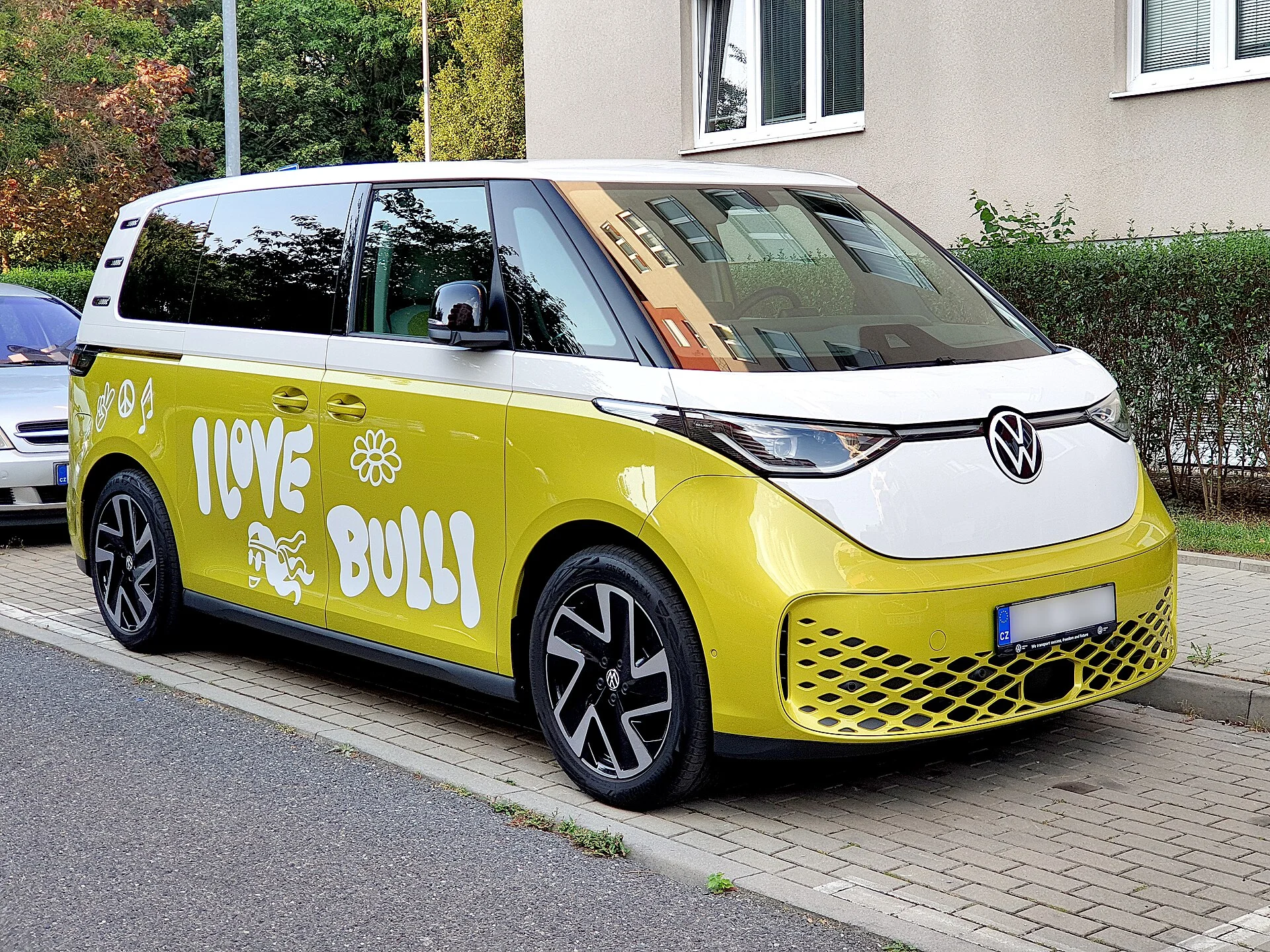
The famous VW campers are the ones you can't buy here
Start a Volkswagen camper van search in the United States and you run into the same frustration within an afternoon: the vans in every photo - the pop-top California, the fully built-out Grand California - are not sold here. So this 2025 review is organized around the only question that actually helps a US buyer, which is what you can put in your driveway. Sorted by availability, the VW camper world gets simple fast.
There is exactly one factory VW you can buy new in the US and turn into a camper today: the ID. Buzz, VW's electric three-row van, which starts at about $59,995, per Car and Driver's pricing. It is not a camper off the lot - it is a camper base, the modern equivalent of the blank Transporter that generations of converters started with. Everything else in the VW camper conversation is either European-market only or an aftermarket conversion, and this review treats them in that order.
A note on model year, because it matters to a shopper: this is a 2025-model-year review. The ID. Buzz reached US dealers as a 2025 vehicle, and the pricing and availability below reflect that year - not a speculative future trim. Where a number could shift with a later model year, it is called out rather than smoothed over.
The ID. Buzz: the VW camper base you can actually buy
The ID. Buzz is the whole reason a US buyer should still care about the VW camper name. It is an electric van with a flat floor, a long wheelbase in its US three-row form, and the one thing every camper build needs - space that folds into a sleeping platform. At about $59,995 to start, per Car and Driver, it is priced against mid-tier SUVs, not motorhomes.
The US ID. Buzz also arrives in a specific configuration worth knowing before you plan a build. Volkswagen sells the American version as the long-wheelbase, three-row people-mover - roomier than the shorter European original - with a big power tailgate, sliding rear doors on both sides, and a cabin designed around passengers rather than cargo. For a camper that cuts two ways: the length and the flat floor are a gift, but the passenger-first interior means seat removal or a folding platform is the first job of any serious conversion, and the second-row bench is heavy enough that most builders leave it and sleep behind it rather than yank it every weekend. Price climbs from the roughly $59,995 base, per Car and Driver, as you add the trims and the all-wheel-drive option, so budget the van and the build together, not in sequence.
What it is not is a finished camper. There is no pop-top, no built-in galley, no factory bed - VW sells the ID. Buzz as a passenger van, and the camping build is on you or an upfitter. That is a feature as much as a limitation, because it is exactly how the original VW campers were born: a versatile van that owners and converters made into homes. For a 2025 buyer the honest read is this:
- Day-camping and weekend sleeping: the folded floor handles a platform build the same way a large SUV does, only flatter and longer.
- Electric range planning: it is an EV, so campsite selection and charging become part of the trip, per Edmunds' coverage of its range - a different rhythm than a diesel Transporter.
- Conversion runway: upfitters are building ID. Buzz camper kits, so the platform that ships blank does not have to stay that way.
Two practical realities shape an ID. Buzz camper build. The first is the floor: with the second and third rows out or folded, the Buzz opens a long, flat, van-shaped load space that takes a sleeping platform far more naturally than any SUV cargo bay - the reason converters are drawn to it in the first place. The second is the electron budget. A camper that runs its lights and fridge off the traction battery is trading driving range for camp comfort, which is why most thoughtful ID. Buzz builds add a separate house battery or a portable station rather than leaning on the vehicle, and plan the route around charging the way a diesel camper plans around diesel.
If you want a new VW you can register, insure, and camp in this year, the ID. Buzz is the answer, with the understanding that you are buying the base and finishing the camper.
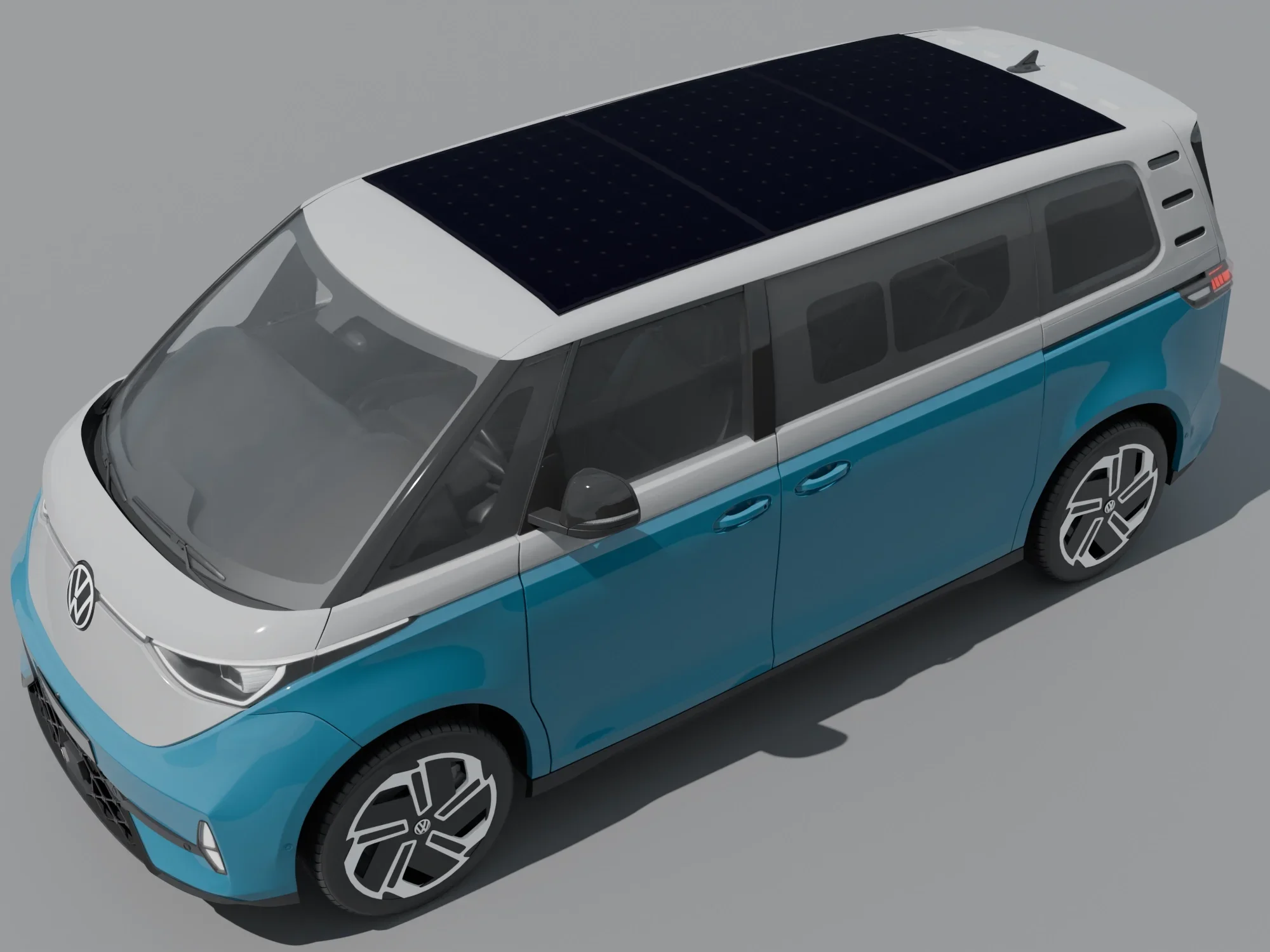
The California: Europe's beloved pop-top, and why it's not here
The California is the VW camper most Americans picture: a pop-top roof, a compact galley, seats that fold into a bed, all factory-built on the Transporter. It is the direct descendant of the Westfalia campers, and per Volkswagen Commercial Vehicles' own model overview it remains a core European product. The catch is the one that ends most US searches: Volkswagen does not sell the California in the United States.
The California is not a unicorn - it is a best-seller, just not here. That gap between how famous it is and how unavailable it is explains most of the confusion in the American VW-camper search.
For a US buyer the California matters as a reference point rather than a purchase. It is the benchmark a converted ID. Buzz or a Westfalia build is chasing - the integrated pop-top and galley that make a factory camper feel effortless. Understanding what the California offers is the fastest way to write your own conversion brief: it tells you which features are worth paying an upfitter for and which you can live without.
What the California actually packages is instructive. The pop-top roof is the centerpiece - it lifts to add standing room and a second double bed up top, so a compact van sleeps four without feeling like a coffin. Below it sits a small kitchen unit with a stove and sink, swiveling front seats that turn the cab into a lounge, and flat-folding rear seats that become the lower bed. None of that is exotic engineering; it is thoughtful packaging of a van most Americans will never be sold, which is exactly why understanding it helps you brief a converter to recreate the parts you value most on the van you can buy.
The Grand California: a full motorhome, also Europe-only
Where the California is a clever pop-top, the Grand California is a proper motorhome: built on the larger Crafter van, with a fixed high roof, a real bed, a wet bath, and a kitchen. It is the VW answer to a self-contained Class B camper, and like the California it is a European-market vehicle that VW does not offer in the US.
Its relevance to an American shopper is as the top of the VW camper ladder - the fully-built end of the spectrum that the ID. Buzz sits at the opposite end of. If your dream is a turn-key van with a bathroom you never leave the vehicle to use, the Grand California is that van, and the practical takeaway is that no factory VW delivers it here. US buyers chasing that level of build are looking at third-party Class B conversions on other chassis, not a VW showroom.
The layout is what a self-contained buyer is really after: a fixed rear bed you never have to make and unmake, a wet bathroom with a toilet and shower in one compact pod, a proper galley with a refrigerator and multi-burner stove, and enough house battery and water to sit off-grid for a few days. That completeness is also its weight and its price - it is a motorhome, with a motorhome's bulk to drive and park. The reason it matters to this review is calibration: it marks the ceiling of factory VW camping, so when you price a US conversion you can decide honestly how much of that turn-key completeness you actually need versus how much you are paying to avoid a folding bed.
Westfalia and conversions: how a VW van becomes a camper
Long before VW built the California in-house, the campers wore a Westfalia badge - the coachbuilder that turned blank Transporters into the pop-top vans that built the whole VW-camper mythology. That conversion route is still how most Americans end up in a VW camper: a used, grey-imported, or aftermarket-converted van rather than a factory product.
For a 2025 buyer the conversion world is two doors. One is the heritage door - older Westfalia-converted Vanagons and Eurovans, bought used, charming and maintenance-hungry in equal measure. The other is the modern door - taking a new ID. Buzz or an imported Transporter to an upfitter and building the camper you actually want. Both share the same honest truth: the camper is the conversion, not the badge, and the badge just tells you which van you started from.
If you go the used-conversion route, buy the van first and the camper second. On an older air-cooled or Vanagon-era VW, the mechanical condition - the engine, the cooling system, the rust in the rockers and battery trays - decides whether you own a charming weekender or a restoration project, and the pop-top's canvas and mechanism are their own inspection. A tidy period interior sitting on a tired drivetrain is the classic trap. On the modern side, an upfitted ID. Buzz or imported Transporter shifts the questions to the conversion's electrical system and how reversible it is, but the principle holds: the platform has to be sound before the camper on top of it is worth anything.
Kitting out a VW camp: the power a conversion needs
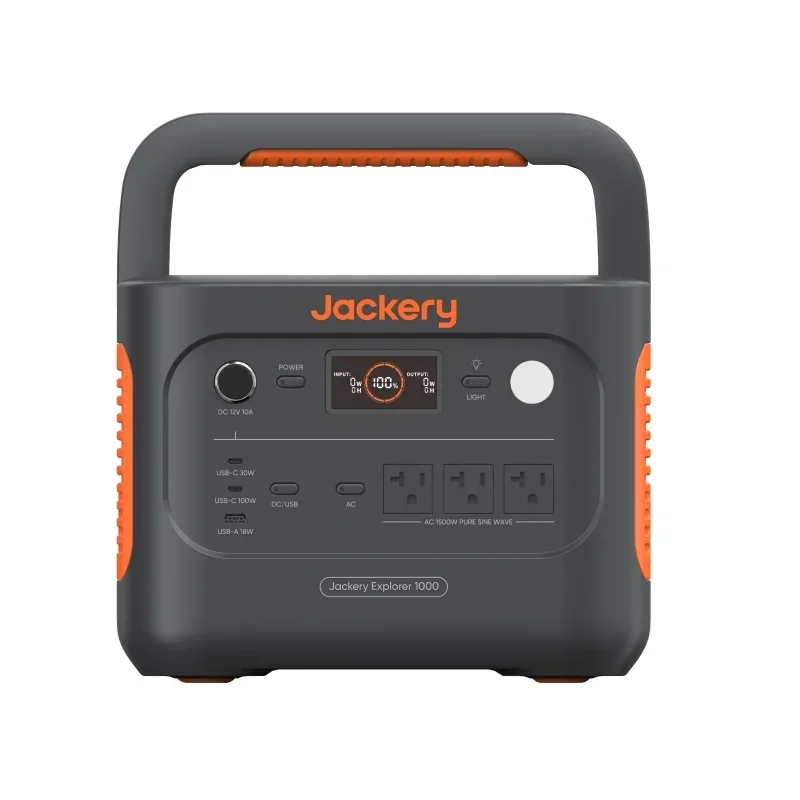
Whichever VW you end up in - a converted Transporter, a used Westfalia, or an ID. Buzz you camp in day-to-day - a camper needs electricity the vehicle does not hand you for free. A gas or diesel conversion has no house battery until you add one, and even an electric ID. Buzz is designed to drive on its traction battery, not to be drained running a fridge overnight. A portable power station is the simplest answer for a DIY VW camp.
Between a portable station and a hard-wired house-battery system, the honest split is commitment. A portable unit is the low-risk start: it moves between vehicles, needs no installer, and is the sensible first buy for an ID. Buzz you mostly day-camp in or a conversion you are still figuring out. A fixed dual-battery or lithium house system is the answer once the van is decidedly the camper and you want a fridge, lights, and charging that just work without a box on the floor. Most builders start portable and only hard-wire once the van has earned it - a good rule that keeps the early money reversible.
The camper is the conversion, and power is the first line of it. Before a pop-top or a galley, a VW camp needs a battery that is not the one that starts - or drives - the van.
In practice that first portable buy is a station of about a kilowatt-hour: the Jackery Explorer 1000 v2 power station holds 1,070Wh of LiFePO4, enough to run a 12V fridge, lights and devices overnight in a converted Transporter or to supplement an ID. Buzz day-camp without leaning on the traction battery.
Cross-shopping: where the VW camper world actually sits
Set against the alternatives, the 2025 VW camper picture is honest about its trade-offs. The ID. Buzz's rivals are not other VWs - they are the vans and large SUVs an American buyer can actually convert or sleep in: gas Transit and ProMaster conversion bases at one end, large three-row SUVs at the other. The ID. Buzz's pitch against them is electric refinement and the Buzz's design, at an EV's range-planning cost.
Against the European Californias and Grand Californias, meanwhile, the honest cross-shop is not a cross-shop at all - you cannot buy them here, so the comparison is aspirational. The useful version of that comparison is a shopping list: decide which California features you want (pop-top sleeping, integrated galley, a bathroom) and price what it takes to add each to a van you can actually buy. That turns an unavailable dream into a buildable spec.
Each branch of that decision has a deeper dive: our electric VW camper review goes further on the ID. Buzz as a build base, our California camper review covers the Europe-only icon feature by feature, and our VW camper comparison lines the models up side by side. Read whichever matches the path you are actually on.
The verdict: which VW camper is right for you in 2025
Sorted by what a US buyer can do this year, the answer is short. If you want a new Volkswagen you can register and camp in, the ID. Buzz - from about $59,995, per Car and Driver - is the only factory option, and you buy it understanding you are finishing the camper yourself. If you want the classic factory-built VW camper experience, the California and Grand California are superb and European-only, so your real path is an import or a conversion that chases their features.
The one-line 2025 verdict: buy the ID. Buzz if you want a new VW to build into a camper; go the Westfalia-conversion route if you want the heritage; and treat the California and Grand California as the benchmark you are building toward, not a showroom you can visit.
Underneath the model names, the VW camper has always been the same idea: a versatile van made into a home by whoever owns it. In 2025 that idea is alive and electric in the ID. Buzz, preserved in Europe in the California, and kept going in the US by the converters who never needed a factory to build a camper. Shop the van you can buy, and build the camper you want - that has always been the VW way.