
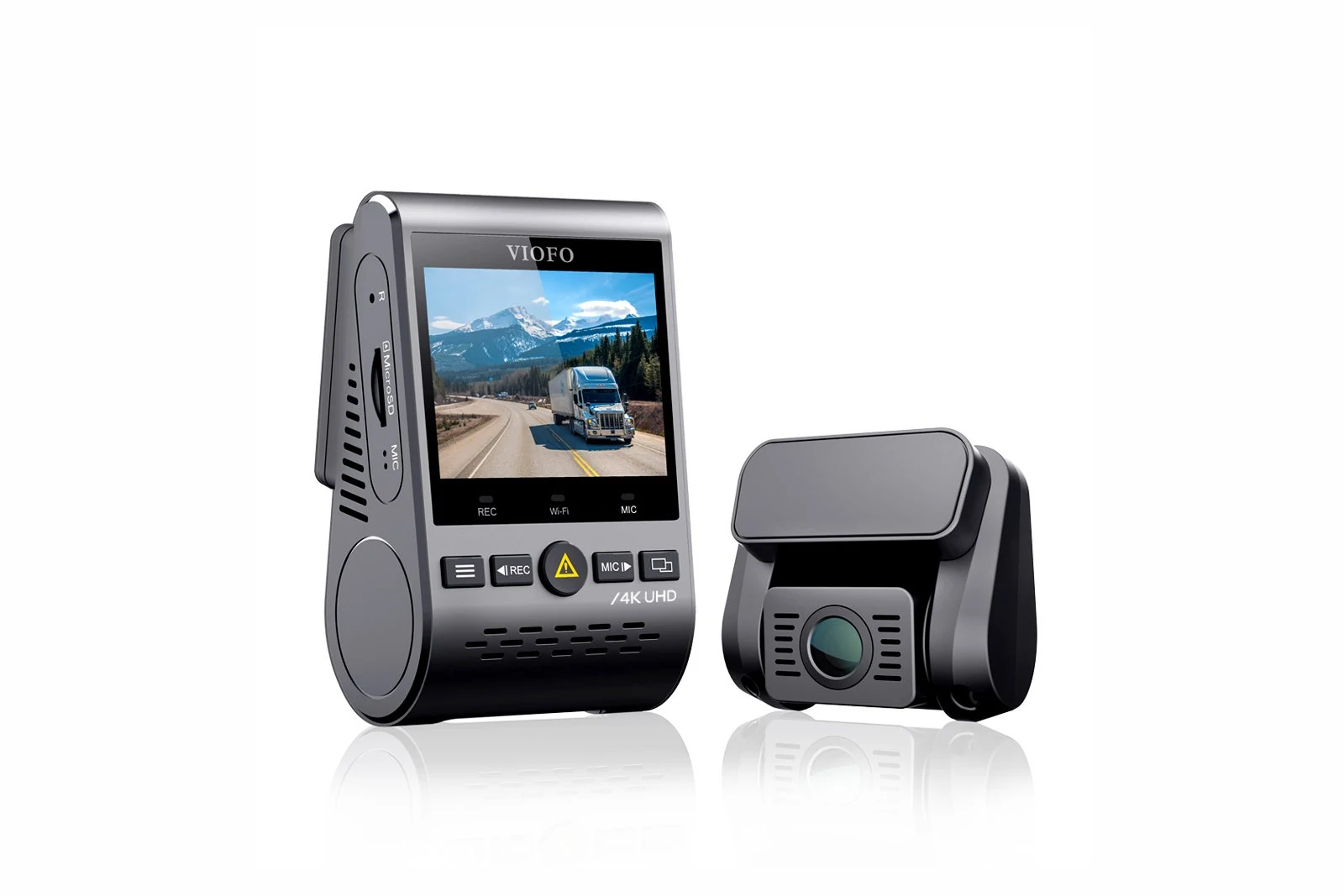
First, the Basics
Ever worry your dash cam will go blank just when you need it most? The Kia PV5 Camper is a workhorse, and it deserves a dash cam that's just as reliable, not a fragile gadget prone to melting in the heat. Forget fancy screens; we're talking about footage you can count on, because as Vortex Radar's 2026 buyer's guide points out, those impressive resolution numbers are useless if the sensor can't handle a little thermal cycling. Your average dash cam, especially the cheap Am
Quick Verdict
- Thermal Resilience is Non-Negotiable: Forget lithium-ion batteries. Supercapacitors handle the 140 degrees F interior heat of a parked camper without swelling or losing capacity. Anything else is a planned obsolescence scam. VIOFO prioritizes supercapacitors for a reason.
- Sensor Quality Over Raw Resolution: A '4K' camera with a garbage sensor is worse than a 1080p camera with a Sony STARVIS 2. You need dynamic range to read license plates in glare or near-total darkness.
- Parking Mode That Works: Buffered parking mode is key. Most cams record after impact. You need the 15 seconds before the hit to show context - who approached, from what direction. That's the difference between a claim and a denied claim.
- Hardwire It Right: Don't rely on the 12V cigarette lighter. The PV5 camper is a mobile home, not a sedan.
- Multi-Channel for Full Coverage: Front and rear, at minimum. Interior for liability if you carry passengers. The PV5 has blind spots; cover them. Some folks get creative with wires for multi-channel setups, but it's worth the effort.
Don't get suckered by marketing numbers.
Hardwiring to a switched fuse with a proper voltage cutoff prevents parasitic draw from killing your battery in 3 days. A Nextbase unit at £119.99 is useless if it drains your starter battery.
What to Look For
When you're spec'ing out a dash cam for a Kia PV5 Camper, you're not buying a toy. You're buying an evidence recorder. Here's what actually matters, not the garbage marketing hype.
| Feature | Why it Matters for a PV5 Camper |
|---|---|
| Supercapacitors | Lithium-ion batteries swell and fail at 140 degrees F internal cabin temperatures. Supercapacitors handle the thermal cycling without degradation. This prevents circuit damage and ensures long-term reliability. VIOFO makes this a standard, not a premium feature. |
| Sony STARVIS 2 Sensor | Not all '4K' is equal. This sensor delivers 2.5x wider dynamic range, crucial for reading license plates at night or in harsh headlight glare. It's the difference between useless pixel mush and actionable evidence. |
| Buffered Parking Mode | Records 15 seconds *before* an impact, not just after. This provides critical context for insurance claims - showing the approach, not just the collision. Essential for hit-and-runs in parking lots. |
| Hardwiring Kit with Voltage Cutoff | Prevents parasitic draw from killing your battery. A decent kit will automatically cut power when your battery voltage drops below 11.8V, leaving enough juice to start the engine. Don't rely on a 12V adapter for continuous power. |
| Multi-Channel (2-3 Cameras) | Front and rear are bare minimum. The PV5 is a large vehicle; you need to cover blind spots. An interior camera is smart for rideshares or proving liability if a passenger claims injury. For vans, multi-channel is often recommended. |
| Adhesive Mount (3M VHB) | Suction cups fail from thermal cycling and vibration. A strong 3M VHB adhesive mount ensures the camera stays put, maintaining consistent lens angle and reducing vibration-induced video blur. Car and Driver's testing confirms this. |
| GPS Logging | Records speed and location data. Crucial for accident reconstruction and proving your speed at the time of an incident. Some insurance companies love this data, others hate it. Your choice. |
- Best Dash Cams for 2026 Kia Camper Van
- Best Dash Cam for 2026 Volkswagen Camper Van
- Best Battery for Dash Cams
Our Top Picks for Reliable Performance
Alright, cut the crap. Here are the dash cams that actually deliver, based on mechanical integrity and circuit reliability, not pretty packaging.
- Specs: Front 4K, Rear 2K, Interior 1080p. All with Sony STARVIS 2 sensors.
- Pros: Excellent dynamic range, buffered parking mode (15 seconds pre-roll), supercapacitors for thermal stability. Hardwire kit available. VIOFO is a strong contender for RVs.
- Cons: Wiring a 3-channel system is a project. Interior camera might be overkill for some.
- Best For: Full-coverage insurance for your PV5, especially if you carry passengers or want maximum parking protection.
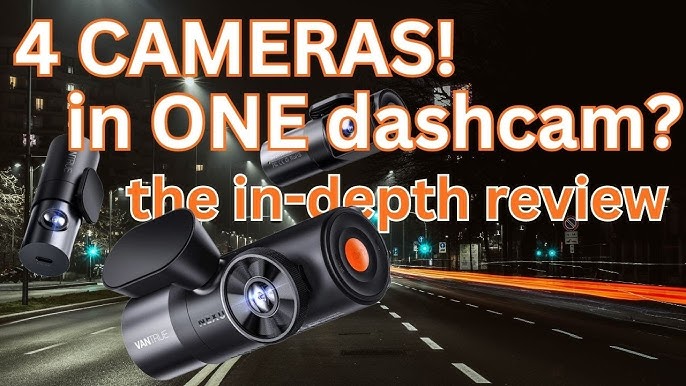
Vantrue N5 4-Channel (~$390)
- Specs: Front 4K, Rear 1080p, Interior 1080p, Right/Left side 1080p.
- Pros: Unmatched coverage with four cameras. Sony STARVIS 2 on the front. Good for managing blind spots on a larger vehicle like the PV5.
- Cons: More complex installation due to additional cameras. Higher power draw for parking mode.
- Best For: Absolute maximum coverage for a large camper, eliminating every blind spot.
VIOFO A129 Pro Duo (~$200)
- Specs: Front 4K, Rear 1080p. Both with Sony STARVIS sensors (older generation than STARVIS 2).
- Pros: Solid performance for the price. Supercapacitors. Reliable. A good entry point into a multi-channel setup if 3-channel is too much.
- Cons: Older sensor technology means less dynamic range than STARVIS 2.
- Best For: Cost-conscious PV5 owners who still demand reliability and basic front/rear coverage.
- Specs: Front 4K, Rear 2K. Sony STARVIS 2. Integrated LTE for cloud connectivity.
- Pros: Cloud parking mode (motion alerts to your phone), robust build, generally stable.
- Cons: Expensive. LTE subscription cost. Can run hot during continuous parking mode operation, relying on active cooling.
- Best For: PV5 owners who want remote monitoring and don't mind the premium price tag and subscription.
Fitcamx 4K Dash Cam for Kia K5 (2025-2026) (~$200)
- Specs: Front 4K. Specific OEM-style fitment for Kia models.
- Pros: Clean, integrated look. Installs behind the rearview mirror, no visible wires. Reddit users praise the clean install.
- Cons: Single channel only - you lose rear coverage. Unknown thermal resilience (often lithium-ion). Limited parking mode features.
- Best For: Those who prioritize a factory-integrated aesthetic and only need front-facing recording, assuming the thermal specs hold up.
Garmin Dash Cam 67W (~$200)
- Specs: Front 1440p, 180-degree field of view.
- Pros: Compact size, voice control, decent image quality.
- Cons: Single channel only. Garmin's mounting system can be finicky. Not designed for continuous heavy thermal cycling.
- Best For: Minimalist front-only recording, if you absolutely hate wires and don't mind sacrificing rear coverage and long-term thermal stability.
Head-to-Head Comparison
When you're comparing dash cams, ignore the marketing fluff. Focus on the core engineering choices. Here's a look at how some common options stack up where it actually counts.
| Feature/Model | VIOFO A229 Pro (3CH) | Vantrue N5 (4CH) | BlackVue DR970X (2CH LTE) |
|---|---|---|---|
| Thermal Stability (Battery Type) | Supercapacitor. Excellent at 140 degrees F. No swelling, no outgassing. | Supercapacitor. Handles extreme temperatures well. | Supercapacitor. Robust, but LTE module adds heat load. |
| Sensor Quality (Night Vision) | Sony STARVIS 2 (Front/Rear/Interior). Best-in-class dynamic range. | Sony STARVIS 2 (Front). Good, but secondary cameras are lesser. | Sony STARVIS 2 (Front/Rear). Excellent, but can run hot with LTE. |
| Parking Mode Buffer | 15 seconds pre-roll. Critical context. | Buffered, but pre-roll duration can vary. | Buffered, with cloud notification. |
| Mounting Method | 3M VHB adhesive. Superior vibration resistance. | 3M VHB adhesive. Solid. | 3M VHB adhesive. Very secure. |
| Wiring Complexity | Moderate. Three cameras, one hardwire kit. | High. Four cameras, more cable management. | Moderate. Two cameras, plus LTE antenna. |
| Cost per Channel (Approx.) | ~$106 per channel. Good value for performance. | ~$97 per channel. Excellent coverage for cost. | ~$250 per channel. Premium for LTE features. |
| Failure Mode Risk | Minimal, mostly user installation error. | Slightly higher due to more cables/connections. | Overheating with continuous LTE in direct sun. Some users report issues. |
The VIOFO and Vantrue units focus on raw data capture and thermal resilience, which is what matters for a camper. You pay more for convenience, not necessarily for better core video evidence. Dashcamtalk's guide highlights sensor quality as key, not just features.
Budget vs Premium: Where Your Money Actually Goes
You want to know where your money goes with dash cams? It's not always in the marketing. It's in the silicon, the capacitors, and the mechanical tolerances. Here's the breakdown of what you're actually paying for.
| Feature | Budget (~$100-150) | Premium (~$300-500+) |
|---|---|---|
| Image Sensor | Generic or older Sony STARVIS. Limited dynamic range, poor night vision, pixelated license plates in glare. | Sony STARVIS 2. 2.5x wider dynamic range, clear license plates at night and in direct headlight glare. This is the single biggest difference. |
| Power Storage | Lithium-ion battery. Swells, outgasses, and fails rapidly from thermal cycling in vehicle interiors (140 degrees F). VIOFO explicitly calls this out. | Supercapacitor. Resists thermal degradation, maintains circuit integrity. No swelling. Longer lifespan, especially in a camper baking in the sun. |
| Parking Mode | Impact-triggered only, no pre-roll. Records *after* the event. Often drains battery quickly or requires a separate, unreliable power bank. | Buffered pre-roll (15-30 seconds). Records *before* and after impact. Smart voltage cutoff to protect vehicle battery. |
| Connectivity | Basic Wi-Fi for app viewing. Slow file transfers. | 5GHz Wi-Fi, optional LTE for cloud access and remote alerts. Faster transfers, remote monitoring (with subscription). |
| Build Quality/Mounting | Flimsy plastic, suction cup mounts that fail from heat and vibration. Loose tolerances leading to camera shake. | Robust ABS/PC materials, 3M VHB adhesive mounts for secure, vibration-free recording. Tighter tolerances, better mechanical stress resistance. |
| Channels (Cameras) | Typically single channel (front only). Minimal coverage. | 2-channel (front/rear) or 3-channel (front/rear/interior). Full vehicle envelope coverage. |
You're not just paying for a brand name. You're paying for a better sensor, a more thermally resilient power supply, and engineering that ensures the device actually works when it matters. A $100 dash cam that fails in 6 months is a $100 wasted. A $300 dash cam that lasts 5 years and saves you a $2000 insurance deductible is cheap insurance.
The Bottom Line
- Prioritize Supercapacitors: This isn't optional for a camper. Your PV5 will bake in the sun, hitting 140 degrees F inside. Lithium-ion batteries will fail. Supercapacitors are the only reliable option for power storage.
- Sony STARVIS 2 is Gold: Forget generic '4K'. The sensor is what captures legible license plates in low light or glare. Without it, your footage is just blurry pixels. Vortex Radar's top picks consistently feature these sensors.
- Hardwire with Cutoff: Don't kill your starter battery. Use a hardwire kit with a voltage cutoff at 11.8V to prevent parasitic draw. It's a 30-minute install and saves you a dead battery on day 3 of your trip.
- Multi-Channel is Smart: Front and rear are bare minimum. The PV5 is a large target. An interior camera adds another layer of protection. Don't skimp on coverage.
- Mounting Matters: 3M VHB adhesive. Suction cups fail from thermal cycling. A camera that falls off is a camera that doesn't record.
Don't buy a dash cam based on price alone. Buy it based on its ability to survive the thermal and mechanical stresses of a camper and still deliver clear, usable evidence. Anything less is just a waste of money and provides a false sense of security.
If you are converting the electric PV5 into a camper, plan the wiring early.