
First, the Basics
Your dash cam is useless if it's dead, and a dead car battery because of a dash cam is a special kind of stupid. There are too many forum posts about a $180 dash cam bricking a $1,200 starter motor because someone hardwired it to a constant 12V line. That's a 667% markup on a simple wiring mistake.
Modern cars, especially hybrids like the Volkswagen ID4, have tiny starter batteries, sometimes as low as 280 cold cranking amps.
Compare that to an older truck with 800 CCA. You're not comparing apples to apples; you're comparing a grape to a grapefruit. Safe Drive Solutions points out this critical difference.
These newer vehicles are packed with computers that constantly pull 15 to 50 milliamps. Add a dash cam drawing 200mA in parking mode, and your 12V battery dips below 11 volts in no time. Then your fancy German engineering just clicks. No start. Congratulations, you played yourself.
A dedicated dash cam battery pack charges while you drive, typically needing only 45 minutes to reach full capacity, and keeps your recording active for hours after you park, preventing that voltage sag. This YouTube guide highlights the importance of proper power management.
Don't let a cheap dash cam setup turn your car into a very expensive paperweight. We're talking about fundamental circuit integrity here.
The voltage drop from continuous parasitic draw is a killer for lead-acid batteries and sensitive ECUs.
Quick Verdict
- Best Overall for Robust Parking Mode: The BlackVue B-130X Ultra Magic Battery Pack (~$300). It's got the 7,500mAh capacity to keep your camera running for a solid 24 hours in parking mode, and its LiFePO4 chemistry means it handles thermal cycling without turning into a fire hazard.
- Best Value with Solid Performance: The 70mai Dash Cam Battery Pack BL96NNX (~$150). At 96Wh and using LiFePO4 cells, it's a no-brainer for reliable backup power without breaking the bank. Texas Diamond Garage praises its longevity.
- Compact & Discreet Choice: The IROAD Power Pack Pro 12 (~$250). Smaller footprint, still LiFePO4, and charges fast. Good for tight installs where every cubic centimeter matters.
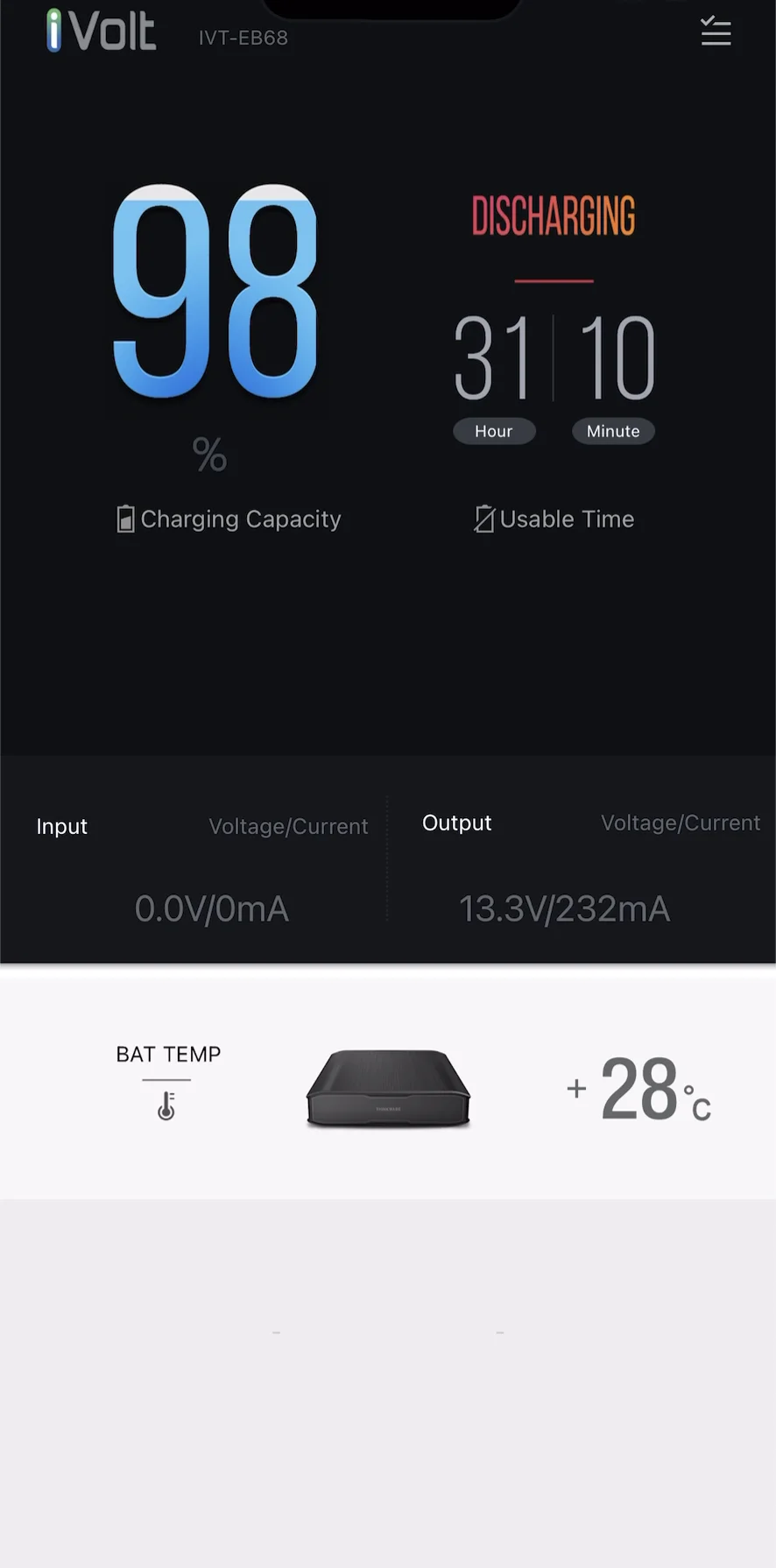
- For High-Draw Systems (Multiple Cameras): The Thinkware IVOLT Xtra (~$280). With 7500mAh, it can handle a dual-channel setup and still give you ample parking mode. This unit is built for systems with higher current demands.
- Budget-Friendly, Basic Power: If you're really pinching pennies, a decent USB power bank can work in a pinch, but watch the thermal limits. These aren't designed for automotive environments. You're trading durability for a lower initial cost.
- Avoid: Any generic 'dash cam power bank' that doesn't specify LiFePO4 cells or proper thermal management. You're asking for a thermal runaway event in your glove box. BlackboxMyCar explains why LiFePO4 is critical for automotive use.
View on Amazon — BlackVue B-130X Ultra Magic Battery Pack
View on Amazon — 70mai Dash Cam Battery Pack BL96NNX
View on Amazon — IROAD Power Pack Pro 12
View on Amazon — Thinkware IVOLT Xtra
What to Look For
Forget the fancy box art. Here's what actually keeps your dash cam alive and your car starting. We're talking about pure physics and material science here.
| Metric | Why It Matters (Physics/Engineering) | What to Look For |
|---|---|---|
| Cell Chemistry | LiFePO4 (Lithium Iron Phosphate) cells resist thermal runaway better than Li-ion due to stronger P-O bonds, preventing exothermic decomposition. This means fewer car fires. | LiFePO4. Period. Don't cheap out with standard Li-ion for automotive use, especially with thermal cycling. BlackboxMyCar emphasizes this safety aspect. |
| Capacity (Wh/mAh) | Directly dictates how long the dash cam can run. Higher capacity means more electron storage, extending parking mode duration. | Minimum 6000mAh (72Wh) for single-channel, 7500mAh (90Wh) or more for dual-channel or extended parking. |
| Charging Time | How quickly the pack recharges from the vehicle's 12V system. Faster charging means less time drawing from the car battery in parking mode. | Under 60 minutes for a full charge from a 12V accessory socket. Some can hit 45 minutes, as Safe Drive Solutions notes. |
| Input Voltage Range | The ability to accept charging current from various vehicle electrical systems without voltage regulator issues. | Wide range (e.g., 12V-24V) for compatibility with both cars and trucks. |
| Output Voltage Stability | A stable 12V output prevents voltage sag to the dash cam, ensuring consistent operation and preventing brownouts that can corrupt footage. | Regulated 12V output is non-negotiable. Check the spec sheet for ripple voltage tolerances. |
| Thermal Management | Dissipation of heat generated during charging/discharging. Poor thermal management accelerates cell degradation and increases fire risk. | Integrated cooling fins, internal temperature sensors, and over-temperature protection. Essential for hot climates. |
| Cycle Life | The number of charge/discharge cycles before capacity drops to a specified percentage (e.g., 80%). A measure of durability. | Look for 2,000+ cycles. The 70mai BL96NNX claims 70% capacity after 2,000 cycles, according to Texas Diamond Garage. |
Don't fall for flashy screens or Bluetooth apps if the core physics aren't solid. That's just lipstick on a pig. Too many cheap units swell up like rotten fruit from poor thermal regulation.
Our Top Picks for Reliable Performance
Alright, cut the crap. Here are the units that won't leave you stranded or burn your ride to the ground. These are built with actual engineering, not just marketing budget. My focus is always on circuit integrity and thermal stability, because a dash cam battery is still a battery, and batteries store energy that can be released in exciting, destructive ways.
BlackVue B-130X Ultra Magic Battery Pack (~$300)
Capacity: 7,500mAh (90Wh) LiFePO4.
Pros: Fast charging (under 45 minutes), robust thermal design, excellent cycle life, integrates well with BlackVue cameras. Cons: Higher price point, a bit bulky. Best-for: Anyone running a premium BlackVue system or needing maximum parking mode duration without compromise. BlackboxMyCar rates this highly for its capacity.
70mai Dash Cam Battery Pack BL96NNX (~$150)
Capacity: 96Wh LiFePO4. Pros: Excellent value for the capacity, reliable LiFePO4 cells, decent charge time, compact. Cons: Fewer advanced features or detailed status information compared to premium options.
Best-for: Drivers who want solid, no-frills parking mode power at a reasonable price. Texas Diamond Garage highlights its 96Wh capacity and LiFePO4 cells.
Thinkware IVOLT Xtra (~$280)
Capacity: 7,500mAh LiFePO4. Pros: Designed for Thinkware integration, quick charge, good thermal management, supports high-draw cameras. Cons: Best performance with Thinkware cameras, might be overkill for basic setups. Best-for: Thinkware users running dual-channel setups or those who need robust power for multiple accessories.
Safe Drive Solutions includes this in their top picks.
IROAD Power Pack Pro 12 (~$250)
Capacity: 6,000mAh LiFePO4. Pros: Compact size, fast charging, good for tight spaces, durable construction. Cons: Slightly lower capacity than some competitors for the price. Best-for: Users with space constraints who still demand LiFePO4 safety and reliability. Safe Drive Solutions considers IROAD packs reliable.
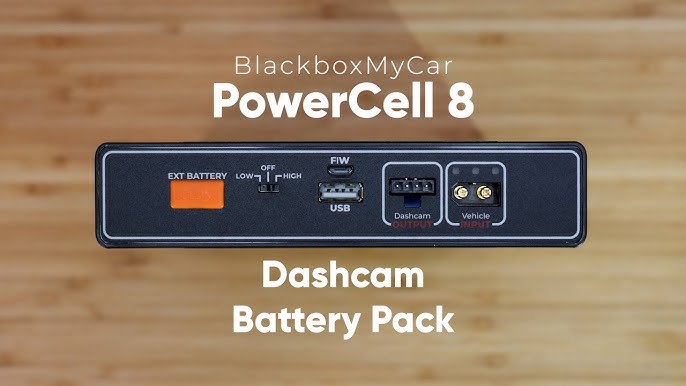
BlackboxMyCar PowerCell 8 (~$290)
Capacity: 7,500mAh LiFePO4. Pros: Similar specs to the BlackVue B-130X, fast charging, solid build quality.
Cons: Pricey, may not be as widely available as BlackVue. Best-for: Those looking for a BlackVue alternative with similar performance metrics. BlackboxMyCar lists this as a top recommendation.
View on Amazon — BlackVue B-130X Ultra Magic Battery Pack
View on Amazon — 70mai Dash Cam Battery Pack BL96NNX
View on Amazon — Thinkware IVOLT Xtra
View on Amazon — IROAD Power Pack Pro 12
View on Amazon — BlackboxMyCar PowerCell 8
Head-to-Head Comparison
When you're looking at these things, don't just eyeball the marketing photos. Focus on the core specs that dictate performance and, more importantly, failure modes. We're breaking down the critical parameters here, not how shiny the case is. This is about thermal stability and current delivery.
| Feature | BlackVue B-130X Ultra | 70mai BL96NNX | Thinkware IVOLT Xtra |
|---|---|---|---|
| Cell Type | LiFePO4 | LiFePO4 | LiFePO4 |
| Capacity (mAh) | 7,500 mAh | 8,000 mAh (approx. 96Wh) | 7,500 mAh |
| Charging Time (12V) | ~40 minutes | ~60 minutes | ~45 minutes |
| Parking Mode Runtime (single cam) | ~24 hours | ~20 hours | ~20 hours |
| Operating Temp (degrees F) | -4 to 140 | -4 to 140 | -4 to 140 |
| Output Voltage | 12V Regulated | 12V Regulated | 12V Regulated |
| Price Point | ~$300 | ~$150 | ~$280 |
The 70mai unit pulls ahead on raw Wh capacity for half the price, according to Texas Diamond Garage. That's a significant cost-per-Wh ratio. The BlackVue and Thinkware units often have better integration with their respective camera ecosystems, which can simplify wiring and monitoring. DashCamTalk forums show how specific system integration can be a factor.
But if you just need power, and don't care about a fancy app, the 70mai is a strong contender. It's not about brand loyalty; it's about the joules you get for your dollar and the thermal stability of those cells.
Budget vs Premium: Where Your Money Actually Goes
You think 'premium' means a magic battery, right? Wrong. It means better tolerances, tighter manufacturing, and sometimes, less outgassing from cheap plastic. But often, it's just a bigger marketing budget for the same fundamental physics. Let's break down where the extra cash goes, and where it's just fluff. This YouTube video touches on the reality of dash cam pricing.
| Feature | Budget (~$50-100) | Premium (~$250-350) | Engineering Reality |
|---|---|---|---|
| Cell Chemistry | Often generic Li-ion (18650 cells), higher thermal runaway risk. | LiFePO4 (Lithium Iron Phosphate), stable chemistry, lower fire risk. | LiFePO4 cells are inherently more stable due to stronger covalent bonds. Worth every penny for safety. |
| Capacity (Wh) | Typically 30-60Wh. Limited parking mode. | 90-120Wh. Extended parking mode. | More cells, higher energy density. This is a direct correlation to runtime. |
| Charging Circuitry | Basic charging ICs, less efficient, higher thermal load. | Advanced MPPT (Maximum Power Point Tracking) or dedicated charging ICs, faster, cooler charge. | Better control over current and voltage input prevents premature cell degradation and improves efficiency. |
| Case Material | Thin ABS plastic, less impact resistance, poor heat dissipation. | Thicker ABS/PC blend, sometimes with aluminum heat sinks, better mechanical stress tolerance. | Improved thermal management and mechanical protection against vibration and minor impacts. |
| Wiring/Connectors | Thin gauge wires, generic connectors, higher resistance, voltage drop. | Thicker gauge wires, automotive-grade connectors, lower resistance, better circuit integrity. | Reduced I^2R losses and improved durability against vibration fatigue. |
| Thermal Management | Minimal to none. Relies on passive cooling. | Internal temperature sensors, sometimes active cooling or dedicated heat sinks. | Prevents over-temperature conditions that accelerate cell degradation and can lead to thermal runaway. |
So, for an extra $200, you're buying thermal stability, mechanical robustness, and most importantly, reduced risk of your car spontaneously combusting. That's not a 'luxury' feature; it's fundamental engineering. The difference isn't always about more power, but safer, more reliable power under real-world thermal cycling and mechanical stress. Apparently premium means not turning your car into a bonfire.
The Bottom Line
Look, running a dash cam without a dedicated battery pack is like trying to hold up a skyscraper with a toothpick. You're putting unnecessary mechanical stress and thermal cycling on your vehicle's primary battery and electrical system. The minimal cost of a proper LiFePO4 pack is an investment in your car's longevity, not just your dash cam's uptime.
- Prioritize LiFePO4 Chemistry: This isn't optional for automotive use. The thermal stability and cycle life of LiFePO4 cells are superior to standard Li-ion, especially in temperature extremes. Don't compromise on safety.
- Match Capacity to Your Needs: A 7,500mAh pack like the BlackVue B-130X or Thinkware IVOLT Xtra is a good baseline for most single-channel systems wanting 18-24 hours of parking mode. Dual-channel setups will demand more. BlackboxMyCar provides good comparison data.
- Consider Charging Speed: A pack that charges fully in 45 minutes means less time you're drawing current from your car's battery to top it off. This reduces the mechanical stress on your alternator and voltage regulator.
- Don't Skimp on Wiring: Always use appropriate gauge wiring and ensure solid mechanical bonds for connections. A loose connection will cause resistive heating and voltage drop, killing circuit integrity.
- The Dealer Doesn't Care: They'll happily sell you a new car battery for $200+ when your dash cam killed the old one. They won't diagnose your parasitic draw for free. Spend the $150-300 upfront on a proper battery pack and avoid the drama.