Setting the Scene
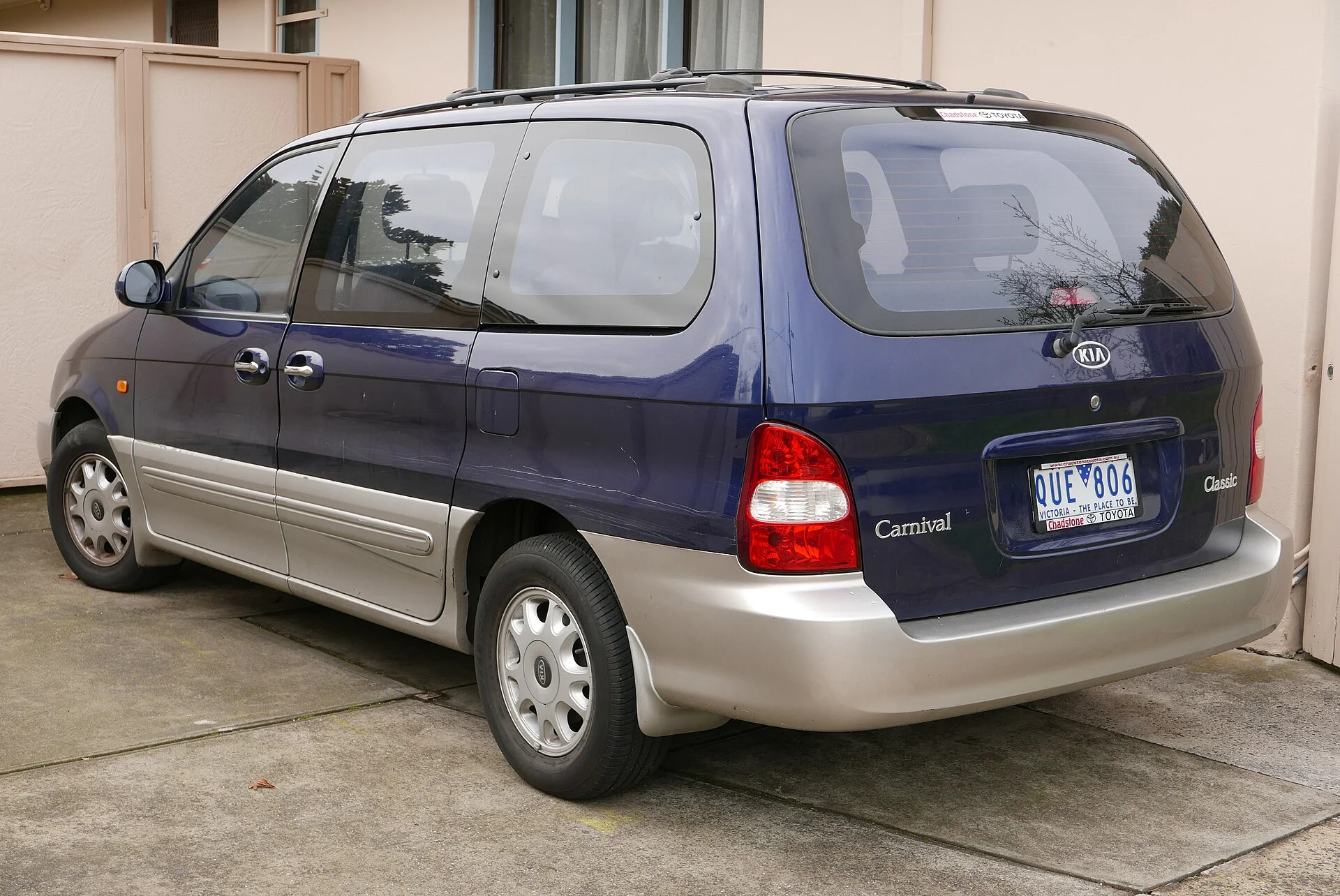
The 2026 Kia Camper Van is a rolling liability without proper documentation. I've seen too many forum posts about dinged fenders and insurance nightmares where the only evidence was a grainy cell phone video shot by a bystander. You're trying to prove a 30 mph impact on a multi-ton vehicle, not film a sunset. This isn't just about recording a meteor; it's about covering your ass when some yahoo backs into your rig at the grocery store.
The dealer won't tell you this, but cheap cameras are glorified toys.
Your average dash cam needs to withstand constant thermal cycling. That windshield can hit 140 degrees F in direct sunlight, then drop to 30 degrees F overnight. Most cheap lithium-ion batteries swell up like a rotten fruit under that stress, losing capacity and eventually failing. You need a supercapacitor, not some bargain-bin power source that'll be useless in 6 months. Don't cheap out on the core components; the data integrity is paramount.
I'm talking about verifiable video evidence, not blurry pixels. License plates, faces, specific vehicle damage - that's what matters. Your insurance claim can hinge on a single frame. A dash cam is not a luxury item for a camper van; it's a critical piece of the structural integrity of your legal defense. Think of it as a low-cost, high-return insurance policy against bad drivers and even worse luck. The upfront cost is nothing compared to a denied claim.
Quick Verdict
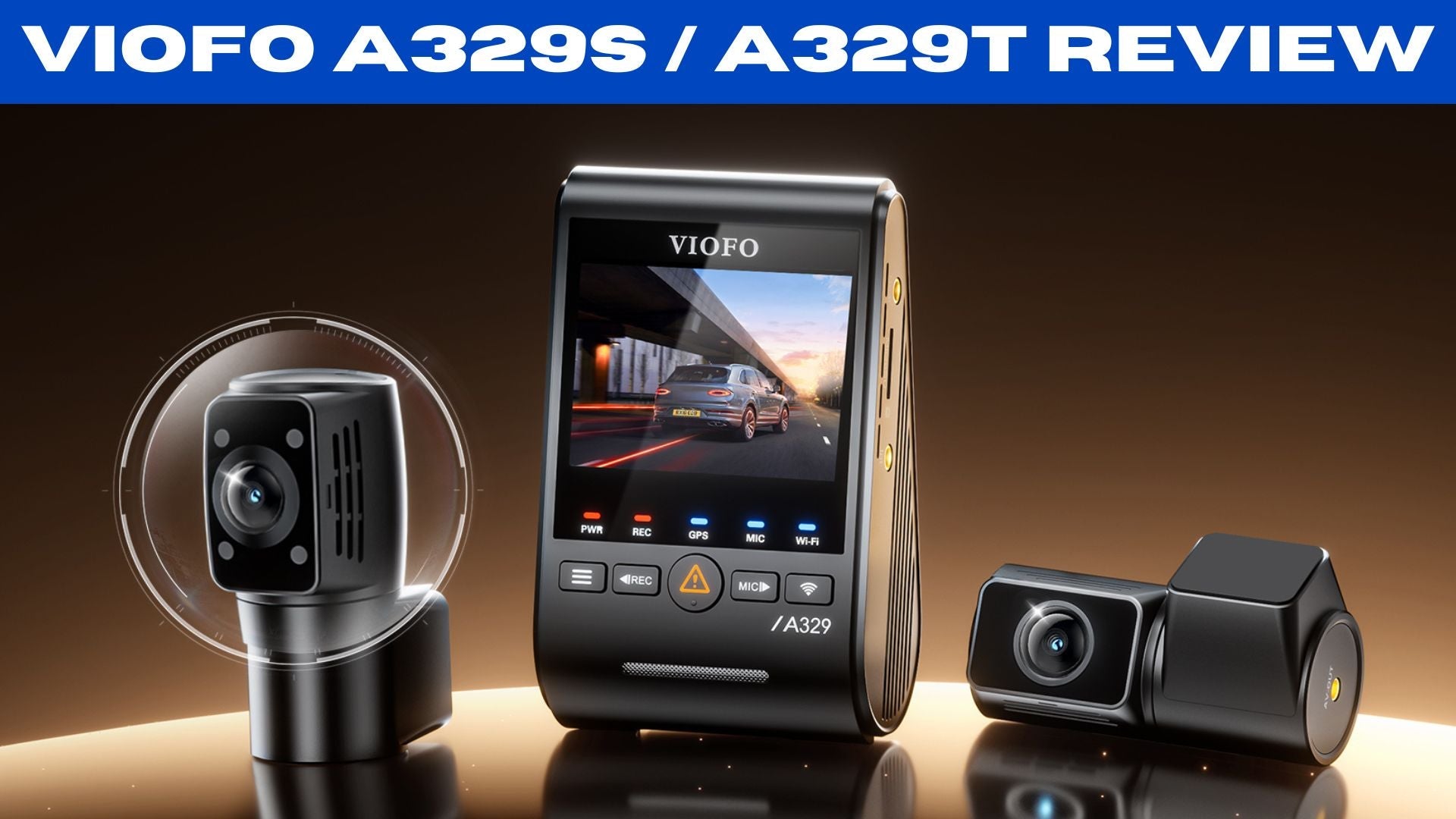
- Best Overall for Reliability: Viofo A329S (~$400). This is the workhorse. It uses supercapacitors, not batteries, so it laughs at 140 degrees F. Car and Driver rated it best overall, and they aren't wrong. Solid Sony STARVIS 2 sensor for low-light clarity.
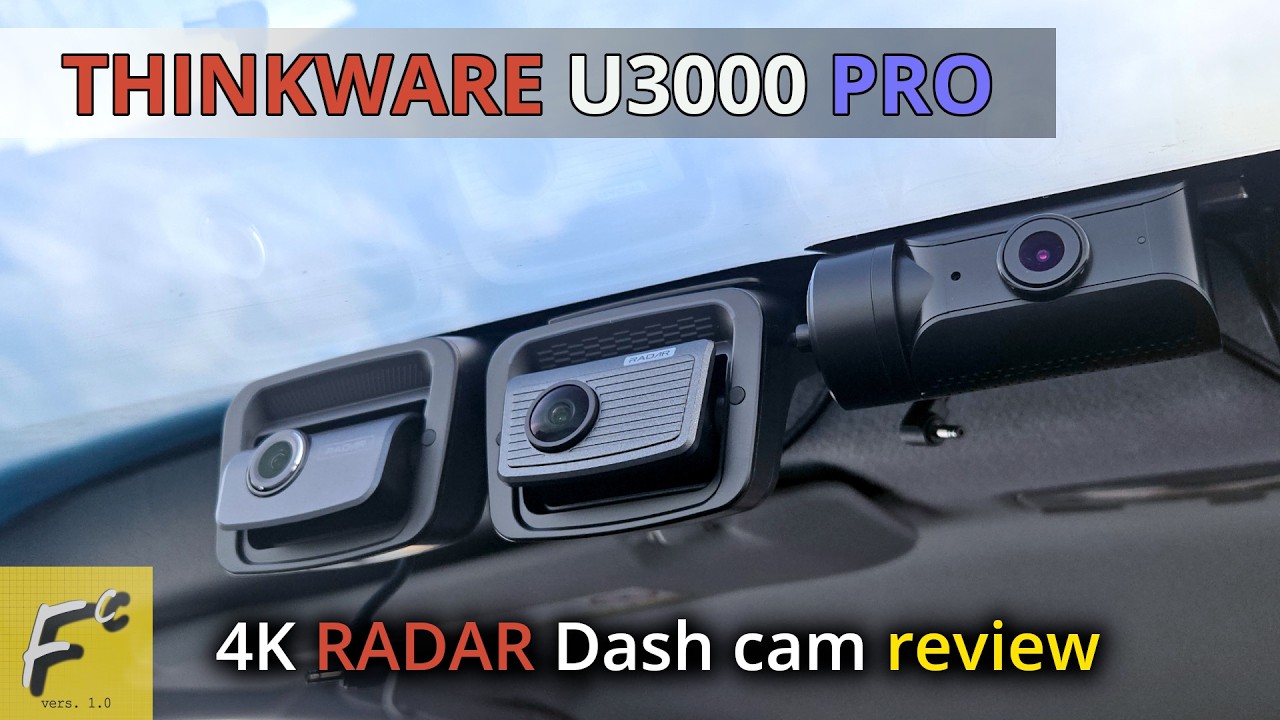
- Best for Parking Mode: Thinkware U3000 PRO (~$500). If your van sits in sketchy lots, this is your huckleberry. It's got radar detection for parking events, minimizing false triggers and saving SD card space. Its thermal management is also excellent for extended monitoring.
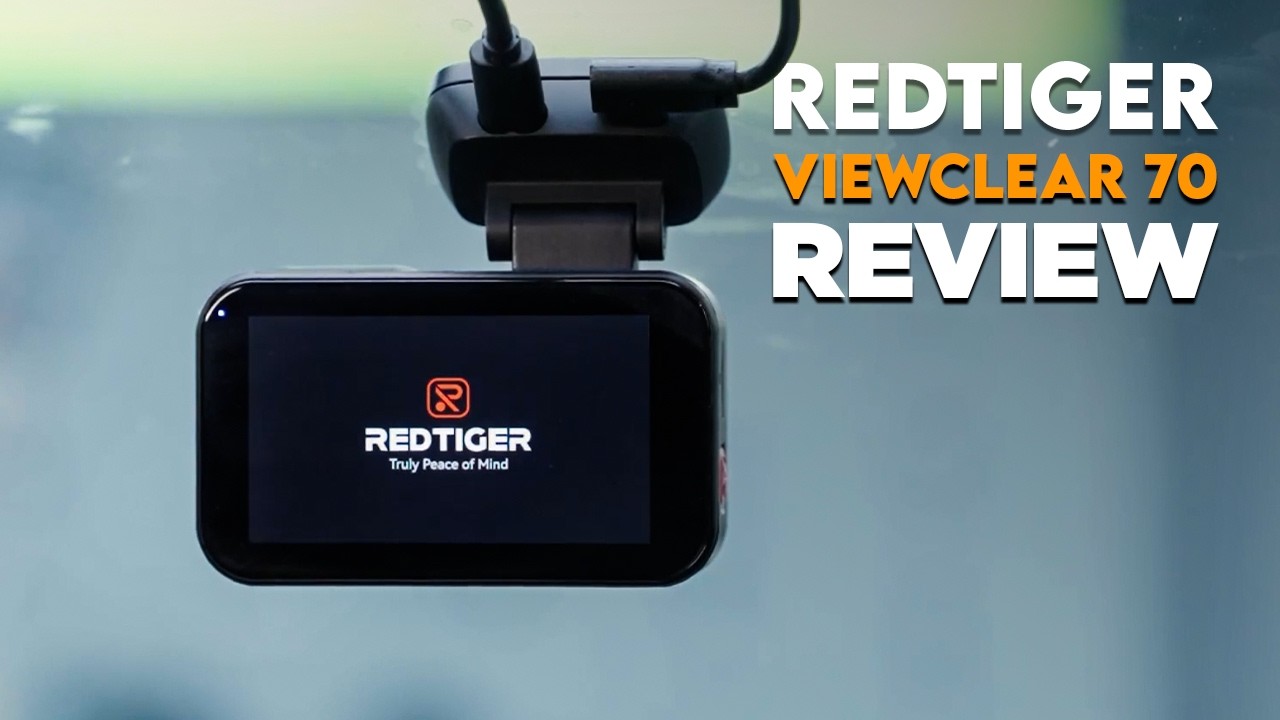
- Best Value for Front/Rear: Redtiger ViewClear-70 (~$220). For under $250, you get 4K front and 2.5K rear. The video quality is surprisingly good for the price point, especially if you're not planning on leaving your van parked for weeks on end. It's a decent compromise for budget-conscious users.
- Best for Discreet Install: Viofo A119 Mini 2 (~$120). Small footprint, still packs a Sony STARVIS 2 sensor. If you don't want a huge camera blocking your view, this is it. Single channel, but it's got the core Viofo reliability.
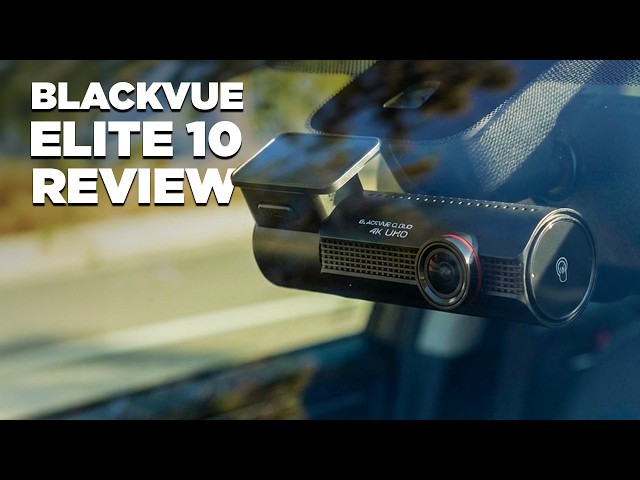
- Best for Extreme Conditions: Blackvue ELITE-10-2CH (~$600). This thing is built like a tank. Higher price, but if you're regularly in desert heat or arctic cold, its internal components and heat dissipation are designed for it. Over-engineered? Maybe, but it means it won't fail when you need it most. Wirecutter also points to Viofo's reliability as a key factor across their lineup.
What to Look For
When you're spec'ing out a dash cam for your 2026 Kia Camper Van, you're not looking for 'features.' You're looking for operational parameters and failure modes. Forget the marketing hype; focus on the physics.
| Component | Why it Matters (Physics/Engineering) | Minimum Spec |
|---|---|---|
| Power Source | Lithium-ion batteries swell and lose capacity under thermal cycling (140 degrees F to 30 degrees F). This causes internal resistance to increase, leading to voltage sag and eventual cell failure. Supercapacitors handle temperature extremes without chemical degradation. | Supercapacitor |
| Image Sensor | Low-light performance and dynamic range are dictated by sensor size and pixel architecture. Small sensors struggle with photon capture, leading to noise. Sony STARVIS 2 provides superior signal-to-noise ratio, crucial for readable license plates at night. | Sony STARVIS 2 or equivalent |
| Resolution | Higher pixel density allows for greater detail capture at distance. 1080p is often too soft to resolve license plate numbers from 10 feet away. 4K provides four times the pixel count, improving clarity. | 4K Front, 2.5K Rear (minimum) |
| Frame Rate | Lower frame rates (15fps) introduce motion blur, especially at highway speeds, making fast-moving objects unidentifiable. 30fps is adequate; 60fps further reduces blur for clearer stills. | 30fps (minimum) |
| Mounting Mechanism | Adhesive mounts (3M VHB) offer superior shear strength and vibration dampening compared to suction cups. Suction cups fail due to thermal expansion/contraction cycles and UV degradation of the plasticizer in the rubber, leading to loss of vacuum. | 3M VHB Adhesive |
| Storage (SD Card) | Continuous write cycles degrade NAND flash memory. Cheap cards have low endurance ratings. High-endurance microSD cards are designed for constant overwriting, preventing premature data corruption or failure. | High-Endurance MLC NAND (e.g., SanDisk Max Endurance) |
| Parking Mode | Motion detection alone triggers too many useless recordings. Buffered pre-roll saves the 15 seconds *before* an impact, providing critical context. G-sensor sensitivity needs adjustment to avoid false positives from wind or heavy trucks passing. | Buffered Pre-Roll, configurable G-sensor |
The forums are full of complaints about cheap cameras failing in the heat or missing critical footage because someone skimped on these basics. Don't be that guy.
Our Top Picks for Reliable Performance
- Viofo A329S (~$400)
- Specs: 4K Front, 2K Rear, Sony STARVIS 2 sensors, Supercapacitor.
- Pros: Unmatched thermal reliability due to supercapacitor. Excellent low-light performance. Buffered parking mode (15 seconds pre-roll). Solid 3M VHB mount provides good vibration damping.
- Cons: Wi-Fi transfer can be slow. Interface isn't the prettiest, but it's functional.
- Best-for: The no-nonsense user who needs absolute reliability and clear footage in all conditions. This is the gold standard for robust operation in a camper van.
- Thinkware U3000 PRO (~$500)
- Specs: 4K Front, 2K Rear, Sony STARVIS 2 sensors, Supercapacitor, Built-in Radar for parking.
- Pros: Radar parking mode significantly reduces false triggers and power draw. Advanced thermal management. Cloud connectivity for remote viewing.
- Cons: Pricier. More complex installation if you want full radar functionality. The app can be a bit finicky.
- Best-for: Camper van owners who prioritize comprehensive parking surveillance and remote monitoring, especially in high-traffic or high-risk parking areas.
- Redtiger ViewClear-70 (~$220)
- Specs: 4K Front, 2.5K Rear, Sony IMX335, Capacitor.
- Pros: Excellent resolution for the price point. Capacitor-based power supply for better heat tolerance than battery-only units. Simple installation. A solid budget option for motorhomes.
- Cons: Lower-tier Sony sensor means low-light isn't as good as STARVIS 2. Parking mode is basic (G-sensor only).
- Best-for: Budget-conscious users who need decent front/rear coverage and value a capacitor power source, but don't need top-tier low-light or advanced parking features.
- Blackvue ELITE-10-2CH (~$600)
- Specs: 4K Front, 2K Rear, Sony STARVIS 2, Supercapacitor, Cloud integration.
- Pros: Extremely durable build quality, designed for harsh environments. Excellent cloud features. Very discreet design.
- Cons: Highest price point on this list. More proprietary components, which can mean more expensive repairs.
- Best-for: Those who need military-grade durability and extensive cloud functionality, willing to pay a premium for robustness and remote access.
- Viofo A119 Mini 2 (~$120)
- Specs: 2K Front (QHD), Sony STARVIS 2, Supercapacitor.
- Pros: Extremely compact and discreet. Shares the excellent STARVIS 2 sensor and supercapacitor from its pricier siblings. Simple, single-channel operation.
- Cons: Front-only coverage. Maxes out at 2K, not 4K.
- Best-for: Users who want Viofo reliability and low-light performance in a tiny package, and only need front-facing recording. Great if you already have a separate rear camera.
Head-to-Head Comparison
Let's put some of these heavy hitters side-by-side. You're not buying a 'lifestyle accessory' for your 2026 Kia Camper Van; you're buying a data recorder that has to survive extreme thermal cycling and mechanical vibration. Consumer Reports has their take, but I'm looking at the guts.
| Feature | Viofo A329S | Thinkware U3000 PRO | Redtiger ViewClear-70 |
|---|---|---|---|
| Front Resolution | 4K | 4K | 4K |
| Rear Resolution | 2K | 2K | 2.5K |
| Power Source | Supercapacitor | Supercapacitor | Capacitor |
| Image Sensor | Sony STARVIS 2 | Sony STARVIS 2 | Sony IMX335 |
| Parking Mode | Buffered (15s pre-roll) | Radar + Buffered | Basic G-sensor |
| Cloud Connectivity | Optional (via external module) | Built-in | None |
| Price (Approx.) | ~$400 | ~$500 | ~$220 |
The Viofo A329S is a solid choice for its balanced performance and rock-solid reliability, especially with its buffered parking mode. Viofo's focus on supercapacitors is a huge win for longevity.
Thinkware U3000 PRO pulls ahead with its radar parking. That's a serious upgrade for battery life conservation and accurate event detection. No more useless hours of recording because a leaf blew past.
Redtiger ViewClear-70 offers a compelling price for 4K/2.5K, but the IMX335 sensor isn't quite the STARVIS 2 for low light. Its parking mode is also more primitive, meaning more false triggers or missed events.
Budget vs Premium: Where Your Money Actually Goes
You're looking at a $100 dash cam versus a $500 dash cam for your 2026 Kia Camper Van. The difference isn't just in the 'features' list; it's in the fundamental engineering principles that prevent total system failure. It's about where the money actually goes, not just the marketing.
| Component/Feature | Budget (~$100-150) | Premium (~$350-600) |
|---|---|---|
| Power Source | Lithium-ion battery (prone to swelling, thermal degradation) | Supercapacitor (resists thermal cycling, longer lifespan) |
| Image Sensor | Generic or older Sony/OmniVision (poor low-light, limited dynamic range) | Sony STARVIS 2 (superior low-light, wide dynamic range for license plates) |
| Video Resolution | 1080p or 'upscaled' 4K (blurry details, pixelation) | True 4K (sharp details, clear license plates) |
| SD Card Endurance | Standard consumer-grade (high failure rate with continuous write cycles) | High-endurance MLC NAND (designed for constant overwriting, longer lifespan) |
| Parking Mode | Basic G-sensor (misses pre-impact, high false-trigger rate, drains battery fast) | Buffered pre-roll, radar detection (captures context, efficient power use) |
| Thermal Management | Minimal heat sinks, plastic housing (overheating, component degradation) | Robust heat sinks, higher temp rated components (stable operation in 140 degrees F) |
| Mounting Hardware | Suction cup (fails in heat, vibration issues, eventually falls) | 3M VHB adhesive (high shear strength, durable bond, minimal vibration) |
A $100 dash cam is a ticking time bomb. The lithium battery will swell, the plastic housing will outgas and degrade, and the cheap sensor won't capture usable footage when it matters. You're buying a higher failure rate, not just a cheaper price. The premium units invest in component-level resilience. It's not about shiny buttons; it's about the thermal expansion coefficient of the internal components and the chemical stability of the power source. That's where your money goes.
The Bottom Line
Look, for your 2026 Kia Camper Van, a dash cam isn't just another gadget. It's a critical piece of your vehicle's defensive infrastructure. I'm talking about verifiable data, not fuzzy memories, when an insurance adjuster is trying to deny your claim.
- Prioritize Supercapacitors: This isn't optional. Lithium-ion batteries fail in heat. Supercapacitors don't swell or lose capacity under thermal cycling.
- Focus on Sensor Quality: Sony STARVIS 2 isn't just a brand name; it's a measurable improvement in low-light performance and dynamic range. You need to read license plates at night, not just see vague shapes.
- Don't Skimp on SD Cards: High-endurance cards are cheap insurance against data corruption. A standard card will fail under continuous write cycles, rendering your expensive camera useless.
- Consider Parking Mode: If your van sits for extended periods, a buffered pre-roll with radar detection (like Thinkware's) will save your hide and your vehicle battery.
- Mounting Matters: Use 3M VHB. Suction cups are for temporary fixes, not permanent installations on a vibrating vehicle exposed to extreme temperatures.
Reddit forums consistently point to Viofo as a top recommendation for its picture quality and reliability. My advice? Spend the extra $100-$200 upfront. It's a fraction of what a single denied insurance claim will cost you. This isn't about 'features'; it's about robust data acquisition and failure-rate reduction. Keep it simple, keep it reliable.