The Big Picture
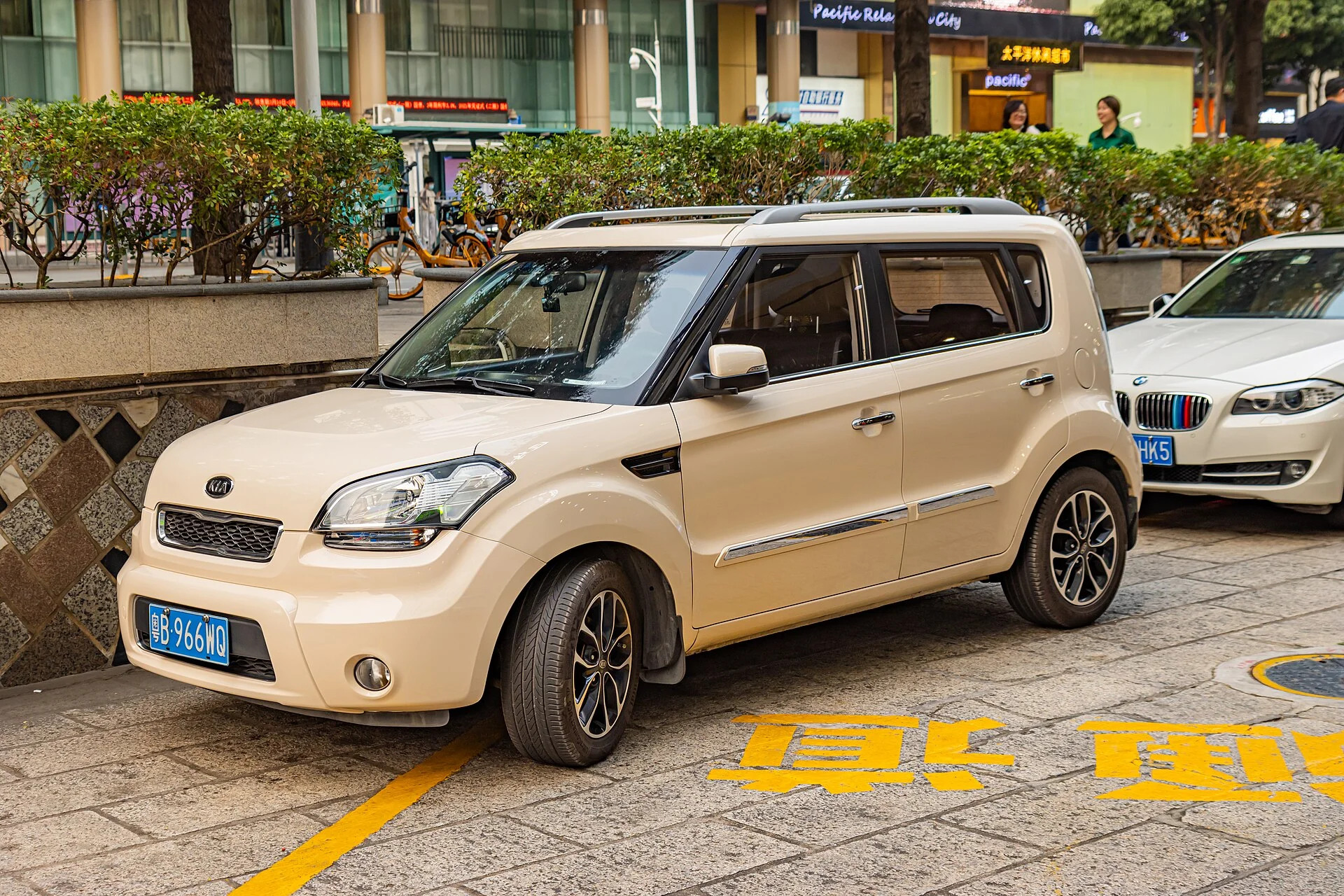
A Kia Soul, loaded for camping, is basically a rolling brick with a surprisingly useful cargo bay. But when some idiot in a lifted F-350 backs into your tent while you're sleeping, you need evidence. That's why a dash cam isn't a luxury; it's cheap insurance against a bad day. I've seen too many 'he said, she said' arguments turn into insurance nightmares over a $150 piece of video hardware. Car and Driver's experts agree, it's about evidence.
Forget the 'experience' of driving. I care about the data. A decent dash cam provides irrefutable video evidence, location data via GPS, and sometimes even impact force. This isn't for cinematic shots of mountain passes. This is for proving you weren't at fault when some clown cuts you off and clips your fender. That's a minimum $500 deductible saved, instantly.
Sure, you can get a cheap $30 unit. It'll probably fail after three thermal cycles in direct sunlight. The adhesive mount will outgas and peel off the windshield, leaving a greasy residue. My focus is on units that actually survive the vibrations of a gravel road and the 100 degrees F interior temp of a parked car. Wirecutter's research backs up the need for robust hardware.
We're talking about reliable circuit integrity and robust mechanical stress resistance. If it can't handle the physical abuse of being mounted in a vehicle, it's just a fancy paperweight. And a paperweight doesn't help when you need to prove your innocence to the insurance adjuster. Don't cheap out on the only witness you'll have.
Quick Verdict
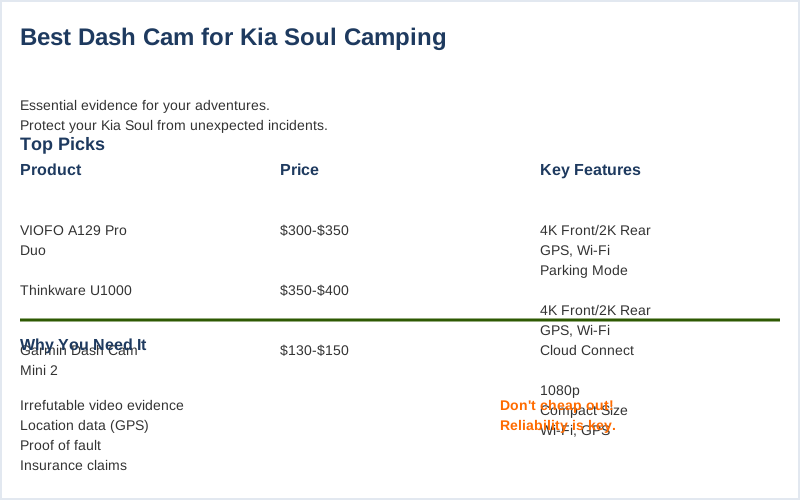
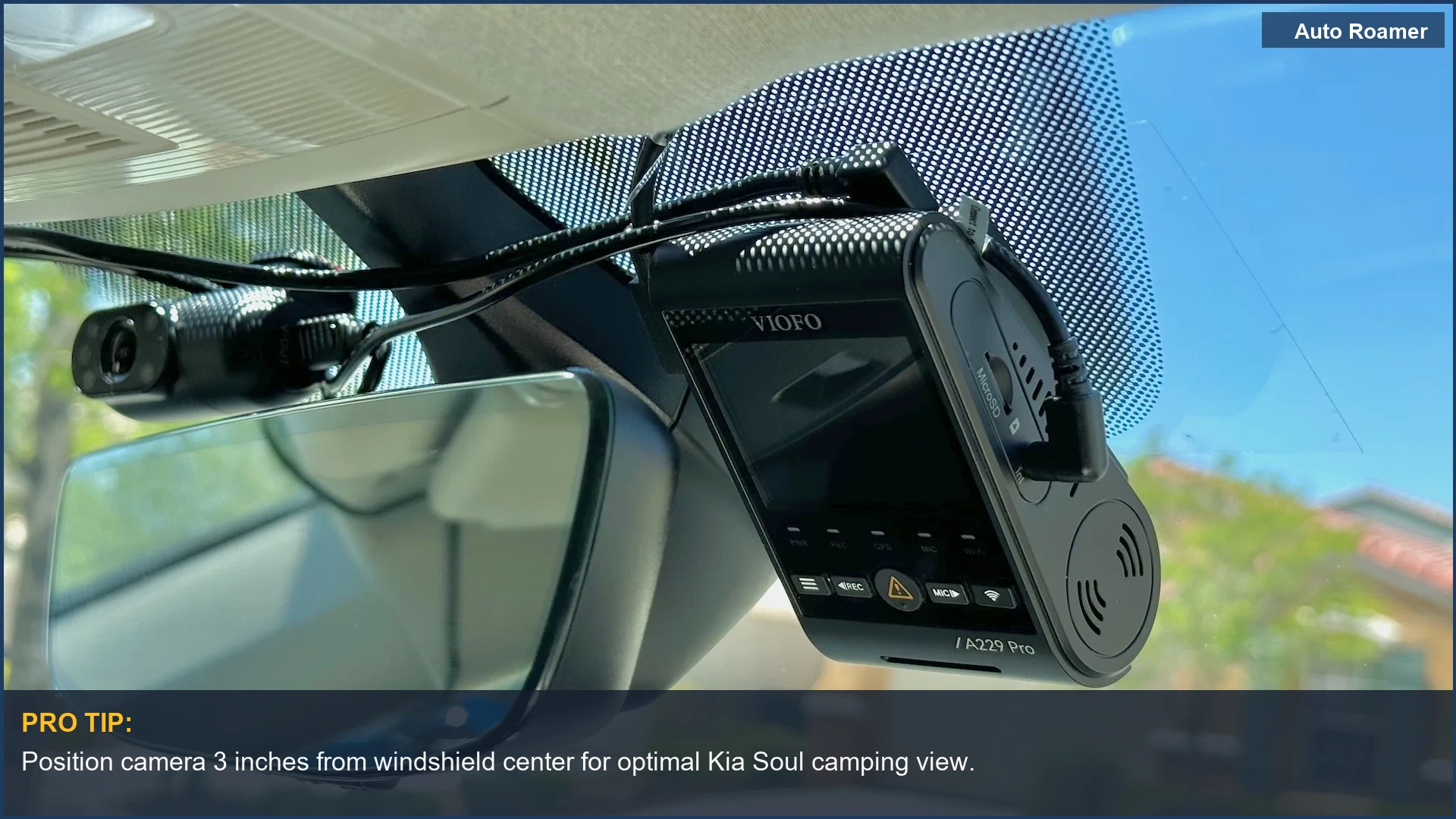
- Viofo A229 Pro (~$250): Best overall for its 4K clarity and supercapacitor. That supercapacitor is key - no exploding lithium-ion batteries baking in your windshield at 120 degrees F. This thing handles thermal cycling like a champ.
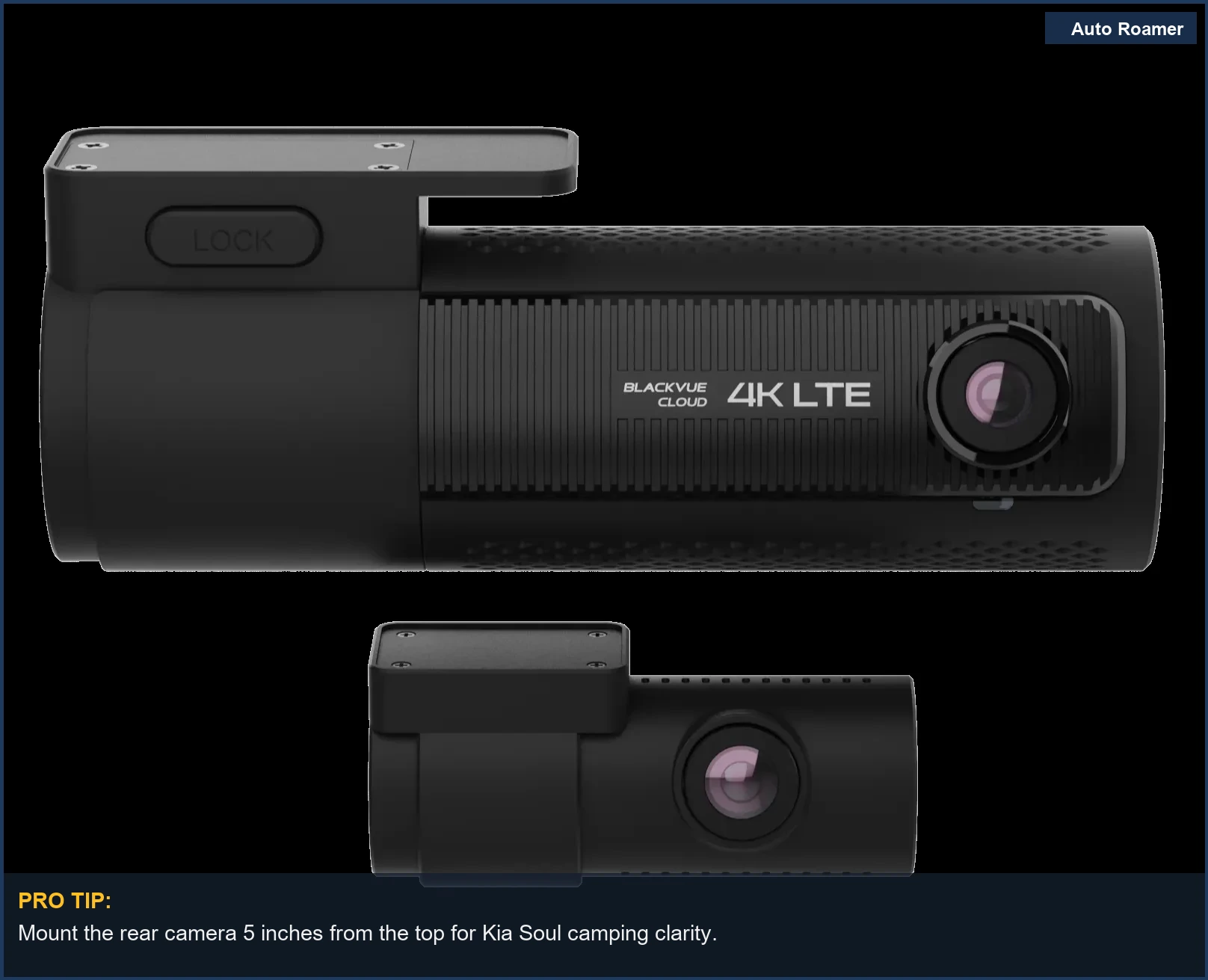
- BlackVue DR970X-2CH (~$470): Premium pick for cloud connectivity and buffered parking mode. If you want real-time notifications when some dingus bumps your parked Soul, this is it. It's an overkill solution, but the mechanical stress resistance is solid.
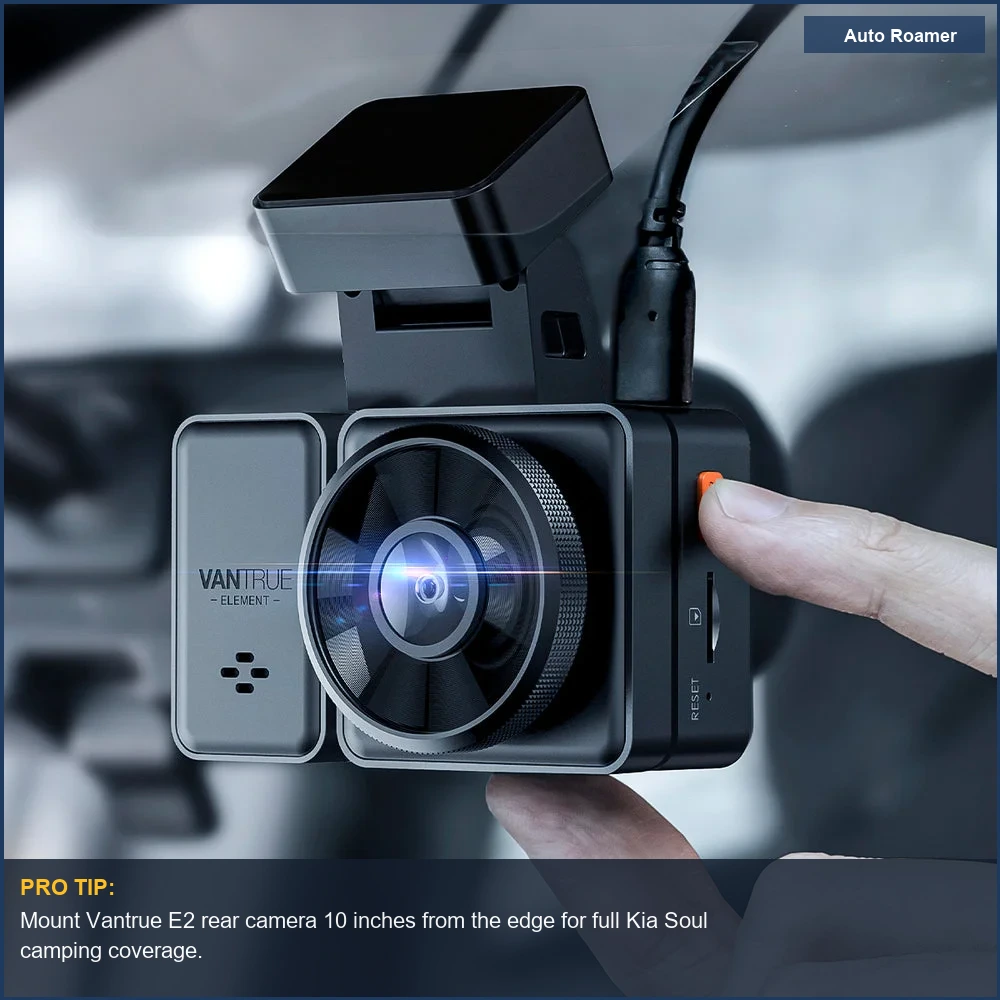
- Vantrue E2 (~$200): Good value dual-channel with voice control. The 2.7K resolution is adequate, and the voice control means less fiddling with tiny buttons while driving. Kia forums mention this as a viable option.
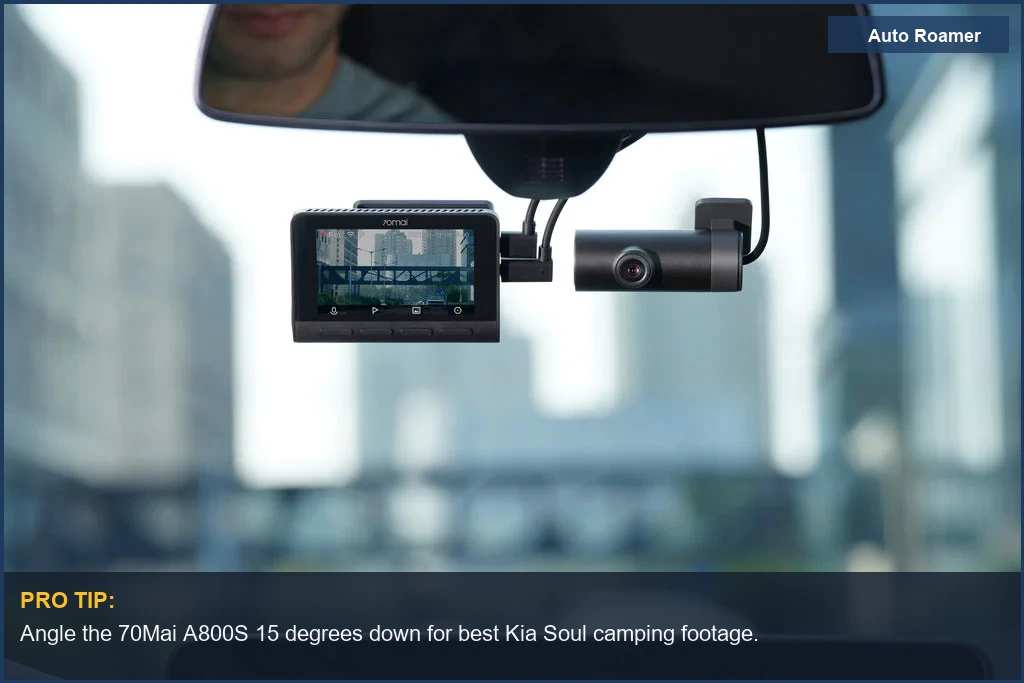
- 70Mai A800S (~$120): Budget-friendly 4K option. It's a single-channel unit, so no rear camera, but the front footage is clear enough for license plates. Don't expect miracles from the parking mode without a hardwire kit.
- Wolfbox G900 TriPro (~$280): Mirror-style dash cam with three channels. If you want to replace your rearview mirror with a screen that shows front, rear, and interior, this is the one. It's a lot of display area, which can be distracting, but the coverage is comprehensive.
What to Look For
When you're bolting a camera to your windshield, you need to think about more than just megapixels. This isn't a selfie stick. It's a piece of evidence-gathering hardware. This video details what separates the good from the junk.
| Feature | Why It Matters (Dirtbag Engineer's View) |
|---|---|
| Power Source (Capacitor vs. Battery) | Lithium-ion batteries swell and fail at 120 degrees F, turning your dash cam into a ticking thermal expansion bomb. Supercapacitors handle thermal cycling from -4 degrees F to 170 degrees F without degradation. Period. Always pick a capacitor-based unit for longevity. |
| Resolution (2K/4K) | 1080p is garbage for license plate recognition at speed. You need 2K (2560x1440) minimum. 4K (3840x2160) is better for digital zoom and pulling details from grainy footage. Don't skimp, or your evidence is useless. |
| Parking Mode (Buffered) | A good parking mode uses a G-sensor to detect impact and records 10-20 seconds before and after the event. This requires constant power, usually via a hardwire kit, which means proper circuit integrity. Without it, you just get a video of the aftermath. |
| Mounting Mechanism | Adhesive mounts (3M VHB) provide superior vibration damping and mechanical bond compared to suction cups. Suction cups lose vacuum seal with thermal cycling and drop your camera. Avoid them unless you enjoy picking up electronics off your floor mats. |
| Field of View (FOV) | 140-160 degrees is ideal. Too wide (170+ degrees) and you get fisheye distortion, making license plates unreadable at the edges. Too narrow, and you miss critical context. It's a balance of optical clarity. |
| GPS Functionality | Embedded GPS provides speed and location data. This is crucial for insurance claims and legal disputes. It's not about tracking your joyrides, it's about verifiable data. |
| Storage (MicroSD Card) | Use a high-endurance microSD card. Constant write cycles from dash cam footage wear out standard cards in months. Look for 'Endurance' or 'Pro' rated cards to avoid data corruption failure modes. Kia Soul Club members often recommend robust storage. |
Our Top Picks for Reliable Performance
- Specs: 4K front, 2K rear (optional 2K interior), Supercapacitor, GPS, Buffered Parking Mode.
- Pros: Excellent video quality day/night. Supercapacitor resists thermal degradation. Reliable parking mode. Easy UI. Wirecutter rated it as a top pick for clear, sharp footage.
- Cons: Hardwiring kit not always included, adding $20-30. Default adhesive mount can be a pain to remove.
- Best-for: Anyone who wants a robust, reliable 2-channel system without unnecessary frills. This is my go-to for solid performance.
- Specs: 4K front, 2K rear, Supercapacitor, GPS, Cloud connectivity, Buffered Parking Mode.
- Pros: Industry-leading cloud features for remote access. Outstanding build quality and discreet design. Excellent low-light performance.
- Cons: Pricey. Cloud service requires a separate subscription for full functionality. Installation can be more involved due to power module.
- Best-for: The paranoid engineer who wants real-time impact alerts and remote video access. Over-engineered in a good way.
- Specs: 2.7K front + 2.7K rear, Supercapacitor, Voice Control, GPS, Buffered Parking Mode.
- Pros: Dual 2.7K resolution provides good detail for both directions. Voice control is genuinely useful to avoid tactile distractions.
- Cons: Night vision isn't as crisp as Viofo's 4K. Some users report firmware update glitches.
- Best-for: Drivers who prioritize simultaneous high-resolution front and rear recording and appreciate hands-free operation.
- Specs: 4K front, optional 1080p rear, Supercapacitor, GPS.
- Pros: Very good 4K front footage for the price. Simple installation.
- Cons: Parking mode is basic (G-sensor only, no buffered pre-recording) without a dedicated hardwire kit. Rear camera is only 1080p.
- Best-for: Budget-conscious users who primarily need high-quality front video and aren't overly concerned with advanced parking surveillance. CNN Underscored notes its good video clarity.
- Specs: 12-inch touchscreen mirror, 2.5K front, 1080p rear, 1080p interior, G-sensor parking mode.
- Pros: Comprehensive 3-channel coverage. Large, clear display. Records from shocks even with key off, according to Facebook Kia Soul groups.
- Cons: The mirror form factor can be distracting. Parking mode relies on G-sensor, not buffered. Power draw is higher due to the large screen.
- Best-for: Those who want to replace their entire rearview mirror with a multi-camera display and prioritize interior cabin recording.
Head-to-Head Comparison
Comparing dash cams isn't about marketing fluff. It's about raw performance metrics and failure-rate analysis. I look at the actual video output and the robustness of the power delivery. Nexar's buying guide covers different types of dash cams, but the real devil is in the details.
| Feature | Viofo A229 Pro | BlackVue DR970X-2CH | Vantrue E2 |
|---|---|---|---|
| Front Resolution | 4K (3840x2160) | 4K (3840x2160) | 2.7K (2560x1600) |
| Rear Resolution | 2K (2560x1440) | 2K (2560x1440) | 2.7K (2560x1600) |
| Power Storage | Supercapacitor | Supercapacitor | Supercapacitor |
| Night Vision (Clarity) | Excellent | Superior | Good |
| Parking Mode (Type) | Buffered | Buffered (Advanced) | Buffered |
| Cloud Connectivity | No | Yes (Subscription) | No |
| GPS | Integrated | Integrated | Integrated |
| Price (Approx.) | ~$250 | ~$470 | ~$200 |
The BlackVue takes the lead on cloud features and overall system integration. But you pay a premium for that. The Viofo offers 90% of the critical performance at half the cost. The Vantrue's dual 2.7K is interesting, providing balanced resolution, though not quite the 4K pixel density of the others. CNET's review praises the Viofo A229 Pro as a great platform, and I agree. It's robust.
Budget vs Premium: Where Your Money Actually Goes
The difference between a $50 dash cam and a $250 unit isn't just a prettier box. It's the difference between a reliable piece of hardware and something that'll flake out when you need it most. This video highlights what to look for.
| Feature | Budget (~$50-100) | Premium (~$200-500) |
|---|---|---|
| Video Resolution | 1080p (often interpolated) | 2K or 4K (native) |
| Night Vision | Poor, grainy, license plates unreadable | Clear, legible plates, WDR/HDR processing |
| Power Source | Lithium-ion battery (prone to thermal failure) | Supercapacitor (resists thermal cycling) |
| Parking Mode | Basic G-sensor, no buffered recording | Buffered pre-recording, adjustable sensitivity |
| Build Quality | Cheap plastic, poor mechanical tolerances | Robust housing, precise fit and finish, better vibration damping |
| Processor/Sensor | Generic, slow, prone to dropped frames | High-end Sony STARVIS/Omnivision, fast, reliable |
| Connectivity | Basic USB, no Wi-Fi/App | Wi-Fi, Bluetooth, optional cloud integration |
That cheap unit with a lithium-ion battery will outgas and expand, eventually cracking its own housing or worse. The internal circuit board will suffer from solder joint fatigue due to thermal cycling. Congratulations, you just bought a paperweight that might melt. Premium units use components rated for automotive temperature ranges, from -40 to 185 degrees F. That's where your money goes: into actual engineering, not just a higher number on the box.
The Bottom Line
- Prioritize Supercapacitors: This isn't optional. Lithium-ion batteries will fail in the heat of a parked car. A supercapacitor ensures your dash cam actually works when the thermal stress is highest.
- Aim for 2K or 4K Resolution: 1080p is not enough for reliable license plate capture. You need the pixel density for clear evidence, especially in low light.
- Hardwire for Buffered Parking Mode: If you want true 24/7 protection against hit-and-runs, a hardwire kit is essential. It provides constant, regulated power without draining your main battery if properly installed with low-voltage cutoff.
- Don't Trust Suction Cups: Adhesive mounts provide a more stable, vibration-resistant platform. Suction cups are for temporary fixes, not long-term reliability.
- The Viofo A229 Pro is the Benchmark: For a solid balance of cost, features, and reliability, it's hard to beat. It's the unit I'd trust to capture the data when I need it most. Kia Soul owners often seek reliable solutions, and this fits the bill.