Verdict: a real 2.7K bargain with one catch worth knowing
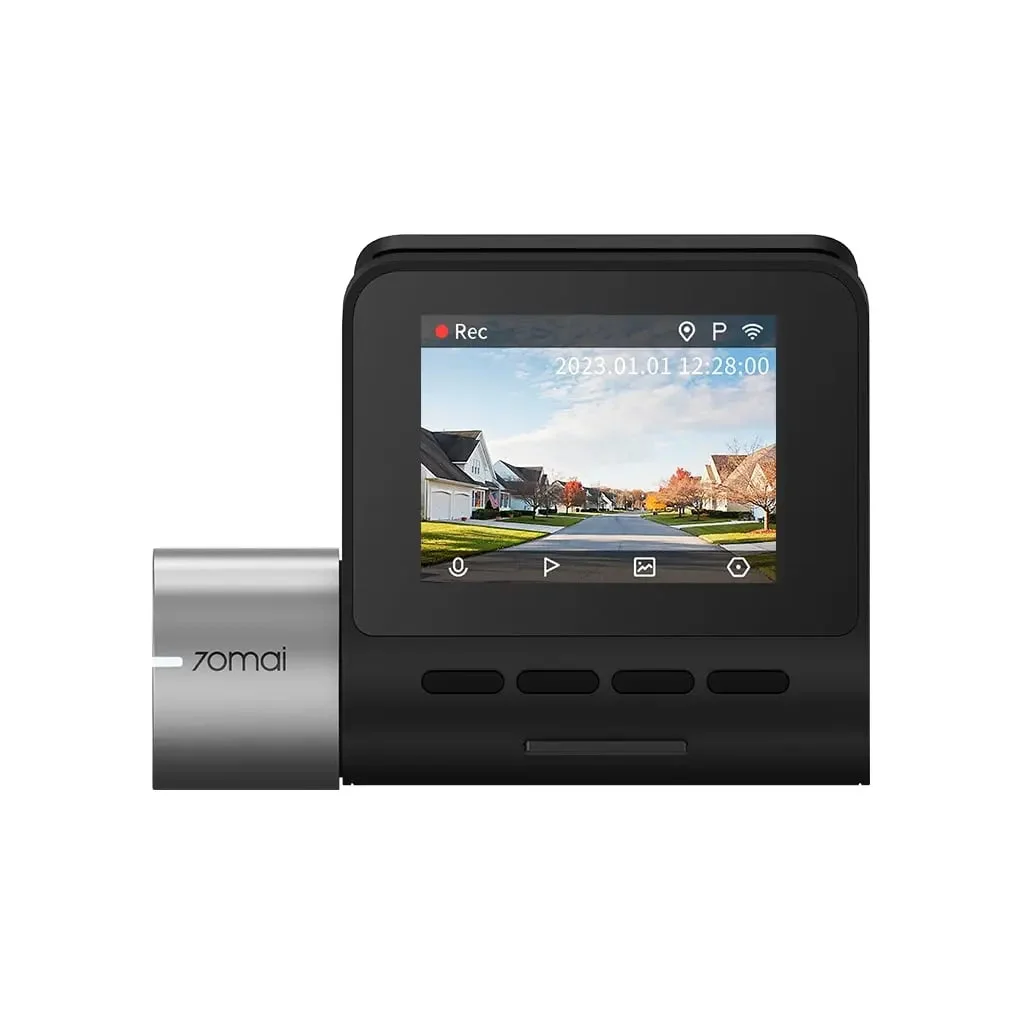
Buy the 70mai A500S if - it sells as the 70mai Pro Plus+ in 70mai's lineup - you want genuine 2.7K video, GPS, and driver-assist alerts for around $80 and you don't park in brutal heat. Skip it if your car bakes in summer sun (it uses a lithium battery, not a supercapacitor) or you need 4K - a Viofo A229 Pro or Rove R2-4K does more. For most everyday drivers, this is a lot of camera for the money, and I say that as someone who assumes every dash-cam listing is hiding something.
The key specs, up front, all per 70mai's product page and a BlackboxMyCar teardown:
- Front video: true 2.7K, 2592x1944P (1944p) at 30fps - a real 5MP sensor, NOT the 2.5K some listings imply.
- Sensor/lens: Sony IMX335 STARVIS, F1.8 aperture, 140-degree field of view.
- Extras: built-in GPS logging, lane-departure and forward-collision voice alerts, 2-inch IPS screen, WiFi + 70mai app.
- The catch: a 500mAh lithium battery (not a supercapacitor), and parking mode needs a separately sold hardwire kit.
The rest of this review is the fine print behind that verdict.
What '2.7K' really means here - and why it's honest
Let me start where the skepticism usually starts: the resolution label. Plenty of cheap cameras stretch a number, but this camera's 2.7K is legitimate. It records at 2592x1944P - that's 1944p, a true 5-megapixel frame - at 30fps, per 70mai's spec. Some marketing calls this 2.5K; the actual pixel count is higher than 2.5K and lower than 4K, so '2.7K' is a fair description, not a fib. Worth noting the shape of that frame: at 2592x1944 it is a 4:3 sensor, which is taller than the 16:9 most cameras use - so it trades a little width for more vertical coverage of tall trucks, traffic lights, and overpasses, per 70mai.
The sensor behind it is a Sony IMX335 STARVIS with an F1.8 aperture and a six-layer glass lens, per 70mai - a genuinely capable combination at this price, and the STARVIS line is built for low light. The numbers that actually decide sharpness, per 70mai's published spec:
- Sensor: a 5MP Sony IMX335 STARVIS - the low-light-engineered line, not an unnamed budget sensor, which is the single spec that most separates real night footage from noise.
- Frame rate: 30fps, the standard that reads moving plates without the stutter of a 24fps budget cam.
- Optics: an F1.8 aperture and six-layer glass lens - glass, not the plastic elements that haze and flare on the cheapest cameras.
A BlackboxMyCar comparison pitched this model against the Viofo A119 V3 and called it upgraded resolution at a low price, which is the honest summary: the video is sharp enough to read plates in daylight and holds up reasonably at night. It won't match a 4K STARVIS 2 camera in a dark parking lot, but for an $80 cam, the image quality is the part that over-delivers, not the part that disappoints.
Night and low-light: where the sensor earns its STARVIS name
Night is where cheap dash cams fall apart, so it deserves its own look. The A500S's advantage here is the sensor pedigree: the Sony IMX335 is part of Sony's STARVIS line, which is engineered specifically for low-light sensitivity, and 70mai pairs it with an F1.8 aperture and WDR (wide dynamic range) processing, per 70mai's spec. A wide aperture like F1.8 pulls in more light per frame, and WDR is what keeps oncoming headlights and a dark side street in the same exposure instead of blowing one out to save the other.
Sensor quality, not the resolution number, is what decides a night clip. A true 2.7K STARVIS frame at F1.8 will out-read a badly-lit '4K' cam on a cheap sensor after dark - more pixels of noise is still noise. That is the honest reason this camera punches above its price at night.
Set expectations honestly, though. A single-sensor budget cam like this will read a well-lit plate under streetlights, but a plate two lanes over on an unlit rural road is asking too much of any camera at this price - and it cannot match the dual STARVIS 2 sensors and HDR that a step up to a camera like the Viofo A229 Pro buys you, per VIOFO. For the everyday job of documenting what happened in front of you on lit roads, the low-light performance is a strength, not the compromise you would expect at $80.
The battery catch: why it matters for car camping and hot climates
Here's the fine print the box won't lead with, and it's the single most important line in this review. The A500S is powered internally by a 500mAh lithium battery rather than a supercapacitor, and a BlackboxMyCar review flags that as less safe for hot-climate driving. That distinction is the whole ballgame if you leave the camera in a parked car.
Lithium cells degrade, swell, and can fail within months in a car that reaches 140 degrees Fahrenheit in summer sun. Supercapacitors shrug off those temperature swings. A battery-powered cam is fine in a garage-kept commuter and a liability on a dashboard in Phoenix in July.
For car camping specifically - the reason this page exists - that matters twice over, because a camper's vehicle sits in the sun all day at a trailhead or campsite. If that's your use case, either park the camera-side glass in shade, pull the cam on the hottest days, or step up to a supercapacitor model. It's not a dealbreaker for a daily driver; it's a real one for a rig that lives outdoors. Knowing which of those you are is the difference between the A500S being a bargain and being a camera you replace next summer.
Parking mode: real, but it costs extra and isn't buffered
The A500S advertises 24-hour parking surveillance, and it works - with two asterisks the listing soft-pedals. First, it requires installing a separately sold hardwire kit; without it, parking mode cannot run at all, per 70mai, because the cigarette-lighter socket loses power when the car is off. Budget another $15-25 and some trim-popping for that.
Second, it's a triggered, non-buffered system: the G-sensor wakes the camera when it detects an impact or motion, then records. That sips power so it won't kill your starter battery, but it means the seconds before a triggering event aren't saved the way a buffered parking mode would capture them. For catching a hit-and-run in a lot, that's usually enough - you get the contact and the aftermath. Just don't expect continuous 24/7 footage; that's not what this is, and a camera that promised it at this price would be the thing to distrust.
One more honest note on the draw: no independent source publishes a verified milliamp figure for how fast this cam sips from a hardwired battery, so any specific 'drains your car in N days' number you see should be treated with suspicion. What is documented, per 70mai, is that the mode is triggered rather than always-on precisely so it won't flatten your starter battery overnight.
Storage: the microSD card the bundle quietly assumes you own
Here is the cost nobody prints on the front of the box: this camera records to a microSD card that is usually not included, and the card you pick decides whether footage survives. The A500S supports microSD from 16GB to 128GB at U1 speed or higher, per 70mai and the Amazon listing - and both halves of that sentence matter.
- Capacity: 128GB is the stated maximum. Some third-party reviews report it tolerating a 256GB card, but 70mai's spec says 128GB, so buy to the spec if you want the safe answer.
- Speed class: U1 or higher is the floor. A slow card can drop frames or corrupt clips on a high-bitrate 2.7K stream - the one failure mode that leaves you with nothing after an incident.
- Endurance: dash cams overwrite constantly, so a 'high endurance' card rated for surveillance workloads outlasts a standard phone card, which is the card most likely to die silently.
The cheapest mistake a first-time buyer makes is pairing an $80 camera with a $6 no-name card. The camera is only as reliable as the card, and a corrupted card means the footage you were counting on simply isn't there. Spend on a high-endurance, name-brand card - it is the difference between evidence and a black screen.
Budget the card into the true price, then. At roughly $80 plus a card plus (if you want parking protection) a hardwire kit, the real out-the-door number climbs - still a value, but not the sticker alone.
The features that actually earn their keep: GPS, ADAS, app
Strip the marketing and three features here genuinely add value. Built-in GPS logs time, speed, and location onto your footage, per 70mai - which is exactly the metadata an insurer or a police report wants, turning a video into evidence with a timestamp and a speed reading. That alone justifies the camera for anyone worried about a fault dispute.
The ADAS layer provides lane-departure and forward-collision voice warnings, per 70mai. On a budget cam these driver-assist alerts are more nag than Tesla Autopilot, and plenty of owners turn them off - but on a long, drowsy highway drive they're a cheap safety nudge. The WiFi app lets you preview, download, and manage clips from your phone without pulling the microSD card, which is the convenience feature you'll actually use weekly. Storage runs on microSD from 16GB to 128GB at U1 speed or higher, per 70mai, so factor a card into the price - like most cameras, it's the part the bundle quietly assumes you already own. Everything here routes through the 70mai app over the camera's built-in 2.4GHz WiFi, per 70mai, which is the seam most owners touch weekly.
Installation and mounting: the part reviews skip
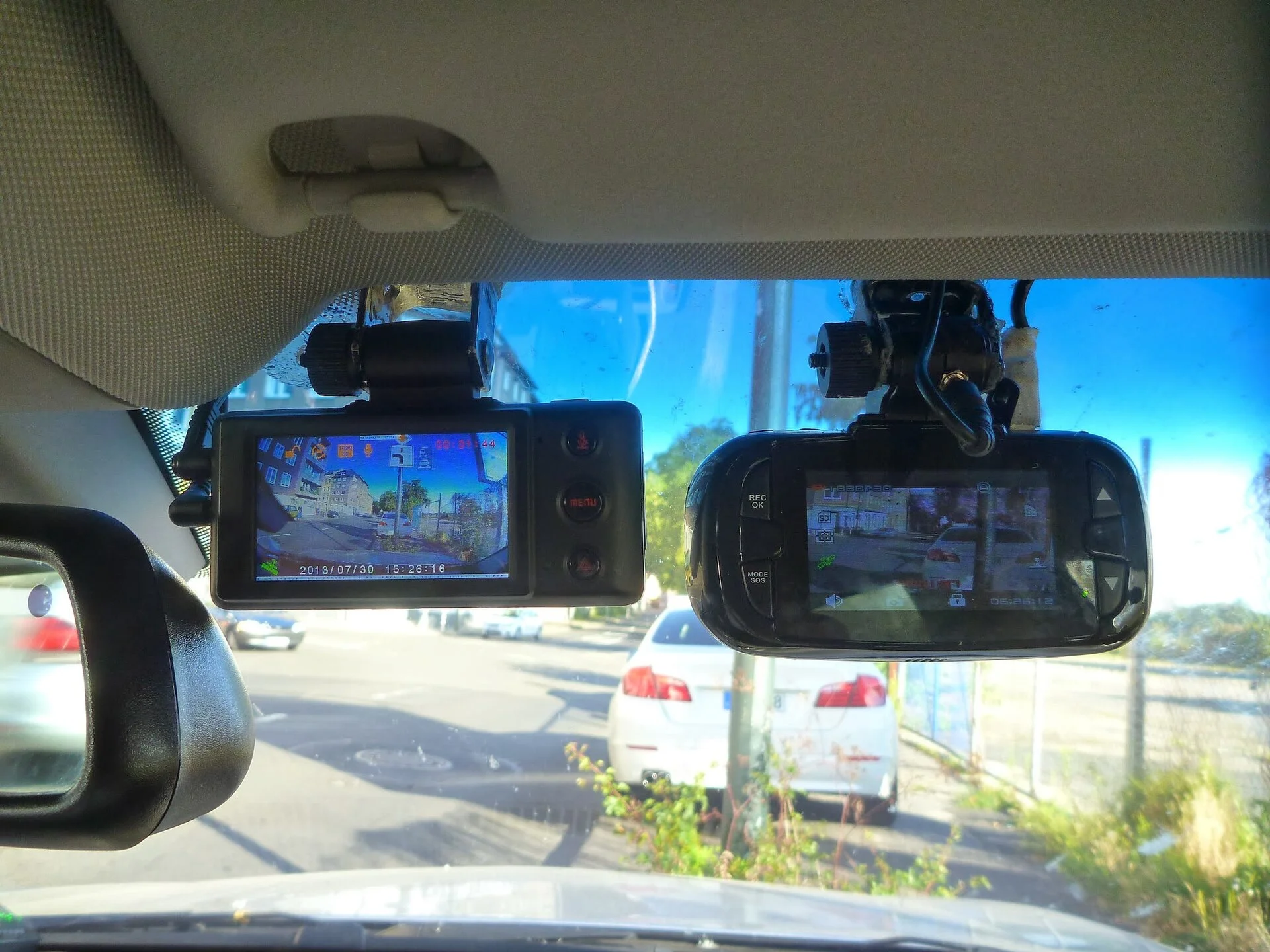
A dash cam is only useful if it's actually mounted well, and this is the part spec sheets ignore. The A500S is a compact front unit with a 2.0-inch IPS screen that adheres to the windshield, typically behind the rear-view mirror where it stays out of the driver's sightline, per 70mai. The basic install is genuinely plug-and-play; the wiring is the only part that takes thought.
- The easy path: run the included cable to the cigarette-lighter/12V socket and tuck it along the headliner and A-pillar. The camera powers on with the car and records while you drive - no tools, fifteen minutes.
- The parking path: to keep it recording while parked you must add the separately sold hardwire kit, which taps the fuse box for constant power, per 70mai. That is the job that involves popping trim and finding a switched and a constant fuse - or a shop's help.
- The rear channel: adding the optional RC06 rear camera means routing a second cable to the tailgate glass, per 70mai - the most time-consuming step, and the reason many buyers stay front-only.
For a car-camping rig, cable management is worth doing right the first time: a cable that dangles gets snagged when you're loading gear, and a camera that pops off the glass in summer heat films the floor mat instead of the road. Clean the glass, press the mount hard, and route the wire where a duffel won't catch it.
How it stacks up against the 4K field: when to spend up
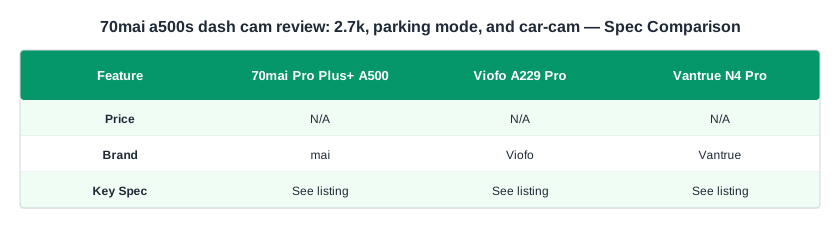
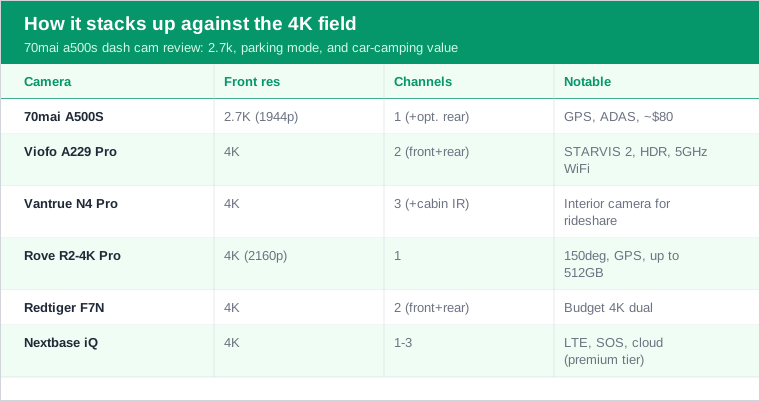
The A500S's real competition is the wave of 4K cameras that start not far above its price, so here's the honest ladder, per each maker's specs:
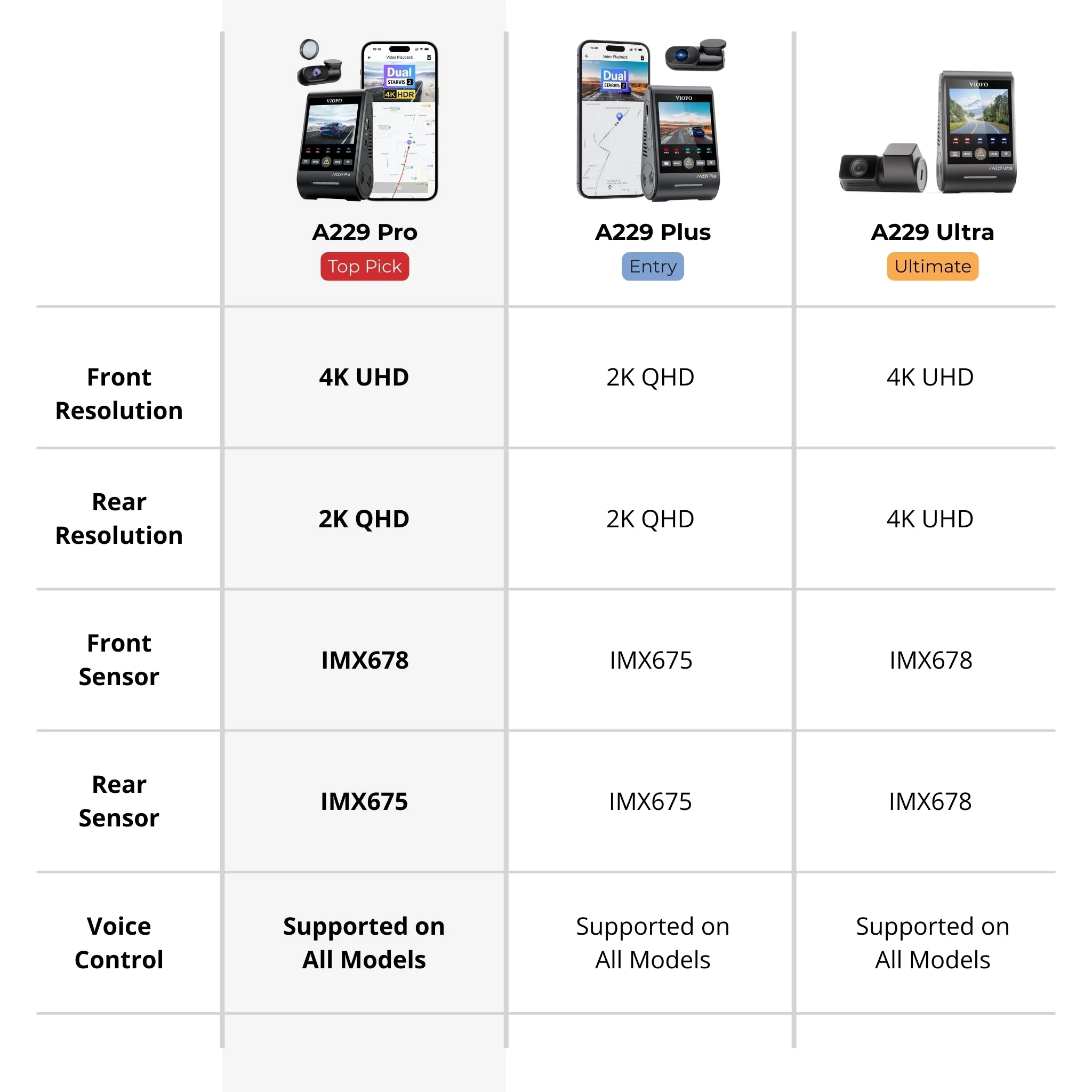
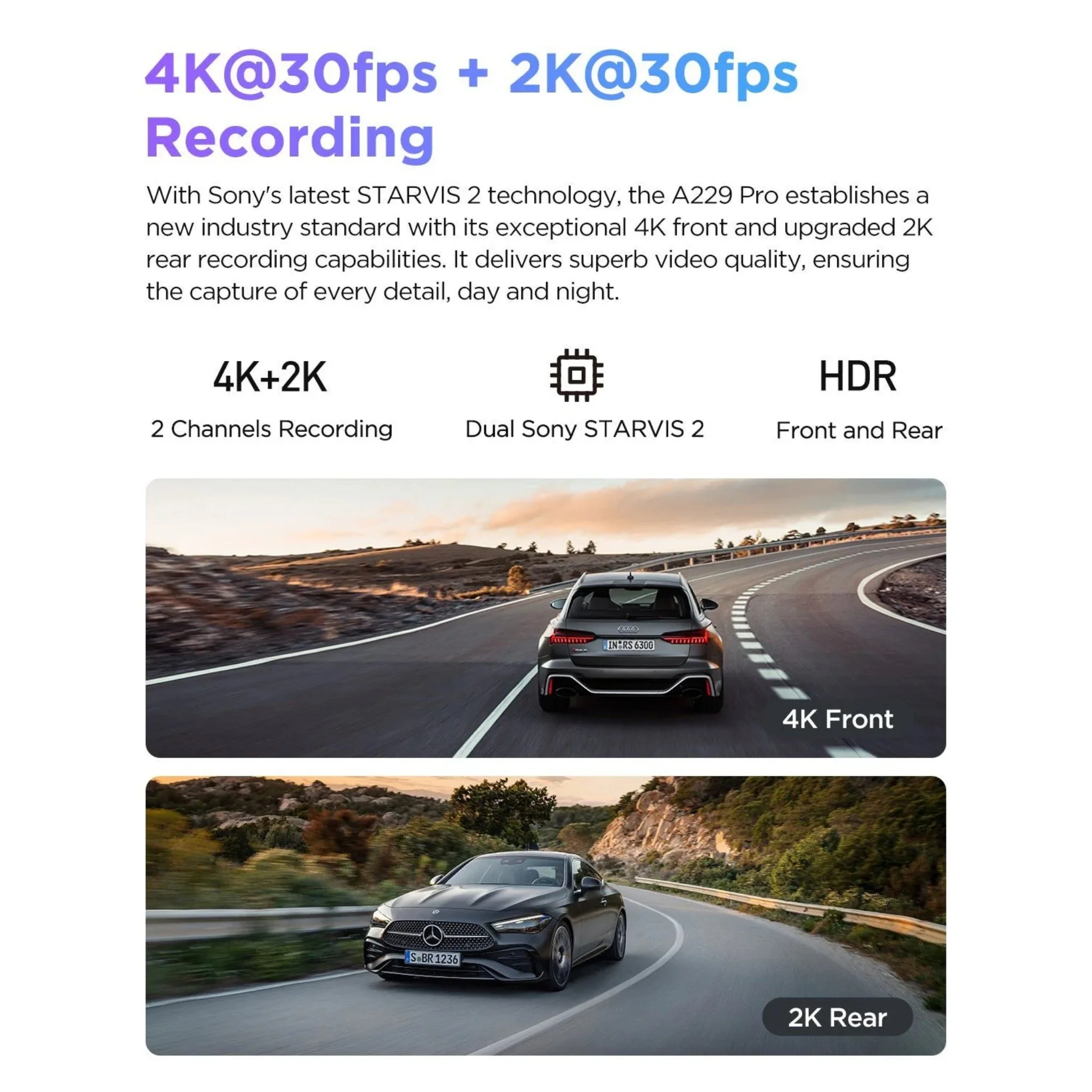
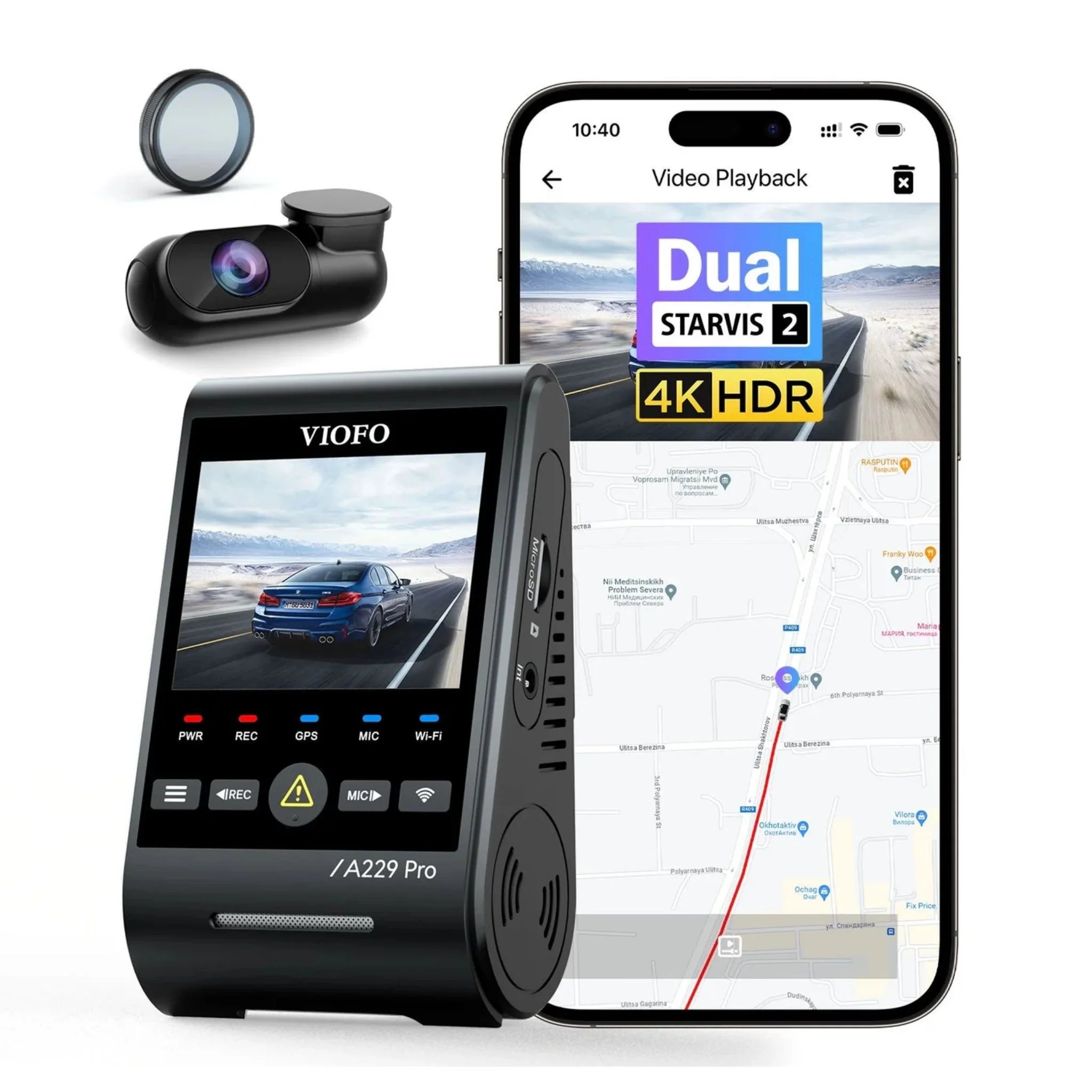
- Viofo A229 Pro - 4K front plus 2K rear on dual STARVIS 2 sensors with HDR and 5GHz WiFi. The clear image-quality upgrade, and a genuine two-channel system the single-lens A500S isn't.
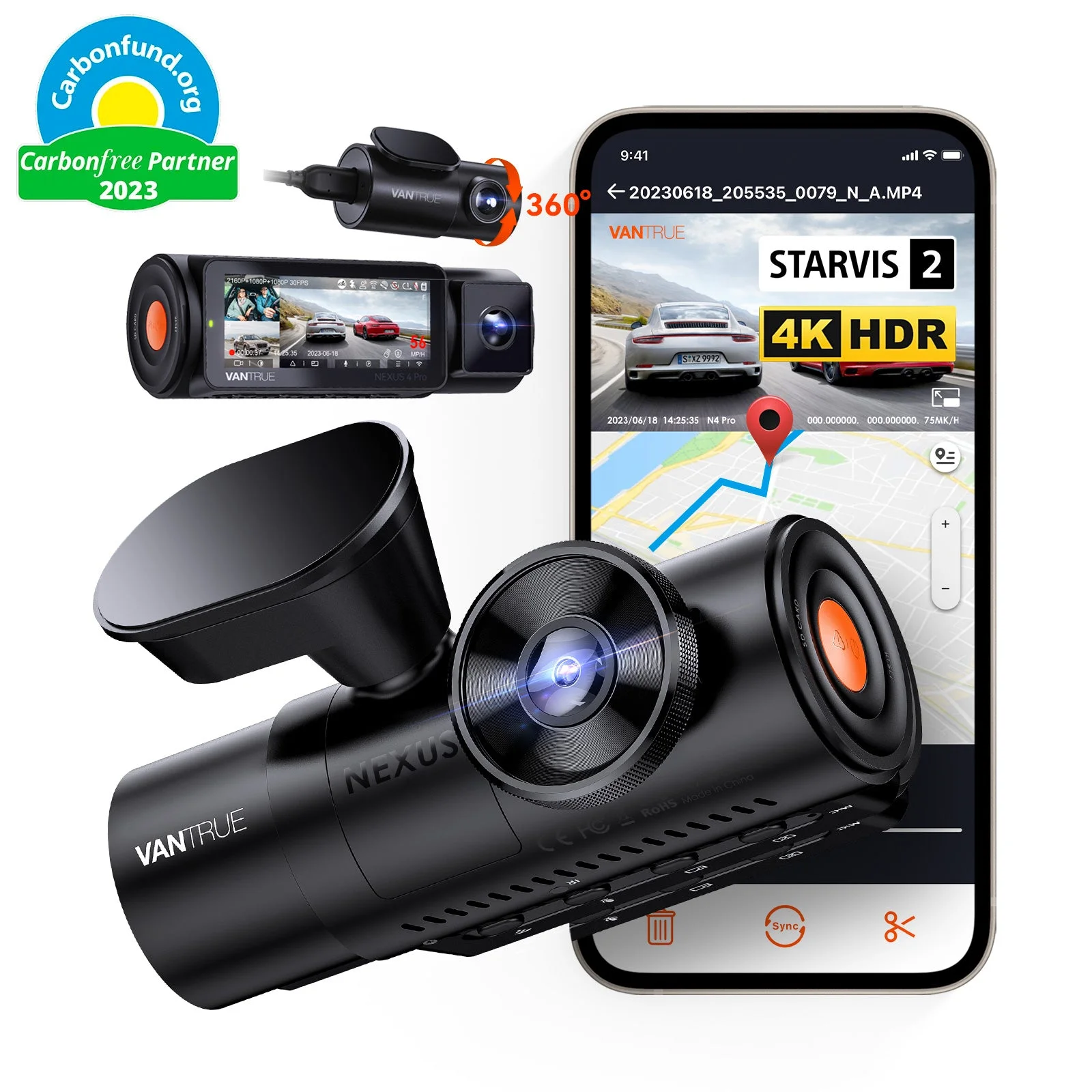
- Vantrue N4 Pro - a three-channel 4K cam that adds an infrared cabin camera the A500S lacks. The one to buy if you drive rideshare and need the interior on record.
- Rove R2-4K Pro - a single-lens 4K/2160p cam with a 150-degree lens, GPS, and up to 512GB support: the closest same-shape 4K rival, and the most direct 'spend a bit more for 4K' answer.
- Nextbase iQ - an LTE-connected 4K smart cam with Emergency SOS and cloud features at a much higher tier. Different league, different budget.
The through-line: every one of these costs meaningfully more, and each buys a specific thing - 4K resolution, a rear channel, a cabin camera, or connectivity. If you need one of those named upgrades, spend up. If you don't, this camera's 2.7K covers the core job for less.
Real-world car-camping use: where it fits and where it doesn't
This review lives under a car-camping banner for a reason, so let's be specific about that life rather than generic driving. A camper's vehicle does two things a commuter's doesn't: it drives long scenic highway stretches, and then it sits parked for hours or days at a trailhead, a campsite, or a lot - often in full sun. The A500S is genuinely good at the first and genuinely compromised at the second.
What works for the road trip itself:
- GPS-stamped scenery and evidence: the built-in GPS logs your route, speed, and location onto the footage, per 70mai - useful both for a fault dispute far from home and for retracing where that great overlook actually was.
- 2.7K on open highway: the sharp daylight image and F1.8 low-light sensor handle the mix of bright canyon rims and shaded forest roads a trip throws at you better than a 1080p budget cam.
- App offload on the go: the 70mai app lets you pull clips to your phone at a rest stop without digging the card out, per 70mai.
The parked half is the honest caveat. A camper sits in the sun all day, and this cam's 500mAh lithium battery - not a supercapacitor - is the component least happy on a baking dashboard, per BlackboxMyCar. If your rig lives outdoors in heat, this is the one spec that should give you pause.
The workable playbook for a camper who still wants this camera: park the windshield in shade when you can, pull the cam off the glass on the hottest days, and treat its parking mode as impact-triggered insurance rather than a 24/7 security system. Do that and it's a strong travel companion; ignore it and the heat will shorten its life. For a rig that genuinely lives outdoors all summer, a supercapacitor model is the safer long-term call.
Who should actually buy this camera
Cutting through it, the A500S is the right camera for a specific buyer: the everyday driver who wants clearly-better-than-1080p video, GPS-stamped evidence, and app convenience for around $80, and who parks in a garage or shade rather than baking asphalt. For that person it's an easy recommendation - it over-delivers on image quality and under-charges on price.
It's the wrong camera for three buyers, and I'd rather tell you now: the hot-climate parker (the lithium battery is a real liability), the rideshare driver who needs a cabin view (get the Vantrue N4 Pro), and the pixel-peeper who genuinely needs 4K to read plates two lanes over (get a Rove R2-4K or Viofo A229 Pro). Match yourself to the right list and the A500S is either a standout value or a near-miss - and knowing which before you buy is the entire point of reading a review instead of the box.
Put plainly, the value math is simple once you place yourself. You are paying roughly $80 for a real Sony STARVIS sensor, true 2.7K, GPS-stamped evidence and app convenience - a spec sheet that reads like a camera costing far more, per 70mai. What you trade away for that price is the supercapacitor, the second and third channels, and 4K resolution. None of those trades hurt a shade-parked daily driver, and every one of them can matter to a hot-climate parker, a rideshare driver, or a pixel-peeper. Buy against the list you actually belong to, not the one the marketing wants you to imagine, and the A500S lands exactly where an honest budget pick should.