Setting the Scene
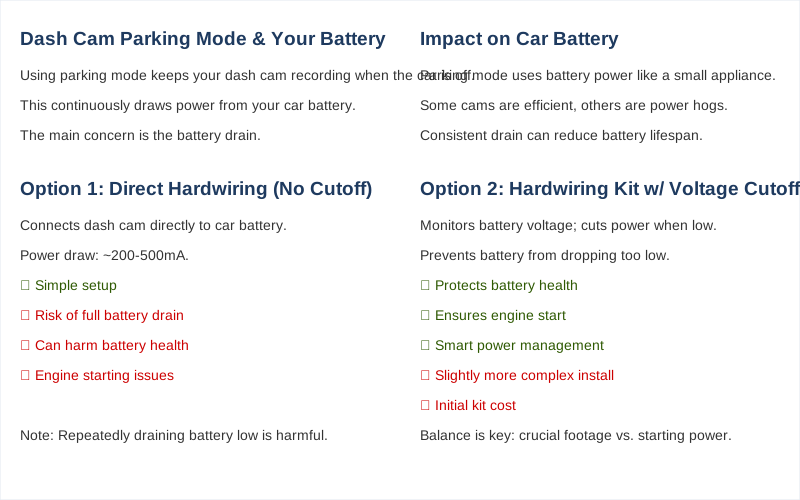
Using your dash cam's parking mode means it stays powered up and recording even when your car is off. This constant draw pulls juice from your car battery, and how much it pulls is the real question. Think of it like leaving a small appliance plugged in overnight; it's not a lot, but over time, it adds up. The biggest factor is how much power the dash cam actually uses in this mode.
Some are pretty efficient, others are power hogs. repeatedly draining a battery too low will harm its health. It's a balance between getting that crucial footage and leaving enough juice to start your engine in the morning.
The Core Answer
The Core Answer
Parking mode on a dash cam is basically keeping the camera alive and ready to record motion or impact when your car is parked. To do this, it needs a constant power supply, which it pulls directly from your car's battery. The catch is, your car battery is designed to start your engine, not run a small electronic device for hours on end. Parking mode can pull 200-500mA constantly. That drain can kill your battery if not managed properly.
The real move here is understanding the power draw. A typical dash cam in parking mode might sip about 200 to 500 milliamps (mA). That sounds small, but if your car sits for, say, 10 hours, that's 2 to 5 amp-hours drained from your battery. A healthy car battery might be around 50 amp-hours. So, theoretically, you could drain a fully charged battery in a day or two if it were constantly powering the dash cam without any protection.
Brilliant engineering, right?
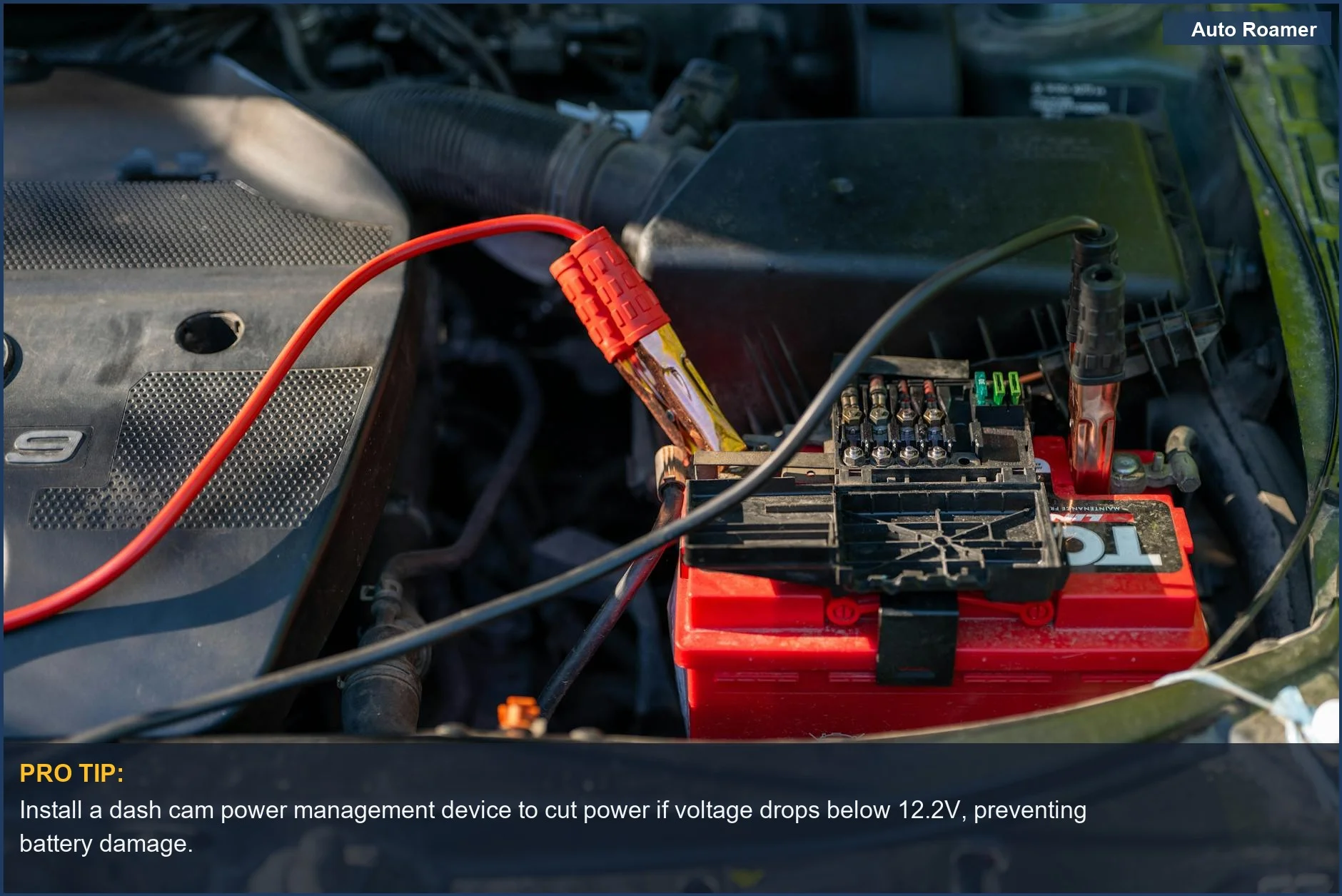
This is where voltage cutoff features come into play. Most decent hardwiring kits for dash cams have a little box that monitors your car's battery voltage. When the voltage drops below a certain point - say, 12.2 volts - the kit cuts power to the dash cam, preventing further drain. This is the crucial safety net. Devices with parking mode generally include this feature to protect your battery.
If you don't have a voltage cutoff, or if it's set too low (some are set to 11.4 volts, which is way too low and deep-cycles your battery), you're asking for trouble. Repeatedly draining a battery that low significantly shortens its lifespan. I learned this the hard way after leaving my first dash cam plugged directly into an always-on fuse for a week in my old Civic. Came out to a dead battery, and a lot of buyer's remorse.
That $15 hardwire kit would have saved me a $200 battery replacement.
The honest version: the dash cam will drain your battery if left unchecked. The solution is a hardwiring kit with a reliable voltage cutoff. Without it, you're playing battery roulette. If it's hardwired, it's supposed to automatically go into parking mode which greatly reduces the power usage to avoid draining the battery.
So, what happens? Your battery gets slowly depleted. If it gets too low, too often, the battery's ability to hold a charge degrades. It's like constantly running a marathon without proper recovery. Eventually, it just can't perform anymore. The fix is simple: use the right gear and set it up correctly.
Why This Matters for Your Setup
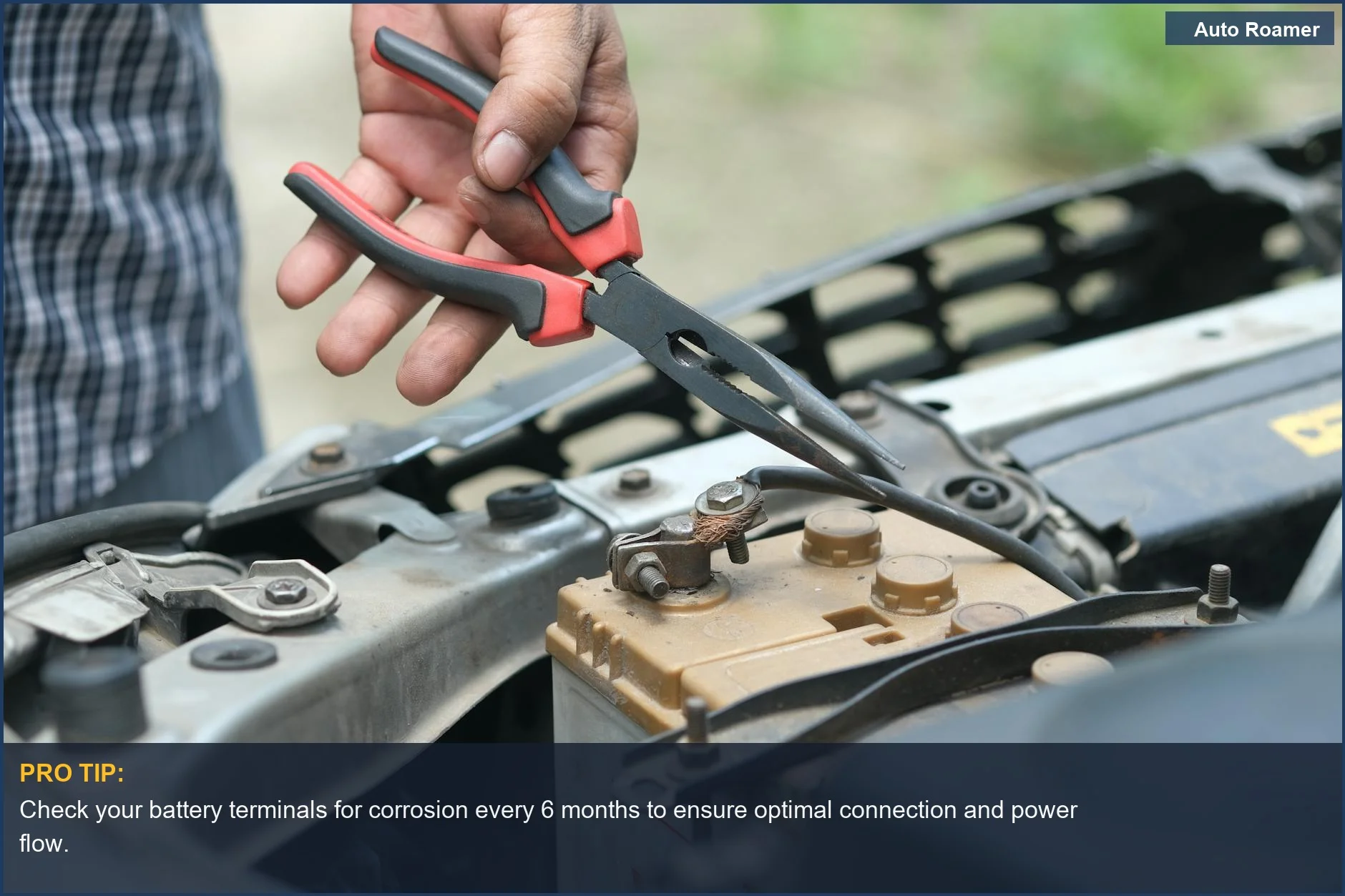
- Battery Health: The biggest impact is on your car battery's lifespan. If you repeatedly drain it too low, you're essentially shortening its life. A healthy battery might last 3-5 years, but constant deep discharges can cut that in half. the only thing that is of concern is that you need to ensure it's not too old.
- Voltage Cutoff is Key: This is the critical piece of hardware. It's the gatekeeper between your dash cam and your car's power. Without it, you're risking a dead battery. The $20 version often works just fine, but make sure it has adjustable settings or at least a reasonable default. I once saw a kit with a cutoff at 11.4 volts - that's practically asking for battery damage.
You should use a hardwiring kit with a voltage cutoff to use parking mode without draining your car's battery.
- Your Driving Habits: If you only drive your car for 10 minutes a day, like I used to do for my commute to that dead-end office job, your battery doesn't get much chance to recharge. Add a dash cam in parking mode, and you're setting yourself up for a no-start situation. Longer drives allow the alternator to replenish the battery's charge. if you use a reasonable voltage cutoff, it will be fine.
- Battery Age and Type: An older battery, or one that's already weak, will struggle more to handle the constant drain. Similarly, different battery types (like AGM) have different tolerances. The rule of thumb is: if your battery is more than 3 years old, be extra cautious. It's like trying to carry a heavy load with a bad back - it just won't handle it well.
Making the Right Choice
Ultimately, using your dash cam's parking mode is about managing power. It's not inherently bad, but it requires the right setup to avoid damaging your car battery. Think of it as needing the right adapter for your phone charger; use the wrong one, and you could fry it. Today we look at a battery bank that can keep your car dash CAM running in parked mode for over 30 hours without draining your car battery.
- Invest in a Hardwiring Kit: This is non-negotiable for reliable parking mode. Look for one with a low-voltage cutoff feature. It's the single most important component to protect your battery. The $20-$30 investment here saves you hundreds in potential battery replacements. Not all USB ports in all cars are powered when the ignition is off.
- Check Your Cutoff Settings: If your kit allows it, set the voltage cutoff to a safe level. A good starting point is around 12.2 volts. Anything lower risks deep-cycling your battery. This is the real move to ensure longevity.
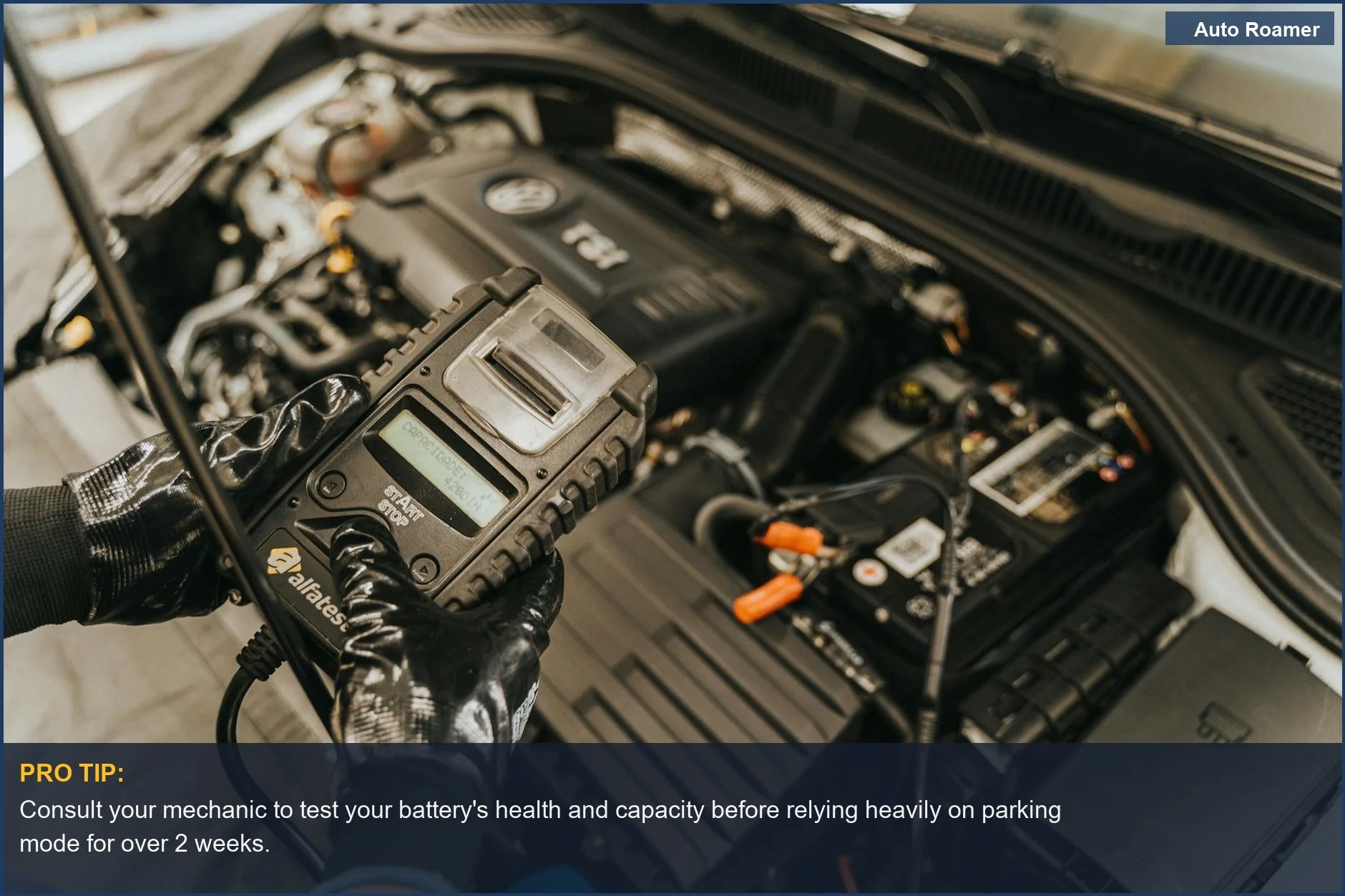
- Monitor Your Battery: If you notice your car struggling to start, or if your battery is several years old, pay extra attention. You might consider a battery tender for longer parking periods or disabling parking mode until you can get a longer drive in to recharge. Physics doesn't care about your commute.