First, the Basics
Deciding how to juice your dash cam is way more complicated than it needs to be. You've got two main paths: plug it into your cigarette lighter or go full hardwire. My first setup used the old 12V socket, and honestly, it was a mess of wires that looked like a spider had a party in my car. This choice isn't just about tidiness; it dictates whether your camera actually keeps an eye on things when you're not around.
I learned that the hard way when my car got dinged in a parking lot and my camera was off. It's about getting the right juice to the right place at the right time, and not waking up to bad news.
The Core Answer
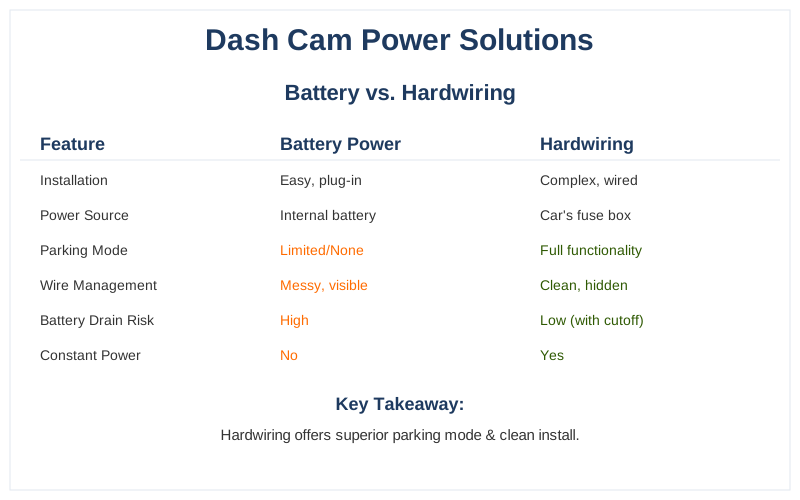
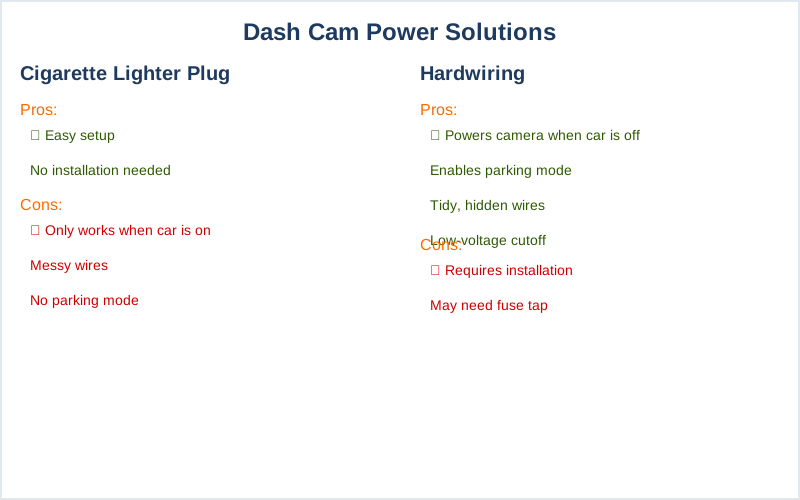
Look, the real move for a dash cam is hardwiring it. My first rig plugged into the 12V socket, and the cable snaked across my dashboard like a rogue vine. It only worked when the car was on, meaning zero protection when parked. That's a rookie mistake for anyone who parks anywhere remotely sketchy.
Hardwiring connects your camera directly to your car's fuse box. This gives it a constant power source, even when the engine is off. This unlocks parking mode, which is the whole point if you want to catch hit-and-run artists or that guy who keeps stealing your parking spot.
The trick with hardwiring is using a kit that has a low-voltage cutoff. You don't want your dash cam draining your car battery completely. This feature acts like a bodyguard for your battery, shutting off the camera before it dies.
Some people tout battery packs, but honestly, they're just another thing to charge and manage. It's like carrying a spare phone battery for your dash cam. Most of the time, you're better off with a direct connection that just works. It's the difference between having a tool that's always ready and one you have to prep before every mission.
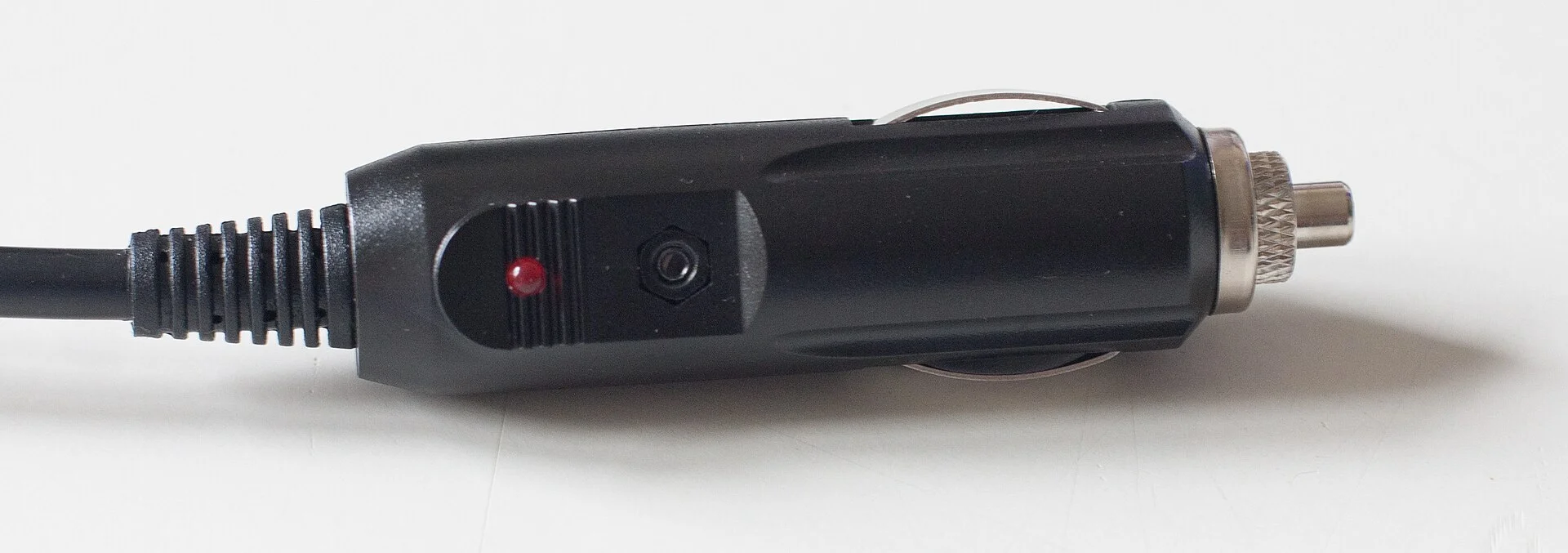
Going the plug-in route is easy, sure. You just jam it into the cigarette lighter and go. But it's like using a garden hose to fill a swimming pool - it works, but it's inefficient and messy. The real move is a clean install that gives you 24/7 peace of mind.
Why This Matters for Your Setup
Why does this even matter to you? Because a messy, unreliable power setup is just asking for trouble. I once had a dash cam that kept turning off randomly because it was just plugged into a flimsy 12V adapter. That meant I missed the entire fender bender that happened right in front of me.
Here's the honest version of why it's a big deal:
- Parking Mode is King: If you park on the street, or even in a busy lot, you need your camera running 24/7. Hardwiring is the only way to reliably achieve this without draining your car battery. This is non-negotiable for serious protection.
- Cleanliness is Next to Godliness: Wires hanging everywhere are not just ugly; they can get in the way. I've snagged my elbow on a dangling cable more times than I care to admit.
A hardwired setup hides the wires for a much cleaner look. It's the difference between a professional install and a DIY disaster.
- Reliability Wins: When your camera is directly wired, it's got a stable power source. Plug-ins can sometimes have intermittent connections, especially if the socket is loose or the car's power delivery is wobbly. I've seen people's cameras shut off just as something important happens, all because of a dodgy connection.
Making the Right Choice
So, what's the verdict? For me, it's always hardwiring. My first car camping trip involved a $47 foam pad and a night of shivering, and I learned that cutting corners on essential gear bites you later. The same logic applies here.
- Go for the Constant Juice: If you want your dash cam to actually do its job, especially when parked, hardwiring is the way to go. It's the game-time decision that pays off.
- Don't Fear the Fuse Box: Installing a hardwire kit is not rocket science. Most kits are designed for DIYers, and there are tons of videos out there showing you exactly what to do.
It's way easier than you think.
- Battery Packs are Extra Hassle: Unless you have a very specific reason, a battery pack just adds another layer of complexity. Why not just get a reliable power source directly from the car?