Setting the Scene
A dead 12V battery is a common surprise for parking-mode users, and dealers often chalk it up to vague 'parasitic draw' without finding the source. Meanwhile, your dashcam is supposed to protect your ride in parking mode, but it's draining your car's main 12V lead-acid battery faster than a leaky fuel line.
You've got a 100mA to 300mA draw for most cameras, and that's a death sentence for a car battery in less than a week if you're not driving daily.
Your vehicle's electrical system isn't designed for continuous low-power accessory loads. It's built for high-current, short-duration events like cranking the engine, then maintaining charge. When the engine's off, you're on borrowed time. The car's body control module prioritizes starting over your dashcam. Brilliant engineering.
Dashcams typically use a 5V USB input, stepping down from the car's 12V. This DC-DC conversion isn't 100% efficient; you're losing energy as heat. If your camera draws 200mA at 5V (1W), from the 12V side with 85% efficiency, you're still pulling closer to 100mA at 12V (1.2W). Every watt matters.
This is why a dedicated dashcam battery pack is not just a convenience, it's a necessity to avoid dead batteries and premature wear on your vehicle's charging system as explained by Vortex Radar.
Owner forums are full of fried fuse boxes traced back to cheap hardwiring kits. A bad connection, an incorrect fuse tap, and suddenly you're smelling burnt plastic. The mechanical stress from vibration on a poorly secured fuse tap can lead to intermittent contact, arcing, and thermal damage. Don't cheap out on the power source if you want your dashcam to actually work when you need it.
Quick Verdict
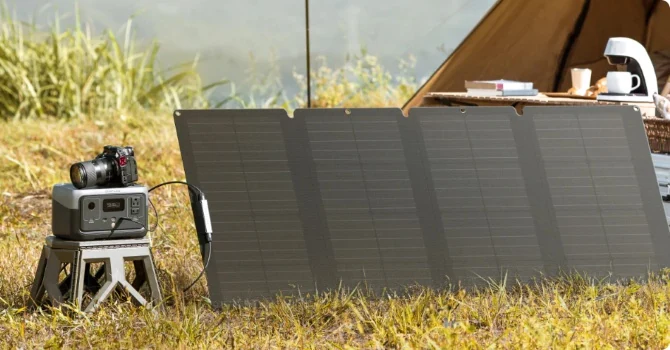
- EcoFlow River 2 (~$200): This is your go-to for raw capacity. At 256Wh, it'll power most dashcams for days, not hours. The LiFePO4 chemistry means better thermal cycling resistance and a longer cycle life than traditional Li-ion.
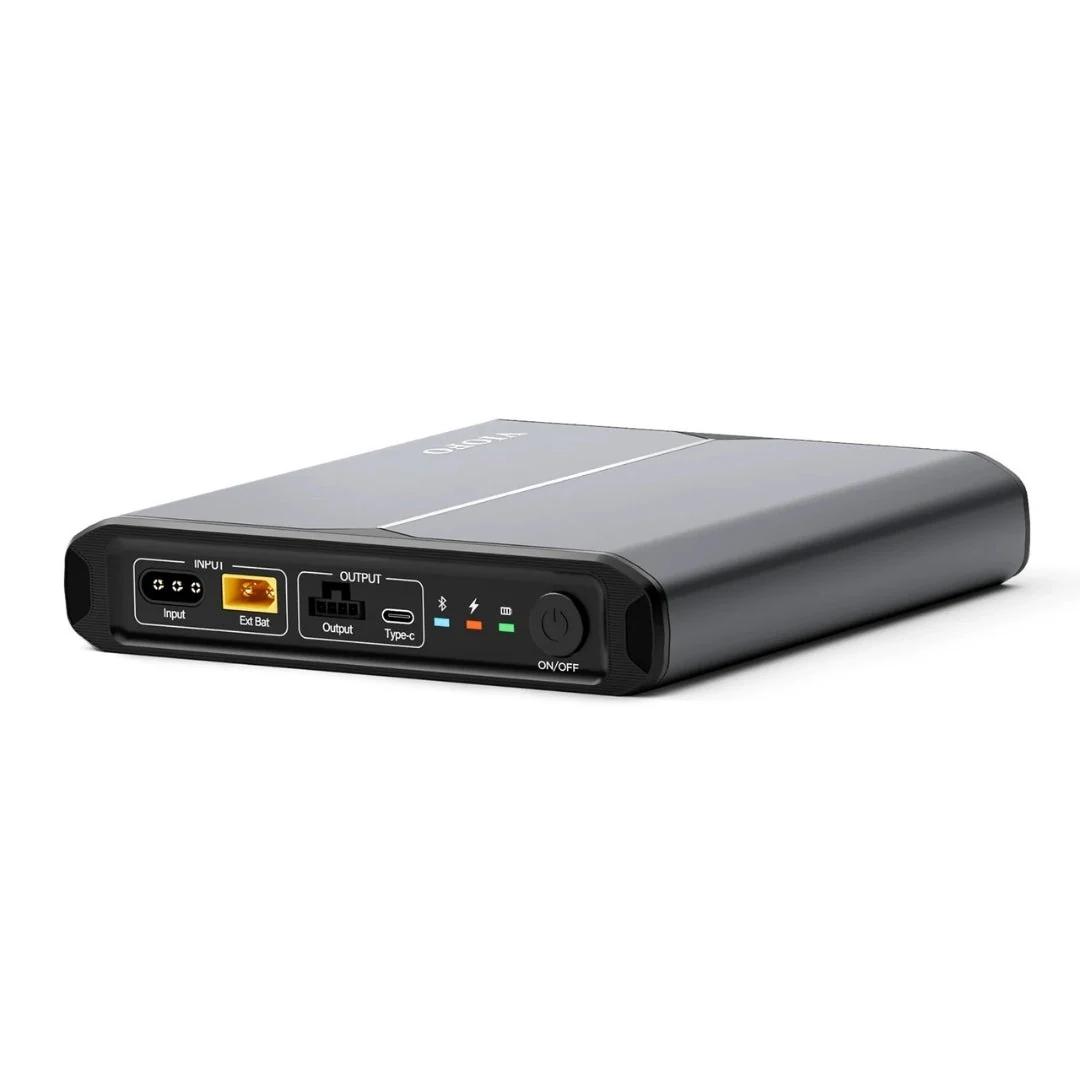
- VIOFO BP100 (~$130): A more compact, purpose-built dashcam battery. Offers 7650mAh (98Wh) which should give you around 32 hours of parking mode on a typical dual-channel dashcam according to VIOFO's own claims. Smaller footprint, but less versatile.
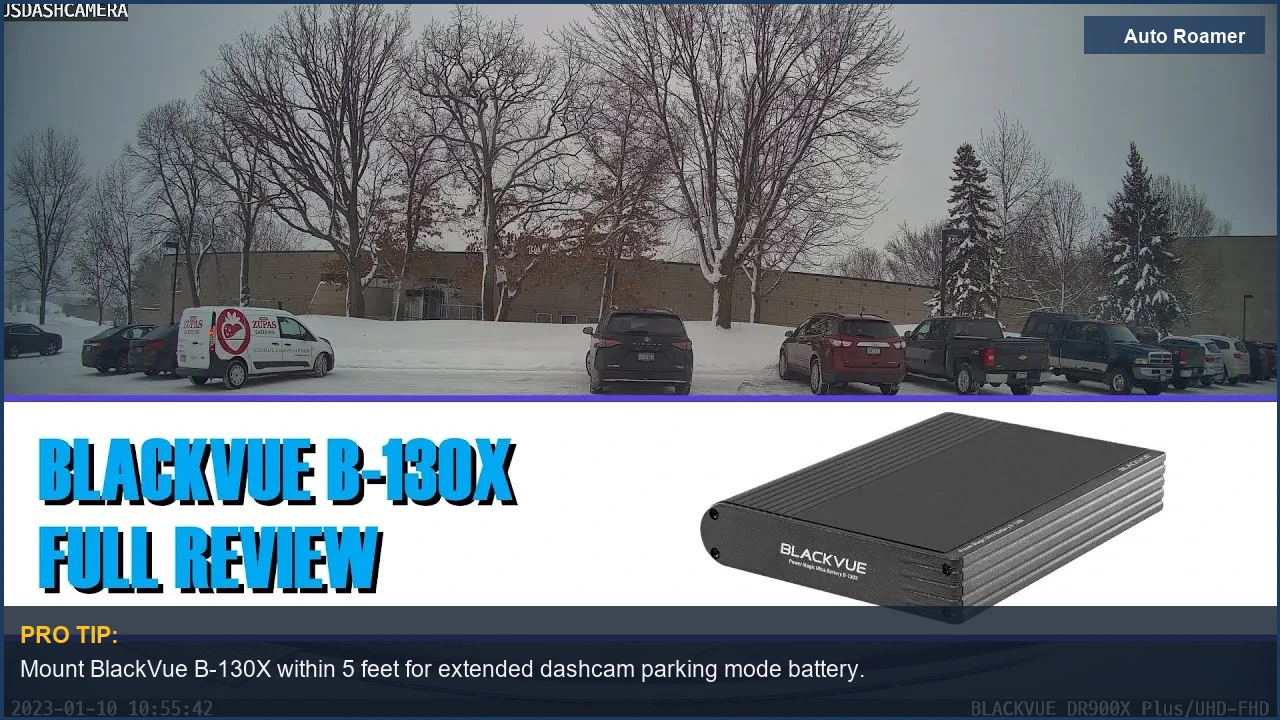
- BlackVue B-130X (~$280): Premium price, premium features. It's a 7500mAh (96Wh) LiFePO4 battery with Bluetooth connectivity for monitoring. Solid choice if you're already in the BlackVue ecosystem and want the integrated BMS features.
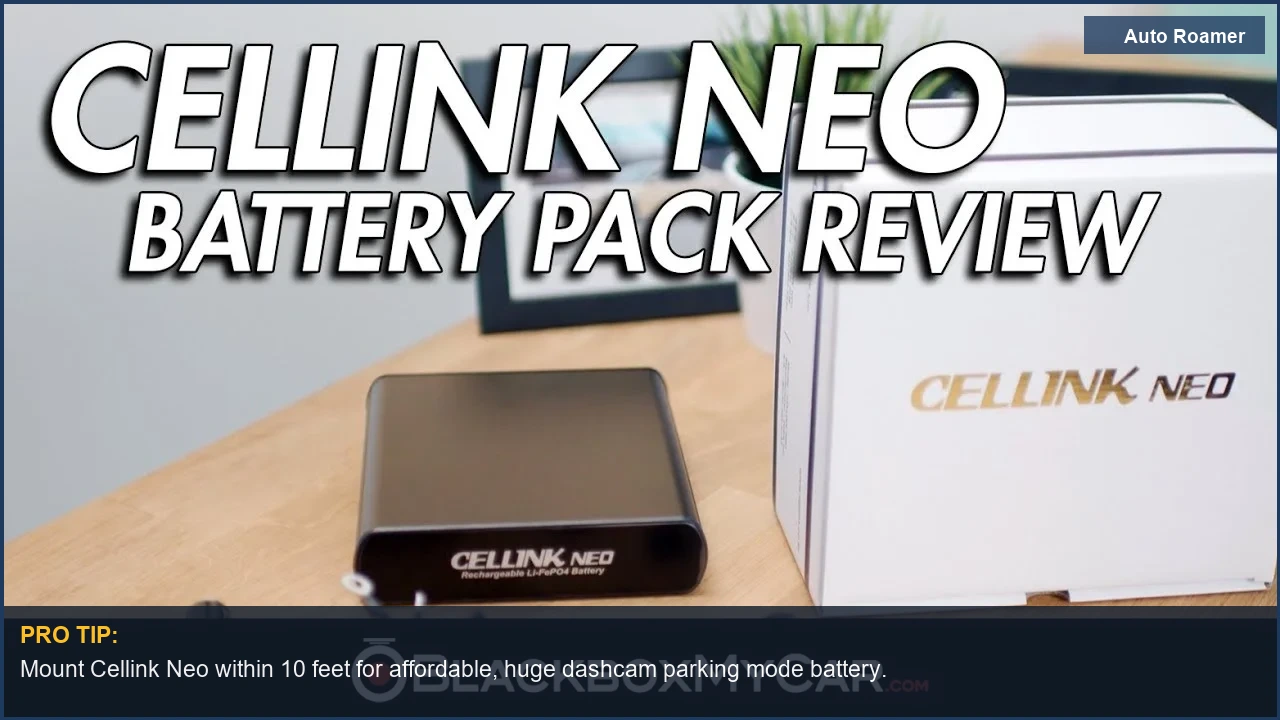
- Cellink Neo (~$270): Similar specs to the BlackVue, 6000mAh (76.8Wh) LiFePO4. Known for robust construction and reliable performance. It's a bit smaller than the B-130X, which might matter for mounting in tight spaces.
- Smaller capacity, typically around 3000mAh. Fine for short parking durations, but don't expect multi-day coverage. The internal resistance on these cheaper packs can climb fast with thermal cycling, reducing effective capacity.
- DIY LiFePO4 Power Bank (Variable Cost): If you know your way around a soldering iron and BMS, you can build a custom pack for less. However, the risk of thermal runaway from improper cell balancing or charging circuitry is real. Not for the faint of heart, or those without a fire extinguisher handy.
What to Look For
When you're sifting through marketing fluff, focus on the engineering. Your dashcam needs consistent power, and your battery needs to handle the thermal cycling of a parked car in the sun. Don't get suckered by 'parking mode ready' claims.
| Feature | Why it Matters (Physics/Failure Mode) | What to Look For |
|---|---|---|
| Capacity (Wh/mAh) | Directly determines runtime. A typical 2-channel dashcam draws 200-300mA at 12V (2.4-3.6W). Lower capacity means shorter parking mode duration before voltage drops below operational threshold. | Minimum 75Wh for 24+ hours. More is always better for multi-day parking. |
| Battery Chemistry | LiFePO4 (Lithium Iron Phosphate) offers superior thermal stability and cycle life (2000-3000 cycles) compared to Li-ion (500-1000 cycles). Li-ion is prone to thermal runaway if overcharged or exposed to high ambient temperatures. | Prioritize LiFePO4 for longevity and safety, especially in vehicles exposed to direct sunlight. |
| Charging Input (Voltage/Amperage) | Determines recharge rate. Low input current means longer charge times, potentially not fully recharging during short drives. High input current without proper thermal management can lead to premature cell degradation. | 12-14V DC input, preferably 5A or higher. USB-C PD (Power Delivery) is also efficient for smaller packs. |
| Output (Voltage/Amperage) | Must match your dashcam's requirements, usually 5V USB or 12V. Incorrect voltage can damage the dashcam's internal voltage regulators. Insufficient amperage can cause brownouts or recording failures during high-demand events. | Match your dashcam's spec sheet. Most use 5V/2A for USB or 12V/1A for hardwired. |
| Battery Management System (BMS) | Prevents overcharge, over-discharge, over-current, and over-temperature. Without a proper BMS, cells can become unbalanced, leading to reduced capacity, thermal events, or permanent damage. | Essential. Look for explicit mention of comprehensive BMS features. Cheap packs often skimp here. |
| Mechanical Durability | Vibration and impact resistance are critical in a vehicle environment. Internal components can delaminate or connections can fracture under constant dynamic loading. | Robust casing, minimal internal play. Read reviews for reports of failures after rough use. |
A common rookie failure with a cheap dash cam hardwiring kit is frying the car's fuse box within hours by tapping constant 12V instead of an ignition-switched circuit. The real move is understanding ACC power. Get the electrical flow right, or you're just asking for trouble.
Our Top Picks for Reliable Performance
You want your dashcam to record the idiot who backs into you, not just drain your battery. These are the packs that won't leave you stranded with a dead battery and no footage.
EcoFlow River 2 (~$200)
Capacity: 256Wh LiFePO4, 300W AC output, 11ms EPS switchover
Pros: Massive capacity for multi-day parking, LiFePO4 thermal stability, fast AC/DC charging, versatile power outputs. You can power other gear too as shown by Vortex Radar.
Cons: Larger footprint than dedicated dashcam batteries, not designed specifically for dashcam integration (requires 12V socket or USB-C adapter).
Best for: Car campers, overlanders, anyone needing days of parking mode or multi-purpose portable power.
This pack is over-engineered for just a dashcam, which is exactly the point for multi-day reliability.
VIOFO BP100 (~$130)
Capacity: 7650mAh (98Wh) LiFePO4
Pros: Purpose-built for dashcams, compact size, LiFePO4 for thermal resilience, quick charge time (approx. 45 minutes to 100% via hardwire) VIOFO's new batteries are looking solid.
Cons: Lower capacity compared to a portable power station, limited to dashcam charging. No AC output.
Best for: Dedicated dashcam users who want a clean, integrated setup without the bulk of a power station. Offers about 32 hours of parking mode according to VIOFO.
BlackVue B-130X (~$280)
Capacity: 7500mAh (96Wh) LiFePO4
Pros: Premium build quality, LiFePO4 chemistry, Bluetooth connectivity for monitoring via app, quick charge. Integrates seamlessly with BlackVue dashcams.
Cons: High price for the capacity, primarily designed for BlackVue systems (though adaptable).
Best for: BlackVue owners who want a high-end, integrated solution and don't mind the premium price tag. The BMS on these is typically robust.
Cellink Neo (~$270)
Capacity: 6000mAh (76.8Wh) LiFePO4
Pros: Reputable brand, solid LiFePO4 performance, compact design. Known for reliability under thermal cycling.
Cons: Slightly lower capacity than B-130X for similar price, less common.
Best for: Users prioritizing a proven, reliable brand for dedicated dashcam power. It's a workhorse, not a show pony.
Head-to-Head Comparison
Let's cut through the marketing. When you're comparing power, it's about Watt-hours and the chemistry that delivers them. Everything else is just packaging as many power station reviews show.
| Feature | EcoFlow River 2 | VIOFO BP100 | BlackVue B-130X |
|---|---|---|---|
| Capacity (Wh) | 256Wh | 98Wh | 96Wh |
| Chemistry | LiFePO4 | LiFePO4 | LiFePO4 |
| Estimated Dashcam Runtime (Days) | 3-5 days | 1-1.5 days | 1-1.5 days |
| Charging Time (12V) | ~3 hours | ~45 minutes | ~45 minutes |
| Price (Approx.) | ~$200 | ~$130 | ~$280 |
| Versatility | High (AC/DC/USB outputs) | Low (Dashcam-specific) | Medium (Dashcam + limited USB) |
| Footprint | Large (245 x 214 x 142mm) | Small (152 x 95 x 30mm) | Small (157 x 103 x 33mm) |
The EcoFlow River 2 wins on raw capacity and versatility, hands down. You're getting more than twice the Watt-hours for a similar or lower price than the premium dedicated packs. The charging time is longer, sure, but you're topping up a much larger energy reservoir. For a dedicated dashcam power solution, the VIOFO and BlackVue are fine, but you're paying a premium for the form factor and brand integration as some reviews point out. It's a trade-off between bulk and sheer energy storage. For most parking-mode setups, the biggest battery that fits the car wins every time.