The verdict up front: what you're actually paying for
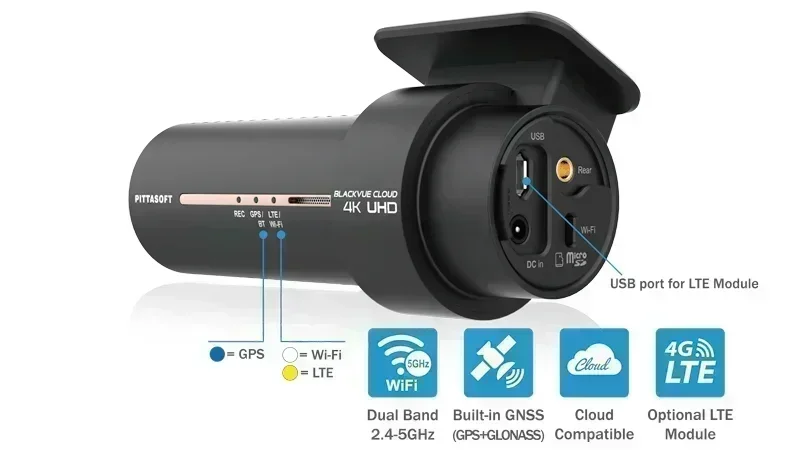
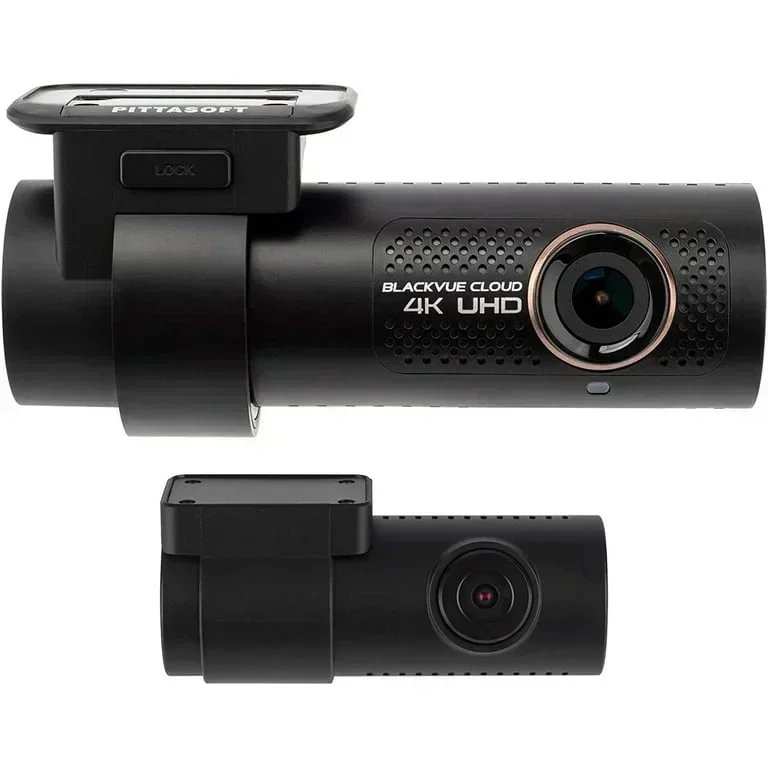
Both brands slap a 4K sticker on a $400-plus body, but you are buying two different insurance policies, not two versions of the same one. Thinkware sells radar-quiet parking protection; BlackVue sells a cloud you can pull up on your phone from a thousand miles away.
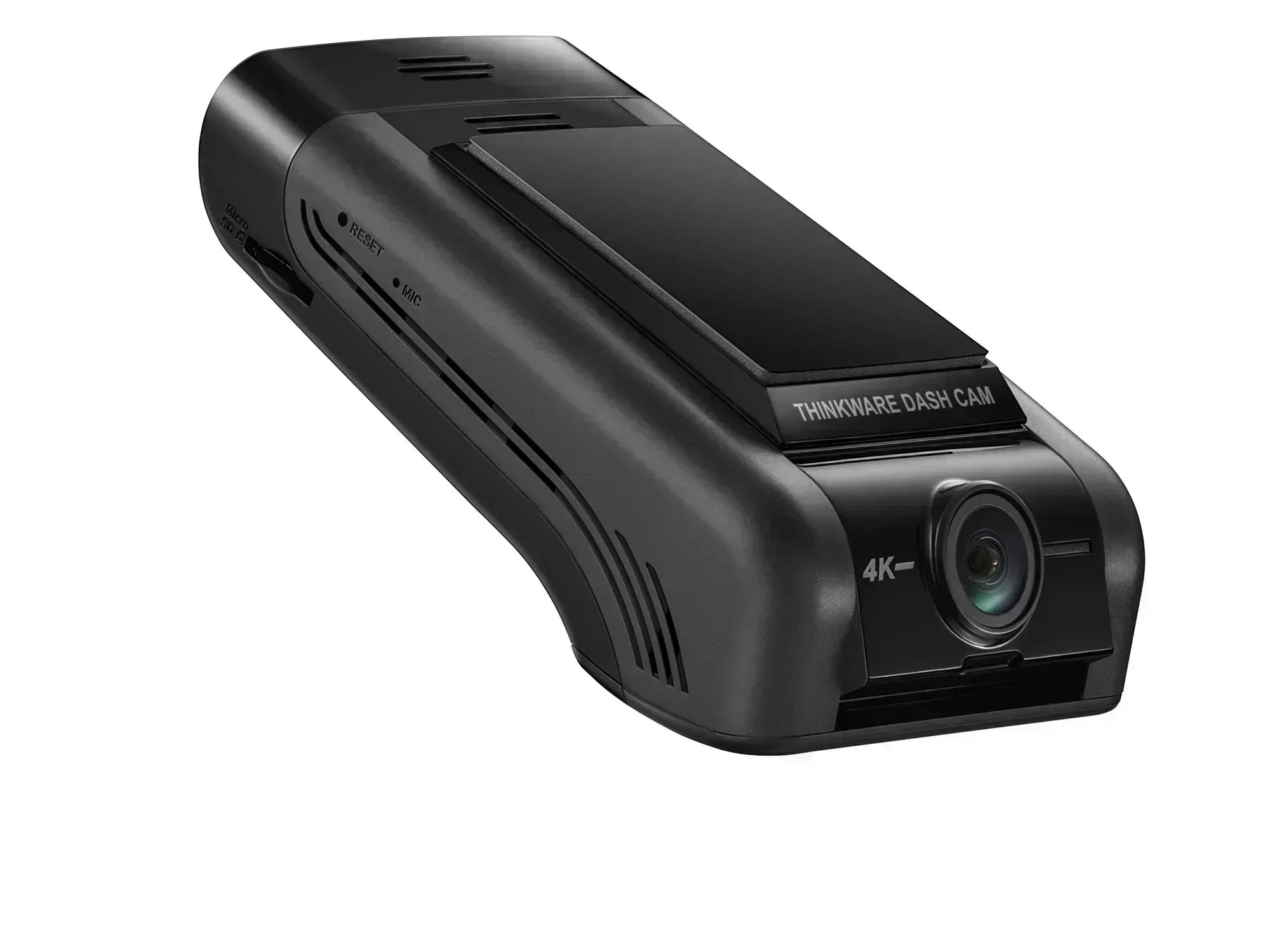
The marketing says "premium 4K dash cam," and both flagships deliver that. But the front sensor on the BlackVue DR970X Plus and the Thinkware U3000 is the same Sony STARVIS 2 IMX678, roughly 8 megapixels. The headline resolution number is a wash before you spend a dollar. If a salesperson tells you one brand is dramatically sharper up front, ask which sensor it uses. It is the identical part.
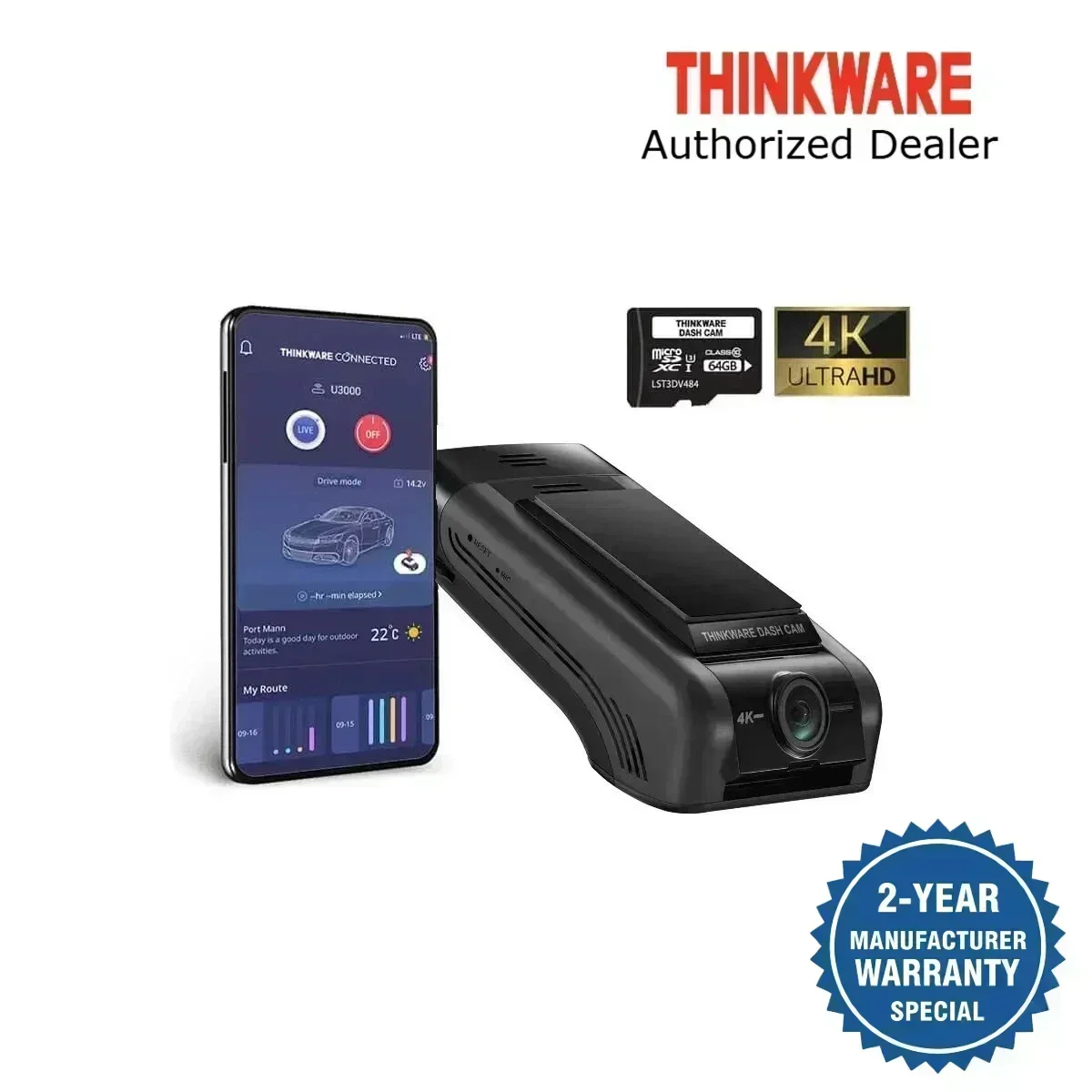
What actually separates your money is the stuff nobody photographs. BlackVue leans on a mature cloud platform with built-in or add-on LTE. Thinkware's U3000 leans on built-in radar parking detection and a ventilation system aimed at surviving a hot dashboard. Those are different problems being solved, and you should know which one is yours.
So the honest question is not "which is better," it is "which failure do you want covered." If you park on city streets and want live remote eyes on your car, BlackVue earns the premium. If your vehicle bakes in a lot all day and you want low-power impact detection that will not flatten your battery, Thinkware does. Everything below pulls the specs apart so the price gap stops feeling arbitrary.
If you reach the point where you learn your coverage has a gap or you may be overpaying, it is worth taking the next step with a trusted service — compare coverage and rates. See why a dash cam beats a phone camera.
Two premiums, two philosophies
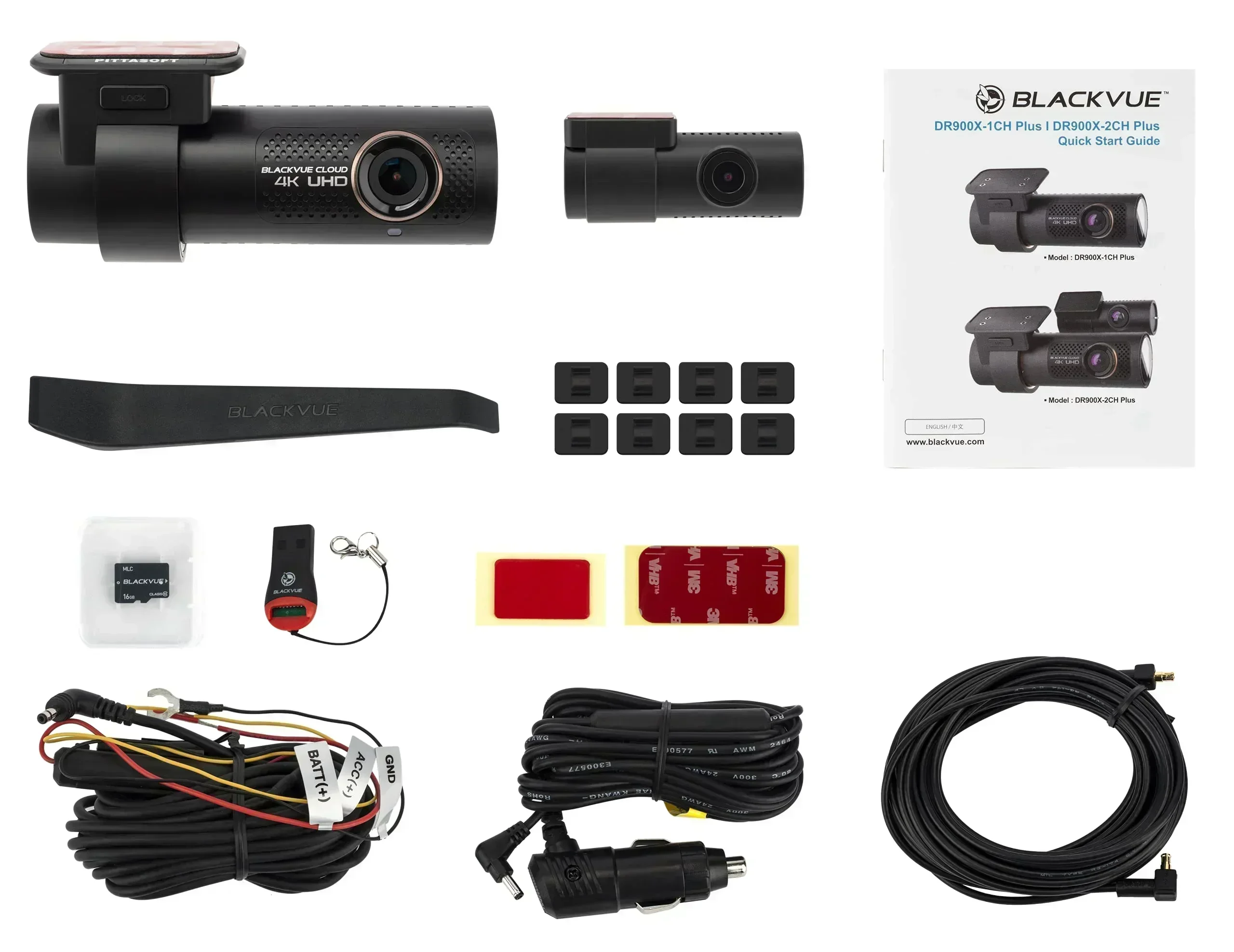
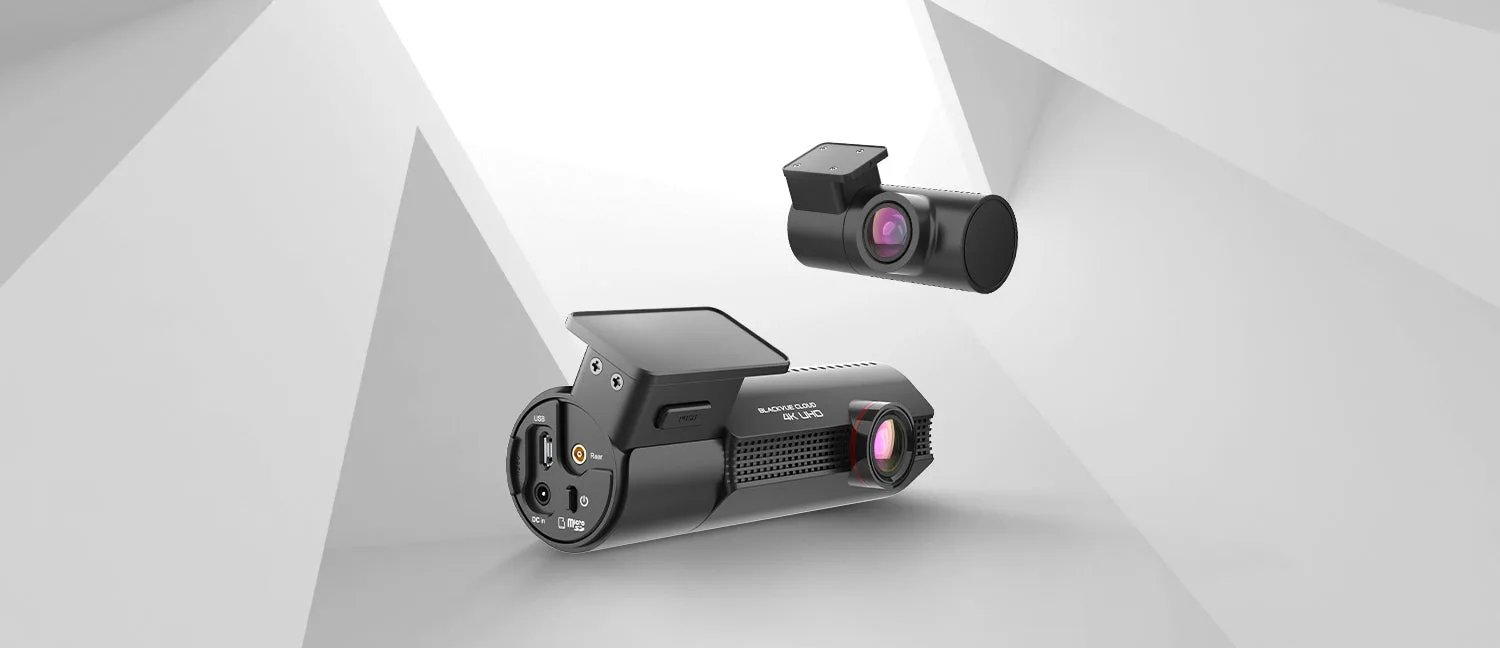
BlackVue built its reputation on connectivity. The DR970X and the newer Elite line assume you want the camera talking to a server, not just a memory card. Insert a SIM or attach the LTE module and the camera streams live, pushes impact alerts, and lets you check on the car remotely. That is the whole pitch, and it has been the whole pitch for years.
Thinkware built its reputation on the parked car. The U3000 puts radar hardware inside the camera body so it can watch for motion and impacts while sipping power, and it wraps the electronics in a vented housing designed for heat. Thinkware is quietly engineering for the moment you are not in the vehicle, which is when most dash cam footage that matters actually gets recorded.
Neither philosophy is wrong. They just optimize for different owners. A rideshare driver in a dense city cares about live cloud eyes and quick evidence retrieval. A commuter who leaves a car in an open, sun-blasted lot cares about a camera that will still be recording, and not cooked, at 5 p.m. in July.
The trap is buying the philosophy you do not need. Pay for BlackVue's cloud and never insert a SIM, and you overpaid for a feature you disabled. Buy Thinkware for radar parking, then hardwire it wrong, and you wasted the efficiency. The spec sheet is only useful once you know which philosophy you are.
Video quality: closer than the price gap suggests
Here is where the marketing works hardest and delivers least. Both flagships record 4K UHD at 3840x2160 on the front channel at 30 frames per second, and both use the Sony STARVIS 2 IMX678 front sensor. When independent reviewers line them up, the daytime footage is close enough that you would struggle to name the camera in a blind test. If you want the broader field, my roundup of 4K dash cams shows how tight the top tier has become.
The small edges are real but modest, and they all tilt slightly toward Thinkware:
- A 2K QHD mode at 60 frames per second, genuinely useful for reading plates on fast cross traffic.
- A wider front field of view, around 152 to 158 degrees.
- A 2K QHD rear sensor, where the standard BlackVue DR970X rear channel records only 1080p Full HD, so Thinkware holds the paper advantage on rear-plate legibility.
What you should not do is pay a big premium chasing front-camera sharpness alone. Reviewer consensus, including detailed teardowns from shops like BlackboxMyCar, puts these two within a hair on daytime clarity. The 4K number sells cameras, but it is the least differentiated spec in this whole comparison. Save your scrutiny for night, parking, and heat, where the money actually goes to work.
Night recording: where the sensors diverge
Same front sensor, different processing. That is the honest summary of night performance. Because both cameras run the STARVIS 2 IMX678 up front, the raw low-light sensitivity is comparable, but each brand tunes its image pipeline differently, and that tuning is where you see separation after dark.
Thinkware markets a Super Night Vision mode and includes a CPL filter in many U3000 bundles, which cuts windshield glare and reflected dashboard light. In practice that means cleaner plates under sodium and LED streetlights, at the cost of a slightly darker overall frame. Reviewers who test the U3000 in low light generally rank it at or near the top of current 4K cameras for exactly this reason.
BlackVue's night image tends to run brighter and a touch noisier. For catching context, a face, a jacket color, the direction a hit-and-run driver fled, brighter can help. For reading a plate cleanly, Thinkware's glare control usually wins.
Neither is objectively correct; it depends on whether you value evidence of who, or evidence of what.
One caution: do not trust brand demo reels shot in ideal conditions. The useful test is a mixed real-world clip, a dim residential street, a lit gas station, a dark rural road, from an owner or a reviewer, not the manufacturer. When you weight owner footage over marketing footage, the two brands come out closer at night than either wants you to believe, with Thinkware holding a narrow edge on plate legibility.
Parking mode: buffered vs radar, and the power cost
This is the real dividing line, and it is where I would spend the most attention. BlackVue's parking mode is buffered and sensor-driven: motion detection records a short pre-buffer clip when the front or rear camera sees movement, G-sensor impact detection captures hits, and time-lapse mode records continuously at a low frame rate. It works, but constant image analysis draws steady power, and motion detection can trigger on shadows, passing pedestrians, and swaying trees.
Thinkware's U3000 builds radar into the camera body. Instead of watching every pixel for change, the radar watches for actual physical motion and impacts, which means fewer false triggers and dramatically lower power draw. Thinkware cites parking endurance in the range of roughly 489 hours for the 2-channel setup and over 535 hours single-channel under its radar mode, which is measured in days, not hours.
Why does power matter so much? Parking mode runs off your car battery through a hardwire kit. The lower the draw, the longer you can surveil before a voltage cutoff shuts the camera down to protect your ability to start the car. Radar's efficiency is not a gimmick; it directly buys you more coverage per parked day.
If parking incidents are your main fear, dents in lots, hit-and-runs overnight, Thinkware's radar approach is the more disciplined engineering. BlackVue's buffered mode is fine for shorter parks and shines when paired with its cloud alerts, but on raw power efficiency alone, radar wins.
The cloud question nobody quantifies
Everyone says BlackVue has the better cloud. Fewer people tell you what that actually buys, so let me be concrete. BlackVue Cloud, with a SIM or the LTE module, gives you:
- Live remote video streaming from the app.
- Real-time push alerts for impacts and motion.
- GPS location tracking.
- Remote settings management.
If your car gets hit at 2 a.m. three blocks away, your phone can buzz and you can watch. That is a mature, years-refined platform, and it is the single strongest reason to pay BlackVue's premium.
Thinkware offers cloud connectivity too, but reviewer consensus is consistent: it is less robust and less polished than BlackVue's. It covers the basics, notifications and remote viewing, without the depth or reliability BlackVue has built up. If cloud is your priority, this gap is the one that should decide your purchase.
Now the skeptic's caveat: a cloud is only worth paying for if you will actually run it. Built-in LTE means a monthly data cost, either a dedicated SIM plan or hotspot tethering, on top of the hardware. Plenty of owners buy the cloud-capable BlackVue and never insert a SIM, at which point they paid for a networked camera and use it as a plain recorder. Be honest about whether you will feed it data. If not, the cloud advantage is worth exactly nothing to you, and Thinkware's other strengths matter more.
Heat tolerance in a parked car
A dashboard in summer sun can exceed 70 degrees Celsius, well past the roughly 65 degree ceiling many electronics are rated for.
Heat is the quiet killer of dash cams, and it is the spec buyers ignore until their camera stops recording in August.
This matters even more for car campers and anyone leaving a vehicle parked in open sun for hours.
Thinkware designed the U3000 with a dedicated ventilation system to manage internal temperature. That is not decorative. Lower internal temperature swings reduce the failure rate of the electronics and extend the life of the memory card, which is the component most likely to die first in a hot cabin. For hot-climate owners, that engineering choice is a real, if unglamorous, advantage.
BlackVue leans more on passive cooling. Its cameras are not fragile, and both brands use supercapacitors rather than lithium batteries for internal power, which is the right call because a supercapacitor does not swell, degrade, or risk thermal runaway at high temperature the way a battery does. But passive cooling still means the electronics run hotter, and in extreme, sustained heat that is a disadvantage on the margin.
The takeaway is not that BlackVue melts and Thinkware does not. It is that if your car routinely bakes in a lot all day, Thinkware's active ventilation is a point in its favor, and you should pair either camera with a high-endurance card rated for heat regardless of which brand you pick.
Storage and the endurance-card tax
Nobody advertises the recurring cost, so I will. A 4K camera writing continuously, and especially one running parking mode around the clock, chews through memory cards. Standard microSD cards are not built for that write cycling in a hot cabin; they corrupt, then silently stop recording, and you find out only when you need the footage and it is not there. A high-endurance card, from Samsung, SanDisk, or Lexar, is mandatory, not optional, and it is a real line item on top of the camera price.
The two brands differ on how much card they will hold:
- BlackVue DR970X: microSD up to 512GB, generous enough for longer loop-recording and time-lapse buffers before overwriting.
- Thinkware U3000: officially up to 256GB, an increase over the previous 128GB ceiling but still half of BlackVue's headroom.
Does that gap matter? For most drivers, no. A 256GB high-endurance card holds days of 4K loop footage, and you almost always retrieve the clip you need within hours of an incident, not weeks later. The larger BlackVue ceiling helps mainly if you run continuous parking recording and want a very long time-lapse history without swapping cards.
Budget the card into your comparison. Add roughly the cost of a quality 256GB high-endurance card to whichever camera you choose, and understand it is a consumable you will replace eventually. The camera price is not the true price.
App and daily living: the friction you feel weekly
Specs get compared once; the app you touch every week. Both brands let you pair over Wi-Fi to review clips, change settings, and pull footage to your phone. Thinkware's U3000 adds Bluetooth for quick in-app actions like tweaking settings or checking parking events without a full Wi-Fi handshake, plus 5GHz Wi-Fi for faster 4K file transfers, which genuinely reduces the wait when you are yanking a clip off the camera roadside.
BlackVue's app is built around its cloud, so if you run LTE, the app experience is more about remote monitoring than local fiddling. Owners generally rate both apps as workable rather than delightful. The friction points are the usual dash cam annoyances: reconnecting Wi-Fi, transfer speed, and firmware updates.
Here is the honest spec-by-spec summary so you can stop reading marketing pages:
| Spec | BlackVue (DR970X / Elite) | Thinkware (U3000) |
|---|---|---|
| Resolution | 4K UHD front, 1080p rear | 4K UHD front, 2K QHD rear |
| Night | STARVIS 2, brighter tuning | STARVIS 2, Super Night Vision + CPL |
| Parking mode | Buffered motion + G-sensor | Built-in radar, low power |
| Cloud | Mature, built-in/LTE module | Basic, less robust |
| Price tier | Premium flagship | Premium flagship |
If you cross-shop a rear camera against a factory reversing unit, my breakdown of dash cam versus backup camera explains why they solve different problems and why a rear dash channel is not a parking-assist replacement.
Price and value: the real cost of ownership
At the flagship level, the DR970X 2-channel and the U3000 front-and-rear land in the same neighborhood, generally the $400 to $500 range depending on bundle and retailer. So do not expect one to undercut the other meaningfully at the top of the lineup; they are matched on sticker.
The value picture changes once you add the true cost of ownership. BlackVue's cloud advantage only pays off if you also pay for connectivity, which means an LTE module and a monthly data plan. Factor that in and BlackVue is the more expensive camera to actually operate over a few years, even if the box costs the same. Thinkware's radar parking, by contrast, has no recurring fee; the efficiency is baked into the hardware.
Where the brands genuinely diverge is the mid-range, which matters if the flagship is more than you need. Thinkware's Q and F series deliver strong value under $200, while BlackVue's entry lineup competes at the low end without a standout value leader. If you are not committed to cloud, Thinkware gives you more usable camera per dollar as you step down from the flagship.
Add it all up: comparable hardware price, but BlackVue carries an ongoing data cost that Thinkware does not. Value goes to whoever needs fewer of the features they are paying for. For most non-fleet buyers, that tilts toward Thinkware. For anyone who will use the cloud daily, BlackVue's premium is money well spent.
Where each brand actually wins: match to your use
Stop asking which is better and start matching to how you park and drive. Here is the plain sorting, based on the specs and reviewer consensus rather than brand loyalty.
- Buy BlackVue if you want live remote monitoring, you park in high-theft or high-incident city areas, you run a small fleet, or you simply want to check on your car from your phone. The mature cloud and built-in LTE option are the reason to pay, and they are worth it when you will actually use them.
- Buy Thinkware if your car spends long hours parked in open sun, you want the most power-efficient parking coverage via built-in radar, you value a wider front field of view and a sharper 2K rear channel, or you want to avoid a monthly data fee entirely.
- Either works if you mostly want strong daytime and nighttime driving footage. The shared STARVIS 2 front sensor means both deliver flagship road recording, and you would not regret either on that basis alone.
Notice that none of these hinge on the 4K number, because that is the one spec they share. The decision is about the parked car and the cloud, the two areas where the engineering genuinely differs. Buy the camera that covers the failure you are most exposed to, and ignore the feature you will never switch on.
The buy call: which premium earns it
If I had to hand one recommendation to a typical buyer who is not running a fleet and not obsessed with remote streaming, I would point to the Thinkware U3000. The reasoning is unglamorous and spec-driven: the same front sensor as BlackVue, a sharper rear channel, radar parking that draws far less power, active ventilation for heat, and no recurring data fee. It solves the failure most owners actually face, the parked-car incident, more efficiently, and it costs no more up front. You can confirm the current specs on the manufacturer page at thinkware.com before you buy.
BlackVue is not the loser here; it is the specialist. If your use case is cloud, live remote eyes, push alerts, GPS tracking, fleet oversight, then the DR970X or Elite line is the better tool, and no Thinkware matches its platform. Check the official lineup at blackvue.com and be honest about whether you will feed it a SIM. If you will, pay the premium without hesitation.
The one buy I would talk you out of is paying BlackVue's premium and never running its cloud. At that point you bought a networked camera and use it as a plain recorder, which means you overpaid for the exact feature that justifies the price. Match the brand to the failure you fear, feed the camera a high-endurance card, and either one will do its job for years.
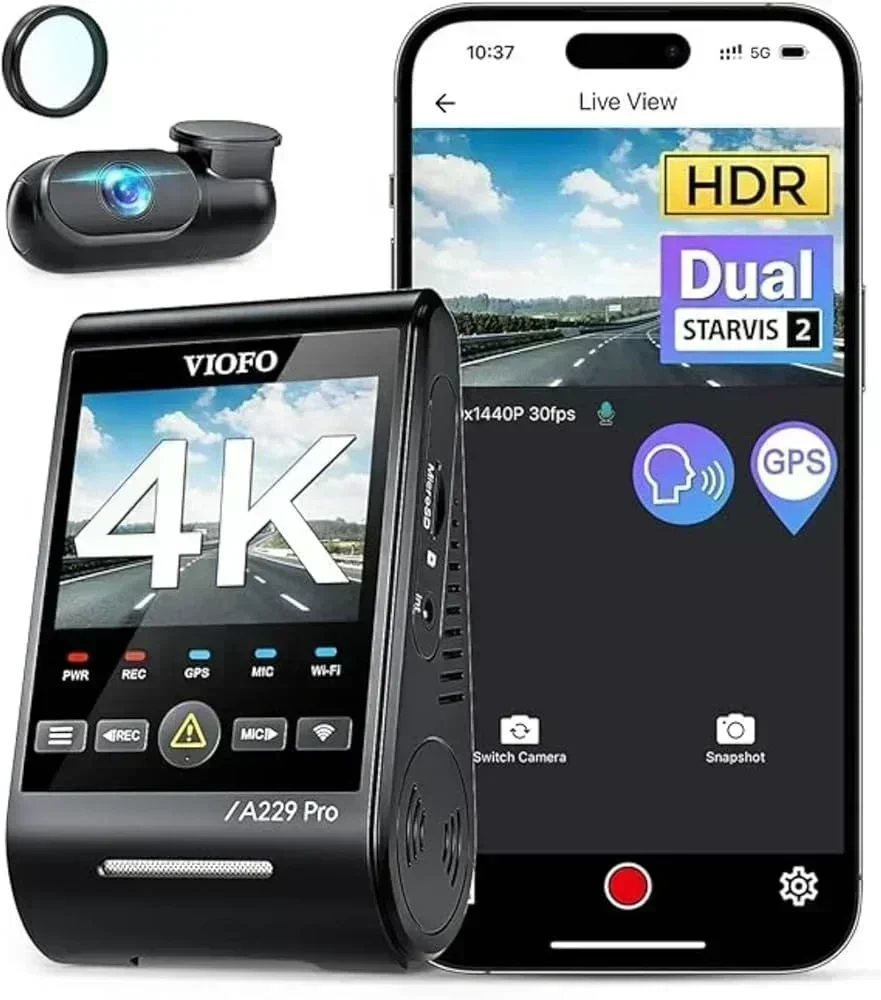
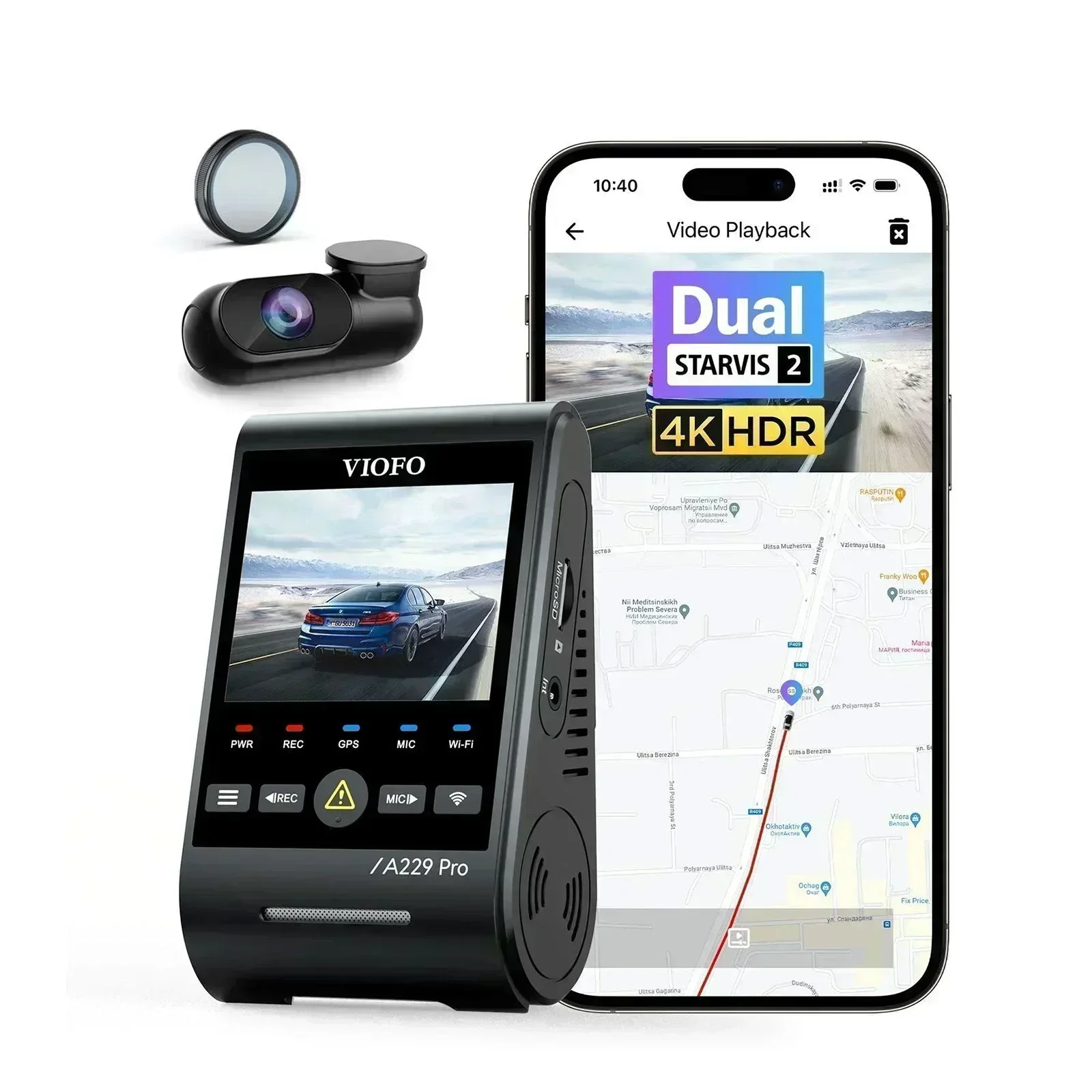
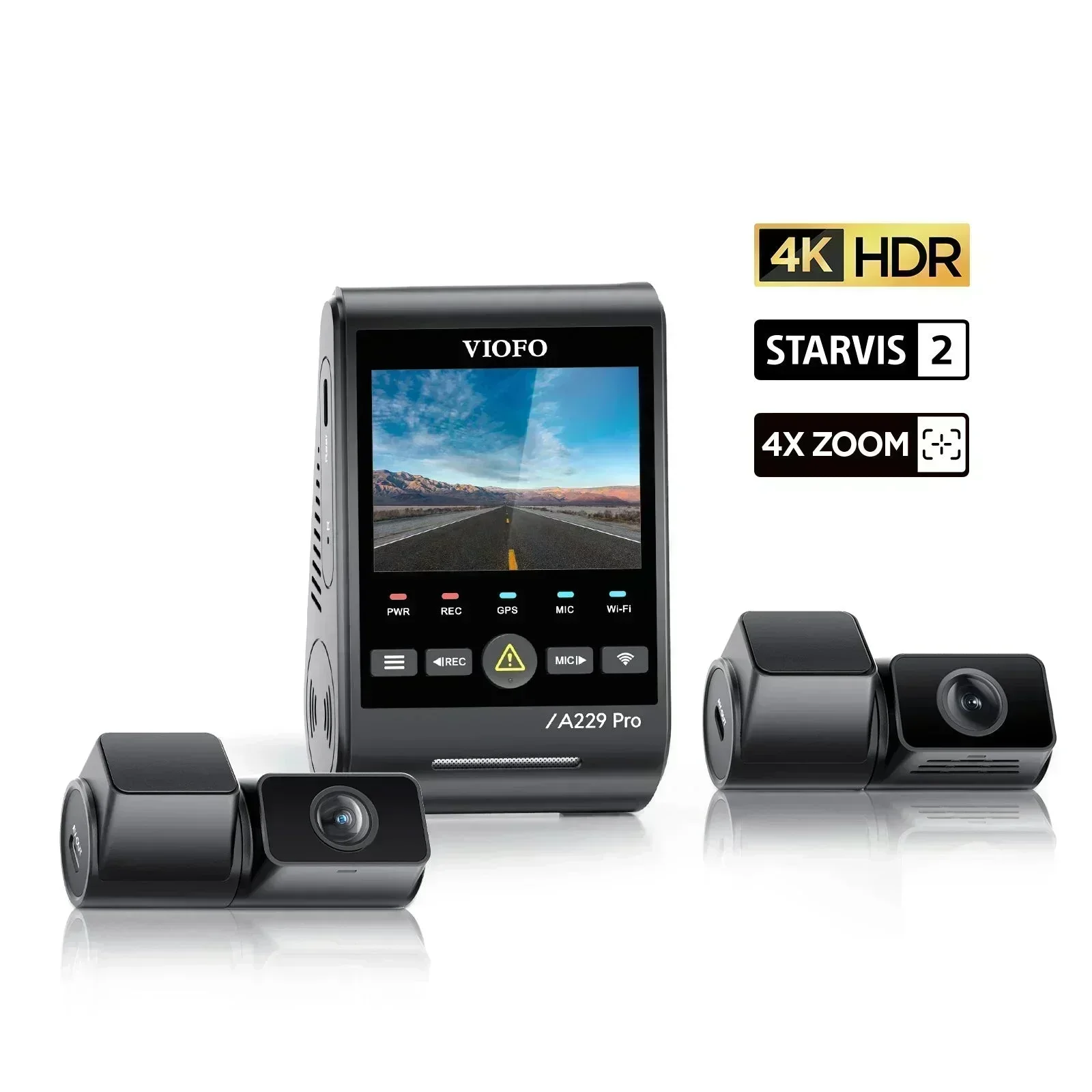
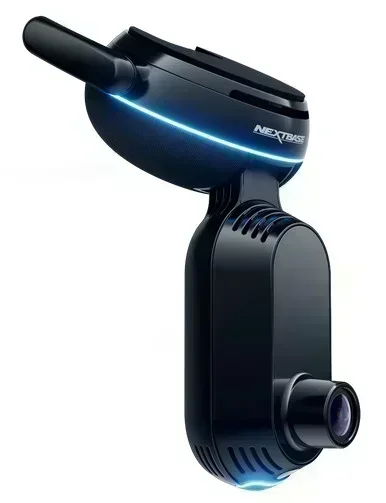
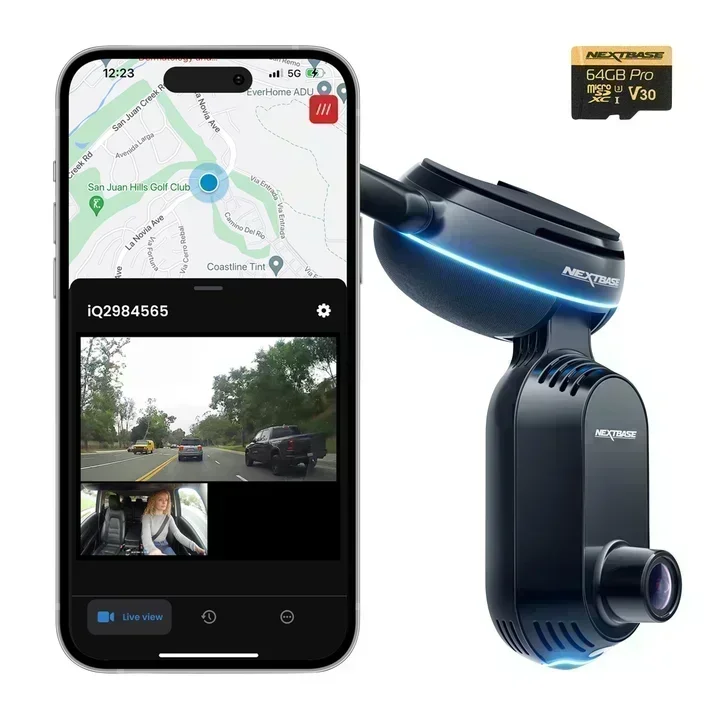
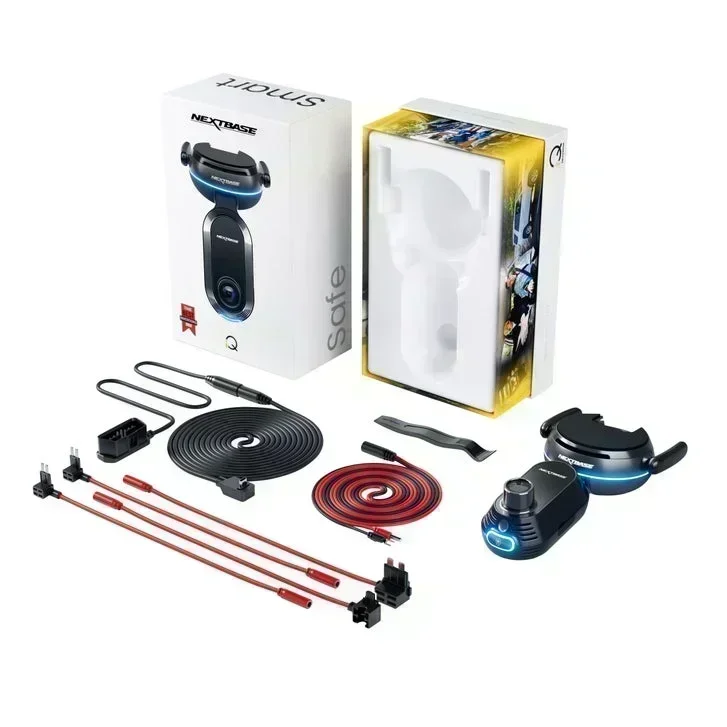
The complete lineup also includes BlackVue DR900X Plus, Thinkware U1000, Viofo A229 Pro, Nextbase iQ — each compared on the same specs and reviewer consensus. It's also worth comparing Garmin vs Nextbase.