The Short Version
The dealer quoted me $750 to replace a side mirror on my F-150 after a parking lot ding. No broken glass, just a cracked housing and a loose motor. The real cost? A $45 aftermarket housing and an hour with a trim removal tool. This is why you need a dashcam with parking mode. Nobody's going to fess up when they shear off your mirror.
The whole point is capturing the critical 10 seconds before impact, not just the aftermath.
Most cheap cams just record when they detect motion after the fact. That's useless. You need buffered recording to see the approach, the contact, and the retreat. That's the difference between an insurance claim and eating the deductible.
A good parking mode system needs three things: impact detection, motion detection, and a constant power supply that won't drain your battery. Skimp on any of those, and you're just mounting a glorified webcam.
I've seen too many forum posts where someone's camera only caught the culprit's taillights disappearing into the sunset. Useless.
Don't fall for the marketing hype. "24/7 surveillance" means nothing if the footage is garbage or the battery dies in 4 hours. We're looking for thermal stability for those hot summer days, and current draw that won't leave you stranded. This isn't about capturing scenic drives; it's about catching the dirtbag who side-swiped your ride at the grocery store.
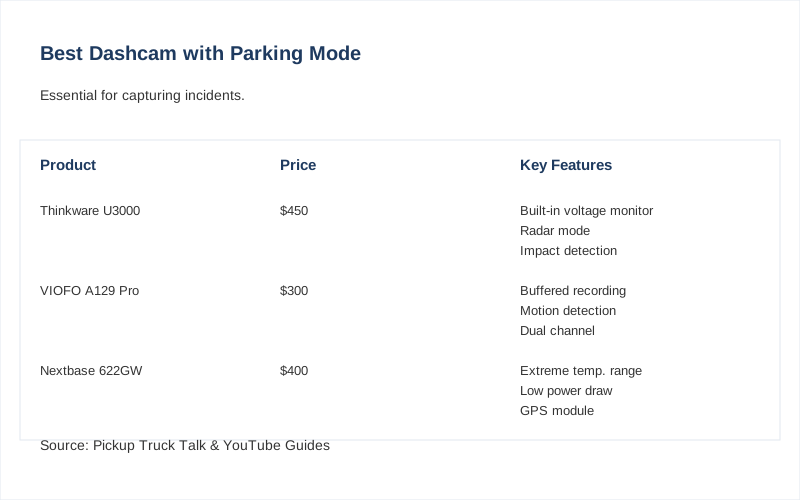
Source Pickup Truck Talk and YouTube's Dash Cams 2026 guide hammer this home.
Quick Verdict
- Thinkware U3000 (~$450): This is my top pick if you want minimal fuss and maximum coverage. It's got built-in voltage monitoring, so it won't kill your battery, and a radar mode that actually works. Reddit users often recommend it for its reliability.
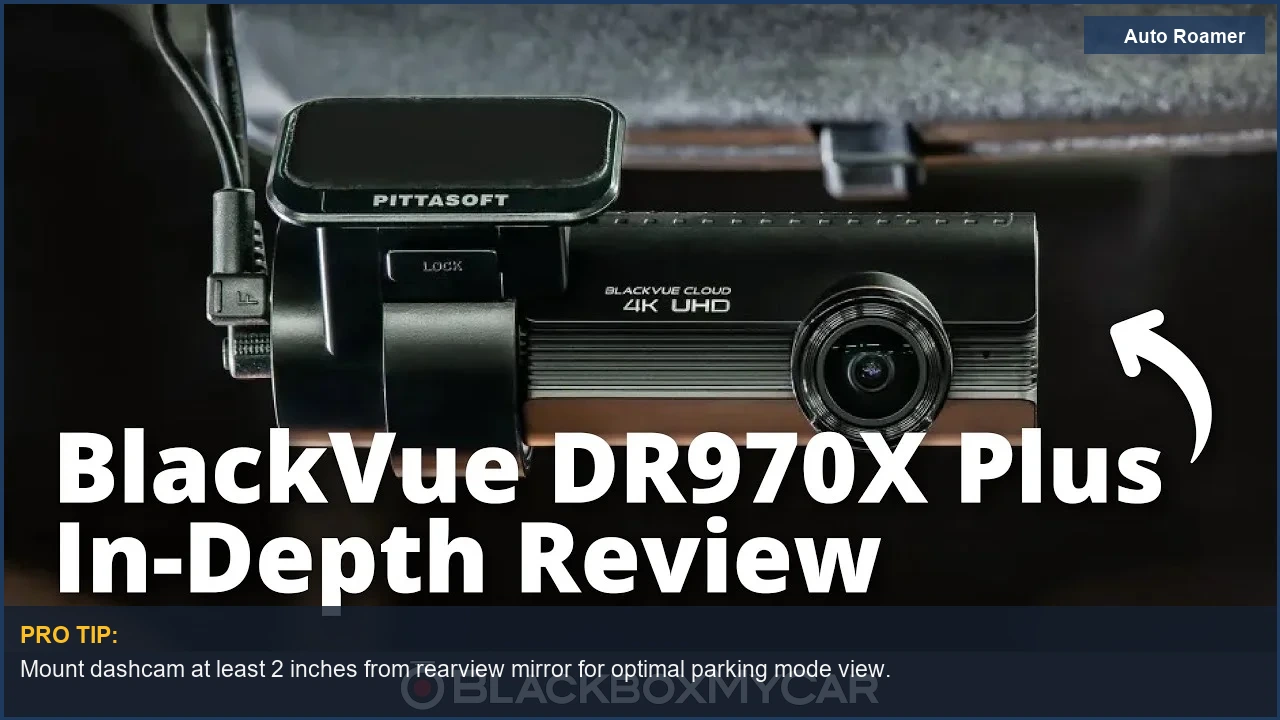
- BlackVue DR970X-2CH Plus (~$500): If 4K clarity is your non-negotiable, this is your huckleberry. The video quality is sharp enough to read license plates from 15 feet. Medium's review points to its 4K clarity. It's a solid, if pricey, option.
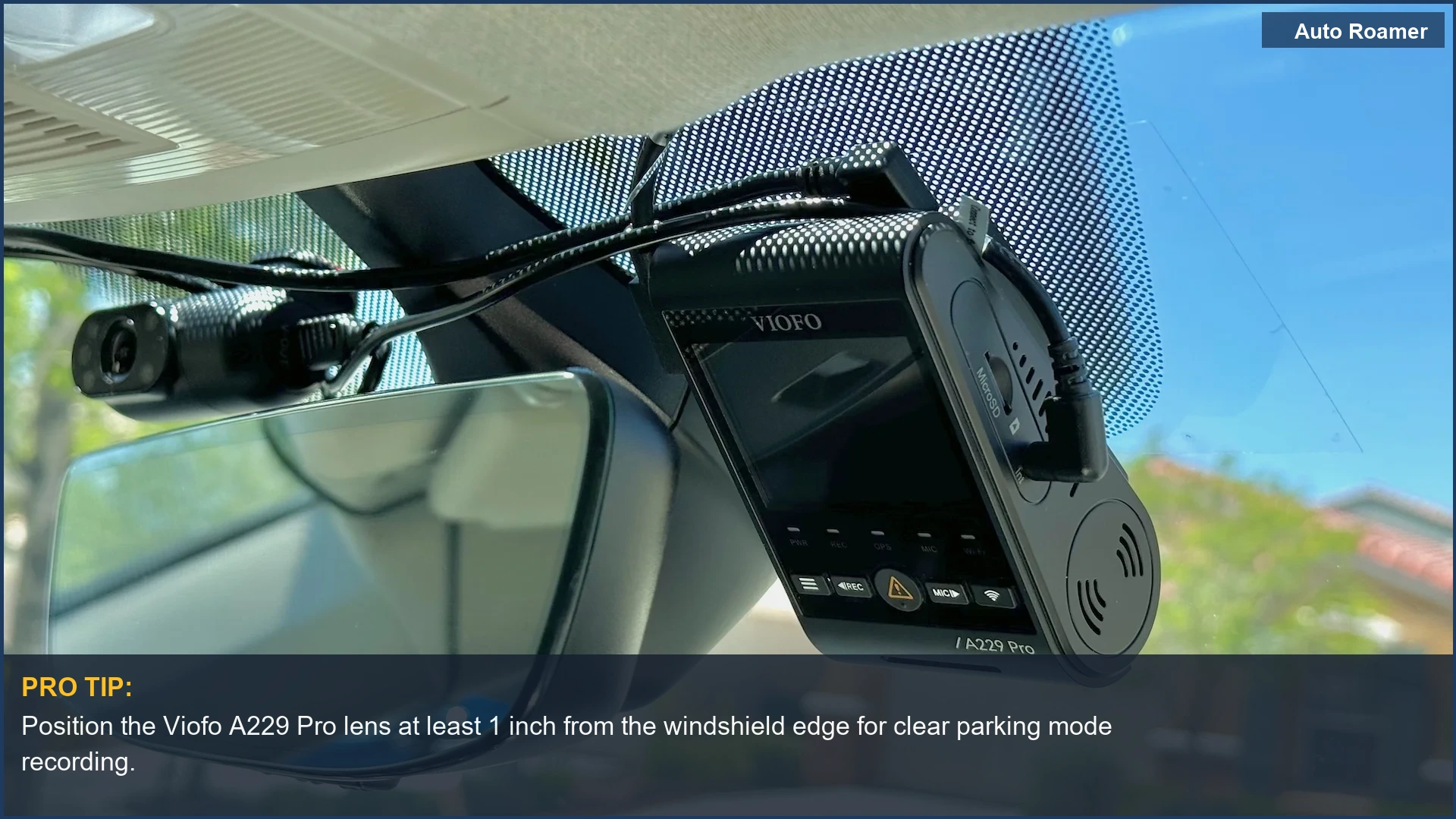
- Viofo A229 Pro (~$300): This unit uses a supercapacitor, not a battery, which means better thermal cycling tolerance. No exploded lithium-ion cell in direct sun. Wirecutter praises its supercapacitor design and 24-hour monitoring.
- Vantrue E1 Pro (~$180): Best single-channel option if you only care about the front. It uses the Sony STARVIS 2 IMX678 sensor. Excellent night footage for the price, according to Dashcamtalk's buyer's guide.
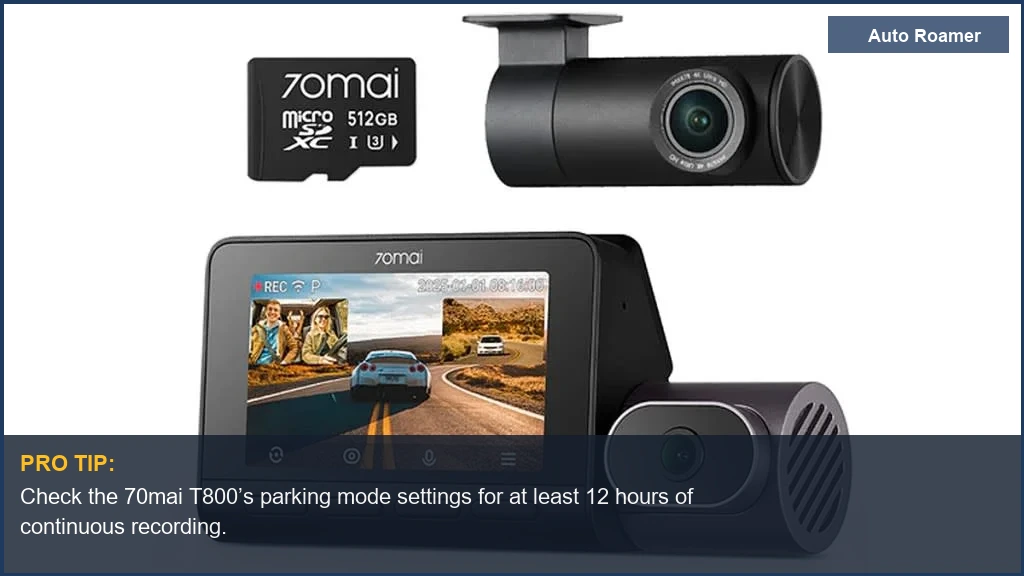
- 70mai T800 Premium Set (~$220): This is the best all-rounder for dual-channel at a reasonable price point. It hits the sweet spot between video quality and features without breaking the bank. Another Dashcamtalk mention for its balanced performance.
- Viofo A329S (2-Channel Version) (~$280): Uses Sony STARVIS 2 sensors front and rear for pure video quality. If you want detail and reliability in a dual setup, this is it. Reddit users often highlight Viofo's image quality.
- Rove R2-4K Dual (~$150): This is your best value pick for a dual-channel 4K system. Don't expect premium features, but it gets the job done for basic recording. Road & Track lists it as their "Best Value".
What to Look For
When you're trying to protect your ride, don't get sucked into marketing fluff. Here's what actually matters, broken down by how it fails.
| Feature | Why It Matters (Failure Mode) | What to Look For |
|---|---|---|
| Power Source | Lithium-ion batteries swell and fail at 140 degrees F, leading to outgassing and potential fire risk. Supercapacitors handle thermal cycling better. | Supercapacitor preferred for high-temp environments. Hardwire kit with low-voltage cutoff to prevent parasitic draw and dead battery. |
| Parking Mode Trigger | Motion-only detection misses the initial approach. Impact-only misses subtle bumps or keying. | Buffered parking mode (records 10-15 seconds before the event). Radar detection for proactive recording, like in the Thinkware U3000. |
| Video Resolution | "4K" is useless if the sensor is garbage. Low resolution means pixelated plates, especially at night or from a distance. | Minimum 1440p (QHD) for front, 1080p for rear. Sony STARVIS 2 sensors are crucial for low-light clarity. Reddit users emphasize sensor quality over raw pixel count. |
| Field of View (FOV) | Too narrow, and you miss the car coming from the side. Too wide, and you get barrel distortion, making license plates unreadable at the edges. | 140-160 degrees is the sweet spot. Anything over 170 degrees usually sacrifices detail for width. |
| Storage (SD Card) | Cheap cards have high failure rates, leading to corrupted footage or lost events. Constant write cycles wear them out fast. | High-endurance microSD cards (e.g., Samsung Pro Endurance, SanDisk Max Endurance). Minimum 128GB, larger if you want more than 24 hours of buffered recording. |
| Mounting Mechanism | Suction cups lose adhesion in extreme thermal cycling. Adhesive mounts are permanent and can damage tint. Vibration leads to blurry footage. | 3M VHB adhesive mount for maximum mechanical stability. Ensure the mount has minimal play. |
| Connectivity | Slow Wi-Fi means agonizingly slow footage downloads. No cloud means no backup if the camera is stolen. | 5GHz Wi-Fi for faster downloads. Optional LTE for cloud backup and remote viewing, as seen in Nexar's guide. |
Our Top Picks for Reliable Performance
Here's what I'd actually bolt to my windshield, based on mechanical integrity and circuit reliability, not marketing.
Thinkware U3000 (~$450)
- Specs: 4K Front, 2K Rear, Radar Parking Mode, Supercapacitor, Built-in GPS & Voltage Monitoring
- Pros: Radar detection is a game-changer for parking mode, reducing power draw. Excellent low-light performance. Reliable voltage cutoff.
- Cons: Pricey. The unit itself is a bit chunky on the glass.
- Best For: Anyone serious about parking protection without killing their battery. The radar mode is what sets it apart, minimizing unnecessary recordings.
BlackVue DR970X-2CH Plus (~$500)
- Specs: 4K Front, 2K Rear, Cloud Connectivity, Supercapacitor, Event Buffering
- Pros: Industry-leading video quality, especially the 4K front. Cloud integration for remote access and backup if the camera gets ripped out.
- Cons: Expensive. Requires a separate LTE module for cloud features, which is another cost.
- Best For: Drivers who need absolute top-tier video evidence and remote monitoring. The image clarity is unmatched, even at night.
Viofo A229 Pro (~$300)
- Specs: 4K Front, 2K Rear, Sony STARVIS 2, Supercapacitor, 24-hour Parking Mode
- Pros: Fantastic value for the sensor quality. Supercapacitor design means it won't cook itself in the sun. Reliable buffered parking. Wirecutter's top pick for good reason.
- Cons: App interface can be clunky. Not as many advanced features as Thinkware or BlackVue.
- Best For: The pragmatic engineer. You want solid performance, good thermal tolerance, and excellent video quality without paying for every bell and whistle.
Vantrue E1 Pro (~$180)
- Specs: 4K Single Channel, Sony STARVIS 2, Supercapacitor, Optional LTE
- Pros: Best front-only 4K camera for the price. Excellent night vision due to the STARVIS 2 sensor. Compact form factor.
- Cons: Single channel only - no rear camera. LTE is an add-on.
- Best For: Those who only need front protection but demand high-quality 4K footage, especially at night. It's discreet and powerful.
70mai T800 Premium Set (~$220)
- Specs: 4K Front, 1080p Rear, ADAS, GPS, Parking Surveillance
- Pros: Strong all-around performance for a dual-channel at this price. Good video quality, decent app.
- Cons: Parking mode isn't as robust as Thinkware's radar. Some users report occasional firmware quirks.
- Best For: The budget-conscious who still want a reliable dual-channel setup without too many compromises. Dashboard Camera Reviews notes it for best overall video.
Viofo A329S (2-Channel Version) (~$280)
- Specs: 4K Front, 2.7K Rear, Sony STARVIS 2, GPS, Dual-Band Wi-Fi
- Pros: Pure video quality is its strong suit. Natural colors, excellent detail from both cameras.
- Cons: No built-in cloud. Parking mode is good but not top-tier like the U3000.
- Best For: Those prioritizing raw video evidence and reliability above all else. If you want to capture every pixel, this is a solid choice.
Rove R2-4K Dual (~$150)
- Specs: 4K Front, 1080p Rear, Wi-Fi, Loop Recording
- Pros: Very affordable for a dual-channel 4K setup. Easy to set up.
- Cons: Video quality isn't true 4K like the premium options. Parking mode is basic motion detection. Road & Track calls it "Best Value", but manage expectations.
- Best For: The absolute bare-bones budget. If you just need *something* recording in parking mode and can't spend more, this is it.
Head-to-Head Comparison
When you're comparing these things, it's about failure modes, not just features. Here's a quick look at how the top contenders stack up where it counts.
| Feature | Thinkware U3000 | BlackVue DR970X-2CH Plus | Viofo A229 Pro |
|---|---|---|---|
| Parking Mode Method | Radar + Impact + Motion. Superior proactive detection, lower current draw. | Buffered Impact + Motion. Solid, but relies on constant recording or high-sensitivity motion. | Buffered Impact + Motion. Good basic functionality. |
| Thermal Stability (Power) | Supercapacitor. Excellent at 150 degrees F. No battery swelling concerns. | Supercapacitor. Handles heat well. Less risk of outgassing than lithium-ion. | Supercapacitor. Built for high temps. No risk of battery-related thermal runaway. |
| Video Sensor | Sony STARVIS 2 (Front), STARVIS (Rear). Excellent low-light. | Sony STARVIS 2 (Front), STARVIS (Rear). Top-tier clarity. | Sony STARVIS 2 (Front), STARVIS (Rear). Strong performance for the price. |
| Power Draw (Parking) | <50mA (radar mode). Significantly extends recording time before battery cutoff. | ~250mA (buffered recording). Standard draw for continuous monitoring. | ~200mA (buffered recording). Typical for this class. |
| Max SD Card Support | 256GB. Decent capacity for event storage. | 512GB. More storage for longer recording cycles. | 512GB. Good for extended parking mode. |
| Cloud Option | Yes (via optional LTE module). Remote viewing, alerts. | Yes (built-in LTE module, subscription). Full remote access. | No. Local storage only. |
| Mechanical Form Factor | Larger wedge design. More visible. | Sleek cylindrical design. More discreet. | Compact wedge design. Less obtrusive. |
Dashcamtalk's buyer's guide provides in-depth reviews for many of these, and Dashboard Camera Reviews specifically looks at parking mode features.
Budget vs Premium: Where Your Money Actually Goes
You want to know where your money goes? It's not just a fancier box. It's about reducing failure modes and increasing the probability of usable evidence when you need it.
Budget Dashcams (~$50-$150)
These often use generic CMOS sensors, not the Sony STARVIS 2. That means grainy, underexposed footage at night. License plates become unreadable pixels beyond 5 feet. They usually have lithium-ion batteries that swell and fail in direct sun, especially when the cabin temp hits 120 degrees F.
Their parking mode is typically basic motion detection, often missing the crucial 5 seconds before an impact. The mounting hardware is usually cheap plastic with poor tactile feedback, leading to vibration and blurry video. You're getting a higher failure-rate and lower resolution evidence. Road & Track's budget picks still emphasize core functionality.
Mid-Range Dashcams (~$150-$300)
This is where you start seeing Sony STARVIS sensors and supercapacitors. This means better low-light performance and improved thermal cycling resilience.
Parking modes usually include buffered recording, giving you those critical pre-impact frames. The hardware is more robust, often with 3M VHB adhesive mounts for better shear strength. Power management is smarter, with adjustable low-voltage cutoffs to prevent battery drain. You're paying for improved component quality and more reliable operation.
Premium Dashcams (~$300+)
Here, you get the latest Sony STARVIS 2 sensors for exceptional night vision and dynamic range.
Thinkware and BlackVue systems add advanced features like radar parking mode, which significantly reduces current draw and extends recording time. Cloud connectivity means your footage is off-site, even if the camera is stolen. They often include built-in GPS for precise location and speed data, which is crucial for insurance claims. You're buying redundancy, cutting-edge detection, and robust data integrity. The tolerance for failure is significantly tighter.
This is where you get Wirecutter's top picks and the kind of engineering that actually works when it matters.
The Bottom Line
- Hardwire It: Don't rely on the cigarette lighter. That socket has too much play, and the constant vibration will eventually cause intermittent contact, arcing, and failure. A hardwire kit ensures stable 12V power and enables proper parking mode.
- Voltage Cutoff is Non-Negotiable: A parasitic draw of 200mA will kill a 60Ah battery in 12 days. Your hardwire kit MUST have an adjustable low-voltage cutoff to prevent leaving you stranded.
Set it to 12.0V, not 11.8V, to give yourself some buffer in cold weather.
- Supercapacitors Over Batteries: In a car interior that can hit 160 degrees F in direct sun, a lithium-ion battery is a ticking time bomb. Supercapacitors handle the thermal cycling without swelling or outgassing. This is a critical component for long-term reliability.
- Sensor Quality Trumps Resolution: A "4K" camera with a cheap sensor is worse than a 1080p camera with a Sony STARVIS 2.
The sensor determines light sensitivity and dynamic range, which is crucial for license plate readability at night. This YouTube video explains why sensor quality is key.
- Buffered Parking Mode: If your camera only starts recording after an impact, you've already missed the critical evidence. You need buffered recording to capture the moments leading up to the event. This is where your money should go.
- Check Your Insurance: Before you even buy one, call your agent.
Ask about hit-and-run coverage, uninsured motorist property damage, and if dashcam footage can reduce your deductible or prevent rate increases. No point in capturing evidence if your policy doesn't cover the damage.