
The Big Picture
Deciding between a dash cam battery pack and hardwiring it directly to your car involves more than just picking the easiest option. It's about understanding how your car's electrical system works and what you want from your dash cam, especially when the engine is off. Think of it like choosing between a portable charger for your phone or plugging it directly into the wall - each has its own trade-offs.
Many people jump into installation without knowing the potential pitfalls, which can lead to headaches later on. This is a common point of confusion on forums where people are just trying to get their dash cam working without issues. I've seen plenty of posts about drained batteries and mysterious electrical gremlins.
For off-grid stays, see our guide to powering a dash cam while camping.
The Core Answer
The honest version is that hardwiring a dash cam means tapping directly into your car's fuse box to get power, even when the ignition is off. This is what allows for 'parking mode,' where the camera keeps recording for a set time after you shut off the engine. The idea is to catch any bumps or vandalism while your car is parked. Professional installers often recommend this, but it can be tricky for beginners.
You're essentially messing with your car's electronics, and a rookie mistake can fry a fuse or, worse, cause bigger electrical problems. Forums are full of stories of someone accidentally wiring a dash cam into the airbag circuit. Brilliant engineering.
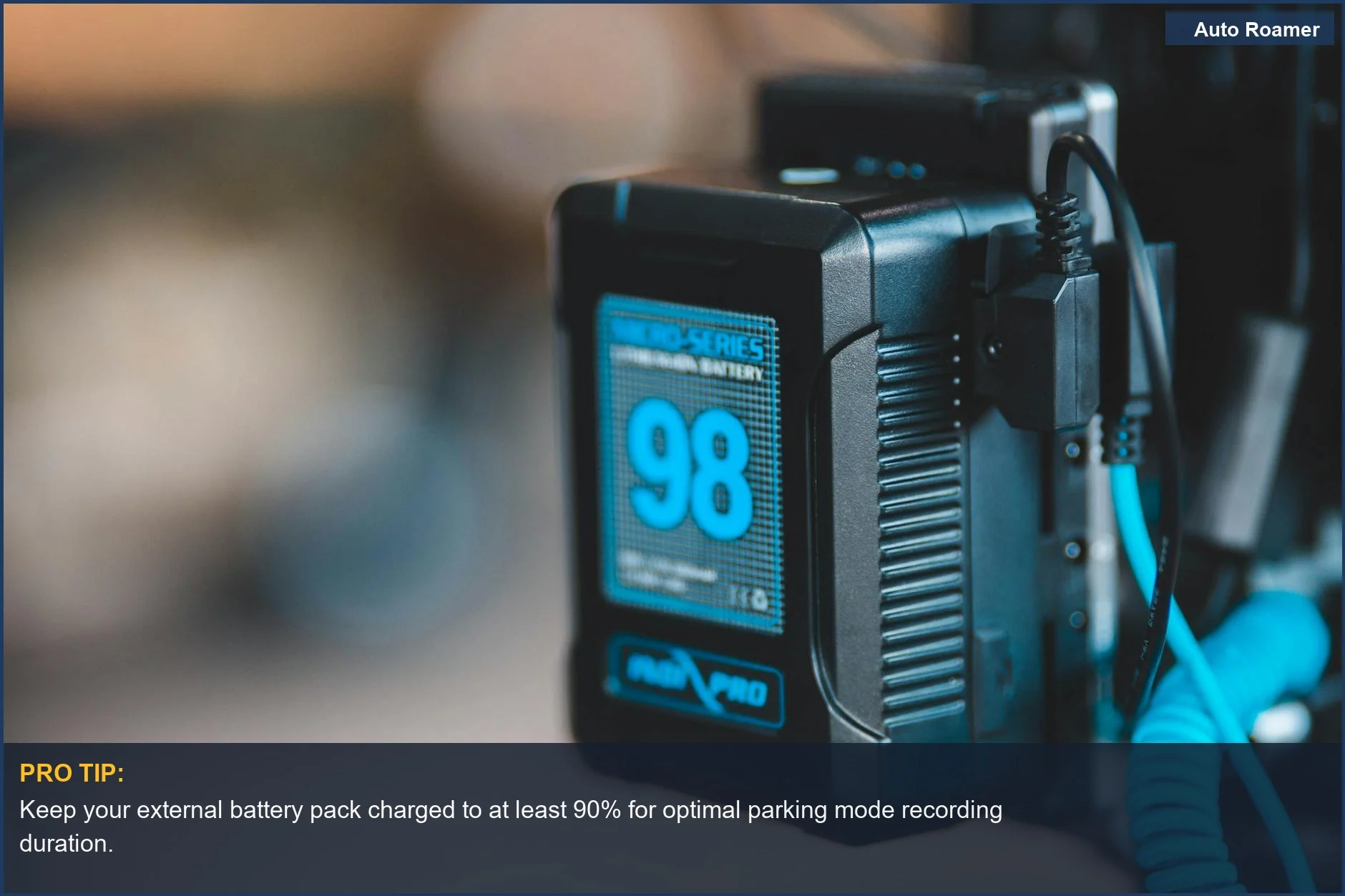
A battery pack, on the other hand, is like a beefy portable charger for your dash cam. You charge it up beforehand, and it powers the camera for parking mode. Some battery packs even wire into your car's power so they recharge while you're driving, but the dash cam only draws from the pack, not your car's battery. This is the real move if you're worried about draining your car's main battery.
Many people with smaller car batteries, like those in hybrids or smaller sedans, worry about this. A little hatchback and a fear of waking up to a dead battery is a common starting point.
If your car has sensitive electronics or you're just not comfortable poking around your fuse box, a battery pack is the safer, simpler route. It's less invasive. You can often just plug it into a USB port or a 12V socket and be done. The initial cost might be a bit higher than a basic hardwiring kit, but the peace of mind is often worth it.
A dead car battery is a much bigger hassle than the upfront cost of a good battery pack. What nobody tells beginners is that the 'parking mode' feature, while great, can be a real drain on older or smaller car batteries, leading to no-start situations. That sinking 6 AM feeling of a dead battery is one worth avoiding.
Why This Matters for Your Setup
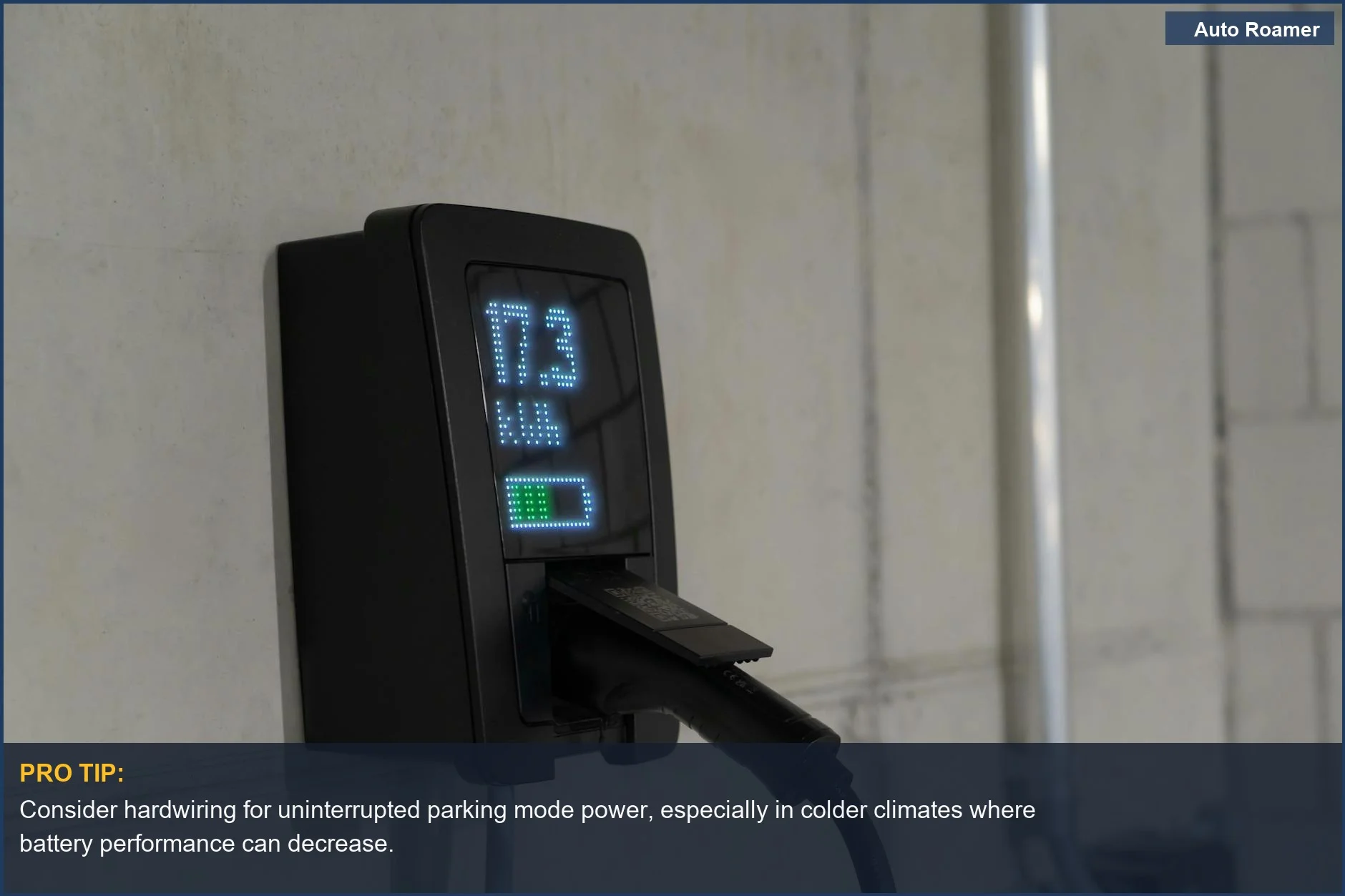
- Parking Mode Power: Hardwiring directly provides continuous power from your car's battery for parking mode. A battery pack acts as an intermediary, charging itself and then powering the dash cam, isolating your car's battery from constant drain. This separation is key for preventing battery sulfation.
- Installation Complexity: Hardwiring usually involves tapping into your car's fuse box, often requiring a fuse tap and running wires discreetly. It's not rocket science, but it can be intimidating for a first-timer.
- Battery Health: Constantly drawing power from your car battery for parking mode can shorten its lifespan, especially in modern cars with smaller batteries. Battery packs are designed to mitigate this by providing their own power source.
- Voltage Cutoff: Both methods should have a voltage cutoff feature to prevent draining your car battery completely.
A battery pack installation is generally much simpler, often just requiring plugging it in and finding a place to mount it.
Hardwiring kits often have this built-in, and battery packs inherently manage their own power levels. It's crucial to have this; otherwise, you'll be calling for a jump start.
Making the Right Choice
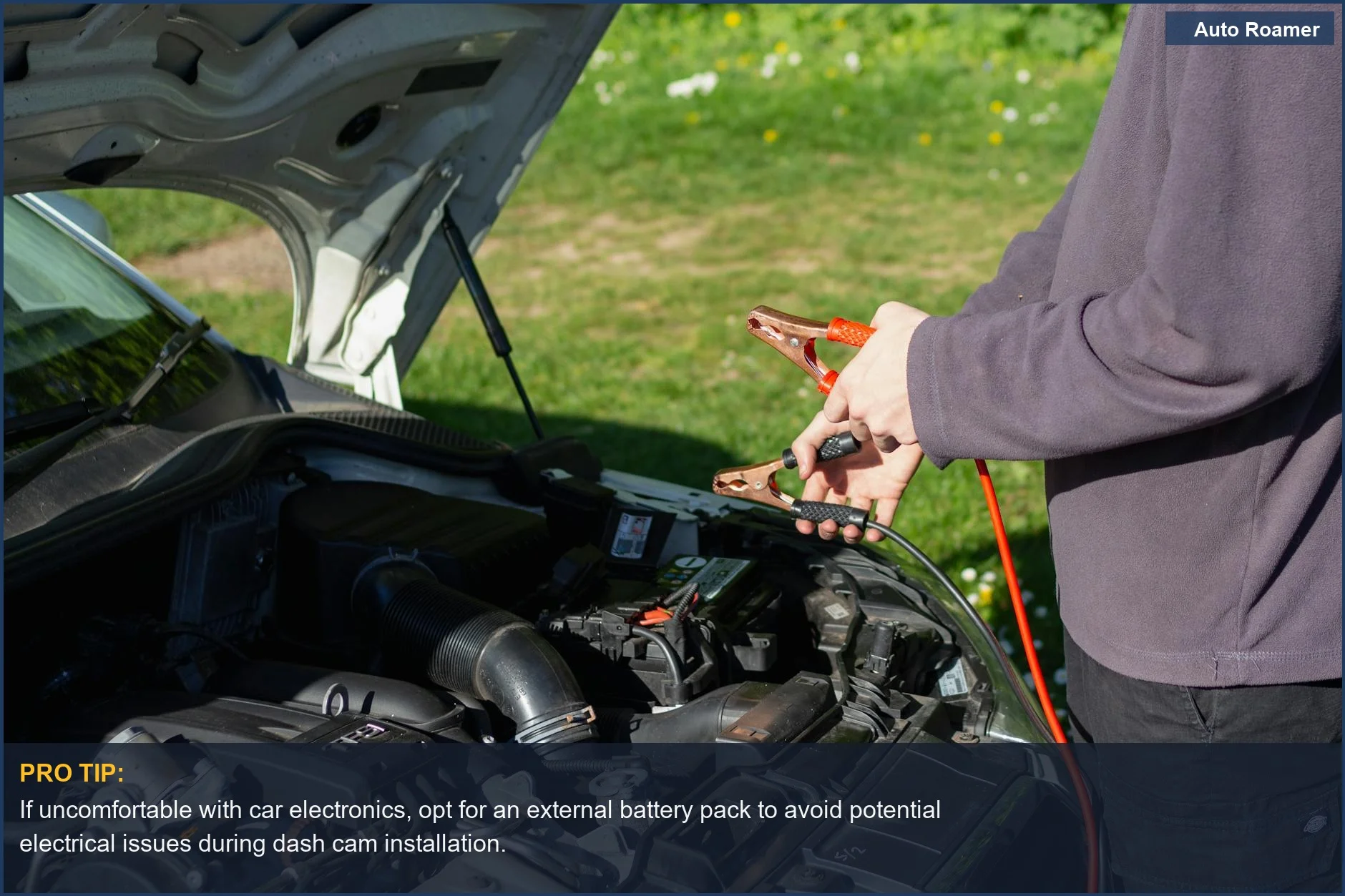
- For the Less Technical: If you're not comfortable with car electronics or just want a quick setup, a battery pack is your best bet. It's the $50 version of 'set it and forget it,' assuming you remember to charge it.
- For the Worried: If you have a newer car with complex electronics or a small battery, a battery pack is the safer choice to avoid potential electrical gremlins.
- For the Dedicated: If you're willing to learn and want the most integrated solution, hardwiring can be very effective. Just do your homework and maybe watch a few YouTube videos before you start poking around your fuse box.
- The Real Move: Ultimately, the 'right' choice depends on your comfort level, your vehicle, and how much time you want to spend on installation. Don't overthink it. If you screw it up, it's usually fixable.
You wouldn't want to trust just any hardwire kit on a car with complex electronics like a Tesla.
There are plenty of tutorials out there, but remember, some of them make it look easier than it is.