First, the Basics
Deciding how to power your dash cam boils down to two main paths: a built-in battery or tapping directly into your car's electrical system. It sounds simple enough, but the devil is in the details, and what seems like a minor choice can actually impact your car's battery health and your peace of mind.
I remember staring at two boxes in an auto parts store, one with a picture of a battery and the other with wires, and feeling completely overwhelmed. Battery Powered Dash Cam vs. hardwiring: Let's break down what actually happens when you choose one over the other, beyond the marketing fluff.
The Core Answer
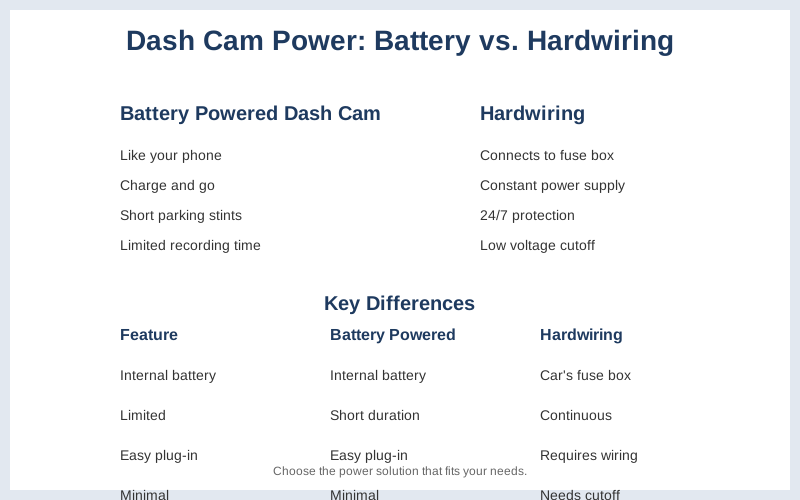
The real move here is understanding that a dash cam needs consistent power, especially if you want it to record when your car is parked. Think of a dash cam with a built-in battery like your phone. You charge it up, and it runs for a while on its own Battery Powered Dash Cam.
This works great for short parking stints, maybe an hour or two, but if you're parked overnight in a sketchy neighborhood, that internal battery is going to die faster than my motivation on a Monday morning.
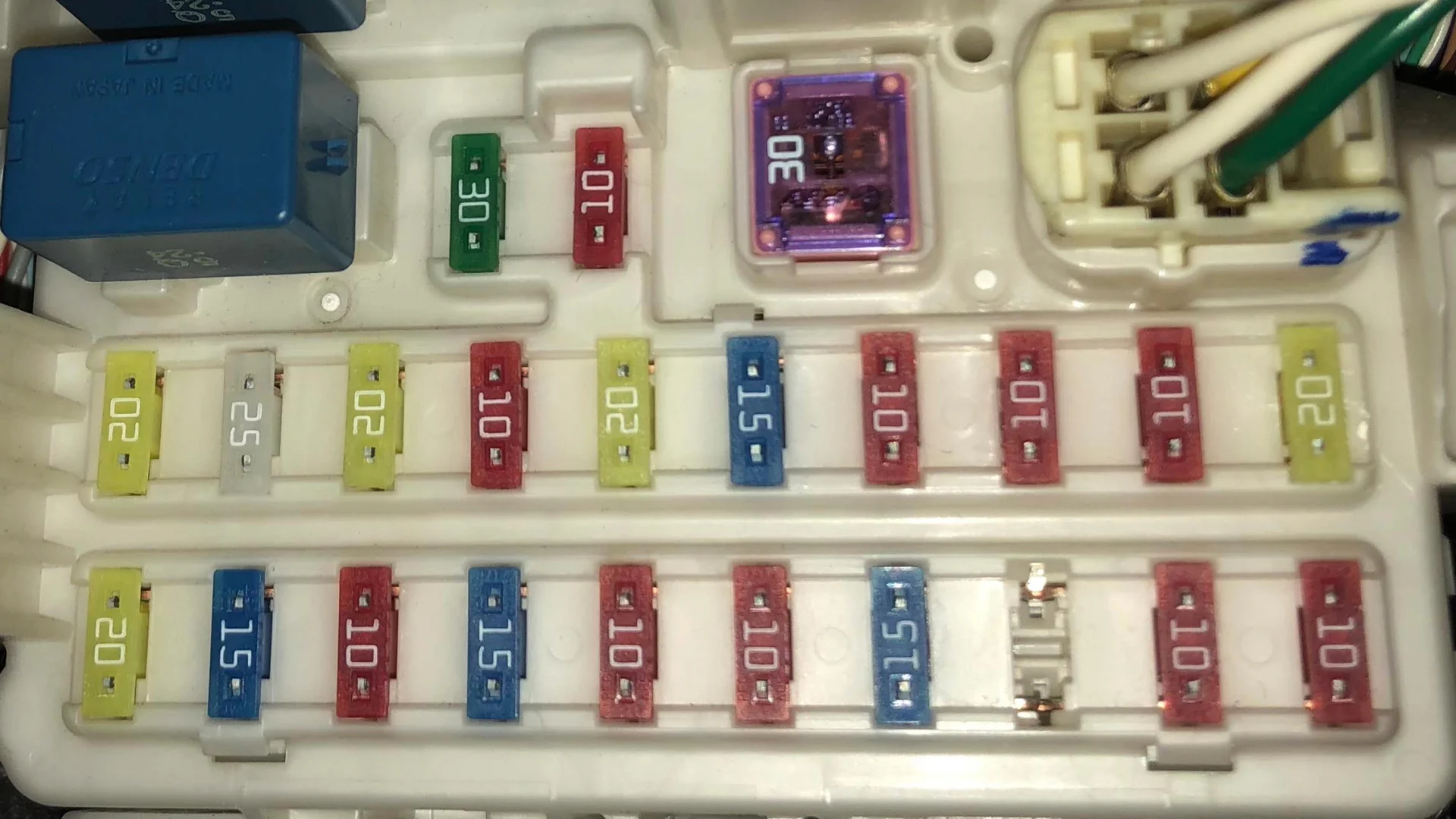
Hardwiring, on the other hand, connects your dash cam directly to your car's fuse box. This gives it a constant power supply, meaning it can run indefinitely as long as your car's battery can handle it. Most hardwiring kits have a built-in safety feature that cuts power to the dash cam if your car's battery voltage drops too low, so you don't end up stranded Hardwire Dash Cam Installation Basics.
This is the setup that gives you true 24/7 protection.
I tried the battery pack route first. It was cleaner looking, no wires running everywhere. But after I parked at a hotel for the night, I woke up to a dead dash cam. The battery pack lasted about 3 hours, which was useless for actual parking security. The fix was hardwiring, which took me about 45 minutes and a lot of fumbling with fuse taps.
Hardwiring a car dash cam is definitely the more robust option for serious parking mode.
What nobody tells beginners is that the 'parking mode' advertised on battery-powered units is often limited. It relies on motion detection to save power, but it's still running off a finite internal battery. If you want guaranteed recording, especially overnight or for extended periods, hardwiring is the game-changer. It's the difference between a dash cam that records a fender bender while you're driving and one that catches the hit-and-run while you're asleep. hardwire or battery pack
Why This Matters for Your Setup
Here's why this powers decision actually matters for your daily grind:
- Parking Lot Protection: If you regularly park in busy lots or areas where vandalism or hit-and-runs are a concern, 24/7 recording is essential. A simple plug-in or even a battery-only unit might not last the whole time you're away from your vehicle. Hardwiring ensures continuous power. Hardwiring your dash cam
- Clean Install Aesthetics: Nobody likes a spaghetti monster of wires dangling from their windshield. Hardwiring hides the power cable by routing it through your car's interior panels and into the fuse box. It looks cleaner and is less distracting. I spent 10 minutes untangling my first dash cam cord before I switched to hardwiring. Hardwiring a car dash cam
- Car Battery Longevity: Relying solely on a dash cam's internal battery for parking mode can eventually drain your car's main battery, leaving you with a dead car. Hardwiring kits include a low-voltage cut-off, which is a crucial safety net to prevent this. It's like having a bodyguard for your car's starter. hardwire or battery pack
- Set-it-and-Forget-it Convenience: With hardwiring, you never have to worry about plugging or unplugging your dash cam. It powers on and off with your car automatically. For me, this ease of use was a huge selling point. I can't be bothered with extra steps when I'm just trying to get my coffee. To hardwire, or to not?
Making the Right Choice
So, when it comes down to it, what's the right choice for your setup?
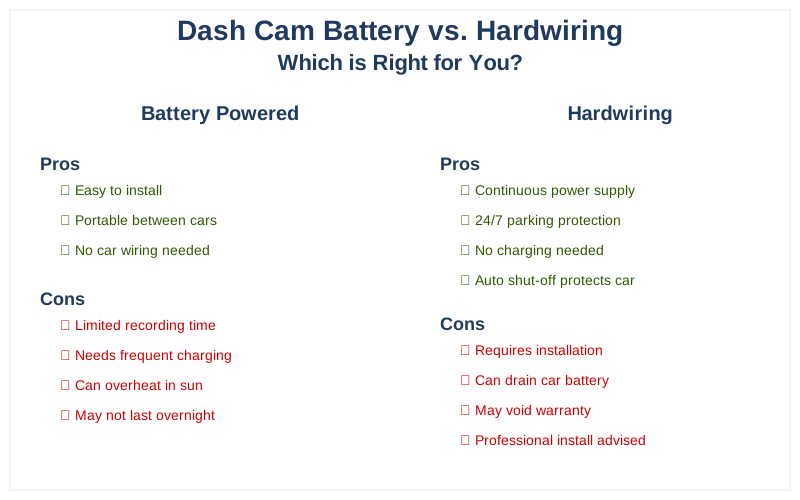
- Battery-Powered Units: These are great for simplicity and for users who only need recording while driving or for very short parking periods. Think of it as a quick recording tool, not a security guard. The main draw is ease of setup, no wires to mess with. Battery Powered Dash Cam
- Hardwiring: This is the gold standard for continuous recording and maximum protection. It ensures your dash cam runs even when the car is off, without unnecessarily draining your car's battery. The initial install might take a little longer, but the long-term benefits are worth it for peace of mind. Hardwire Dash Cam Installation Basics
- The Honest Version: If you're serious about capturing everything, including parking incidents, hardwiring is the way to go. A battery-only unit is like bringing a squirt gun to a wildfire. It might do something, but it's not going to solve the real problem. Hardwired vs Plug-In