
The Honest 2026 Picture: No Finished Kia Camper Van Yet
Search the phrase 2026 Kia camper van and the results fill with slick renderings, confident efficiency figures, and talk of a rugged off-road rig available to order today. Most of that is wishful invention. The honest, more useful starting point is simpler:
- Kia does not currently sell a finished, factory-built camper van. No dealer trim called a Kia camper exists for 2026.
- The vehicle behind the hype — the electric PV5 — is real, but its camper versions are concepts and aftermarket projects, not something sitting on a US dealer lot.
- There is still a buyable answer, just not the one the hype pages imply, and it is covered in full below.
That distinction matters because buying decisions made on a vehicle that does not exist yet end in disappointment. The rest of this guide separates what Kia has actually built and sold from what it has merely shown as a concept, then lays out the route that lets someone camp in a Kia this year rather than waiting on an unannounced launch. Every claim here is framed around what Kia has publicly revealed and what is genuinely on sale, with the speculative parts labeled as speculative rather than dressed up as fact. The reason the confusion persists is worth naming: search-driven content rewards confident answers, so pages invent a finished product to satisfy a query Kia has not yet answered. A grounded guide does the opposite — it tells a reader plainly where the line sits between marketing intent and a vehicle on a dealer lot, because that line is the difference between a trip taken this summer and a year spent waiting on an announcement that may slip.
How the Kia PV5 Works: The Electric Van Behind the Hype
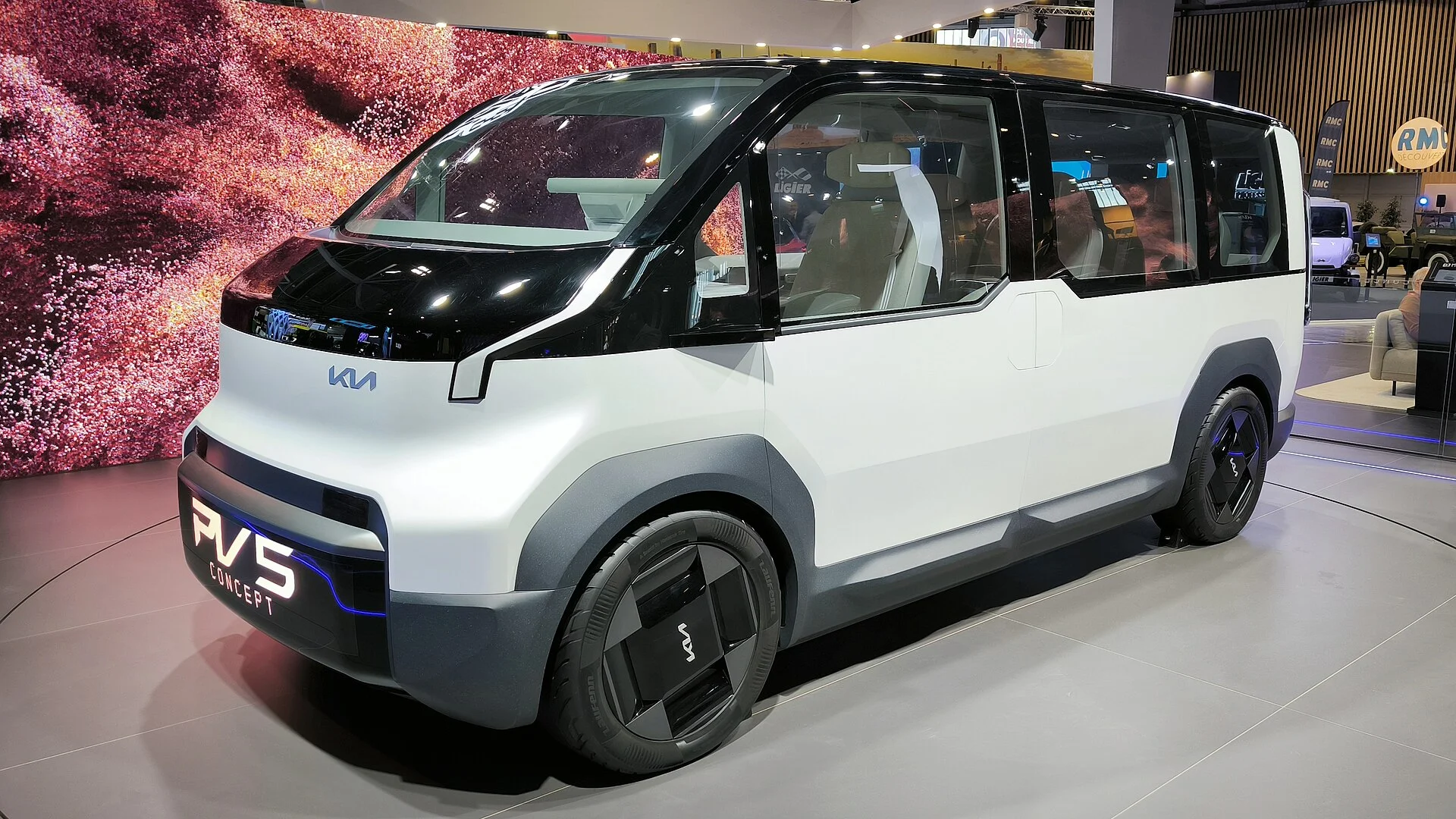
The PV5 is the first vehicle in Kia's PBV line, and understanding it is the key to every camper conversation, because any Kia camper would be built on this van. PBV stands for Platform Beyond Vehicle: a modular, skateboard-style electric architecture designed so a single base can be configured into multiple body types — passenger people-mover, cargo hauler, chassis cab, and eventually specialist builds.
That modularity is the real reason the PV5 keeps coming up in camper discussions: it is purpose-built to be adapted. As an electric van on a dedicated EV platform, it carries a sizeable traction battery low in the floor, which both lowers the center of gravity and frees up a flat, boxy interior with no transmission tunnel to design around. Those are exactly the traits that make a good camper base — a long flat floor, a tall interior, and a large battery that can power equipment.
The important caveat is that a flexible platform is not the same as a finished camper. Kia has revealed the PV5 as passenger and cargo variants in its launch markets, and the camper-specific layout — beds, a galley, a pop-top — is the part that remains a concept or an aftermarket job rather than a Kia-built trim. So the PV5 is genuinely real and genuinely promising as a future camper base, while a Kia-branded PV5 camper a buyer can configure and order is not yet on the table.
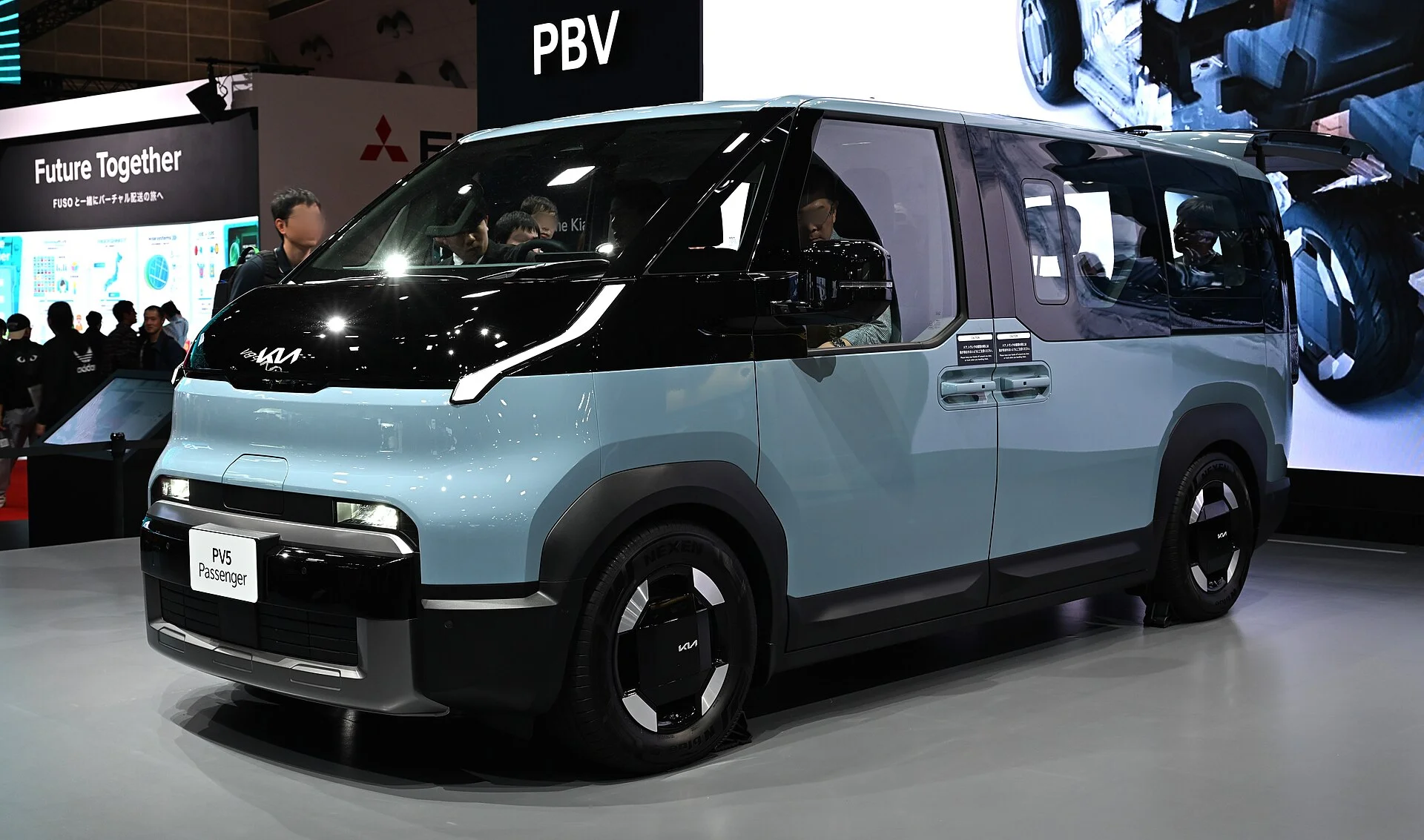
It helps to picture the published shape of the van rather than the concept art. The PV5 is offered in distinct body styles built on the same skateboard floor: a people-mover passenger version, a cargo version with a tall square load bay, and chassis variants meant for specialist upfits. The cargo version is the one camper builders care about, because its empty, flat-floored box is the natural canvas for a sleeping platform and galley. Crucially, the same battery-in-the-floor design that gives the van its low step-in height also gives it the long uninterrupted floor a bed needs — there is no driveline hump to engineer around. That is why commentators keep calling the PV5 a camper waiting to happen: the hard part, a good base, is already done; the camper-specific furniture is the part still missing.
Vetting a PV5 Camper Claim: A Buyer's Checklist for the Concepts
The camper excitement around the PV5 traces to two very different things, and marketing tends to blur them together. Separating them is what keeps a shopper from buying into a vehicle that does not exist yet.
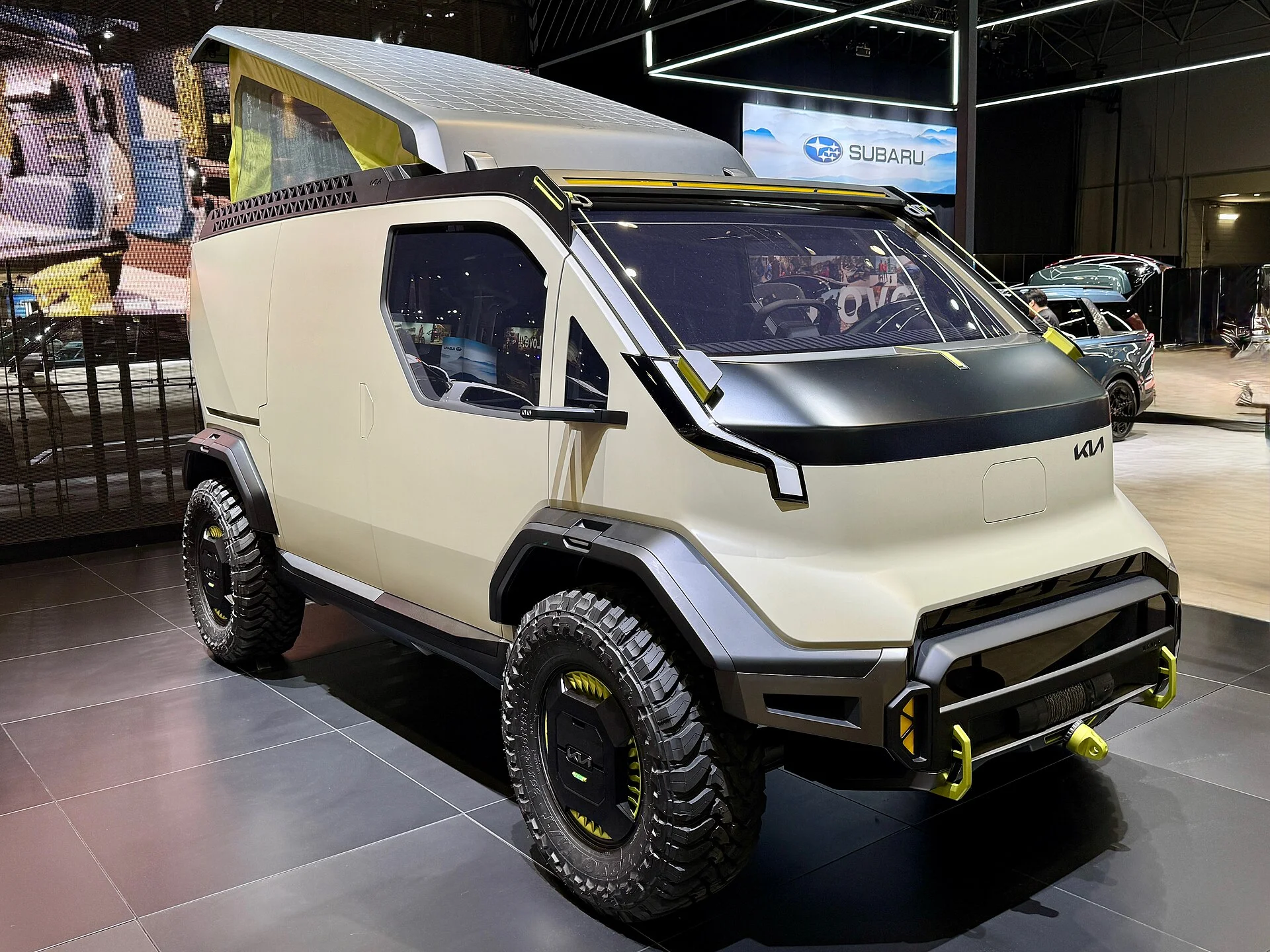
The first is the WKNDR-style concept. Kia has used its PBV platform to show adventure-flavored concepts with rugged styling, raised ride height, and off-grid features. These are concept vehicles and design studies — they exist to signal intent and gauge interest, not to define a product anyone can order. The rugged renders, the high-power four-wheel-drive talk, and any specific off-road numbers attached to them should be treated as aspirational, because concept specs routinely change or vanish before production.
The second is aftermarket and converter interest. Because the PV5 cargo variant is a clean, flat-floored electric box, independent converters and camping-kit makers are natural candidates to build sleeping and galley modules for it once volume arrives in a market. That path is real but it is a separate purchase from a third party, with its own pricing, warranty, and timing — not a Kia factory camper. Keeping the concept, the converter route, and the actual on-sale van in three separate mental buckets is the single most useful habit when reading any 2026 Kia camper coverage.
A simple test exposes which bucket a given claim belongs in. If a page quotes precise off-road specs, exact sleeping dimensions, or a confident price for a Kia-built PV5 camper, it is almost certainly describing a concept or inventing detail, because Kia has not published those numbers for a production camper. If instead it describes a third-party kit fitted to a real PV5 cargo van, ask about that converter's price, lead time, and warranty as separate questions, because they are a separate transaction. And if it describes stowing the seats in a Carnival, that is the only fully grounded, buy-it-now story of the three. Running every breathless 2026 Kia camper headline through that filter turns a confusing field of renders and rumors into three clearly labeled options a buyer can actually act on.
When Not to Wait: US Availability and Timing for the PV5
The most important question for an American shopper is also the one the hype pages answer least honestly: when, if ever, can this be bought in the US? The careful 2026 answer is that the PV5 launched first in Korea and Europe, a US arrival has been signaled but is not a firm, dated commitment, and even when the van does arrive, a factory camper version would be a further step beyond that. The honest timing ladder runs from most to least certain:
- The PV5 van exists now in its launch markets as passenger and cargo variants — this part is real and on sale abroad.
- A US launch has been signaled but specific timing and trims for America remain subject to change.
- A factory PV5 camper is the least certain element — it depends on the van landing first, then a camper variant or converter ecosystem following.
For readers tracking the calendar closely, a dedicated breakdown of the PV5 release date and availability follows the announcements as they firm up. The practical implication for 2026 is that anyone who needs to camp this year cannot rely on the PV5, and should treat any confident US on-sale date for a PV5 camper as unconfirmed until Kia states it plainly.
There is also a sequencing reality that hype pages skip. Even in the optimistic case where the PV5 reaches US dealers, a camper does not appear the same day. Automakers launch the volume body styles first — passenger and cargo — to build sales and service infrastructure, and specialist or converted variants follow once the base is established in the market. That means the gap between you-can-buy-a-PV5 and you-can-buy-a-PV5-camper could itself be a year or more, layered on top of the uncertainty about when the van arrives at all. Stacking those two unknowns is exactly why a grounded 2026 plan treats the electric Kia camper as a thing to watch, not a thing to schedule a trip around.
The Practical Route for Camping Today: The Kia Carnival
While the PV5 camper is a future story, there is a Kia available to camp in right now, hiding in plain sight: the Kia Carnival. The Carnival is a large minivan whose second- and third-row seats fold or stow to open a long, flat load floor — the same trick that makes any roomy minivan a viable camper base. It is on sale at US dealers, including a hybrid variant for better fuel economy on long drives, and it sidesteps every is-it-real, when-can-you-order-it question hanging over the PV5.
The Carnival earns its place as the practical answer for concrete reasons. It is available now and serviceable everywhere, so there is no waiting on a launch or chasing a gray-market import. It works as a normal family vehicle on weekdays and a camper on weekends, which is the whole appeal of a minivan base. And the flat-floor sleeping it enables — two adults lying straight once the rear rows are cleared — is the heart of any van camper, achieved here without a six-figure outlay. A buyer can pair it with a simple sleeping platform and bedding and have a genuine car-camping setup this season, with a full walk-through in the dedicated Kia Carnival conversion coverage.
The honest limits of the Carnival route are worth stating too, because a fair guide does not oversell its own recommendation. It is a gas or hybrid minivan, not an off-grid electric expedition rig, so it will not creep silently into a campsite or run a fridge for days off its own battery the way a future PV5 might. Its flat floor is excellent for two adults but is shaped by the seat-stowage wells, so a rigid platform or a firm topper does more for comfort than piling blankets into the low spots. And ground clearance is ordinary minivan, which means established campgrounds and graded forest roads rather than rough trails. None of that disqualifies it; it simply defines the Carnival as a comfortable, available, do-it-this-weekend camper base rather than the rugged machine the concept renders imply.
Powering the Camp: V2L Power and the Accessories You Add
One area where a future PV5 camper would genuinely shine is electrical capacity, so it is worth understanding the power picture across both routes — the electric van that is coming and the gas-or-hybrid Carnival on sale today.
The PV5, as an EV, carries a large traction battery and is designed with vehicle-to-load (V2L) output. In a camper context that is significant: the van itself could run camp lights, a 12V fridge, a fan, and device charging directly from its drive battery for far longer than a conventional vehicle's small accessory battery, and without idling an engine. That is the kind of capability that makes a dedicated electric camper compelling once one is actually buyable.
The Carnival route does not offer that traction-battery reservoir, so the practical fix today is a standalone portable power station sized to the trip. A mid-size unit runs lights, charges phones and a laptop, and powers a small fridge overnight, then recharges from the van's 12V socket while driving or from a wall outlet between trips. The honest framing is that the future PV5 bundles the power source into the vehicle, while the buyable-today Carnival keeps it as a separate, swappable box — and that separate box is cheaper to replace and carries over to the next vehicle, which is not nothing. There is also a safety dimension that favors the separate-battery approach for now. A portable power station runs lights, a fan, and a fridge without combustion, so it removes any temptation to idle the engine for warmth or power — the practice that causes carbon monoxide risk in a closed cabin. Whichever route a buyer eventually takes, the electrical rule of car camping stays constant: power the camp from a battery, not from a running engine, and keep ventilation in mind on cold nights regardless of how the electrons are stored.
Cross-Shopping: The Kia Camper Versus the Alternatives
Because the dream PV5 camper is not yet buyable, the honest comparison splits in two: how the future electric PV5 would stack up, and how the available-today Carnival conversion compares to what Americans actually cross-shop. Judging each fairly means remembering what it is and not penalizing it for being something it never claimed to be.
The future PV5 camper versus a VW ID. Buzz is the comparison that comes up most: both are boxy electric vans aimed at the modern camper-base role. The ID. Buzz is the one actually on US sale now, so it is the realistic electric-camper-base benchmark while the PV5 remains pending, and shoppers set on an electric van this year should weigh it seriously rather than wait. On the buyable side, the Carnival conversion versus a Honda Odyssey or Toyota Sienna conversion is the real-world fight: all three are flat-floor minivans, the Sienna's standard hybrid is the efficiency leader, and the Carnival counters with a competitive hybrid option, strong value, and a large, square load bay. None of these is a factory camper either, which is the quiet truth of the whole minivan-camping category — the vehicle is the base, and the sleeping setup is what the owner adds.
Framed that way, the cross-shop becomes less about badges and more about what a buyer actually weighs. Anyone fixed on going electric this year compares the on-sale ID. Buzz against waiting for the PV5, and the Buzz wins on availability while the PV5 may win later on flexibility and value. Anyone who just wants the cheapest reliable flat floor compares the Carnival, Sienna, and Odyssey on price, hybrid efficiency, and cargo shape, and any of the three makes a sound base. The PV5 only enters that second conversation once it is genuinely buyable and converted — until then it is a future option, not a present rival, and treating it as already on the shelf is how shoppers talk themselves into waiting for a van that is not there.
Kia Camper Routes and Cost Breakdown at a Glance
The fastest way to cut through the hype is to put the three routes side by side and judge each on availability, cost posture, and what it actually delivers in 2026. Treat the cost column as relative posture rather than a quote, since converter and accessory pricing varies widely.
| Route | Buyable in 2026? | Best for |
|---|---|---|
| Kia Carnival conversion | Yes — on sale now | Camping in a Kia this year, family daily-driver duty |
| PV5 cargo + aftermarket kit | Pending — depends on market launch | Future electric base, once available and converted |
| Factory PV5 / WKNDR camper | No — concept stage | Watching the announcements, not buying yet |
Read the table as a patience-versus-availability decision. The top row is the only one that lets a buyer camp in a Kia during the 2026 season; the middle row is a credible near-future path that hinges on a US launch and a converter ecosystem maturing; the bottom row is genuinely exciting but is, for now, a design study rather than a product. Anyone whose plans require a real trip this year belongs on the top row, and the PV5 camping mode details are worth bookmarking for the day the electric route becomes real.
The Verdict: Which Kia Camper Path Fits You
Pulling the whole 2026 picture together honestly, there is no single 2026 Kia camper van to buy — there is a promising future van, a set of concepts, and a practical vehicle that converts today. The right move depends on patience and travel style, and it sorts cleanly into three buyer types.
- To camp in a Kia this year: convert a Kia Carnival. It is on sale now, doubles as a family vehicle, offers a hybrid for road-trip efficiency, and delivers the flat-floor sleeping that is the heart of any van camper. This fits the overwhelming majority of buyers.
- To hold out for the electric future: watch the PV5. If a US launch firms up and a converter or factory camper layout follows, it could be an outstanding electric base thanks to its flat floor and V2L power — but that is a waiting game, not a 2026 purchase.
- To chase the rugged WKNDR look: understand it is a concept. Enjoy the renders, but do not plan a trip around a vehicle that has not been confirmed for production.
The grounded bottom line is that the buyable Kia camper in 2026 is a Carnival the owner sets up, the exciting Kia camper is a PV5 that is not here yet, and confusing the two is exactly the mistake the hype pages encourage. Decide which buyer type fits, and the path forward is obvious. For the great majority of readers who simply want to sleep in a Kia on a trip this year, the answer is not to wait at all — it is to clear the back of a Carnival, lay in a platform and a pad, and go, while keeping an eye on the PV5 as the genuinely promising next chapter rather than the current one.
See how the PV5 powertrain for camper conversions shapes the build.