
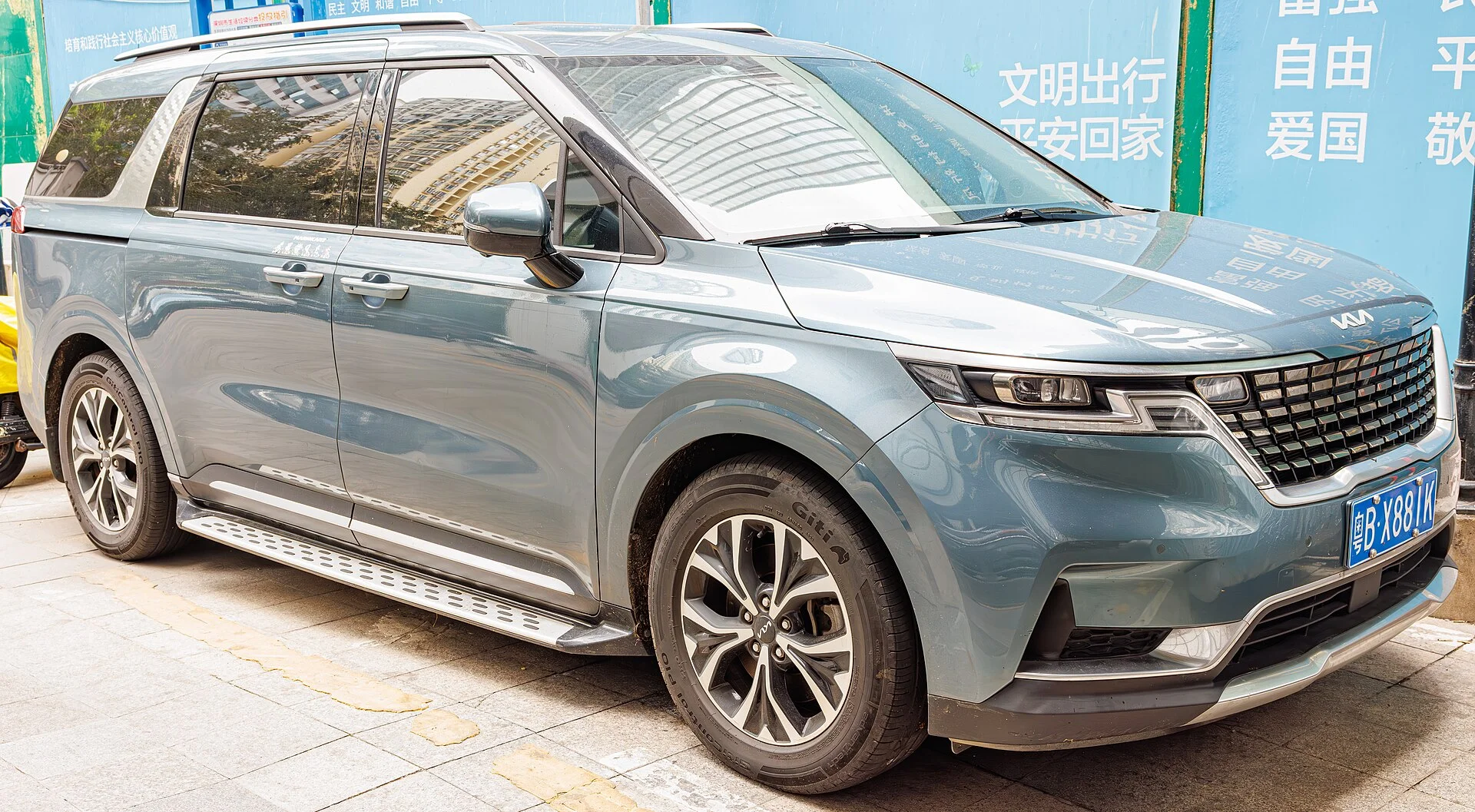
Family Sleeping Arrangements & Multi-Row Configuration
The Kia Carnival provides approximately 142.8 cubic feet of cargo space with third-row seats removed, and approximately 76.3 cubic feet with second-row seats folded. This exceptional capacity permits flexible family sleeping arrangements. For families of 4: fold the second and third rows completely, creating a continuous 7.5-foot platform with width approximately 4.5 feet. Install a custom sleeping platform (3/4-inch plywood with 4-6 inches of memory foam, approximately $400-$800) accommodating two children on the primary platform plus parents on convertible seating. Alternative: keep the second row folded to create a seating/sleeping hybrid, enabling one parent to maintain a watching position during setup/takedown. For families of 5-6, combine interior sleeping (parents + small child on platform) with a roof-mounted tent ($300-$800) accommodating additional children safely. The Carnival's interior height (approximately 38-40 inches) permits sitting upright on the sleeping platform comfortably, enabling reading, games, or meal prep during inclement weather—a substantial advantage over SUVs. Secure sleeping platforms using the integrated tie-down points (approximately 12-16 across the vehicle); cable systems ($30-$60) prevent platform shifting during travel. The dual sliding doors enable independent entry/exit without disturbing sleepers, critical for family camping comfort.
## What You'll Learn
Climate Control, Ventilation & Child Comfort
The Carnival's dual-zone climate control maintains independent front/rear temperatures, crucial for family comfort. Set the rear zone to approximately 72-74°F for sleeping while adults tolerate slightly cooler temperatures in the front. The vehicle's superior insulation (compared to SUVs) prevents rapid temperature fluctuations, improving sleeping comfort. In summer camping, the power sliding doors open approximately 6-8 inches from inside, creating excellent cross-ventilation without compromising security. Crack side windows approximately 2-3 inches to establish airflow; this configuration typically reduces interior temperature by approximately 8-12°F during the day and improves nighttime ventilation substantially. The third-row windows open fully, providing additional air circulation in spacious configurations. Install reflective window shades ($30-$60 per window set) blocking approximately 85-90% of solar heat, reducing interior temperature by approximately 10-15°F during daytime parking. In cold weather, preheating the Carnival to approximately 70°F before sleep maintains comfort through approximately 8 hours at temperatures above 30°F. For extreme cold (below 10°F), an auxiliary heater ($100-$300) designed for vehicles provides supplemental warmth safely. Keep windows cracked during any heating to maintain oxygen levels. Moisture management: use moisture-absorbing packets or containers ($10-$30) and rotate window ventilation every 2-3 hours to prevent condensation buildup on windows—critical for child safety visibility.
Cargo Organization & Family Gear Management
The Carnival's expansive interior permits sophisticated organization systems suitable for families. Divide cargo into zones: sleeping equipment (mattress, bedding, pillows), cooking gear (stove, cooler, utensils), hygiene/safety (toiletries, first aid, medications), and clothing/personal items. Use color-coded bins: red for kitchen, blue for hygiene, green for camping gear, yellow for emergencies. Label bins clearly—children can locate necessities independently, improving camping efficiency. Install under-platform storage utilizing approximately 30-40 cubic feet: sliding drawers ($100-$200 DIY, $300+ professional installation) organize gear accessibly. A roof cargo basket or box ($150-$400) extends capacity without consuming interior space; the Carnival's roof load rating is approximately 100-150 lbs, accommodating standard carriers. Hanging organizers on interior walls ($20-$50 per set) hold children's activities, books, and supplies within reach. A compact interior shelf system ($80-$150) above the wheel wells provides secondary storage without blocking movement. Cable management systems ($15-$30) prevent gear from shifting during travel—essential for child safety. Reserve the second row (when folded) for flexible storage: children can nap here while others occupy the main platform, or use for additional gear during single-family-unit sleeping configurations. Many family campers install a removable children's entertainment station ($200-$400) with tablet holders, overhead storage, and built-in organizers.
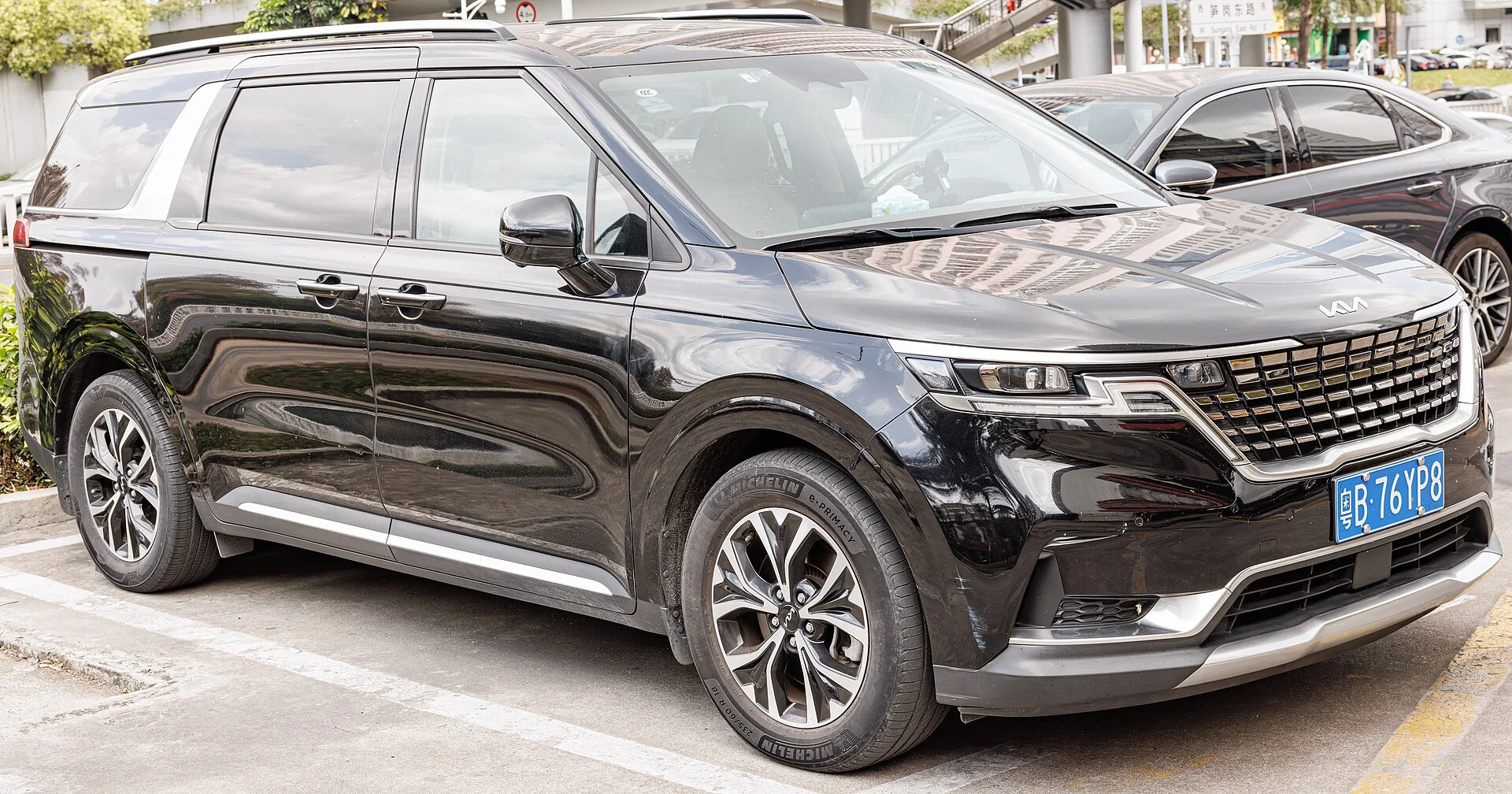
Cooking, Food Storage & Mealtime Solutions
The Carnival's generous interior height permits indoor meal prep in inclement weather—a significant advantage for families with young children. Set up a portable camp stove (single or double burner, approximately $30-$100) outside or in an adapted exterior mounting system ($100-$200). A collapsible prep table ($30-$80) provides workspace for food assembly. For families on extended trips, a 40-60 quart cooler ($80-$200) maintains food safely for 3-7 days with proper ice management ($2-$10 daily ice costs). Alternatively, a 12V portable refrigerator ($200-$400) powered by the Carnival's auxiliary battery or a power station maintains consistent temperature indefinitely. Store non-perishables in stackable bins: cereals, snacks, canned goods, pasta, and cooking essentials. A hanging spice rack ($10-$30) organizes seasonings compactly. The Carnival's power outlets (typically 110V and 12V options on recent models) support electric cookers, microwaves (via inverter, approximately $300-$600), or coffee makers—luxuries for family camping comfort. Most families find that outdoor picnic-style meals during good weather, supplemented by simple indoor cooking (sandwiches, heating canned soup) during rain, balances convenience with camping simplicity. Bring biodegradable soaps ($5-$10), a collapsible sink ($20-$40), and a 5-gallon water container ($10-$20) for dishwashing away from vehicle sleeping areas. Teach children proper food storage and waste management early—critical for pest prevention and campsite cleanliness.
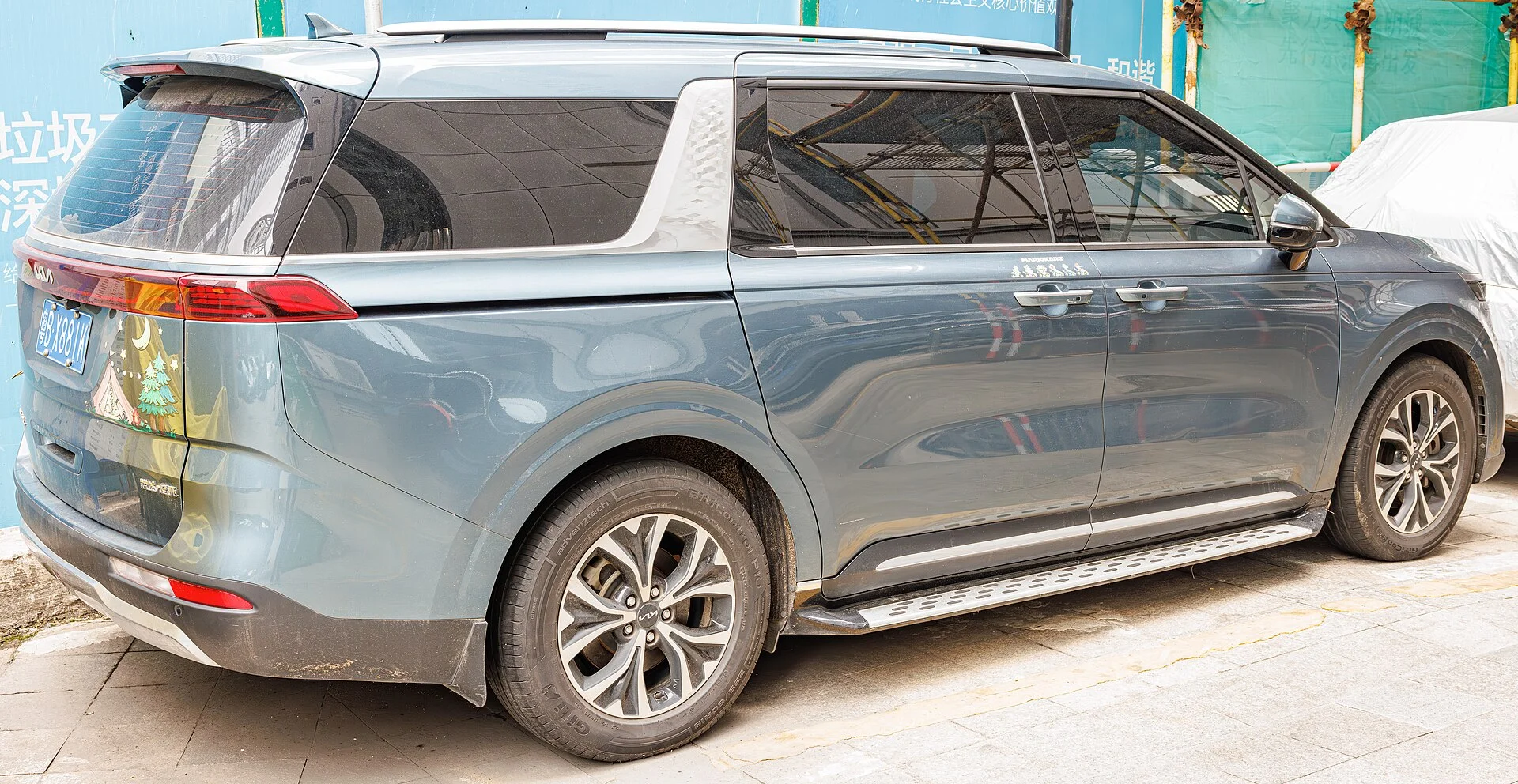
Child Safety, Entertainment & Comfort Features
The Carnival prioritizes family safety through multiple integrated features. Child locks on sliding doors ($0-$50 if retrofitting) prevent accidental opening during sleep. Install motion-sensor nightlights ($15-$30) enabling safe nighttime bathroom trips without waking parents. USB charging ports ($20-$40 for multi-port hubs) maintain children's device batteries, essential for longer travel days and entertainment during inclement weather. First aid kit accessible to children ($20-$50) and a child-safe medication storage organizer ($10-$20) address minor camping injuries. Create entertainment zones: establish a dedicated area with books, games, and crafts ($50-$100 investment). A portable DVD player ($50-$150) or tablet with downloaded movies provides quiet time during setup/takedown. Some families install a small interior overhead light ($15-$30) enabling reading or quiet play without disturbing sleepers. Establish clear rules about staying inside the vehicle during sleep hours; use walkie-talkies ($30-$80 for multi-pack) if children venture near campfire or water. Practice evacuation procedures and teach children vehicle safety features. Window covers with mesh inserts ($30-$50 per window) enable ventilation while maintaining security and privacy. A carbon monoxide detector ($20-$40) is non-negotiable for any propane heating or cooking equipment. Ensure children understand basic camping safety: no running near cook stoves, staying within campsite boundaries, and informed parent contact before exploring.
Extended Camping Trips & Fuel Considerations
The Carnival's 17-18 gallon fuel tank provides approximately 340-450 mile range depending on driving style and loading. Plan refueling stops approximately every 300 miles to maintain safety margins. Highway fuel economy is approximately 26-28 MPG; city driving reduces this to approximately 22-24 MPG. A fully loaded Carnival with roof rack loses approximately 5-8% efficiency; budget accordingly. Multi-week camping requires water management planning: identify campgrounds with potable water access, carry 10-15 gallon refillable containers ($20-$30 total), and establish daily water usage limits (approximately 1 gallon per person for hygiene + cooking). For families avoiding campgrounds, dispersed camping on public lands accommodates the Carnival's compact size well; research BLM and National Forest lands in your destination region. Create a maintenance checklist before extended trips: oil level, tire pressure (increase 2 PSI due to load), brake fluid, coolant, and battery condition. The Carnival's service intervals are approximately every 6000-10000 miles; avoid major trips immediately before scheduled maintenance. Load distribution matters: place heavier items (cooler, gear bins) toward the center-rear of the vehicle, improving fuel economy by approximately 2-3%. Some family campers purchase annual passes ($80-$125 for America the Beautiful Pass) enabling unlimited access to national parks and public campgrounds, offsetting fuel costs through extended camping opportunities. Budget approximately $2000-$3500 for a week-long family road trip: fuel ($400-$600), camping fees ($100-$200), food ($800-$1200), and miscellaneous expenses ($500-$1000).
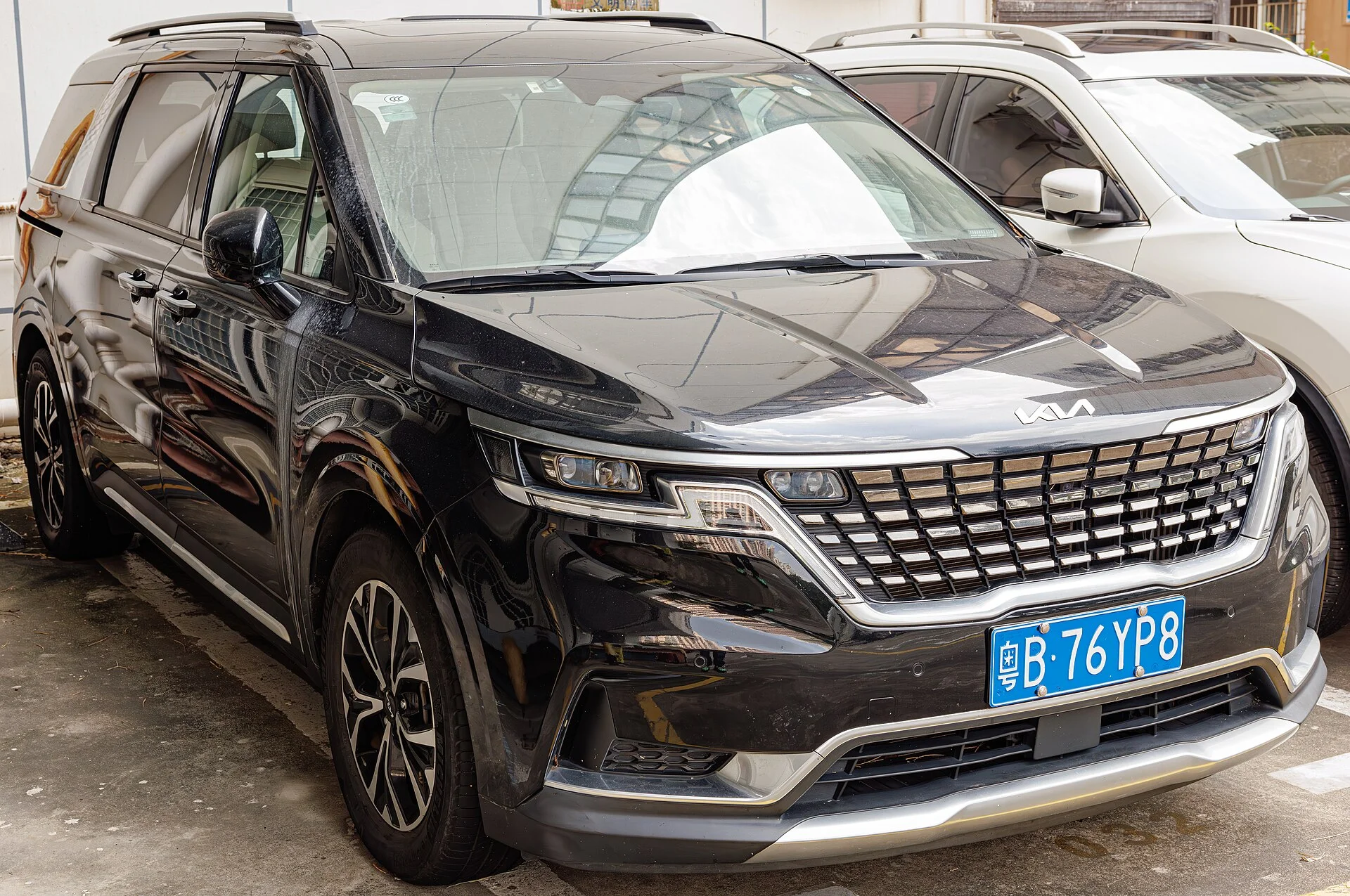
Frequently Asked Questions
Q: How many people can sleep in a Kia Carnival? A: Comfortably, 4-5 people in the Carnival alone (platform bed for 2 adults plus 2-3 children). Add a roof-mounted tent for 6+ person family capacity.
Q: What sleeping configuration works best for families? A: Fold second and third rows, install a platform bed for parents and young children. Older children can sleep on the second row or in a roof tent. This arrangement maximizes comfort and safety.
Q: Does the Carnival have good ventilation compared to SUVs? A: Superior ventilation: power sliding doors, multiple windows, third-row window access, and generally larger interior. Condensation buildup is less problematic than in SUVs.
Q: What's the fuel economy impact of a loaded Carnival? A: Approximately 3-5% reduction from base economy with gear; roof racks add approximately 5-8% penalty. Overall excellent efficiency for family camping transportation.
Q: Can you stand up inside the Carnival? A: Yes, comfortably—interior height is approximately 38-40 inches, permitting most adults to stand or sit upright. This is a major advantage for family camping.
Q: Is the Carnival suitable for winter camping? A: Yes, the interior space and heating system support winter camping well. At temperatures below 10°F, supplement heating with auxiliary systems ($100-$300).
Q: What's the best roof-mounted tent for a Carnival? A: Hardshell tents ($600-$1000) handle wind better; soft-shell tents ($300-$600) offer budget options. Ensure weight distribution (Carnival roof capacity approximately 100-150 lbs) and proper installation.
Q: How do you prevent children from sleeping uncomfortably? A: Invest in quality sleeping pads with memory foam topper, moisture-wicking sheets, and age-appropriate pillows. Maintain interior temperature at approximately 68-72°F for optimal sleep.
Q: Can you install a portable toilet in the Carnival? A: Yes, cassette toilets ($200-$400) or RV-style portable seats ($30-$60) fit in the spacious interior. Ventilation is adequate with windows cracked or a roof vent installed.
Q: What emergency supplies are essential for Carnival camping? A: First aid kit (comprehensive, $30-$50), flashlight with extra batteries ($15-$25), jumper cables ($20-$40), blankets, water (3+ gallons), and a carbon monoxide detector ($20-$40).
Q: Is the Carnival good for solo camping? A: Yes, excellent for solo travelers—the spacious interior, comfort features, and easy entry/exit make solo camping very manageable. Fuel efficiency reduces trip costs substantially.
Q: What's the total investment for Carnival camper conversion? A: Budget $1000-$2000 for basic setup (platform bed, storage, gear). Full conversion with water systems, heating, and amenities ranges $3000-$8000. Professional installations typically cost $5000-$12000.