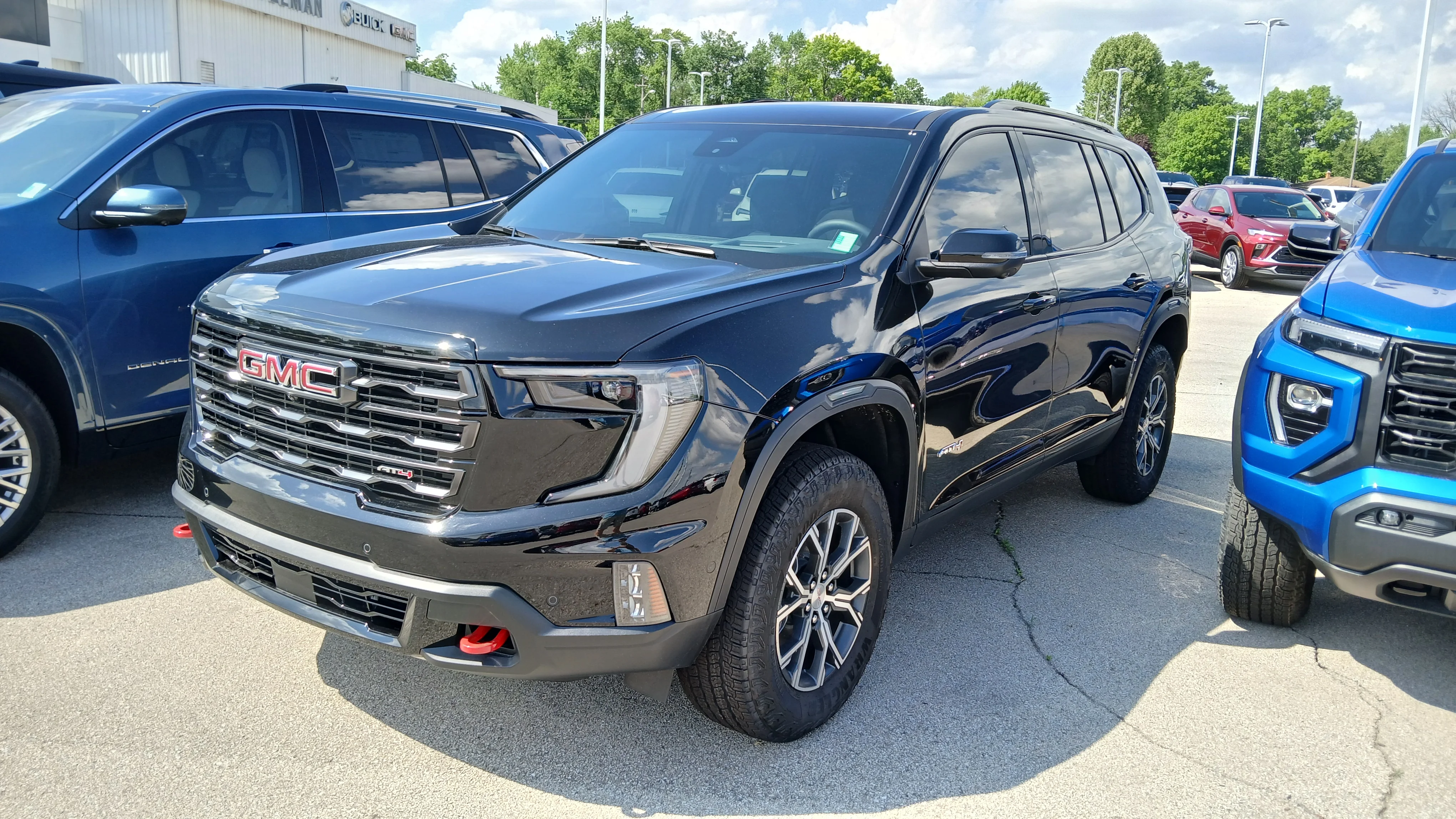
GMC gives you cubic feet, not a bed
The install is where a car-camping build goes right or wrong, and the GMC Acadia hands you an unusual starting problem: GMC publishes the Acadia's cargo space only in cubic feet, and not one official length, width, or height in inches. For hauling boxes, volume is fine. For sleeping, volume doesn't tell you whether you lie flat - length, width and a level floor do, and those you'll have to measure yourself.
One thing to get straight first, because the internet is full of the wrong Acadia: the 2024 model was completely redesigned and grew substantially over the old one. The numbers that matter now are the bigger ones - 23.0, 57.3 and 97.5 cubic feet - so ignore any older spec sheet quoting a smaller Acadia; it's a different, tighter vehicle. This page works from the current numbers GMC actually prints, explains why there are no inches to quote, and then does the installer's real job: turning 97.5 cubic feet of terraced cargo bay into a flat, level place to sleep, with the third-row catch and the power reality spelled out. The whole build comes down to one idea: a single platform spanning all three folded rows, packed up until the stepped floor behaves like a deck.
The three numbers GMC actually prints: 23.0, 57.3, 97.5
Start with what's official, because it's the honest floor for everything else. GMC lists the current Acadia's cargo volume as 23.0 cubic feet behind the third row, 57.3 behind the second, and 97.5 behind the first. Those are real, published GMC figures for the 2024-and-newer car.
- 23.0 cu ft (behind row three): that's your grocery-run space with all seats up - useful for gear, not a bed.
- 57.3 cu ft (behind row two): third row folded. Enough for a shorter sleeper or a diagonal, not a flat full-length bed.
- 97.5 cu ft (behind row one): both rows down. This is the number that makes the Acadia a genuine two-adult-capable sleeper.
Read those as a build spec: the jump from 57.3 to 97.5 is where the Acadia becomes a bed, so almost every sleeping setup here means folding both rear rows. The volume is class-competitive for a three-row - it's the translation from cubic feet to a flat surface that takes the work. Notice the behind-first figure runs about forty cubic feet past the behind-second one; that gap is the second-row seatbacks flattening into usable floor.
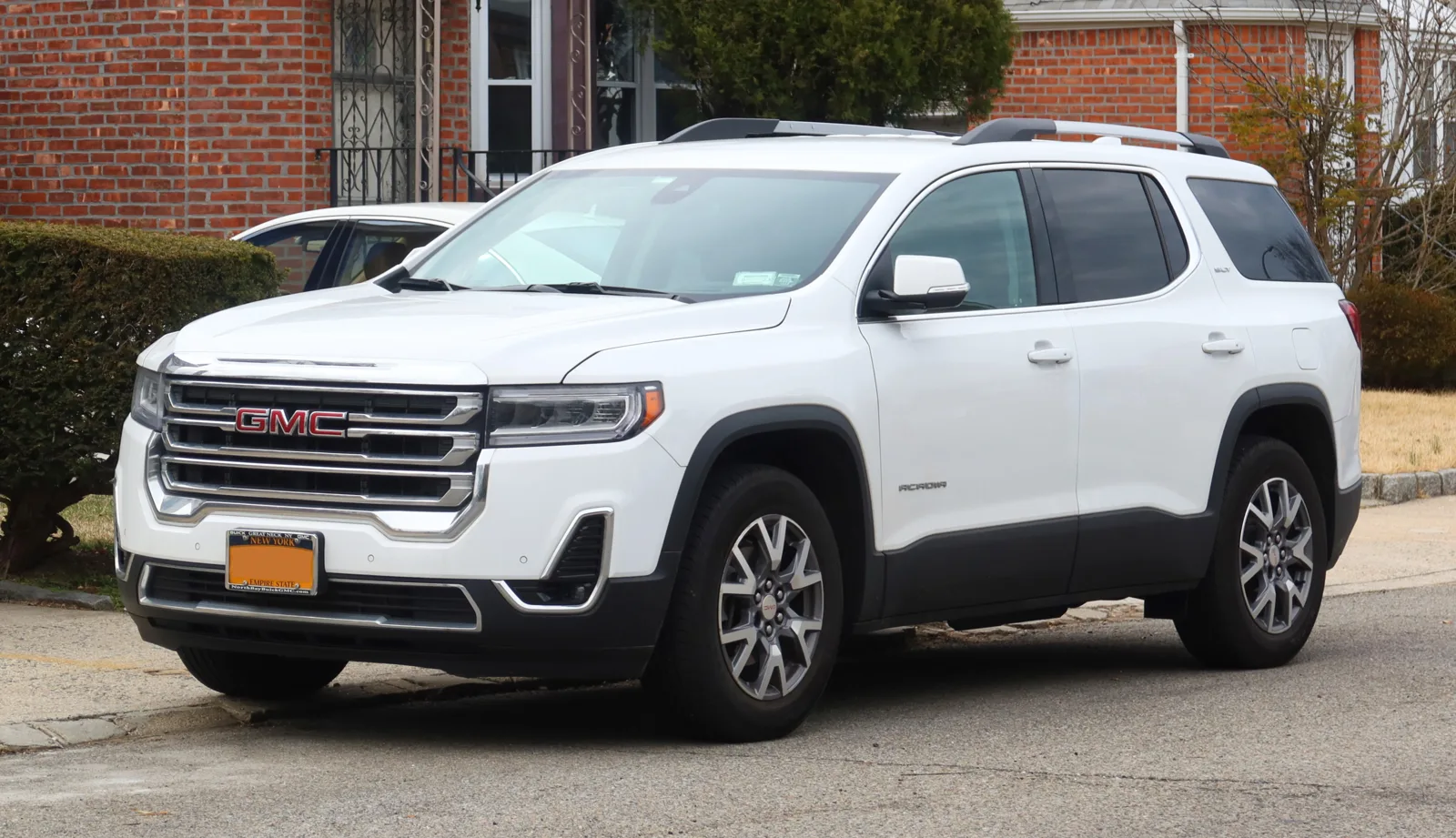
Why there are no length-and-width inches to quote
Let me be straight about a gap instead of papering over it: GMC does not publish a cargo floor length, width, or height in inches for the Acadia. Plenty of sites will hand you a confident number anyway; most of the time they've either lifted it from the old, smaller Acadia or estimated it from the volume. I won't do that, because a made-up inch measurement is exactly what strands a tall sleeper with their feet against the tailgate.
When a maker publishes volume but not inches, the honest answer is 'measure your own,' not a borrowed number. A tape measure in your driveway beats a spec-sheet guess every time.
What you can say honestly from the volume and from reviewers who've climbed in: the redesigned Acadia is a large three-row with a long load floor when both rows fold, competitive with the segment for a flat bed. What you can't say is an exact flat length in inches, because GMC hasn't measured it for you. That's why the measure-your-own section below isn't filler - it's the only way to know the Acadia fits your body before you build. I'd rather hand you a blank to fill with a tape than a borrowed inch that quietly fails a tall sleeper at the ankles.
Reading 97.5 cubic feet like an installer
Volume isn't useless for sleeping - you just have to read it right. Ninety-seven and a half cubic feet behind the first row is a lot of air, and on a wide three-row like the Acadia it distributes into a genuinely long, wide floor rather than a tall, narrow one. That shape is what makes a flat two-person bed plausible here where it isn't in a compact.
How I translate the number before I build:
- Big volume plus a wide body usually means a floor that can take two pads side by side - the Acadia's width is its advantage.
- The catch is flatness, not size: that volume includes the terraced steps of folded seatbacks, so raw cubic feet overstates the usable flat area until you level it.
- Plan the platform to the volume, then confirm the flat length with a tape - the volume tells you a bed is possible, the tape tells you it fits you.
So the 97.5 figure earns its place as a go/no-go: it's big enough that the Acadia is worth building for. The rest of this is making that air into a flat surface.
The third row: fold it flat, mind the headrests
Every Acadia bed starts by folding the third row, and there's a real-world snag worth knowing before you buy or build. Reviewers and GM Authority have flagged that some early 2024 Acadias had a third-row headrest that fouls the fold - the headrest can catch and keep the seatbacks from lying truly flat unless it's managed.
What that means for your build:
- Check your specific car folds fully flat before you plan a platform on top of it - a seatback that sits a couple inches proud is a hump right where your hips go.
- Manage the headrests per your model year's procedure; if a headrest blocks the fold, that's the first thing to solve.
- A platform bridges a minor step, but it can't fix a seatback that won't lie down - fix the fold first, then build.
This is the installer's first inspection on an Acadia: don't assume the third row folds flat. Fold it, look across it with your eye at floor level, and confirm the surface before you spend on a mattress or lumber. The usual cure is to drop or pull the third-row head restraint before releasing the seatback, so it clears the cushion instead of jamming against it.
The second row: where your real bed length comes from
With the third row down you have a partial bed; the full length comes from folding the second row too, and how it folds shapes your build. On a three-row like the Acadia, the second-row seatbacks fold forward to extend the floor toward the front seats - that's the stretch that turns 57.3 cubic feet into 97.5 and a shorter platform into a full-length one.
The fitment details that decide flatness:
- Bench vs captain's chairs changes the folded surface - a bench gives a more continuous floor, captain's chairs can leave a center channel between them.
- The seatbacks rarely fold perfectly level with the cargo floor; expect a step or a slope you'll bridge.
- Slide the front seats forward to buy the last few inches of length for a tall sleeper - the same trick that works in any SUV.
Fold both rows, then measure from the tailgate to the back of the front seats along the floor - that's your true bed length, and on the big new Acadia it's generous, but only your tape makes it a number you can trust. On captain's-chair Acadias, take that length down one side of the center channel, where the sleeper's spine will lie, not through the gap between the seats.
Building a platform: level the terraced floor
Here's the core install, because the Acadia's folded floor is terraced, not flat, and a good platform is what makes it sleepable. When both rows fold you get a series of gentle steps between the cargo floor and the folded seatbacks - fine for cargo, lumpy for a spine.
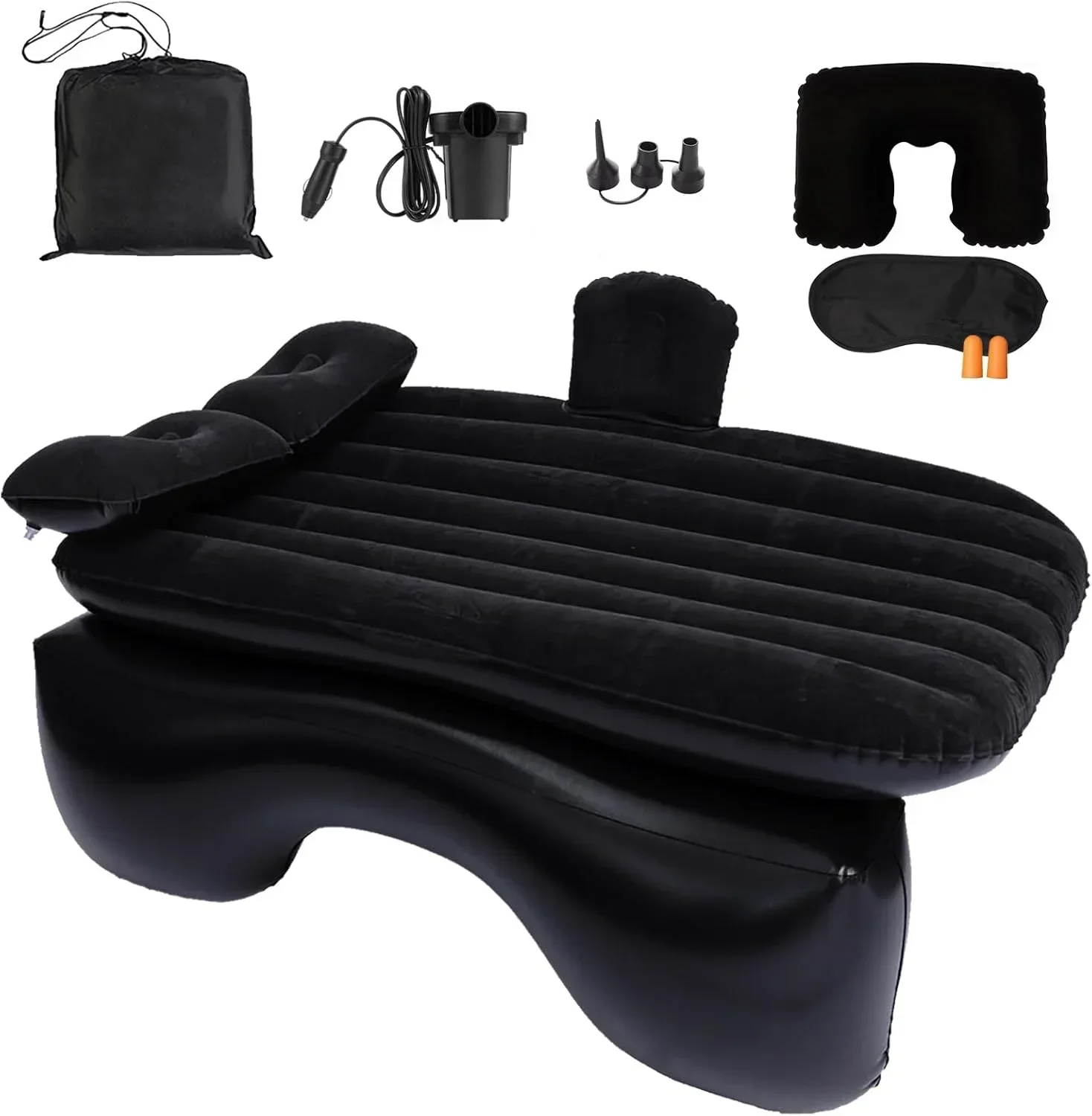
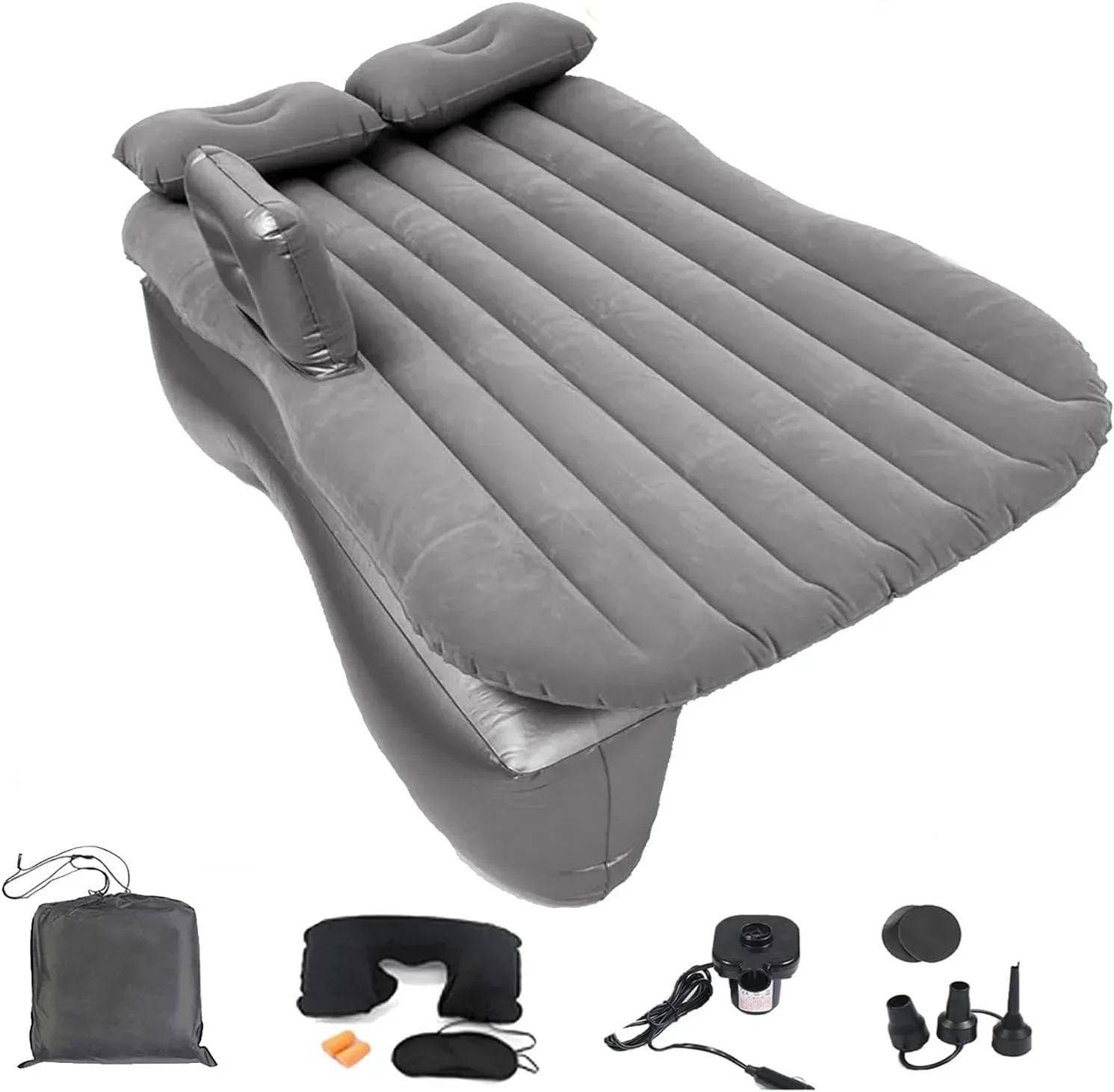
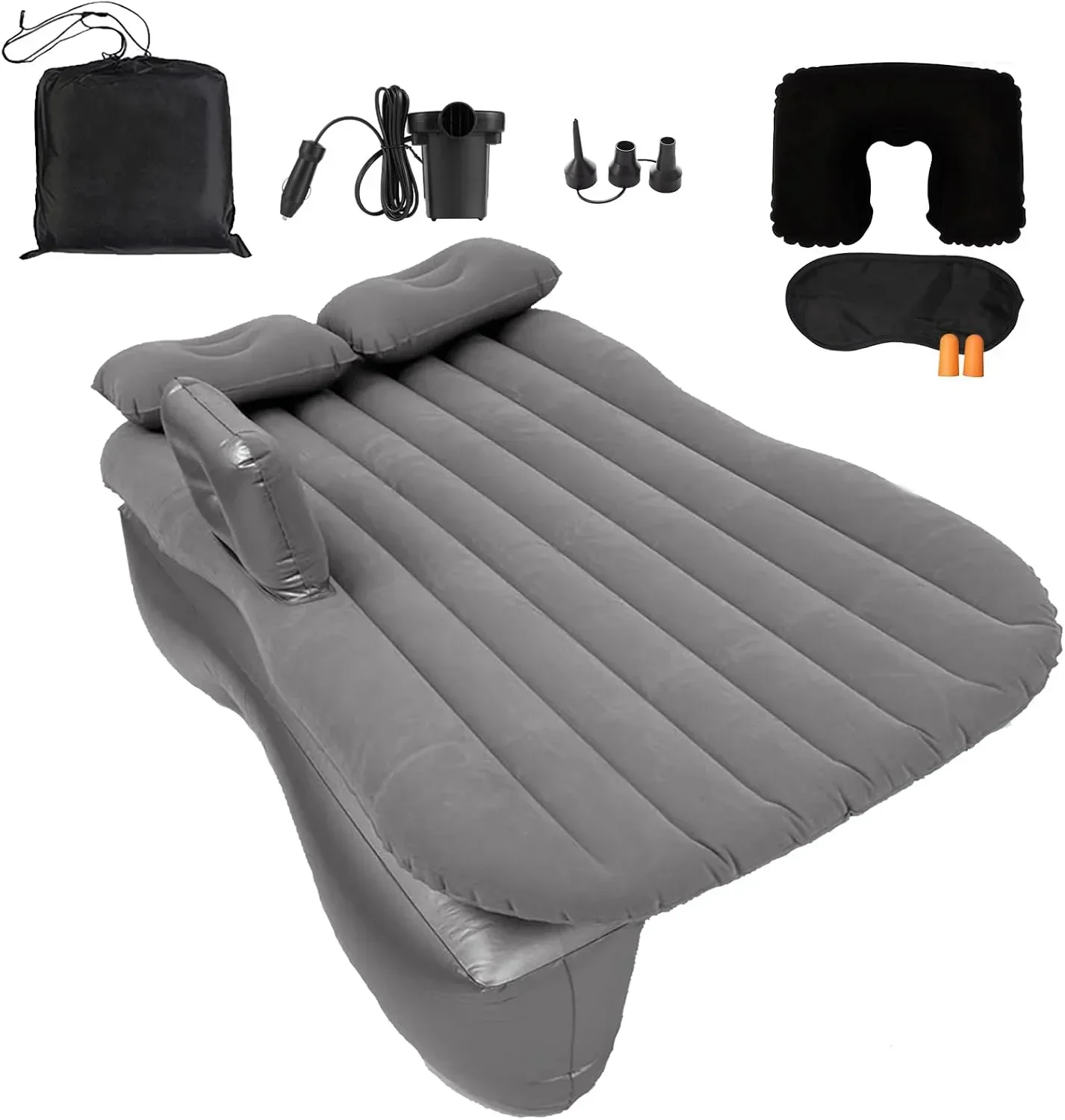
- The simple fix: a bridging pad shaped for an SUV cargo bay. An Onirii SUV air mattress is built to span exactly these seatback steps and level the whole surface in one inflate - the fastest route to a flat Acadia bed.
- The durable fix: a low plywood platform on cross supports, sized to your measured floor, that turns the terraces into one plane and gives you storage underneath. Measure before you cut; the gap you ignore is the buzz you hear at 70 and the lump you feel at 3 a.m.
- Either way, check clearance: a platform raises you toward the roof, so confirm you still have sitting height (below).
The installer's rule: level first, soften second. Get the surface flat with a platform or a shaped mattress, then add your sleeping pad on top - not the other way around. If you cut plywood, I'd split the panel at the seatback break into two lapped sections, so it folds up with the seats and drops flat without wrestling one long board past the D-pillars.
Width and the wheel wells: what fits side by side
Width is where the Acadia earns its three-row size, and it's the dimension that decides one sleeper or two. GMC doesn't publish a cargo width in inches either, but the redesigned Acadia is a wide vehicle, and reviewers consistently describe a cargo floor roomy enough for two adults across with both rows folded - the payoff for driving something this size.
The number to respect isn't the widest point - it's the pinch between the wheel wells, which is always narrower. Measure that, because it's the true ceiling on two pads side by side.
How to work with the width you have:
- Two adults: plausible on the Acadia's wide floor, but measure the wheel-well pinch first - a platform built up level with the wells reclaims the full width above them.
- Solo or one-plus-a-kid: easy, with room for gear alongside.
- Orient pads down the middle where the walls are most parallel, and keep gear out of the sleeping footprint.
The Acadia's width is the reason to size up to a three-row for sleeping - just confirm the wheel-well number rather than trusting the wide-open look of the tailgate opening. Deck the platform flush with the wheel-well tops and the pinch disappears above that line; leave the pads on the floor and the wells steal a few inches off each shoulder.
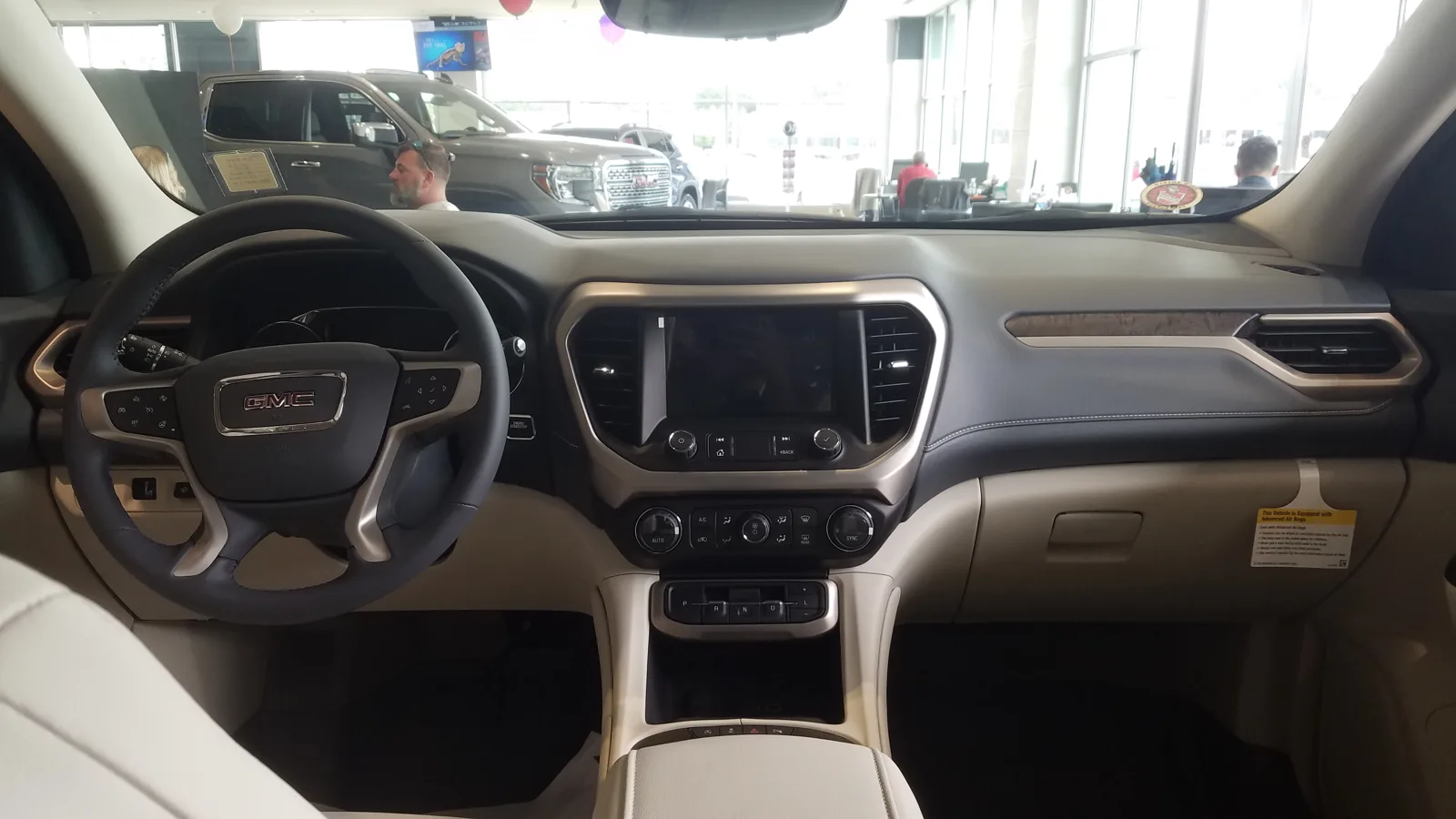
Headroom under the Acadia's roof
Height decides whether the bay feels like a tent or a coffin, and a raised platform trades floor flatness for sitting height, so it's worth checking. GMC doesn't publish a cargo-area height in inches, but a large SUV like the Acadia gives you enough to sit up on an elbow and change a shirt seated - as long as your build doesn't eat too much of it.
What spends your headroom:
- Platform height: every inch you raise the floor to level the terraces is an inch off your sitting height - keep the platform as low as the steps allow.
- Pad thickness: a 3-inch mattress on top adds comfort and subtracts headroom; run the math for your build.
- Do the awkward business on the tailgate, hatch up - getting changed and organized outside reserves the inside height for lying down.
The Acadia isn't a stand-up-inside camper - nothing this shape is - but a low platform keeps enough room to be comfortable seated, which is all most sleepers need. Settle the platform height first and let the pad take whatever headroom is left, not the reverse.
Power: a 150-watt outlet, and what it won't run
The Acadia gives you more than the compacts here: a factory 120-volt household outlet rated at 150 watts, per GMC, on top of the 12V sockets. That's a genuine convenience - but read the number before you plan around it, because 150 watts is a laptop-and-phone outlet, not a fridge or a kettle.
- What 150 watts runs: device chargers, a laptop, a CPAP on many models - light, steady loads.
- What it won't: a 12V compressor fridge is better off its own supply, and anything with a heating element is out.
- Overnight, assume the car's outlets are off when the ignition is - plan a standalone battery for anything that has to run while you sleep.
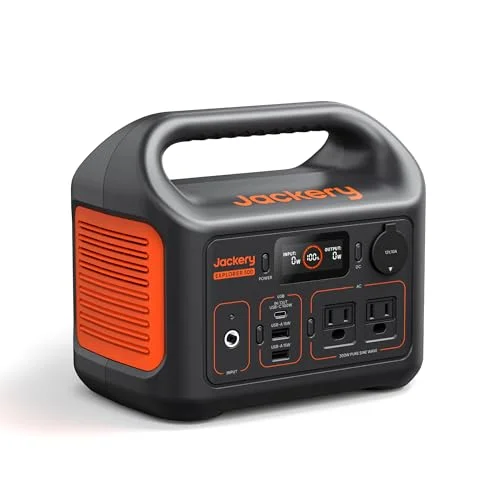
For real camp power the reliable answer is a Jackery Explorer 300 power station: it runs a fan, lights and charging off its own 292 watt-hours and recharges from the 12V socket as you drive, so you're not leaning on the Acadia's 150-watt outlet or its battery.
Take these five measurements before you build
Because GMC gives you volume and not inches, your tape measure is the spec sheet. Before you buy a mattress or cut a board, take these five numbers with both rear rows folded - it's ten minutes that saves a ruined build.
- Flat length: tailgate to the back of the front seats along the floor - your true bed length.
- Wheel-well width: the pinch between the wells - the real two-person ceiling.
- Widest width: back by the tailgate, for a platform built above the wells.
- Sitting height: floor to headliner, minus your planned platform and pad.
- Step height: the drop from folded seatbacks to cargo floor - how much your platform or pad has to bridge.
Write them on your phone. Those five numbers turn 'GMC only publishes cubic feet' from a frustration into a five-minute measurement, and they're the difference between a bed that fits and one that fights you all night. Take each number twice and to the eighth of an inch; a board cut to a rounded figure is the one that leaves a gap at the seam or won't seat flat.
The verdict on the Acadia as a sleeper
The redesigned GMC Acadia is a genuinely capable three-row sleeper, with an honesty asterisk: GMC gives you 97.5 cubic feet behind the first row and a wide, long floor, but no official inch dimensions, so the fit is something you confirm with a tape, not a spec sheet. Fold both rows, level the terraced floor with a platform or a shaped mattress, and you get a two-adult-capable bed with a 150-watt outlet for devices.
The Acadia sleeps two if the third row folds truly flat and you build a level surface over the steps. Check the headrest fold, measure your own length and wheel-well width, and it's one of the roomier three-row beds out there.
Buy for the width, confirm the fold, bring your own overnight power, and the big new Acadia turns its class-competitive volume into a comfortable bed. The full setup lives in our GMC Acadia camping guide, and the Acadia camping accessories list covers the platform and bedding pieces.
Related on Auto Roamer: Ford Explorer vs GMC Acadia for car camping; Hyundai Palisade cargo dimensions.