
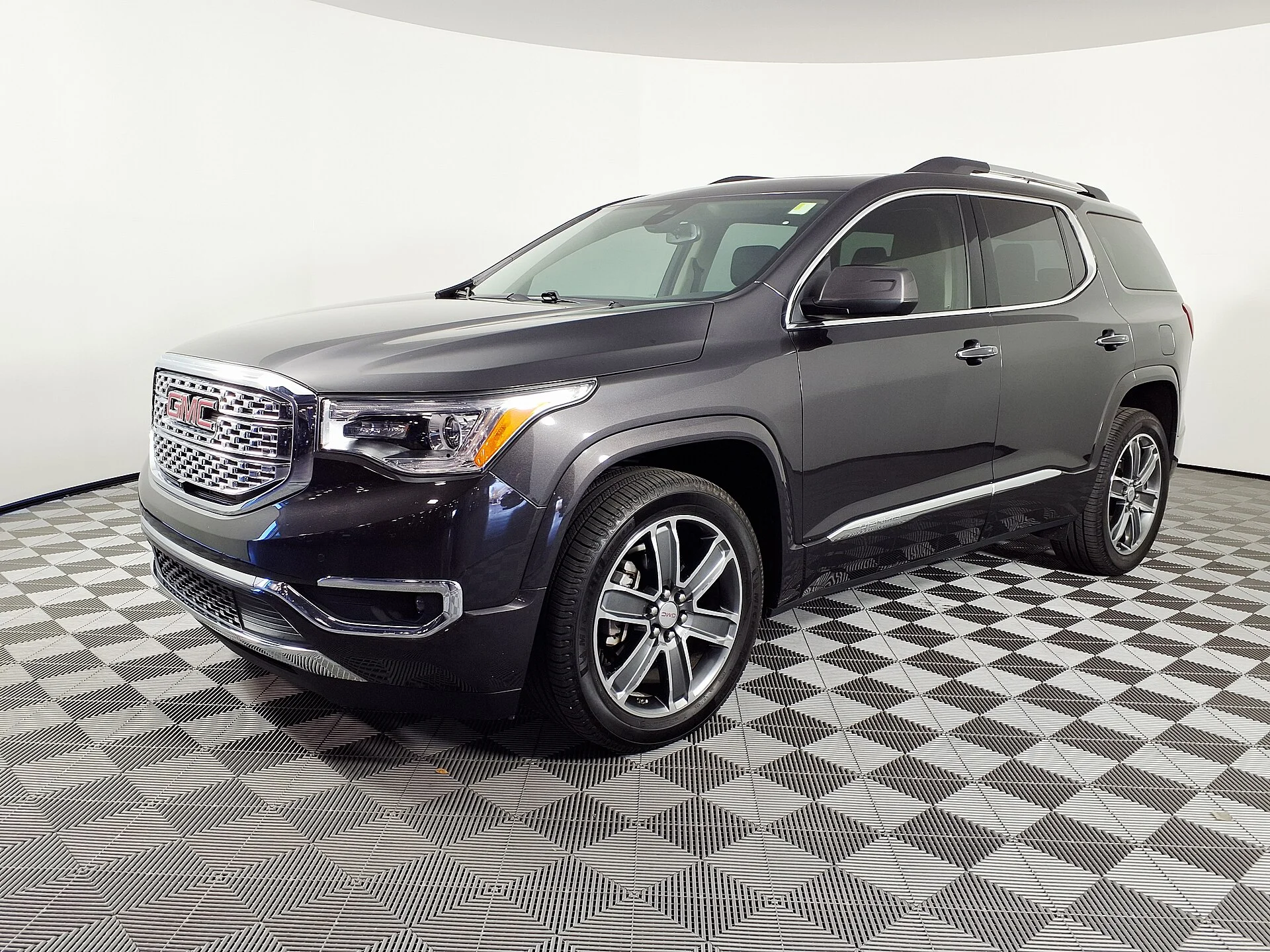
The GMC Acadia: Refined Three-Row Camping Comfort
The GMC Acadia represents a premium approach to three-row SUV camping. With approximately 79-144 cubic feet of cargo space (depending on row configuration) and a sophisticated interior, the Acadia offers a comfortable platform for family camping trips. Its responsive steering, smooth ride quality, and modern technology appeal to families who value both capability and driving enjoyment. Unlike the Yukon's full-size presence, the Acadia strikes a balance between space and manageability. Its midsize proportions make parking easier at campsites while providing impressive interior room. This guide explores how to optimize your Acadia for family camping adventures, whether you're sleeping in the vehicle or using it as a supply hub.What You'll Learn
Flexible Seating and Sleeping Configurations
The Acadia's three-row configuration provides multiple sleeping arrangements. With second and third rows folded, you get approximately 79 cubic feet with a relatively flat sleeping surface. For sleeping, many families use the second row only (folded flat) combined with the cargo area, creating a configuration suitable for two to three sleeping positions.
Custom sleeping platforms work well in the Acadia, typically 8-10 inches tall with underbed storage. This approach preserves access to frequently needed items. Alternatively, use the Acadia as a basecamp with everyone sleeping in tents while the vehicle stores gear and provides shelter during weather.
The middle-row seats fold down to create sleeping space that's slightly elevated from the cargo floor, offering a comfortable position for children or providing a secondary sleeping area while adults use the lower cargo platform. This flexibility makes the Acadia appealing to families of various sizes.
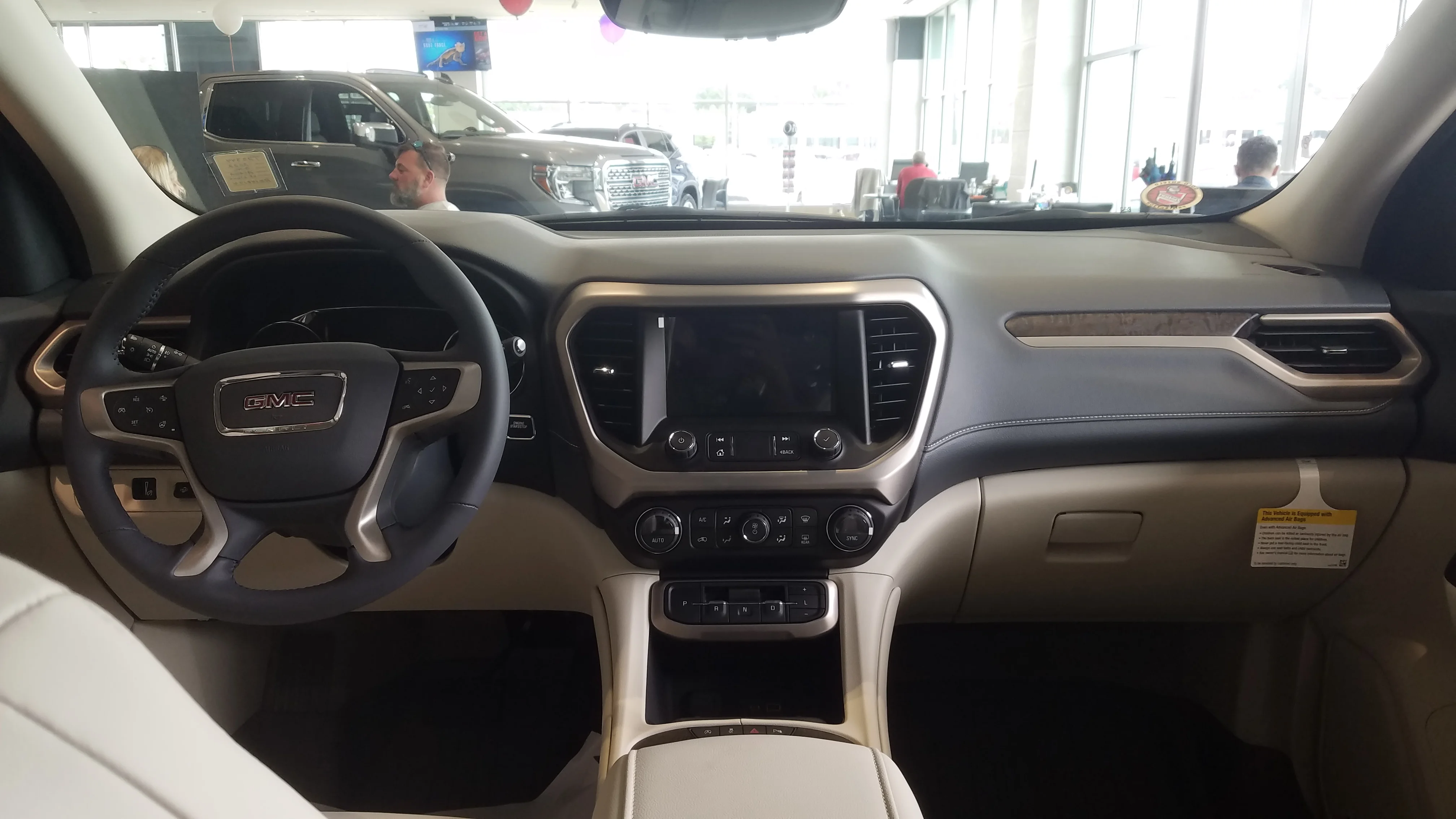
Balancing Space and Manageability
The Acadia's midsize footprint offers advantages over full-size SUVs when camping. Parking at developed campsites is easier, fitting standard parking spaces without overhang concerns. The vehicle's length (approximately 193 inches) and width (approximately 79 inches) make it maneuverable on narrow campground roads. With 79 cubic feet of cargo space (second and third rows folded), you have sufficient capacity for family camping gear. Adding a roof rack and roof cargo carrier expands capacity by 12-15 cubic feet for bulky items. This balance means you're not hauling unnecessary excess while having adequate space for comfort.
The Acadia's loading edge (approximately 32 inches) is manageable for most people loading and unloading camping gear. The vehicle's interior width allows good cross-ventilation when windows are open slightly, improving sleeping comfort.
Advanced Climate Control for Family Comfort
The Acadia's dual-zone climate control allows different temperatures in different areas, beneficial for families with varying comfort preferences. The system maintains stable temperature throughout sleeping periods, particularly important for children who may wake if uncomfortable.
The available power moonroof provides excellent natural ventilation when slightly opened. Large windows create good cross-ventilation potential when cracked open opposite sides. Privacy shades designed for the Acadia fit well and allow you to control light and airflow independently.
The heating system quickly warms the cabin during cold-weather camping. The air conditioning efficiently maintains comfortable temperatures in warm climates. Some families combine these systems—heating or cooling to a comfortable sleeping temperature then reducing the HVAC load once sleeping to conserve fuel.
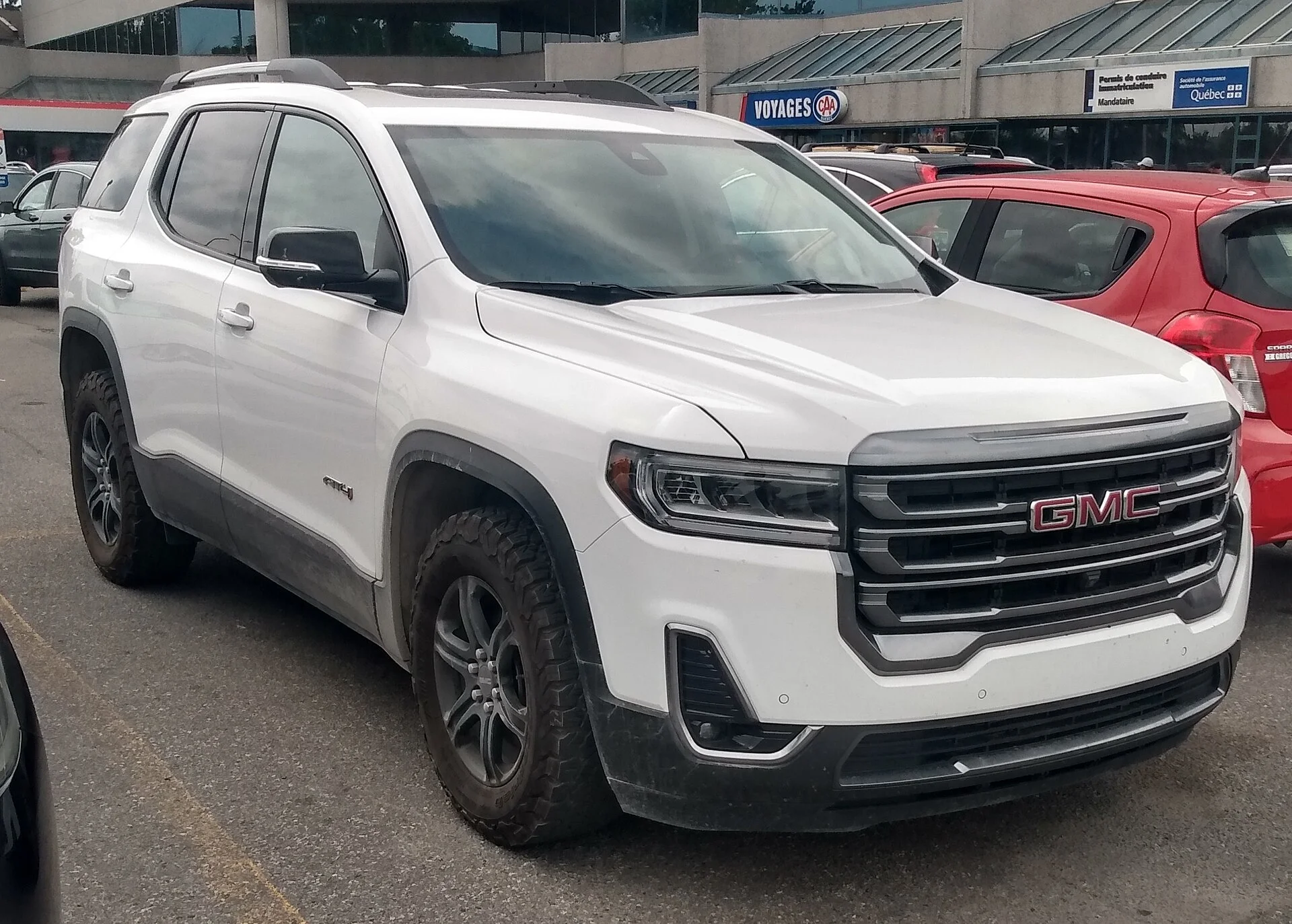
Practical Cargo Organization
The Acadia's cargo area design with relatively vertical walls maximizes usable space. Stackable storage containers fit efficiently, and hanging organizers on seat backs keep frequently accessed items convenient. Create clear zones: sleeping area, cooking gear, clothing, and safety equipment.
Many camping families use the third row when not sleeping to provide accessible storage in that area—a good location for frequently accessed items that would otherwise require digging through floor-level cargo. This flexibility is a unique advantage of three-row configurations. Weight distribution remains important even with the Acadia's moderate size. Keep heavier items (coolers, water containers) low and centered. The roof rack is ideal for bulky but lightweight items like tents and sleeping bags that take up floor space.
Power and Technology Features
The Acadia's multiple USB charging ports and 12-volt outlets provide convenient device charging. A portable power station (1000-1500W) covers most family camping needs—charging devices, running LED lighting, and powering small appliances.
Many Acadia campers install DC-to-AC inverters (1000-1500W) for standard household outlets. This setup is less expensive than dual battery systems and works well for weekend trips. For longer expeditions, dual battery systems with solar charging provide sustainable power.
The Acadia's infotainment system with smartphone integration helps locate campsites and plan routes. Available WiFi hotspot provides connectivity when cellular coverage exists. Remote vehicle access through mobile apps allows locking/unlocking doors from your campsite.
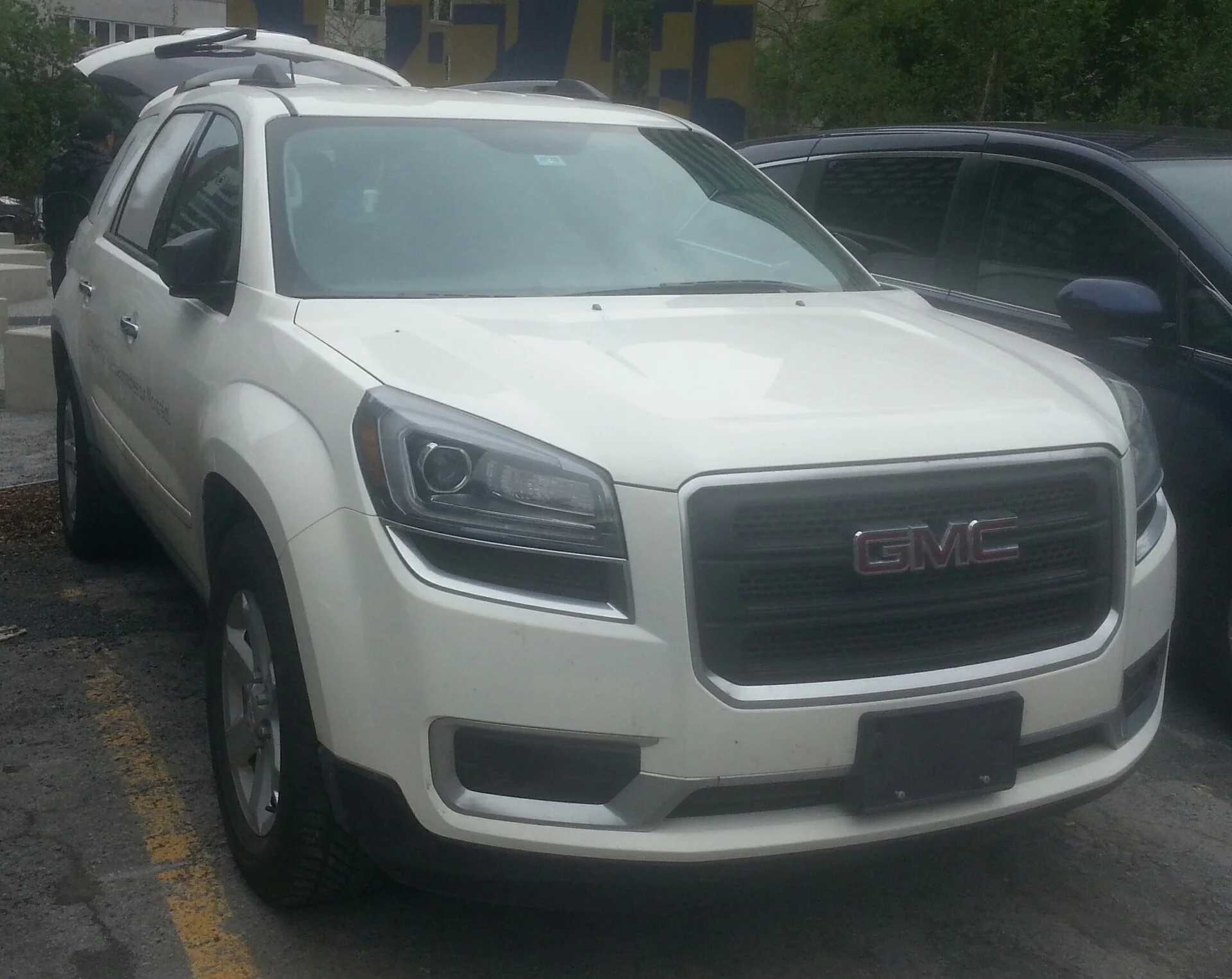
Towing Capacity for Trailers
The Acadia can tow 3,500-5,000 pounds depending on configuration, suitable for small trailers and popup campers. This capability expands camping options significantly—towing additional shelter, sleeping space, or kitchen facilities.
Proper weight distribution when towing is important. Use a weight-distributing hitch for smooth towing and better handling. The integrated backup camera assists with safe hitching. The transmission cooler helps manage heat when towing, extending vehicle longevity.
Advanced Acadia Camping Customization
Strategic modifications transform Acadia camping capabilities. Professional sleeping platforms ($1,500-$2,500) with integrated storage provide superior comfort and organization. These custom builds utilize premium memory foam layers, climate-controlled fabric covers (moisture management), and modular under-bed storage for gear organization. Roof rack systems ($800-$1,500) combined with cargo carriers extend capacity by 12-15 cubic feet. Roof-mounted sleeping tents (less common on Acadias due to midsize roof dimensions) are possible with properly-rated crossbars. Most Acadia campers opt for interior platform beds supplemented by roof-rack cargo solutions. Power management upgrades enable auxiliary battery systems, solar panels, and DC-to-AC inverters ($800-$1,500 systems) supporting appliances, heater fans, and extended-trip power demands. Many extended-trip Acadia campers install auxiliary batteries isolated from starter battery, ensuring reliable vehicle operation despite concurrent appliance demands. Window treatment systems ($400-$700) including custom-fitted privacy shades, reflective sun protection, and heated window options dramatically improve comfort and energy efficiency. Professional installations ensure precise fit and reliable operation across extended camping seasons. Interior lighting upgrades ($300-$600): LED cabin lights and exterior work lights improve nighttime safety and campsite ambiance. Battery-powered LED systems cost less than hardwired alternatives, enabling reversible installation without permanent vehicle modification.Seasonal Acadia Camping Strategies
The Acadia's dual-zone climate control adapts well to varied camping seasons. Spring camping (45-65°F) benefits from efficient heating—the climate system quickly reaches comfortable sleeping temperatures (typically 10-15 minutes from cold start). The moonroof enables controlled ventilation without opening full windows, balancing temperature and privacy. Summer camping (65-85°F) requires heat management: park in shade, utilize reflective window shades reducing solar heat gain, crack windows on opposite sides for cross-ventilation, and run the air conditioning at moderate settings. The Acadia's efficient cooling system maintains comfort without excessive fuel consumption. Battery-powered fans ($30-60) improve air circulation beyond standard ventilation. Fall camping (50-70°F) offers ideal conditions: moderate temperatures reduce climate demands, beautiful foliage enhances destinations, and reduced campground congestion provides peaceful experiences. The Acadia's comfortable interior seating makes ideal hangout space during rainy fall camping. Winter camping (below 45°F) demands preparation: precondition cabin while parked before sleeping (uses grid power rather than battery), use quality sleeping insulation (Reflectix under mattresses, insulating bedding rated for temperature), maintain battery charge for overnight climate control, and consider the available hybrid models (2025+) enabling efficient stationary heating without excessive fuel consumption.Extended-Trip Planning and Acadia Reliability
GMC Acadias prove suitable for extended multi-week camping expeditions. The 79 cubic feet cargo capacity (with second and third rows folded) accommodates rotational clothing, extended supplies, and equipment redundancy for remote regions. Before extended trips, perform comprehensive maintenance: fluid checks (oil, coolant, transmission), battery load testing, tire pressure and rotation, brake inspection, and windshield wiper inspection. The Acadia's modern reliability records support extended adventures—properly maintained vehicles tolerate thousands of camping miles. Fuel economy for extended trips: the Acadia achieves approximately 23-27 mpg highway when loaded with camping gear. A 200-300 pound gear load typically reduces efficiency 2-4 percent. Multi-week trips require calculating fuel costs and identifying fuel stops in advance—many remote regions have limited fuel availability. Water management becomes critical for extended camping: carry 20-30 gallons total capacity (multiple 5-gallon containers), locate campground water spigots during site selection, plan refilling routines, and understand water quality variations between regions. Most established campgrounds provide potable water; remote dispersed camping requires self-contained water carrying. Waste management: establish clear trash, recycling, and grey water (cooking water) management routines. Pack out all trash (established principle: leave no trace). Some extended-trip Acadia campers establish composting systems for food waste or gray water filtration systems extending water availability. Power management for extended trips: portable power stations (1000-1500W) powering LED lighting, fans, and device charging significantly reduce campsite fatigue. Solar panels (200-400W) trickle-charge during sunny days, supplementing power generation. Many extended-trip campers invest auxiliary battery systems ensuring reliable vehicle operation despite concurrent appliance demands during evening hours when solar generation ceases.Acadia Camping Community and Resources
GMC Acadia camping communities—online forums, Facebook groups, specialized websites—provide invaluable knowledge sharing, troubleshooting support, and inspiration. Fellow Acadia campers share detailed modification guides, favorite camping destinations, successful trip reports, and practical recommendations. Established Acadia camping forums include dedicated sections for sleeping configurations, power management approaches, seasonal strategies, and destination recommendations. Many experienced campers maintain detailed blogs documenting multi-month expeditions, providing realistic insights into extended camping challenges and practical solutions. Official GMC resources include comprehensive vehicle manuals, detailed maintenance schedules, and recall notifications. Subscribing to GM's mobile app enables remote vehicle monitoring: lock/unlock status, fuel level tracking, service alerts, and navigation integration. Certified GMC dealer networks provide professional maintenance and repair services during extended camping trips—valuable reassurance when traveling remote regions. Identifying dealer locations along planned routes enables emergency service access if unexpected mechanical issues arise. Rental programs enable testing camping configurations before committing to permanent modifications. Renting Acadias equipped with sleeping platforms, power systems, and camping gear enables evaluating comfort levels, storage efficiency, and overall satisfaction before purchasing or significantly modifying your own vehicle.FAQ
Q: How much cargo space does an Acadia provide for camping?
A: 79 cubic feet with second and third rows folded, supplemented by roof cargo capacity of 12-15 cubic feet.
Q: Can an Acadia fit a queen air mattress?
A: Yes, with some angle adjustment or using a camping-specific queen bed with rounded corners for the available sleeping surface.
Q: Is the Acadia suitable for larger families camping?
A: It works well for families of 4-6 with mixed sleeping arrangements—some in the vehicle, others in tents.
Q: What power solution do you recommend for Acadia camping?
A: A portable power station (1000-1500W) covers most family camping needs. For extended trips, consider a DC-to-AC inverter or dual battery system.
Q: How much can an Acadia tow?
A: 3,500-5,000 pounds depending on configuration, suitable for small trailers or popup campers.
Q: Does the Acadia have good ventilation for sleeping?
A: Yes, the moonroof and window configuration allow excellent cross-ventilation, especially with privacy shades.
Q: What's the ground clearance of an Acadia?
A: Approximately 8.5 inches, allowing access to most developed campsites and rough roads.
Q: Can I fit a roof tent on an Acadia?
A: Yes, when properly installed on crossbars rated for weight capacity, though the midsize roof provides limited space.
Q: What's the fuel economy of an Acadia?
A: Most models achieve 23-27 miles per gallon highway, reasonable for a three-row SUV.
Q: What's unique about Acadia camping compared to other SUVs?
A: The combination of three-row flexibility, manageable size, refined interior, and towing capability makes it ideal for families wanting both comfort and practicality.
Q: Is the Acadia good for solo camping?
A: Yes, solo campers appreciate the Acadia's manageable size, excellent visibility, comfortable driving experience, and sophisticated technology. The abundant interior space provides comfortable daytime hangout areas without feeling cramped.
Q: What's the best sleeping configuration for multiple Acadia campers?
A: For couples, a full-size air mattress in the cargo area with second and third rows folded works well. For families with children, use the cargo area for adults and fold down middle-row seats for children, creating separate comfortable sleeping zones.
Q: How do I keep an Acadia cool during summer camping?
A: Park in shade when possible. Use reflective window shades to reduce solar heat gain. Open the moonroof partially and crack opposite side windows for cross-ventilation. The Acadia's efficient air conditioning maintains comfort during warm nights. Battery-powered fans improve air circulation significantly.
Q: Can I modify an Acadia for permanent camping use?
A: Yes—many owners install custom platforms, integrated storage systems, and upgraded electrical systems for extended camping. The Acadia's modular interior accommodates modifications well without requiring permanent vehicle alterations.
Q: What's the fuel economy impact of camping gear?
A: A 200-300 pound camping load typically reduces fuel economy by 2-5 percent. Most loaded Acadias achieve 21-25 mpg combined, reasonable for a three-row SUV with full camping gear.
Q: How reliable is an Acadia for extended camping trips?
A: GMC Acadias have solid reliability records. Modern models feature excellent diagnostics and safety systems. Pre-trip maintenance (fluids, tire pressure, brake inspection) ensures reliable performance for extended adventures.