Setting the Scene
Recording laws for dash cams aren't as straightforward as you might think. My first dash cam was a cheap $50 thing I got on Amazon, and I just plugged it in and forgot about it. Turns out, in some states, you can't just record audio without everyone knowing. That's a rookie mistake that could have cost me.
DDPAI breaks down the basics, but the real move is to know what's up before you get a ticket or have your footage tossed out of court. This isn't just about having proof; it's about having proof that's actually usable. SureCam emphasizes this too. The honest version is, most of us just want to protect ourselves on the road, and that means understanding the rules of the game.
The Core Answer
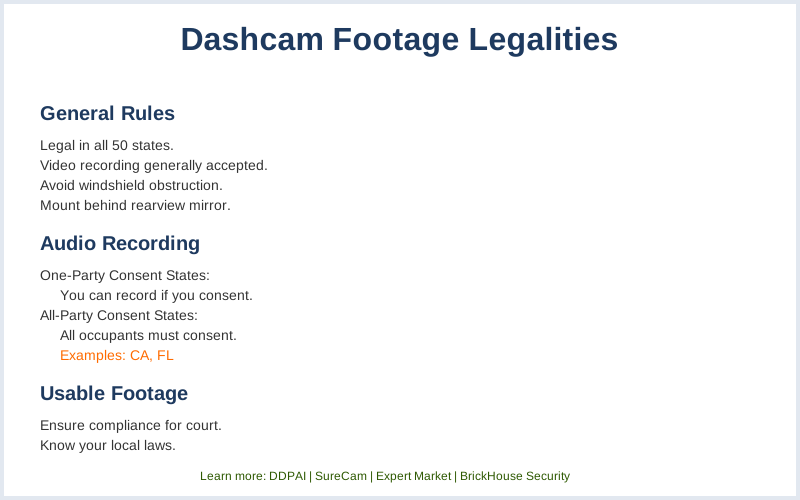
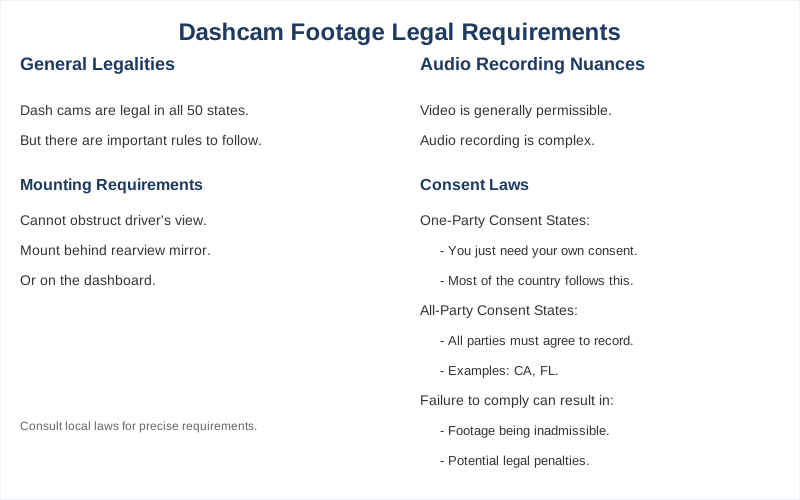
The core answer is that dash cams are legal in all 50 states, but there are definitely strings attached, especially when it comes to audio. Think of it like this: video is usually fine, but audio? That's where things get spicy. Expert Market points out that nearly all states ban windshield obstruction, so you can't just slap it anywhere. My first attempt involved a suction cup that blocked half my view.
The real move is to mount it behind the rearview mirror or on the dashboard. BrickHouse Security says this is key to staying compliant.
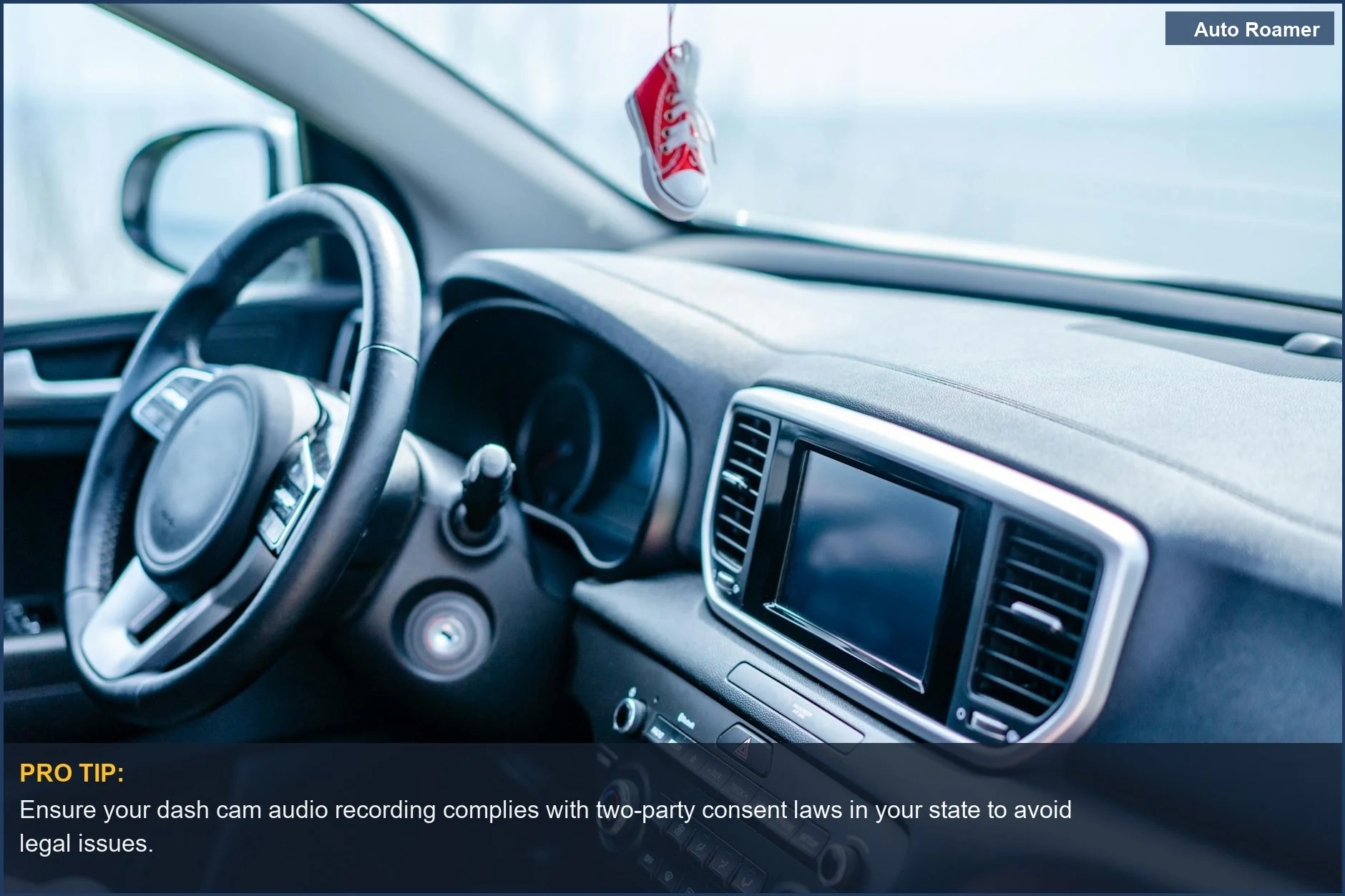
Audio recording is the real minefield. Some states follow 'one-party consent,' meaning if you're aware you're recording, you're golden. That's most of the country. But then you have 'all-party consent' states, like California and Florida, where everyone in the car has to agree to be recorded. Brilliant engineering, right? If you're in one of those states, you either need to get explicit permission from your passengers every single time, or, the more practical move, just turn the audio recording off.
Nexar explains this clearly.
When it comes to using footage in court or for insurance, it generally needs to be relevant and not tampered with. Herbert Ellis mentions that in New Jersey, footage is admissible if it meets certain criteria. So, your dash cam footage can absolutely be your best friend in an accident. But if you recorded audio illegally in an all-party consent state? That footage might not hold up, and you could even face penalties.
It's worth checking your specific state laws before you even buy the thing. My buddy got a $500 fine for recording a passenger without their consent in Illinois. That's more than a decent dash cam setup. DDPAI has a list for all 50 states, so use it. The $50 version of a dash cam might seem like a deal, but a $500 fine is not.
Even if you're not in an all-party consent state, it's often a good idea to inform passengers they're being recorded, especially if you plan to share the footage publicly. This avoids any awkward 'I didn't know I was being recorded' conversations down the line. It's just good practice. JustAnswer has some good points on this too. Ultimately, the goal is to have usable evidence, not a legal headache.
Why This Matters for Your Setup
Why does this matter for your setup? Because a dash cam that records illegal audio is about as useful as a screen door on a submarine.
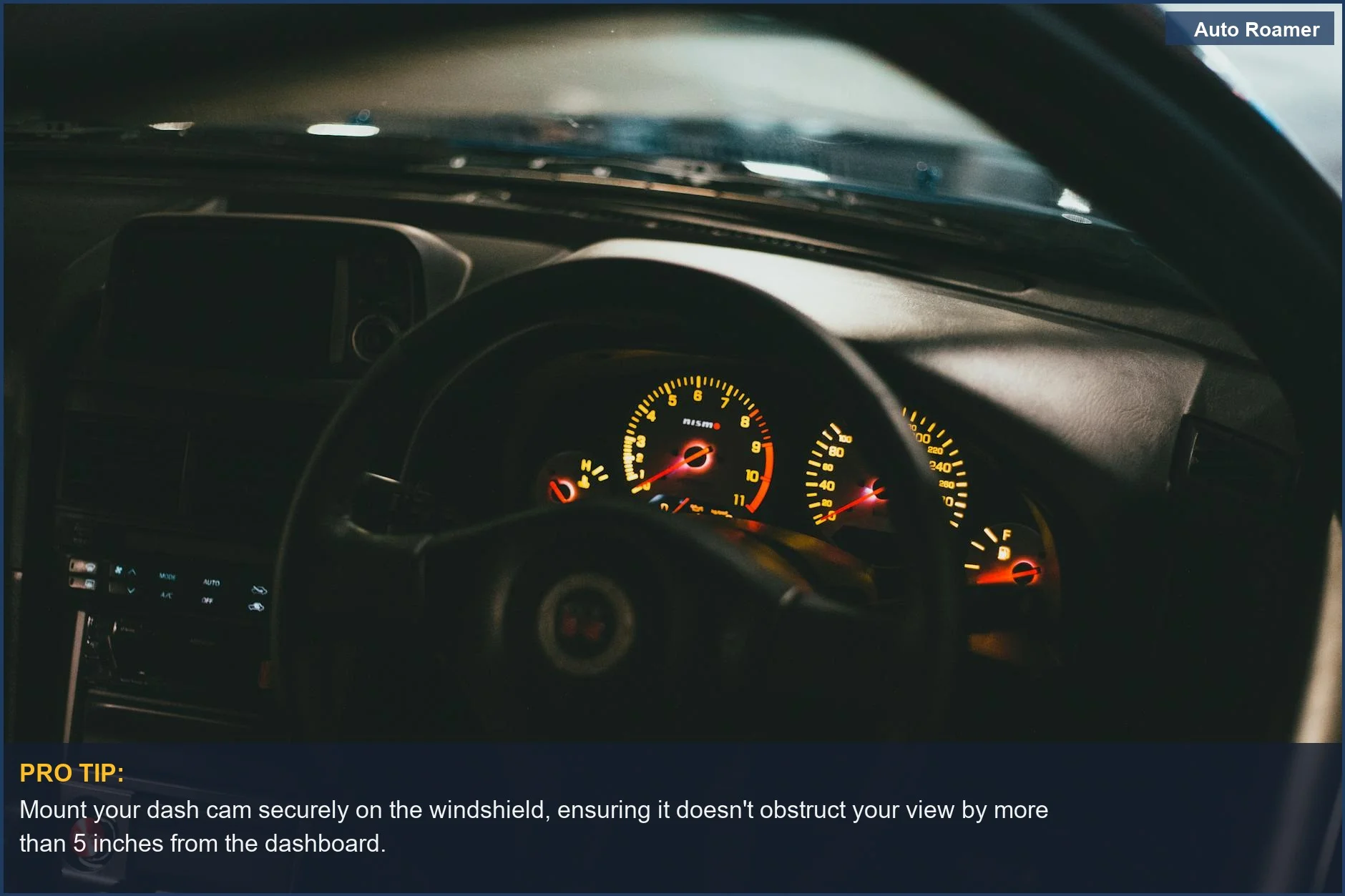
- Mounting is crucial: Don't block your view. My first setup was a disaster, sticking out like a sore thumb. Most states allow mounting behind the rearview mirror or on the dashboard. Expert Market says this is pretty much universal.
- Audio is optional, but check consent: If you're in a one-party consent state, go nuts. If you're in an all-party consent state, like California or Florida, seriously consider turning off the audio or getting written consent.
BrickHouse Security makes this distinction clear.
- Footage admissibility: Even if your cam is legal, the footage has to be relevant and unaltered to be useful in a dispute. Herbert Ellis highlights this for New Jersey, but it's a general rule.
- Privacy is a thing: Don't record private areas or people without consent. It sounds obvious, but people get creative. DDPAI warns against this. Your dash cam is for the road, not for spying.
Making the Right Choice
Making the right choice with a dash cam isn't just about the camera itself, but understanding the rules of the road, literally.
- Know your state's laws: This is non-negotiable. What's legal in Texas might get you a fine in New York. Nexar has state-by-state guides, which are gold.
- Audio or no audio: Decide if you need audio. If you do, understand the consent laws. Turning it off is the simplest fix in tricky states. SureCam advises caution.
- Mounting matters: Avoid obstruction. A clear view is essential for both recording and staying legal.
JustAnswer confirms this is a common concern.
- Footage is evidence: Use it wisely. It's there to protect you, but illegal recording can backfire. Reddit's legal advice section often gets questions about sharing footage, so know your rights and obligations.