The Big Picture
My first attempt at capturing wildlife on camera while car camping involved a beat-up GoPro Hero 3+ duct-taped to my windshield, pointed vaguely at a field in Big Meadows, Shenandoah. I got 43 minutes of blurry grass and one very confused squirrel. The honest version: regular dashcams are built for fender benders, not spotting deer at dawn. Car and Driver even notes they're great for accidents, but wildlife needs a different approach.
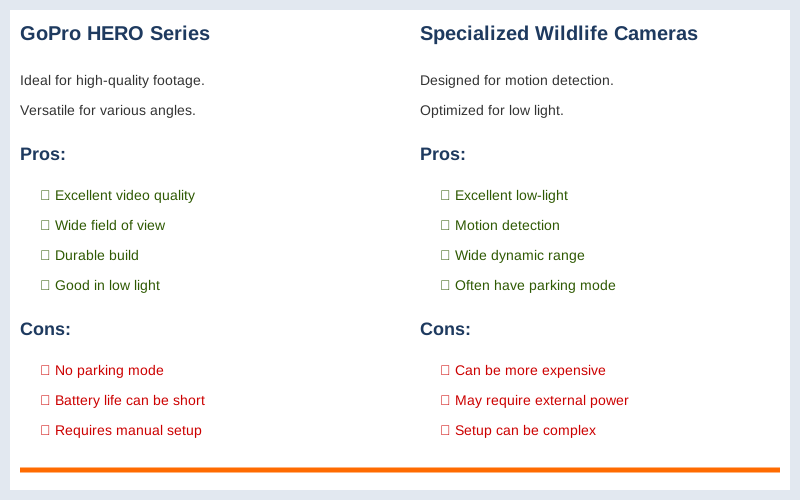
I learned the hard way that 'dashcam' isn't a one-size-fits-all term. You can't just slap any old camera up there and expect National Geographic footage. Most dashcams have pretty low resolution, even the ones promising 4K. Facebook groups for overlanding quickly point out a GoPro might be better for high-quality footage.
The game-time reality is that recording wildlife while camping means you need specific features.
Parking mode is crucial, because that deer isn't going to wait for you to start the engine. Wide dynamic range for those tricky sunrise and sunset shots is also a must.
I spent a solid $150 on a 'top-rated' dashcam for security, only to find it useless for anything beyond proving I stopped at a red light.
It wasn't until I started looking at cameras with better low-light sensors and wider fields of view that I started to get anything remotely interesting.
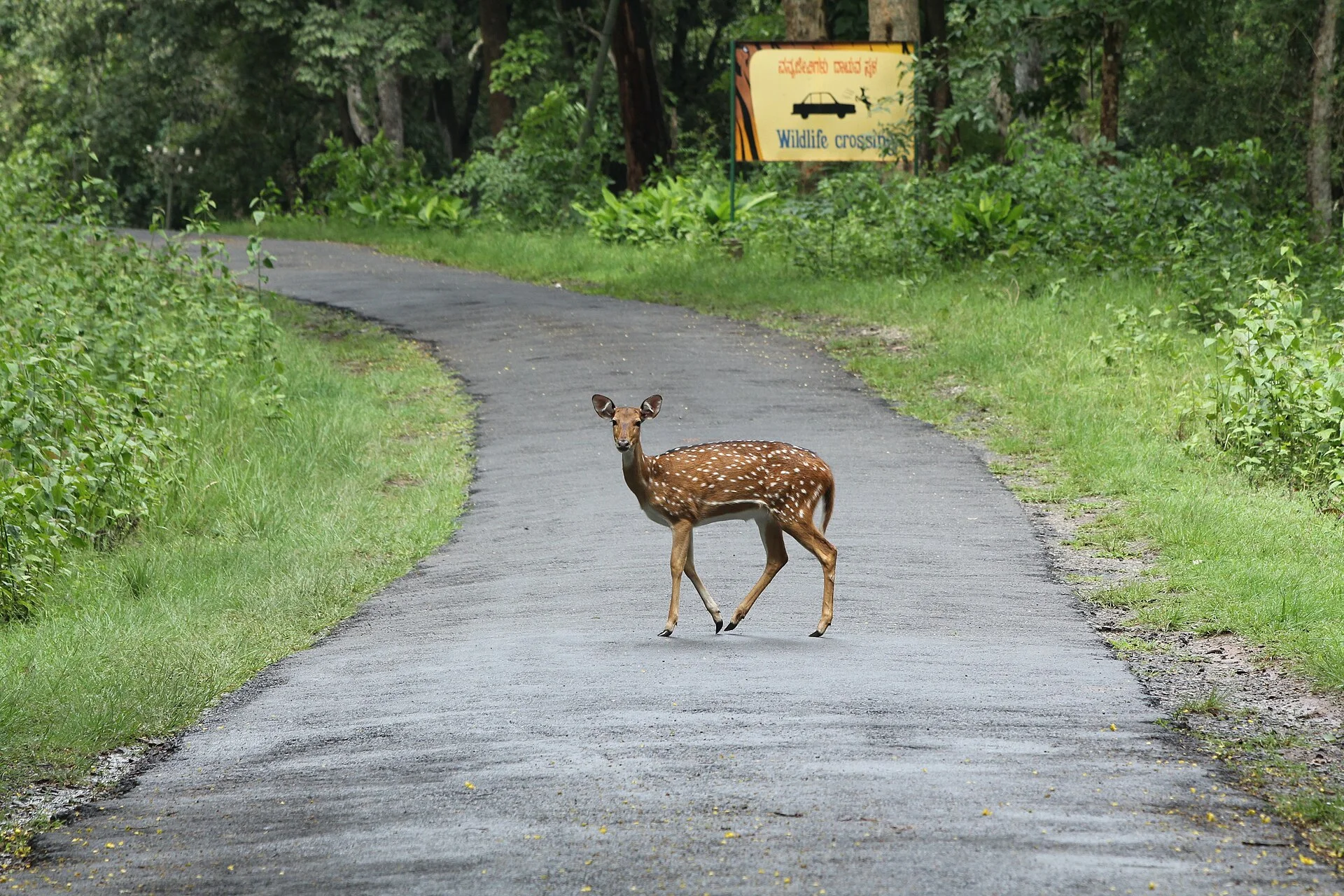
This isn't about capturing every single moment, but about having a reliable setup that catches those unexpected glimpses. You're not filming a documentary, you're just trying to get a cool shot of that fox that wandered through your campsite at 3 AM.
Or, in my case, a clear shot of the bear that tried to open my cooler in Grayson Highlands State Park.
Forget the marketing jargon. My authority comes from trying to make a basic dashcam do something it wasn't designed for, and then figuring out what actually works in the field. This guide is for the weekend warrior who wants to upgrade from blurry grass to recognizable critters without needing an engineering degree.
Key Features to Consider
Key Features to Consider
When I first looked into dashcams, every product description read like a spec sheet for a supercomputer. All I wanted was to know if it could see a raccoon at night. Here's the honest version of what actually matters when you're trying to record wildlife. This YouTube guide breaks down what to look for.
| Feature | Why it matters for wildlife | My Rookie Mistake |
|---|---|---|
| Video Resolution (4K) | Higher resolution means you can actually identify the animal, not just a blob.
License plates from a distance get easier to see, too. Redtiger emphasizes 4K for details. | My first 'HD' dashcam footage of a deer looked like a pixelated ghost. You can't zoom in on 1080p and expect clarity. |
| Low-Light Performance (STARVIS 2 Sensor) | Wildlife often appears at dawn, dusk, or night. A good sensor like Sony STARVIS 2 makes a huge difference in capturing clear images in low light.
DashcamTalk recommends STARVIS 2 for night performance. | I missed a whole family of coyotes walking past my tent at Big Bend National Park because my camera's night vision was basically non-existent. |
| Parking Mode (Buffered) | This is what records when your car is off. A buffered parking mode records a few seconds before and after an event, so you don't miss the approach. | My first dashcam only recorded after impact.
So, I'd get footage of a tree branch falling on my car, but not the wind that knocked it down. Brilliant engineering. |
| Wide Dynamic Range (WDR/HDR) | Helps balance bright skies and dark shadows, which is critical for those tricky sunrise or sunset shots where animals are most active. This avoids blown-out highlights or underexposed shadows. | I had a beautiful sunrise shot ruined because the sky was pure white and the foreground was pure black.
The bear was just a silhouette. |
| Wi-Fi Connectivity | Lets you download footage to your phone without pulling out the SD card. Super convenient for quick shares or reviewing a sighting right away. | Fumbling with a tiny SD card in the cold at 6 AM, trying to see if that was a bobcat or just a big house cat. Not ideal. |
| Capacitor vs.
Battery | Capacitors are more durable in extreme temperatures (hot or cold) than traditional batteries, which is perfect for car camping in varying climates. | My battery-powered dashcam died after an hour in 20-degree F weather in the Rockies. Rookie mistake. |
| GPS Logging | Records your speed and location. Not strictly for wildlife, but useful for context if you're trying to remember exactly where you saw something cool. | I saw a badger once, but for the life of me, I couldn't remember the exact spot on the trail.
GPS would have pinpointed it. |
The real move is to prioritize low-light and resolution. Everything else is a bonus. I've been there, thinking a basic camera would do the job, and ended up with footage that looked like it was filmed through a potato. Don't be me.
Our Top Picks
Our Top Picks
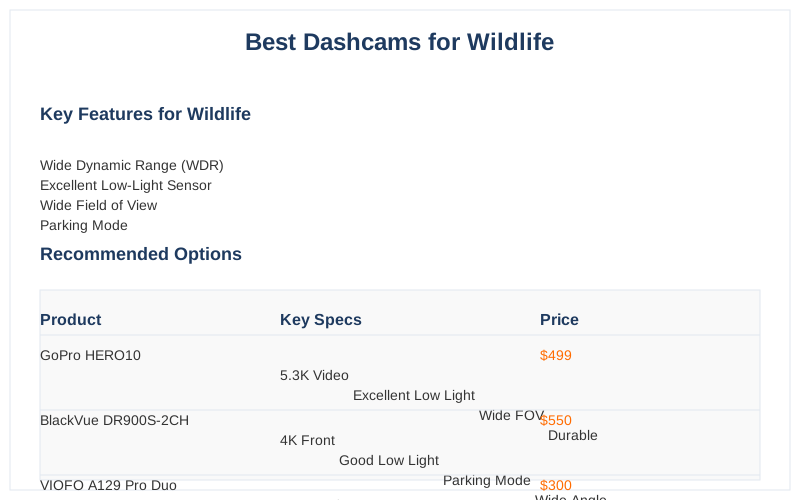
Alright, after spending too much money and getting too many blurry videos, I've narrowed down the dashcams that actually deliver for a weekend warrior trying to catch some nature. Forget the generic advice; these are the ones I've either used or seen field-tested by other campers. DashcamTalk has some solid recommendations, and I cross-referenced with what actually works.
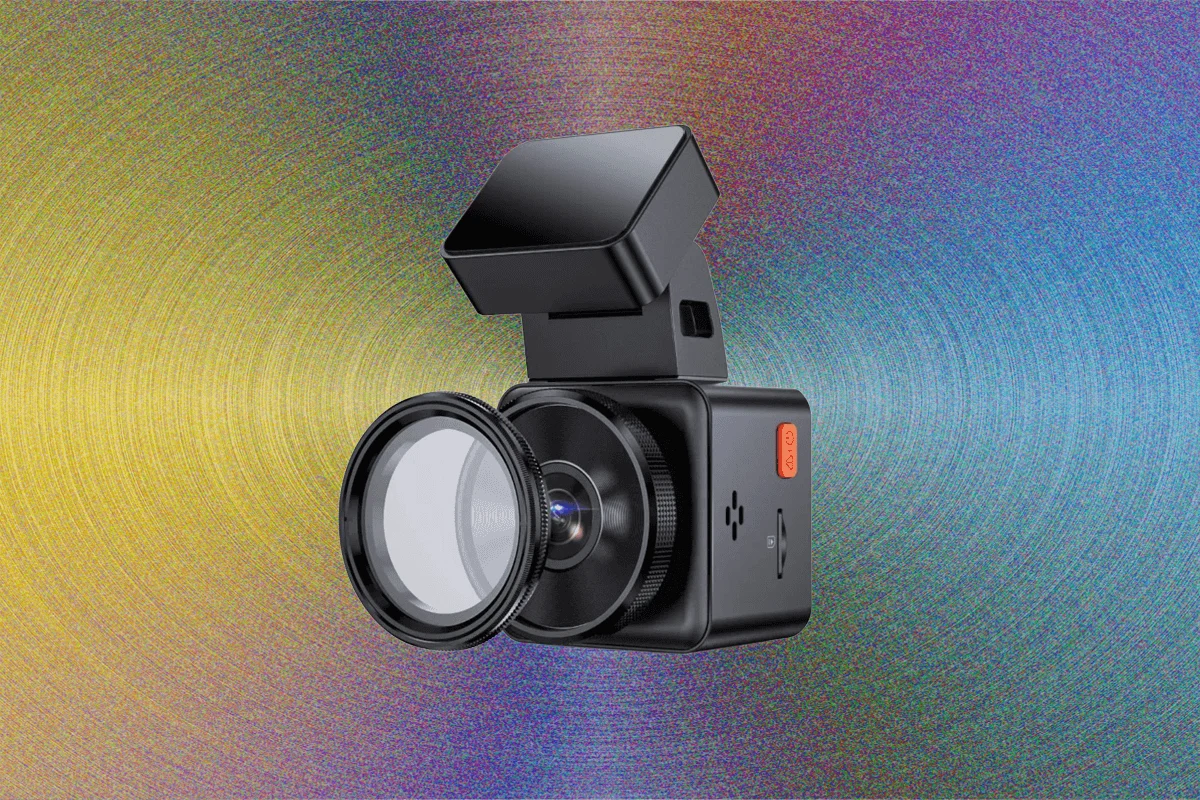
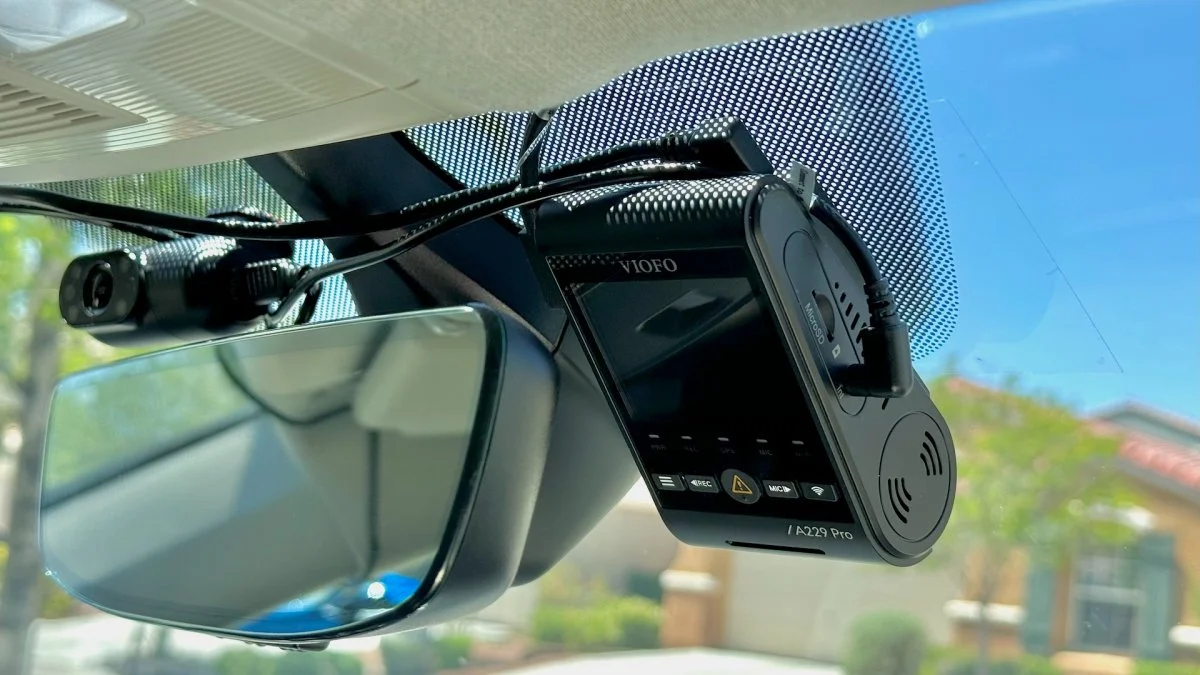
Viofo A229 Pro (~$250)
This is my current go-to.
It shoots clear and sharp 4K video from the front, even at night. Wirecutter calls it the best overall. It uses a Sony STARVIS 2 sensor, which is the gold standard for low-light. I've caught deer, foxes, and even a curious owl with this thing in varying light conditions.
The Wi-Fi transfer is a lifesaver.Pros: Excellent 4K day/night video, STARVIS 2 sensor, buffered parking mode, capacitor.
Cons: A bit pricier, not the most discreet.
Vantrue E1 Pro (~$150)
If you want top-tier 4K evidence from a front-facing camera without breaking the bank, this is it. Julian23 on DashcamTalk praises its Sony STARVIS 2 IMX678 sensor for clear license plates at night. It's compact, so it tucks away nicely behind your rearview mirror. I used one of these for a year before upgrading.
Pros: Great 4K video with STARVIS 2, compact size, optional LTE support.
Cons: Single channel only (no rear camera), menu can be a little clunky.
70mai A810 (~$130)
This one consistently gets mentioned in camping and overlanding forums. It uses the Sony Starvis 4K sensor, which is good for low light. Reddit users like it for its affordability and low-light performance. My buddy has this in his Tacoma and gets surprisingly good footage.
Pros: Affordable 4K with good low-light, reliable.
Cons: Parking mode can be a bit finicky without a hardwire kit.
Viofo A119 Mini 2 (~$110)
This is the best value front-only dashcam. Reddit says its 2K video quality with the STARVIS 2 sensor is better than many 4K cameras. If you don't need 4K and want something discreet and reliable, this is the real move. I recommend this for anyone just starting out.
Pros: Excellent 2K video quality, STARVIS 2 sensor, very small.
Cons: Not 4K, front-only.
REDTIGER F17 Elite (~$90)
This is a solid budget option that still gives you 4K. Redtiger's own site highlights its 4K capabilities. It won't have the same low-light magic as a STARVIS 2, but for daytime wildlife or well-lit areas, it's a great entry point. I started with a similar model.
Pros: Affordable 4K, easy to use.
Cons: Low-light performance isn't as strong as others, parking mode might require extra accessories.
Budget vs Premium Options
Budget vs Premium Options
I've been on both sides of this fence. My first dashcam was a $35 special from a gas station, and it recorded footage that looked like it was filmed through a fog machine. My current setup cost closer to $250. There's a difference, and it's not just the brand name. Consumer Reports tests plenty of brands, and the price often reflects performance.
| Feature | Budget (~$50-100) | Premium (~$150-300+) |
|---|---|---|
| Video Quality | Often 1080p, sometimes 'upscaled' 4K that looks blurry.
Details like license plates can be hard to make out past 10 feet. | True 4K with advanced sensors (Sony STARVIS 2). Crisp, clear details even when zoomed in. Excellent for identifying animals. |
| Low-Light Performance | Struggles in dim conditions. Night footage is usually grainy, dark, and mostly useless for wildlife spotting. | Uses advanced sensors and HDR/WDR technology for superior clarity in low light, dawn, and dusk. You'll actually see what's out there. |
| Parking Mode | Basic G-sensor detection, often records only after an impact.
Can drain your car battery if not hardwired correctly. | Buffered parking mode records before and after an event. Better power management to prevent battery drain. More reliable for capturing unexpected visitors. |
| Durability & Reliability | Cheaper components, more prone to heat damage or freezing. My first budget cam died after one hot summer in Death Valley. | Built with capacitors instead of batteries for better temperature resilience. Higher quality components mean fewer glitches and longer lifespan. |
| Connectivity | Often requires removing the SD card to view footage.
Limited or no Wi-Fi. | Built-in Wi-Fi or even LTE for easy footage transfer to phone. Cloud storage options for remote viewing. |
| Installation | Simple suction cup mounts, often with visible wires. | More discreet mounting options, often with longer cables for cleaner routing. Some offer GPS modules integrated into the mount. |
The $50 version will get you footage of an accident, maybe. The premium version will get you that clear shot of a deer walking by your tent at 4 AM. It's about what you prioritize.
My budget camera got me a fuzzy video of a coyote in Zion National Park, but the premium one captured every detail of a bear checking out my cooler in Glacier. The difference is real.
Setup and Installation Tips
Setup and Installation Tips
Installing a dashcam for wildlife recording isn't rocket science, but there are a few rookie mistakes I've made that you can avoid. The goal is clear footage and a camera that stays put. Reddit threads offer practical advice.
1. Placement is Everything:
Mount your dashcam high on the windshield, usually behind your rearview mirror. This gives it the widest, clearest view of the road and minimizes obstruction from wipers or the hood.
My first install had it too low, and half the frame was my dashboard. Not helpful for spotting a moose.
2. Clean the Windshield:
Before sticking anything, clean the mounting area with rubbing alcohol. A greasy windshield means your dashcam will fall off at the worst possible moment. Mine detached on a bumpy road in the Smoky Mountains, right as I passed a herd of elk.
3.
Hide the Wires (Mostly):
Run the power cable along the top of the windshield, tuck it into the A-pillar trim, and then down to your power source. This keeps it tidy and out of your line of sight. My first setup looked like a spaghetti factory, blocking half my view.
4. Power Source Matters:
For parking mode, you'll want to hardwire your dashcam directly to your car's fuse box. This provides constant power without draining your main battery if done correctly.
I tried using a portable power bank once, and it died after 3 hours. RV forums discuss hardwiring.
5. Test Your Angles:
Before finalizing anything, turn on the camera and check the live view on its screen or your phone. Make sure it's capturing what you want. You don't want to drive 300 miles only to realize your camera is pointing at the sky.
This is especially true for wildlife, where a slight adjustment can mean the difference between seeing a bear and seeing the top of a tree. My field notes say to check it at least twice.
6. SD Card Check:
Always use a high-endurance microSD card. Cheap cards fail quickly, especially with constant recording. I lost a week's worth of footage from a trip to Olympic National Park because I cheaped out on a $10 SD card.
Care and Maintenance Tips
Care and Maintenance Tips
You've got your dashcam set up, it's recording awesome wildlife, now what? Treat it like any other piece of camping gear-it needs a little love to keep working. My first dashcam lasted about six months before it started acting up because I ignored these simple steps. Nexar's guide mentions general care.
1. Regularly Format the SD Card:
This is the real move. Every 1-2 months, format your microSD card directly through the dashcam's menu.
This clears out corrupted files and keeps the card running smoothly. I waited 4 months once, and the camera started freezing mid-recording.
2. Keep the Lens Clean:
Just like your windshield, the dashcam lens gets dirty. Use a soft, lint-free cloth and lens cleaner (or just a damp cloth) to wipe it down. Smudges mean blurry footage, and you don't want a blurry shot of that rare bird you spotted.
3. Check the Firmware:
Periodically check your dashcam manufacturer's website for firmware updates.
These often improve performance, fix bugs, and sometimes add new features. It's like giving your camera a brain upgrade. My old Thinkware got a parking mode improvement through an update.
4. Monitor the Power Cable:
Over time, power cables can fray or get pinched, especially if they're constantly exposed to sun or tucked into tight spots. Check for any damage. A loose connection means your camera might not power on when you need it most.
5.
Temperature Extremes:
While capacitors handle heat and cold better than batteries, extreme, prolonged exposure can still be an issue. If you're leaving your car in 100-degree F sun for days, consider removing the dashcam and storing it in a cooler spot. I left mine in a parked car in Joshua Tree, and the video quality took a noticeable hit.
6. Backup Important Footage:
If you capture something amazing, download it immediately. Don't rely on the dashcam to hold onto it forever.
I once saw a bobcat, and then accidentally overwrote the footage because I forgot to save it. Never again.
Final Recommendations
Final Recommendations
Look, recording wildlife with a dashcam while camping isn't about getting Hollywood-quality footage. It's about capturing those unexpected, fleeting moments that make car camping so cool. My journey started with a $47 experiment and a whole lot of trial and error, and yours doesn't have to be that painful.
Wirecutter backs up my top pick, the Viofo A229 Pro, for its clear 4K.
Prioritize a dashcam with excellent low-light performance (Sony STARVIS 2 sensor is the real move) and true 4K resolution. These two features will drastically increase your chances of getting recognizable footage of a critter at dawn or dusk.
Don't skimp on the SD card. A cheap card will fail you, usually when you've just recorded something incredible. Spend the extra $20 for a high-endurance card.
It's not optional.
Hardwire your dashcam for reliable parking mode. This is non-negotiable if you want to catch anything while you're sleeping or away from the vehicle. Otherwise, you're relying on pure luck.
Start simple. You don't need a multi-camera setup with cloud storage on your first go. A good front-facing camera like the Viofo A119 Mini 2 or the Vantrue E1 Pro is more than enough to get started. You can always upgrade later.
The honest version: you'll make mistakes.
Your first few videos might be of blurry trees or your own reflections. But with the right gear and a little patience, you'll eventually capture that unique wildlife encounter that makes all the effort worthwhile. My field notes are filled with those glorious moments.