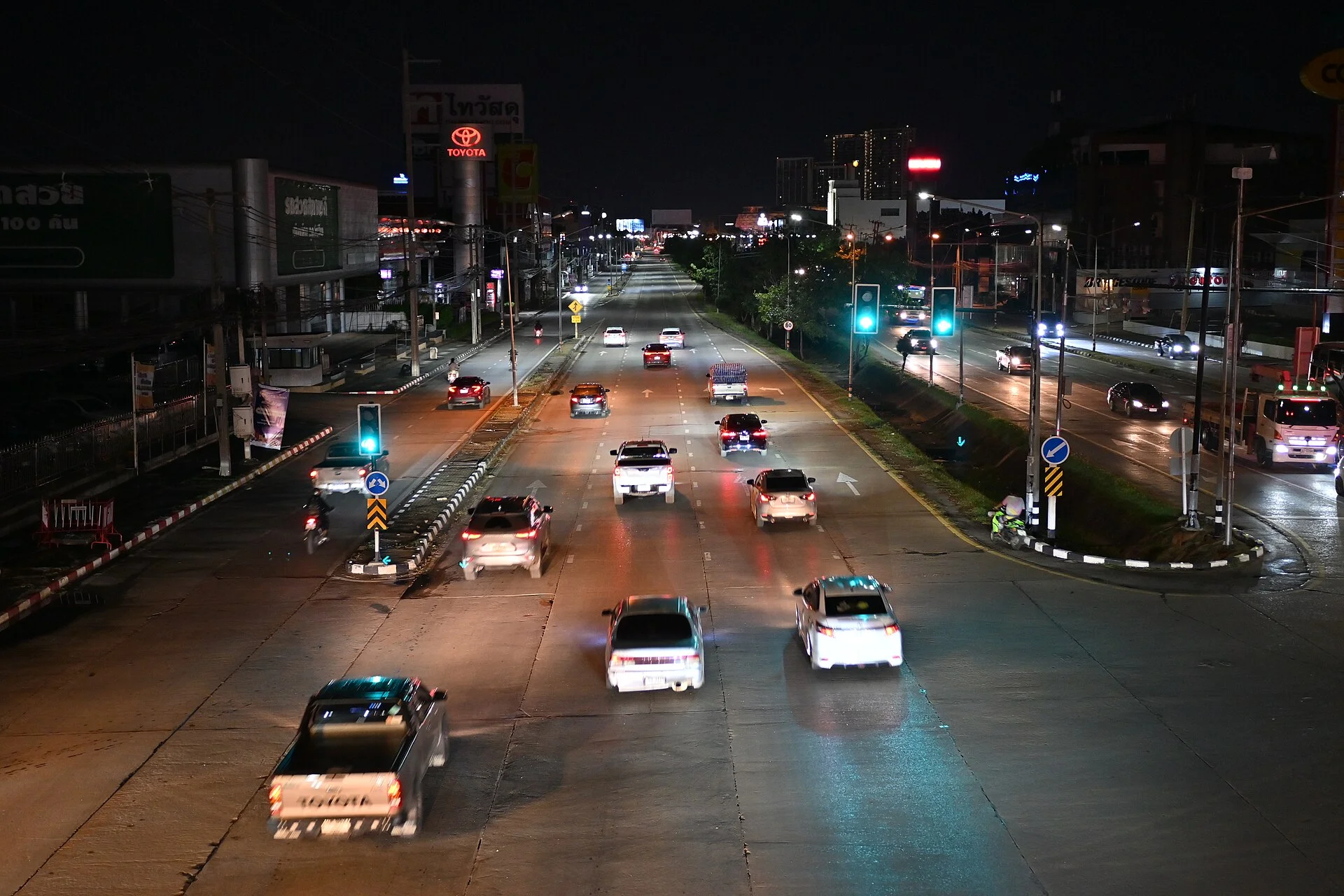
The Big Picture
Forget the 'experience' of driving at night; let's talk about photon capture rates and sensor noise. A cheap dashcam gives you pixelated garbage when you need a license plate number, and that's a liability, not a convenience. Enough forum posts lament blurry footage to make clear that expecting a $50 camera to perform in 0.001 lux conditions is pure delusion.
You need something that actually works when the sun drops below the horizon, not just a black box that fills an SD card with useless data. backs this up, pointing to specific sensor tech as critical for night performance.
The typical 1080p sensor on a budget cam has a dynamic range that chokes on headlight glare and washes out shadows into a black void. It's like trying to photograph a black cat in a dark basement with a disposable camera. The physics of light dictates that smaller pixels and lower quality optics simply can't gather enough photons to resolve detail. This isn't magic; it's a fundamental limitation of the photodiode array and lens aperture.
You're paying for a specific signal-to-noise ratio, not just a resolution number.
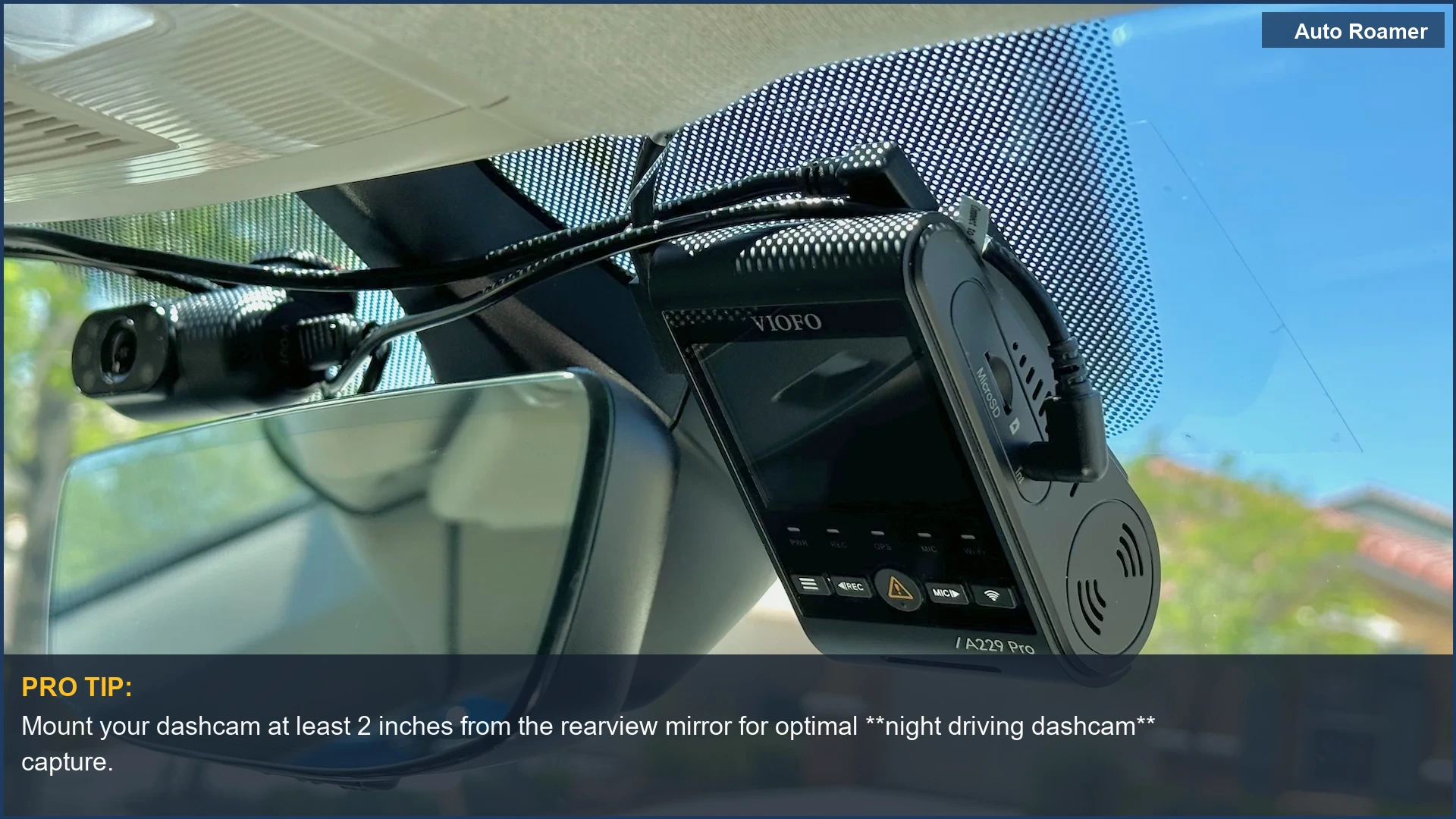
Then there's the power delivery. Many budget units use lithium-ion batteries that swell like a stressed toad in a hot car, especially when the cabin hits 140 degrees F in direct sunlight. This thermal cycling degrades the electrolyte and can lead to internal short circuits. VIOFO wisely opts for supercapacitors, which handle extreme temperatures without the puff-up risk, prioritizing longevity over a few pennies saved.
Getting actual usable footage means investing in proper sensor technology, specifically Sony STARVIS 2. Car and Driver found that even good cameras can produce blurry details in low light without it. This isn't just a marketing buzzword; it's a measurable improvement in light sensitivity and dynamic range. Without it, you might as well be recording with a potato, and an insurance claim will laugh you out of their office.
Top Picks
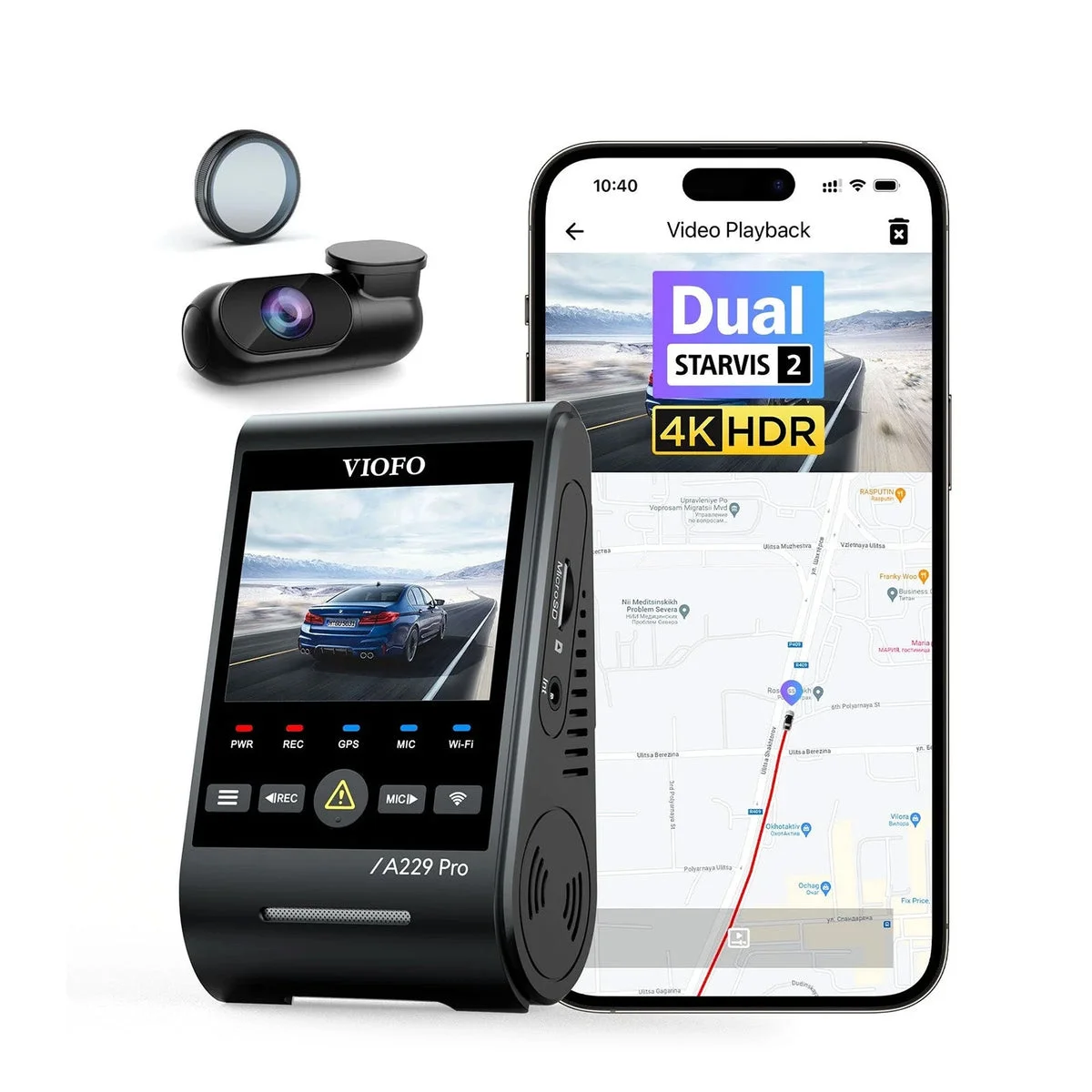
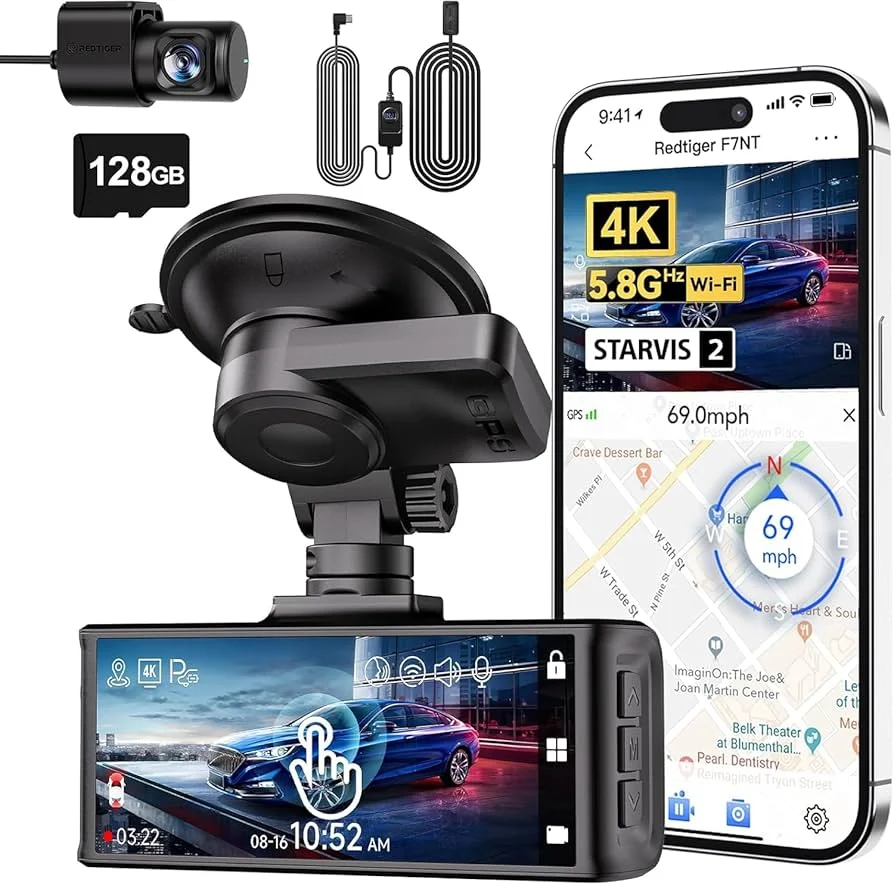
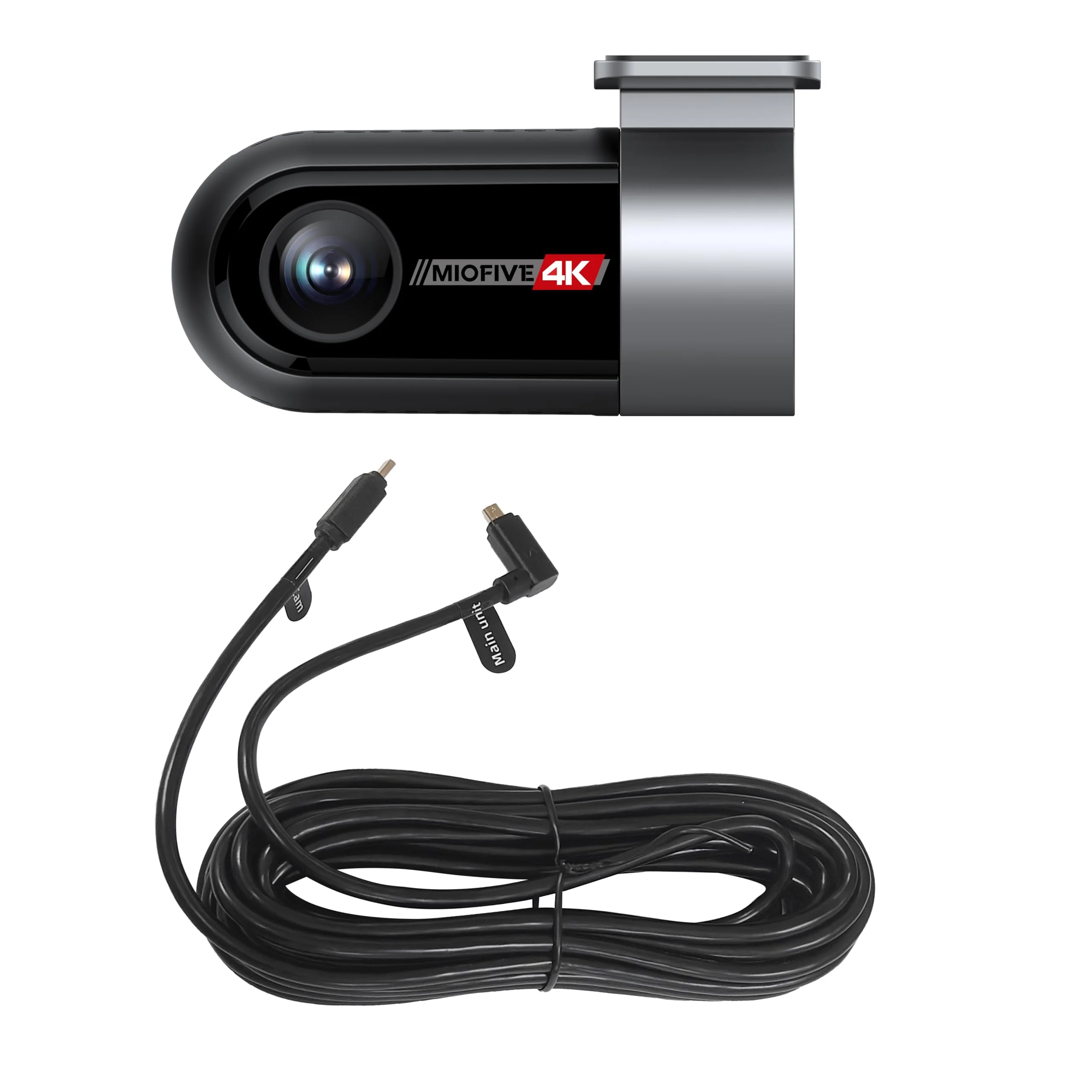
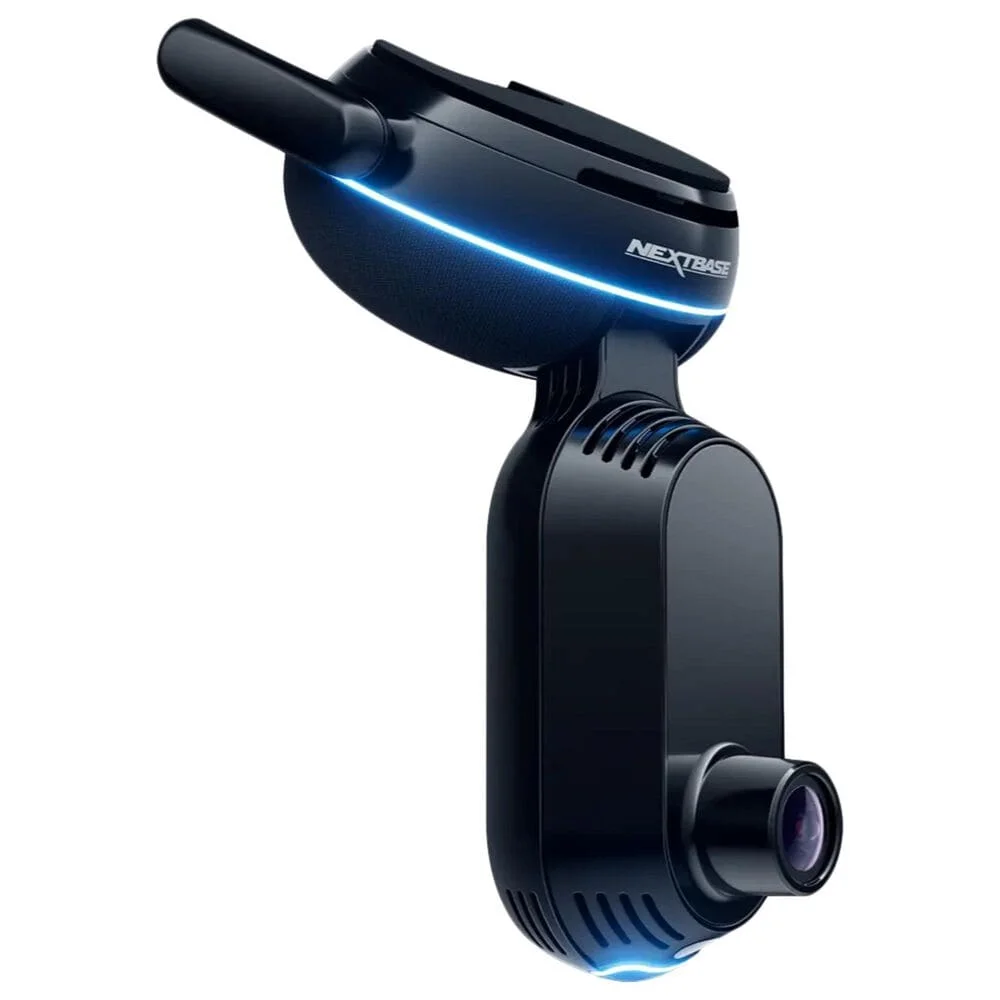
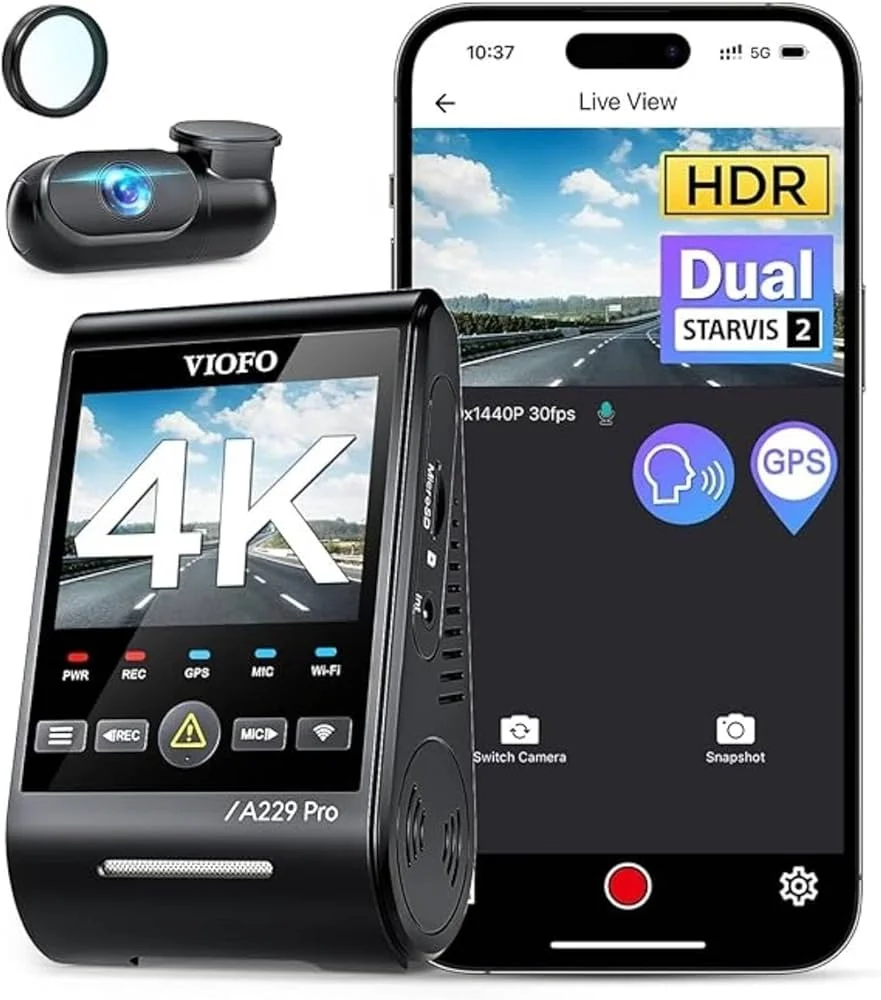
- Specs: 4K front (Sony STARVIS 2 IMX678), 2K rear (Sony STARVIS 2 IMX675), 140-degree front FOV, GPS, 5GHz Wi-Fi.
- Pros: Exceptional clarity in low light, license plate capture is king, supercapacitor for thermal stability. Wirecutter agrees, praising its low-noise images.
- Cons: Price tag is higher than budget options, app can be finicky.
- Best-for: Drivers prioritizing absolute video fidelity and detail in all lighting conditions, especially at night.
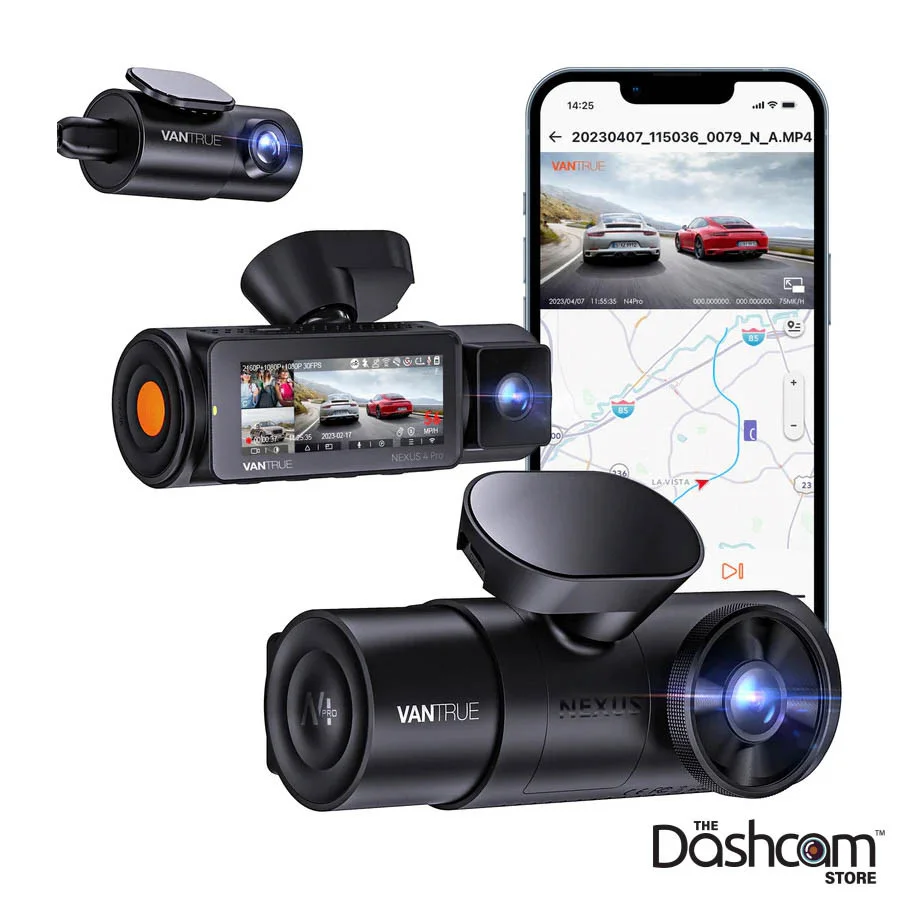
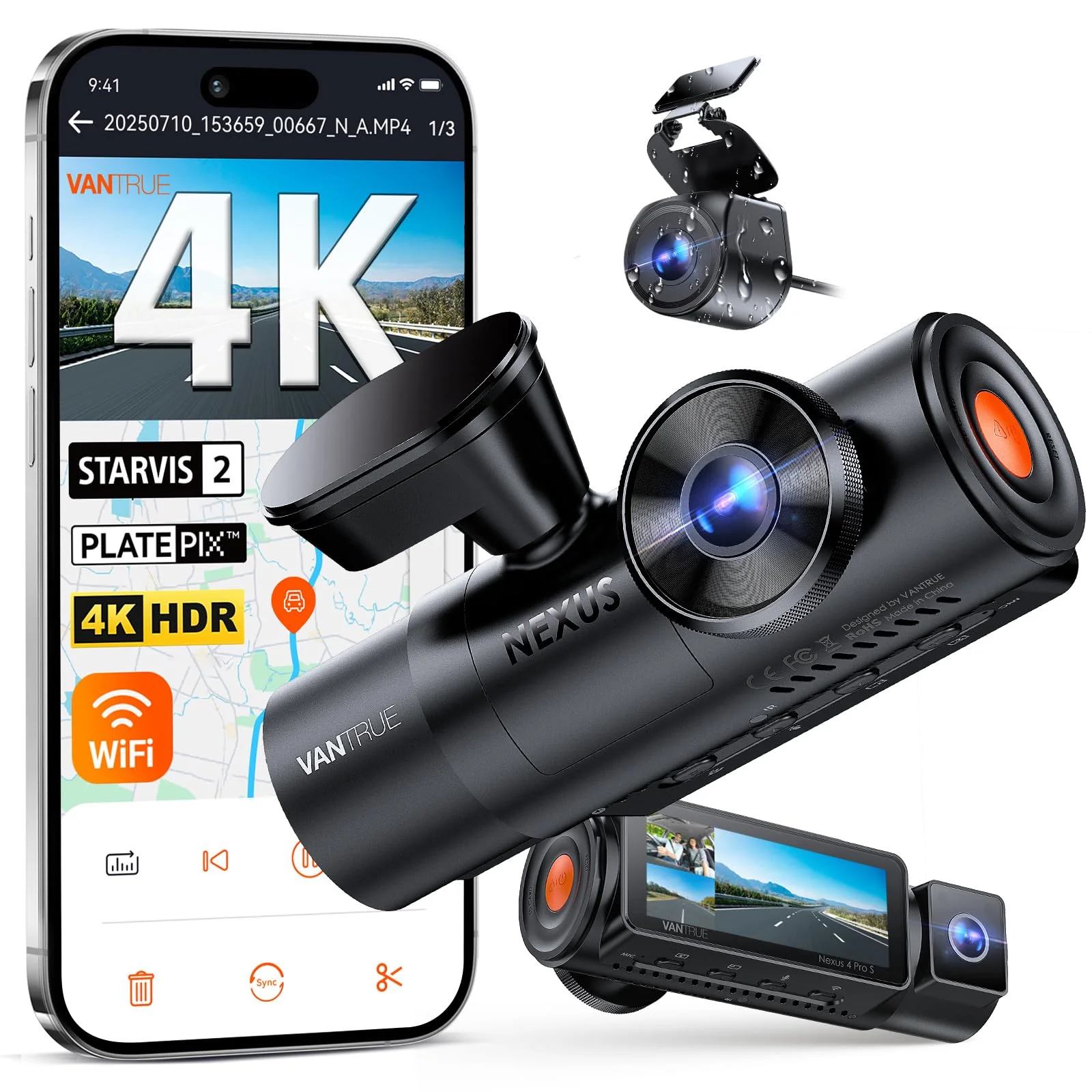
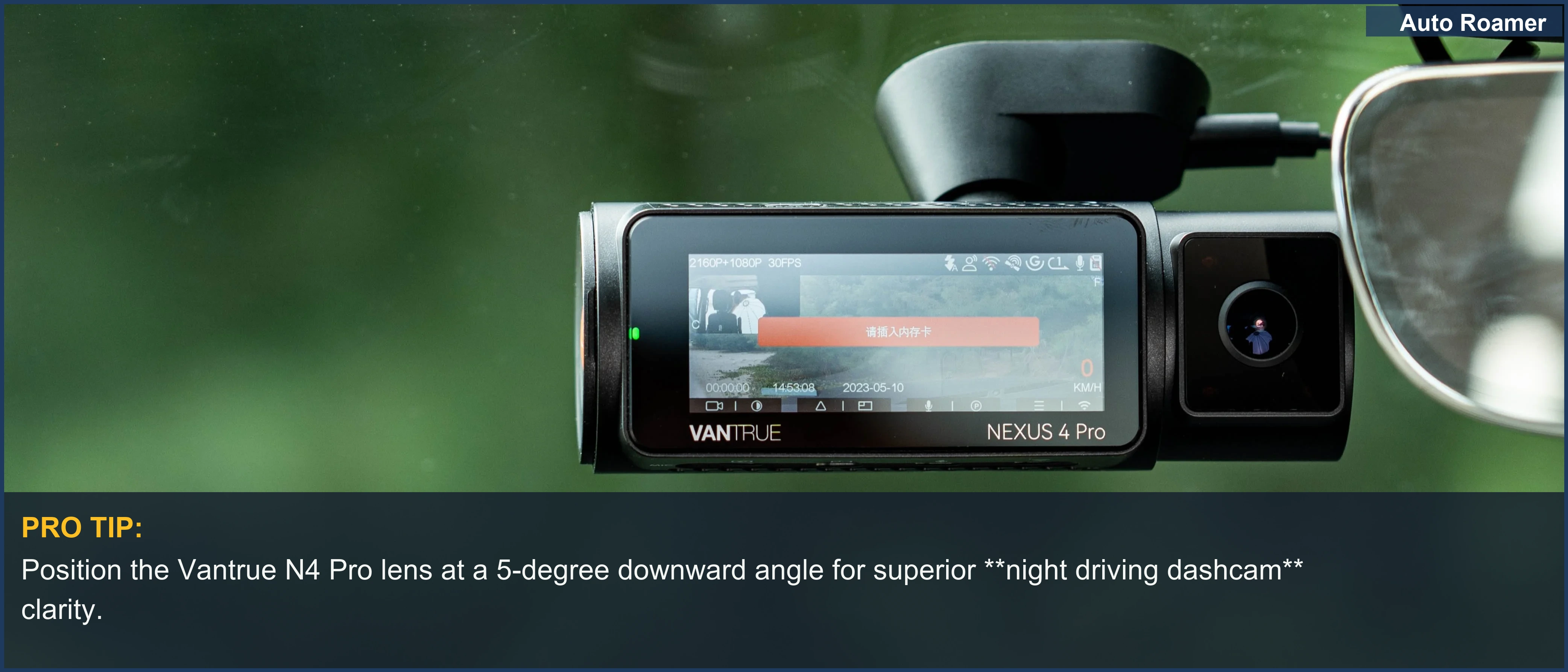
- Specs: 4K front (Sony STARVIS 2 IMX678), 1080p interior (STARVIS), 1080p rear (STARVIS), 155-degree front FOV, Wi-Fi.
- Pros: Triple-channel recording with excellent interior night vision, robust build quality, good parking mode options. Reddit users often point to the N4 Pro's excellent night vision.
- Cons: Higher price point, interior camera adds complexity to installation.
- Best-for: Rideshare drivers or anyone needing full 360-degree coverage, including cabin surveillance, with top-tier night performance.
- Specs: 4K front (Sony STARVIS 2 IMX678), 1080p rear (optional), 150-degree FOV, GPS, ADAS.
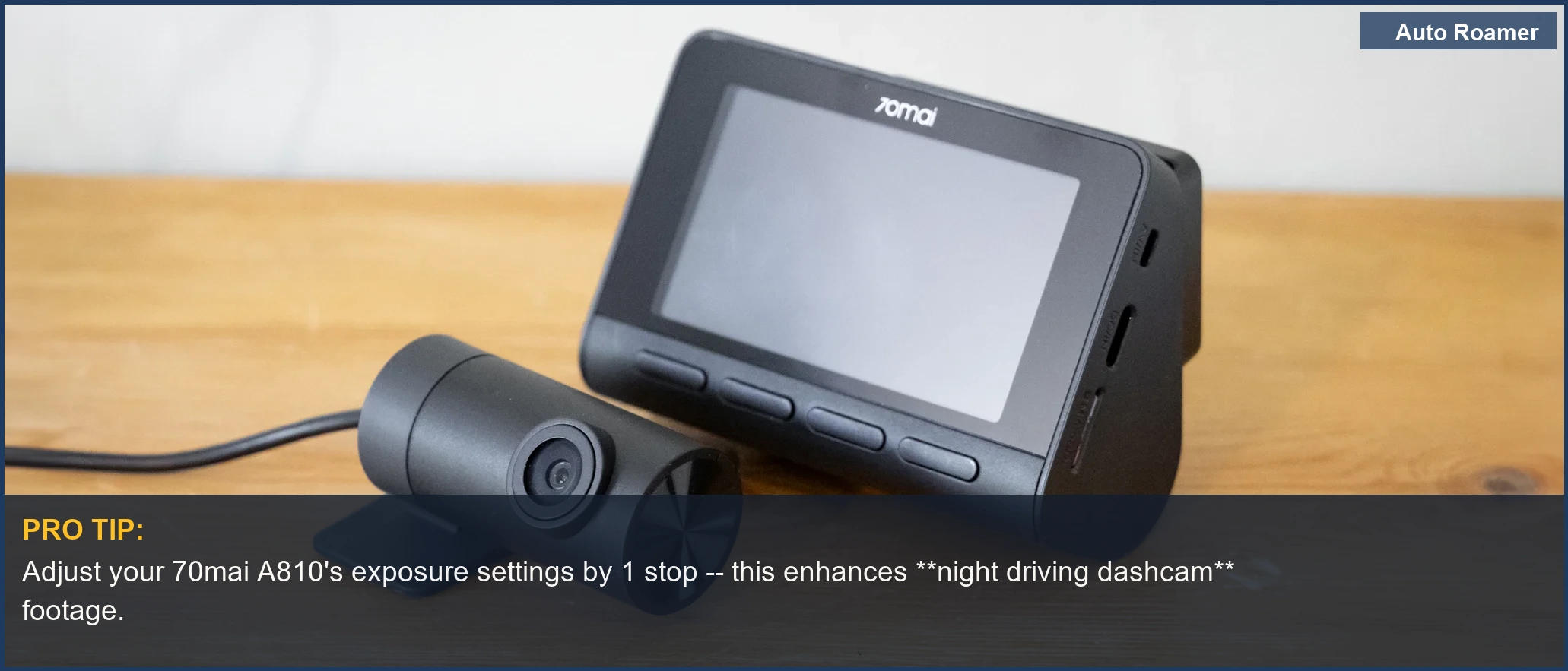
- Pros: Excellent 4K front recording with STARVIS 2 at a competitive price, good dynamic range. Julian23 on Dashcamtalk rates the 70mai T800 as a great all-rounder, and the A810 follows suit.
- Cons: Rear camera is often a separate purchase, ADAS features can be annoying.
- Best-for: Budget-conscious drivers who want the best possible front-facing night vision without breaking the bank for a full multi-channel setup.
- Specs: 2K QHD (Sony STARVIS 2 IMX675), 140-degree FOV, GPS, Wi-Fi, compact size.
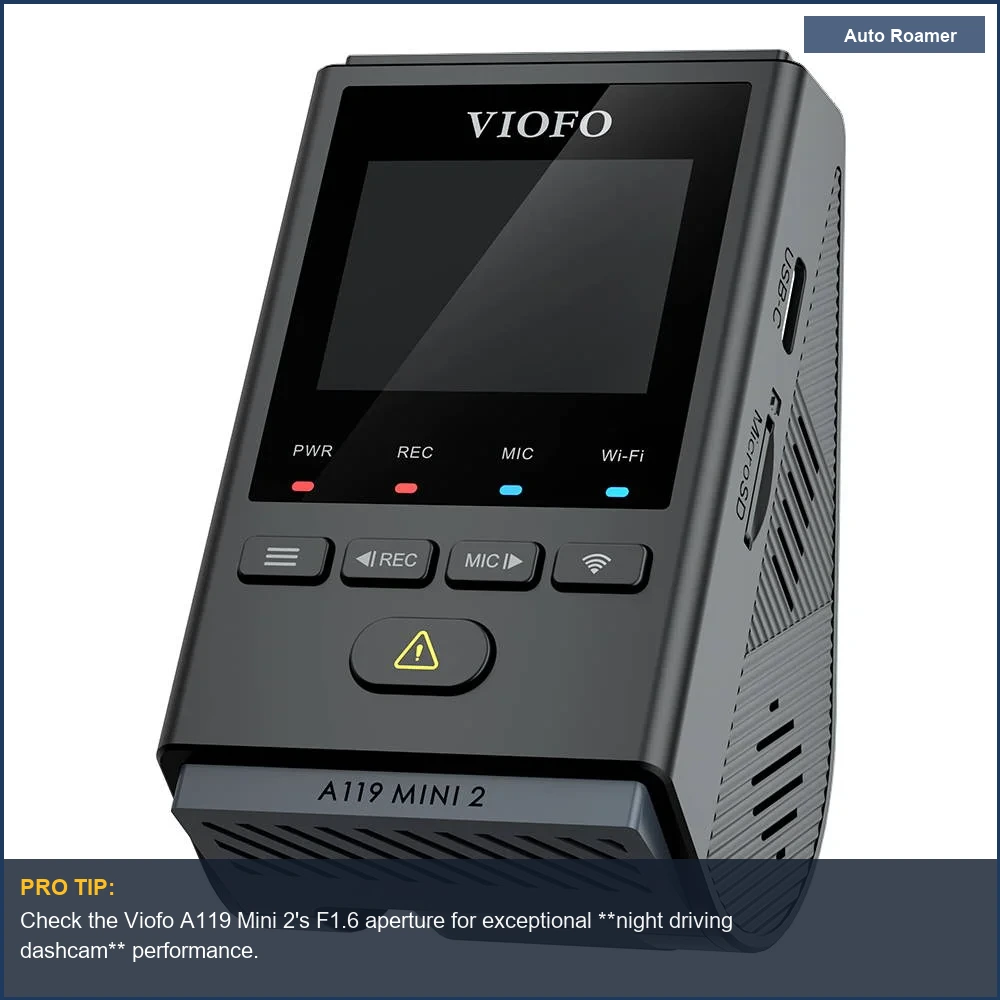
- Pros: Small footprint, surprisingly good night vision for its price and size, supercapacitor. VIOFO highlights the A119 Mini 2 as having STARVIS 2 across its lineup, even entry-level.
- Cons: Only single channel, maxes out at 2K.
- Best-for: Minimalist setups where stealth and reliable front-facing night recording are paramount, without needing 4K resolution.
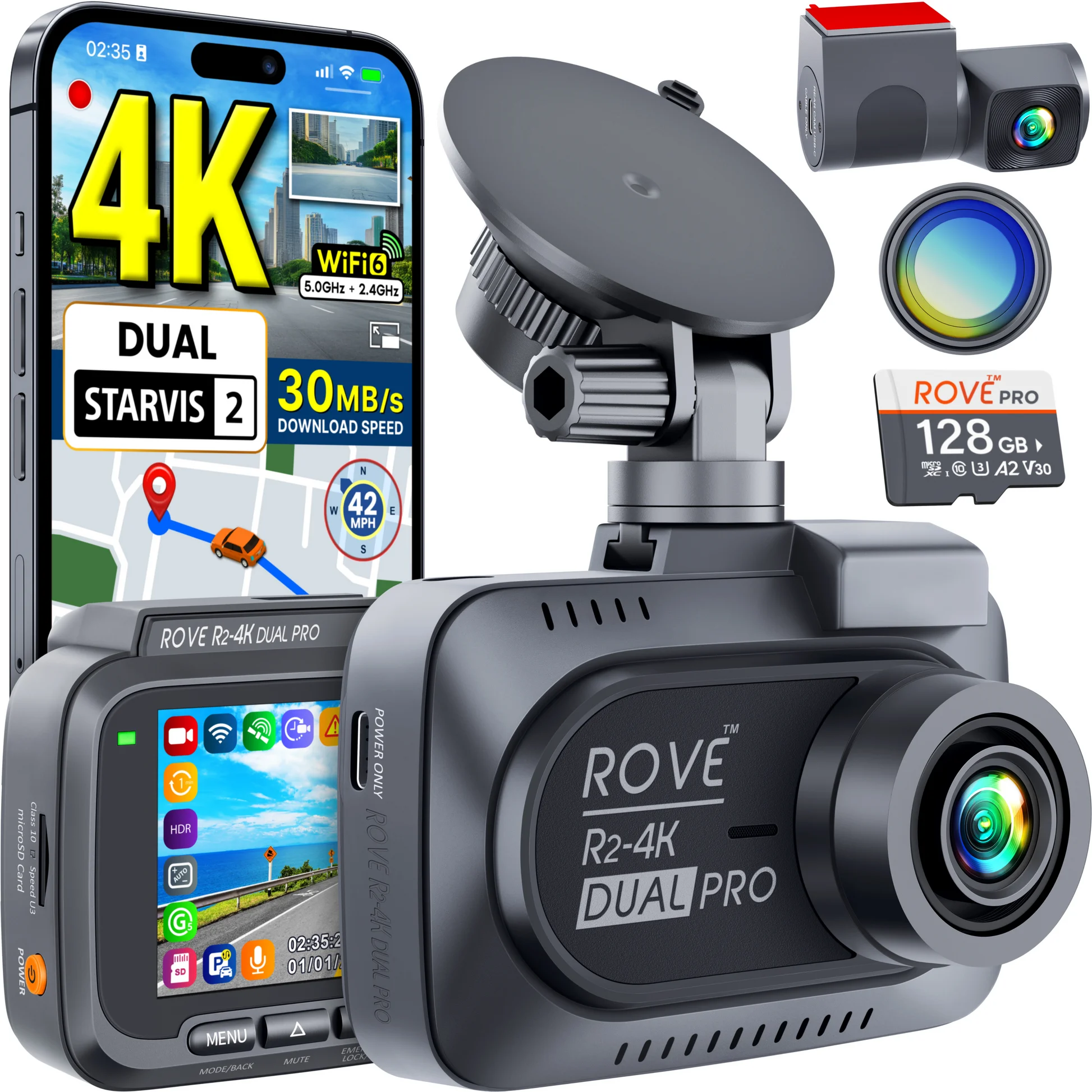
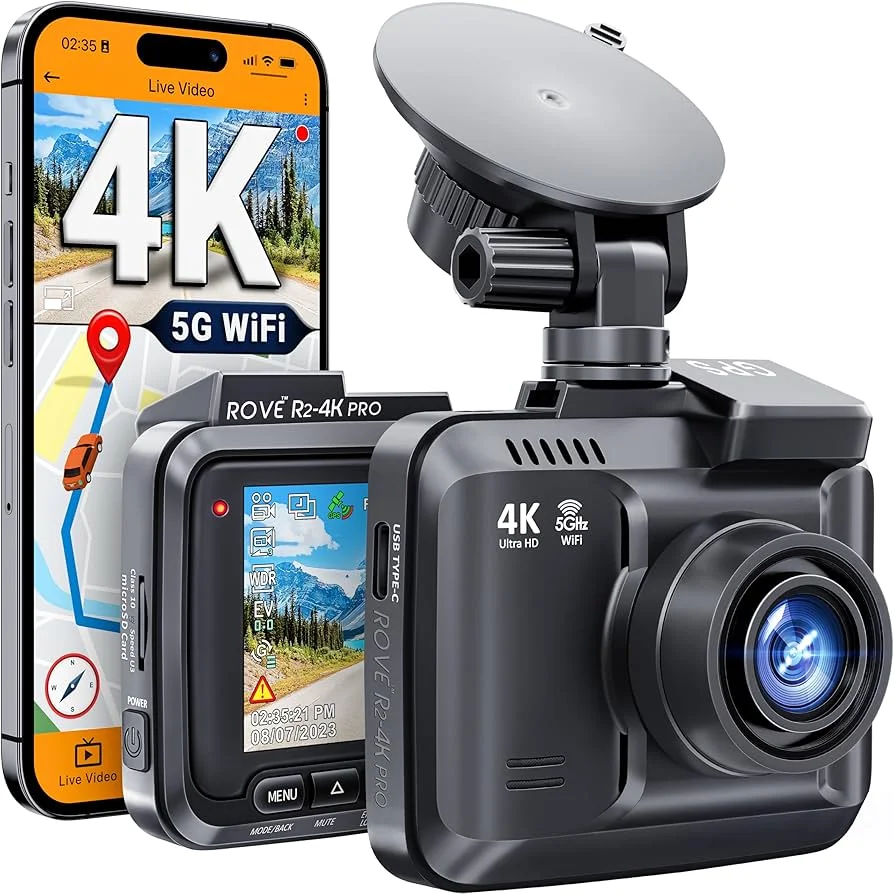
- Specs: 4K front (Sony IMX335 sensor), 30fps, Wi-Fi, GPS.
- Pros: Good 4K resolution, decent low-light performance for a non-STARVIS 2 sensor, built-in GPS. Texas Diamond Garage notes the R2-4K PRO's 2160P resolution and sensitive Sony IMX335 sensor.
- Cons: Uses an older Sony sensor (IMX335) so night vision isn't as robust as STARVIS 2, internal battery can be a thermal liability.
- Best-for: Drivers on a tighter budget who want 4K resolution and acceptable night vision, understanding the trade-off in ultimate low-light clarity compared to STARVIS 2.
Quick Verdict
Picking a dashcam for night driving isn't about marketing hype; it's about the physics of light capture. You need to focus on sensor technology and proper power management. Anything less is just a waste of money and a liability when you actually need the footage. Vortex Radar emphasizes sensor quality and heat reliability as critical factors.
- Sony STARVIS 2 is non-negotiable: This isn't just a fancy name; it's a sensor designed to pull usable images out of near darkness. It offers a 2.5x wider dynamic range than older sensors, meaning less glare washout and more detail in shadows. Without it, you're buying a glorified toy.
- Supercapacitors over Lithium-ion: A hot car cabin, especially in direct sunlight, can hit 140 degrees F. Lithium batteries swell, degrade, and fail under these conditions. Supercapacitors handle the thermal cycling without issue, ensuring your device actually turns on when you need it years down the road. It's a mechanical stress failure waiting to happen if you ignore this.
- Resolution vs. Sensor Quality: A 4K camera with a poor sensor is worse than a 2K camera with a good one. The pixel count means nothing if the signal-to-noise ratio is garbage. Focus on the sensor (e.g., STARVIS 2 IMX678) first, then the resolution.
- Parking Mode Power: If you want buffered parking mode (recording 15 seconds before an impact), you need a hardwire kit. Relying on an internal battery for this is a joke; the charge capacity loss from thermal cycling alone makes it unreliable after a few months. Botslab highlights the importance of a reliable parking mode.
- Cost-per-fix: Spending $120 more upfront for a STARVIS 2 sensor and supercapacitors is cheaper than buying a $70 unit twice when it fails from heat or delivers unusable footage in an accident. Your insurance deductible alone is probably $500. This isn't a luxury; it's an investment in verifiable evidence.
Don't fall for the cheap garbage. Your evidence is worth more than saving $50.