
Smart Car Tech

Do I Really Need Night Vision on My Dash Cam for Everyday Driving?

Casey - The Weekend Warrior
5 min read
Includes Video

Most dash cams out there are pretty useless when the sun goes down, turning your footage into a grainy mess. That's why people talk about 'night vision' for your dash cam. It's supposed to be this magical feature that lets you see everything clearly in the dark.

Most dash cams out there are pretty useless when the sun goes down, turning your footage into a grainy mess. That's why people talk about 'night vision' for your dash cam. It's supposed to be this magical feature that lets you see everything clearly in the dark. But the real question is, do you actually need it for your everyday drive, or is it just another fancy tech buzzword to empty your wallet?

I've seen my fair share of blurry night recordings from cheap cams, and it made me wonder if paying extra for 'night vision' was worth the headache. Let's break down what this stuff actually does and if it's a game-time changer for your daily commute.
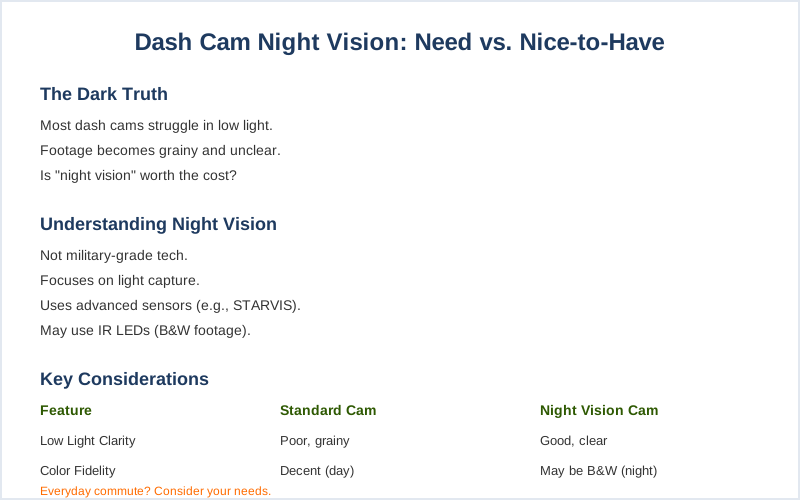
Do I Really Need Night Vision on My Dash Cam for Everyday Driving? — Key Specifications Compared
Key specifications for Do I Really Need Night Vision on My Dash Cam for Everyday Driving?

The Core Answer

So, what's the deal with 'night vision' on a dash cam? Basically, it's not like the military-grade stuff you see in movies. It's more about how well the camera sensor and lens can capture light when there isn't much of it. Think of it as a super-sensitive eye that can pick up on faint light sources like streetlights or even starlight. These cameras use advanced sensors, often something like Sony STARVIS, which are designed to be really good at gathering light even in very low light. Some even have infrared (IR) LEDs that emit invisible light to illuminate the road directly in front of the camera. This IR light helps the sensor see, but it often means your footage will be in black and white, which is fine for identifying objects but not so great for distinguishing colors of cars or traffic lights. The honest version: your regular dash cam probably struggles when it's dark. Streetlights are often too dim, and your headlights only illuminate so far. Most basic cams will give you a grainy, unusable mess when it's truly dark. Night vision tech tries to combat this by boosting the signal from the sensor or adding its own light source. It's really about making sure you can still see license plates, pedestrians, or road signs when visibility is poor during those crucial moments. But here's the rookie mistake: people think 'night vision' means perfect, crisp color footage like during the day. That's not usually the case. While some advanced sensors can produce decent color in dim light, true IR-powered night vision often sacrifices color for clarity. It's a trade-off. It also depends on what you're trying to capture. If you just need to see that a car ran a red light at 2 AM, then a black-and-white image might be enough. If you need to identify the make and model of a speeding car at night, you'll need a system that can handle low light exceptionally well without turning into a slideshow. Ultimately, it's about enhancing your ability to record useful evidence in the dark, not about creating Hollywood-level night footage. The goal is to see what matters when the lights go out and avoid missing critical details.
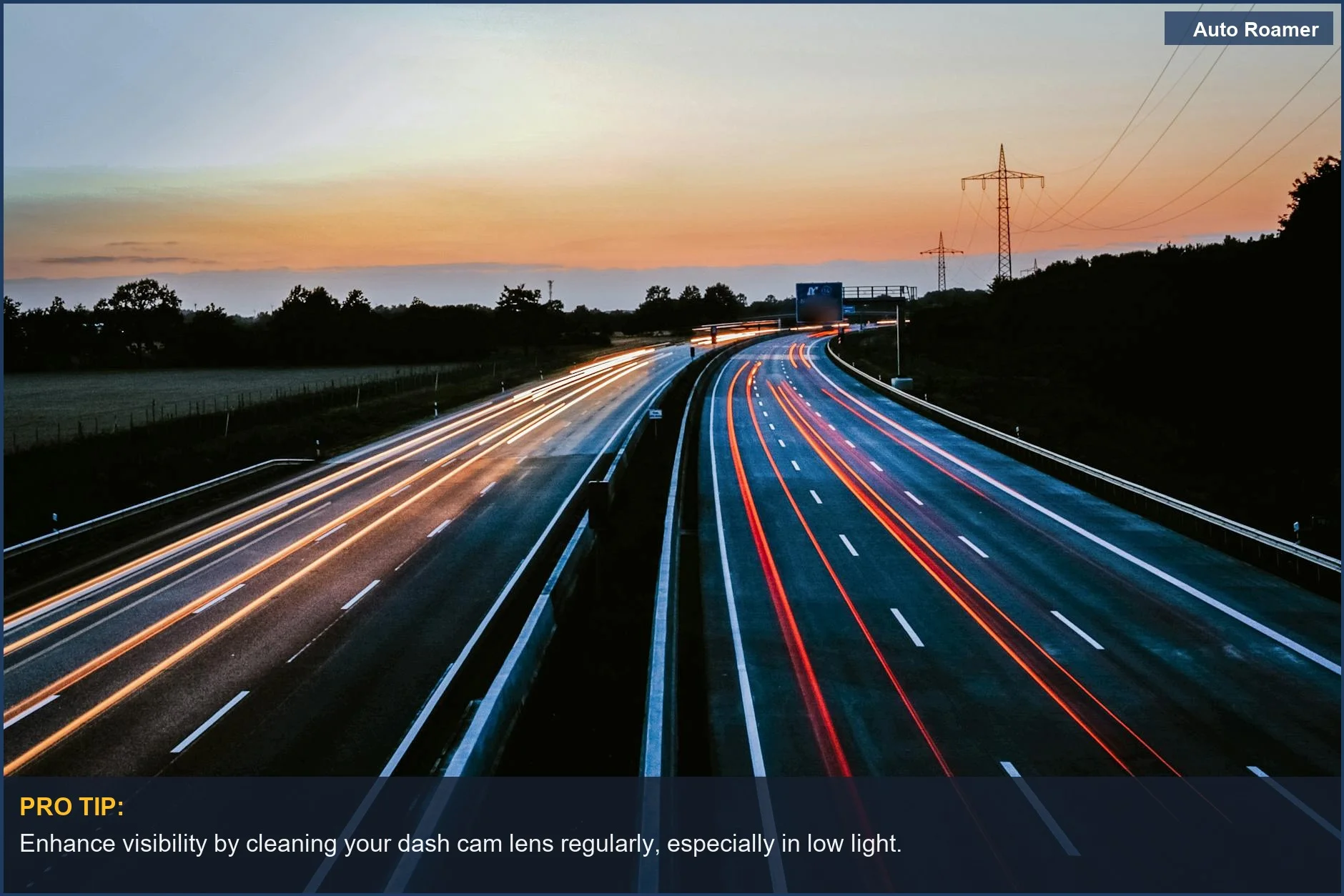
To enhance your understanding, explore the key features in dash cam night vision technology.
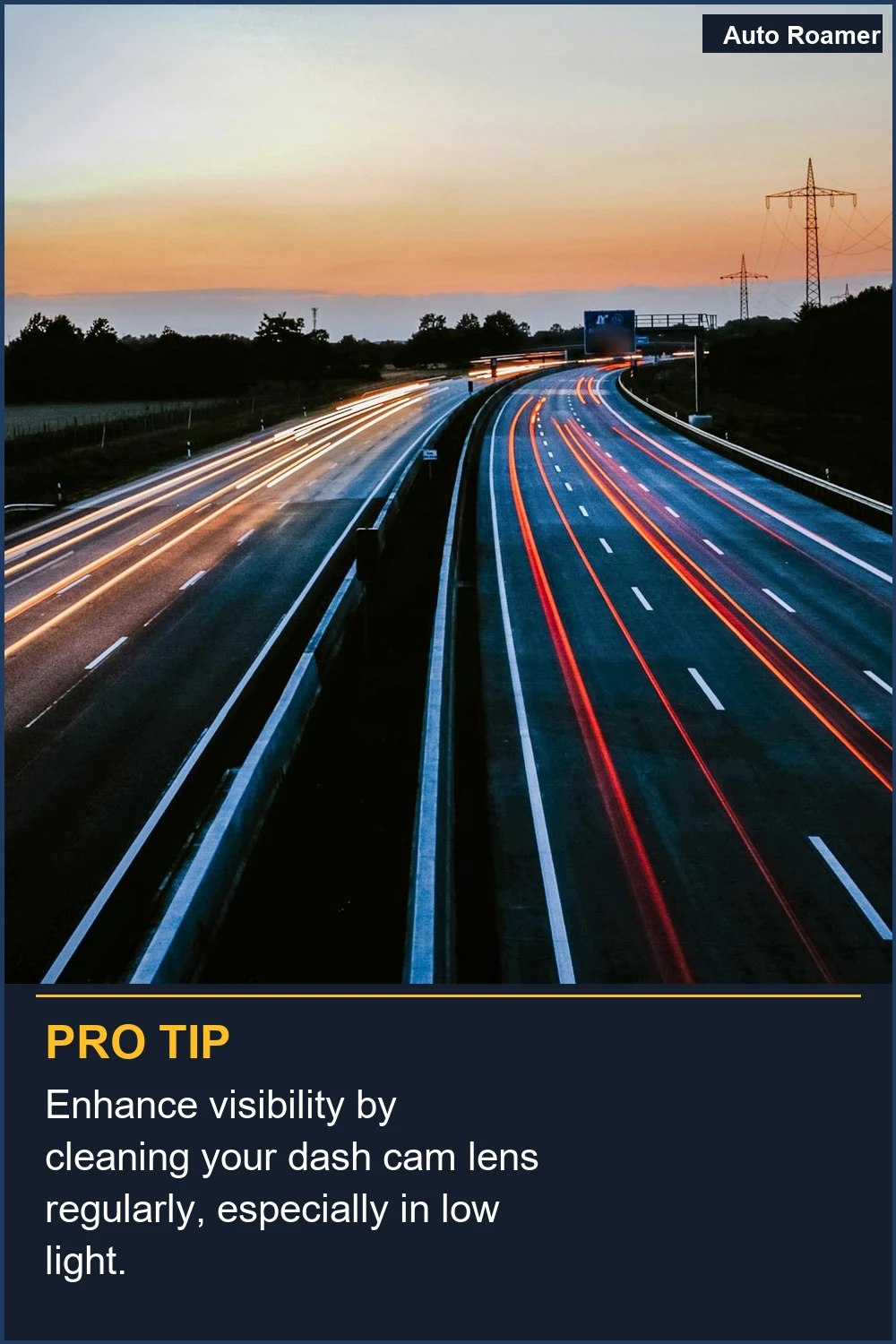
Enhance visibility by cleaning your dash cam lens regularly, especially in low light.
Long exposure captures the essence of dusk driving, highlighting how dash cam night vision helps capture details even as daylight fades, crucial for accident reconstruction. | Photo by El Jundi

Why This Matters for Your Setup

Why does any of this even matter for your daily drive? Well, think about when you actually *need* your dash cam.
  • Accidents at Dusk or Dawn: These are the times when light is tricky. Your camera might struggle to pick up details like the color of another car involved if it doesn't have good low-light performance. It's the difference between clearly seeing the hit-and-run vehicle or just a blurry shape.
  • Driving in Unlit Areas: If you live somewhere without a lot of streetlights, or you often drive on rural roads at night, a standard camera is going to be pretty useless. You might miss a deer crossing the road or a pothole that wasn't visible until it was too late because the footage was too dark.
  • Parking Lot Incidents: People bump into cars in parking lots all the time, often at night or in dimly lit garages. Without good night vision, you won't get a clear shot of the person who dinged your door and drove off. It's the difference between having evidence and having nothing.
  • Recording License Plates: This is the big one. If someone cuts you off or causes an accident, being able to read their license plate is key. A standard camera might just show a white blur where the plate should be.
  • The 'What If' Factor: Even if you don't drive much at night, you never know when you might need that footage. Having a dash cam that can handle low light gives you peace of mind, knowing you're covered no matter the time of day that something happens.
  • To enhance your setup, it's crucial to understand dashcam night vision technology and its features.
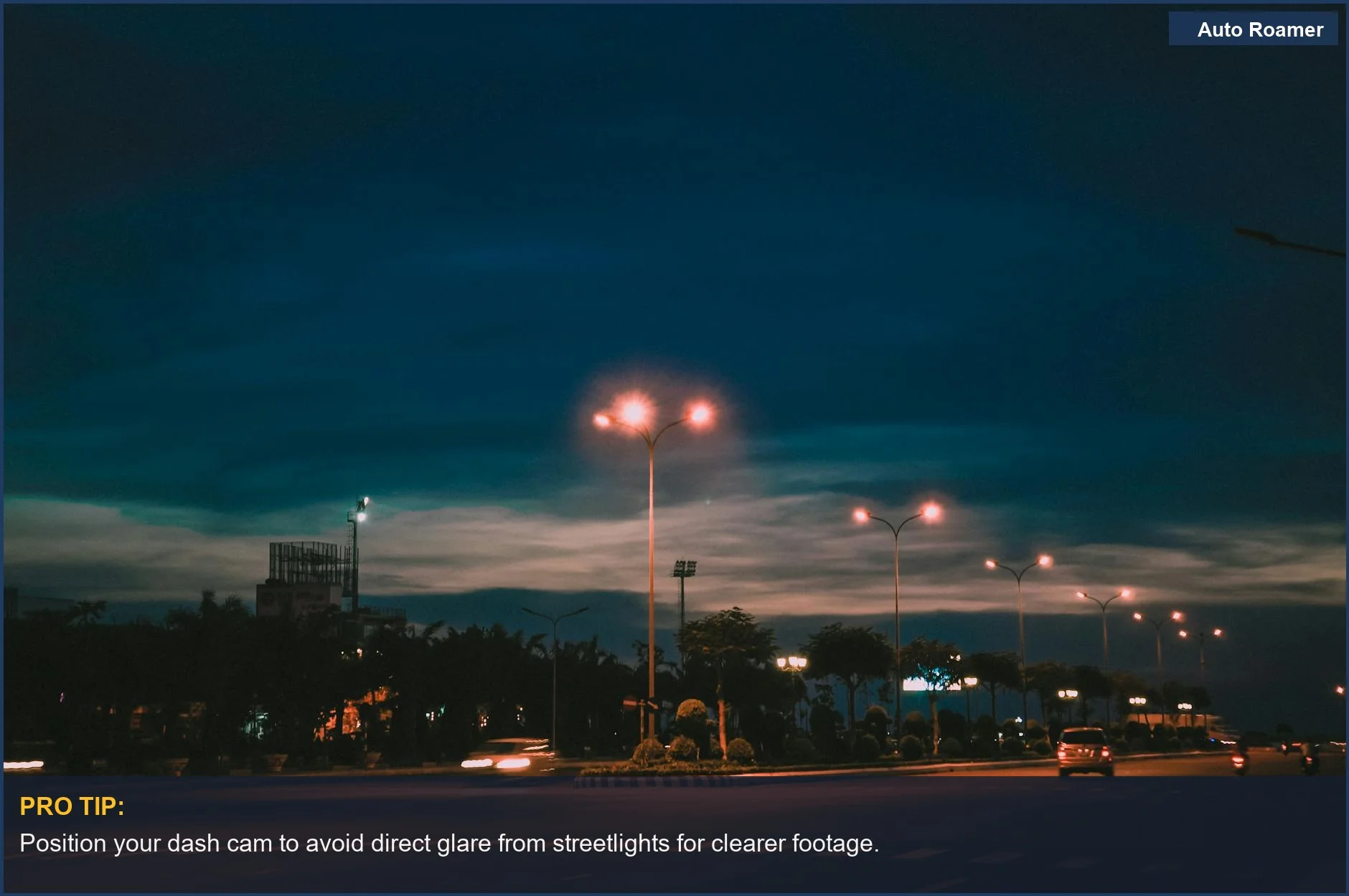
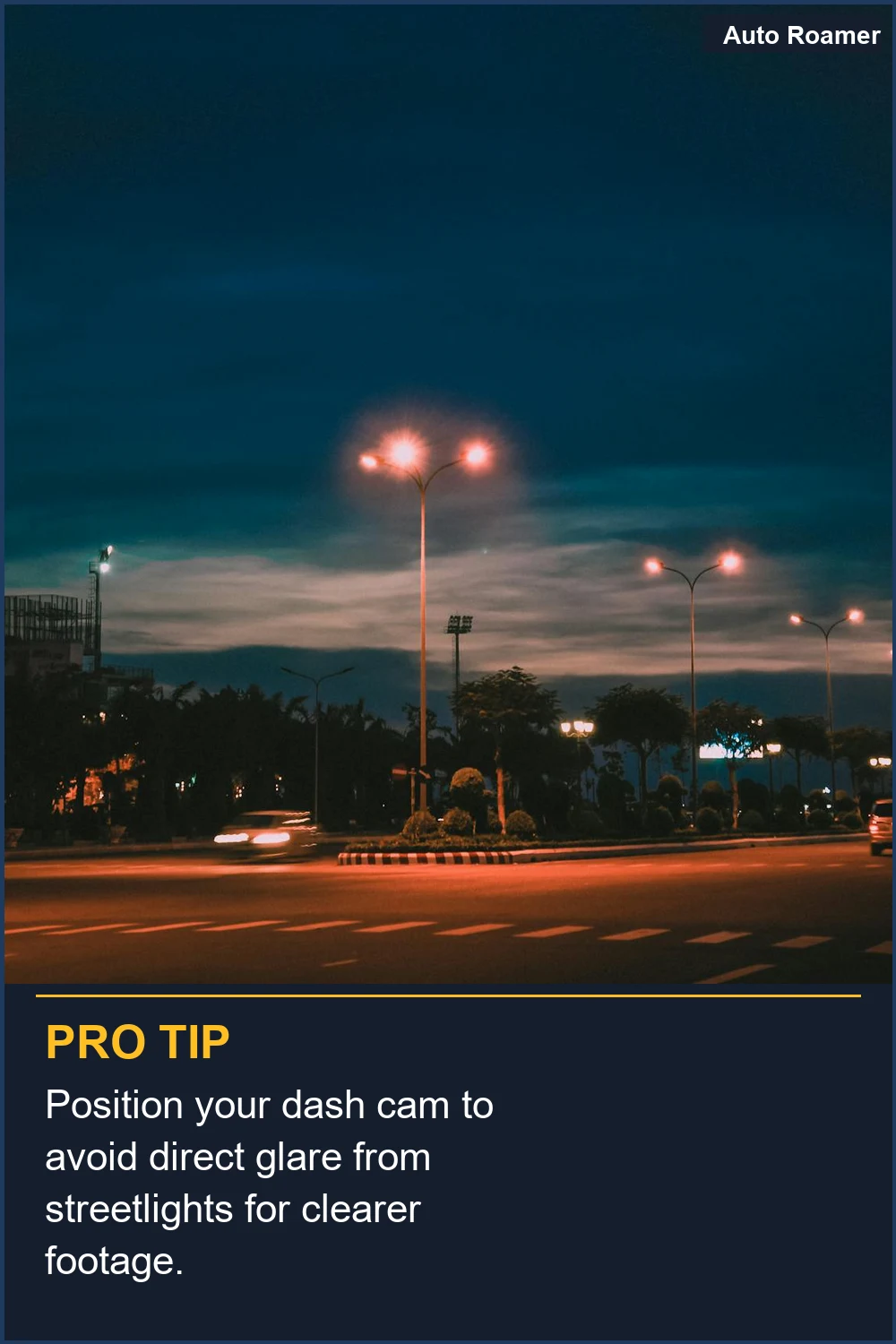
    Position your dash cam to avoid direct glare from streetlights for clearer footage.
    City streets at night present a challenge for cameras, demonstrating why a dash cam for low light conditions is vital to record license plates and road hazards. | Photo by Tristan Le

    Making the Right Choice

    So, do you *really* need night vision on your dash cam? The honest answer is, it depends on your driving habits.
  • If you mostly drive during daylight and in well-lit areas, a standard dash cam might be perfectly fine. You're probably not going to miss crucial details if the lighting is good.
  • If you frequently drive at night, in rural areas, or in poorly lit urban environments, then yes, a dash cam with good low-light performance is a smart investment. It's about having usable footage when you need it most.
  • Consider what 'night vision' means for the specific camera. Some use infrared for black-and-white clarity, while others have advanced sensors that can capture more color in dim light. Understand the trade-offs.
  • Don't overspend on features you won't use. But also, don't skimp if your typical driving conditions demand better low-light recording. It's about practical application, not just fancy specs that you'll never see.
  • Understanding how night vision impacts video quality will help you choose the best dashcam for nighttime wildlife viewing.
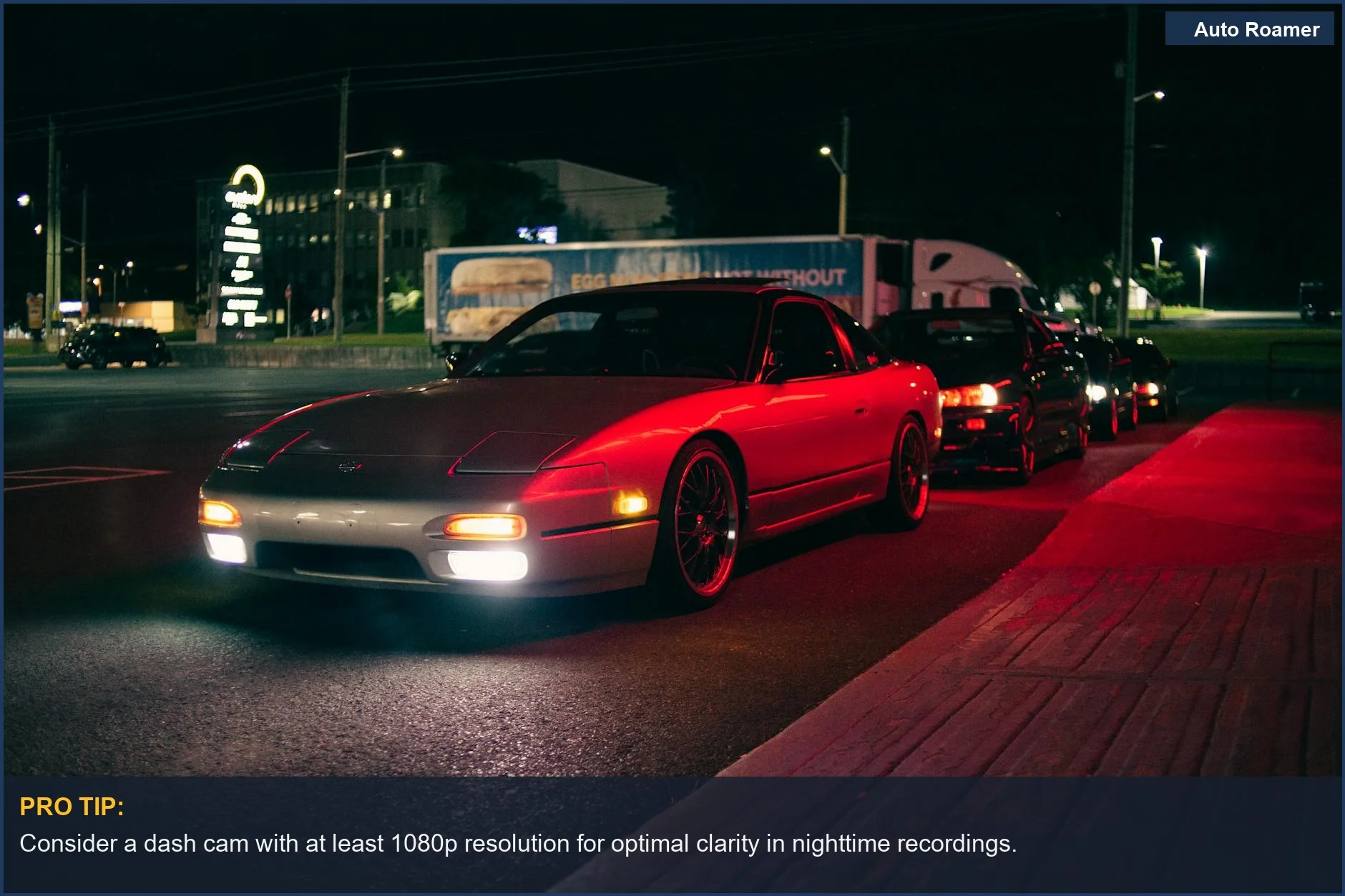
    Consider a dash cam with at least 1080p resolution for optimal clarity in nighttime recordings.
    Headlights illuminate parked cars, raising the question of dash cam night vision necessity. Understand if your typical driving environment requires enhanced low-light recording capabilities. | Photo by Erik Mclean

    Frequently Asked Questions

    I saw a dash cam advertised with 'Super Night Vision' for $50 and another for $200. Is the $200 one really $150 better in the dark, or am I just paying for a fancier logo?
    That's the million-dollar question, right? Usually, the $50 camera is using basic sensors and maybe some software tricks to brighten the image. The $200 unit likely has a much better sensor, like a Sony STARVIS 2, and better optics, which are key for gathering more light. It's not just the logo; it's the actual tech inside that makes the difference between a 'kind of okay' night recording and one that actually shows you something useful. Think of it like trying to see in the dark with your eyes versus wearing night vision goggles – the goggles are just built better for the job.
    Do I really need a separate power adapter for a night vision dash cam, or can I just plug it into any old USB port in my car?
    This is a classic rookie mistake. Most car USB ports, especially the ones built into the dashboard or center console, aren't designed to provide enough consistent power for a dash cam, especially one working hard at night to capture all that low-light detail. They often lack the proper amperage, which can cause the camera to shut off randomly or just perform poorly. You're usually better off using the dedicated power adapter that comes with the dash cam, which plugs into your car's 12V socket (the cigarette lighter plug).
    What if my dash cam has 'night vision' but the footage is still too dark to see anything useful? Is there a fix?
    That's a bummer, but it happens. First, double-check your camera's settings. Sometimes there's a specific 'night mode' or 'low light' setting you need to enable. Also, make sure the lens is clean – a smudge can ruin everything. If it's still bad, the 'night vision' might just be marketing hype, or the sensor isn't as good as advertised. The real move then is to look into a different camera with a more reputable low-light sensor. You might be stuck with the $50 version of night vision, which is often just 'dim vision'.
    Can running my dash cam with its night vision features on all the time drain my car battery, especially if I park it for a few days?
    Yes, absolutely. Dash cams, especially those with advanced sensors or IR lights working overtime, do draw power. If your car isn't running, the dash cam is pulling power directly from your car battery. If you leave it plugged in and parked for more than a day or two, especially with older batteries, you could definitely find yourself with a dead battery when you try to start it. Many dash cams have a voltage cutoff feature to prevent this, but it's not foolproof.
    I heard that some dash cams record in black and white at night. Does that mean they're not really 'night vision' and are just bad cameras?
    Nah, that's a common misconception. Recording in black and white at night is often a sign of a dash cam using infrared (IR) illumination. The IR light helps the sensor see in total darkness, but it's outside the visible spectrum, so the resulting image is monochromatic. It's a deliberate design choice to maximize clarity in zero light, not necessarily a sign of a bad camera. Many high-quality dash cams use this technique; it's just a different way to achieve better visibility than a standard camera would offer.
    C

    Casey - The Weekend Warrior

    Weekend car camper and road trip enthusiast. Focuses on practical, budget-friendly solutions for families and first-time campers.

    Sources

    Related Articles