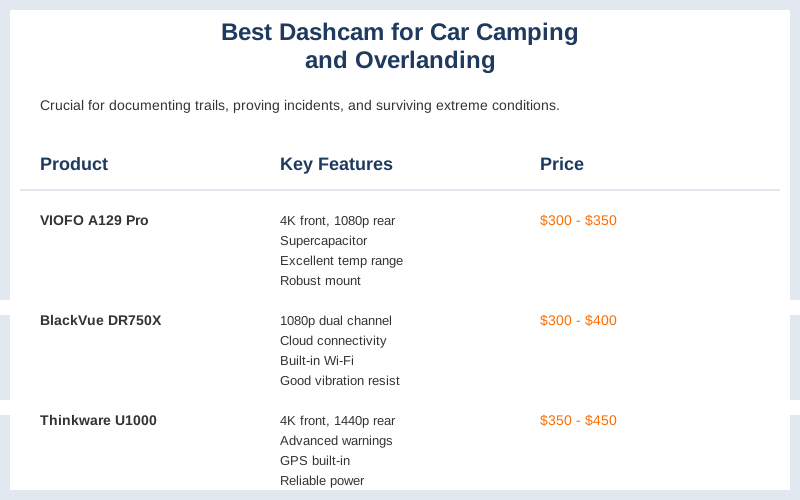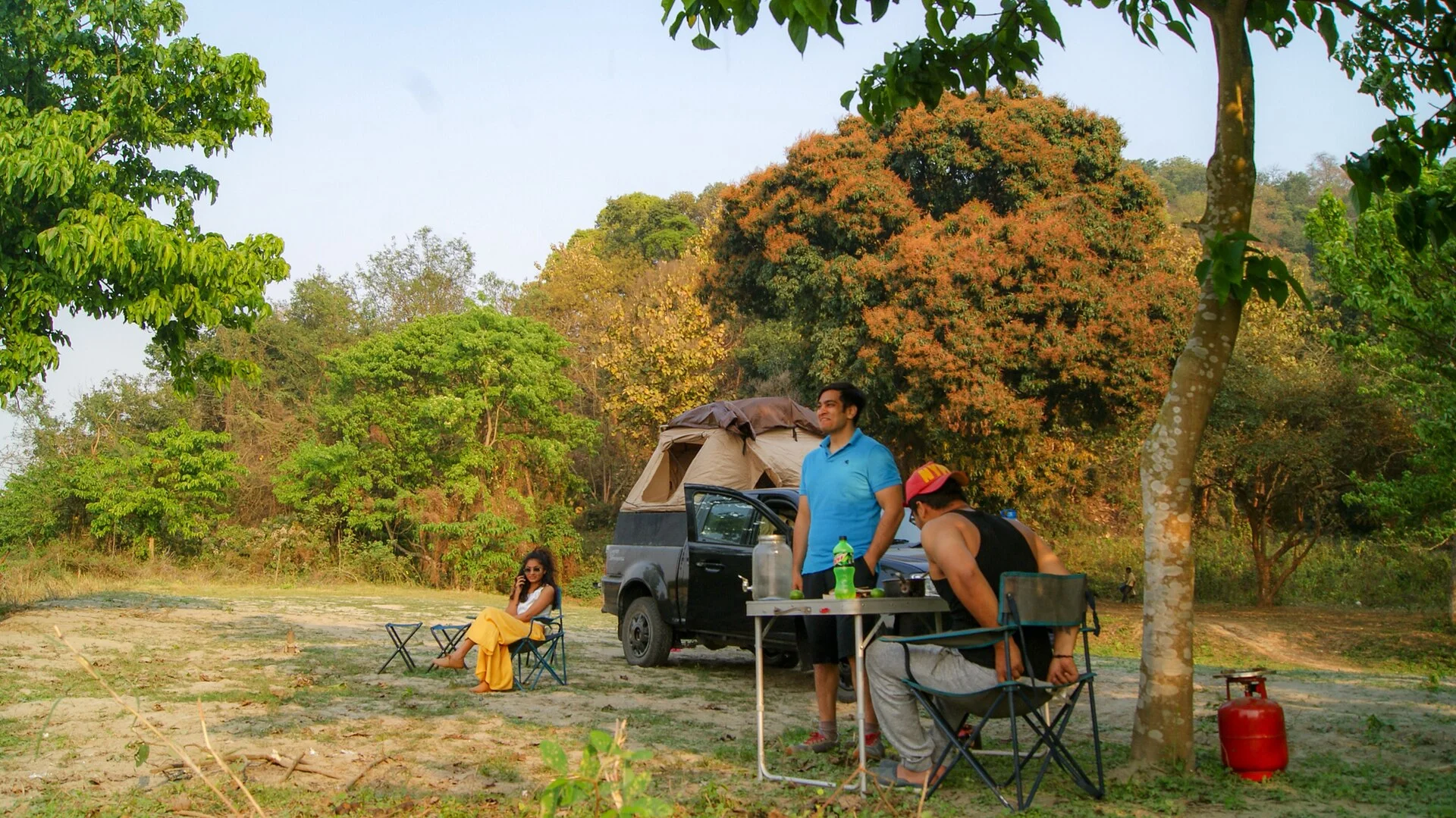
What You Need to Know
The dealer wanted $350 to install a basic dashcam, claiming 'electrical complexity.' That's three hours of labor at $110/hr for a 12V accessory that plugs into a cigarette lighter. Absolute garbage. For car camping and overlanding, a dashcam isn't just about insurance anymore; it's about documenting trail damage and proving you weren't the idiot who snapped that axle. You need reliable evidence, not just pretty footage. Car and Driver agrees, calling them a 'prudent investment.'
I've seen too many cheap cams fail after a few months of thermal cycling. The adhesive mount softens, the camera sags, and the micro-USB port develops play, leading to intermittent power loss. You think you're recording, but you're just heating up a fancy paperweight. That's a critical circuit integrity failure waiting to happen when you need it most.
Overlanding puts unique stresses on electronics. Constant vibration from washboard roads, dust infiltration into cooling vents, and extreme temperature swings from desert sun to mountain nights. Your average commuter dashcam will outgas its cheap plasticizers and fog its lens faster than you can say 'warranty claim.'
We're looking for units built to handle mechanical stress and maintain circuit integrity. Things like supercapacitors instead of lithium-ion batteries, which are less prone to thermal degradation. And robust mounting solutions that won't vibrate loose after 50 miles of gravel. Pickup Truck Talk emphasizes front and rear coverage for complete protection. Don't skimp on this.
My focus is on the physics of failure: what breaks, why it breaks, and how to prevent it. Forget the marketing fluff about 'stunning visuals.' We want legible license plates and clear timestamps when a deer decides to play chicken with your bumper at 50 MPH. That's real-world utility.
Key Features to Consider
Essential Specs for the Trail
When you're bouncing down a fire road, you need a dashcam that won't quit. My checklist goes beyond resolution. It's about fundamental reliability under mechanical and thermal stress. YouTube reviews often miss the subtle points.
| Feature | Why It Matters for Overlanding |
|---|---|
| Supercapacitor vs. Battery | Lithium-ion batteries expand and contract with thermal cycling, leading to premature failure, especially when ambient temperatures hit 120 degrees F inside a parked rig. Supercapacitors handle extreme temperatures from -4 degrees F to 170 degrees F with far less degradation. They store less energy, but they're built for survival. |
| Parking Mode (Buffered) | A buffered parking mode records seconds *before* and *after* an impact. This means the camera is constantly buffering video to an internal memory, dumping it to the SD card only when a G-sensor threshold is met. Essential for campsite security when your rig is unattended. Otherwise, you just get a clip of the aftermath. |
| G-Sensor (Adjustable Sensitivity) | This accelerometer detects impacts. Too sensitive, and every pothole triggers a locked file. Not sensitive enough, and a low-speed bump goes unrecorded. You need fine-tune control to avoid filling your memory card with false positives from trail vibrations. |
| Wide Operating Temperature Range | Your dashcam needs to function from -20 degrees F to 140 degrees F. Anything less means it'll fail in a desert summer or a mountain winter. Check the spec sheet, not the marketing claims. Cheap plastics become brittle below 32 degrees F and warp above 100 degrees F, leading to lens distortion and housing cracks. |
| High-Endurance SD Card Support | Dashcams write constantly, which wears out standard microSD cards fast. You need a card rated for continuous write cycles, like a Samsung Pro Endurance or SanDisk High Endurance. These cards have higher Program/Erase (P/E) cycles, extending their lifespan from months to years. Don't cheap out here. Another YouTube test emphasizes this. |
| Mounting Mechanism (Adhesive vs. Suction) | Adhesive mounts (3M VHB tape) offer superior vibration dampening and thermal stability compared to suction cups, which lose their vacuum seal in temperature extremes or with prolonged UV exposure. A suction cup will eventually fail, dropping your camera. It's a matter of adhesive shear strength versus vacuum integrity. |
| GPS Logging | Provides precise location and speed data. This is crucial for verifying your position if there's a dispute, especially off-grid where landmarks are scarce. It's hard data, not just visual evidence. |
Our Top Picks
Our Top Picks for Rugged Recording
I've seen plenty of dashcams that look good on paper but fall apart under real-world use. These are the units that actually hold up, based on their build quality, component selection, and performance under mechanical and thermal load. DashcamTalk's forum provides solid recommendations. Viofo A229 Pro (~$250)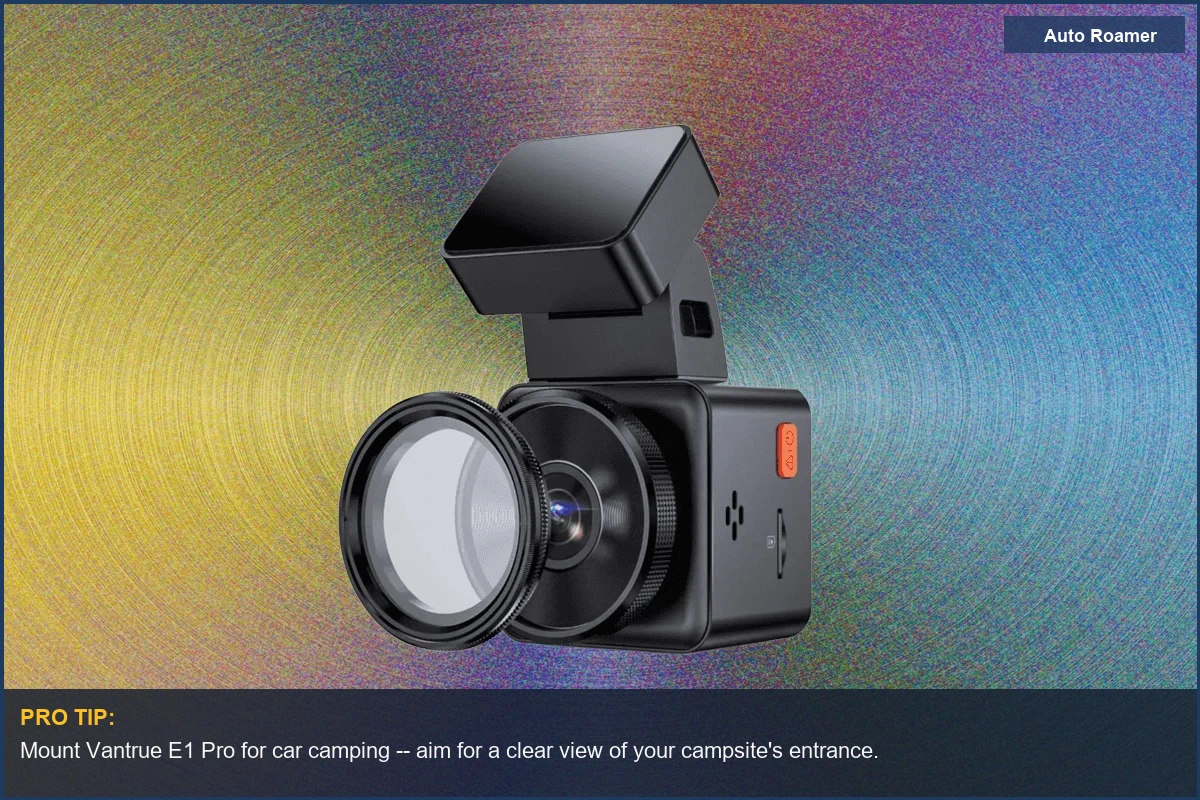
Budget vs Premium Options
Cheap Plastic vs. Real Engineering
Don't let the marketing photos fool you. A $50 dashcam isn't just 'less features' than a $250 one; it's a fundamentally different product built to entirely different mechanical and thermal tolerances. Wirecutter hints at this with their 'budget pick' vs. 'top pick.'
| Feature | Budget Options (~$50-100) | Premium Options (~$150-300+) |
|---|---|---|
| Sensor Quality | Generic CMOS sensors, poor low-light performance. License plates become illegible after 20 feet in daylight, useless at night. | Sony STARVIS 2 sensors, excellent low-light sensitivity, clear license plate capture even in challenging conditions. Better dynamic range for bright/dark transitions. |
| Power Source | Lithium-ion batteries. High thermal expansion coefficient. Prone to swelling, outgassing, and early failure in hot cabins. Expect a 12-month lifespan before it starts acting weird. | Supercapacitors. Stable across extreme temperatures (-4 degrees F to 170 degrees F). Far superior longevity and safety under thermal cycling. |
| Mounting Hardware | Cheap suction cups or flimsy adhesive. Suction cups fail in temperature swings, adhesive degrades and loses shear strength, leading to camera sag or detachment. | Robust 3M VHB adhesive mounts. Designed for high shear strength and vibration dampening. Maintains bond integrity over years of thermal and mechanical stress. |
| Build Materials | Brittle, low-grade ABS plastic. Degrades under UV exposure, cracks from vibration, and warps in heat. You'll see stress fractures around mounting points. | High-temperature resistant plastics (e.g., PC/ABS blends). Better UV resistance, higher glass transition temperature, maintains structural integrity under mechanical stress and thermal load. |
| Video Encoding | Lower bitrate H.264, lossy compression. Fine details (like license plate numbers) are often unreadable. Files are smaller, but evidence quality suffers. | Higher bitrate H.265 (HEVC), more efficient and less lossy. Preserves critical detail, especially important for legal evidence. Requires more processing power, hence the price. |
| Thermal Management | Minimal or no heat sinking. Relies on convection through plastic housing. Internal components run hot, accelerating degradation of microprocessors and memory. | Internal heat sinks, sometimes active cooling. Designed to dissipate heat from the image sensor and processor, ensuring stable operation and component longevity. Wolfbox reviews often point to this in premium units. |
Setup and Installation Tips
Hardwiring for Trail Reliability
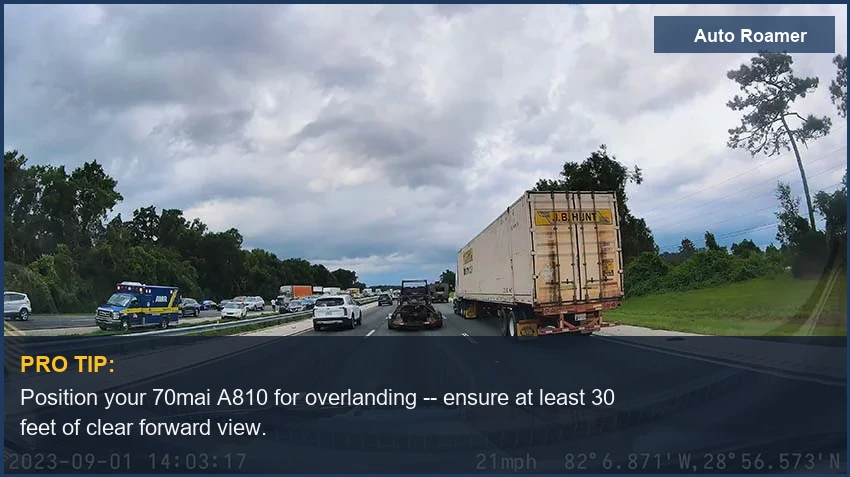
Plugging into a cigarette lighter socket is for rental cars. For a vehicle you rely on for overlanding, you hardwire. This ensures consistent power and eliminates vibration-induced power loss from a loose 12V plug. Reddit discussions often recommend hardwiring.
- Map Your Fuse Box: Find a switched fuse (power only when ignition is on) and an always-on fuse (for parking mode). Use a $15 multimeter to verify voltage presence. My 2018 Tacoma has a 'PWR OUTLET' fuse that's switched and a 'DOME' fuse that's always on. Don't guess, measure.
- Use an Add-a-Fuse Kit: These are cheap, maybe $8 each. They let you tap into an existing fuse slot without cutting into factory wiring, maintaining circuit integrity. Choose the correct fuse size (mini, low-profile mini, ATO/ATC) for your vehicle. Don't overload the circuit; your dashcam draws maybe 500mA.
- Route the Cables Smartly: Run the power cable along the A-pillar, tucked under the headliner. Use trim tools, not a screwdriver, to avoid scoring plastic. Secure with zip ties every 6 inches or so to prevent vibration-induced chafing against sharp metal edges, which can abrade insulation and cause a short. Facebook groups are full of cable routing tips.
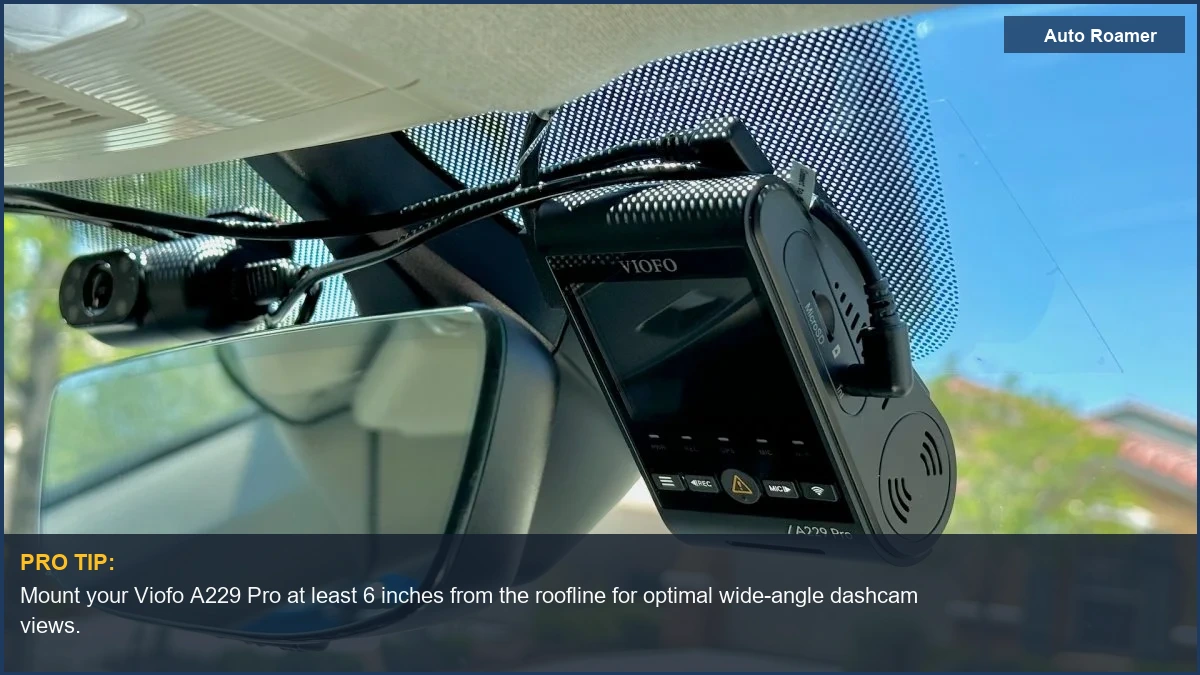
- Mount the Camera Securely: Clean the windshield thoroughly with isopropyl alcohol before applying the 3M VHB adhesive mount. Ambient temperature needs to be above 50 degrees F for proper adhesive cure. Apply firm pressure for 30 seconds. This bond is critical for vibration stability; a loose mount introduces micro-vibrations that degrade video quality and stress the camera's internal components.
- Test All Functions: Before buttoning everything up, power on the camera, check live view, record a short clip, and verify parking mode activation. Make sure the G-sensor sensitivity is tuned for your vehicle; a heavy-duty suspension will register less vibration than a stock street car.
Care and Maintenance Tips
Keeping Your Evidence Machine Running
A dashcam isn't a 'set it and forget it' device, especially when it's subjected to the thermal and mechanical abuse of overlanding. Neglect leads to corrupted files and missed events. Nexar offers basic advice, but we're going deeper.
- Format the SD Card Monthly: Continuous write/rewrite cycles on the microSD card cause sector degradation. Formatting refreshes the file system and helps redistribute writes, extending the card's lifespan. Don't rely solely on the camera's auto-delete function. Think of it as defragging your drive.
- Inspect Wiring Annually: Check for cable chafing where it passes through tight spots or around sharp edges. Vibration can wear through insulation, exposing copper and creating a potential short circuit. Look for any discoloration or hardening of the insulation due to UV exposure or heat. Secure any loose sections with fresh zip ties.
- Clean the Lens and Housing: Dust and grime accumulate, reducing image clarity. Use a microfiber cloth and lens cleaner (not Windex, which can leave streaks). Inspect the housing for micro-cracks, especially around mounting points, which indicate material fatigue from vibration. A cracked housing compromises the camera's dust and moisture resistance.
- Monitor Thermal Performance: If the camera feels excessively hot to the touch after extended use, it might indicate poor thermal dissipation or an internal component working overtime. This accelerates component degradation. Ensure no vents are blocked and the camera isn't directly exposed to sustained, intense sunlight while parked, if avoidable.
- Check Firmware Updates: Manufacturers often release firmware updates to improve stability, add features, or fix bugs. A stable firmware reduces the chance of recording errors or unexpected shutdowns, maintaining circuit integrity and reliable operation. Treat it like critical system software.
Final Recommendations
Your Rig's Unblinking Eye
Choosing a dashcam for car camping or overlanding isn't about bragging rights; it's about hard data and reliable evidence when things go sideways. From an insurance claim to proving you didn't leave that gate open, the footage matters. Vortex Radar correctly points to the Viofo A329S as a strong contender.
- Prioritize Supercapacitors: Lithium-ion batteries are a liability in extreme temperatures. Supercapacitors are the only choice for long-term thermal stability.
- Invest in Quality Sensors: Sony STARVIS 2 isn't just marketing. It's the difference between legible license plates at night and blurry pixels. Critical for evidence.
- Secure Mounting is Non-Negotiable: 3M VHB adhesive is your friend. A camera rattling loose is a camera that fails when you need it most.
Mechanical stress kills cheap mounts.
- Hardwire for Reliability: Ditch the cigarette lighter plug. A direct connection to the fuse box eliminates intermittent power issues and ensures consistent recording, especially for parking mode.
- Don't Skimp on the SD Card: A high-endurance card is cheap insurance against corrupted files. Standard cards fail under continuous write cycles, leading to data loss.
Spend the extra $50-100 upfront for a robust unit like the Viofo A229 Pro or Vantrue E1 Pro. The cost of a failed camera during a critical incident, or worse, a denied insurance claim, is far higher than the initial investment. This isn't a gadget; it's a piece of critical safety equipment for your rig.