
Legal and Ethical Considerations for Dashcams While Car Camping
Dash cams are legal in all 50 states, but how you mount them and whether you record audio can get you a ticket or mess up your camping trip evidence. My first time trying to use footage from a trip to Big Bend National Park, I almost got laughed out of court because I didn't know about audio consent laws.
Dash cams are legal in all 50 states, but how you mount them and whether you record audio can get you a ticket or mess up your camping trip evidence. My first time trying to use footage from a trip to Big Bend National Park, I almost got laughed out of court because I didn't know about audio consent laws. That was a rookie mistake that cost me time and a lot of frustration.
Understanding the basics means you can actually use that footage when you need it, whether it's for an insurance claim or just proving you weren't the one who swerved into that rogue tumbleweed. freightwaves.com breaks down the state-by-state stuff, and Reddit's dashcam community has seen it all. The honest version: it's not as simple as just plugging it in.
The Core Answer
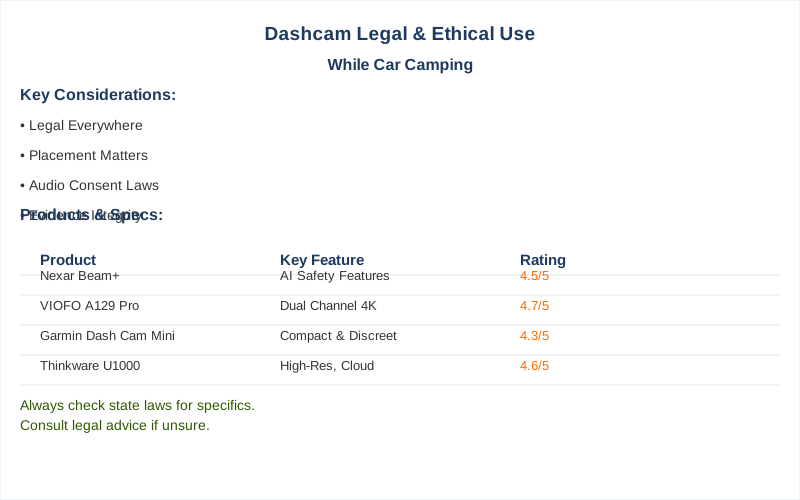
The core answer is that dash cams are legal everywhere in the U.S. brickhousesecurity.com says that's the general rule, but the devil is in the details. Think of it like this: your car camping setup needs to be functional, right? A dash cam is the same, but for legal protection. getnexar.com points out that placement is key. Some states have strict rules about not blocking your windshield view. I learned this the hard way in Colorado when a ranger nearly gave me a warning for a camera that was maybe 2 inches too low. Brilliant engineering on that mount, by the way. ddpai.com explains that audio recording is where things get really tricky. Most states follow a 'one-party consent' rule, meaning you just need to be aware you're recording. But some require everyone in the car to agree. If you're car camping with friends and plan to record conversations, you better get them to sign off, or that footage is useless. My buddy forgot this on a trip to Tennessee, and his insurance claim got tossed because of it. The real move is to check your state's specific laws before you even plug the thing in. injury-attorneys.com has a good breakdown for California, but you need to do this for wherever you're driving. Don't be like me and have to redo your whole setup mid-trip because you got a ticket for an illegal mount. That's a $50 fine you could have spent on extra s'mores supplies.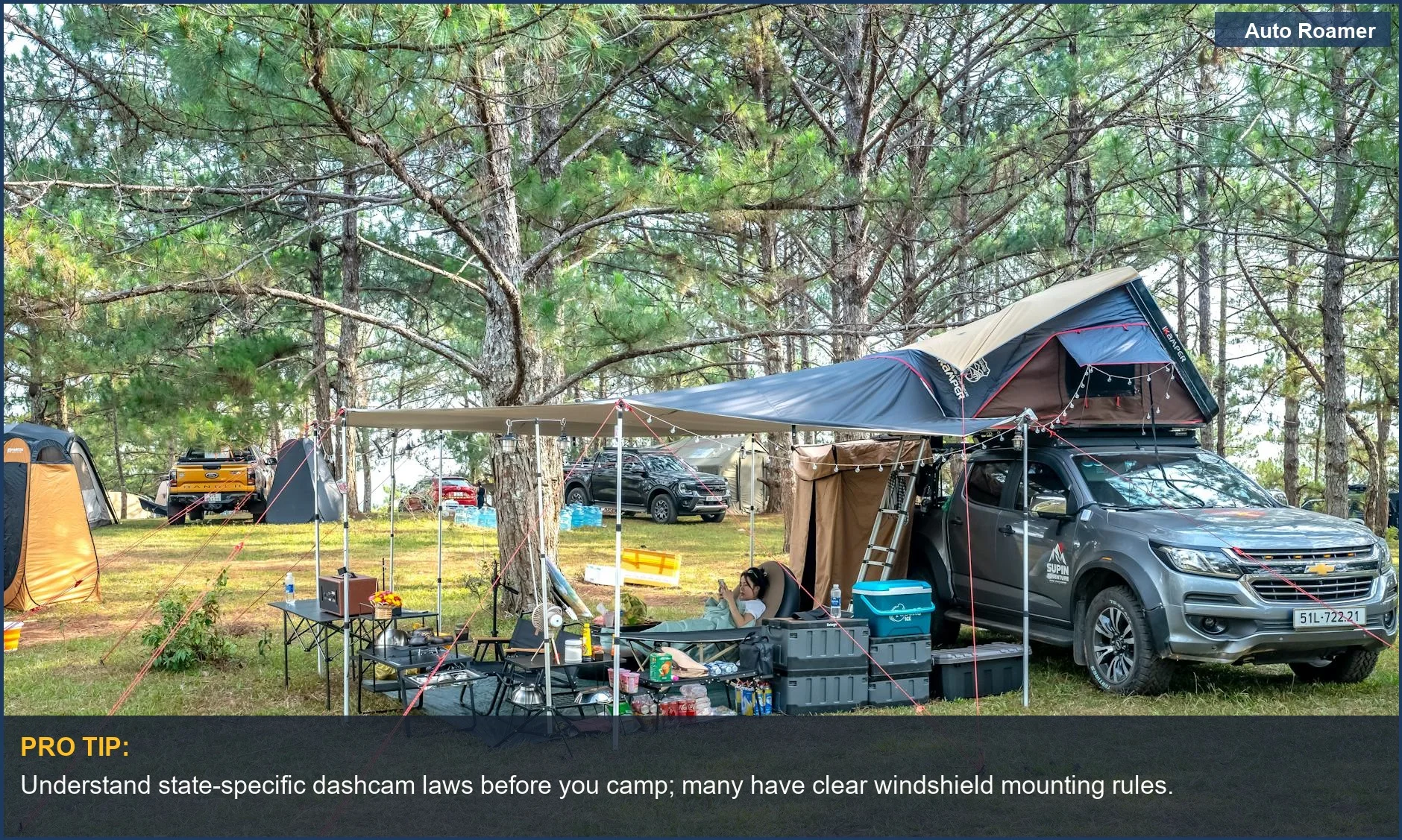
Why This Matters for Your Setup
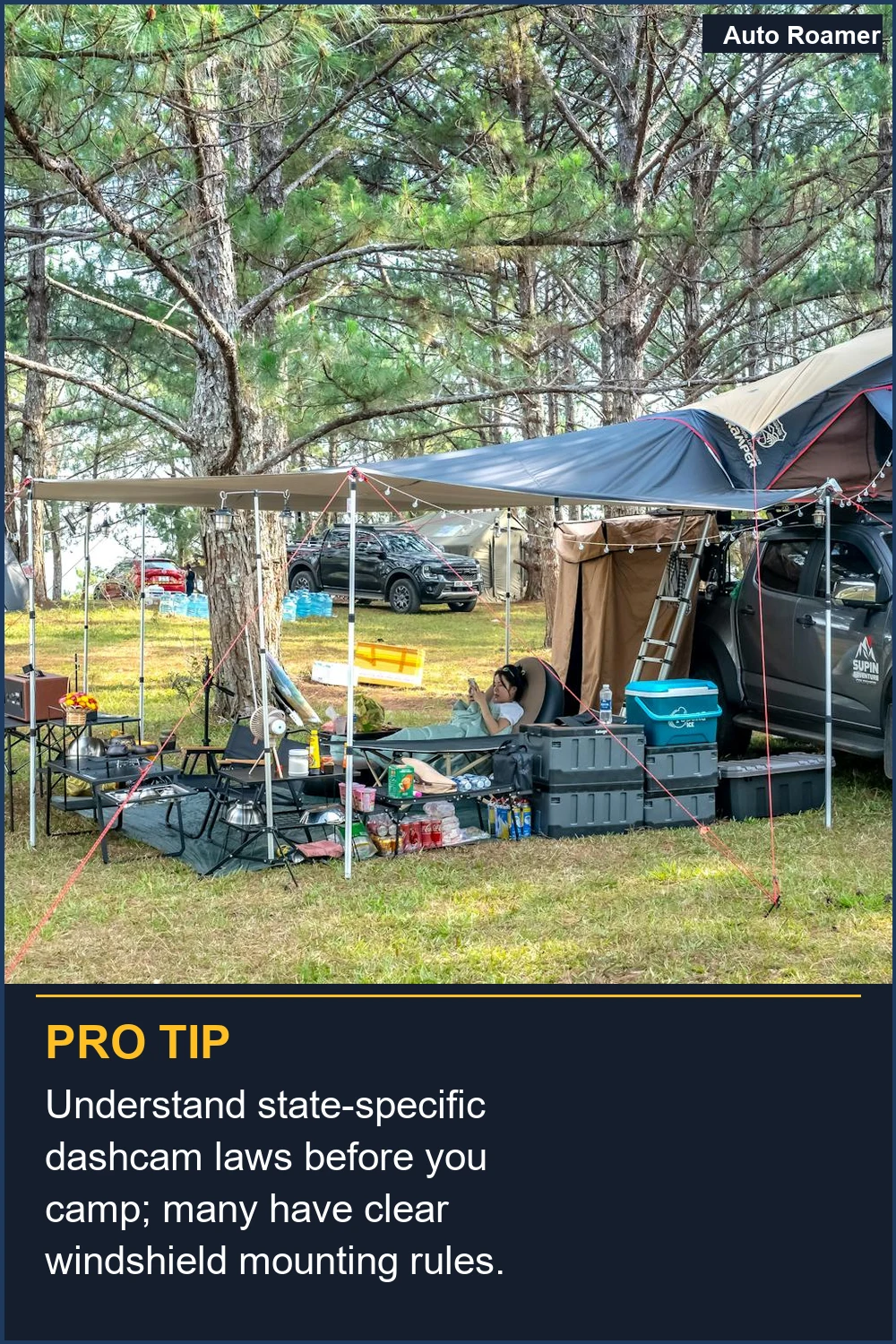
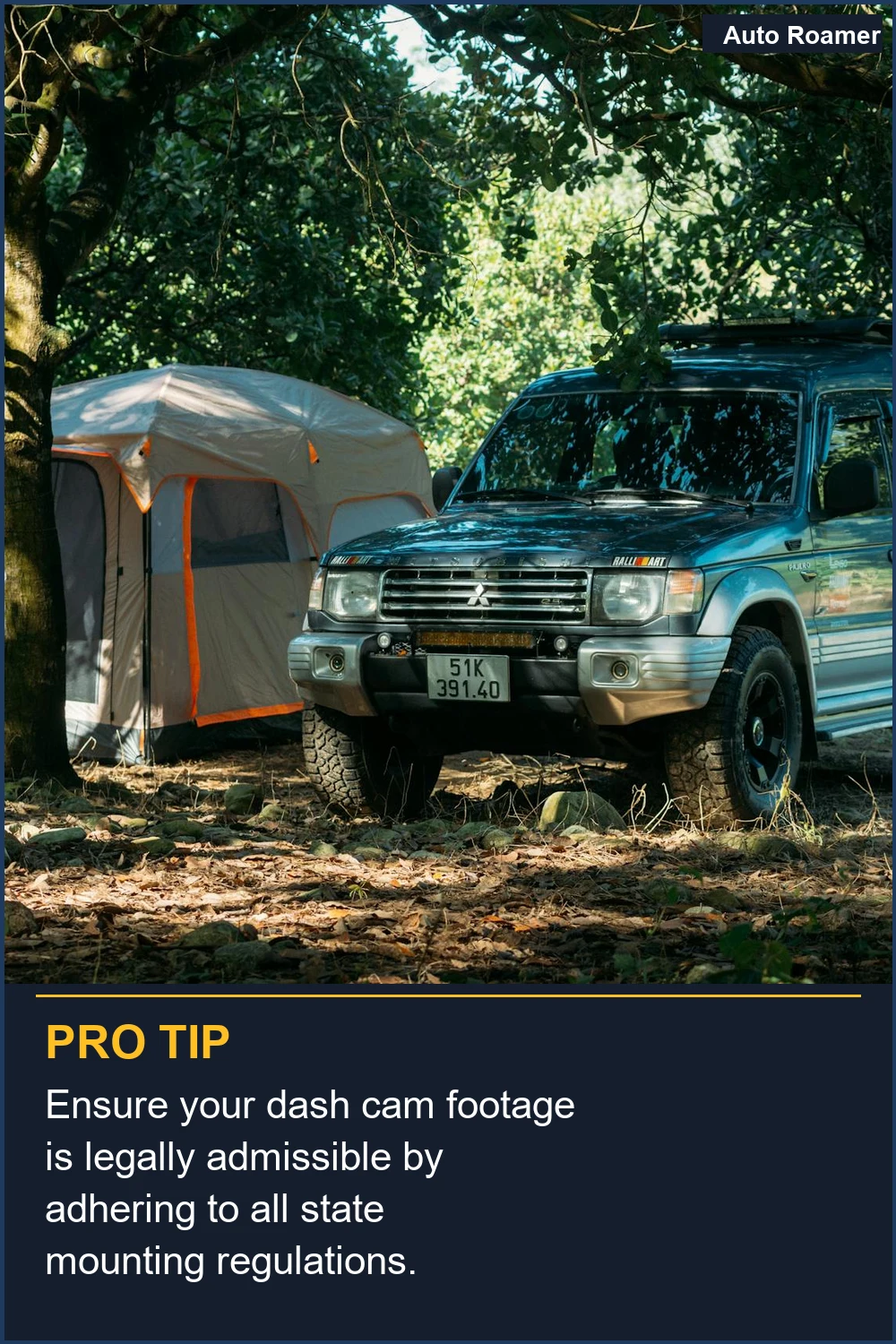
Why this matters for your setup is pretty straightforward: you don't want your camping evidence to be inadmissible because of a silly mounting rule. freightwaves.com says that some states have specific zones where you can mount cameras, usually a small area near the rearview mirror. If your state isn't clear, the $20 dashboard mount is your safest bet. It keeps your windshield clear and avoids that whole 'obstruction' issue. Audio is another big one. If you're in a two-party consent state and you're recording a chat with your passengers without their knowledge, that footage is toast. surecam.com highlights that most states are one-party, but 'most' isn't 'all.' So, turn off the audio when in doubt. It's a small setting change that can save you big headaches. My friend forgot to turn off audio in his car camping rig while driving through a small town in Vermont, and he got a stern talking-to from a local cop. He just disabled it after that. It's a simple fix that keeps your footage usable.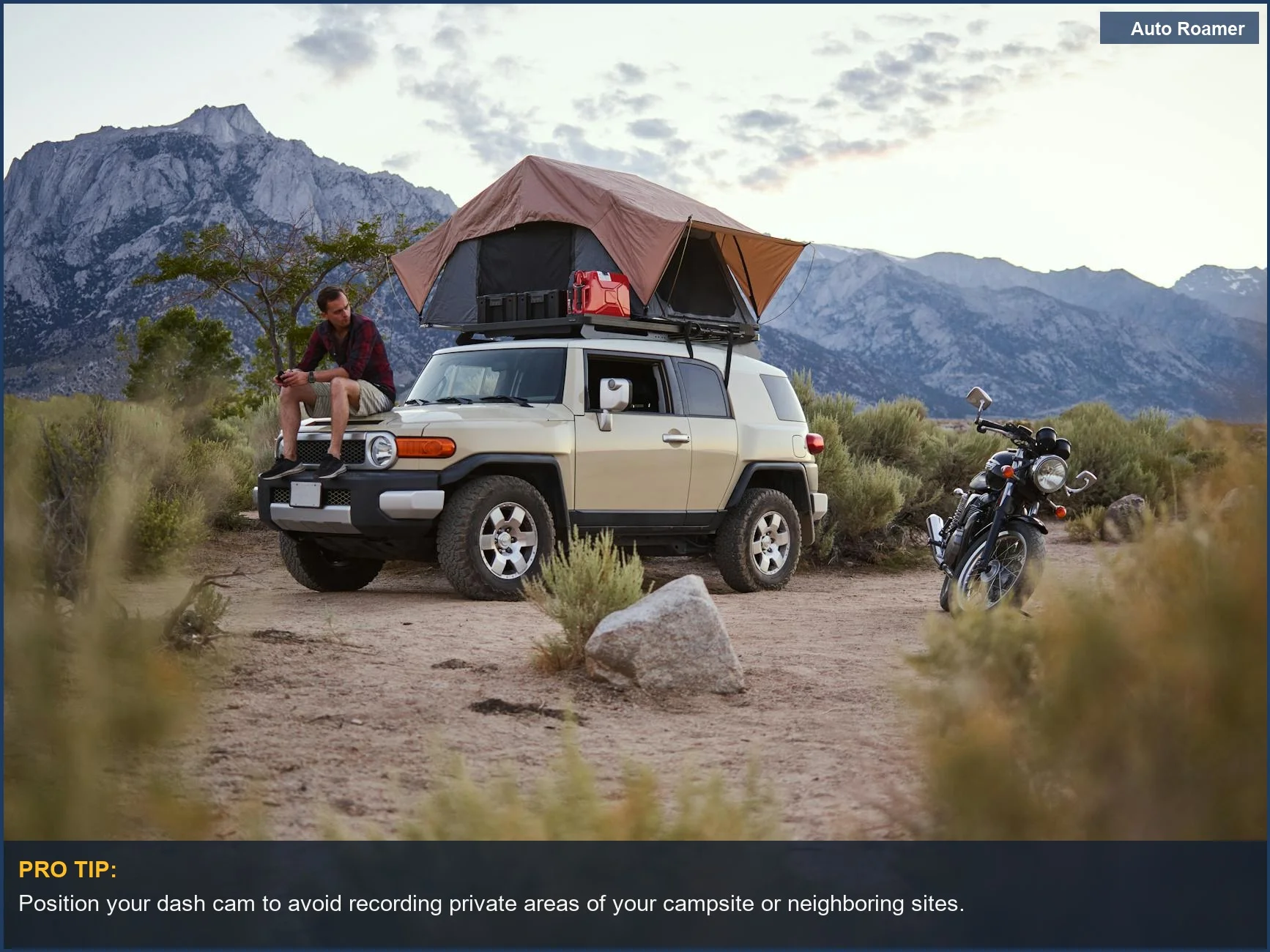
Making the Right Choice
Making the right choice about your dash cam setup is about more than just getting clear video. It's about ensuring that video is actually usable when you need it. expertmarket.com has a rundown of mounting rules by state, and it's worth a look. Generally, avoid anything that blocks your line of sight. My first attempt at mounting involved a suction cup that vibrated so much the footage looked like a bad 70s sci-fi movie. A dashboard mount is way more stable and avoids windshield issues. ddpai.com also stresses that audio consent is crucial. If you're unsure, just disable the audio recording. It's better to have silent footage that's admissible than loud footage that's useless. This whole process is like setting up your camp kitchen; you need it to be functional and follow the rules of the campsite, not just look cool. The $50 version of peace of mind is knowing your footage won't get thrown out.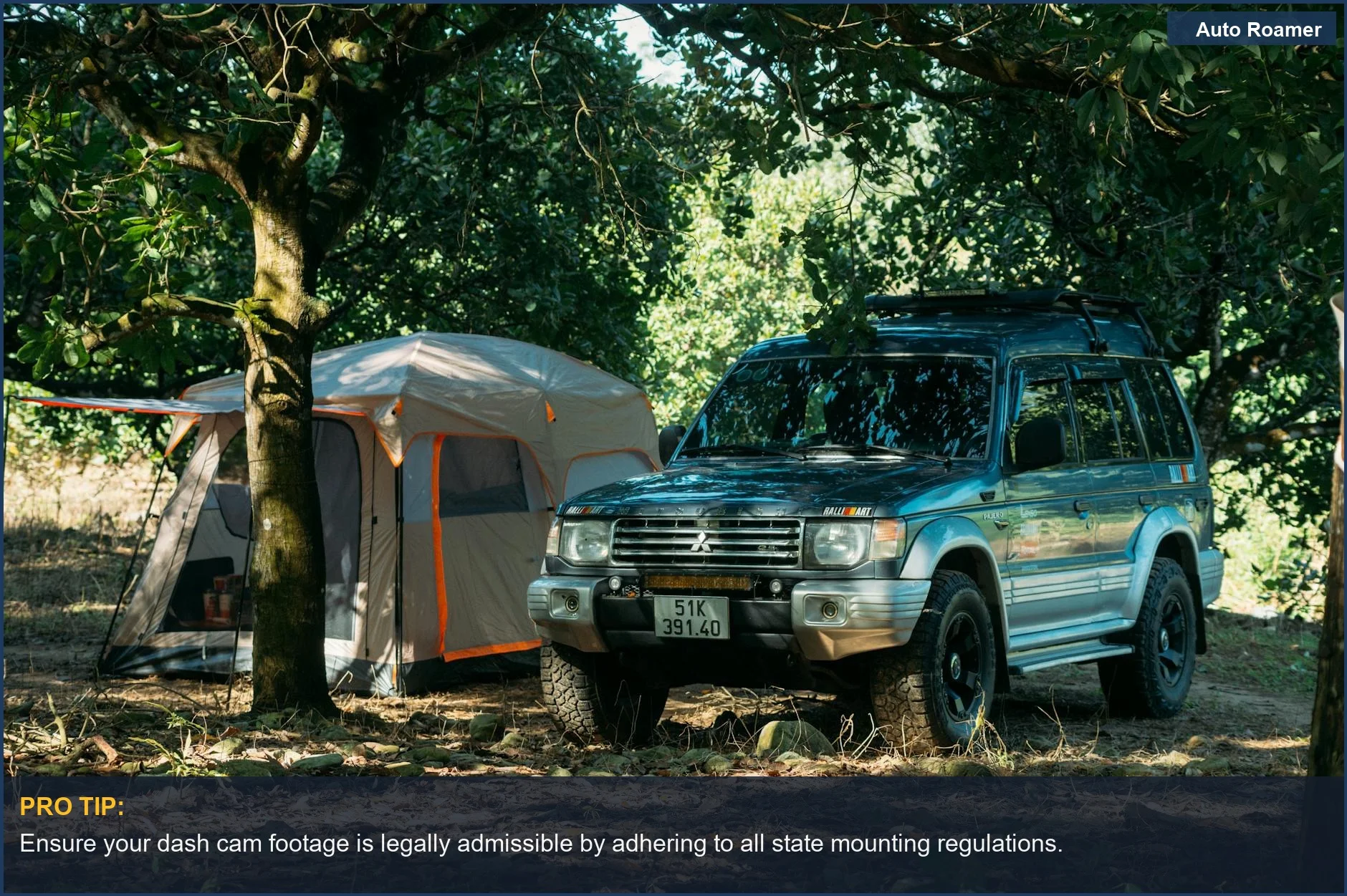
Frequently Asked Questions
If I get a dash cam installed by a shop, how much more expensive is it than just doing it myself?
Do I really need a special tool to check if my dash cam is mounted legally?
What if I mount my dash cam legally, but then I get a ticket anyway for something else related to it?
Can having a dash cam installed permanently damage my car's electrical system?
I heard you can't record audio in your car at all. Is that true?
🏅 Looking for Gear Recommendations?
Check out our tested gear guides for products that work with this setup:
Sources
- Are Dash Cams Legal? A State-by-State Guide to Regulations
- California Dash Cam Laws Explained | Demas Law Group, P.C.
- Understanding Dash Cam Laws in Every State (2025) - DDPAI
- navigating-legal-considerations-of-dashcams
- Are Dash Cams Legal? A State-by-State Guide to Dash Cam Laws ...
- Dash Cam Laws in Every US State: Mounting & Recording
- Legal considerations : r/Dashcam - Reddit
- Dash Cam Laws by State: 50-State Guide to Mounting, Audio ...