First, the Basics
There are two main ways to power your dash cam: plugging it into your car's cigarette lighter socket or hardwiring it directly into your vehicle's fuse box. Both get the job done, but they offer very different experiences and capabilities. My first dash cam just plugged in, and honestly, it was fine for recording my commute.
But then I started hearing about 'parking mode' and realized my simple plug-in setup was missing a whole chunk of what these cameras can do. It's not just about recording while you drive; it's about protecting your car when it's sitting there, looking all innocent. The difference boils down to how much effort you're willing to put in versus what features you want to unlock.
Think of it like packing for a weekend camping trip versus moving into a new apartment. One is quick and dirty, the other requires a bit more planning.Key Differences: Hardwired vs. Plug-In Dash Cams
The Core Answer
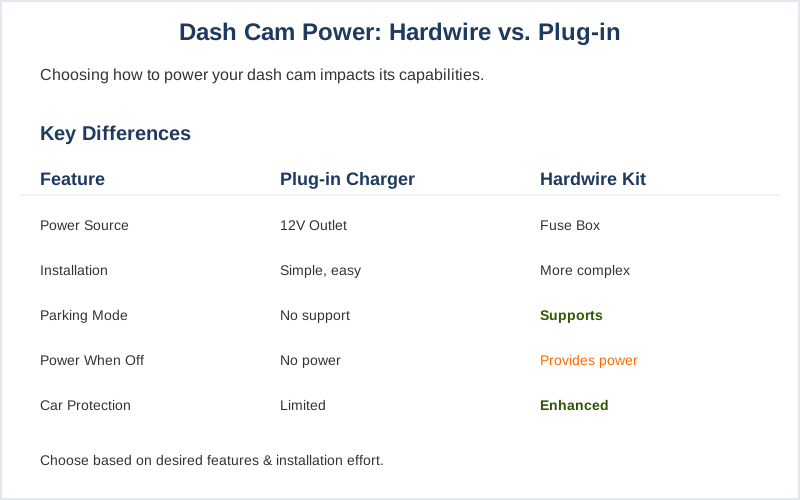
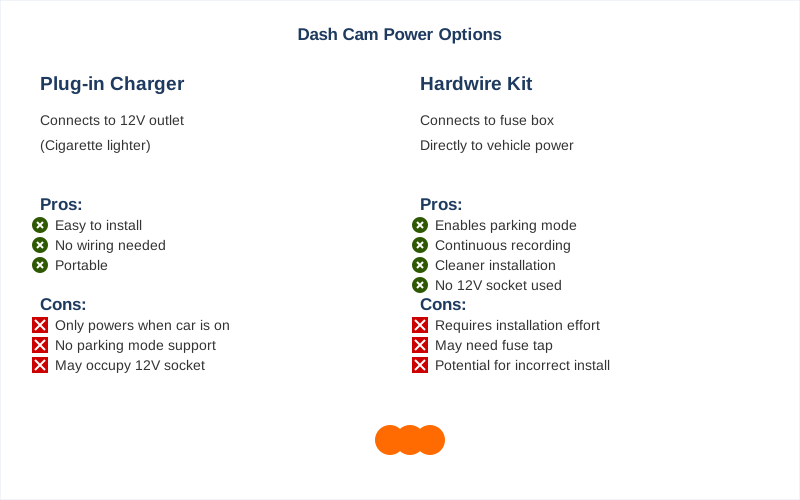
The core difference between a dash cam hardwire kit and a simple plug-in charger is fundamentally about power access and features. A plug-in charger, usually a USB adapter that goes into your car's 12V outlet (the old cigarette lighter port), powers the dash cam only when the car's ignition is on. It's the easiest, most straightforward method, and it's what most people start with. My first setup was exactly this, and it worked fine for recording my daily drives.
A plug-in dash cam setup is very simple to use. You just plug it in, and it starts recording when the car starts and stops when the car turns off. Brilliant in its simplicity, but it leaves your car unprotected when parked. Hard wired is for parking mode.
A hardwire kit, on the other hand, connects directly to your car's fuse box. This offers a more permanent and hidden installation, with wires tucked away neatly. The real game-changer with a hardwire kit is its ability to provide constant power, even when your car is turned off. This unlocks features like 'parking mode,' where the dash cam can detect impacts or motion around your vehicle and start recording. This is the 'real move' if you want 24/7 protection.
A hardwire kit is a device that connects your dash cam to the car's battery. It typically involves tapping into a constant power source and a switched power source from your fuse box, often with a low-voltage cutoff to prevent draining your car battery completely. This is definitely more involved than just plugging something in, but it's how you get those advanced features.
Some kits even use the OBD-II port, which is essentially another way to tap into the car's power system, offering similar benefits to a fuse box connection. Basically they seem to have the same functionality and features as a normal Hardwire Kit.
The honest version: if you just want to record your drive to work, the plug-in charger is perfectly fine and takes about 30 seconds to set up. If you want peace of mind knowing your car is being monitored for bumps or vandalism while parked, and you don't want a dangling wire that a thief could easily cut, then a hardwire kit is the way to go.
It's the difference between a dash cam that's just 'on' and one that's truly 'protecting.'
Why This Matters for Your Setup
Why does this even matter? Because not all dash cams are created equal, and how you power them dictates what they can actually do for you. If you've ever seen a dash cam video of a hit-and-run where the culprit just drives away, that footage likely came from a car that was hardwired for parking mode.
My first car camping trip taught me that a 40F sleeping bag isn't warm enough in the mountains; this is similar - a plug-in charger isn't enough if you need real protection.
Here's the breakdown:
- Parking Mode: This is the big one. If your dash cam supports parking mode, you NEED a hardwire kit to use it effectively. A plug-in charger will simply turn off when you turn off your car, leaving your vehicle vulnerable. Hard wired is for parking mode.
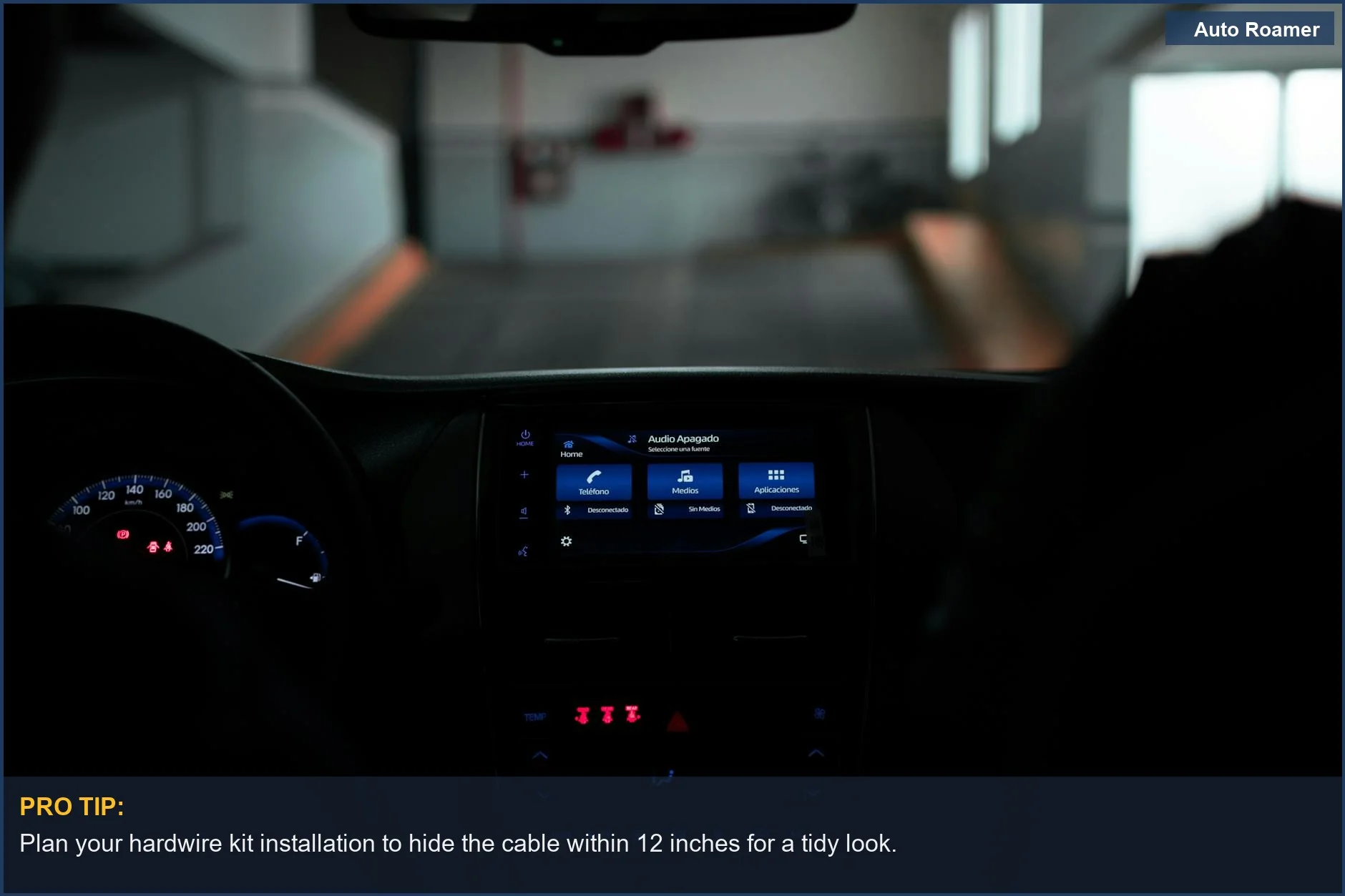
- Clean Installation: Nobody likes a messy car interior with wires everywhere. Hardwiring hides the cable, running it neatly along your car's trim to the fuse box.
It looks professional and keeps things tidy. My trunk was so full on my second camping trip, I learned to appreciate less clutter.
- Battery Protection: A good hardwire kit includes a low-voltage cut-off feature. This prevents the dash cam from draining your car's battery completely, which would leave you stranded.
The $50 version of a plug-in charger might not have this safety net.
- Accidental Power Loss: With a plug-in, if you accidentally bump the charger or it gets loose, your recording stops. Hardwiring provides a much more secure and stable connection. You do not want your dash cam to stop recording because it got nudged. A battery-powered dash cam is less secure than a hardwire kit.
Making the Right Choice
So, what's the final verdict on hardwire kits versus plug-in chargers? It really boils down to your needs and your tolerance for a little DIY. My first attempt at car camping involved a $47 foam pad from Walmart, and I learned that sometimes you need to spend a little more for crucial functionality. This is kind of the same.
- For the Casual Driver: If you just want to record your daily commute and don't care about what happens when your car is parked, a simple plug-in charger is perfectly adequate. It's easy, quick, and gets the job done for basic recording.
This method is popular because it is very easy.
- For the Prepared: If you want 24/7 protection, a clean install, and the ability to capture incidents while parked, a hardwire kit is the way to go. It's an investment in security, and while it might take a bit more effort to install, the benefits are significant.
Hardwiring a dash cam offers 24/7 protection.
- The $50 Version: Think of the plug-in as the $50 version and the hardwire kit as the $100 version that unlocks more features. Both can work, but one offers a more complete solution. The real move here is understanding what you're paying for.