
How to Choose the Right Trailer Brake Controller for Your Towing Needs
My first trailer was a tiny utility trailer hauling a dirt bike, and I thought I was set with just the truck's brakes. Big mistake. That little trailer felt like it was trying to push my Civic off the road on the first downhill.
My first trailer was a tiny utility trailer hauling a dirt bike, and I thought I was set with just the truck's brakes. Big mistake. That little trailer felt like it was trying to push my Civic off the road on the first downhill. I spent about 3 hours wrestling the steering wheel on a 45-minute drive. Turns out, that trailer had electric brakes and I had zero way to activate them.
Adding a trailer brake controller wasn't just an upgrade; it was a survival tactic. Choosing the right electric brake controller is way more important than most folks realize, especially if you're moving beyond hauling a grocery bag on wheels.
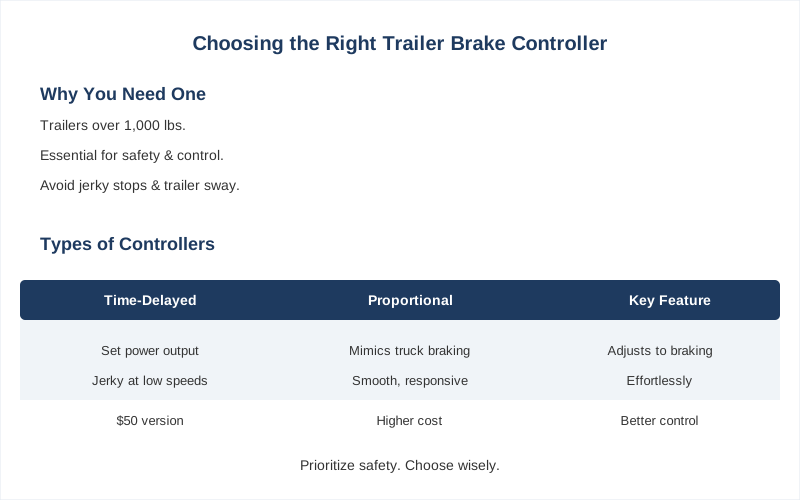
The honest version is, if your trailer weighs over 1,000 lbs, you probably need one. Anything more, and it's not just recommended, it's a safety mandate.
Ignoring it is like trying to stop a runaway shopping cart with just your pinky finger. It's not going to end well. Trailer brake controller systems are designed to make towing less of a white-knuckle endurance test and more of a manageable task.
The Core Answer
Look, there are two main types of trailer brake controllers, and picking the wrong one is a rookie mistake that can lead to some hairy situations. You've got your time-delayed controllers and your proportional ones. Think of time-delayed like a light switch - you flip it, and it gives you a set amount of power, no matter how hard you're pressing the pedal. It's the cheaper option, often the $50 version, but it can feel jerky, especially at lower speeds or when you're just feathering the brakes. I used one of these on my first camper, a little 2,000 lb teardrop, and it felt like the trailer was trying to pass me on the highway every time I hit the brakes in town.Proportional controllers are where it's at for most people. These things use an accelerometer, basically a tiny motion sensor, to figure out how hard you're braking. The harder you brake, the more power goes to your trailer brakes. It feels way more natural, like the trailer is actually part of your truck. Proportional controllers are essential for heavier trailers or when you're towing frequently. They're usually a bit more expensive, maybe in the $100-$250 range, but the added control and safety are worth every penny. My current rig has a proportional controller, and it makes a world of difference, especially when hauling my enclosed motorcycle trailer. You can actually adjust the gain, which is like turning up or down the trailer's braking power, to match the load and road conditions.
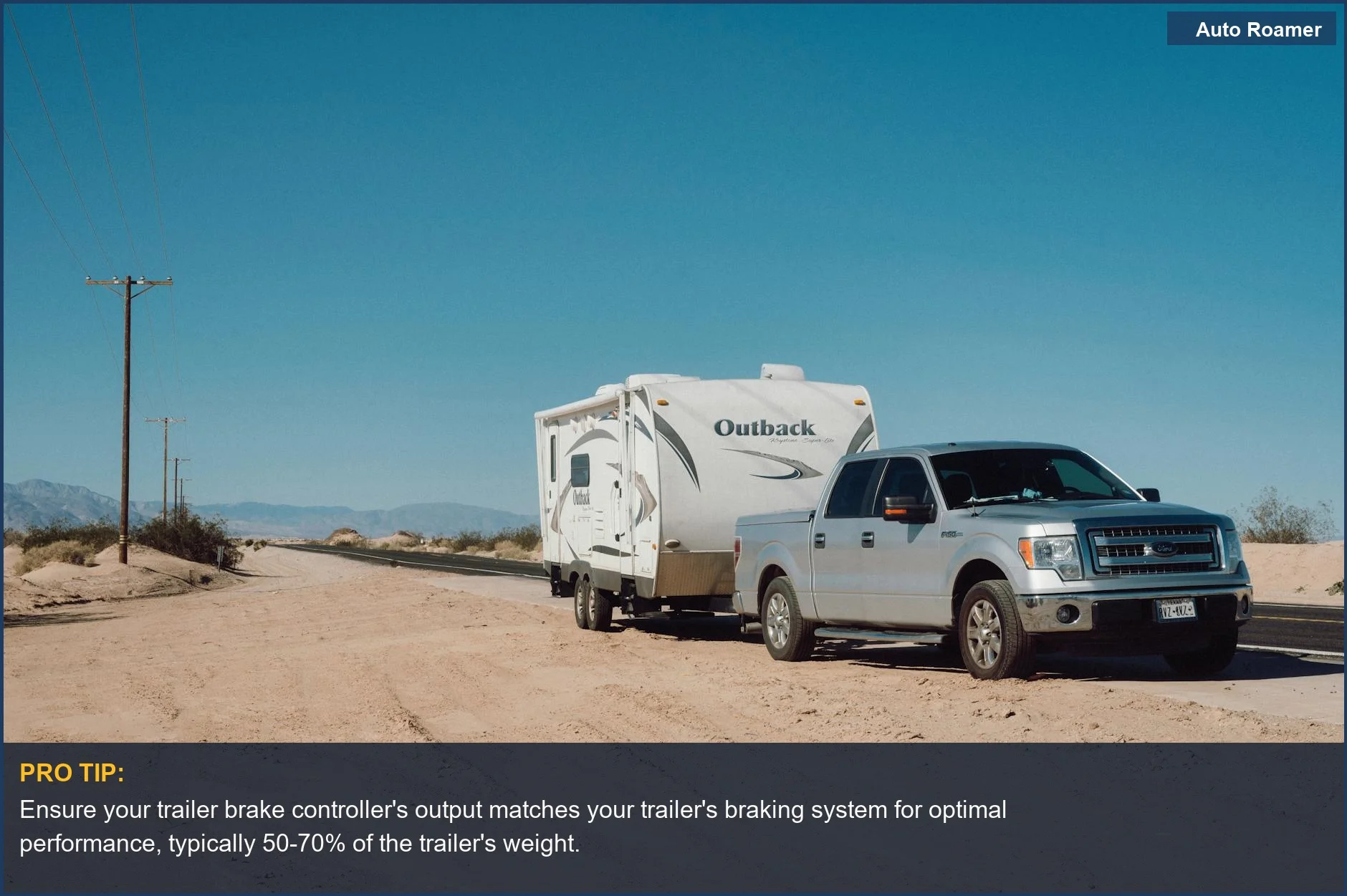
The real move is to get a proportional controller. Some advanced ones, like the REDARC Tow-Pro Elite, even have an off-road mode that lets you manually set the braking force, which is pretty slick if you're doing any serious overlanding or hauling on loose surfaces. Choosing the right electric trailer brake controller depends on how much you tow and where you tow it. For most weekend warriors hauling campers or boats, a good proportional controller from brands like Tekonsha or CURT will do the trick. You don't need anything too fancy unless you're regularly pushing the limits of your setup.
Why This Matters for Your Setup
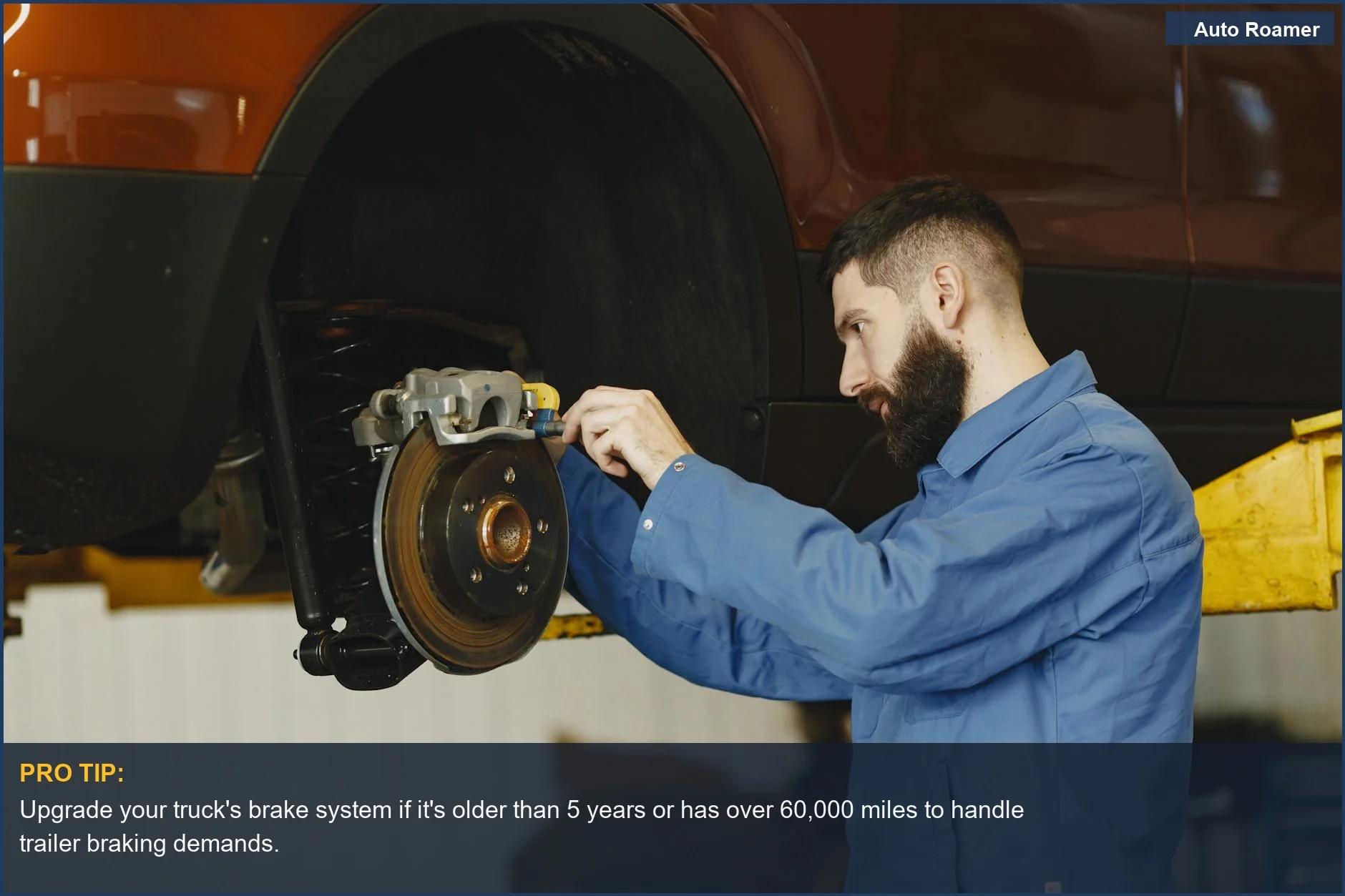
Why does this matter? Because your truck's brakes are designed to stop *your* truck, not your truck *plus* a 5,000 lb trailer. Without a brake controller, all that extra weight is fighting against you. Trailer brake controllers synchronize the trailer's brakes with your tow vehicle's brakes, making stopping smoother and much safer.Here's the breakdown:
- Safety First: This isn't just about making stops easier; it's about preventing accidents. A trailer pushing you downhill or jackknifing in an emergency is a terrifying experience I've only heard about, but I don't want to find out firsthand.
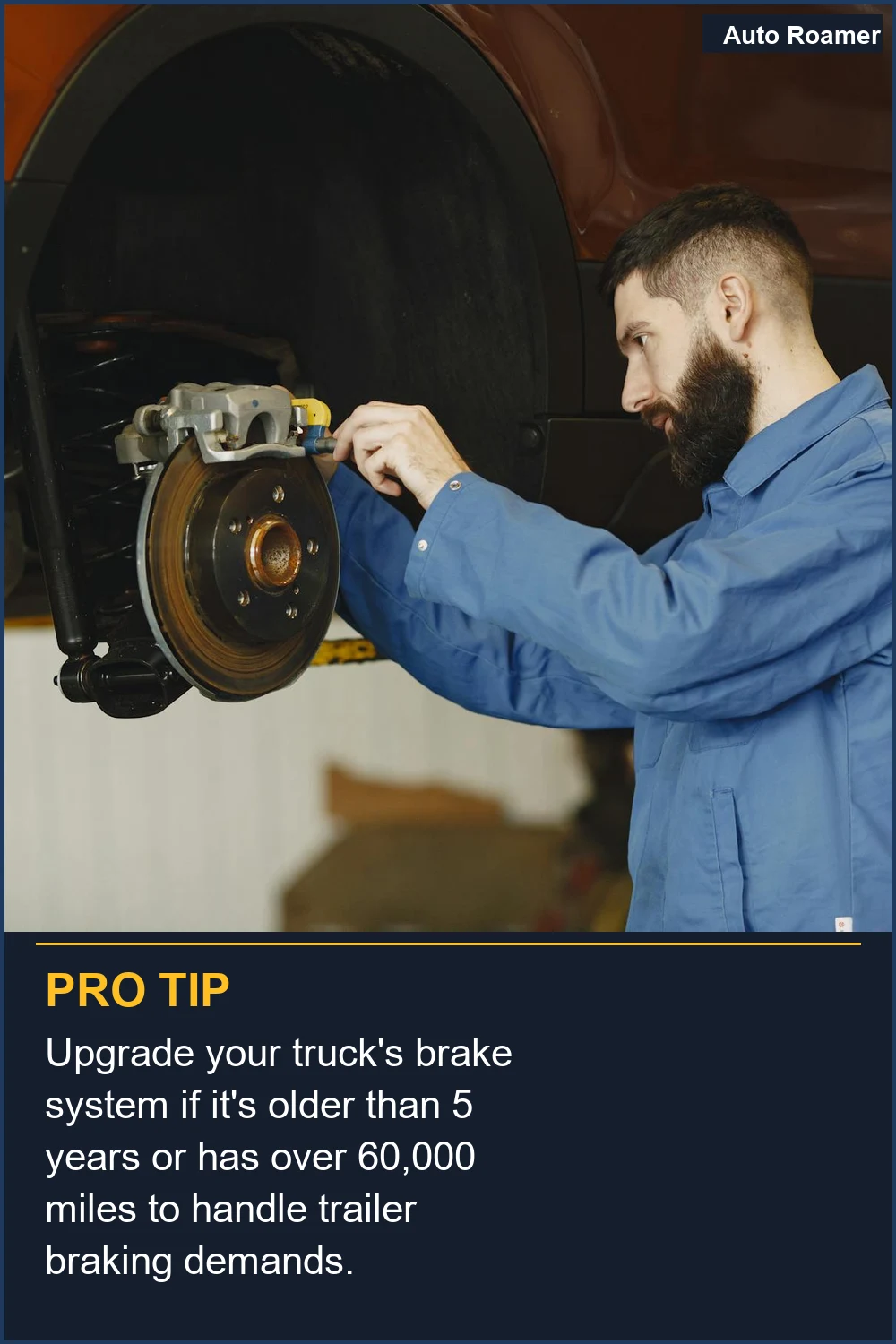
- Reduced Wear and Tear: Your tow vehicle's brakes will thank you. Distributing the braking load means less strain on your truck's components, potentially saving you money on repairs down the line.
- Better Control: Especially with larger or heavier trailers, a brake controller gives you a much more stable and predictable ride. You'll feel more confident in your setup, even in less-than-ideal driving conditions.
- Legal Compliance: Many states and provinces have laws requiring brake controllers for trailers over a certain weight, often around 1,000 or 3,000 lbs. Legal requirements vary, so check your local regulations.
Making the Right Choice
So, making the right choice for your trailer brake controller boils down to a few key things. Don't just grab the cheapest thing you see unless you're hauling a shopping cart. Choosing the right electric brake controller is about matching the technology to your towing habits.Here's the takeaway:
- Proportional is usually best: For most folks, the smoother, more intuitive braking of a proportional controller is the way to go. It feels like your trailer is actually cooperating.
- Consider your trailer weight: Lighter trailers (under 1,000 lbs) might get away with less, but anything heavier demands a proportional system.
- Think about your terrain: If you do any off-roading or towing in loose conditions, look for controllers with manual override or specific modes.
- Budget wisely: While a $50 time-delayed controller exists, a good proportional unit for $100-$250 is a much better investment in safety and peace of mind.
Frequently Asked Questions
I saw a shop quote me $300 to install a brake controller. Can I just buy one online for $120 and wire it up myself to save cash?
Do I really need a multimeter to install a brake controller, or can I just guess which wires go where?
What if I install a proportional brake controller and it still feels like the trailer is trying to push me downhill?
Can messing with trailer brake controller wiring permanently damage my truck's computer or something expensive?
I heard that if your trailer has its own brakes, they automatically work with your truck. Is that true?
🏅 Looking for Gear Recommendations?
Check out our tested gear guides for products that work with this setup:
Sources
- Choosing the Right Electric Brake Controller for Your Towing Needs
- Trailer Brake Controller Guide
- Towing a Trailer? Let's Talk About Brake Controllers - etrailer.com
- Which brake controller and what else do I need? - iRV2 Forums
- The Ultimate Guide to Trailer Brake Controllers for Safe RV Towing
- WHICH ELECTRIC BRAKE CONTROLLER DO YOU NEED? TOW ...
- Trailer Brake Controller Guide - North Carolina Trailer Sales