
What Power Source Do Portable Tire Inflators Use?
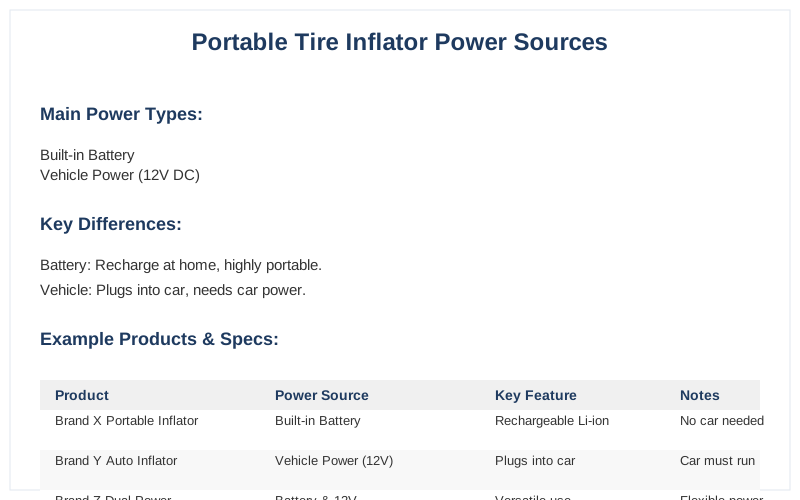
Portable tire inflators are a lifesaver, but what actually powers them? It's not magic, just a few basic electrical concepts. Most of these handy gadgets run on either a built-in battery or draw power directly from your vehicle's electrical system.
Portable tire inflators are a lifesaver, but what actually powers them? It's not magic, just a few basic electrical concepts. Most of these handy gadgets run on either a built-in battery or draw power directly from your vehicle's electrical system. Understanding this difference is key to not getting stranded with a flat and a dead pump. These are the main types.
I learned this the hard way when my first portable inflator died mid-tire-pump at a gas station. Turns out, I'd forgotten to charge the battery. Rookie mistake. It was a $30 lesson that taught me the importance of knowing your power source. It's not just about convenience; it's about reliability when you actually need it. Battery versus plug-in is a real debate.
The Core Answer
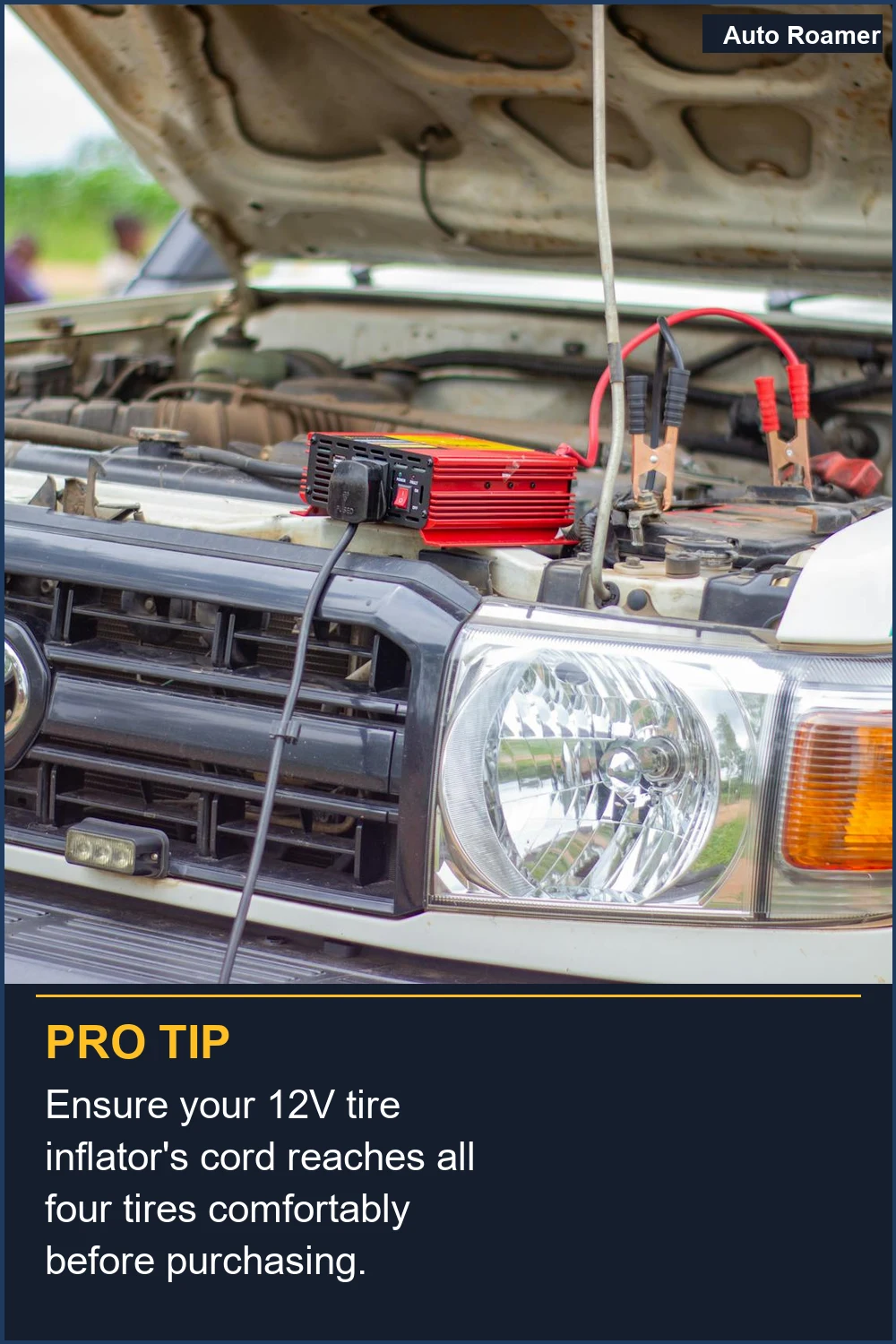
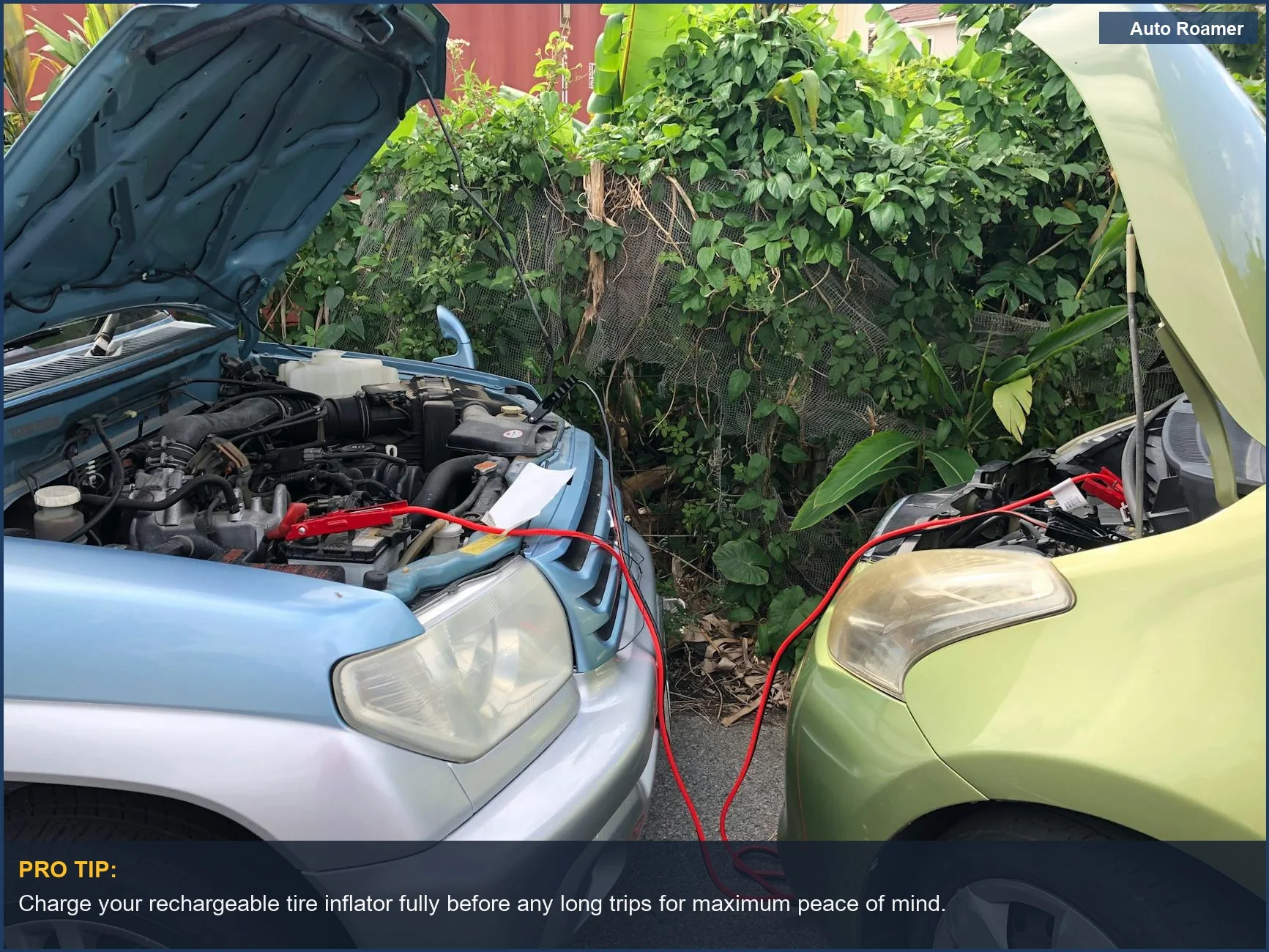
The vast majority of portable tire inflators you'll find fall into two main power categories: battery-powered or vehicle-powered (usually 12V DC). That's it. No need for a PhD in electrical engineering. Battery-powered units have their own internal rechargeable battery, typically lithium-ion. You charge it up at home before you leave. Think of it like your phone; you charge it, then you use it until it's dead. This makes them super portable. Vehicle-powered units plug directly into your car's 12V accessory outlet, often called a cigarette lighter port. These run off your car's electrical system. As long as your car is running or has a charged battery, you've got power. This is a common setup. Some high-end models might have AC adapters for home use, but for portable situations, it's almost always battery or 12V car power. I tried one of those AC ones once at a campsite, needing an extension cord longer than my car. It was a disaster. AC power is usually stationary. These devices typically draw between 10 to 15 amps. This is important because your car's 12V outlet is usually fused to protect it. If the inflator draws too much, you'll blow a fuse. It's rare, but it happens. Check the amperage rating. My first 12V inflator was rated at 10A. My Subaru's cigarette lighter is fused at 15A. So, it was fine. But I once borrowed a friend's inflator that pulled 15A, and it blew the fuse on my old truck within 5 minutes. That's the real move: know your car's fuse rating. Specs matter. Battery-powered inflators are convenient for being untethered. I've used mine to inflate bike tires on a trail miles from my car. But if the battery is dead, it's just a useless brick. You need to remember to charge it. Vehicle-powered inflators offer consistent power as long as the car is running. This is great for topping off all four tires on a long trip. I did this on a camping trip to the Outer Banks last year, and it was a lifesaver after airing down for the sand. Continuous power is the upside. There are even some units that have both options - a built-in battery AND a 12V plug. These are the best of both worlds, but they usually cost more. Think of it as the $50 version versus the $100 version. Hybrid models exist. The internal motor and pump mechanism are what actually do the work. They're driven by the electricity supplied by either the battery or the car. The higher the amperage and voltage, generally the more powerful the motor and the faster it can inflate a tire. It's all about the electricity. When you're looking at inflators, the main thing to consider is how you'll use it. If you're just topping off tires occasionally, a simple 12V plug-in might be fine. If you need to inflate tires away from a vehicle, or for recreational gear, a battery model is better. Your use case dictates the choice.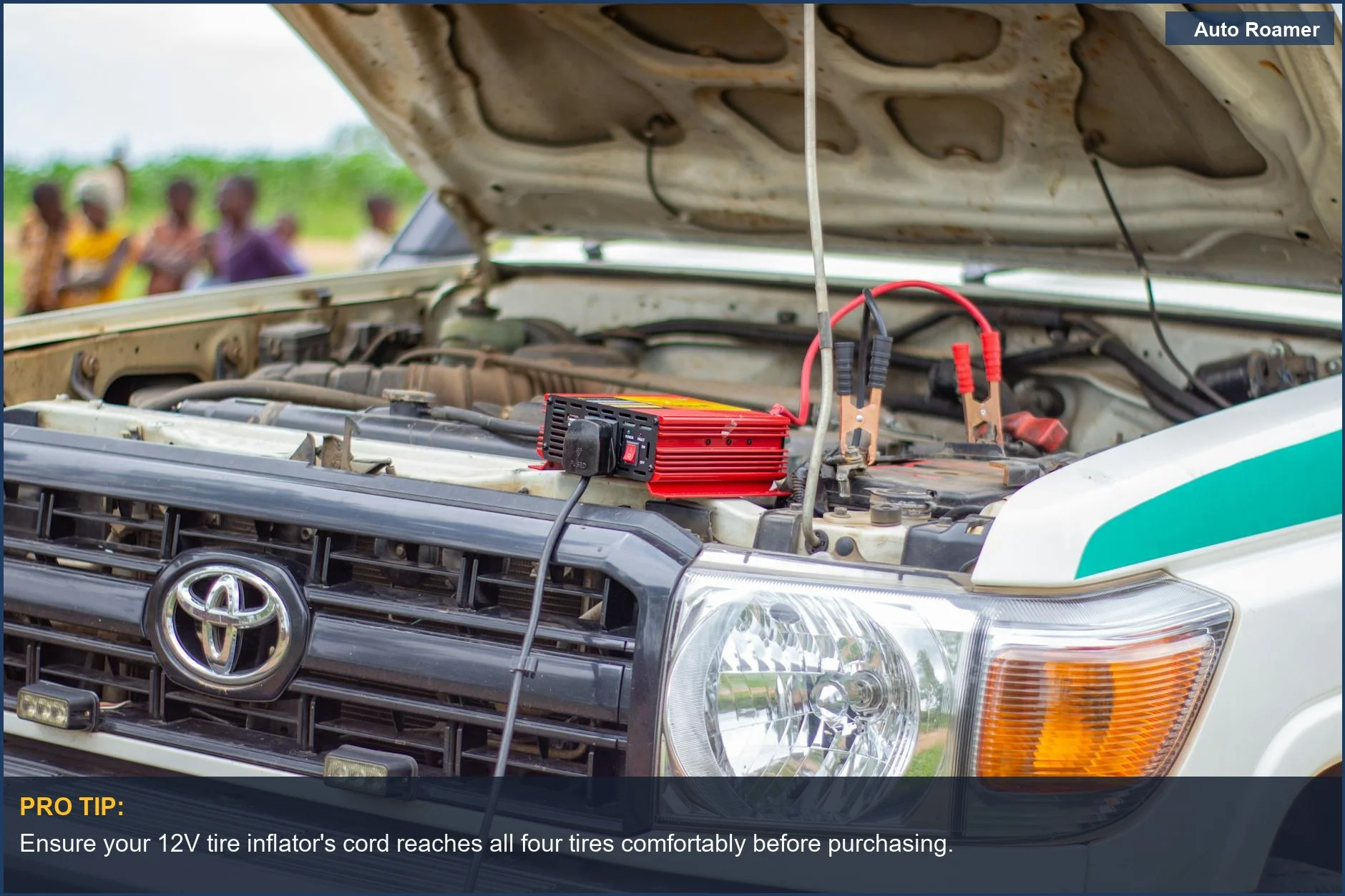
Why This Matters for Your Setup
Making the Right Choice
Frequently Asked Questions
Can I just use my house extension cord with one of those AC-powered inflators when I'm camping?
Do I really need a fancy voltmeter to check if my car's 12V outlet can handle a tire inflator?
What if my battery-powered inflator dies mid-inflation and I'm miles from anywhere?
Can using a 12V tire inflator too much damage my car's electrical system permanently?
I heard you can use a portable jump starter battery to power a 12V tire inflator. Is that true?
🏅 Looking for Gear Recommendations?
Check out our tested gear guides for products that work with this setup:
Sources
- What power source does a tyre inflator pump use? - Blog
- The Science of Portable Power: How Modern Inflators Work - Fanttik
- How can run a 12V Tyre Inflator portable machine without ... - Quora
- Can i plug in a 12V tire inflator without damaging the electrical ...
- A power supply for a car tire inflator or compressor : r/Motors - Reddit
- Battery-Powered vs. Plug-in Tire Inflators: Pros, Cons, and ... - Etenwolf
- Tire pump - what power source do you use? - BMW NineT Forum
- Portable air compressor / tire inflator - Escape Forum