
Powering Your Portable Tire Inflator: Battery vs. 12V Options for Car Campers
The debate over how to power a portable tire inflator boils down to two main camps: battery-powered units and those that plug into your car's 12V outlet. It sounds simple, but the choice can make or break your roadside sanity.
This isn't about fancy engineering; it's about what gets air into your tire when you need it most, whether you're deep in the woods or just stuck on the shoulder. Understanding the core differences will save you frustration and potentially a tow truck bill.
I've spent hours at campsites wrestling with cords and praying my portable battery didn't die mid-inflation. You don't need a degree in electrical engineering to figure this out, just a little common sense and a willingness to learn from my rookie mistakes.
cite: Reddit, YouTube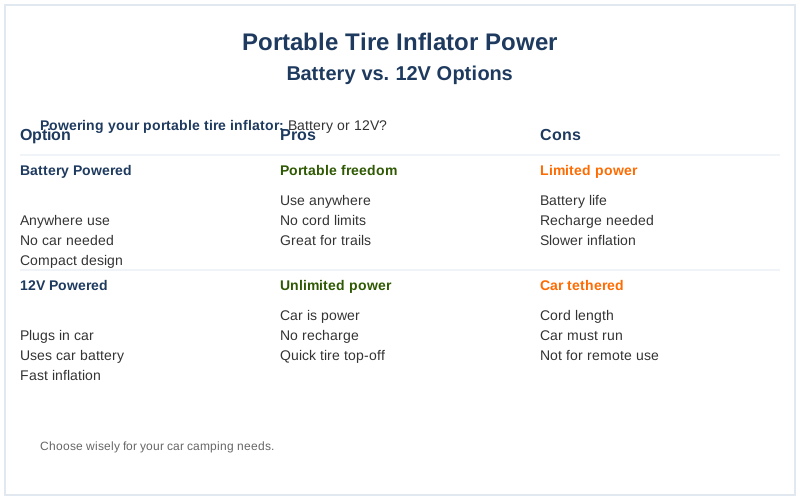
The Core Answer
The real move here is understanding what each type of inflator brings to your car camping setup. A 12V inflator plugs directly into your car's cigarette lighter port. This means it's tethered to your vehicle, but it also means it has a virtually unlimited power source as long as your car is running or has battery power. Think of it as a direct line to your car's electrical system.The upside to this is that these units generally don't quit because of a dead battery. I've had my trusty 12V inflator run for 15 minutes straight to top off all four tires after a long gravel road stretch, no problem. The downside? You're stuck within the length of that cord, which can be a pain if your flat is far from the passenger side door.
Battery-powered inflators, on the other hand, offer pure freedom. They run on rechargeable lithium-ion batteries, similar to your cordless drill. This means you can use them anywhere - to inflate bike tires at the trailhead, pool toys at the lake, or, yes, your car tires if you're parked away from an outlet. My first battery-powered inflator was a game-changer for quick top-offs before hitting a trail.
However, the honest version is that batteries have limits. They can get sluggish in the cold, and they will eventually die. I once tried to inflate a completely flat truck tire with a battery-powered unit in 30-degree weather, and it sputtered out halfway through, completely drained. That was a rookie mistake, and a cold night.
Generally, 12V models have more powerful motors. This means they can often inflate tires faster, especially larger ones found on SUVs or trucks, compared to many battery-powered options. But don't count out the battery units; the newer ones are getting seriously fast. Some high-end battery models can go from zero to 30 PSI in under a minute for a standard car tire.
The cost is also a factor. The $50 version of a 12V inflator is usually pretty basic but gets the job done. Battery-powered units, especially those that use interchangeable batteries from a tool system you might already own, can cost more upfront. But if you already have the batteries, it feels like a steal.
What nobody tells beginners is that the runtime and power output of battery inflators can vary wildly. A cheap, no-name unit might struggle with anything more than a bike tire, while a system designed for power tools will handle truck tires like a champ. Always check the specs if you plan on tackling big tires.
Ultimately, for car camping, where you're often close to your vehicle, a 12V inflator is a reliable workhorse. But if you value ultimate portability and the ability to inflate things away from your car, a good battery-powered unit is worth the investment.
cite: Etenwolf, Grassroots Motorsports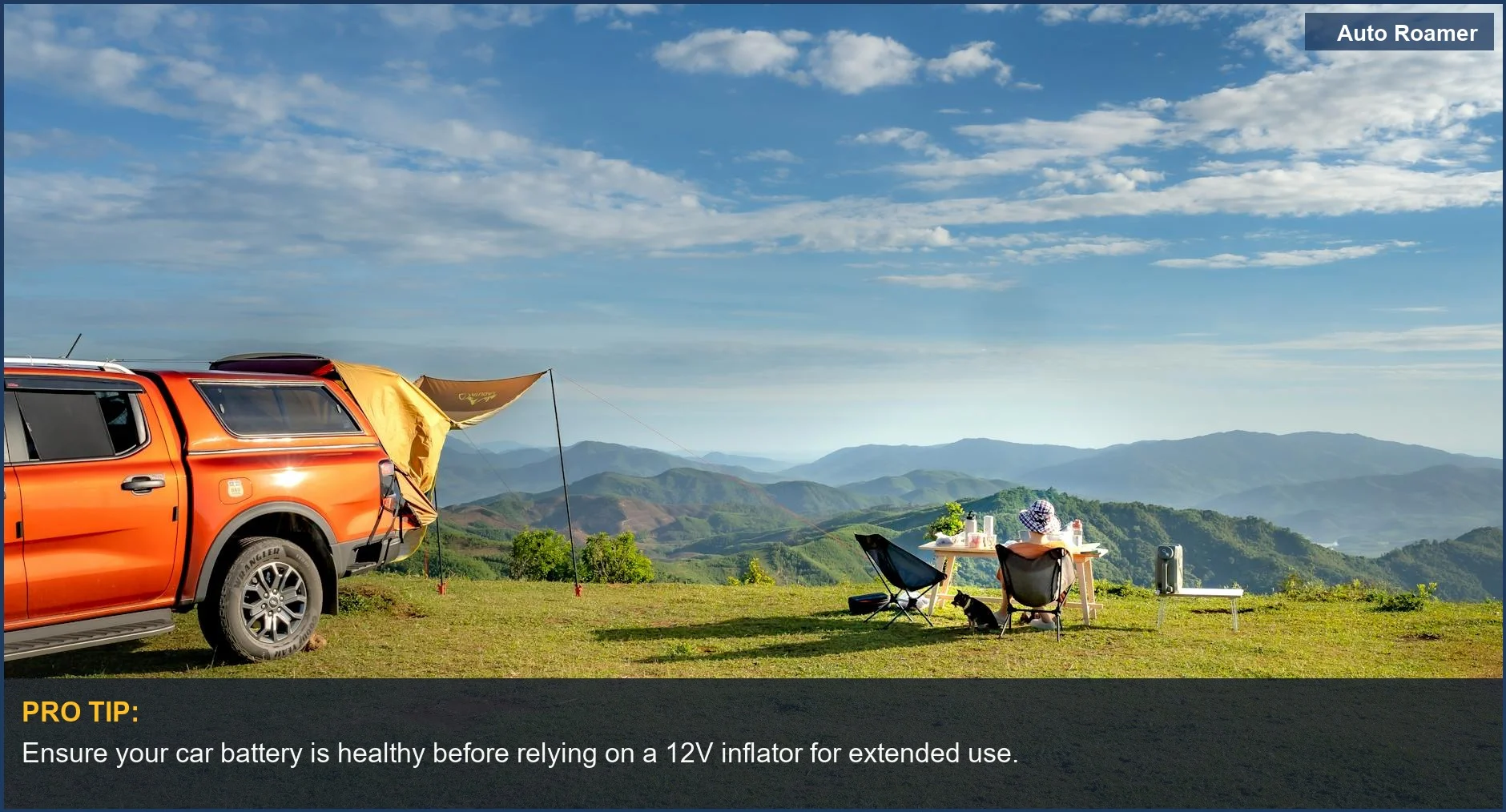

Why This Matters for Your Setup
- Freedom vs. Tether: A 12V inflator is tethered to your car by a cord. This is fine if your flat is right next to the door, but a pain if it's at the back of a crowded campsite. Battery units let you roam. I once had to inflate a trailer tire that was a good 15 feet from my car door - the 12V cord just barely made it. A battery unit would have been way easier.
- Power Endurance: For long inflation jobs or multiple tires, the 12V wins. It won't die as long as your car's engine is on. My buddy's battery inflator died halfway through filling his RV tires on a trip; he ended up borrowing my 12V unit.
- Cold Weather Woes: Batteries don't like the cold. I've seen battery-powered inflators act sluggish or refuse to work altogether when temps dropped below freezing. My 12V unit? It just kept chugging along.
- Weight and Portability: Battery units are generally lighter and more compact, especially if you already own the battery system. This is great for packing light or for quick fixes away from the car.
- Speed vs. Convenience: While 12V units can be faster, the convenience of a battery unit for quick top-offs or inflating non-car items (like air mattresses) is hard to beat.

Making the Right Choice
- For the Budget-Conscious First-Timer: A 12V inflator is your best bet. They're typically cheaper and offer reliable, continuous power from your car. My first one cost around $30 and lasted me two years of weekend trips.
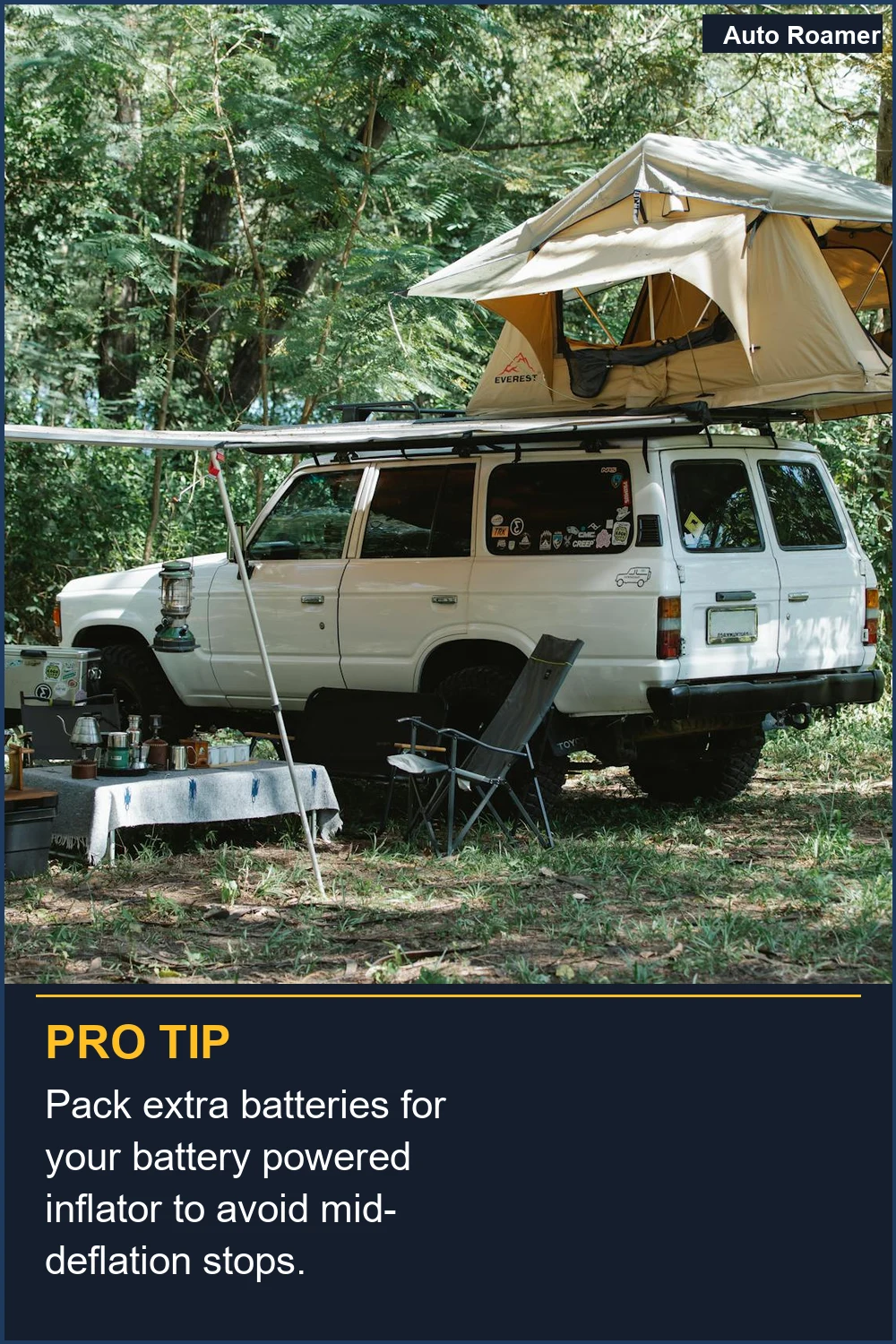
- For the Ultimate Portability Seeker: If you camp in remote spots or need to inflate things other than car tires regularly, a battery-powered unit is the way to go. Just make sure you have a good battery or a backup.
- Consider Your Vehicle: If you have a large SUV or truck with tires that need frequent topping up, look for a powerful unit, whether 12V or battery. My neighbor's 12V inflator struggled with his 35-inch tires, taking forever.
- Don't Forget the Extras: Whichever you choose, make sure it comes with a decent length hose and a pressure gauge, preferably one that's easy to read in dim light. I learned that lesson the hard way at 1 AM.


Frequently Asked Questions
If my car's battery is completely dead, can I still use a 12V tire inflator?
Do I really need a tire inflator that shows the PSI, or can I just guess?
What if my battery-powered inflator only inflates one tire before dying?
Can using a 12V inflator too much drain my car's battery?
Is it true that 12V inflators are always slower than battery ones?
🏅 Looking for Gear Recommendations?
Check out our tested gear guides for products that work with this setup:
Sources
- Portable Tire Inflator Source — Car Gadgets - Popular Mechanics
- Battery-Powered vs. Plug-in Tire Inflators: Pros, Cons, and ... - Etenwolf
- Battery Powered vs 12v Vehicle Battery Powered! : r/Tools - Reddit
- Air Tank Or Battery Powered Compressor? - Grassroots Motorsports
- Don't Buy a 12V AIR COMPRESSOR Until You WATCH THIS VIDEO!
- What is a good portable battery/12v powered tire inflator ... - Facebook
- Corded vs. Cordless Tire Inflators for Cars: What Users Prefer - Newo