
How to Choose the Right Tire Inflator for Your Car Camping Adventures
Choosing a portable tire inflator can feel like picking a tent in a hurricane. There are dozens of options, all promising to be the magic bullet for your car camping needs. I spent way too many hours staring at screens, trying to figure out what actually matters when you're miles from anywhere and your tire decides to impersonate a pancake.
Choosing a portable tire inflator can feel like picking a tent in a hurricane. There are dozens of options, all promising to be the magic bullet for your car camping needs. I spent way too many hours staring at screens, trying to figure out what actually matters when you're miles from anywhere and your tire decides to impersonate a pancake.
It turns out, not all compressors are created equal, and some are just glorified desk fans for your tires.Car and Driver puts it mildly when they say there's a 'plethora of confusing options.' My first trip into this world involved a cheap plug-in model that took 20 minutes to add 5 PSI. That's not just slow; that's an invitation to frustration. You need something that works, and works fast, without requiring an engineering degree.
This isn't about fancy features; it's about getting air into your tires when it counts. The real move is understanding what powers the pump and how much air it can actually push. My goal here is to cut through the marketing jargon and get you to the core of what makes a tire inflator useful for your weekend warrior life.
The Core Answer
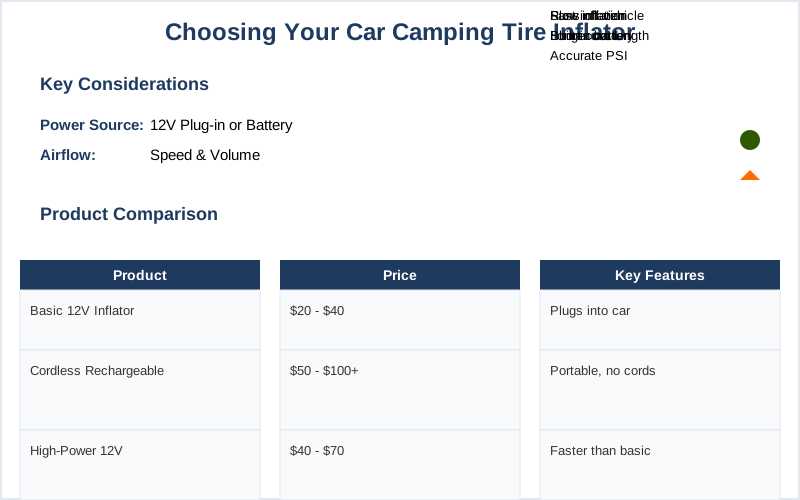
The core answer to choosing a tire inflator boils down to two main things: power source and airflow capacity. Everything else is just window dressing. My first inflator was a dinky 12-volt plug-in job I snagged for $20. It took forever to fill a single tire, and the cord barely reached my back tires on my old sedan. That was a rookie mistake. MotorTrend notes that speed and accuracy are key, and my cheapo model failed miserably on both. You need something that can actually get the job done in a reasonable amount of time. My current setup uses a cordless inflator that runs on a rechargeable battery. This is the game-changer. I can move it anywhere without worrying about finding an outlet or a cigarette lighter port. The honest version: battery-powered is the way to go for car camping. Look at the advertised airflow, usually measured in cubic feet per minute (CFM) or liters per minute (LPM). Higher numbers mean faster inflation. For most car camping, you don't need a monster industrial compressor, but don't go for the absolute cheapest, weakest option either. Think about the size of your tires. Bigger tires on an SUV or truck need more air volume than a small sedan. Eten Wolf points out that tire volume is more important than just PSI. A unit that claims 100 PSI but has a tiny motor will still take ages to fill a large tire. I learned this the hard way at Big Meadows campground in Shenandoah; my tires were low from a bumpy forest road, and it took me 45 minutes to get them all up to pressure. The real move is a balance: a decent battery life, a good airflow rate, and a gauge that's reasonably accurate. Don't get bogged down in all the extra features like LED lights or fancy digital displays unless they come standard. Focus on the core function: getting air into your tires quickly and reliably. My second inflator cost me $80, and it was worth every penny for the peace of mind and time saved. It's not about having the most expensive tool, but the right tool for the job. What nobody tells beginners is that those tiny, pocket-sized inflators are often underpowered for anything beyond a bicycle tire. You need something with a bit of grunt. You do not need a bubble level for your car, but you do need an accurate pressure gauge on the inflator. A gauge that's off by 10 PSI is worse than no gauge at all. The $50 version might be tempting, but it's usually a false economy when it's blowing hot air at you instead of useful PSI. The key is to match the inflator's capability to your vehicle's needs. A small sedan might be fine with a basic model, but a truck or SUV towing a camper will demand more power and airflow. Drive Perry mentions looking for a gauge that supports your vehicle's tire pressure, which is obvious but crucial. I've seen too many people struggle with underpowered units, adding 5 PSI at a time. It's the kind of thing that makes you want to just drive on the rim and call it a day.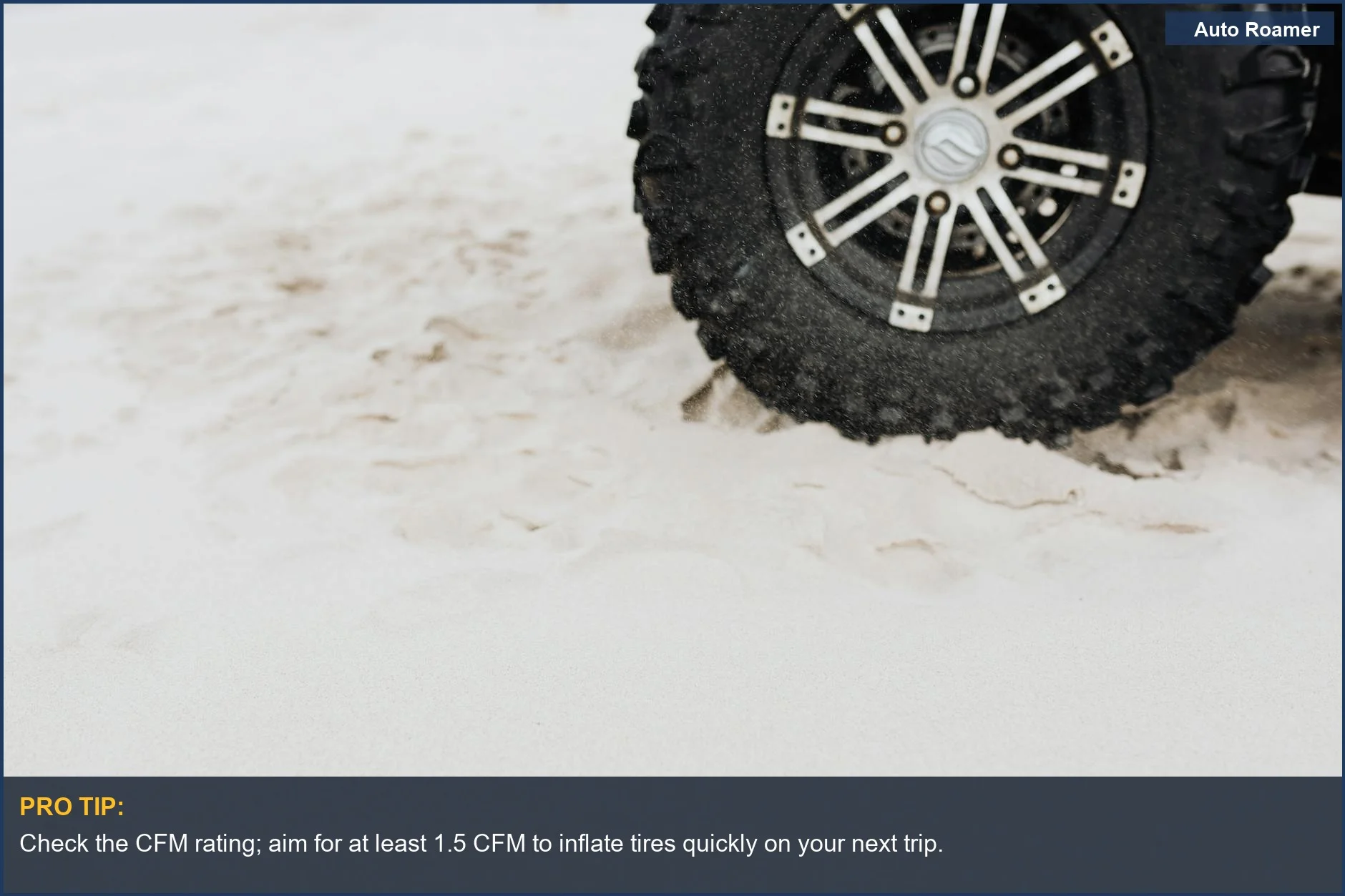

Why This Matters for Your Setup
Why does any of this matter for your car camping setup? Because low tire pressure is a stealth killer of weekend adventures. My first car camping trip to Assateague Island, the sand was softer than I expected. My all-season tires, at normal highway pressure, sunk in like a cheap inflatable raft. I spent two hours digging my Civic out, feeling like a total idiot. Outdoor Life talks about worst-case scenarios, and that was mine. The real move: being able to adjust your tire pressure on the fly. You want to let some air out for sand or rough terrain, and then be able to pump them back up before hitting the highway. This requires an inflator that's fast and reliable. I've seen people with those manual foot pumps, struggling for 15 minutes to get 10 PSI. That's not a good look when the sun is setting and you still need to set up camp. Bullet points are your friend here, so here's the breakdown: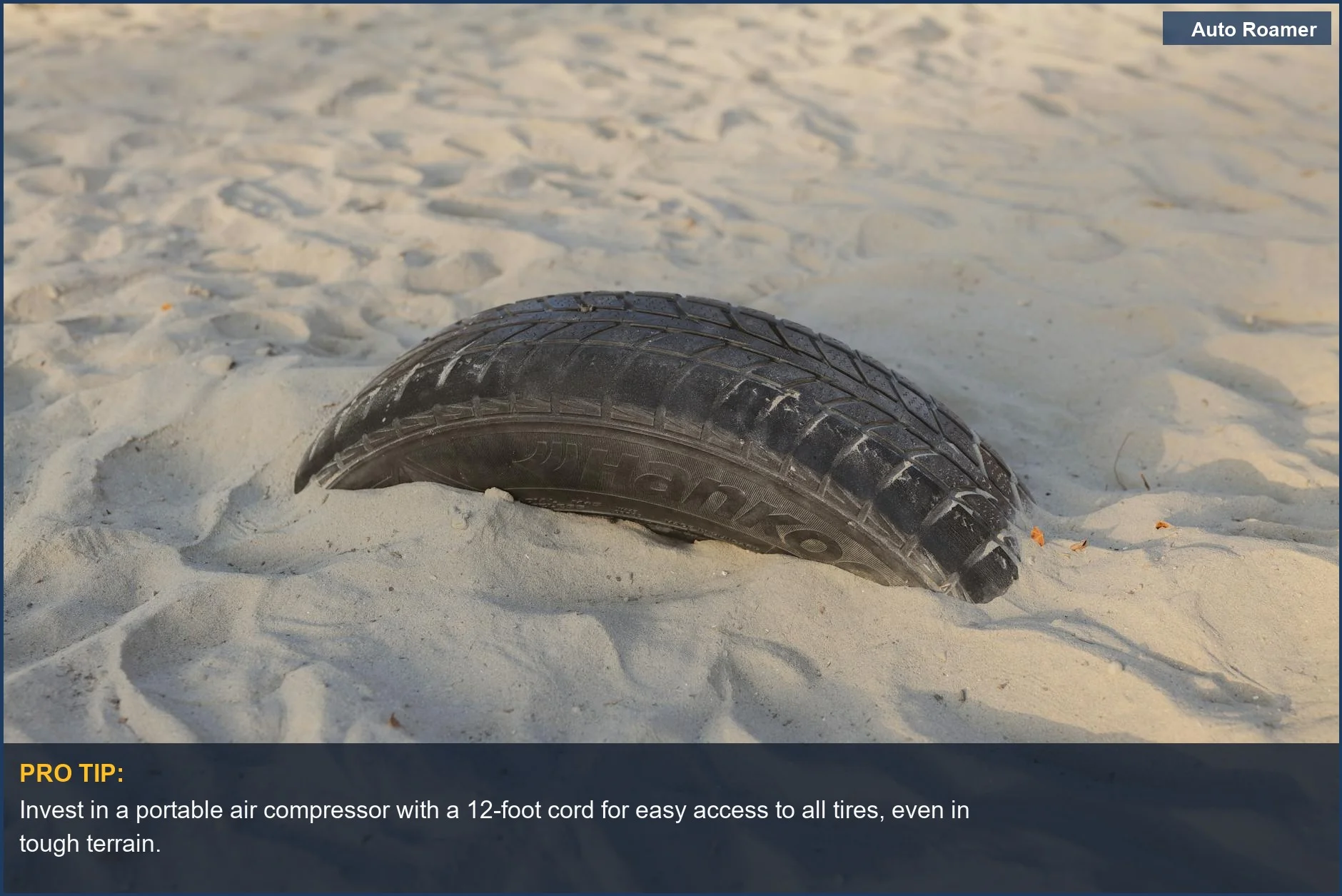
Making the Right Choice
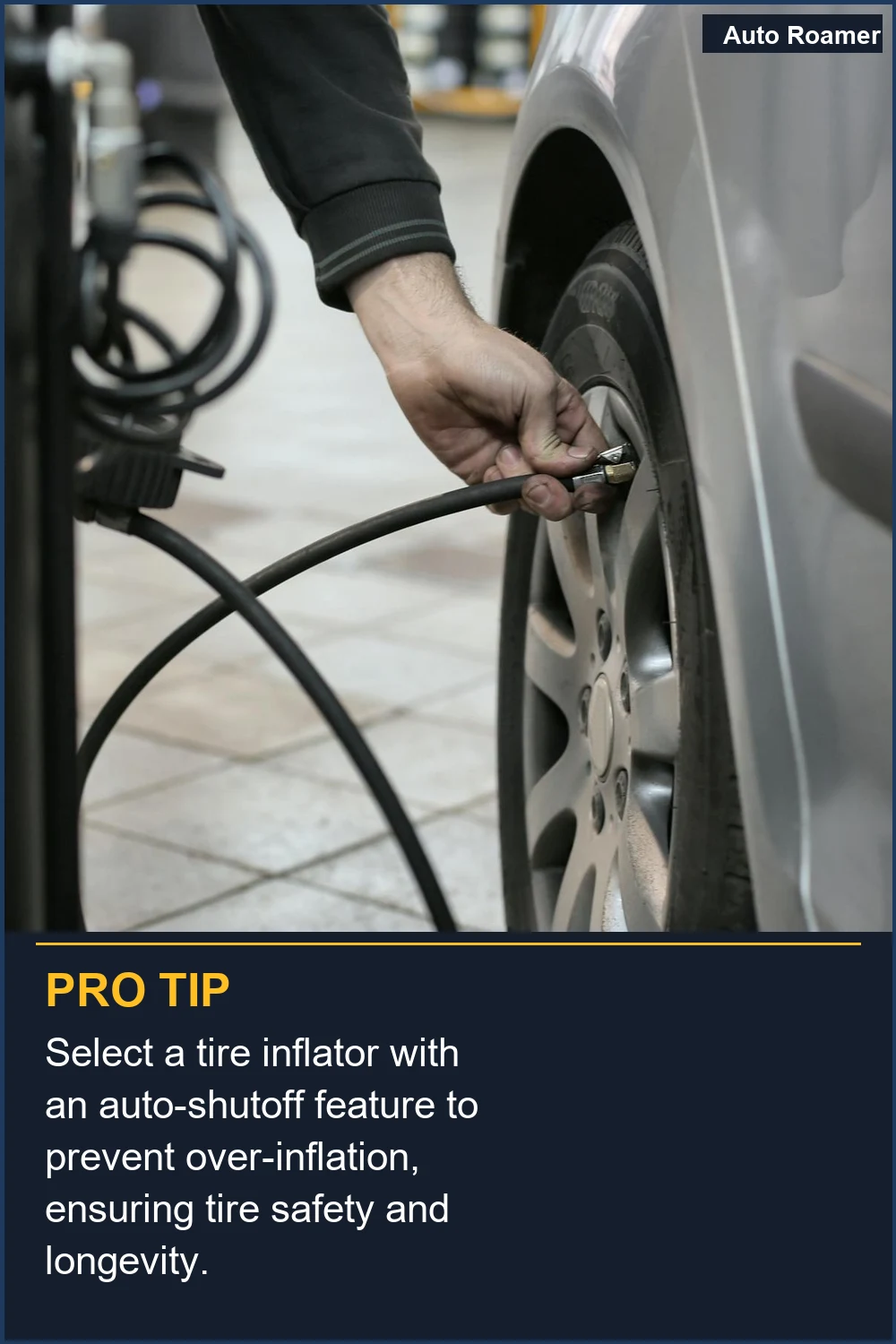
Making the right choice for a tire inflator isn't about buying the most expensive gadget. It's about understanding your needs and getting a tool that reliably meets them. Here's the final rundown: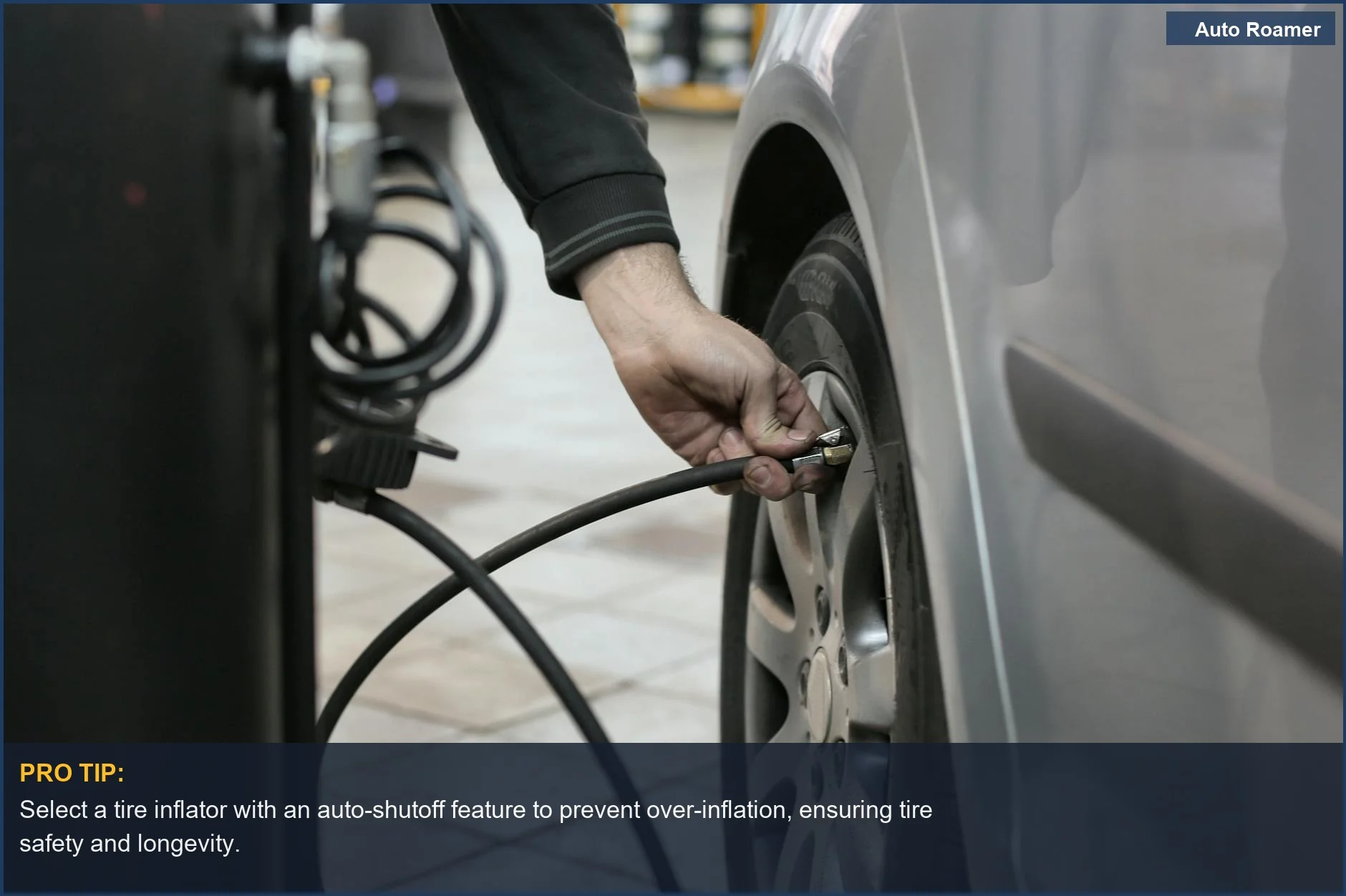
Frequently Asked Questions
If I buy a decent cordless inflator for around $80, is that really cheaper than just getting air at a gas station whenever I need it?
Do I really need a fancy digital gauge on my tire inflator, or will a basic analog one do?
What if I try to air up my tires after driving on a bumpy forest road, and the inflator just gives up halfway?
Can using a cheap, underpowered tire inflator for a long time actually damage my tires?
I heard you can just use a CO2 cartridge to inflate tires. Is that a good alternative to a portable compressor?
🏅 Looking for Gear Recommendations?
Check out our tested gear guides for products that work with this setup: