Roadside Emergencies

Lithium vs Lead-Acid Jump Starters: Which is Better for Your Car?

Casey - The Weekend Warrior
6 min read
Includes Video

Car emergency power devices, or jump starters, are an essential tool for drivers who want reliable roadside backup. In 2024, the American Automobile Association (AAA) received more than 27 million emergency roadside service calls across the United States, with the majority of vehicles requiring towing (approximately 13 million) or experiencing battery issues (approximately 7 million) Source Name .

Car emergency power devices, or jump starters, are an essential tool for drivers who want reliable roadside backup. In 2024, the American Automobile Association (AAA) received more than 27 million emergency roadside service calls across the United States, with the majority of vehicles requiring towing (approximately 13 million) or experiencing battery issues (approximately 7 million) Source Name. Between 2020 and 2025, market demand shifted noticeably toward compact lithium-ion jump starters.

Traditional lead-acid batteries are still widely used due to their lower upfront cost, but lithium-ion batteries are becoming increasingly dominant due to their portability, fast charging, and long lifespan. I've compared lithium-ion and lead-acid starting power supplies based on chemical composition, power, weight, maintenance, and environmental impact. I hope this will help you choose the right emergency power source for you.
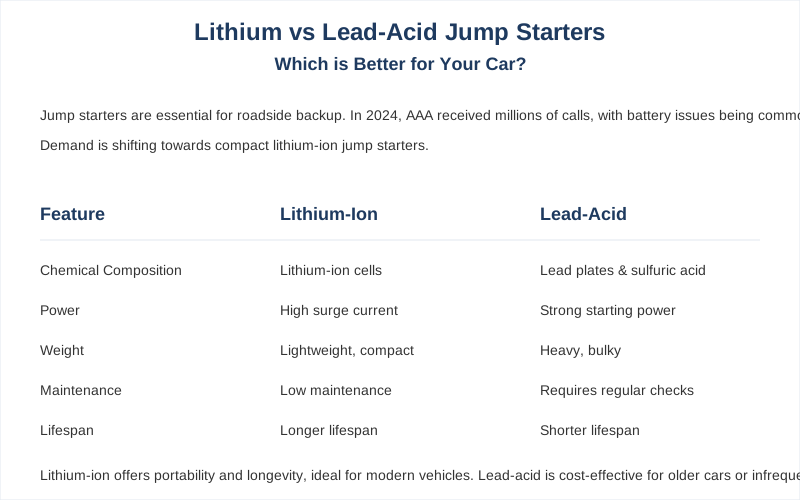
Lithium vs Lead-Acid Jump Starters: Which is Better for Your Car? — Key Specifications Compared
Key specifications for Lithium vs Lead-Acid Jump Starters: Which is Better for Your Car?

The Core Answer

Lead-acid jump starters are based on the oldest rechargeable battery technology still in use. The concept dates back to 1859, when French physicist Gaston Planté first invented the lead-acid battery, a design that relies on lead plates and sulfuric acid to store and release energy Source Name. This chemistry delivers the powerful surge of current needed to start car engines, which is why it became the standard for automotive starter batteries for decades. In everyday life, I see lead-acid jump starters being used for older vehicles, trucks, or cars that sit unused for long periods. They are perfect for garage use, family road trips, or helping neighbors jump-start a stubborn battery on a chilly morning. Their straightforward design makes them durable, even if they require more careful handling and regular charging compared to lithium models. My old lead-acid pack, a beast that weighed about 20 pounds, sat in my truck for eight years straight and jumped everything from my old diesel F-250 to my neighbor's lawnmower. It finally gave up the ghost, but that's a solid run for a $150 investment Source Name. Lithium-ion jump starters, on the other hand, pack more power for their size because they have a higher energy density Source Name. This means they are significantly lighter and smaller, often fitting right into your glove compartment or a small backpack. I tried one of these fancy lithium packs for a bit, and it was almost comical how small it was. It fit in my center console, which is nice if you're short on space, but I found it died after just one jump start, unlike my old lead-acid brick Source Name. That's the honest version; some of the smaller lithium units are really only good for one quick boost before needing a recharge. One big advantage of lithium is how long they hold a charge. Lead-acid batteries can lose power over time if they're not regularly topped up, especially in cold weather. Lithium-ion units, however, can sit on a shelf for months and still be ready to go when you need them Source Name. This low maintenance is a huge plus if you're not the type to meticulously check your gear before every trip. When it comes to cranking power, lead-acid batteries are generally better at delivering that massive burst of amps needed for engines that are completely dead or have very low temperatures affecting their oil viscosity. Lithium-ion packs can struggle with extended cranking or multiple jumps on a single charge, especially for larger engines Source Name. If you're routinely dealing with really cold mornings or large diesel engines, a beefier lead-acid unit might still be your best bet for sheer brute force. However, lithium units are often faster to recharge. While a big lead-acid pack can take many hours to charge fully, many lithium jump starters can be topped up relatively quickly, though some require a separate, expensive fast charger Source Name. This is game-time for me; I hate waiting around for gear to charge when I need it now.
To further explore the advantages and disadvantages of different battery technologies, check out our article on jump starter battery types.
Ensure jumper cable clamps have a secure grip on the battery terminals for optimal conductivity and a faster jump start.
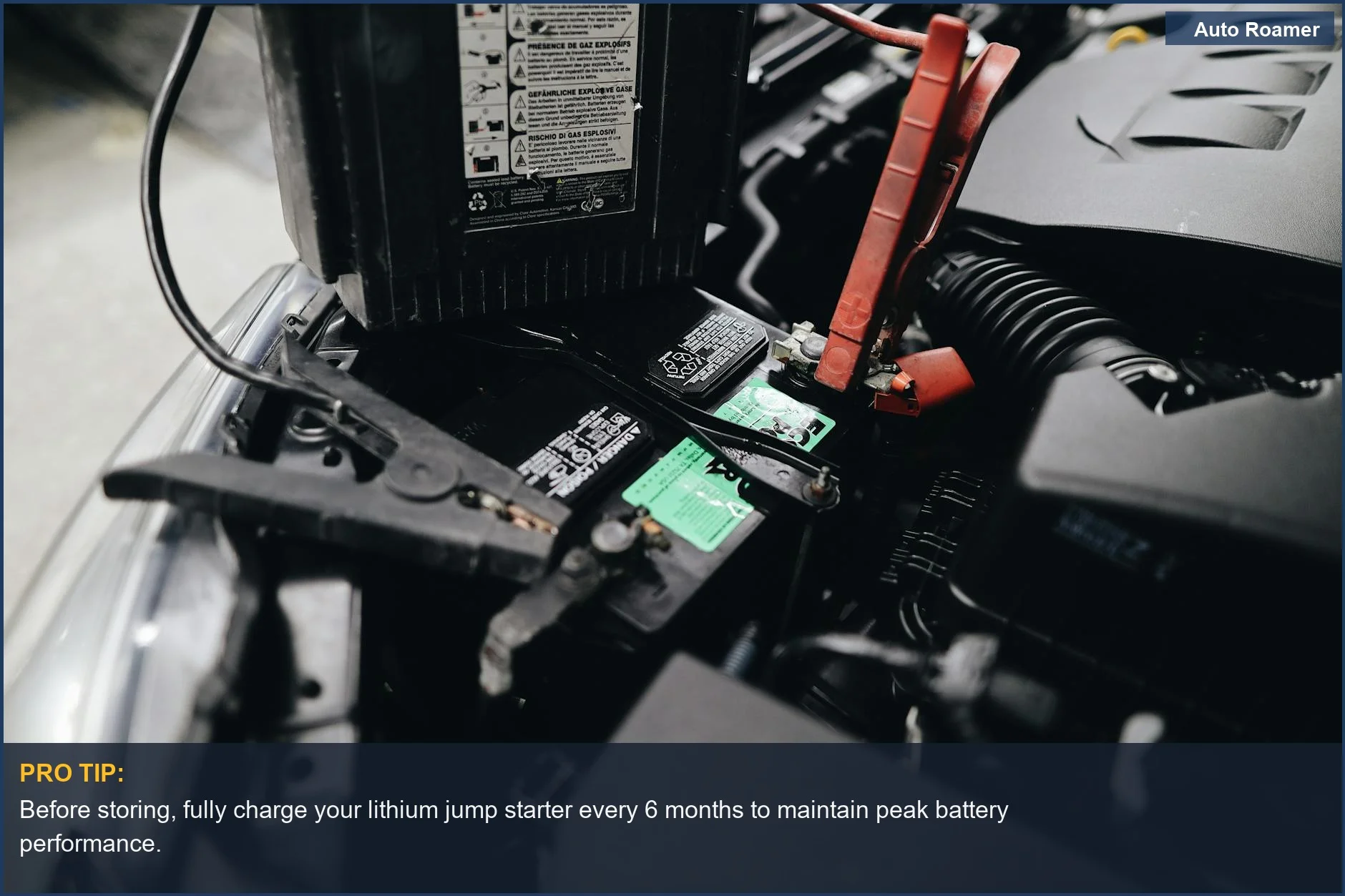
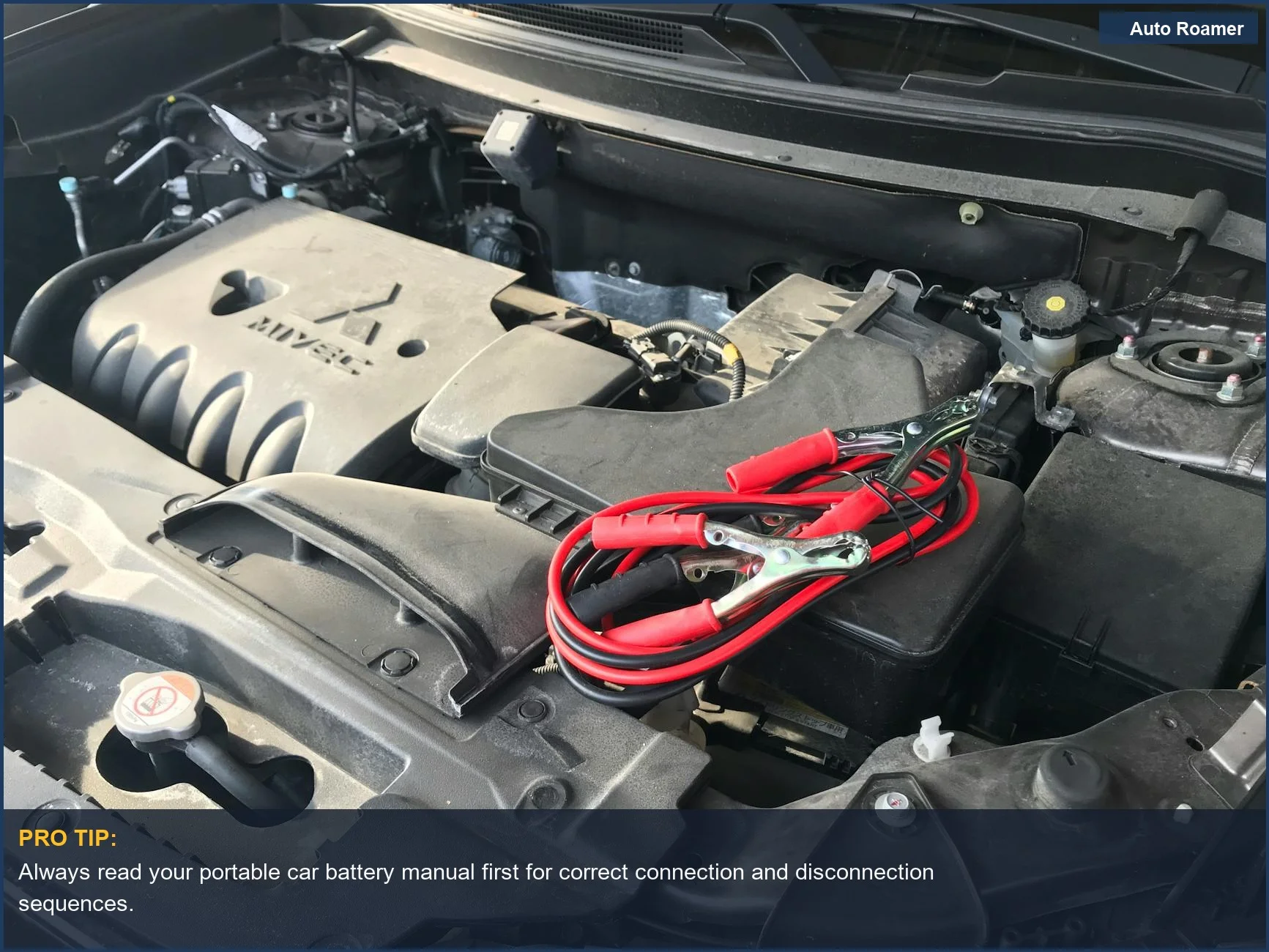
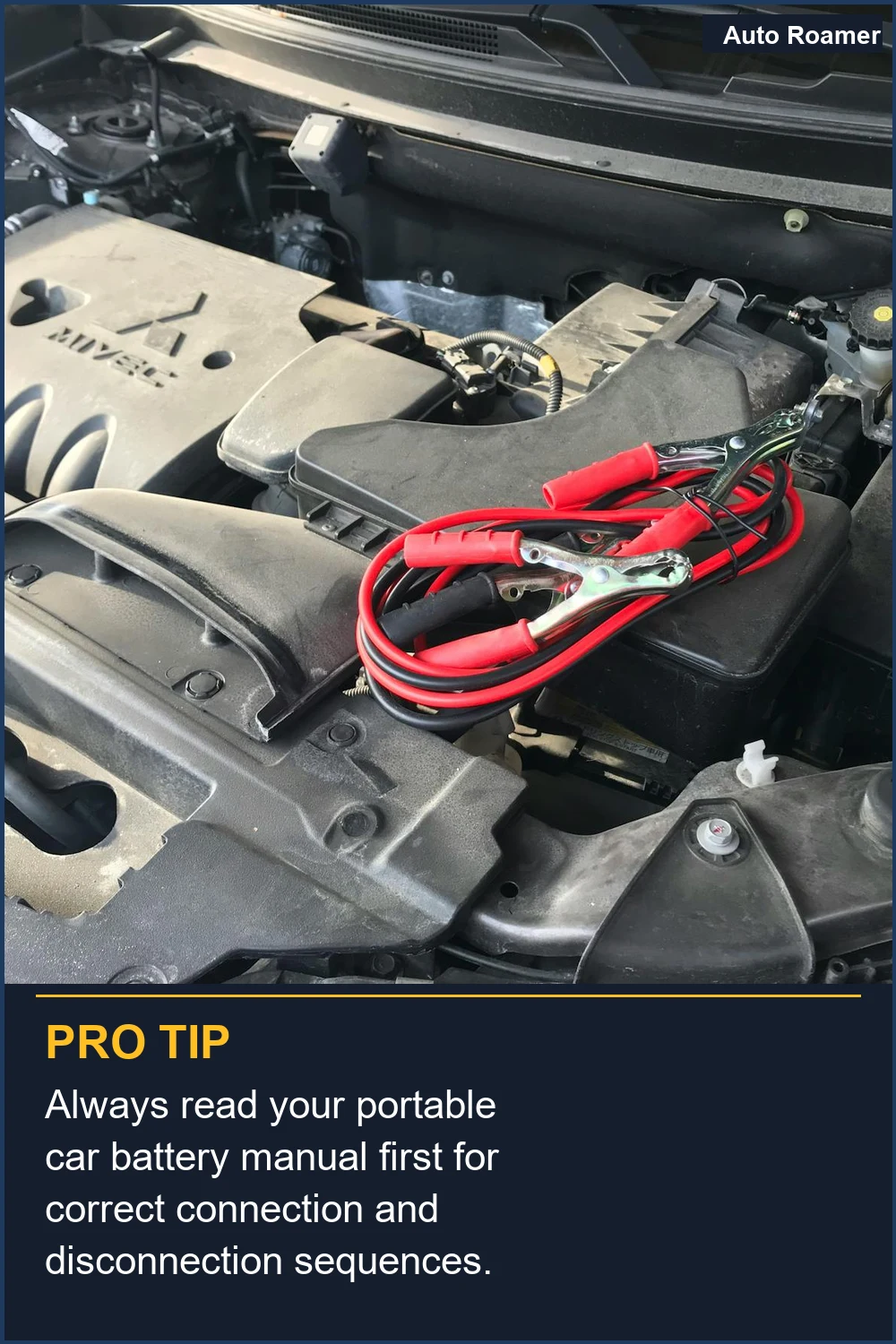
Traditional lead-acid jump starters, like this engine bay setup, rely on a century-old technology. These units are known for their power but can be quite heavy. | Photo by Max

Why This Matters for Your Setup

  • Space in Your Ride: My first car camping trip, I practically lived out of my Honda Civic hatchback. Trying to cram in a bulky lead-acid jump starter was a nightmare. The honest version: if you've got a small car or just don't want another giant brick taking up prime real estate, a compact lithium jump starter is the way to go Source Name.
  • Maintenance Habits: I'm not going to lie, I forget to check on my jump starter sometimes. If you're like me and want something that's pretty much set-it-and-forget-it for months at a time, lithium has a clear advantage. Lead-acid batteries can lose their charge sitting around, and you might find yourself with a dead jump starter when you need it most.
  • Cold Weather Performance: My first car camping trip was in Shenandoah Valley in mid-October. By 2 AM, it was freezing, and I realized my sleeping bag wasn't going to cut it. Similarly, cold weather really hits lead-acid batteries hard, reducing their output. Lithium-ion batteries tend to perform more consistently in the cold, though extreme temperatures can still affect them Source Name.
  • Jumping Multiple Cars: If you're the designated car jumper for your friend group or you're on a long road trip with a bunch of other campers, a heavy-duty lead-acid jump starter can often handle multiple jumps before needing a recharge. Some of the smaller lithium units might only give you one shot before they're tapped out, which is a rookie mistake to discover mid-emergency Source Name.
  • Considering the importance of safety, it's wise to explore essential safety features for your jump starter.
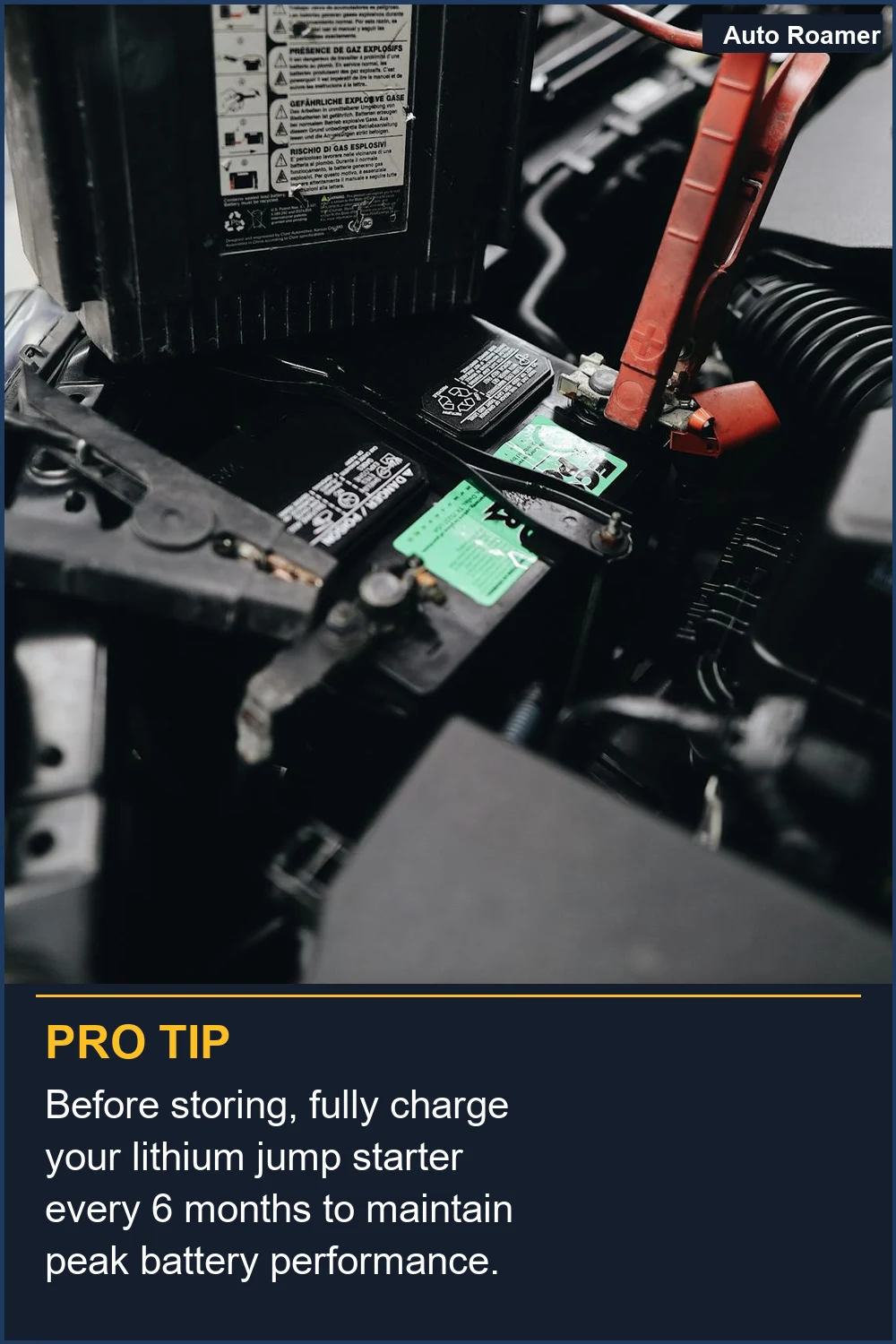
    Before storing, fully charge your lithium jump starter every 6 months to maintain peak battery performance.
    Jump-starting a car battery with cables showcases the convenience of modern jump starters. Compact lithium models offer significant advantages in size and weight for small vehicles. | Photo by Julia Avamotive

    Making the Right Choice

  • For the Occasional User: If you only need a jump starter for the rare dead battery situation and value portability, a lithium-ion jump starter is likely your best bet. They're smaller, lighter, and hold a charge for longer periods without fuss Source Name. My buddy has a tiny lithium one that he keeps in his glove box 'just in case'.
  • For the Heavy Duty User: If you've got a large vehicle, a diesel engine, or frequently find yourself needing to jump multiple cars, a robust lead-acid jump starter might offer more consistent power and reliability. They're often built like tanks and can take a beating. I still have a soft spot for my old lead-acid unit that went everywhere with me for years.
  • Consider Your Vehicle: A small compact car might not need the same jump-starting power as a full-size truck or SUV. Think about what you're typically going to be starting. My neighbor's tiny smart car barely needs a nudge, while my old Ford F-350 could probably drain a lesser pack in seconds.
  • Budget vs. Features: Historically, lead-acid jump starters have had a lower upfront cost. However, lithium-ion technology is rapidly becoming more affordable, and their long-term benefits like longevity and convenience can offset the initial price difference. The $50 version of a lead-acid pack might seem appealing, but a $100 lithium pack that lasts twice as long and is half the size could be the real move.
  • For added convenience, consider the benefits of a portable jump starter over traditional jumper cables.
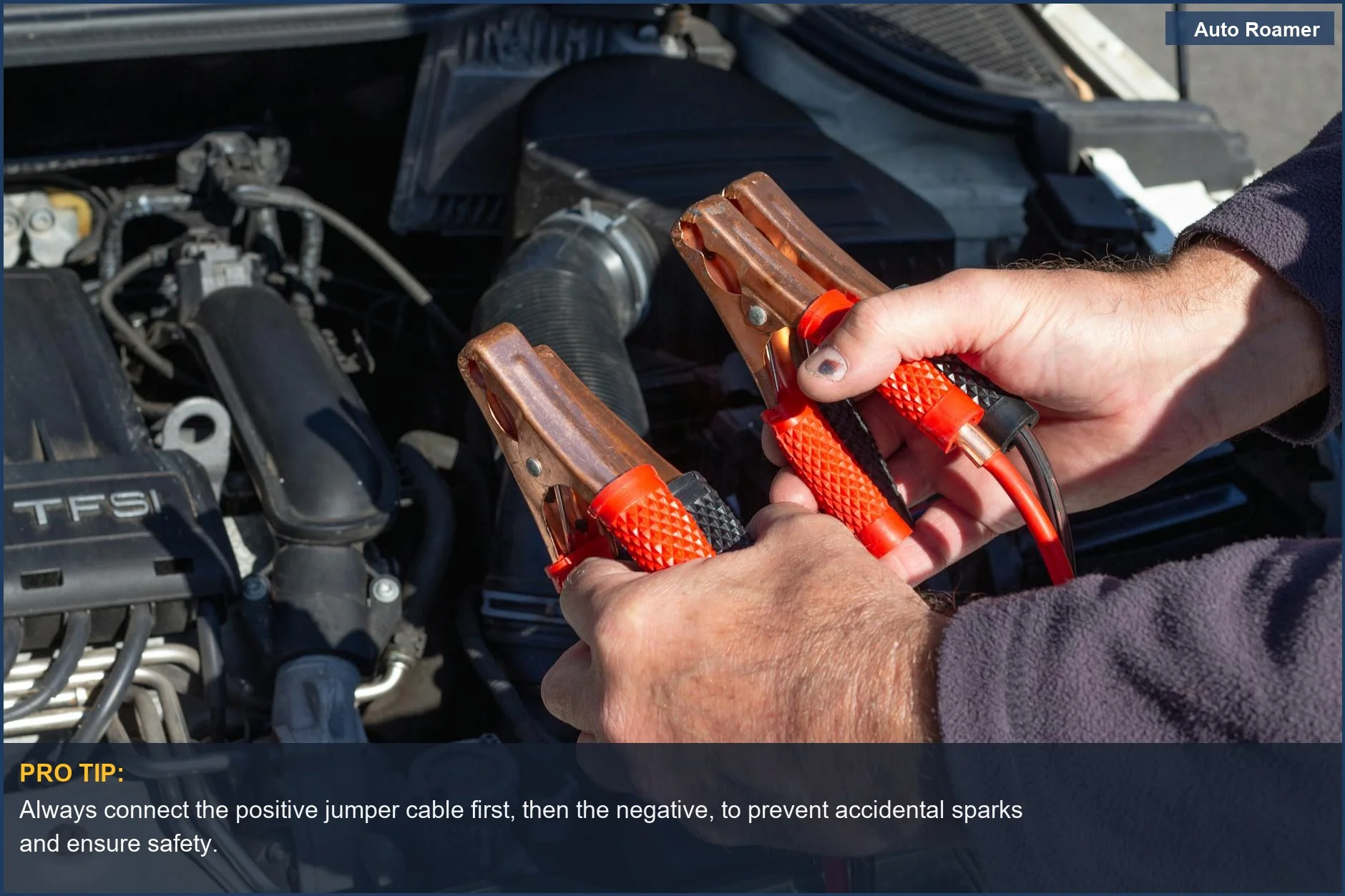
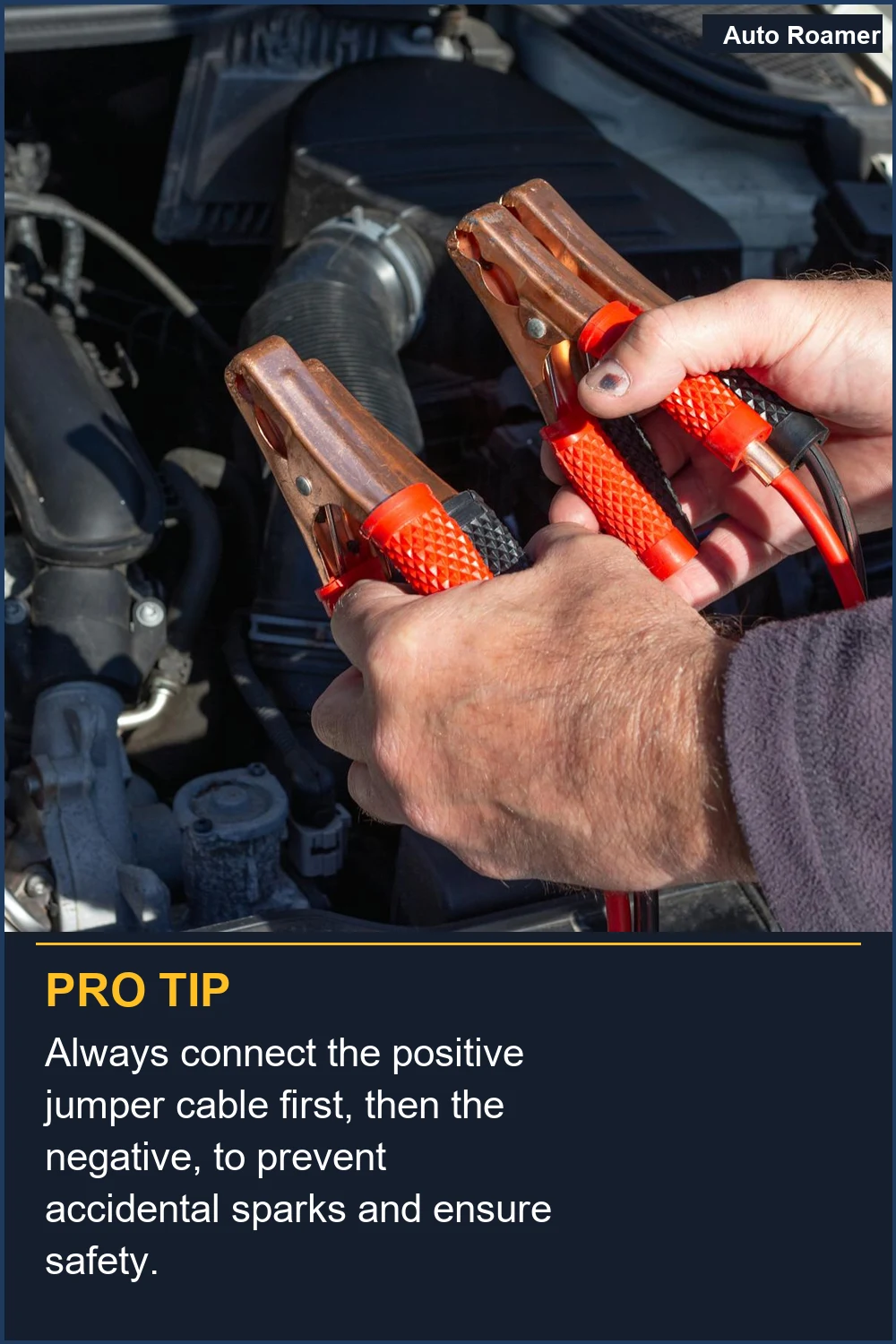
    Always connect the positive jumper cable first, then the negative, to prevent accidental sparks and ensure safety.
    Hands ready with jumper cables signify the need for reliable car starting. For occasional users, a lithium-ion jump starter offers portability and long-term charge retention. | Photo by Daniel @ bestjumpstarterreview.com

    Frequently Asked Questions

    If my car battery is completely dead, can a small lithium jump starter actually do anything, or is that just marketing fluff?
    This is where the real move comes in. Some of the super-compact lithium jump starters are designed for smaller gas engines and might struggle with a completely dead battery or a larger displacement engine. My experience with one was it could jump a gas truck once, then it was toast Source Name. You need to check the amp rating; for most gas cars, you want at least 400-600 peak amps, and for larger trucks, aim for 1000+ amps. Don't just grab the smallest one because it fits in your pocket.
    Do I really need a multimeter to check my car battery's health before using a jump starter?
    Nah, you don't need a multimeter for a basic jump start. That's a tool for more advanced diagnostics, like checking your alternator output or pinpointing parasitic drains. If your car won't start, the jump starter is your first line of defense. A multimeter would just tell you if your battery is at 12 volts or 9 volts, which you already know if it won't crank over. Save your money for a good headlamp instead.
    What if I connect the jump starter backwards? Will it explode or just fry my car's computer?
    Connecting jump starter cables backwards is a classic rookie mistake, and yeah, it can cause some serious damage. Most modern jump starters have built-in reverse polarity protection, which is a fancy way of saying they'll beep angrily and refuse to work if you hook them up wrong. If it doesn't have that safety feature, you could blow fuses, damage your car's alternator, or even fry the electronic control unit (ECU), which can cost hundreds to replace. Always double-check those red and black clamps!
    Can using a jump starter repeatedly wear out my car's battery faster?
    Using a jump starter itself doesn't wear out your car's battery; it's just a temporary boost. The real issue is why your battery is dying in the first place. If your battery is old and failing, or your alternator isn't charging it properly, you'll keep needing jump starts, and that's what degrades the battery over time. Think of the jump starter as a crutch; you still need to fix the underlying problem.
    Is it true that lithium jump starters are bad for the environment because of how they're made?
    That's a common concern, and while battery production has environmental impacts for both types, lithium-ion batteries are generally considered more eco-friendly in the long run. They have a longer lifespan, meaning you replace them less often, and they are often lighter, reducing shipping emissions Source Name. Plus, they don't contain lead or sulfuric acid like their lead-acid counterparts, which are toxic if not disposed of properly. Recycling programs are improving for all battery types.

    🏅 Looking for Gear Recommendations?

    Check out our tested gear guides for products that work with this setup:

    C

    Casey - The Weekend Warrior

    Weekend car camper and road trip enthusiast. Focuses on practical, budget-friendly solutions for families and first-time campers.

    Sources

    Related Articles