What You Need to Know
A dead car battery can leave you stranded, and the two main ways to get going again are jumper cables or a portable jump starter. Think of it like this: jumper cables are the old-school phone booth, and a jump starter is your smartphone. Both make calls, but one is a whole lot more convenient and capable for modern life. When a battery dies in the middle of nowhere, you'll wish you had the self-contained option.
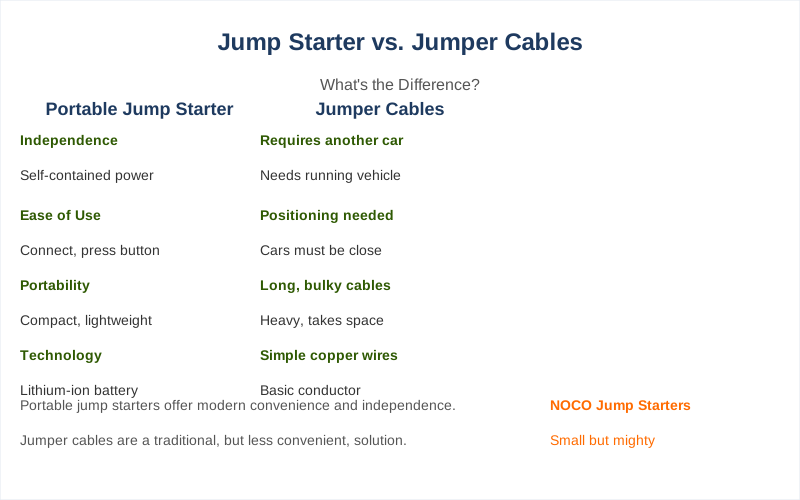
This isn't about fancy engineering; it's about what gets you back on the road, fast and easy, when you're stuck. NOCO portable jump starters are small but mighty, using lithium-ion tech to get you moving. Jumper cables, well, they're just cables. They need another car.
The Core Answer
The core difference between a portable jump starter and traditional jumper cables boils down to independence and ease of use. Jumper cables, those long, chunky wires, require you to find another running vehicle to act as the power source. You hook your dead battery to their good one, and hope for the best. It's a lot more convenient than jumper cables because you don't need another car.
My first time trying jumper cables, I spent 20 minutes trying to get two sedans close enough without them touching in a crowded parking lot. Rookie mistake. This is a major advantage.
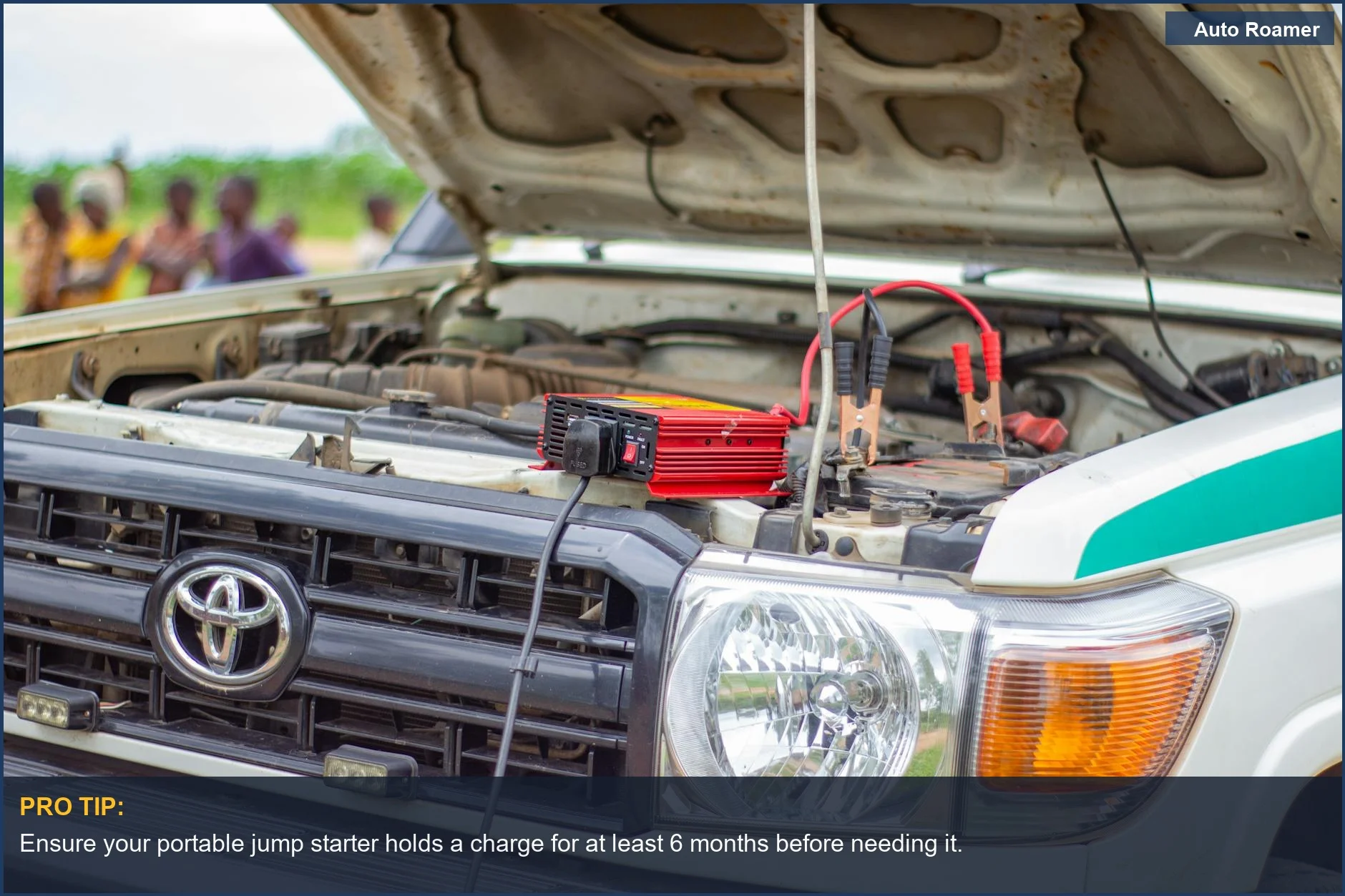
A portable jump starter, on the other hand, is a self-contained battery pack. It has its own power source. You just connect its cables to your battery, hit a button, and try to start your car. No second car needed. This means you can get yourself out of a jam even if you're alone in a remote area. Works when you're alone.
Many jump starters also have a USB port that can charge a phone when the car battery is dead and you need to call for help. Brilliant engineering, really.
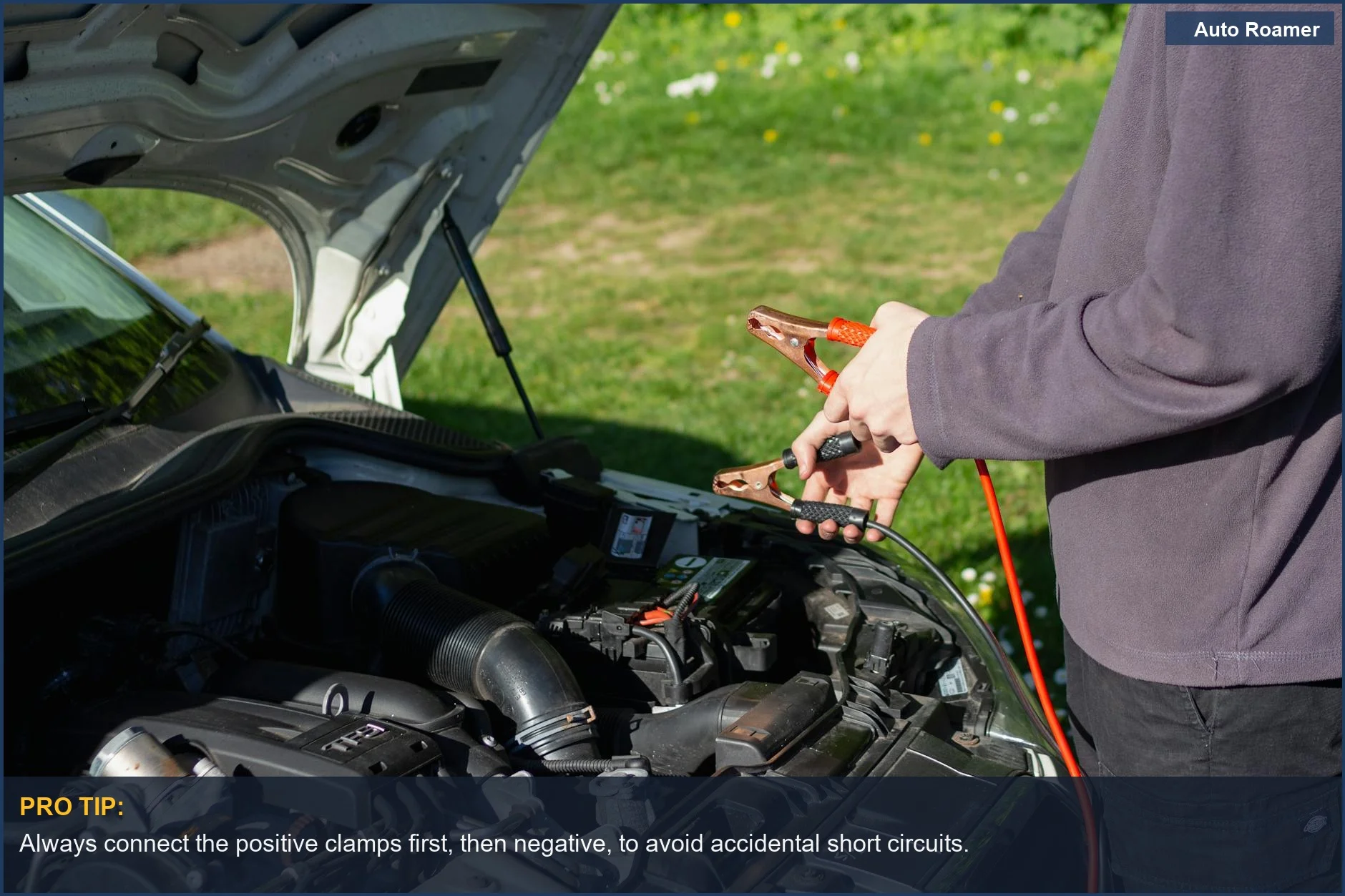
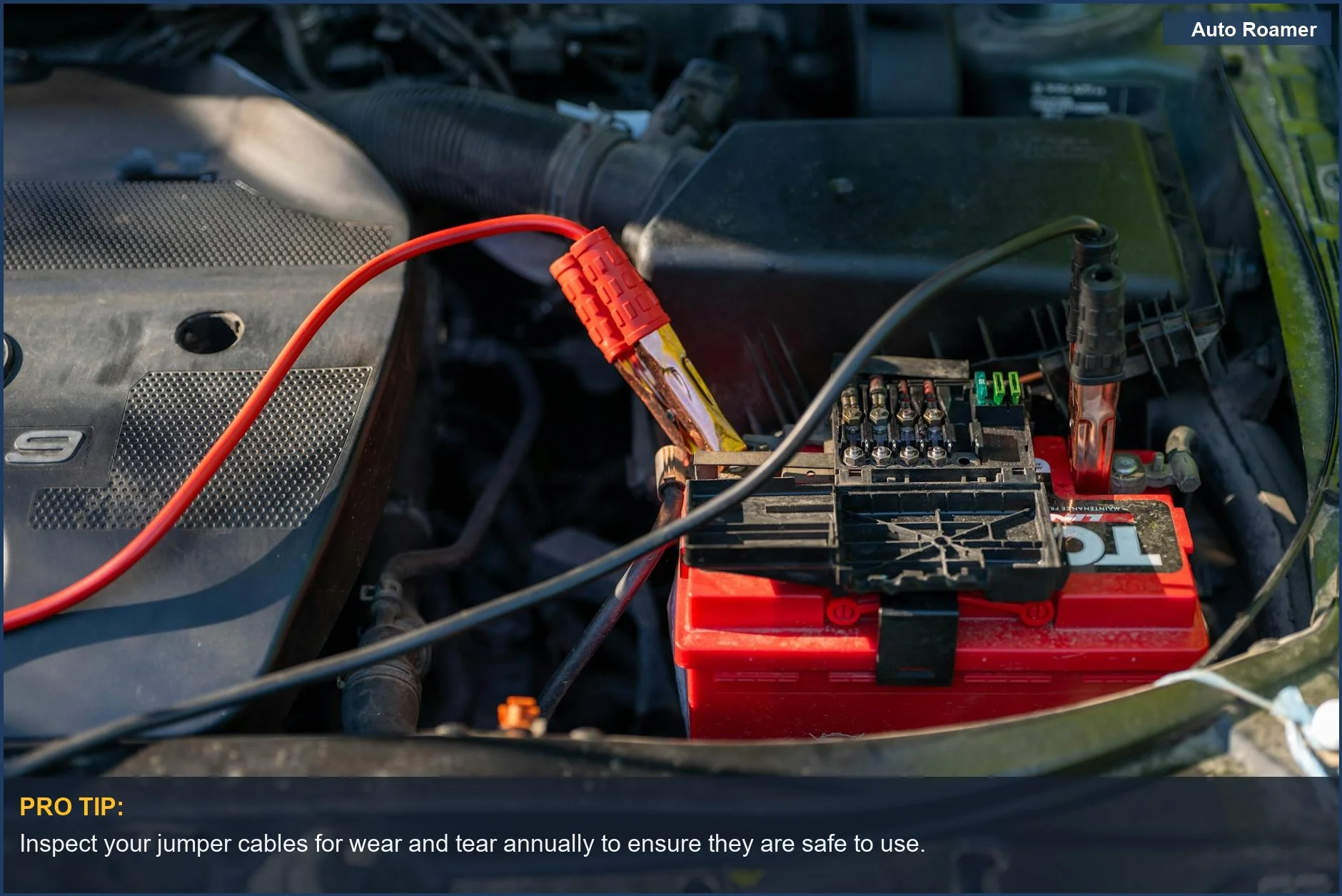
Another factor is safety. Modern jump starters often have built-in protection against sparks and reverse polarity. Jumper cables? Not so much. It's all on you to connect them correctly. Reverse-polarity protection is a big deal. I once saw a guy accidentally cross his jumper cables, and sparks flew everywhere. He was lucky nothing worse happened. The potential for damage is present.
When it comes to power, both can get the job done, but jump starters are generally designed to give your car's starter motor the direct boost it needs. Some jump starters can even power other electronics. They only need to power up electronics, which is a key difference. Jumper cables are just a conduit for power from another battery. The real move is having the power source with you.
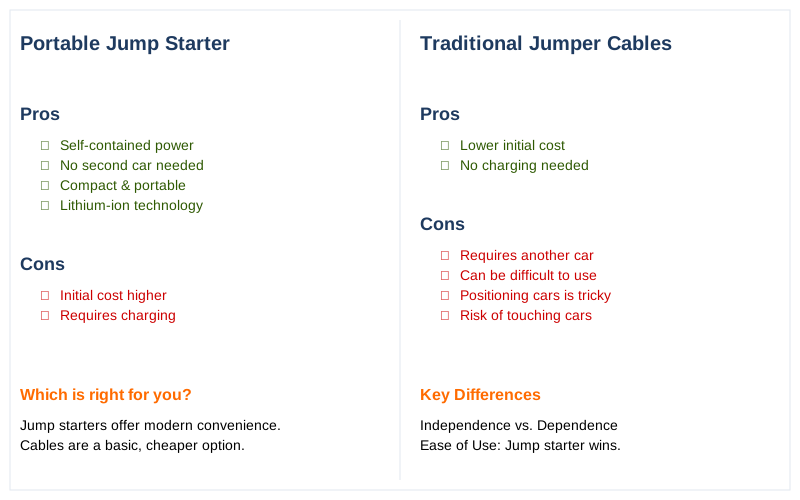
Cost is another consideration. A decent set of jumper cables might set you back $30 to $50. A portable jump starter can range from $60 to $150 or more, depending on its power output and features. Portable jump starters generally command a higher price point. But for the convenience and independence, I found it worth the extra cash. It's the $50 version versus the $100 version, and the $100 one saves you a lot of hassle.
Why This Matters for Your Setup
Why does this matter for your car setup? Because being prepared is key, and knowing your options helps. A battery can die overnight if the dome light is left on. I was miles from anywhere and had zero cell service. If I'd had a portable jump starter, I would have been back on the road in 5 minutes. These devices are compact.
- Independence: A jump starter means you don't need to flag down a stranger. This is huge if you're traveling alone or in a sketchy area. It offers independence.
- Ease of Use: Most jump starters are idiot-proof. Connect red to positive, black to negative, turn it on, and start your car.
Most people don't know too much about cars, and this makes it simple.
- Versatility: Many jump starters can also charge your phone or power other small devices. It's a multi-tool for your trunk. Mine also includes USB.
- Safety Features: Built-in protection against sparks and incorrect connections is a big win. Saves you from potential battery explosions. The danger is from the buildup of hydrogen gas.
Making the Right Choice
Making the right choice depends on your priorities and how you use your vehicle. If you're always in well-lit parking lots and have friends on speed dial, maybe jumper cables are fine. But for anyone who ventures out, especially in unpredictable weather, a portable jump starter is the way to go. It's the game-time decision that saves you stress. Best for emergencies.
- Peace of Mind: Knowing you can handle a dead battery yourself is invaluable. My first battery death taught me that lesson hard. Ensuring peace of mind.
- Time Saver: No waiting for roadside assistance or another driver. You're back on your way in minutes. Ultra-portable devices.
- Investment: While more expensive upfront, a jump starter can save you money on tow truck fees or service calls. They are becoming increasingly popular.