Road Trip Gear

Safety First: Essential Precautions When Using a Portable Jump Starter

Casey - The Weekend Warrior
5 min read
Includes Video

A dead car battery can happen to anyone at the most inconvenient times, leaving you stranded and frustrated. Understanding how to quickly and safely use a portable jump starter can be a lifesaver, turning a potentially stressful situation into a minor inconvenience.

A dead car battery can happen to anyone at the most inconvenient times, leaving you stranded and frustrated. Understanding how to quickly and safely use a portable jump starter can be a lifesaver, turning a potentially stressful situation into a minor inconvenience. Portable jump starters are essential tools for every driver, providing the power needed to get your vehicle running again without the need for another car.

Think of it as your personal roadside assistance, just without the $150 service call fee. My first dead battery was in a blizzard outside of Denver, and I learned real fast that waiting for AAA is a gamble Safety Kits Plus.

Safety First: Essential Precautions When Using a Portable Jump Starter — Key Specifications Compared
Key specifications for Safety First: Essential Precautions When Using a Portable Jump Starter

The Core Answer

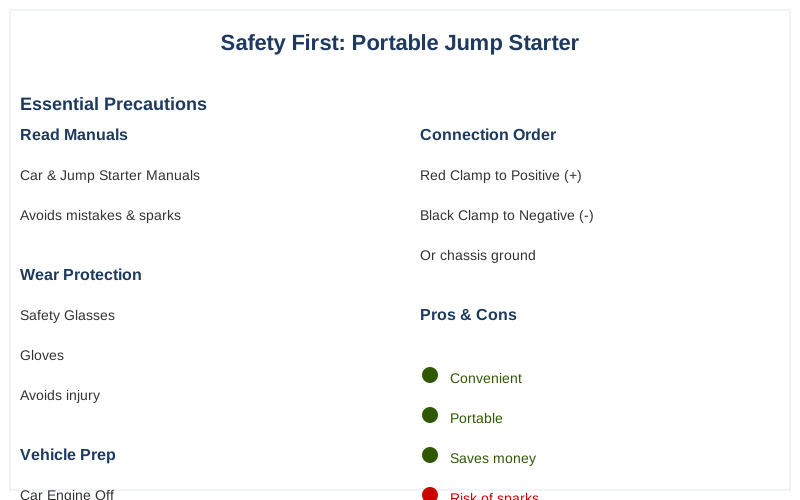
Look, the real move with a portable jump starter is not to treat it like a magic wand. It's a tool, and like any tool, you gotta respect it. First off, read the darn manual. Both your car's manual and the jump starter's manual. I once tried to jump my old Ford Explorer and ended up with a spark shower because I hooked it up backward. Rookie mistake, cost me a new fuse and a healthy dose of embarrassment Agile Towing. Always, and I mean always, wear safety glasses and gloves. You're dealing with electricity here, not a gentle breeze. I learned this the hard way when a spark jumped and singed my eyebrow hairs off at a campsite in Moab. Not ideal. Make sure your car is off, the parking brake is firmly engaged, and all accessories like lights and the radio are off too Safety Kits Plus. When you connect the clamps, it's a specific order. Red clamp goes to the positive (+) terminal on your dead battery. Black clamp goes to an unpainted metal surface on the engine block, away from the battery itself. This is crucial. Connecting the negative clamp directly to the negative battery terminal can cause a spark near flammable battery gases. My buddy tried that once, and let's just say his car battery didn't survive the encounter. The honest version: get it right the first time Valvoline. After connecting, turn on the jump starter. Give it a minute to do its thing, then try starting your car. If it doesn't start, wait another minute or two before trying again. Don't just crank it endlessly. If it still won't turn over after a couple of tries, something else is probably wrong, and you might need a mechanic. I once spent 30 minutes trying to jump a battery that was completely shot. The jump starter was fine, the battery was toast The Loop Newspaper. Once the car starts, disconnect the clamps in the reverse order: black first, then red. And for the love of all that is holy, don't let the clamps touch each other while they're connected to the jump starter or the car. Sparks will fly, and nobody wants that. I saw a guy do that in a parking lot once, and the flash was blinding. He was lucky he didn't start a fire tool troopers. Finally, keep your jump starter charged. It's useless if it's dead. Most come with a way to charge them from a wall outlet or a car's 12V port. I keep mine plugged in at home and check it every few months. It's like checking your tire pressure - you don't think about it until you need it, and then you're really glad you did Scosche.
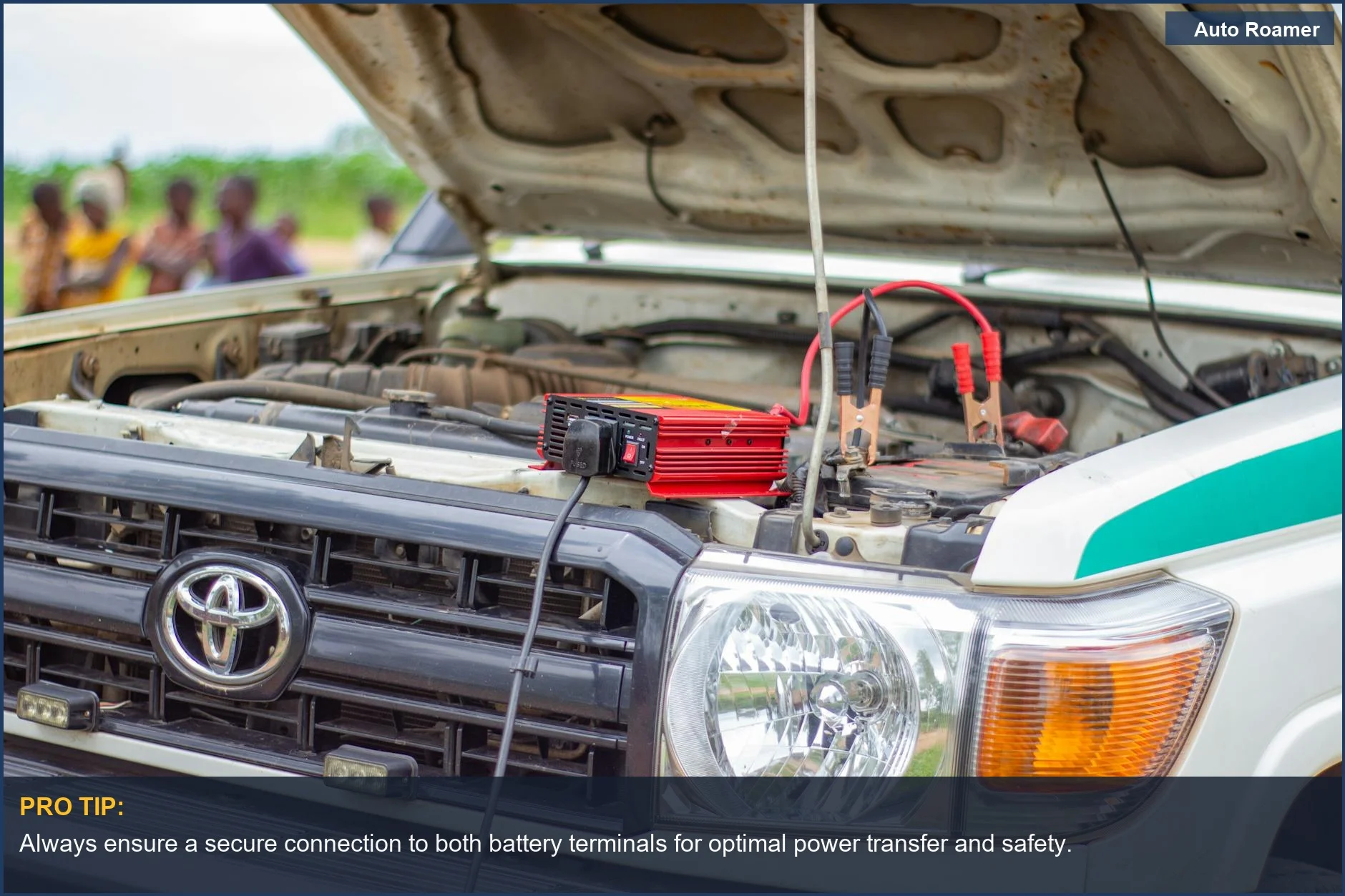
It's also important to understand the safety precautions when using these jump starters to ensure a secure experience.
Always ensure a secure connection to both battery terminals for optimal power transfer and safety.
Properly connecting your portable jump starter is a crucial step in car emergency kits. Ensure a firm grip on terminals for efficient power transfer. | Photo by Themba Mtegha

Why This Matters for Your Setup

Why does all this matter for your weekend warrior setup? Because a dead battery can ruin a trip before it even starts. I learned this the hard way when my battery died at 10 PM on a Friday night, miles from anywhere in the Adirondacks. I had to wait until morning for cell service and a tow truck. Cost me a whole day of hiking.
  • Read the Manuals: Seriously. Your car's manual explains its specific battery setup. The jump starter manual details its safety features and connection order. Ignoring this is like trying to assemble IKEA furniture without the instructions. Brilliant engineering, that.
  • Safety Gear is Non-Negotiable: Gloves and eye protection aren't optional. They're your first line of defense. I've seen sparks fly from battery terminals that would make fireworks look tame.
  • Always protect yourself ledmircy.
  • Proper Connection Order: Red to positive, black to an engine ground. This isn't a suggestion, it's the law of the land for jump-starting. Messing this up can fry your car's computer, which is a repair bill nobody wants on a weekend getaway Agile Towing.
  • Keep it Charged: A dead jump starter is just dead weight. Most can be charged via USB or a wall adapter.
  • I keep mine in my glove box, plugged into a USB adapter I use for my phone. Out of sight, out of mind, until you need it Scosche.
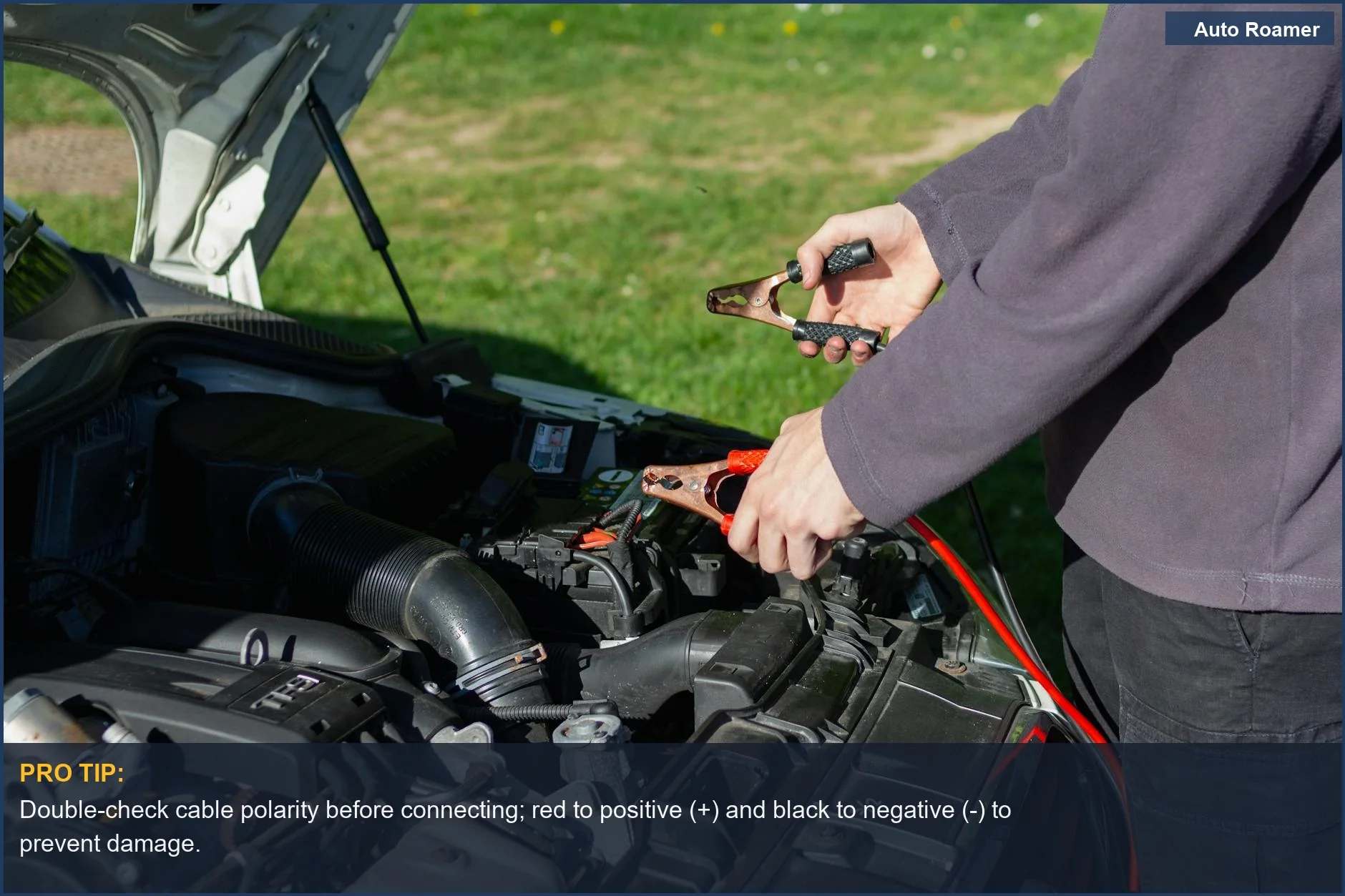
    To ensure peace of mind during emergencies, understanding the essential safety features of your jump starter is crucial.
    Double-check cable polarity before connecting; red to positive (+) and black to negative (-) to prevent damage.
    Understanding how to use a jump starter involves careful connection. This mechanic ensures a correct hookup, vital for preventing electrical shorts and damage. | Photo by Daniel @ bestjumpstarterreview.com

    Making the Right Choice

  • Know Your Tool: Understand the capacity of your jump starter. Don't expect a small unit to crank a massive diesel engine. Most are designed for standard passenger cars and light trucks.
  • Environmental Factors: Avoid extreme temperatures when charging or storing your jump starter. Cold weather can reduce battery performance, and excessive heat can damage it.
  • I learned this when I left mine in a hot car all summer and it wouldn't hold a charge Scosche.
  • Regular Checks: Make it a habit to check the charge level of your jump starter every few months. A quick glance at the indicator lights is all it takes. It's better to be prepared than to be stranded.
  • My $50 version of preparedness means I don't have to call for expensive roadside assistance.
  • When in Doubt, Get Help: If you're unsure about any step, or if the car still won't start, don't keep trying. Call a professional. It's not worth risking damage to your vehicle or yourself. The $100+ mechanic bill is cheaper than a new engine computer Vantrue.
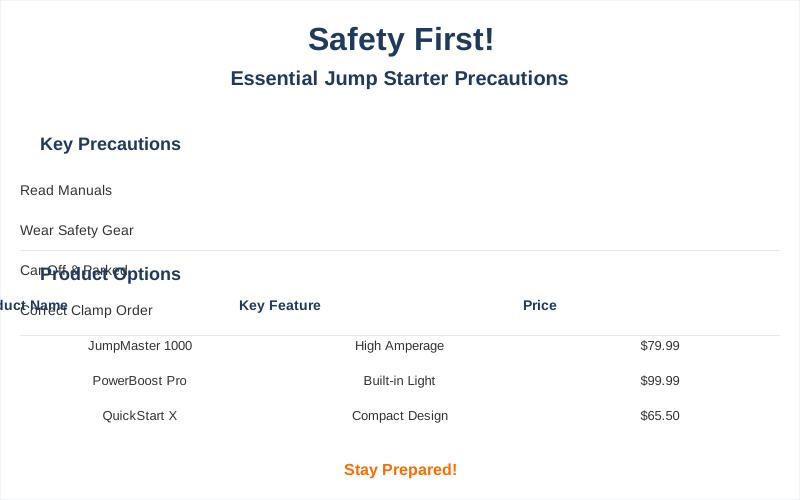
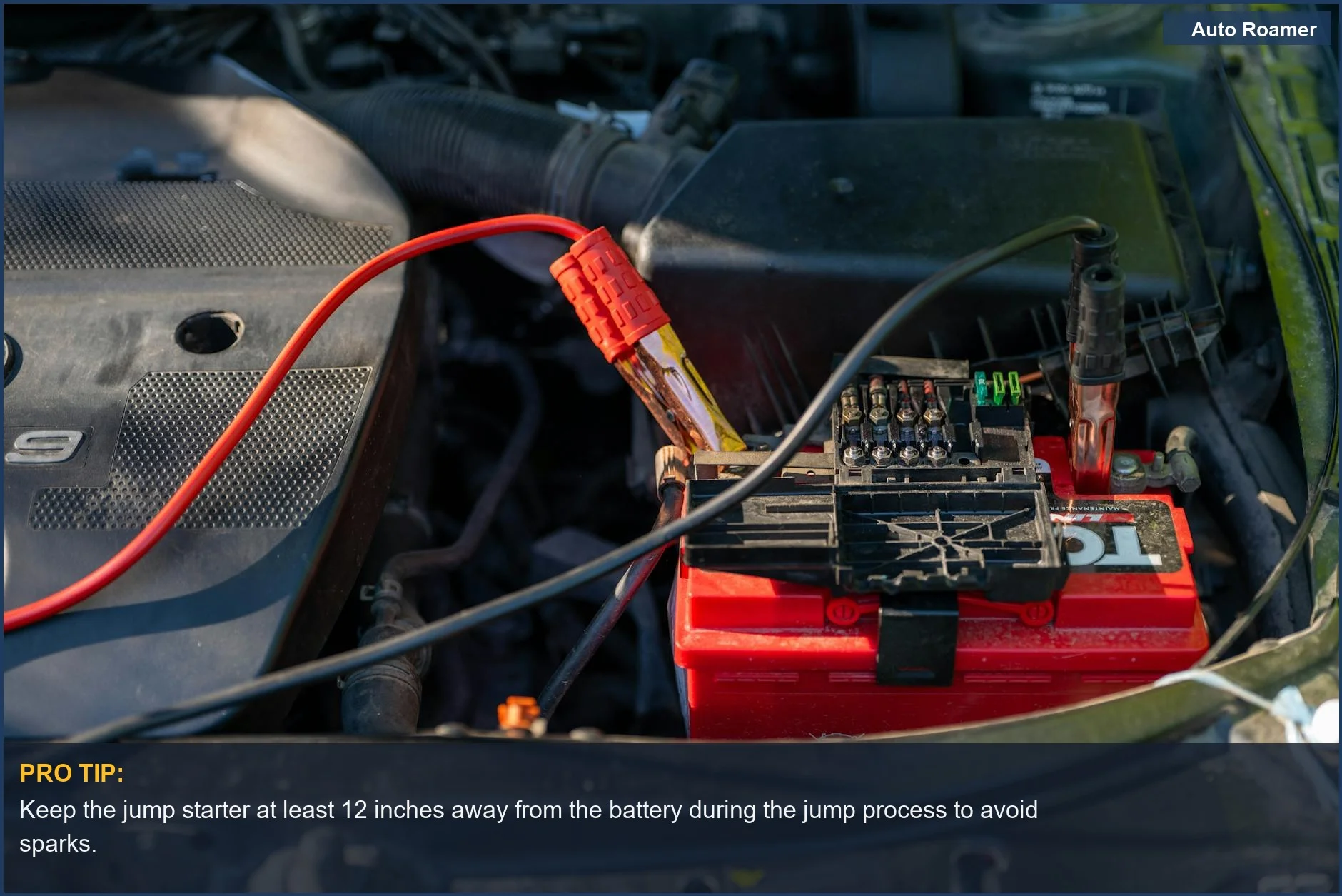
  • Additionally, considering the safety features in a jump starter can enhance your overall experience and peace of mind.
    Keep the jump starter at least 12 inches away from the battery during the jump process to avoid sparks.
    When building your car emergency kit, a reliable jump starter is key. Ensure it's positioned safely away from the battery during operation. | Photo by Vladimir Srajber

    Frequently Asked Questions

    If my car battery is totally dead, will a portable jump starter always work, or can it permanently damage my car's electronics if I mess up?
    This is where reading the manual and following the steps is key. If you connect the clamps backward or let them touch, you can definitely fry your car's computer system. That's a repair that can easily run $500 to $1000+. The jump starter itself is designed with safety features to prevent damage *if* you use it correctly. I've heard horror stories from forums about people frying their alternators. Stick to the red-to-positive, black-to-ground rule, and you'll be fine The Loop Newspaper.
    Do I really need to buy a fancy jump starter, or can I just get a basic one that costs like $30?
    That $30 special is probably going to leave you stranded. Lower-amperage units might struggle to crank larger engines, especially in cold weather. A decent one for most cars starts around $70-$100 and will have enough juice to get you going. It's the $50 version of preparedness – you get what you pay for. I've seen cheaper ones fail spectacularly when you need them most tool troopers.
    What if I connect everything right, and my car still doesn't start after a few tries? Am I just stuck?
    If your car won't start after a couple of attempts with a properly connected jump starter, it's usually a sign that the battery is completely dead, or there's another issue with your car. It's not the jump starter's fault. Don't keep cranking. At that point, you're probably looking at needing a new battery or a tow to a mechanic. My first dead battery incident was a completely shot battery, not a lack of power from the jump Safety Kits Plus.
    Is it true that I need to keep my jump starter charged all the time, or will it hold a charge for months on end?
    You absolutely need to keep it charged. These are lithium-ion batteries, and while they hold a charge better than older tech, they still lose power over time. Most manufacturers recommend charging it every 3-6 months. I keep mine plugged into a USB port in my car, so it's always topped off. Leaving it dead for a year is like packing a cooler with no ice – useless Scosche.
    Can I use a jump starter on my electric vehicle if the 12-volt battery dies?
    Yes, you can. Even electric cars have a 12-volt battery that powers the car's computers and systems. If that 12-volt battery dies, you'll need a portable jump starter just like you would for a gas car. The process is the same: connect the jump starter to the 12-volt battery terminals. It's a common misconception that EVs don't have these batteries Safety Kits Plus.

    🏅 Looking for Gear Recommendations?

    Check out our tested gear guides for products that work with this setup:

    C

    Casey - The Weekend Warrior

    Weekend car camper and road trip enthusiast. Focuses on practical, budget-friendly solutions for families and first-time campers.

    Sources

    Related Articles