The Big Picture
My first car camping trip was a $47 experiment in a Honda Civic hatchback in Shenandoah Valley. Mid-October. I had a Walmart foam pad, a sleeping bag rated to 40F, and zero idea that the temperature drops 15 degrees after midnight in the mountains. By 2AM I was wearing every piece of clothing in my bag and still shivering. The fix was a $12 fleece liner from Amazon that turned my 40F bag into a 25F bag.
Three years later I still use that same liner on every trip.
Now, let's talk about sleeping in your car. It's not just about the sleeping bag. What you put under you is just as crucial. For years, I wrestled with air mattresses versus foam pads, trying to figure out the real move for actual comfort without breaking the bank. The honest version: one packs down small, the other feels like your bed at home.
Here's the breakdown from someone who's learned the hard way, specifically trying to sleep in my old Subaru Outback in the middle of nowhere, Montana, when it dropped to 20 degrees F.
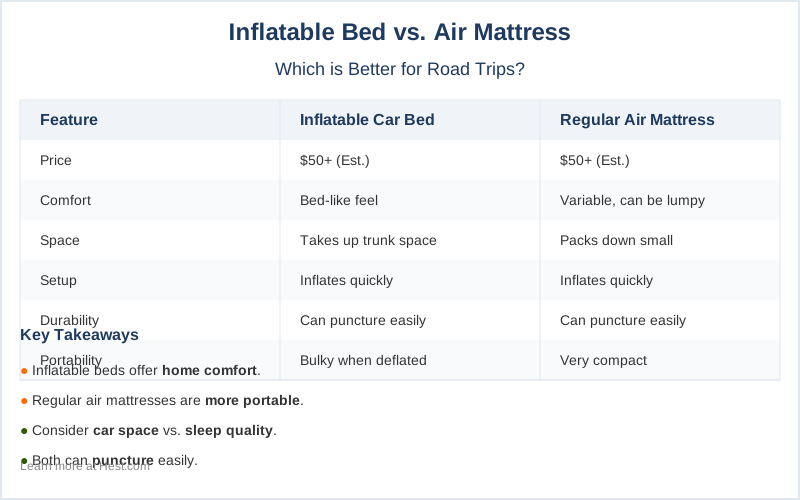
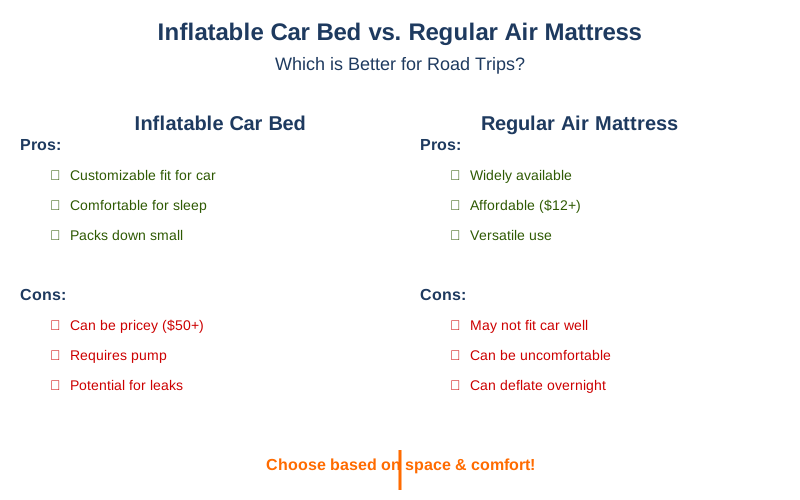
I've seen plenty of guides and forum posts arguing about which is better: an inflatable car bed or a regular air mattress. They're basically the same thing, folks. The real debate is inflatable versus foam. Your choice hinges on how much space you have and how much you value sleep quality over not having to wrestle a giant foam slab into your trunk. Hest talks about premium foam, and while it's nice, let's start with the $50 version.
This isn't about fancy engineering. It's about waking up without a crick in your neck or feeling like you slept on a bag of rocks. I've done both, and I'm here to tell you what actually works for people who aren't trying to be mountain goats. It all started with a leaky air mattress in a state park in Ohio, where I woke up at 3 AM on the hard floor of my sedan. Rookie mistake.
The Core Answer
The big question for car campers is always: inflatable air mattress or foam pad? Look, for me, an "inflatable car bed" is just a fancy name for a regular air mattress designed to fit a car interior. The real choice is inflatable versus foam. My first real attempt at sleeping in my car involved a queen-sized air mattress I snagged on sale for $30. It was supposed to be comfortable. It wasn't.
It deflated by 3 AM at a campsite outside of Denver, Colorado, leaving me practically on the car floor.
Foam pads, on the other hand, are usually rollable or foldable. They don't pack down as small as an deflated air mattress, but they also don't have a pump and a bunch of seams to fail. Hest, for example, pushes premium foam because it's like your bed at home. And yeah, it is.
My current setup uses a 3-inch thick foam pad that cost me about $80, and I sleep like a baby, even when it's 30 degrees F outside.
The honest version: if space is your absolute biggest concern, an air mattress might seem appealing because it deflates to a tiny package. But here's what nobody tells beginners: they leak. They always leak eventually. Whether it's a slow hiss or a catastrophic blowout, you're going to lose air. I learned this the hard way at a music festival in Nevada where my $50 air mattress gave up the ghost on night two.
Foam pads, while bulkier, offer consistent support and insulation. You don't need batteries or a pump. You just unroll it. That's it. My first foam pad was a cheap $25 one from REI that I used for backpacking, and even that was way better than any air mattress for car camping comfort. It just took up half my trunk. Reddit users often mention the reliability issues with air mattresses.
Think about it: an air mattress is essentially a plastic bag you fill with air. That air gets cold, making you cold. Foam, especially denser foam, traps air and insulates. I remember one trip in the Sierra Nevadas where my air mattress felt like an ice rink by midnight, even with a sleeping bag. My buddy's foam pad was still warm.
So, for pure comfort and reliability, especially if you're not constantly moving and need to pack light, I'm firmly in the foam camp. For a few bucks more than a decent air mattress, you can get a foam pad that will last you years and won't leave you on the floor at 3 AM. My $80 foam pad has seen more trips than I can count and still sleeps great.
My $50 air mattress lasted two trips before developing a slow leak I couldn't find.
If you're going for the $50 version, a basic closed-cell foam pad is your best bet. It's not luxurious, but it's reliable. Upgrade to a self-inflating or thicker memory foam pad later if you fall in love with car camping. GoCarCamp agrees that memory foam offers good support.
The real move for long road trips where you might be sleeping in your car for multiple nights in a row is something that provides consistent support and insulation. Air mattresses just don't cut it long-term. I tried to make one work for a week straight in Utah, and by day four, I was dreaming of my couch.
The only time I'd even consider an air mattress again is if I had a very specific, small vehicle and absolutely zero other options. Even then, I'd probably just sleep in the back seat. The risk of deflation and the cold factor are just too high for my liking. Quora users debate this constantly, but the practical experience points to foam.
My first car camping mattress was a cheap, thin foam pad that cost $20. It was better than nothing, but barely. The next step up, and the one I recommend for most beginners who want actual comfort, is a 2-inch or 3-inch self-inflating foam pad. They offer a good balance of comfort, insulation, and packability. UKC Forums have discussions on comfort, and foam usually wins for car camping.
So, to wrap it up: inflatable air mattresses are a gamble. Foam pads are reliable. If you want to wake up refreshed and not shivering, go foam. It's the game-time decision for a good night's sleep in your car. My current foam pad cost $120 and I'd pay double for it again. It's that good.

Why This Matters for Your Setup
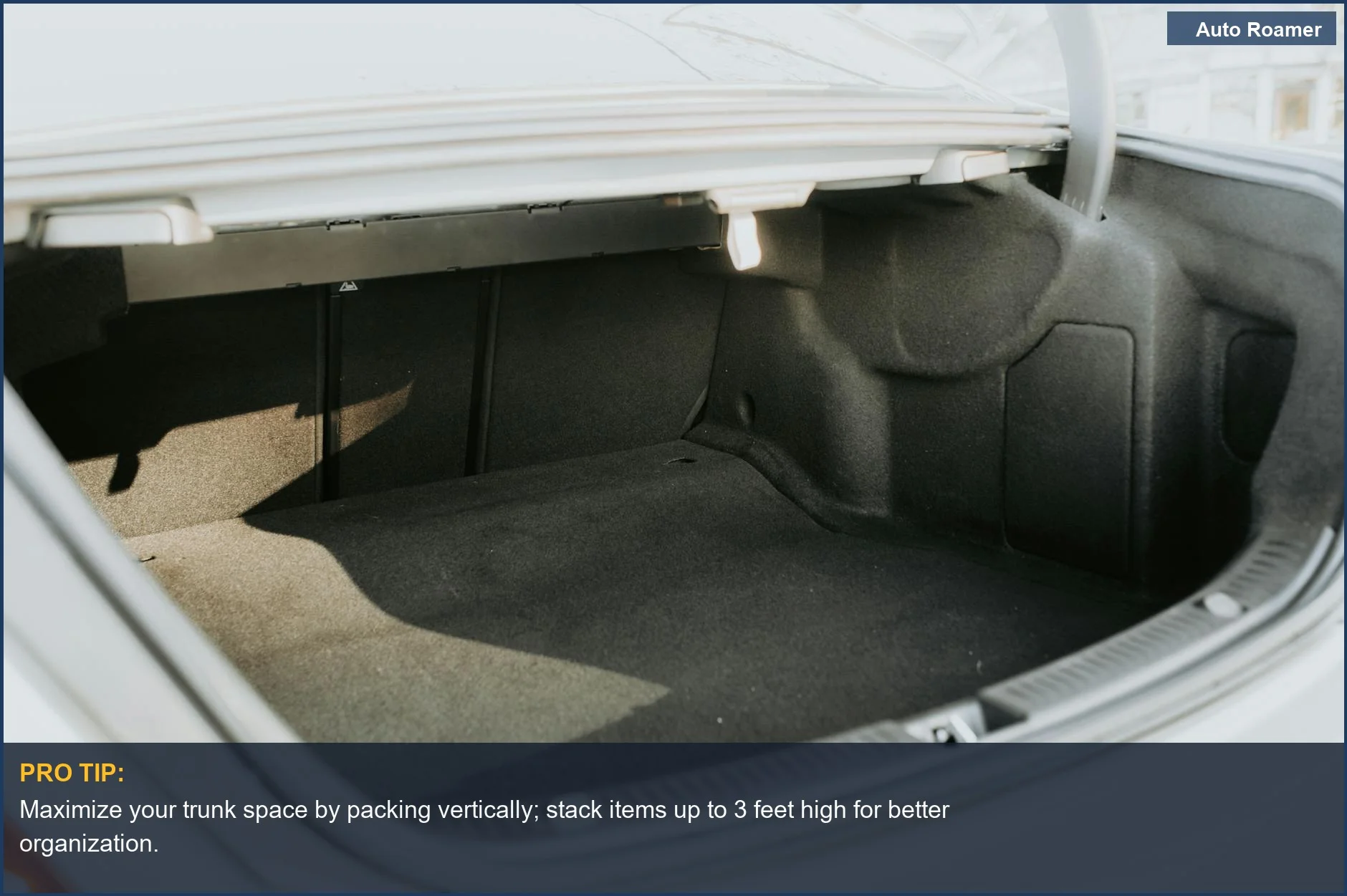
This isn't just about comfort; it's about practicality. My trunk is not a bottomless pit. Trying to stuff a bulky foam pad into a small car can be a nightmare. I've had to strap my foam pad to the roof rack before because it wouldn't fit inside my old hatchback. That was a rookie mistake in planning for a trip in Arizona where I needed all the interior space for water and gear.
- Space: Air mattresses deflate to almost nothing. This is their biggest selling point. If you're crammed into a tiny sedan or a motorcycle camper, this is huge. I remember trying to fit a 4-inch thick foam pad into my first car, a Fiat 500, and realizing it was physically impossible. The air mattress won that round, but I woke up on the floor.
- Setup Time: An air mattress needs a pump. This means batteries or a manual pump. My first trip, I forgot the batteries for my electric pump. Brilliant engineering. It took me 20 minutes of huffing and puffing with a manual pump to inflate it. Foam pads just unroll. My current 3-inch foam pad takes about 30 seconds to unroll and loft up.
- Insulation: This is where air mattresses really fail. The air inside them gets cold. Insulation-filled airbeds are better, but they're pricier. My cheap Coleman air mattress offered zero insulation. I woke up hypothermic in Yosemite in August. Foam pads, especially denser ones, trap your body heat. My foam pad is rated for 3-season use, meaning it keeps me warm down to about 20 degrees F.
- Durability: Air mattresses are notorious for punctures. I've had two friends get holes in theirs on the same trip. That's not a fun game-time decision to make at 10 PM. Foam pads are tough. You can drag them, roll them, and they're generally pretty bombproof. I've used my current foam pad for three years and it looks brand new. Hest emphasizes durability in their foam designs.
- Cost: You can find a basic air mattress for $30-$50. A decent foam pad will start around $50-$80 and go up from there. For the absolute beginner who might only camp once, the air mattress is cheaper upfront. But if you plan on doing this more than a couple of times, the longevity and comfort of foam make it worth the extra cash.
My $80 foam pad has saved me more money in the long run by not needing replacements.
Making the Right Choice
So, inflatable car bed or foam pad? The real move depends on your priorities. If you are going on one weekend trip and have a huge SUV, an air mattress might be fine. But if you plan to sleep in your car more than twice a year, you need to invest in your sleep.
- For the Absolute Beginner (and Tight Budget): A cheap air mattress ($30-$50) can get you through your first couple of trips. Just be prepared for potential leaks and cold nights. Pack extra blankets just in case. I did this on my first trip to the Grand Canyon and woke up huddled in my sleeping bag, on the floor of my car.
- For Consistent Comfort and Reliability: A foam pad is the way to go. Look for a 2-inch or 3-inch thick pad. Self-inflating ones are convenient. Expect to spend $50-$100. My 3-inch foam pad from REI has been a total game-changer for my car camping adventures. It's not as small as an air mattress, but I sleep so much better.
- The Hybrid Approach: Some systems combine foam and inflatable elements. These are usually more expensive but offer a blend of comfort and adjustability. They're a good option if you have the budget and want the best of both worlds. Hest even offers some of these.
Ultimately, you're the one who has to sleep on it. I've learned that investing a little more in a good foam pad pays off in better rest and fewer headaches. My current foam pad cost me $120 and I'd buy it again in a heartbeat for the quality of sleep it provides. It's the difference between surviving a trip and enjoying it.
Don't be like me and learn the hard way with a leaky air mattress in a blizzard (okay, maybe not a blizzard, but it felt like it). Make the smart choice for your back and your sanity. YouTube reviews often highlight comfort differences.