The Big Picture
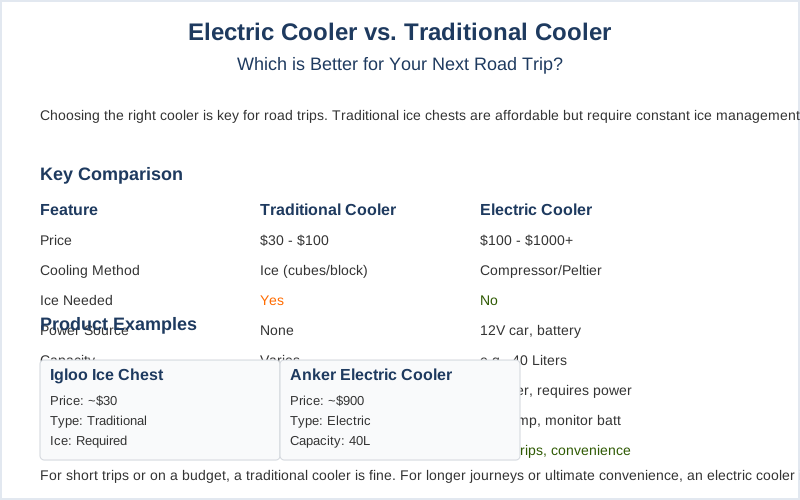
My first road trip cooler was a $30 Igloo that sweated more than I did trying to pack it into my Honda Civic. Mid-July, heading to the Outer Banks. I learned the hard way that cube ice melts in about 4 hours flat. By lunch on day one, my drinks were lukewarm and my sandwiches were... questionable. The fix? Spending $50 on block ice and pre-chilling everything.
Three years later, I still swear by pre-chilling, but that old Igloo is long gone. Now I'm looking at the fancy stuff, the electric coolers, and wondering if they're worth the upgrade.
The Core Answer
Okay, let's talk about keeping your stuff cold on the road. For years, my go-to was the classic ice chest. They're cheap, simple, and you don't need a degree in electrical engineering to use them. I grabbed a decent-sized one for around $50, and it got the job done for weekend trips. The trick I learned, after that whole Igloo incident, was to buy block ice instead of cubes.
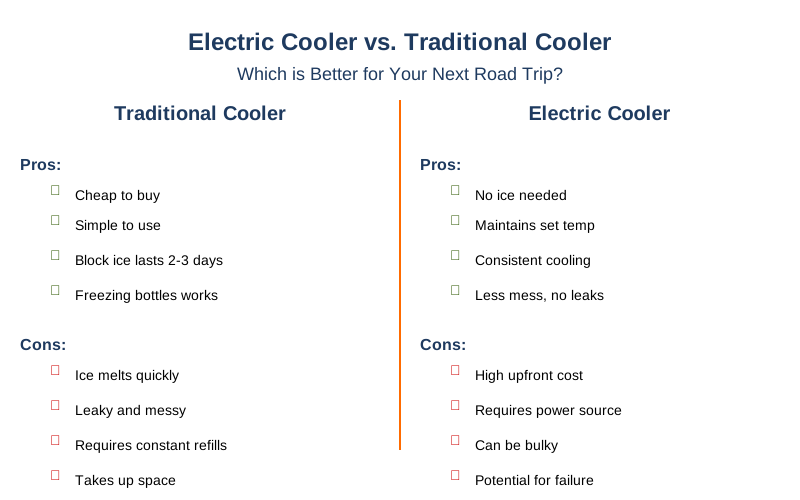
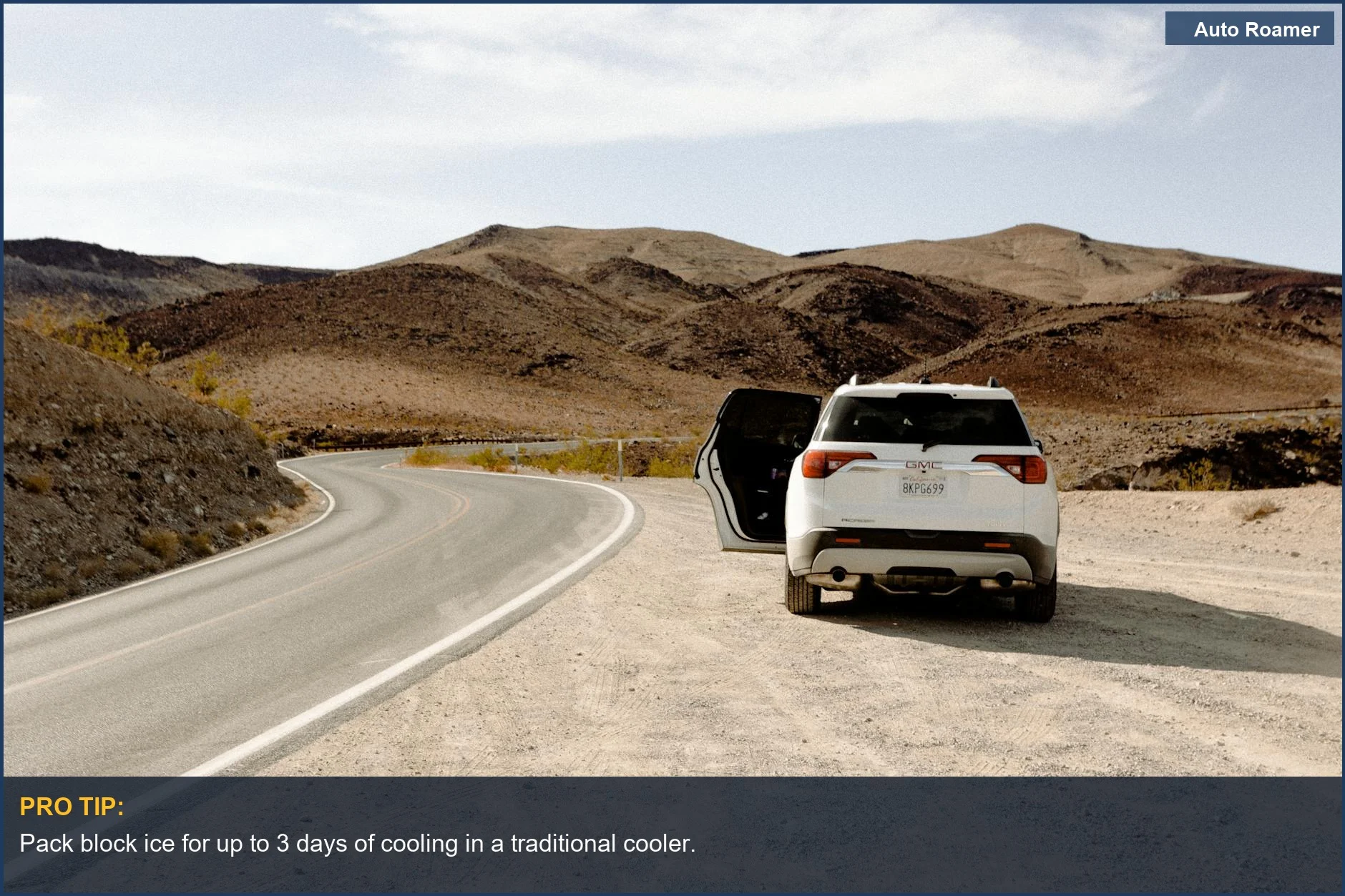
It lasts way longer, like a solid 2-3 days if you're careful. Found this gem on Reddit; freezing water bottles or juice boxes also works wonders and doubles as your drinks. Brilliant, really.
But here's the honest version: ice is a pain. It melts, it leaks, it takes up space. You're constantly draining water or buying more. I remember one trip to Shenandoah, it was 90 degrees, and my ice chest turned into a swimming pool by noon on day one. My beer was floating. Not ideal. CNET tested these things and confirmed the mess factor.
Now, the electric coolers. These are basically portable fridges. You plug them into your car's 12V outlet, and they keep your food at a set temperature. No ice needed. My buddy just got one, a 40-liter Anker, and it cost him $900. Ouch. But he swears by it. He says he can pack it completely full of food and drinks and it stays perfectly cold for days.
Anker makes them, and they even have battery packs so you can run them off-grid. Revolutionary, maybe.
The downside? Price. Big time. And weight. That Anker is over 50 pounds empty. My old Igloo is maybe 15 pounds. You also need to consider power. Facebook groups discuss power draw; they can use a fair bit of juice. If you're on a long trip with no way to recharge, you could drain your car battery. This is where a portable power station comes in, but that's another few hundred dollars.
For a quick weekend trip, the $50 ice chest with block ice is still my game-time choice. For longer hauls or if you're just sick of soggy sandwiches, the electric route is tempting, but it's a serious investment.
Why This Matters for Your Setup
So, why does this even matter for your weekend warrior setup? Because it directly impacts your comfort and your budget.
- Cost: A good quality traditional cooler might run you $50-$150. An electric cooler? We're talking $300 on the low end, easily $900 or more for the fancy ones like this Anker model. That's a significant difference for a first-timer.
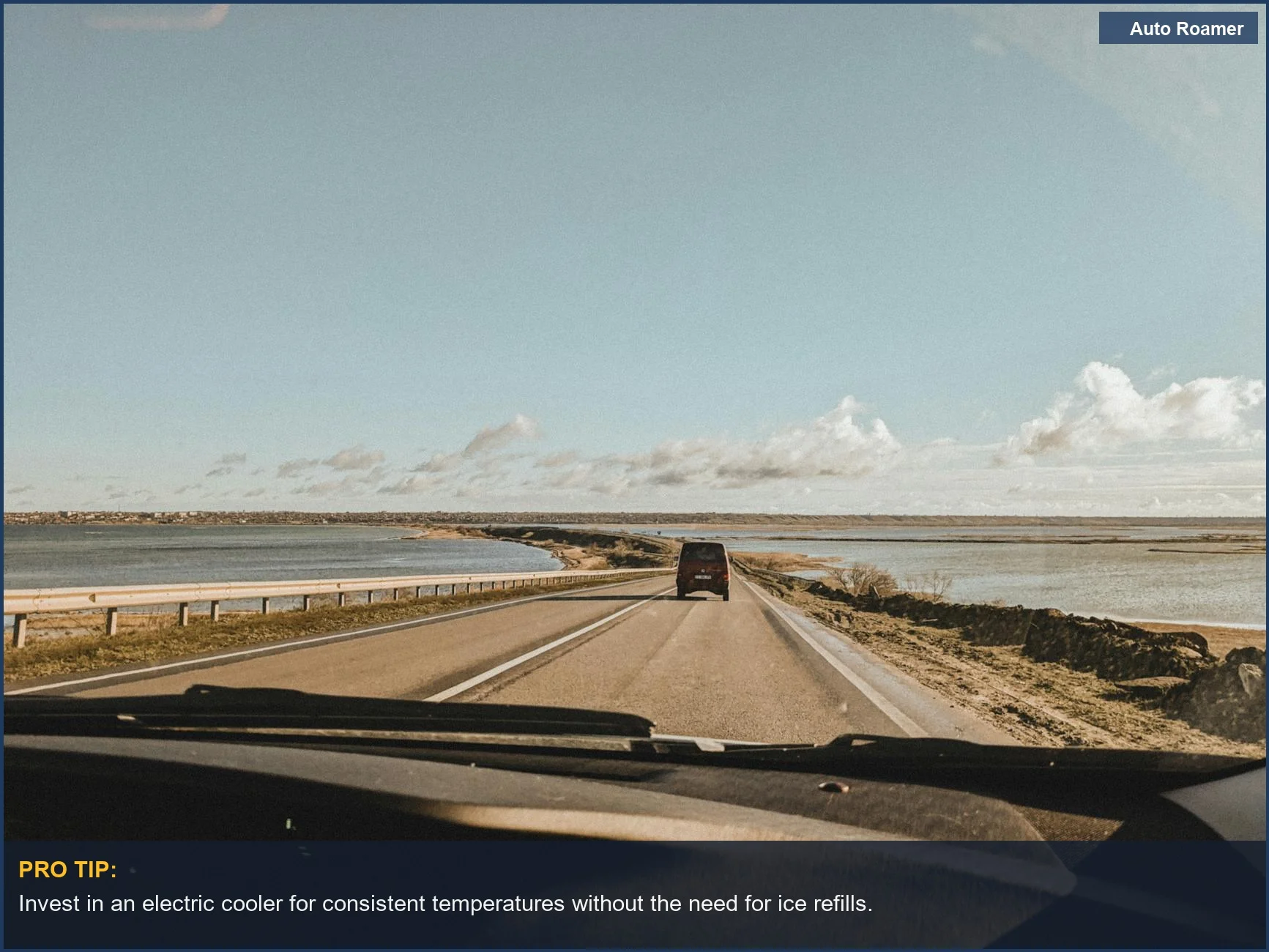
- Convenience: No ice means no mess, no soggy food, and more usable space. Koolatron points this out. You just plug it in and go. For a quick overnight, the ice chest wins. For a week-long trek where you don't want to hit the store every other day, electric starts looking pretty good.
- Power: This is the big one for electric. You need a power source. A portable power station or a car battery. Overlanders discuss this a lot. If your car battery dies because of your cooler, you're not going anywhere. That's a rookie mistake I haven't made yet, thankfully.
- Space: Ice takes up space. If you're crammed into a small car like I was, every cubic inch counts. Car campers on Reddit often mention this. An electric cooler gives you that organized, dry storage.
Making the Right Choice
So, what's the verdict for your next adventure?
- For the Weekend Warrior: If you're just starting out with car camping or doing shorter trips (1-3 days), stick with a good quality ice chest. Spend the extra $10 on block ice or freeze some water bottles. It's the $50 version that works perfectly fine. This YouTube video breaks it down.
- For the Long Haul: If you're planning multi-day trips, especially in hot weather, and have the budget, an electric cooler is a serious upgrade. Just make sure you have a plan for power. This channel talks about ditching ice for good.
- Consider Your Vehicle: How much space do you have? How much power can you reliably access? These questions will guide you.
Ultimately, both can work. It's about matching your gear to your trip, not buying the most expensive thing just because it's shiny.