Where to Start
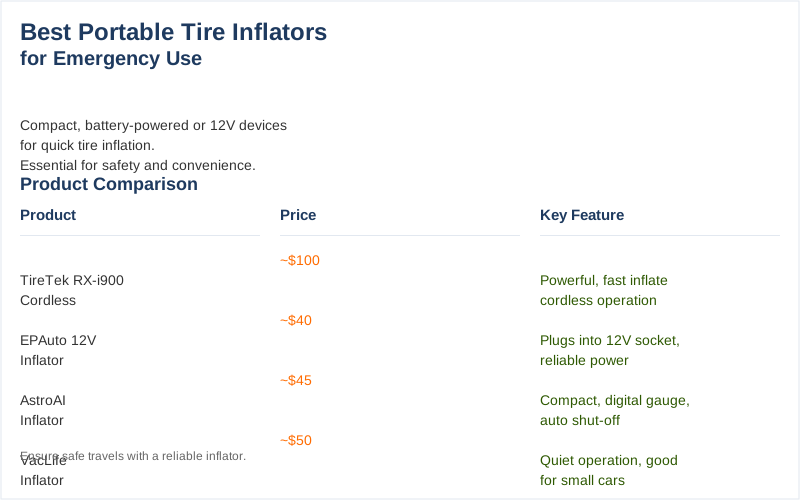
A portable tire inflator is a small, battery-powered or 12-volt device that can add air to your car's tires when you're away from a gas station. Think of it as your personal roadside air pump, ready for that inevitable slow leak or just to top things off before a long drive. A properly inflated tire isn't just about comfort; it's about safety and not burning through gas.
This isn't some fancy gadget; it's the $50 version of not getting stranded. Car and Driver has tested a bunch, and they all do basically the same thing. It's like a tiny, noisy air compressor that fits in your glove box. My first one was a cheap plug-in model that took 15 minutes per tire, making a single flat tire feel like a 2-hour ordeal. Not ideal when you're already stressed.
The real move is something that gets the job done fast. I've seen people try to use those giant shop compressors on the side of the road, and trust me, that's a rookie mistake.
The Core Answer
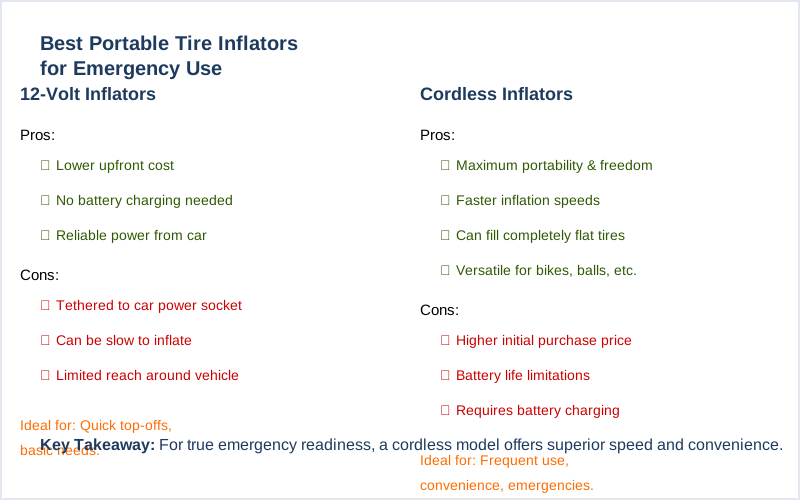
The core idea behind a portable tire inflator is simple: it's a compact device that can add air to your tires. You've got two main flavors: the ones that plug into your car's 12-volt outlet (like the cigarette lighter socket) and the cordless ones that run on rechargeable batteries. The 12-volt ones are usually a bit cheaper upfront, but you're tethered to your car's power.
With a low-quality unit, inflating a tire on the far side of the car feels like wrestling an octopus. MotorTrend tested a bunch, and even the budget ones can get the job done. Cordless models offer more freedom. You can take them anywhere, and some are powerful enough to fill a completely flat tire. A cordless setup makes a night-and-day difference.
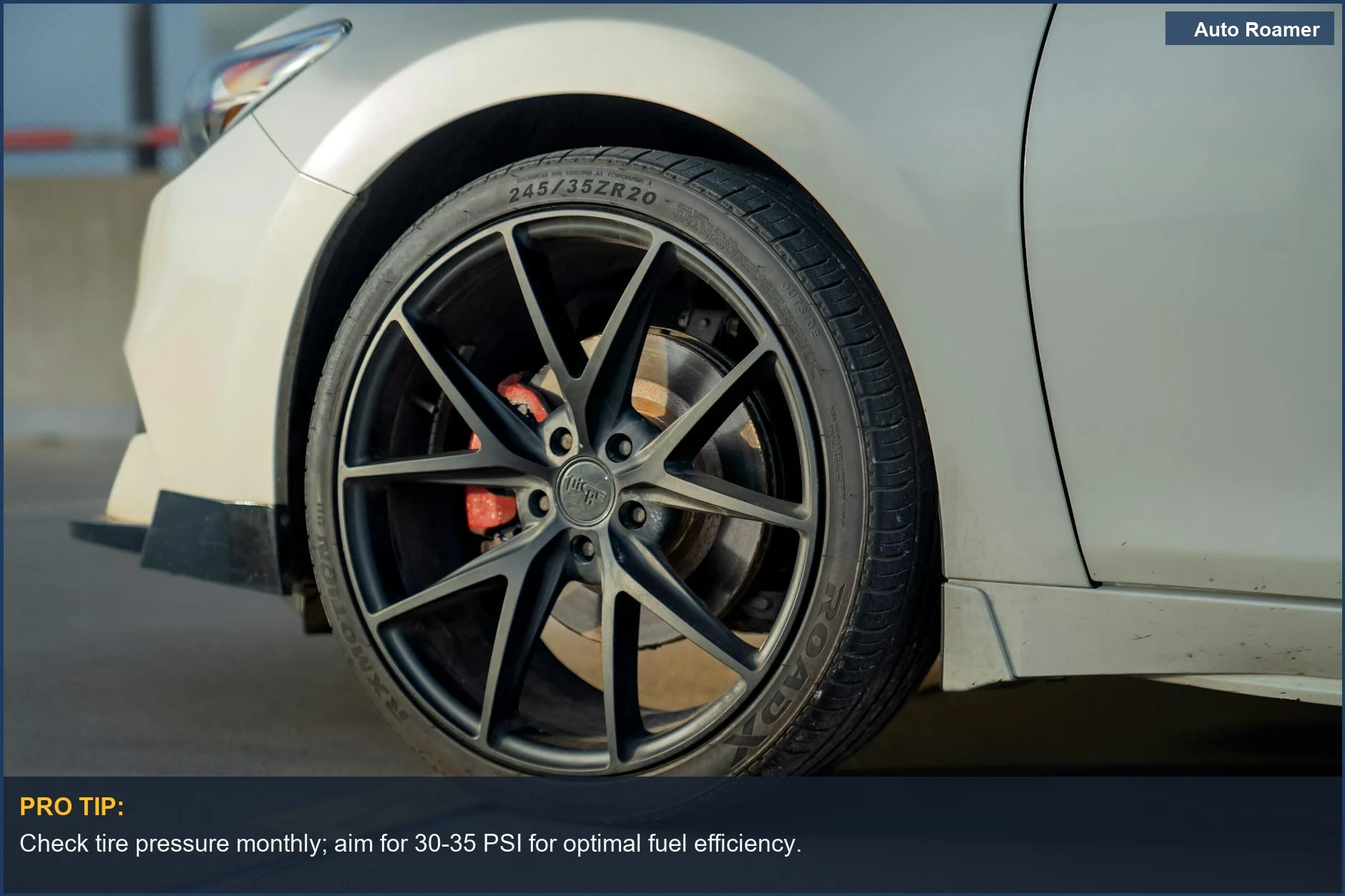
I can sit on a picnic blanket and do my tires. The real move is finding one that has a decent battery life if you go cordless. Some can do all four tires on a single charge, which is game-time for road trips. What nobody tells beginners is to check the maximum pressure rating. Most standard car tires need around 30-35 psi, but some trucks or performance cars might need more. Make sure your inflator can handle it.
Trying to inflate a trailer tire that needs 50 psi with an inflator rated for only 35 psi is a losing battle. Brilliant engineering, that was not. Look for inflators with a built-in pressure gauge. This is crucial. You don't want to over-inflate and blow out a tire, or under-inflate and ruin your gas mileage. Some have digital gauges that let you set your target pressure, and they automatically shut off.
That's the kind of feature that stops rookie mistakes before they happen. The honest version: some are faster than others. If you're often dealing with slow leaks or need to top off multiple tires, speed matters. I saw one test where a fast one could fill a standard tire in under 3 minutes. Reddit users often talk about speed being a major factor. Others might be slower but are more compact or have extra features like LED lights.
The $50 version might get you started, but for frequent use or bigger tires, you might want to spend a bit more. I wouldn't trust some of the cheapest ones with a goldfish, let alone my tires. Think about how you'll use it most. Are you mostly topping off, or do you anticipate dealing with full flats? That'll guide your decision. It's not just about the price tag; it's about reliability when you actually need it.
AutoGuide mentions that better-manufactured units last longer. And don't forget the power source. If you have a hybrid or EV, make sure your 12-volt outlet is accessible or go for a cordless option. Some older cars don't even have a cigarette-lighter socket, a surprise when buying a first plug-in inflator. Field notes: always check your car's power port situation.
Why This Matters for Your Setup
Why does this matter for your car camping setup? Because a flat tire isn't just an inconvenience; it's a potential disaster when you're miles from anywhere. A slow leak on a dirt road is exactly when a compact inflator earns its keep. I had no idea how to change a tire, and AAA wasn't exactly eager to drive out to my remote campsite.
Having a portable inflator meant I could at least keep the tire inflated enough to limp to the nearest town. It saved me hours of waiting and a hefty tow bill. Here's the breakdown:
- Peace of Mind: Knowing you can handle a minor tire issue yourself means you can focus on enjoying your trip, not worrying about being stranded. I've seen too many people with their hoods up on the side of the highway. Don't be that person.
- Saving Time and Money: Instead of calling for roadside assistance, which can cost anywhere from $75 to $200 for a tow, a $50 to $100 inflator is a no-brainer.
Texas Diamond Garage agrees that it's a money saver.
- Maintaining Tire Health: Properly inflated tires last longer and improve your gas mileage. It's a small thing, but over thousands of miles, it adds up. My tires used to wear out way too fast before I started regularly checking pressure.
- Emergency Situations: Beyond just flats, you might need to adjust tire pressure for different terrains.
If you're going off-road, you might want to let some air out for better traction. An inflator lets you easily reinflate them when you get back on pavement. I've seen people air down for sand dunes and then forget to air back up, leading to a very bouncy ride home. The real move is being prepared.
Making the Right Choice
Choosing the right portable tire inflator is less about finding the 'best' and more about finding the 'best for you'. Think about your typical driving habits and potential scenarios. Do you mostly drive around town, or do you venture onto less-traveled roads? Here's a quick checklist:
- Power Source: Corded 12-volt or cordless battery? Cordless offers more freedom, but make sure the battery life is sufficient for your needs. I fried a 12-volt outlet once by overloading it, so I switched to cordless. Road & Track also emphasizes the convenience of cordless.
- Speed and Power: If you anticipate needing to inflate tires quickly or frequently, look for models with higher inflation rates. Some can fill a tire in under 3 minutes.
Amazon has a huge selection, so read the specs.
- Gauge Accuracy: A reliable built-in pressure gauge is non-negotiable. Digital gauges with auto-shutoff are the easiest way to avoid rookie mistakes. I wouldn't trust a gauge that looks like it came off a toy.
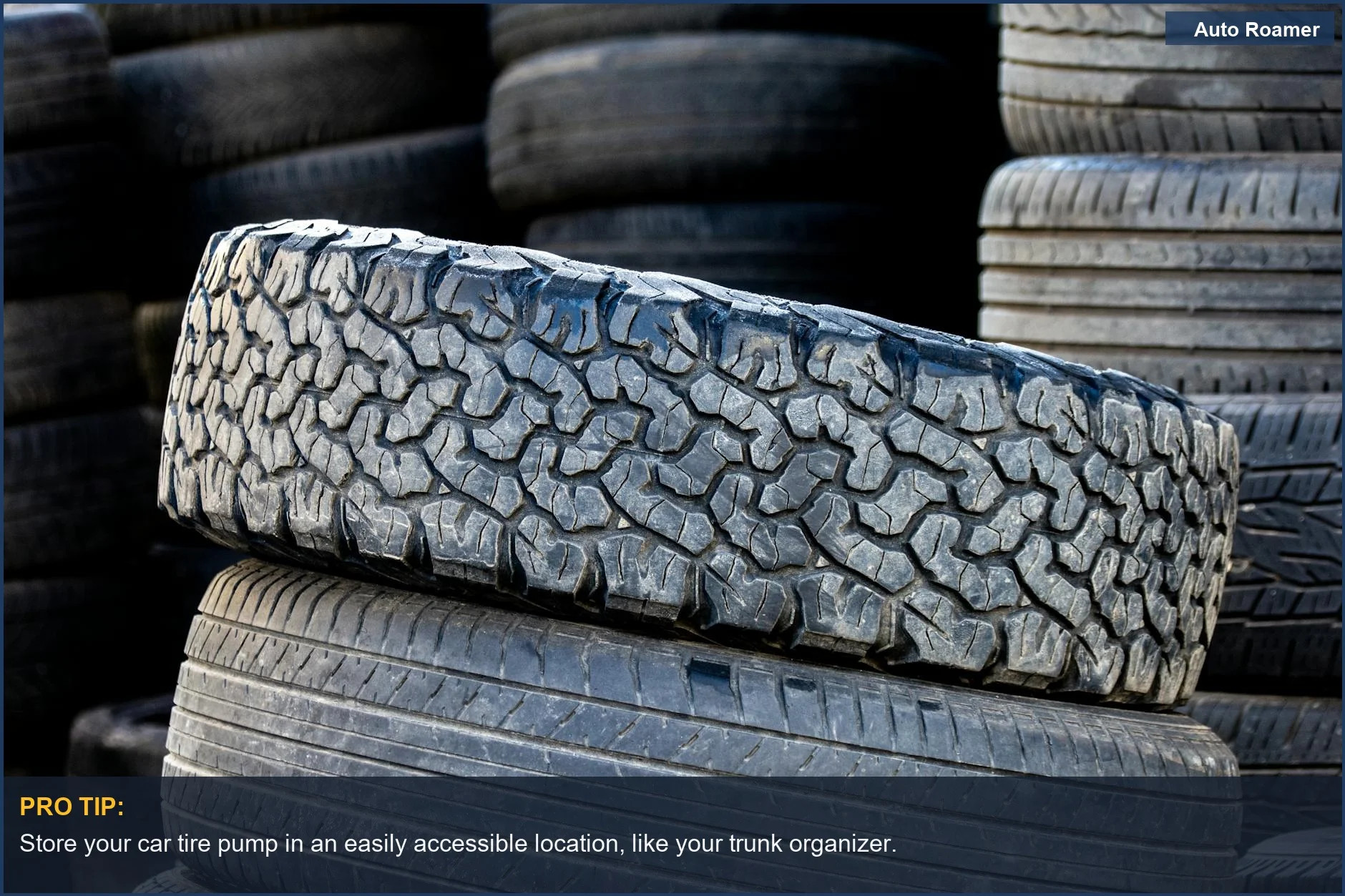
- Portability and Storage: Most are designed to be compact, but some are smaller than others. Consider where you'll store it in your vehicle. My first one was a bulky brick.
Now I have one that fits in a small bag.
Don't overthink it. This isn't rocket science. It's about having a basic tool that can save you a lot of headaches. The $50 version might be tempting, but sometimes spending a little more upfront means a tool that actually works when you need it most.