The Big Picture
I spent about 20 minutes staring at two different models at the auto parts store, both costing around $100, and had zero clue which one I actually needed. The box just said "Brake Controller." Brilliant engineering. The honest version is, it's not that complicated, but the names can be confusing.
The Core Answer
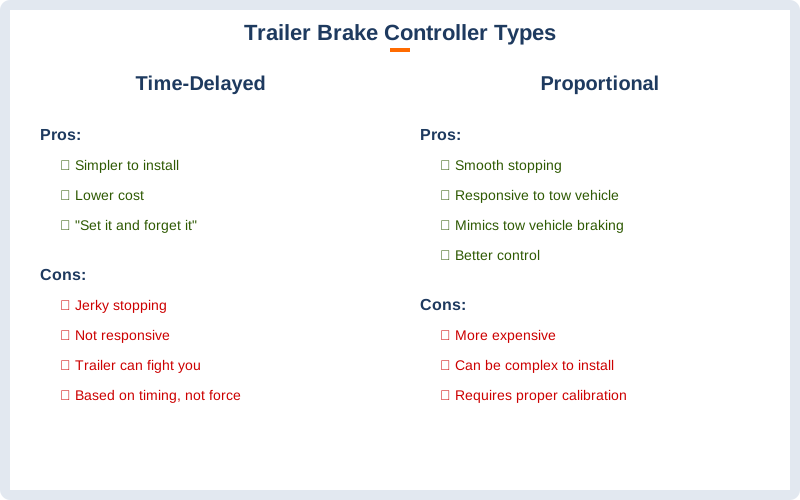
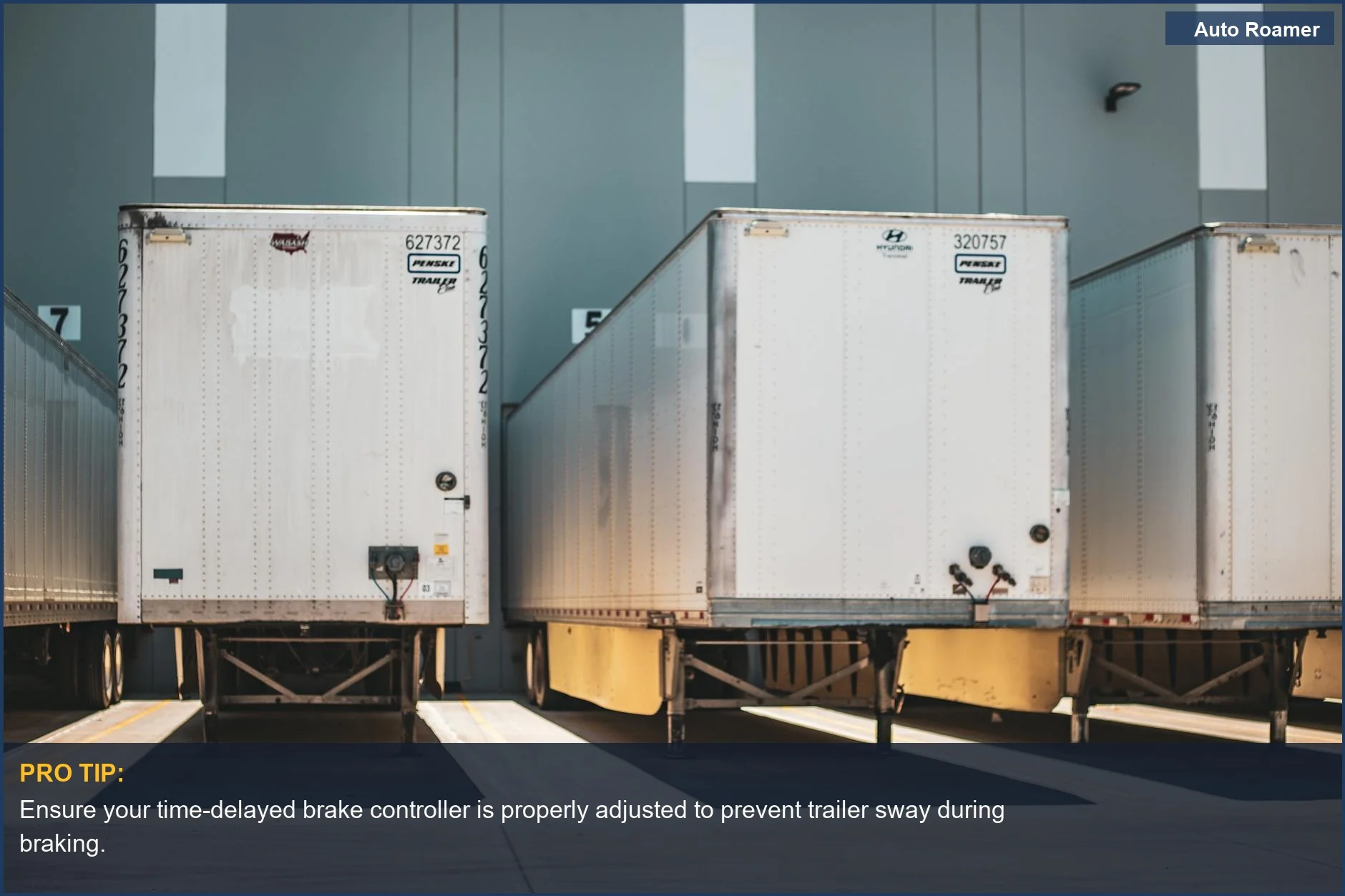
You've got your time-delayed ones, and then you've got your proportional ones. Think of the time-delayed as the "set it and forget it" option, but "forget" is the operative word here. When you press your brake pedal, it sends a signal to the controller, and the controller applies a percentage of the trailer brakes based on how long you've been pressing the pedal. So, a quick tap means a little brake, a long press means a lot. The trailer brakes engage based on timing, not on how hard you're actually braking.
I tried one of these on a rental trailer once. It felt clunky. Coming to a stop was jerky, like the trailer was fighting me. It was okay for just cruising on flat ground, but any kind of downhill or sudden stop felt sketchy. My $50 Curt Discovery time-delayed controller wasn't exactly inspiring confidence.
Now, the proportional controllers. These are the fancy ones. They have sensors inside that detect the deceleration, or how quickly your tow vehicle is slowing down. They essentially mimic your tow vehicle's braking action. Press the pedal harder, and the trailer brakes engage harder. Tap the pedal, and the trailer brakes tap back. It feels much more natural and controlled.
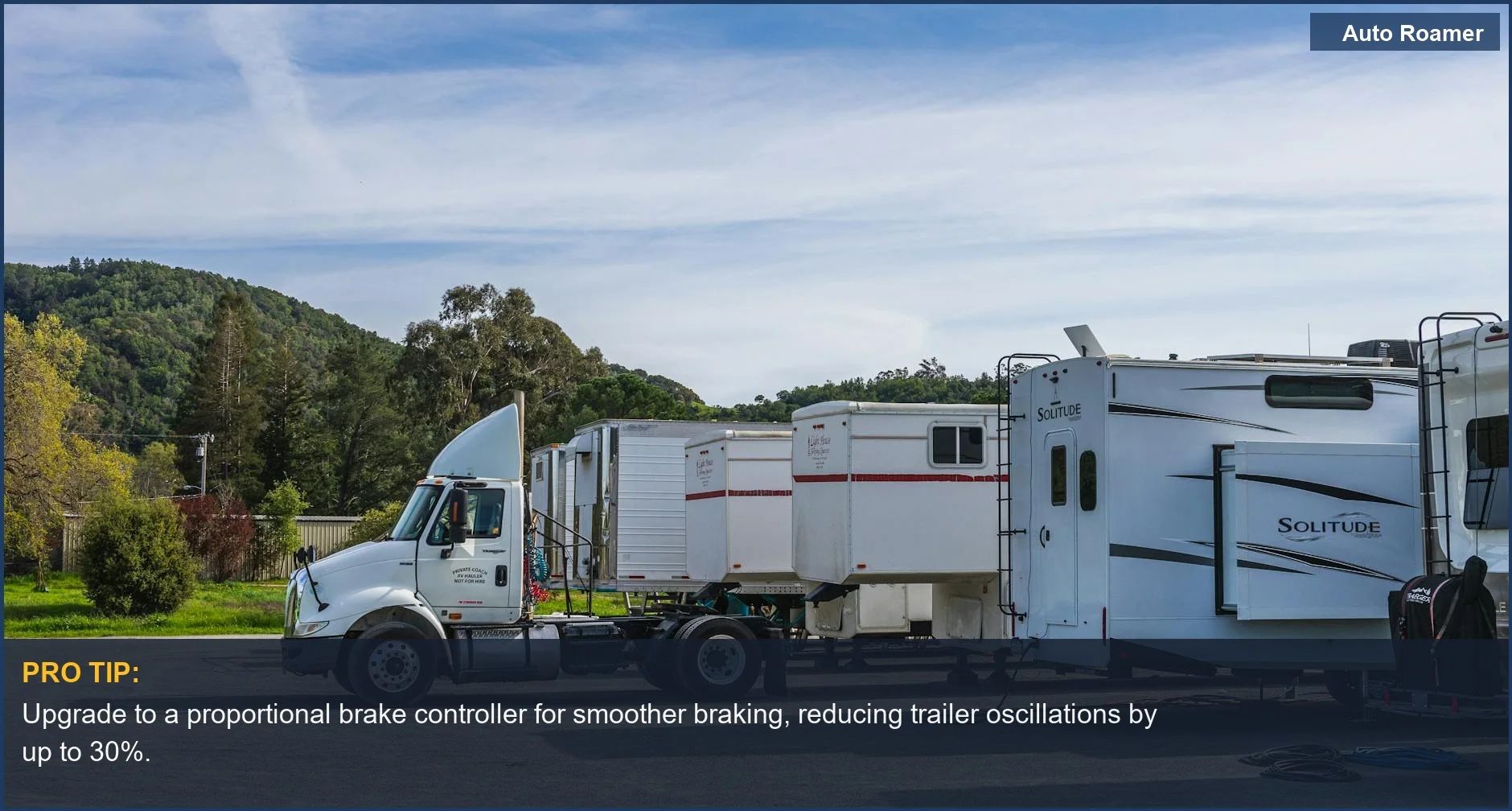
When I finally upgraded to a proportional controller, a Tekonsha P3 that cost me around $150, it was a game-changer. My first trip with it was a 500-mile haul through the Smoky Mountains in Tennessee. The difference was night and day. The trailer felt like it was part of the truck, not a separate, unruly beast trying to push me off the road. Proportional controllers are intelligent and the best, seriously.
The real move here is that proportional controllers are much better for towing heavier loads or anything you don't want bouncing around. Think RVs, horse trailers, or even just a loaded utility trailer. For those times you might be towing something precious, like your family, a proportional brake controller is worth the small difference in cost.
Why This Matters for Your Setup
So, why does this matter when you're out there trying to enjoy your weekend? Because the wrong controller can make towing feel like you're wrestling a bear. Here's the breakdown:
- Jerky Stops vs. Smooth Sailing: Time-delayed controllers can give you that abrupt, almost jarring stop, especially if you're not used to feathering the pedal just right. I remember one time in a campground in Ohio, trying to park my trailer, and I kept overshooting the spot because the brakes were either on too much or not enough. It was embarrassing. Proportional controllers feel way more intuitive, like your trailer is an extension of your truck.
The trailer brakes will more closely mimic the tow vehicle's brakes.
- Heavy Loads and Peace of Mind: If you're hauling anything substantial - a camper, a boat, a car on a trailer - a proportional controller is your best friend. It manages the braking force more effectively, reducing wear and tear on both your tow vehicle and the trailer.
My neighbor, who pulls a big fifth-wheel, swears by his proportional unit and says it saved him from a nasty sway incident on a windy day in Kansas. For the long-term benefits, a proportional brake controller is worth the small difference in cost.
- Learning Curve: Honestly, time-delayed controllers can be simpler to understand initially, but they can also lead to bad habits.
Proportional controllers might feel a bit more complex at first, but once you get it, towing becomes so much more relaxed. I found the proportional ones easier to get used to in the long run, despite the slightly higher initial price point. It's worth the effort to learn.
Making the Right Choice
Choosing the right brake controller is less about fancy features and more about safety and comfort on the road. Don't be like me on my first trip and just grab whatever looks cheapest.
- Proportional is Generally Better: For most people towing anything more than a small utility trailer, a proportional controller is the way to go. They offer smoother braking and better control. Proportional controllers are the type most consumers purchase if they tow frequently or move precious cargo.
- Time-Delayed for Minimal Use: If you only tow a very light trailer a couple of times a year for short distances, a time-delayed unit might suffice.
But honestly, the price difference isn't that big. I've seen decent time-delayed ones for around $70, and proportional ones starting at $100. For the long-term benefits, a proportional brake controller is worth the small difference in cost.
- Don't Overthink It: At the end of the day, both types will activate your trailer brakes. But one does it much, much better. Think of it as the $50 version versus the $150 version.
You usually get what you pay for, and with trailer brakes, that difference is worth the investment. Proportional is intelligent and the best.