What You Need to Know
Getting an accurate estimate for car repairs is like trying to guess the exact temperature in the mountains at 3 AM without a thermometer. It's a shot in the dark that can leave you shivering in your wallet. Some shops just hand over a piece of paper with a total number and a shrug. That isn't the real move. You need to know what goes into that number, or you're just paying for someone's guesswork.
This is about cutting through the jargon and getting the actual cost breakdown, not just a number pulled out of thin air. Make Sure You're Getting a Fair Car Repair Estimate explains that a good estimate should be detailed.
The Core Answer
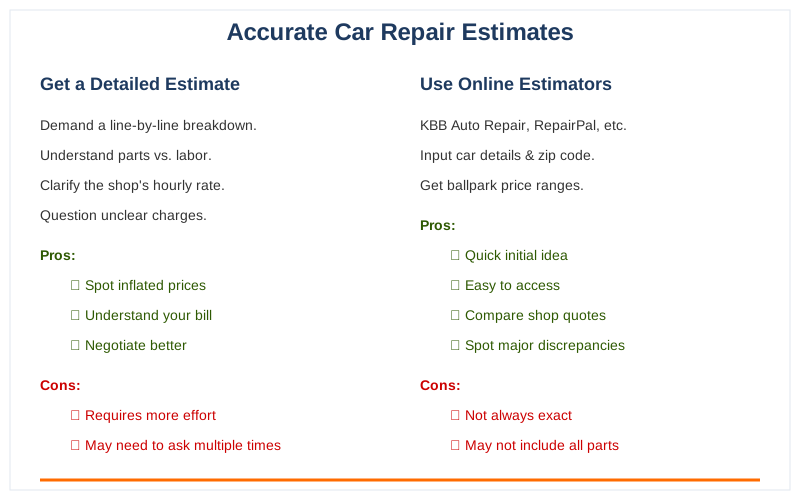
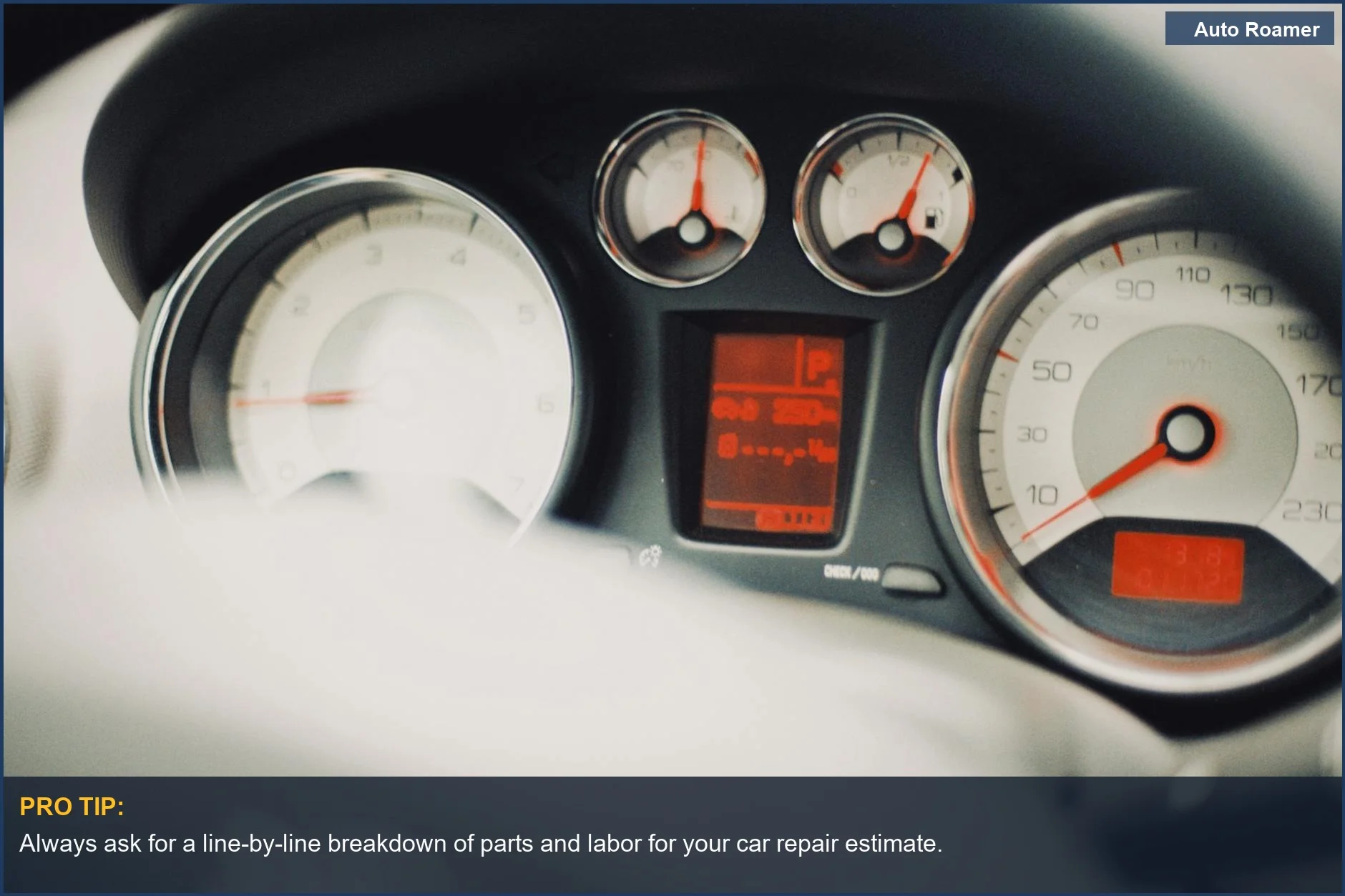
The core answer to getting a solid car repair estimate is to demand detail and use multiple resources. It's not just about the final dollar amount; it's about understanding what you're paying for. A $500 repair bill with no line-by-line breakdown is a rookie mistake. The shop just said, "It needs a new alternator." Brilliant engineering.
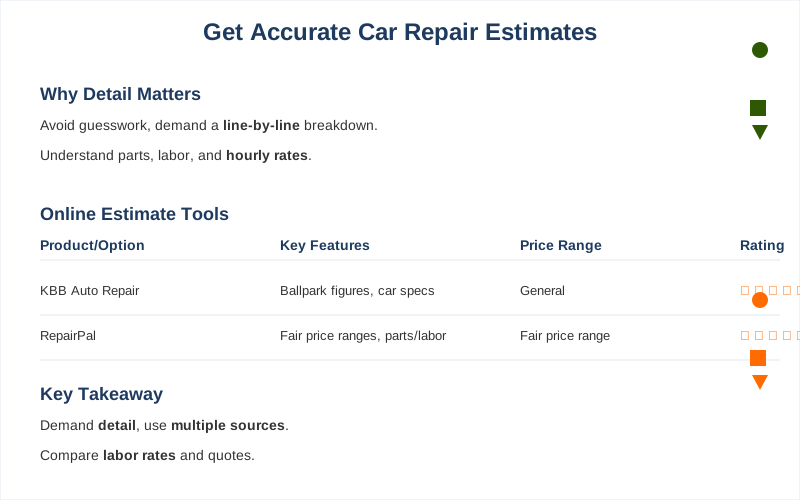
KBB Auto Repair is a good starting point to get a general idea of what common repairs should cost. You plug in your car's make, model, year, and zip code, and it gives you a ballpark figure. It's not gospel, but it's better than nothing. RepairPal does something similar, providing fair price ranges based on parts and labor. These online estimators are your first line of defense. They help you spot ridiculous markups.
A brake-job quote can come in $300 higher than what RepairPal shows for your area. That's when you know to push back. What nobody tells beginners is that mechanics often have different labor rates. Your estimate should clearly state the shop's hourly labor rate. If it's sky-high compared to industry standards, that's a red flag. AAA also offers repair cost estimates. Having a few numbers from different sources gives you leverage.
You can walk into a shop and say, "Hey, online estimates are showing X, but you're quoting Y. Can you explain the difference?" This is game-time. You need to know if they're using OEM parts (Original Equipment Manufacturer, usually pricier) or aftermarket parts (often cheaper). The estimate should specify this. If they don't, ask. Some shops charge dealer prices for aftermarket parts without bothering to clarify.
That's the honest version: you need to be your own advocate. A detailed written estimate is non-negotiable. It should list every part, the cost of the part, and the estimated labor time for each job. If it just says "Miscellaneous parts - $400," run. That's not an estimate, that's a magic trick. Progressive says an estimate is a breakdown of visible repairs. Make sure it's visible and understandable. Don't be afraid to ask questions.
If they use a term you don't understand, ask them to explain it in plain English. "What is this 'diagnostic charge' and what does it cover?" "Why does this part cost so much more here than on that website I looked at?" The real move is to get at least two or three written estimates from different reputable shops, especially for major repairs. This is how you find the best value and avoid getting ripped off.
It might take an extra day or two, but it's worth it. A second opinion on an engine repair can come in at half the price of the first, just by shopping around.
Why This Matters for Your Setup
Why this matters for your setup is pretty straightforward: it keeps your wallet from taking a beating. This matters most when a transmission fails on a camping trip in the middle of nowhere. The only mechanic for 50 miles can quote a price that makes your eyes water. Reddit had people sharing horror stories of being stranded and forced to pay exorbitant prices.
The honest version is that without a baseline understanding of repair costs, you're at the mercy of whoever has your car keys. Here's the real breakdown:
- Avoiding the "You're Stranded" Premium: When your car breaks down far from home, shops know you're desperate. They can inflate prices because you don't have the luxury of shopping around. Getting an estimate beforehand, even a rough online one, gives you some ammo.
- Spotting Unnecessary Repairs: A detailed estimate helps you question add-ons. A quote might include an "engine flush" for $150. Check the manual first - some manufacturers specifically say NOT to do it. That's a shop trying to sell snake oil.
- Budgeting for the Inevitable: Cars break. It's a fact of life, like death and taxes. Having a general idea of common repair costs for your specific vehicle helps you budget for unexpected issues. A $2,000 brake job is easier to swallow when you've already seen similar numbers online.
- Negotiating Power: Armed with quotes from multiple sources, you can negotiate. If one shop is $500 higher than two others for the exact same job, you have grounds to ask them to match the price or explain the difference. NAPA Auto Care has an estimator tool that can help with this. It's not about being cheap; it's about being smart.
Making the Right Choice
Making the right choice on car repair estimates boils down to being informed and proactive. It's like packing for a weekend camping trip: you don't just throw random stuff in the trunk and hope for the best. You plan. ARI talks about how an estimate is a detailed explanation of work. That's exactly what you need.
- Get It In Writing, Always: Never, ever agree to work based on a verbal quote. Agree to a verbal estimate for a transmission job and you can end up paying double what was initially discussed, with the shop claiming they "found more issues." Surprise!
- Understand the Labor Rate: Know what the shop charges per hour. A $100 per hour rate for a simple oil change is a giant red flag. Most online estimators will give you a range, and you can use that to gauge if a shop is being reasonable. CBAC stresses the importance of detailed descriptions on estimates.
- Don't Be Afraid to Walk Away: If an estimate seems too high or the mechanic is evasive, thank them for their time and leave. There are plenty of other shops out there. One shop might charge about 30% more than the next two for the same exhaust work. The $50 version of that repair is out there; you just have to look hard enough.