
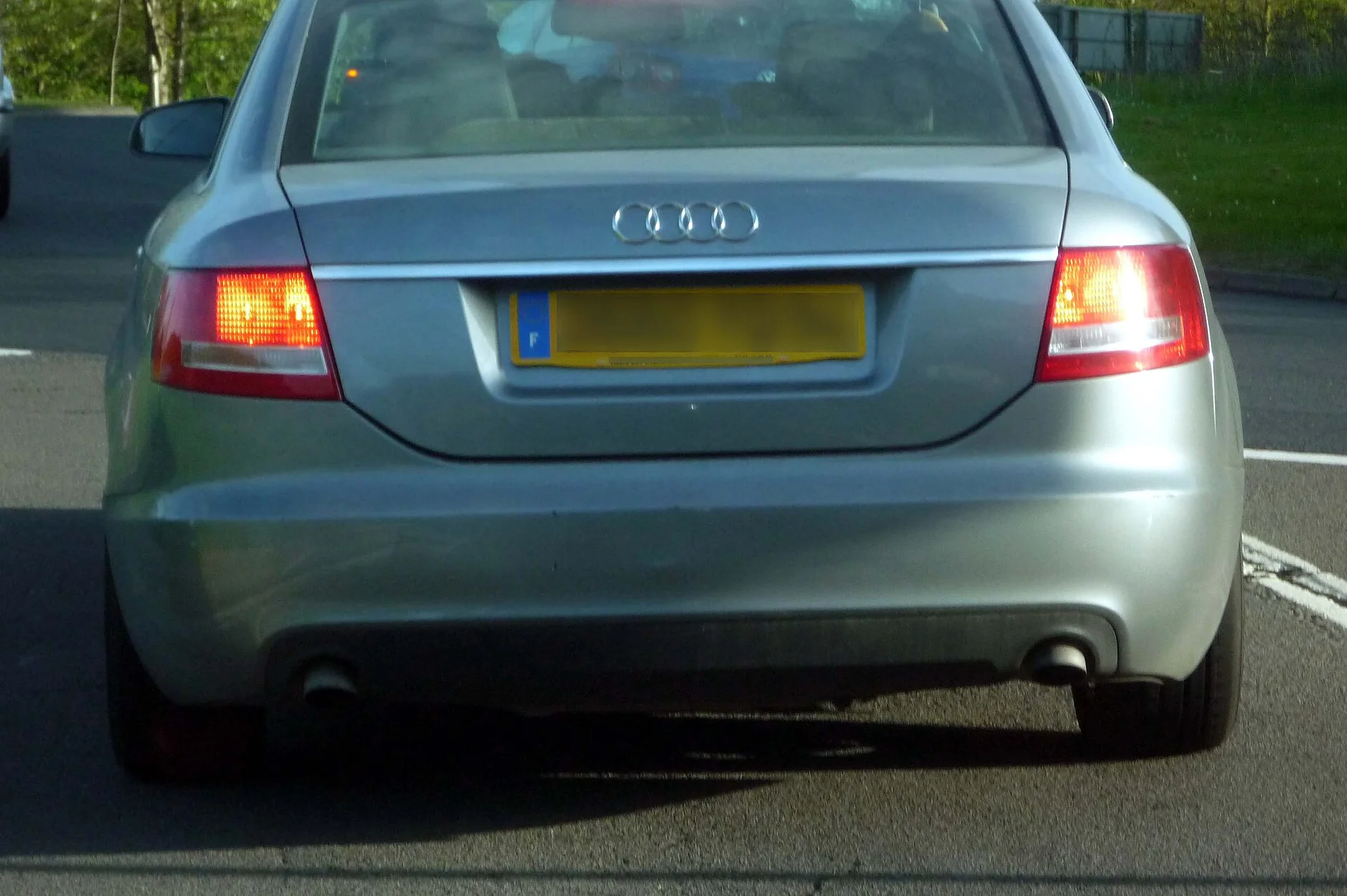
The honest answer: yes, but only above one number
Yes, you can get carbon monoxide poisoning sleeping in a car, but the real risk is far narrower than the headlines suggest, and one number settles it. A parked car with the engine switched off produces no carbon monoxide, and its cabin sits at ordinary background levels of roughly 0.5 to 5 ppm, the same harmless range as a house without a gas stove. The danger appears only when a gasoline engine is running, an exhaust is blocked or leaking, or fumes are trapped in an enclosed space. In those cases cabin CO can climb into the hundreds or thousands of ppm, and that is where it kills.
Carbon monoxide, or CO, is what the CDC calls a gas that kills without warning: odorless, colorless, and produced any time fuel burns. You cannot see, smell, or taste it, which is why people are caught off guard. The CDC reports that more than 400 Americans die every year from unintentional carbon monoxide poisoning not linked to fires, more than 100,000 visit an emergency department, and more than 14,000 are hospitalized.
Sleeping is the worst possible time to be exposed. In the CDC's own words, people who are sleeping or intoxicated can die from CO poisoning before they ever feel symptoms. This guide does the opposite of fear-mongering: it puts real ppm numbers to the risk, explains the three ways CO can reach you in a vehicle, and lays out the concrete steps that let you sleep in a car safely. Everything here is built from CDC, EPA, and Poison Control publications and published safety standards, not from our own trials, and every source is linked.
How carbon monoxide actually harms you
To judge the risk honestly you need the mechanism, because it explains both why CO is deadly and why an engine-off car is safe. Carbon monoxide is a product of incomplete combustion: when fuel burns without enough oxygen, some carbon leaves as CO rather than carbon dioxide. A gasoline engine is a combustion source. A parked car's battery, cabin fan, and lights are not, which is the whole reason engine-off is the safe state.
Once you breathe it in, CO does its damage in the bloodstream. As the EPA puts it, the acute effects are due to the formation of carboxyhemoglobin in the blood, which inhibits oxygen intake. CO binds to hemoglobin far more readily than oxygen does, crowding oxygen out of the very cells meant to carry it. Your blood keeps circulating but delivers steadily less oxygen to the brain and heart, which Poison Control notes suffer quickly while all organs are harmed.
The practical takeaway is reassuring: no combustion near the cabin means no carbon monoxide. The hazard is not the act of sleeping in a car, it is a fuel-burning engine running while you do.
Because the gas gives no sensory warning, a sleeping person's body has no trigger to wake. The oxygen starvation simply deepens. That single distinction, source versus no source, is what separates an urban legend from a genuine hazard, and it is why every preventive step below maps back to keeping combustion away from the air you breathe.
What the numbers actually say: CO poisoning by the ppm
The word "dangerous" means little without a concentration and a clock, so here is what published toxicology data shows. Health effects scale with both the ppm level and how long you breathe it. For reference, normal indoor background runs 0.5 to 5 ppm, air near a properly adjusted gas stove sits at 5 to 15 ppm, and a poorly adjusted appliance can reach 30 ppm or higher.
| Concentration | Effect and time to onset |
|---|---|
| 35 ppm | Headache and dizziness within 6 to 8 hours of constant exposure |
| 100 ppm | Slight headache in 2 to 3 hours |
| 200 ppm | Slight headache within 2 to 3 hours, loss of judgment |
| 400 ppm | Frontal headache within 1 to 2 hours |
| 800 ppm | Dizziness, nausea, and convulsions within 45 minutes; insensible within 2 hours |
| 1,600 ppm | Headache, dizziness, and nausea within 20 minutes; death in under 2 hours |
| 3,200 ppm | Headache, dizziness, and nausea in 5 to 10 minutes; death within 30 minutes |
| 6,400 ppm | Headache and dizziness in 1 to 2 minutes; death in under 20 minutes |
| 12,800 ppm | Unconsciousness after 2 to 3 breaths; death in under 3 minutes |
The lesson is not to memorize the table, it is to see the shape of it. An engine-off cabin lives at the harmless bottom, near 0.5 to 5 ppm. A running engine in an enclosed or snow-blocked space is what pushes the air into the middle and top of this chart, where minutes matter and a sleeping person never gets the chance to react.
Where the safety limits are drawn
Occupational limits give another useful yardstick, because they mark the levels regulators consider unsafe for even a healthy adult over a work shift, let alone someone asleep. These are exposure ceilings, not sudden death lines, and they sit well below the acute-harm numbers above.
- OSHA sets a permissible exposure limit of 50 ppm averaged over an 8-hour workday.
- NIOSH recommends a lower limit of 35 ppm over 8 hours, with a ceiling of 200 ppm that should never be exceeded.
- ACGIH sets its threshold value at 25 ppm over 8 hours.
Notice the gap between these limits and the acute table. Regulators cap workplace air at 25 to 50 ppm for continuous exposure, yet a car idling in a closed garage can blow past several hundred ppm in minutes. That gap is exactly why an enclosed running engine is so dangerous: it does not creep toward the limit, it vaults over it.
An engine-off cabin sits near background, roughly 0.5 to 5 ppm, far under every one of these limits. The limits only start to matter the moment combustion enters the picture.
None of these numbers change the core rule. They simply show, in the language of the agencies that set safety standards, how wide the safety margin is when the engine is off and how fast it collapses when the engine runs in the wrong place.
The three ways CO can actually reach you in a car
Carbon monoxide does not appear in a car by magic. There are three concrete pathways, and every safe-sleeping rule that follows is just a way of closing one of them.
- Running the engine while you sleep. An idling engine produces CO continuously at the tailpipe, and even with windows cracked it can seep back into a stationary cabin, especially near a wall or with a wind eddy. People do this to run the heater or air conditioning overnight, and it is the most common way occupants are poisoned. If you are tempted, read honestly about how long you can safely idle a car overnight and why "just for a bit" is how it goes wrong.
- A blocked or obstructed exhaust. If the tailpipe is plugged, most famously by snow drifting around a stranded car, but also by mud or a low curb, exhaust cannot escape and backs up into the cabin while the engine runs. The CDC specifically warns drivers to clear snow from the exhaust pipe before starting the engine.
- An exhaust leak or an enclosed space. An aging or damaged exhaust can leak CO into the passenger compartment even during normal driving, and any enclosed space, a garage or tight carport, lets fumes accumulate fast. Poison Control's rule is blunt: never leave a car running in an attached garage, even with the door open.
Notice what all three share: a running engine or a combustion leak. Switch the engine off in the open air and none of the three can occur. That is why the advice below leans so hard on one habit.
Symptoms to recognize, from first signs to emergency
Because you cannot detect carbon monoxide with your senses, recognizing the body's symptoms is your fallback warning system, and the catch is that early CO poisoning mimics the flu without the fever. The CDC lists the most common symptoms as headache, dizziness, weakness, upset stomach, vomiting, chest pain, and confusion. Here is how they tend to escalate.
| Stage | What you may feel | What to do |
|---|---|---|
| Early / mild | Dull headache, dizziness, weakness, upset stomach, easily mistaken for being tired or coming down with something | Get to fresh air at once and stay out of the vehicle |
| Worsening | Vomiting, chest pain, shortness of breath, blurred vision, growing confusion | Get out, call emergency services, do not lie back down |
| Severe | Drowsiness that is hard to fight, loss of coordination, loss of consciousness | A medical emergency, call 911; bystanders move the person to fresh air |
The cruel detail the CDC emphasizes is that a sleeping person may never reach the recognize-and-react stage at all. They can die before symptoms register. That is precisely why prevention, engine off, ventilation, a clear exhaust, and a CO alarm, matters far more than symptom-spotting when you are asleep. Treat the symptom list as a last line of defense, never the primary one. A Poison Control tell is worth remembering too: if headache, nausea, or fatigue clear up when you step outdoors, suspect CO.
How to sleep in a car safely: the rules that close every pathway
Safe sleeping in a vehicle is not complicated, and it does not require giving up the idea. It is a short checklist, each item aimed at one of the three CO pathways.
- Sleep with the engine off, always. This single rule removes the largest risk by itself, because an engine that is not running makes no carbon monoxide. If you need warmth or cooling, do not solve it by idling.
- Ventilate. Crack two windows on opposite sides about an inch so air can move through the cabin rather than sit still. Cross-flow matters more than one big opening, and it doubles as the fix for condensation on the glass overnight.
- Park in the open, never enclosed. Open air over a garage, carport, or any walled space, so that on the off chance there is a leak, nothing can accumulate.
- Clear and check the exhaust. Before you ever run the engine, make sure the tailpipe is clear of snow, mud, or debris, exactly as the CDC advises.
- Carry a CO alarm. A small battery-operated carbon monoxide alarm gives you the warning your senses cannot, covered in its own section below.
- Solve comfort off the engine. Use insulation, the right sleeping bag, window covers, and battery power rather than the climate control.
For the bigger picture, where you are allowed to park and how to stay safe overall, the companion guide to sleeping in your car safely and legally ties the rest together. Carbon monoxide is the one risk on that list that can be silently fatal, which is why it earns its own deep dive here. It is also the reason people ask whether it is safe to sleep with the windows up, and the honest answer follows the same logic: engine-off, sealed is fine on background air; engine-on, sealed is the danger.
Staying warm or cool without running the engine
Almost every car-sleeping CO tragedy traces back to the same understandable impulse: it was too cold or too hot, so someone left the engine running for the heater or air conditioning. The honest fix is to take the engine out of the comfort equation entirely, because the engine is the only part of a parked car that makes carbon monoxide.
The safe tools are passive and battery-based, and they split cleanly by season:
- Cold nights: a four-season sleeping bag or quilt, insulation between you and the cold steel floor, and reflective window covers that cut the heat bleeding out through the glass. See how to stay warm sleeping in a car in winter without the engine.
- Active heat, if you must: a battery or portable power station rather than the engine, and even then, an unvented fuel-burning heater is its own carbon monoxide source and should never run in a closed cabin, which is why we cover whether a portable heater belongs in a car so carefully.
- Hot nights: shade, cross-ventilation, and a small 12-volt or USB fan rather than the air conditioning, which only runs with the engine on.
A portable power station is the piece that makes this work: it runs a fan, lights, and a 12-volt cooler for a night or two and recharges off the car outlet while you drive, so the engine stays untouched. The guide to powering appliances with a portable power station walks through sizing one. Get the comfort plan off the engine and the carbon monoxide risk largely disappears with it.
What a CO alarm does, and the numbers it is built around
Because carbon monoxide gives no sensory warning and a sleeping person cannot rely on symptoms, a carbon monoxide alarm is the one device that can wake you before exposure turns dangerous. The CDC recommends battery-operated or battery-backup CO detectors near every sleeping area, advice written for homes but directly applicable to anyone sleeping in a vehicle.
It helps to know the numbers a certified alarm is engineered around. Under the North American UL 2034 standard, a listed alarm must sound at 70 ppm within 60 minutes, at 150 ppm within 10 minutes, and at 400 ppm in 4 minutes, and immediately at 500 ppm or greater. It is deliberately built not to alarm at concentrations up to 70 ppm, and not to display readings below 30 ppm, so brief harmless exposures do not cause nuisance trips. In other words, the alarm mimics how your body absorbs CO over time.
An alarm is a safety net, not a license. It does not make it safe to sleep with the engine running; it exists to catch the leak or obstruction you did not anticipate.
Two honest caveats keep this responsible. First, widely available alarms are certified for residential use; there is no consumer vehicle-specific CO-alarm standard, so a household battery alarm is a sensible precaution rather than a purpose-built automotive device, treat it as a backup. Second, and most important, as the pull-quote above says, the alarm is there to guard the gap you did not plan for, not to license idling. Keep the engine off and ventilate anyway, and let the alarm do the rest.
The winter exception: running the engine when you are stranded
There is one situation where the never-run-the-engine rule has to bend, and it is worth spelling out carefully because getting it wrong is deadly: being stranded in a vehicle in genuinely dangerous cold. When freezing is the immediate threat, staying warm can outrank the carbon monoxide risk, but only if you manage that risk deliberately.
Standard stranded-in-winter guidance from safety agencies is consistent on three moves. First, make sure the exhaust pipe is clear of snow before you start the engine. Second, run the engine and heater only sporadically, just long enough to take the edge off the cold rather than continuously. Third, open a window slightly on the downwind side while it runs to let fresh air in.
Clearing the tailpipe is the non-negotiable step. Snow packed around the pipe is a documented cause of CO poisoning in stranded and parked cars, and it is the difference between brief, ventilated warming and a sealed gas chamber.
This is an emergency protocol, not a way to sleep comfortably through a cold night by choice. The everyday version of the rule still stands: if you are car-camping in the cold on purpose, solve warmth with insulation, a proper sleeping bag, and window covers, and keep the engine off. Save the run-it-sparingly approach for the genuine emergency it is meant for.
Common myths that get people hurt
A handful of comfortable assumptions are exactly the ones that lead people into trouble, so it is worth naming them plainly and correcting each against what the data and basic chemistry say.
- "Cracking a window makes it safe to run the engine." It does not. A cracked window helps ventilation, but a running engine can produce CO faster than a one-inch gap reliably clears it, and a wind eddy can even pull exhaust back inside. Ventilation complements the engine being off; it does not replace it.
- "Modern cars don't make carbon monoxide." Newer vehicles emit far less CO than old ones, but a running gasoline engine still produces it, and an aging or damaged exhaust on any car can leak it into the cabin. Newer means lower risk, not no risk.
- "The air conditioning itself is the danger." The AC is not the source, the engine that powers it is. Running the AC means running the engine, the actual hazard. With the engine off, the AC simply does not run.
- "A short nap is too brief to matter." In a confined space CO can climb fast; at 1,600 ppm the toxicology data shows serious symptoms within 20 minutes, and a sleeping person may not wake to act. The CDC is explicit that people who are asleep can be poisoned before they ever feel symptoms.
The thread running through every myth is the same false hope: that some halfway measure lets you keep the engine on safely while you sleep. None do. The only reliable protection is removing the source, engine off, and treating ventilation and a CO alarm as backups, never replacements.
If you suspect carbon monoxide poisoning, act in this order
If you or anyone with you starts feeling early symptoms while in or near a vehicle, headache, dizziness, nausea, confusion, unusual drowsiness, treat it as carbon monoxide until proven otherwise and act immediately. Seconds matter more than certainty.
- Get to fresh air at once. Get out of the vehicle and away from the suspected source. If someone else is affected and it is safe, move them into fresh air too.
- Call emergency services. In the United States, call 911 for anyone who is confused, has passed out, or is struggling to breathe. CO poisoning can worsen fast and needs medical assessment.
- Call Poison Control for guidance. The US Poison Help line, 1-800-222-1222, is free, confidential, and staffed around the clock; they can advise on symptoms that are not yet an obvious emergency.
- Do not go back in. Do not re-enter the vehicle to retrieve belongings or air it out from inside until the engine is off, the source is resolved, and the space has cleared.
- Tell responders it may be CO. Because symptoms mimic the flu, say plainly that you suspect carbon monoxide so the right testing and treatment happen quickly.
None of these steps require you to be certain it is carbon monoxide. Given that the gas is invisible and a delay can be fatal, acting on suspicion is the correct, responsible response.
The bottom line: keep the engine off and the numbers stay harmless
Yes, you can get carbon monoxide poisoning sleeping in a car, but only when a gasoline engine is running, an exhaust is blocked or leaking, or fumes are trapped in an enclosed space. A parked car with the engine off makes no carbon monoxide and its cabin stays at background levels near 0.5 to 5 ppm, so the single rule that protects you is to sleep with the engine off, every time.
Build the rest around that one habit: ventilate with two cracked windows for cross-flow, park in the open and never in a garage, keep the exhaust clear of snow and debris, solve warmth and cooling with insulation and battery power instead of idling, and carry a battery carbon monoxide alarm, the kind built to sound at 70, 150, and 400 ppm, as a backup that can wake you when your senses cannot. Save the run-the-engine-sparingly approach for a genuine cold-weather emergency, tailpipe clear and a window open.
Do that, and you can rest in a vehicle without gambling on a gas you cannot see, smell, or taste. Every claim here comes from the CDC, EPA, Poison Control, and published safety standards, linked below; check them, and when in doubt, get to fresh air and call for help.