
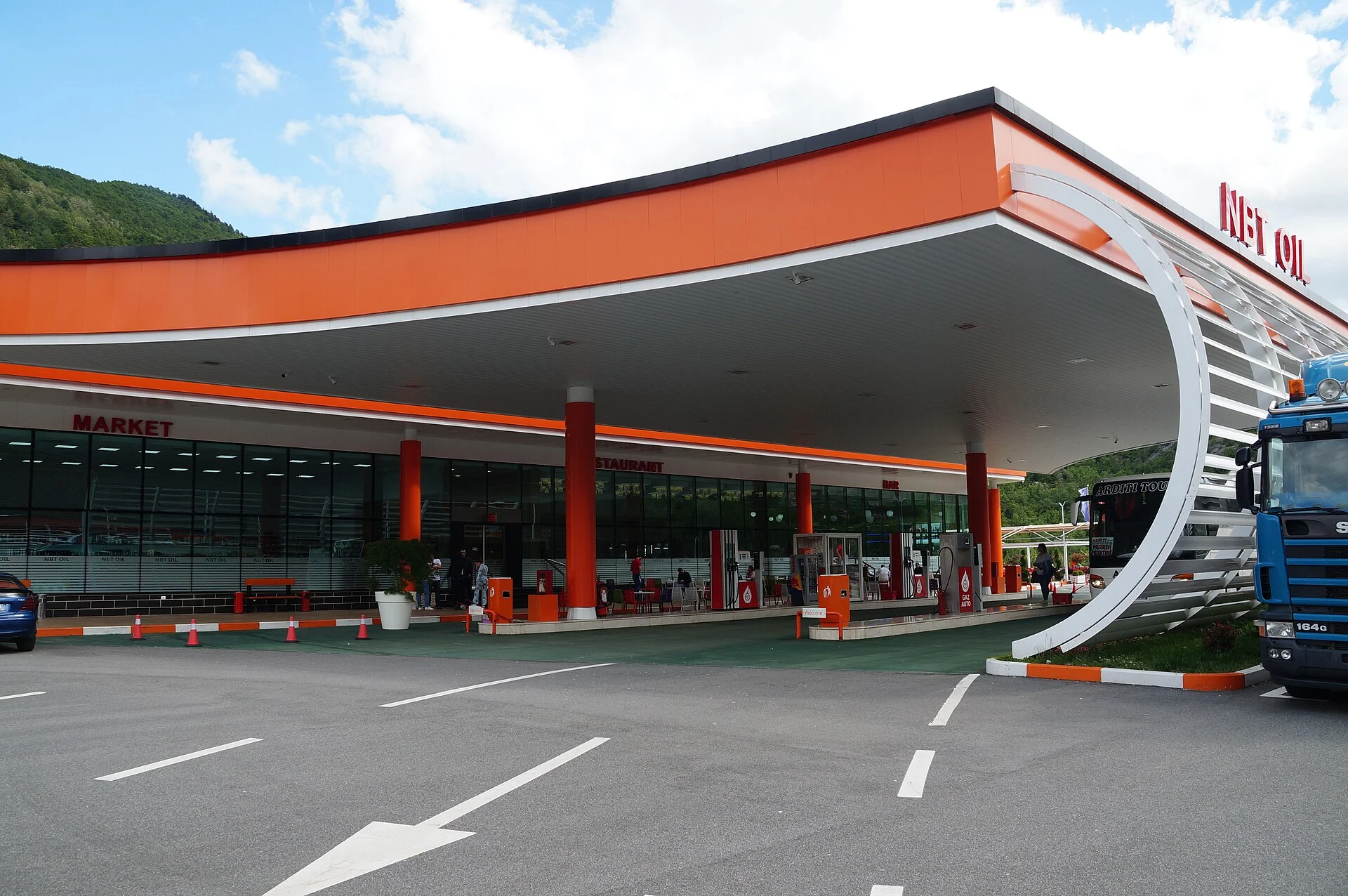
Is It Illegal to Sleep in Your Car? The Direct Answer
The honest, useful answer cuts against how the question is usually asked. No U.S. state bans sleeping in your car everywhere. Legality is set by city and county rules and by the posted policy of whoever owns the ground you stop on, so the same nap can be perfectly fine at a highway rest area and a citable offense on a residential street a mile away. The landscape sorts into three tiers worth fixing in mind before any detail:
- Generally okay: highway rest areas, many truck stops, some retail lots that permit it, and most public land — usually with posted time limits.
- Usually restricted: city streets and private lots without permission, where municipal ordinances and trespassing rules apply.
- A separate legal risk entirely: impaired-driving (DUI) law, which can reach a parked, sleeping driver regardless of where they stopped.
Because so many travelers really are asking “what does my state do?”, the next section is a state-by-state reference table for the places whose rules are actually written down and predictable — highway rest areas. Read it first, then use the rest of this guide to understand why the rest of the map is local, how the generally-okay tier works, and the DUI trap most car-sleeping guides skip entirely.
Sleeping in Your Car by State: Rest-Area Rules Reference Table
This table covers the one place whose rules are genuinely written down: highway rest areas, governed by each state's department of transportation (DOT) or statute. It answers the three questions people search state by state — is overnight rest-area parking allowed, is there a time limit, and does in-car DUI exposure apply — for the fifteen most-searched states. Two honesty notes before you rely on it:
- Rest areas only. This table does not cover city streets, retail lots, or public land — those are set locally and no state chart can capture them. The tiers below explain that part.
- Where sources conflict, this says “uncertain.” Some states publish a clear statute or posted limit; for others (Louisiana, Wisconsin, Ohio, Pennsylvania, New York) reputable travel sources genuinely disagree, and policies change. In those rows this guide flags the uncertainty and points you to the authority to check rather than inventing a number. The posted sign at the entrance and the state DOT are always the final word.
| State | Overnight rest-area parking? | Posted time limit | In-car DUI (actual physical control) exposure | Authority to verify |
|---|---|---|---|---|
| California | Yes — rest, not camping | 8 hours (posted) | Yes | Caltrans rest-area signage |
| Texas | Yes | Up to 24 hours | Yes | TxDOT safety rest area rules |
| Florida | Limited — effectively no overnight | 3 hours general public (10 hours for commercial drivers on HOS) | Yes | Florida Administrative Code / FDOT |
| Louisiana | Uncertain — verify posted signs | No clear statewide limit; sources conflict | Yes | LaDOTD / posted signage |
| Maryland | No — overnight generally prohibited | Short rest only (widely reported ~3 hours) | Yes | MDOT SHA signage |
| Wisconsin | Allowed for rest, not camping (some sources say restricted — verify) | Reported up to 24 hours; no camping | Yes | WisDOT signage |
| Idaho | Yes | 10 hours on interstates / 16 hours on state highways | Yes | Idaho Transportation Dept (ITD) |
| Pennsylvania | Limited | ~2 hours at roadside rest areas; Turnpike service plazas differ | Yes | PennDOT signage |
| New York | Limited | ~3 hours at interstate rest areas; Thruway service areas differ | Yes | NYSDOT / Thruway Authority signage |
| Ohio | Allowed for rest, not camping | No fixed overnight limit (3-hour unattended rule); Turnpike plazas differ | Yes | ODOT signage |
| Washington | Yes — rest, not camping | 8 hours in any 24-hour period (RCW 47.38.020) | Yes | RCW 47.38.020 / WSDOT |
| Arizona | Yes — no camping | No official statewide cap; check posted signs | Yes | ADOT signage |
| Colorado | No — overnight prohibited | Day-use; posted no-overnight | Yes | CDOT signage |
| Nevada | Yes | Up to 24 hours per NDOT (some sources report ~18 hours — verify) | Yes | NDOT signage |
Two patterns are worth reading off the table. First, the states with the clearest, most generous rules publish a real number in a statute or on the sign — California's 8 hours, Texas's 24, Washington's 8 under RCW 47.38.020, Idaho's 10-to-16 — while the strict states (Florida's 3 hours, Maryland's and Colorado's outright no-overnight) are equally explicit in the other direction. Second, the DUI column is uniform for a reason: essentially every state's impaired-driving law reaches a person in actual physical control of a vehicle, not just someone actively driving, so the DUI risk of sleeping-it-off in the driver's seat is close to universal even where the parking is perfectly legal. The exact trigger — where the keys are, whether the engine runs, where you sit — varies by state and case, which is covered in the DUI section below. Treat every “uncertain” row as a prompt to read the sign at the entrance, because that posted policy overrides any chart.
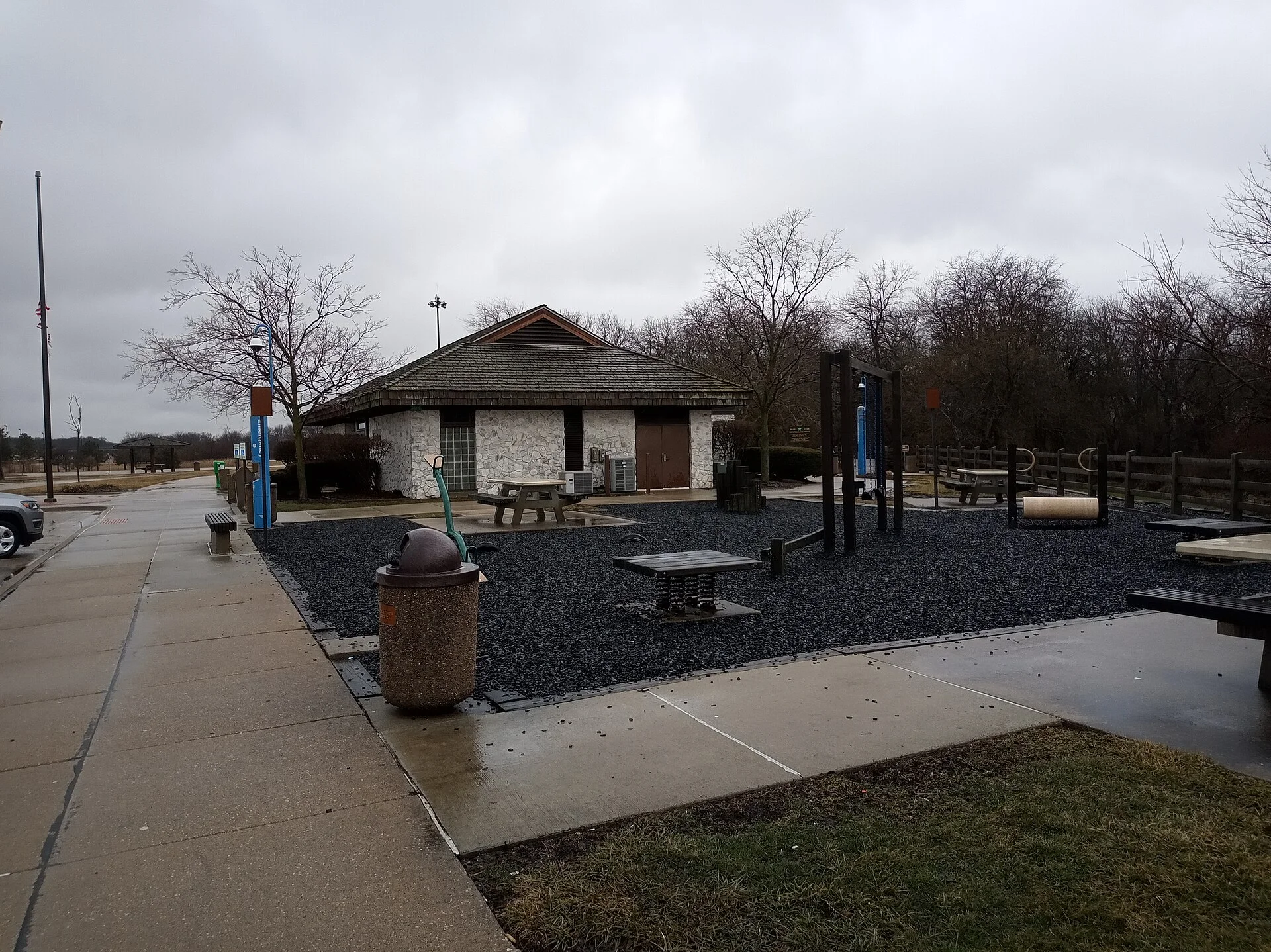
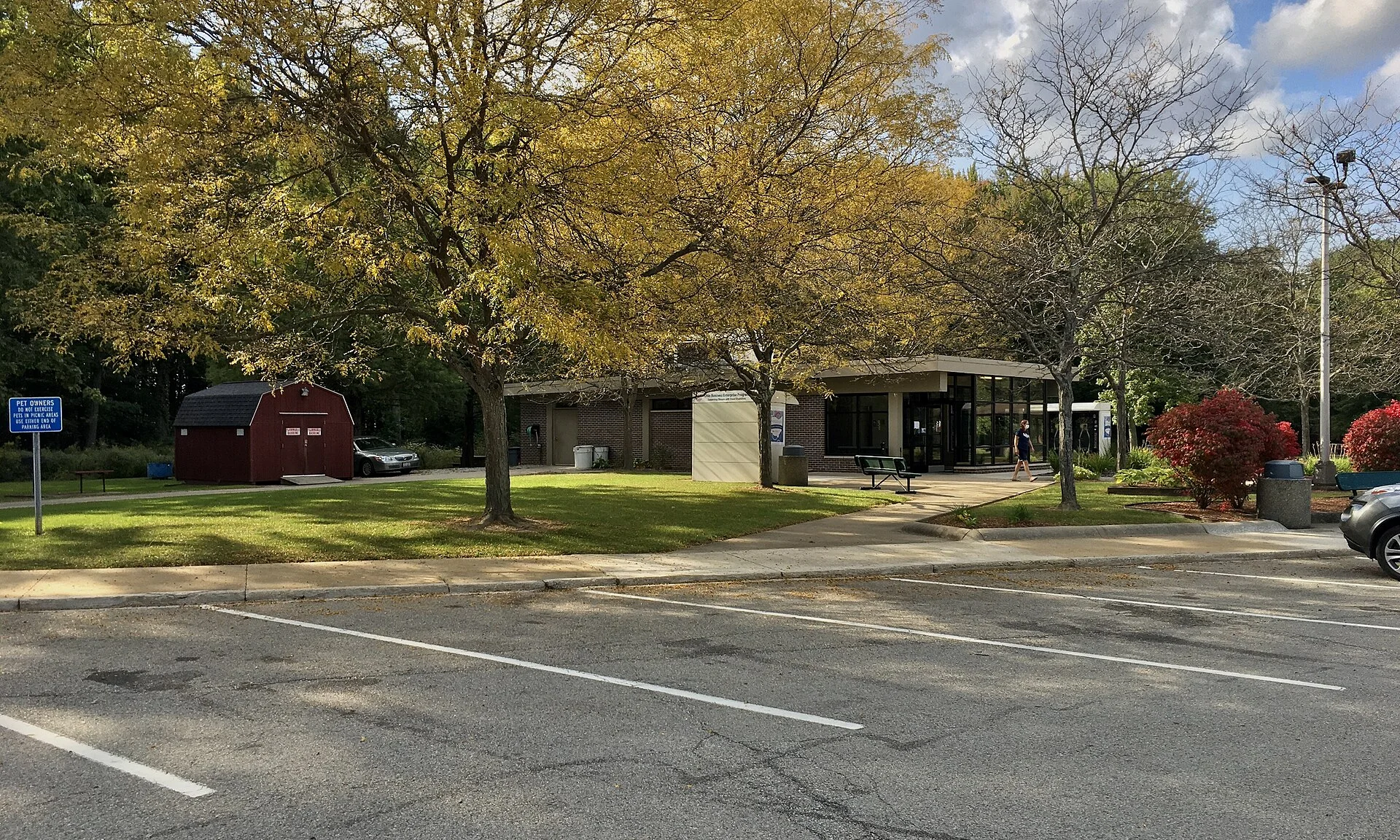
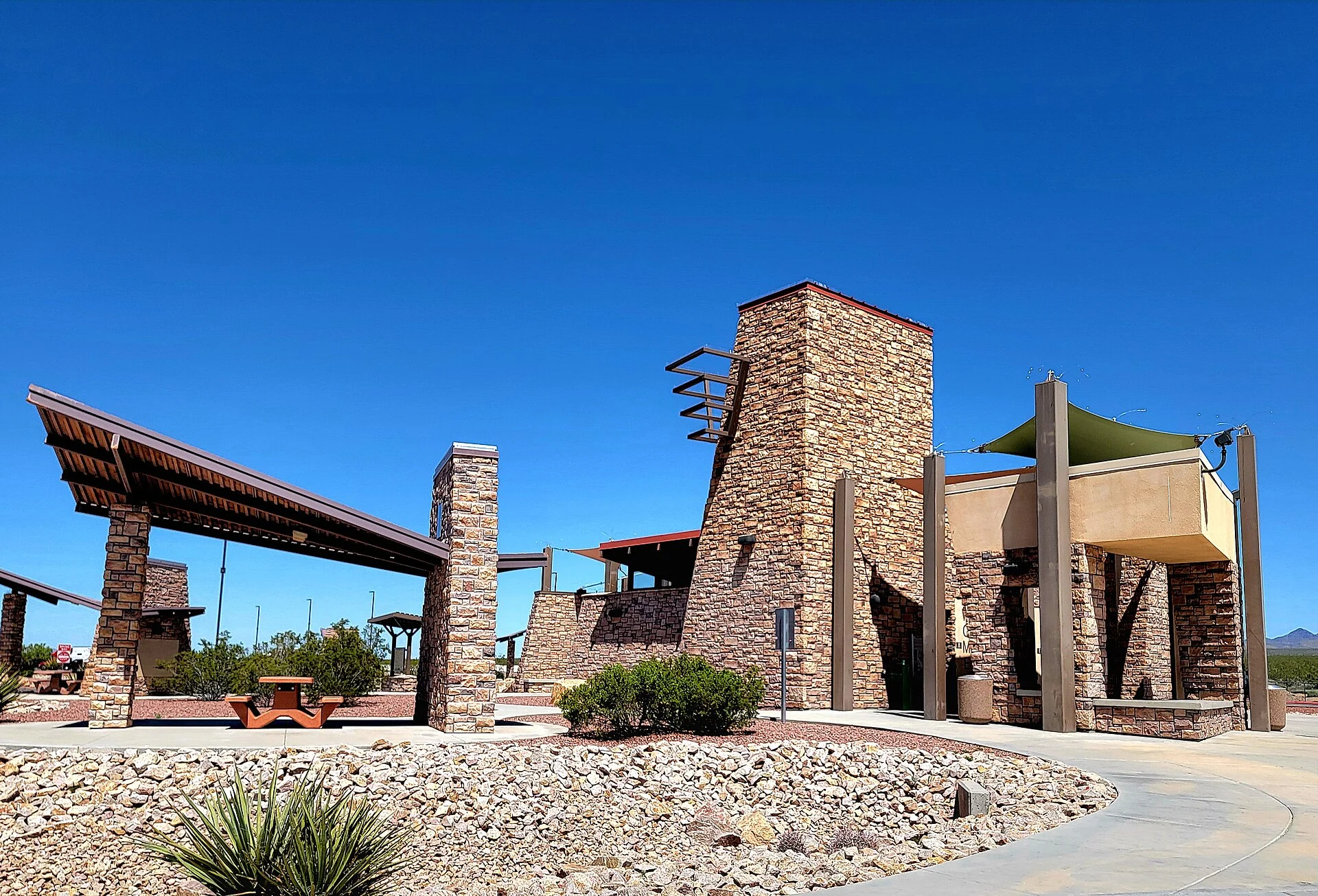
Why There Is No Single State Law: the Patchwork Explained
The table above works precisely because rest areas are the exception — the one spot type a state actually regulates from the top. Everywhere else, people search for a fifty-row map of car-sleeping laws expecting a speed-limit chart, and the reality is messier. Most states have no statewide statute saying you may not sleep in a parked car; where overnight car sleeping gets restricted, it is almost always through one of three lower-level mechanisms rather than a state ban.
The first is the local ordinance: a city or county rule against parking overnight, camping on public property, or using a vehicle as a dwelling. The second is the property rule: private lots, including retail parking, set their own terms, so sleeping there is permitted only when the owner allows it and is trespassing when they do not. The third is the posted area policy: rest areas, trailheads, and public lands each carry a specific written rule — often a time limit — set by whatever agency manages the land. The rest-area table is simply the slice of that third category that a state DOT standardizes.
This is why a clean fifty-row table for everywhere would mislead rather than help: it would flatten thousands of local decisions into one false number per state. It also explains why two travelers can give flatly contradictory advice in total good faith — one slept fine at a given Walmart for years, another got a knock on the window at the same chain across the state line — because they are describing different local decisions, not different state laws. The practical upshot is liberating once accepted. Instead of learning fifty laws, a traveler learns one skill: identify who controls a given piece of ground and read that controller's posted rule. That single habit replaces the chart everyone wishes existed, and it is why the honest state map is really tens of thousands of jurisdictions with a predictable rest-area layer on top.
Rest Areas and Welcome Centers: The Clearest Rules
Highway rest areas are the most predictable place to legally rest in a vehicle, because most are governed by a written, posted policy rather than a guess. The sign at the entrance usually tells you the exact rule — which is the luxury the table above captures and most other spots do not offer.
Federal law has long prohibited charging tolls for the use of interstate rest areas and discouraged commercial operations there, which is part of why they exist as free public stops. But each state's department of transportation decides whether you may stop overnight, and the policies genuinely vary: some states explicitly permit overnight rest (Texas's 24 hours, Nevada's generous cap), many allow a posted maximum measured in hours (California and Washington at 8, Florida at just 3), and a few — Maryland and Colorado — prohibit overnight parking outright. The decisive detail is almost always on the sign at the entrance or on the state DOT website, and reading it takes a minute.
The framing that keeps a traveler out of trouble is that rest areas are for rest, not camping. Sleeping to break up a long drive is the sanctioned use; setting up an extended stay, deploying camp gear, or treating the spot as a free campground is not, and it is the behavior most likely to draw enforcement even where overnight rest is allowed. One nuance trips up long-haul travelers: a posted maximum measured in hours can mean you legally rest but cannot legally spend a full leisurely night, so plan arrival and departure around the actual posted window rather than assuming dusk-to-dawn coverage. Welcome centers near state borders follow the same logic and are often just as predictable, which makes them a useful first stop when crossing into an unfamiliar state where you have not yet checked the local rules.
Retail Lots, Truck Stops, and Public Land: The Generally-OK Tier
Beyond rest areas, a handful of places are widely understood to be car-sleep friendly, but each comes with a condition worth understanding before relying on it. The pattern across all of them is that permission, not law, is what makes them work, and that permission can be withdrawn locally — which is exactly why they can't go in the state table.
- Retail lots. Some large retailers have historically allowed overnight RV and car parking as a courtesy, framed as a store-by-store decision. The crucial nuance is that local managers and local ordinances can override the chain's general posture, so a lot that worked last year may be posted no-overnight today. A quick call to the specific store settles it — the same lesson as the guide to whether it is legal to sleep in your car at Walmart.
- Truck stops. Major truck stops are among the most reliably overnight-friendly private stops, built around drivers who must rest. Park well away from the truck parking that commercial drivers need, and be a low-key guest.
- Public land. Most federal public land — managed by agencies like the BLM and the Forest Service — allows dispersed camping, including sleeping in a vehicle, often with a stay limit measured in days. The catch is confirming the specific unit's rule, since wilderness areas and developed sites have their own restrictions.
The common thread is that each is generally okay because someone chooses to allow it, so the courteous, verify-first traveler keeps them available for everyone. Treating any of them as an entitlement is exactly how the courtesy gets revoked for the next person. A useful ranking when planning a route: truck stops are usually the most dependable because overnight rest is core to their business; public land is the most generous on duration but demands the most homework on the specific unit; and retail lots are the most variable, swinging from welcoming to posted-and-patrolled depending on the single store and its city.
Cities and Streets: The Mistakes That Get You Ticketed
If sanctioned spots are the green zone, dense cities are the red one. The restrictions that actually generate tickets and tows are overwhelmingly municipal, and they cluster in and around large cities where parking is scarce and complaints are frequent. This is the tier where a traveler is most likely to be woken, cited, or moved along, and it is worth treating as restricted by default rather than searching for a loophole — and it is the reason a state-level chart can never answer the city-street version of the question.
Many cities have ordinances against vehicular habitation or living in a vehicle, which target using a car as a dwelling on public streets. Some have been challenged in court and the legal landscape shifts, but the practical reality on any given night is that an officer can enforce the local rule as written. Beyond habitation bans, ordinary parking rules do plenty of work on their own: overnight parking prohibitions, permit-only residential zones, street-cleaning windows, and time limits all give enforcement a reason to act without anyone arguing about whether you were sleeping.
The grounded move in a city is to not sleep on a public street at all, and instead route to a sanctioned spot from the tier above — a truck stop on the outskirts, a permitted lot, or a rest area on the way in or out. There is a quieter cost to city-street sleeping beyond the legal one: it is where the safety risk and the legal risk peak together. The same isolation and unfamiliarity that attract enforcement also make a spot less safe, so a traveler who routes to a lit, populated, sanctioned spot on the edge of town solves both problems at once. The experienced move is to treat the dense urban core as a place to pass through before dark, not a place to bed down in after it.
When Not to Sleep It Off in the Driver's Seat: The DUI Trap
One legal risk surprises people more than any parking ordinance: in many states a person can be charged with DUI for sleeping it off in a parked car, even with the engine off. This is why the DUI column in the table above is uniformly “Yes” — it flows directly from how impaired-driving laws are written.
A large majority of state statutes prohibit being in actual physical control of a vehicle while impaired, not merely driving it. Courts interpreting that phrase have, in many places, held that a person in the driver's seat with access to the keys can be in actual physical control even while asleep and stationary. The exact factors vary by state and case — where the keys are, whether the engine or accessories are running, where the person is sitting — but the headline risk is real and widely underestimated: stopping to sleep off alcohol in your own parked car is not automatically a safe legal harbor, and finding a perfectly legal place to park does nothing to change that.
The honest, careful guidance is to treat the safest legal position plainly: do not drink and then sleep in the driver's seat assuming the law protects you. If impairment is the reason for stopping, the lowest-risk arrangements generally involve being clearly not in control — though the specifics differ by jurisdiction, so this is one area where a person genuinely should know their own state's standard rather than rely on a general rule. The two risks live on different axes — the parking question is about where you are, the DUI question is about your condition and your relationship to the vehicle — and clearing one says nothing about the other. The safest plan never relies on a parked car as a legal solution to drinking.
How to Verify the Rules for Your Specific Route
Because the real unit of regulation is the spot, not the state, the most valuable skill is verifying a location before committing to it. The table above gets you the rest-area baseline for your state; this sequence handles everything the table can't, and it works anywhere in the country.
Start with the land's owner or manager, because that is who sets the rule. For a rest area, that is the state DOT — its website or the posted sign states the overnight policy, and the table above tells you which one to expect. For public land, it is the local BLM field office or Forest Service ranger district, whose pages list stay limits and any closures. For a retail or truck-stop lot, it is the specific store or location, settled with a single phone call. For a city street, it is the municipal code, searchable by city name plus “overnight parking” or “vehicular habitation.” Cross-check that primary source against recent traveler reports for a reality check, but let the official rule, not the forum post, be the decider.
Then build in a backup spot before you need it. Rules change, lots fill, and a posted policy can surprise you on arrival, so identify a second sanctioned option within a short drive of the first. A traveler who verifies the primary spot and carries a backup almost never ends up improvising on a risky residential street at midnight, which is where the citations actually happen. The whole method is ten minutes of checking that replaces a night of uncertainty, and done a few times it becomes second nature.
Safety and Etiquette: Staying Legal and Welcome
Staying legal and staying safe overlap heavily, because the behavior that keeps a traveler out of trouble with the law is largely the same behavior that keeps them out of trouble generally: be low-key, be where you are allowed, and do not overstay. The etiquette is not just courtesy; it is the practical insurance that keeps sanctioned spots sanctioned.
- Pick the spot deliberately. Well-lit, populated areas — truck stops, permitted 24-hour lots, busier sections of rest areas — are both safer and less likely to draw enforcement than a dark, isolated corner.
- Arrive late, leave early, stay discreet. A reclined seat behind blackout window shades or simple privacy curtains draws no attention; an obvious camp setup invites it.
- Mind the air, not just the law. Never run the engine for heat in a closed cabin, and keep a carbon monoxide detector aboard — the safety rules of sleeping in a vehicle apply wherever you park.
- Leave no trace. Take your trash, keep noise down, and leave the spot cleaner than you found it so the next traveler is welcome too.
None of this is complicated, and all of it compounds. The discreet, considerate traveler is rarely noticed, rarely cited, and rarely unsafe, while the conspicuous one collects all three problems at once. For the full night-by-night routine, the companion guide on how to sleep in your car safely and legally goes deeper, and the car-camping sleep questions hub pulls the related questions together.
The Bottom Line: Legality Is Local, but Your State's Rest Areas Are Knowable
So where can you legally sleep in your car by state? For the one spot that a state actually standardizes — the highway rest area — the answer is knowable, and the table above gives it for the fifteen most-searched states, with the honest “verify” flags where the sources genuinely disagree. Everywhere else, the answer is the same everywhere: legality is local, sanctioned spots are plentiful once you know how to find them, and the two genuine traps — a high-risk city street and the separate DUI exposure that follows you into the driver's seat in nearly every state — are both avoidable with a little planning.
Check your state's rest-area rule, verify the specific spot in front of you, favor the welcoming and well-lit, keep a backup, and travel like a considerate guest. Do that, and the answer to where you can legally sleep in your car becomes, in practice, almost anywhere you have taken two minutes to check. That shift in mindset — from hunting for a nonexistent nationwide state law to reading the rest-area rule and verifying the spot — is the single most useful thing a car-sleeping traveler can carry.