Privacy in a parked car is about sleep, not just hiding
As an Amazon Associate I earn from qualifying purchases.
A window cover does two jobs when you sleep in a vehicle: it keeps strangers from seeing in, and it blocks the light that keeps your brain on alert. The second job is the one beginners underrate. A parking-lot lamp or a neighboring camper’s headlights bleeding through bare glass will wreck your sleep even when nobody is actually looking in, which is why the goal is to turn the cabin into something that feels like a dark, enclosed bedroom.
This guide compares the real options on the things that actually decide a night out — the attachment type, which vehicles each one fits, how much light it truly blocks, how long it takes to put up, and what it costs. To be clear about the basis: these picks are spec-compared from published product specifications and named third-party reviews (FarOutRide, Outdoorsy Nomad and Deepsleep Overland), not from first-hand testing of our own. Where a figure is a manufacturer or listing claim rather than an independent measurement, it is called out as such, and prices are approximate because these products discount often and Amazon rarely shows a stable number. The aim is an honest map of the trade-offs so you can match a cover to how you actually travel — an SUV in a trailhead lot is a different problem from a converted van doing stealth nights on a city street. If you are still assembling the rest of the setup, our guide to planning your first car camping trip covers where window privacy fits among the other first-night essentials.
The five kinds of window cover, and what each is really for
Almost every product on the market is one of five types, and the type matters more than the brand. Get the type right for your vehicle and the rest is detail:
- Magnetic shades snap to a steel window frame in seconds with no tools. Fast and tidy — but the magnets only grip metal, so they slip or fall on the plastic and rubber trim around many modern windows.
- Stretchable sleeves slip over the whole door frame like a sock. They breathe, screen bugs, and let you crack the window for airflow — but a mesh sleeve is a daytime-privacy and sun product, not true night blackout.
- Suction-cup panels stick to the glass itself, so they work on any frame — but suction cups creep and pop loose in heat over a long day, and most are partial-shade rather than opaque.
- Custom-fit covers are cut to one exact vehicle and usually attach magnetically to a bare-metal frame. They give the best blackout and a tailored look — at the highest price, and only if you buy the right SKU for your van.
- DIY (Reflectix or blackout fabric) means you trace and cut your own friction-fit panels. It is the cheapest path to true 100% blackout and the best insulation per dollar — it just costs you an afternoon of templating.
FarOutRide’s van-build write-up makes the same core point from the opposite direction: a tested DIY insulated cover and an off-the-shelf cover solve the same problem, and the right call comes down to budget, the time you are willing to spend, and how clean you need it to look. Pick the type that fits your windows and your tolerance for fuss, then choose a specific product within it.
Spec comparison: the real car-camping window covers
Here is the head-to-head on the specs that decide a night in the vehicle. “Blackout” is how much light it genuinely stops; “fits” is the honest fit caveat; install is roughly how long it takes once you own it. The four card picks are listed first; the bottom three rows are contextual comparison options, not primary recommendations.
| Product | Type | Fits | Blackout | Install | Approx price |
|---|---|---|---|---|---|
| ZATOOTO Magnetic Shades | Magnetic | Steel-framed windows (universal cut) | High; edges can leak | Seconds, no tools | ~$13-18 / 2-pack |
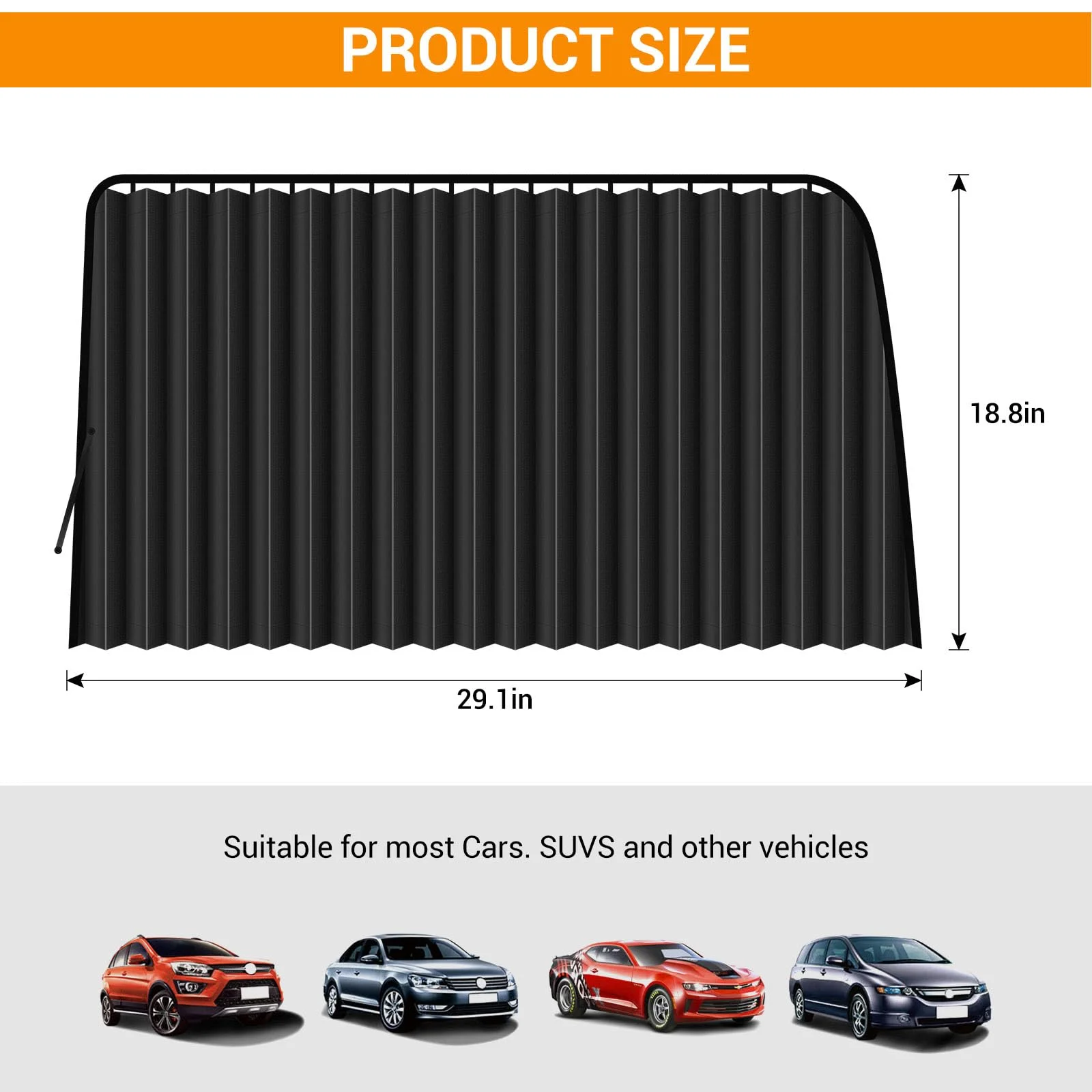
| EcoNour Stretchable Shade | Stretch sleeve | Most SUV/truck/van rectangular windows | Partial (sun/UV mesh) | ~30 sec each | ~$17-22 / 2-pack |
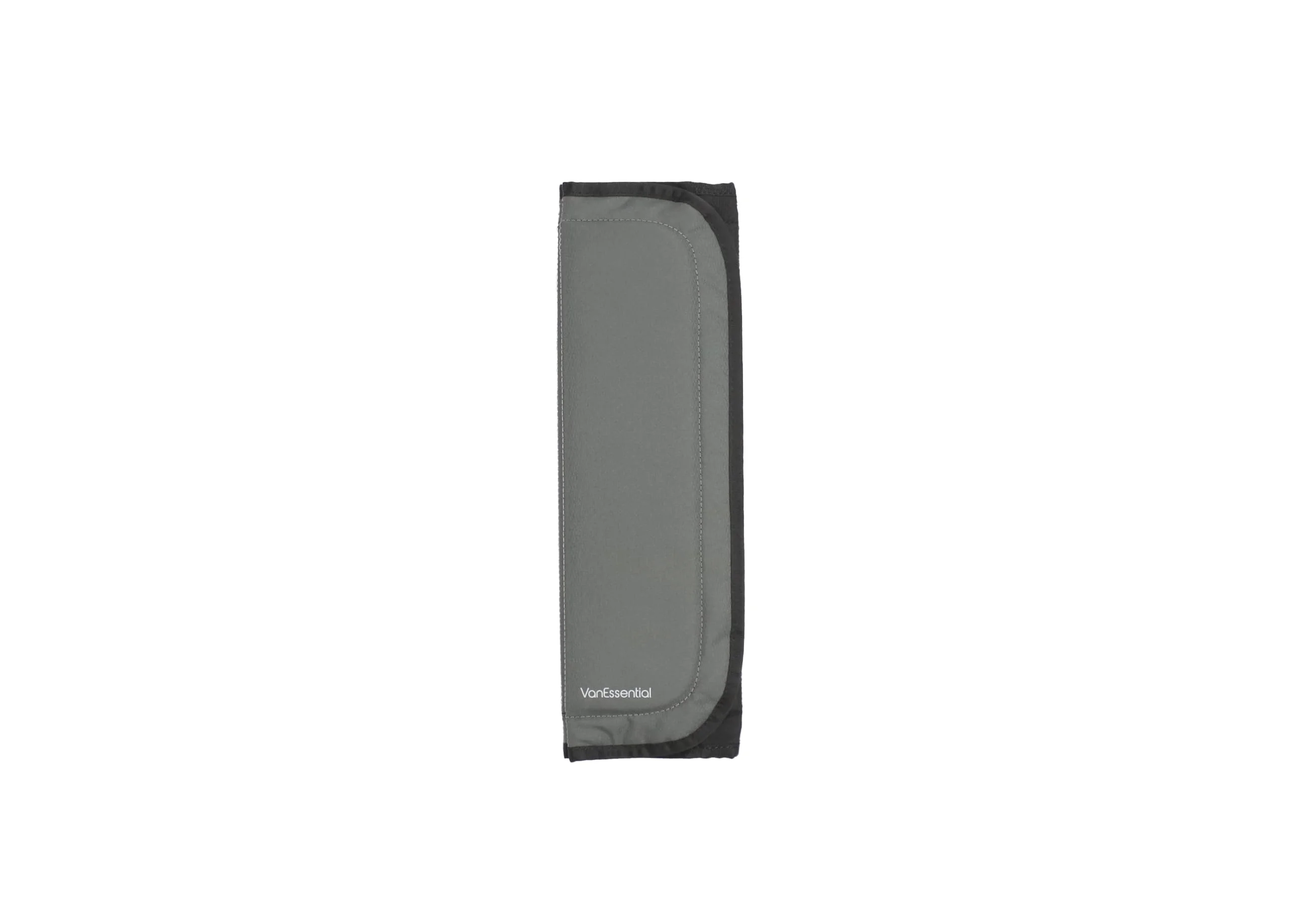
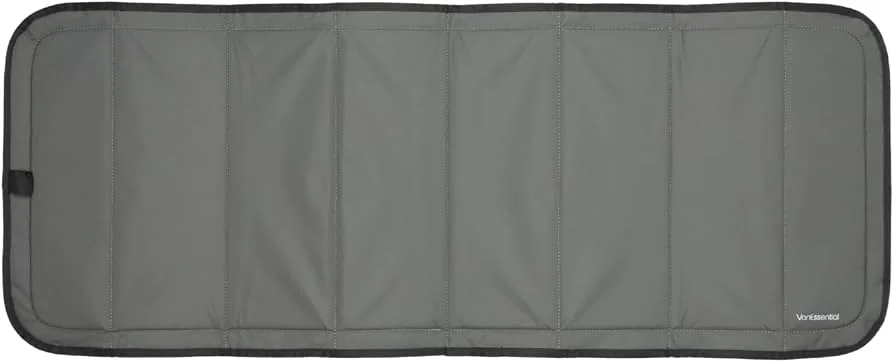
| VanEssential Blackout Cover | Custom-fit magnetic | One specific van + bare-metal frame | True blackout + insulation | Seconds (right SKU) | ~$60-150 / window |
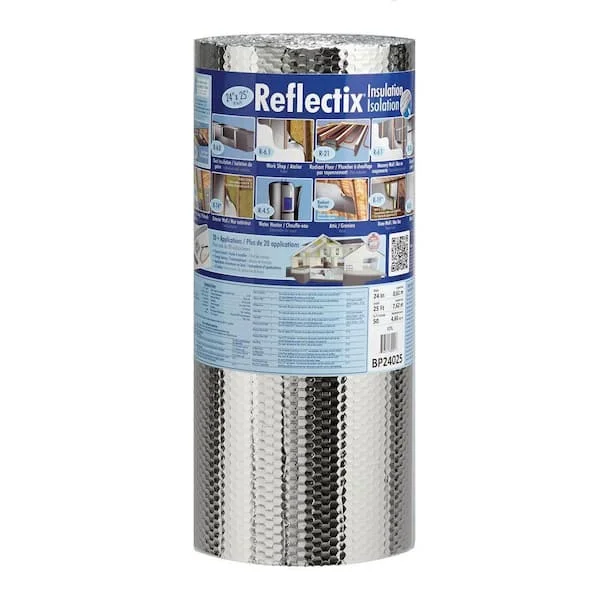
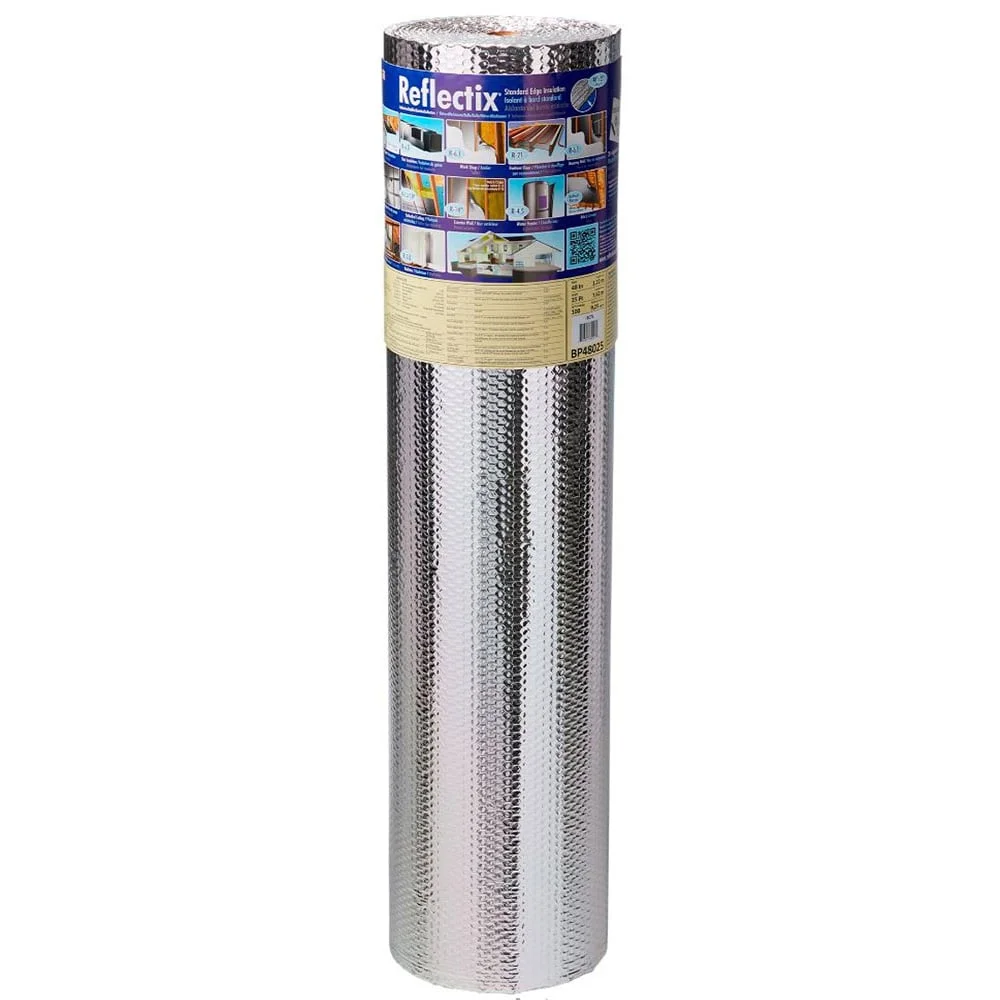
| Reflectix DIY Panels | DIY cut-to-fit | Any vehicle (you make them) | 100% blackout | Hours once; seconds after | ~$20-35 / roll |
| Magne Shade (table-only) | Custom magnetic | Made-to-order per vehicle/RV | 90-99% UV tiers | One-time mount | ~$100+ / window |
| Big Hippo Suction Set (table-only) | Suction-cup | Any glass (universal) | Partial shade only | A couple minutes | ~$12-16 |
| Kinder Fluff (table-only) | Static-cling | Any glass (small panels) | Sun/UV, not blackout | Press-on | ~$10-15 |
Two honest distinctions to carry out of this table. First, a sun shade is not a privacy curtain: the EcoNour sleeve, the Big Hippo suction set and the Kinder Fluff static-cling panels are excellent at cutting glare and UV but you can still see shapes through them at night with an interior light on. Second, only the VanEssential custom cover and a properly-cut Reflectix panel deliver genuine blackout; figures are published listing/manufacturer specs, and the Kinder Fluff UV numbers (a certified 99.79% UVA / 99.95% UVB) are the maker’s lab figures, included here only to show it is a sun product, not a privacy one.
The picks, and exactly who each one is for
Four products cover almost every car camper. Each is the best answer to a specific situation, not a blind ranking:
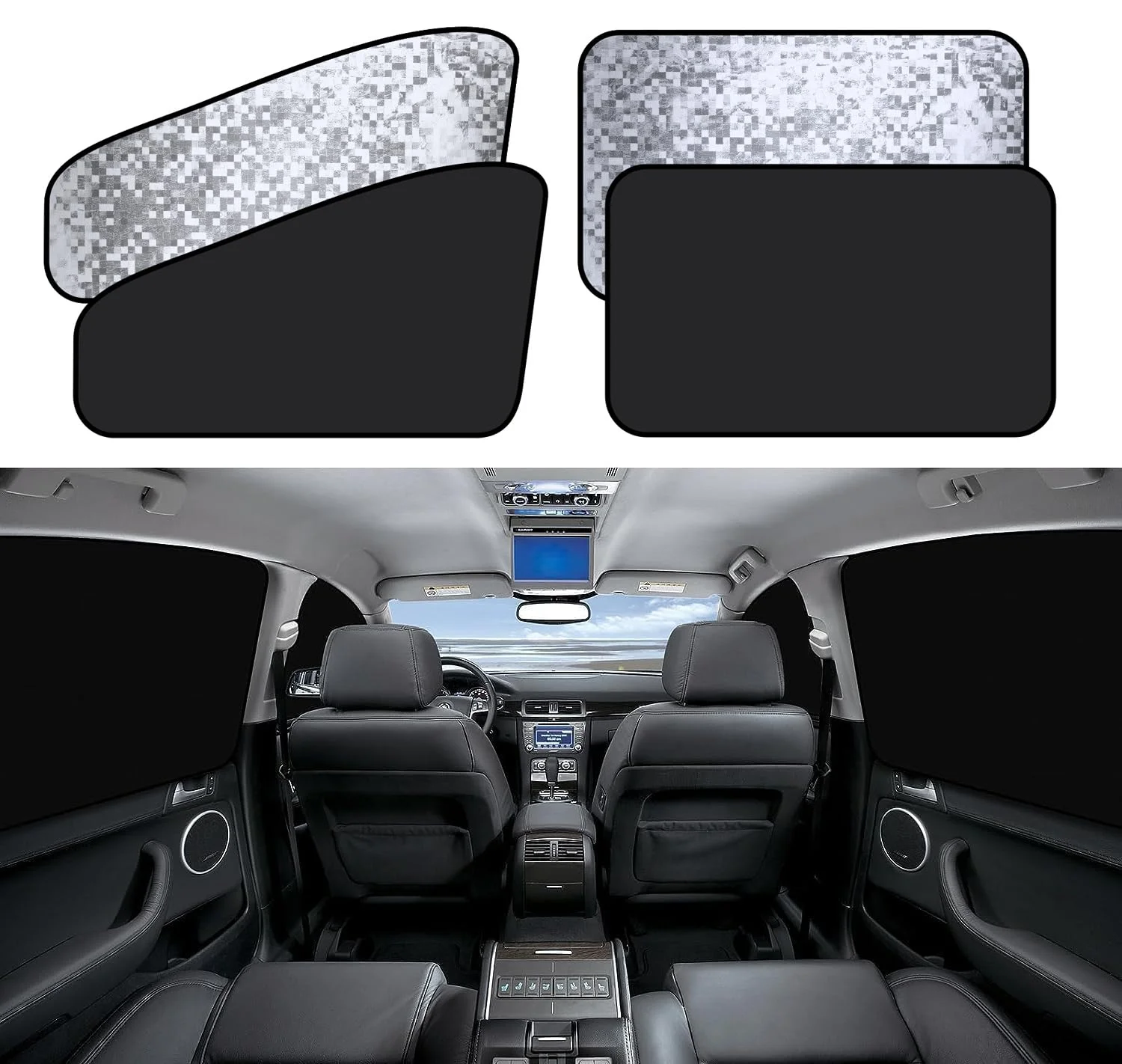
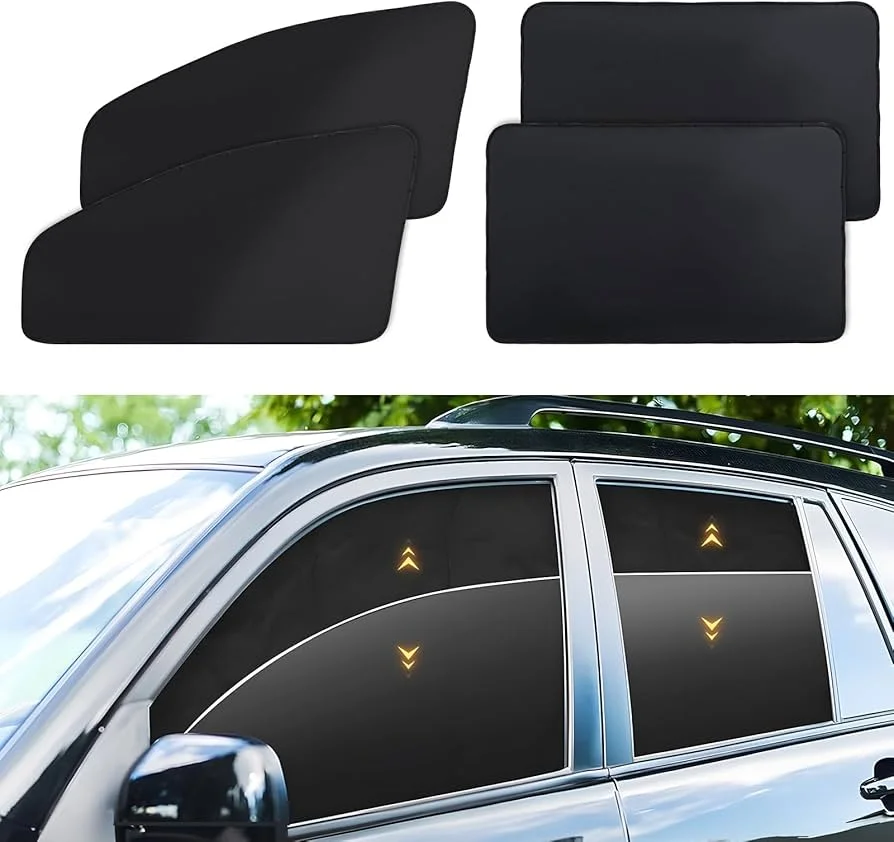
- ZATOOTO Magnetic Car Side Window Sun Shades — best all-around. A double layer of mesh and opaque cloth snaps to any steel window frame in seconds, giving strong daytime privacy and decent night cover for the price of two coffees. The honest caveat is in the attachment: the magnets need a metal frame, so check that your window surround is steel and not plastic trim before you buy, and expect minor light leak at curved edges because it is a universal cut, not a custom fit.
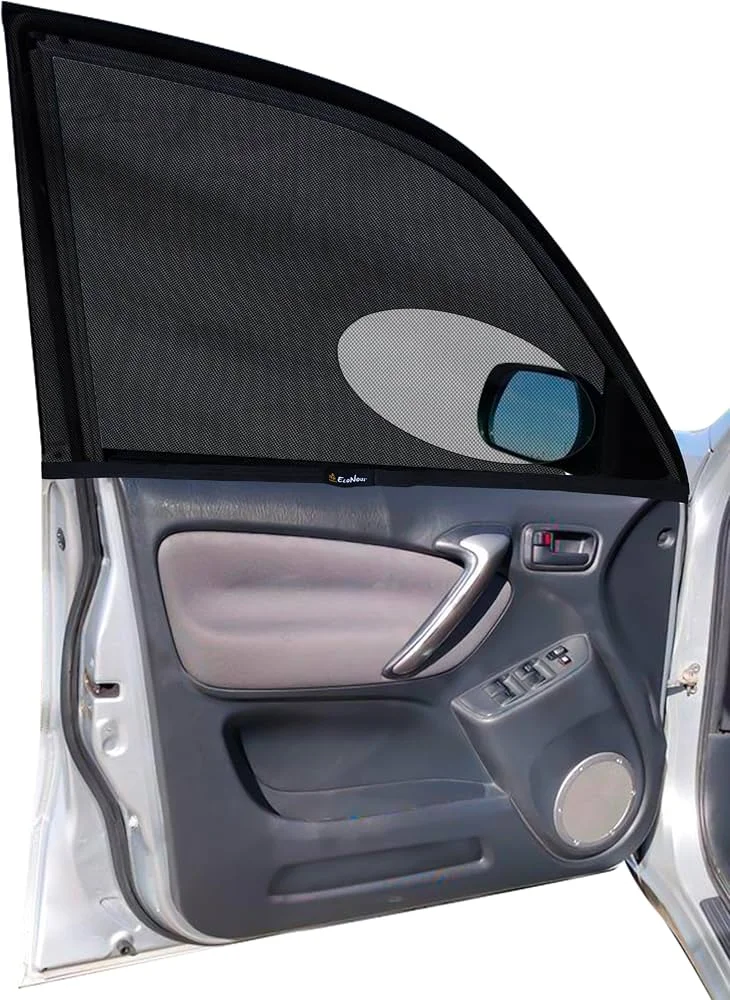
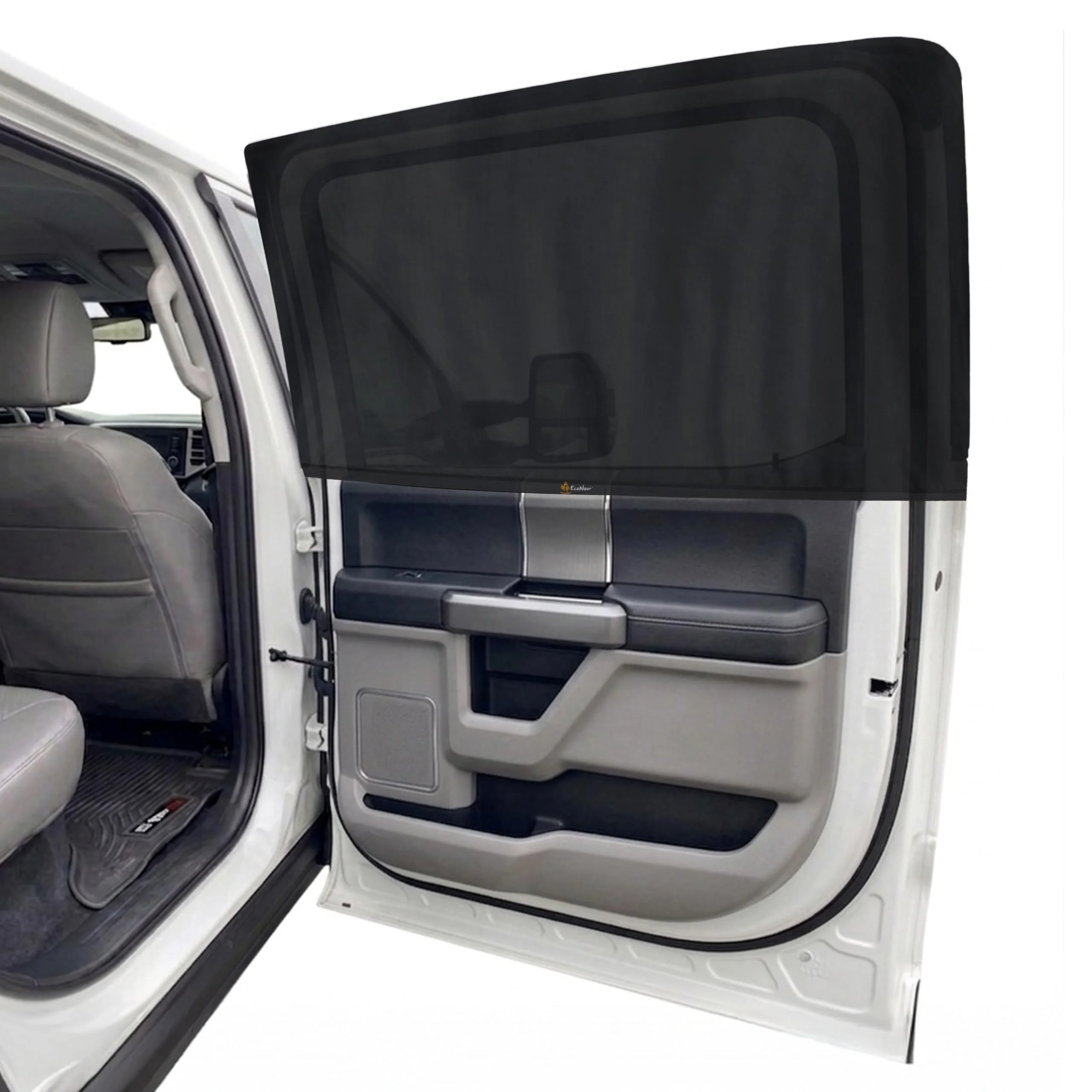
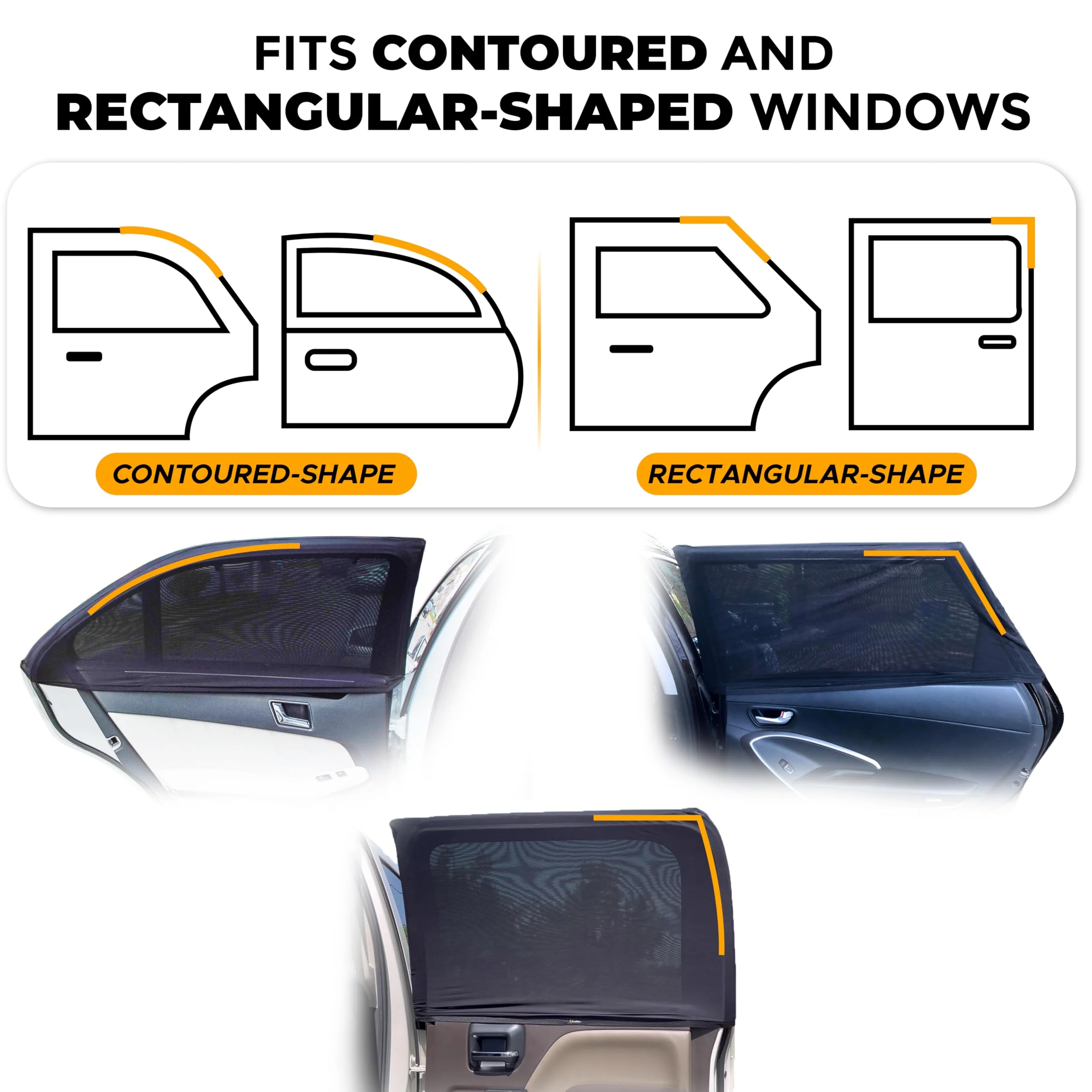
- EcoNour Stretchable Car Side Window Sun Shade — best for airflow and hot nights. These XL mesh sleeves stretch over the whole door frame, so you keep the window cracked for ventilation while still getting sun, UV and bug screening plus daytime privacy. Outdoorsy Nomad’s review of this style of stretch screen praises exactly that breathe-while-covered trade-off. Just be clear with yourself: a mesh sleeve is not blackout, so on a lit street at night people can make out movement inside.
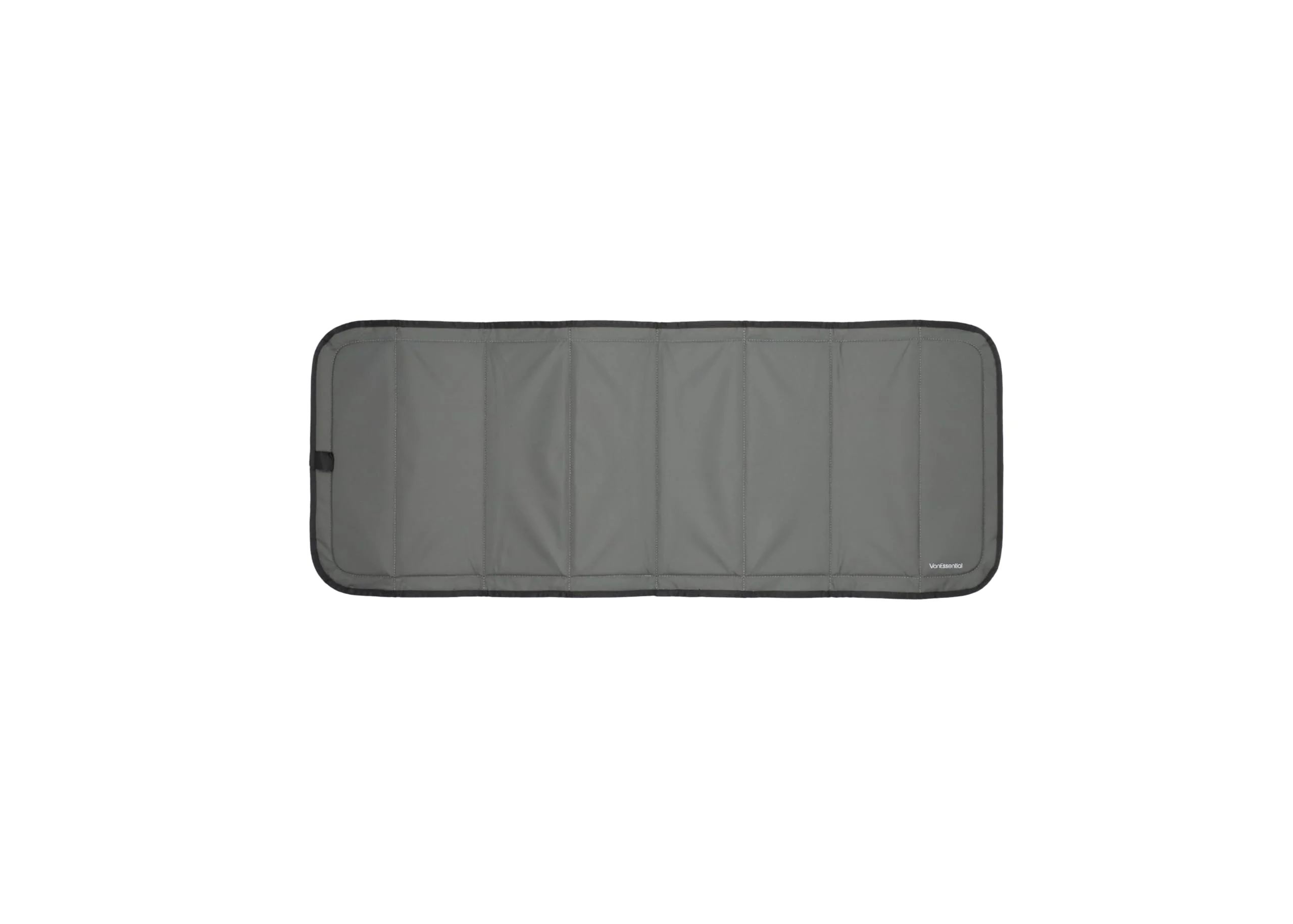
- VanEssential Insulated Blackout Window Cover — best for vans and stealth camping. Cut to one exact vehicle and attached with magnets to a bare-metal frame, it delivers true blackout plus insulation with a black exterior built for stealth nights. The critical buying step is matching the SKU to your van and to bare-metal versus plastic-trim frames — the right cover is seamless, the wrong one will not hold.
- Reflectix BP24025 Double-Reflective Insulation — best budget blackout for any vehicle. Trace each window onto cardboard, cut the foil to match, and you have friction-fit panels that block 100% of light and reflect a large share of radiant heat for around the price of one commercial cover. FarOutRide tests this exact DIY route; the downsides are the afternoon of cutting and the conspicuous silver look, which most people hide with dark fabric on the cabin side.
If you want one default answer: the ZATOOTO magnetic shades are the easiest buy for most car campers, and you only move off them for a specific reason — airflow on hot nights (EcoNour), van-grade stealth blackout (VanEssential), or the cheapest possible true blackout across an entire vehicle (Reflectix).
Blackout vs. privacy vs. sun shade: don't confuse the three
A sun shade reduces light and heat; a privacy cover stops people seeing shapes inside; only true blackout does both and makes the cabin dark enough to sleep through a lit parking lot. Buy for the one you actually need at night.
This is the single most common buying mistake, so it is worth being precise. A mesh stretch sleeve like the EcoNour shade is superb at knocking down daytime glare and UV, and from outside in daylight it reads as opaque — but at night, with any light on inside, a thin mesh lets a passerby see movement. That is fine for a remote trailhead and a problem on a city street.
For genuine night privacy and sleep, you want opacity, not just shade. The ZATOOTO magnetic shade adds an opaque cloth layer behind the mesh, which is why it crosses from sun-shade into real privacy territory; the VanEssential custom cover and a cut Reflectix panel go all the way to blackout. Deepsleep Overland’s car-camping shade guide makes the same separation between sun protection and sleep-grade privacy — treat that brand-affiliated guide as commercial-editorial rather than independent, but the underlying distinction is sound and matches the published specs.
Will it actually fit your vehicle?
Fit is where money gets wasted, because “universal” means “approximately, on common shapes.” Before you buy, answer three questions about your own windows.
First, is the window frame metal or plastic? Magnetic shades like the ZATOOTO set only grip steel; on the plastic trim that surrounds many modern SUV and crossover windows the magnets weaken or fall, which is the top recurring complaint on every magnetic product. Run a fridge magnet around your frame before ordering. Second, are your windows roughly rectangular, or curved? Stretch sleeves and universal panels seal well on rectangular SUV, truck and minivan glass and leak light on the steeply curved rear quarter-windows of many cars. Third, do you own a named vehicle a custom maker supports? If you drive a ProMaster, Transit or Sprinter, a VanEssential cover (or a made-to-order Magne Shade set) is built for your exact glass — but you must select the variant for your year and for a bare-metal versus plastic-trimmed frame.
The DIY route sidesteps all of this. Because you template each window yourself, a Reflectix panel fits any vehicle perfectly by definition — the only “fit” risk is sloppy cutting, which a strip of weatherstrip foam on the edges easily fixes.
The DIY Reflectix build, step by step
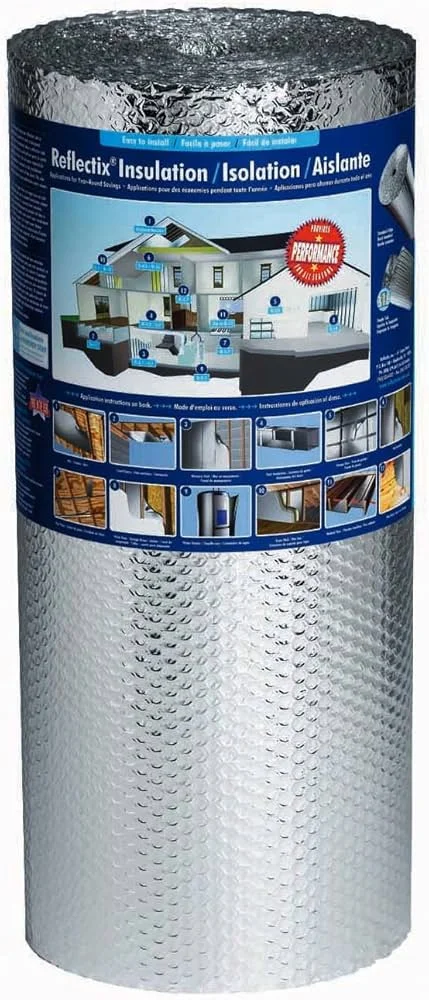
If you want true blackout for the least money, build your own panels from a roll of Reflectix double-reflective insulation. The job takes an afternoon once, then setup is seconds every night after. Here is the honest version of the process:
- Template each window. Tape cardboard or kraft paper to the inside of the glass and trace the opening, then cut the template about a quarter-inch oversize so the finished panel friction-fits and wedges itself in place.
- Cut the Reflectix. Lay the template on the foil, trace, and cut with sharp scissors or a utility knife. Label each panel to its window — they are not interchangeable.
- Soften the edges. A thin bead of weatherstrip foam around the perimeter improves the seal, kills light leak, and quiets rattles on rough roads.
- Hide the shine (optional). The bare silver looks conspicuous from outside and can read as “someone is camping here.” Many people glue dark fabric to the cabin-facing side, which also looks far nicer from inside.
- Store them flat. Reflectix does not fold down small, so plan to slide the stack behind a seat or under the mattress rather than stuffing it in a bag.
FarOutRide’s tested comparison is worth reading before you commit the afternoon: a DIY Reflectix set wins decisively on cost and insulation, while an off-the-shelf cover wins on looks and on the minutes you save not cutting panels. One 24-inch by 25-foot roll is enough for several windows, which is why the DIY path is the cheapest true-blackout option in this guide by a wide margin.
Common mistakes car campers make buying window covers
Most regret with a window-cover purchase traces back to a handful of avoidable errors. Knowing them up front saves money and a ruined night:
- Buying a sun shade and expecting blackout. The single most common mistake. A mesh sleeve or a static-cling panel cuts glare beautifully and still lets light and shapes through at night. If sleep and stealth matter, buy opacity.
- Ignoring the frame material. Ordering magnetic shades for windows with plastic trim guarantees they fall down. Check with a magnet first.
- Forgetting airflow. Sealing every window with solid blackout panels on a warm night turns the cabin into a sweatbox and fogs the glass. A breathable option like the EcoNour sleeve on at least one window, or a cracked vent, keeps air moving — and a USB window fan tucked behind a covered window moves far more air than a passive crack on a still night.
- Skipping the SKU details on custom covers. A VanEssential cover for the wrong year or the wrong frame type simply will not hold — read the variant carefully.
- Underestimating light leak at the edges. Even a good universal cover leaks at curved corners. A strip of foam or a second layer at the worst window is cheaper than a sleepless night.
Avoid these five and you have sidestepped almost every reason buyers return a cover. The recurring theme is honesty about what you are buying: match the product’s real blackout level and attachment to your vehicle and your nights, not to the most flattering line in the listing.
A realistic first night with covers up
Picture a typical night to put the choices in context. You pull into a quiet lot after dark in an SUV with steel-framed windows. The ZATOOTO magnetic shades snap onto the side and rear windows in under a minute, the opaque layer kills the parking-lot lamp glow, and from outside the cabin reads as dark and unremarkable. You crack one front window an inch under an EcoNour sleeve so air keeps moving without opening the cabin to view.
The light is gone, the temperature stays comfortable because the cabin can breathe, and nothing rattles because the magnets hold firm on the metal frame. In the morning you peel the shades off, drop them behind the seat, and drive away in seconds — no suction cups to re-stick, no panels to wrestle. That arc — fast setup, real darkness, airflow preserved, fast teardown — is why a magnetic shade is the default for most car campers. Privacy is only one layer of a good night, of course; it works alongside the rest of your car camping sleeping system, and the darkness the shades create is what lets that mattress and bag actually do their job.
Now change the vehicle. In a converted van doing stealth nights on a city street, that same scene calls for the VanEssential blackout covers or cut Reflectix panels, because “dark and unremarkable” has to mean genuinely zero light leak and a stock-looking exterior. Scale the story to your own rig before you buy and the right cover type becomes obvious: the harder your privacy and stealth needs, the further you move from a universal shade toward a fitted or DIY blackout panel.
It is worth saying what a good night does not require: you do not need a different product for every window, and you do not need the most expensive cover on the page. The windshield is usually the biggest light leak and the one people forget, so a folding reflective sunshade or a draped blanket there often does more for darkness than upgrading the side shades. And the rear quarter-windows on many cars are small enough that a single offcut of Reflectix, tucked in once and left there, quietly solves a leak you would otherwise fight every night. The point of the whole exercise is repeatable, fast darkness, not a perfect catalog of matched accessories.
Caring for covers so they last more than a season
Window covers live a rough life — folded, jammed behind seats, baked in a hot cabin — so a little care pays off. For fabric and mesh shades like the ZATOOTO and EcoNour, shake out grit before folding so the fabric does not abrade, and let them dry fully if they pick up condensation, because mesh trapped damp in a stuff sack will mildew.
For magnetic covers, keep the magnets and the steel frame clean; road grit between the two weakens the grip and can scratch paint over time. Custom covers like the VanEssential set should be stored flat or loosely rolled rather than crushed, so the insulation keeps its loft and the magnets stay aligned. Reflectix panels are the most durable of the lot — they shrug off years of use — but the foil creases permanently, so store them flat behind a seat rather than folded, and they will outlast the vehicle.
None of this is exotic; it is the same care any soft gear wants. Match the cover to your vehicle and your real privacy needs, treat it as the sleep-critical gear it is, and a good set will quietly do its job for years of trips.
The verdict
The ZATOOTO Magnetic Car Side Window Sun Shades are the best car-camping privacy cover for most people: an opaque, two-layer shade that snaps onto any steel window frame in seconds, for the price of two coffees.
Move off it only for a clear reason. Choose the EcoNour stretchable shade when airflow on hot nights matters more than full blackout; the VanEssential insulated cover when you drive a supported van and need true stealth blackout; and a DIY Reflectix build when you want genuine 100% blackout across an entire vehicle for the least money. Whichever you pick, check your frame material first, be honest about whether you need a sun shade or real blackout, and you will turn a parked car into a dark, private bedroom — which is the whole point of covering the windows in the first place.