The Big Picture
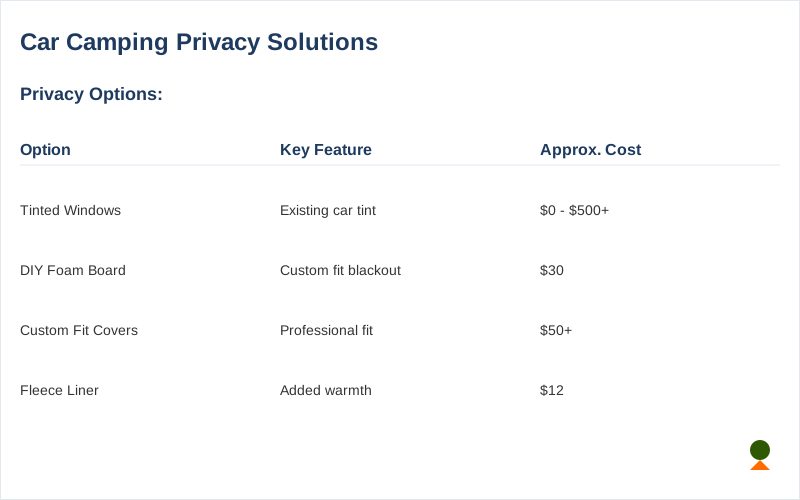
My first car camping trip was a $47 experiment in a Honda Civic hatchback in Shenandoah Valley. Mid-October. I had a Walmart foam pad, a sleeping bag rated to 40F, and zero idea that the temperature drops 15 degrees after midnight in the mountains. By 2AM I was wearing every piece of clothing in my bag and still shivering. The fix was a $12 fleece liner from Amazon that turned my 40F bag into a 25F bag.
Three years later I still use that same liner on every trip.
Now, about privacy. It's not just about hiding from the park ranger who might give you the stink-eye for setting up camp after dark. It's about not feeling like you're living in a fishbowl when you're trying to change into your PJs. My early attempts involved just rolling down the windows, which worked about as well as a screen door on a submarine. Turns out, there are better, and surprisingly simple, ways to get some peace and quiet.
Car camping privacy solutions aren't rocket science, but they can make a huge difference in your comfort level.
The Core Answer
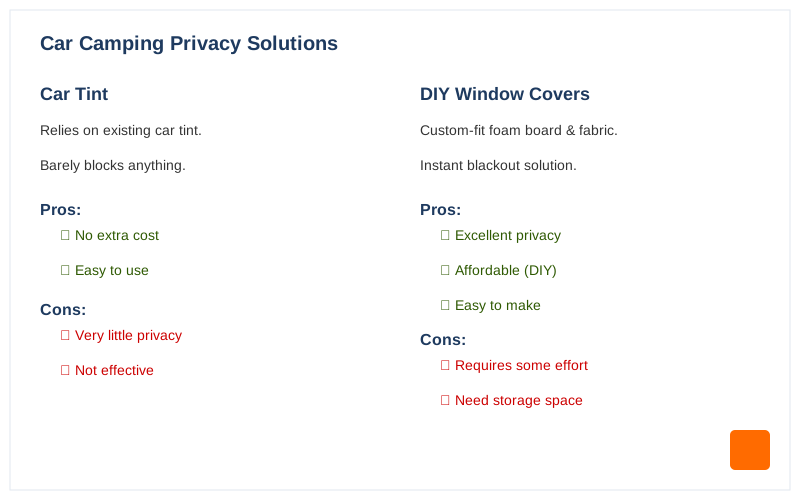
The real move for car camping privacy is a layered approach, and honestly, it doesn't have to cost a fortune. My first go-to was just using my car's existing tint, which, let's be real, is mostly for show unless you've gone full gangster wrap. It barely blocks anything. Very dark tinted back side windows are all some people use, but you still need to change in the dark and hope no one's got X-ray vision.
Then I discovered actual window covers. The $50 version for a full set of custom-fit ones can be pricey, but you can DIY a lot of this. I made a set for my old Forester using foam board and some cheap black fabric. Cut the foam board to fit inside the window frame, cover it with fabric, and boom - instant blackout. It took me about 2 hours and $30 in materials from the craft store.
These car camping window covers are easy to make, and they actually work.
Mesh shades are another option, especially for warmer weather. They let air flow but cut down on visibility. Think of them like a bug screen for your windows. They're good for keeping bugs out while you sleep but don't offer total blackout privacy. Mesh car window shades are lightweight and decent for daytime.
For serious privacy and blackout capabilities, you want something that really seals out light. This is where custom-fit blackout shades shine. They're molded to your exact windows. I saw a set for my friend's Subaru that cost nearly $200, but they were game-time ready out of the box. Deepsleep Overland has some slick options, but again, pricey.
Don't forget the windshield. A reflective sunshade you use in the summer works for privacy too. It blocks light and heat. It's not a perfect seal, but it's better than nothing. You can also use a large piece of cardboard cut to size if you're on a serious budget. My trunk was so full I could not see out the rear window on my first trip, but at least the sun wasn't waking me up at 5 AM.
Ultimately, what nobody tells beginners is that you can mix and match. Use blackout covers for sleeping and maybe mesh for ventilation during the day. It's all about finding what works for your vehicle and your comfort level. My second trip had half the gear and was twice as comfortable, and that included better privacy.
Why This Matters for Your Setup
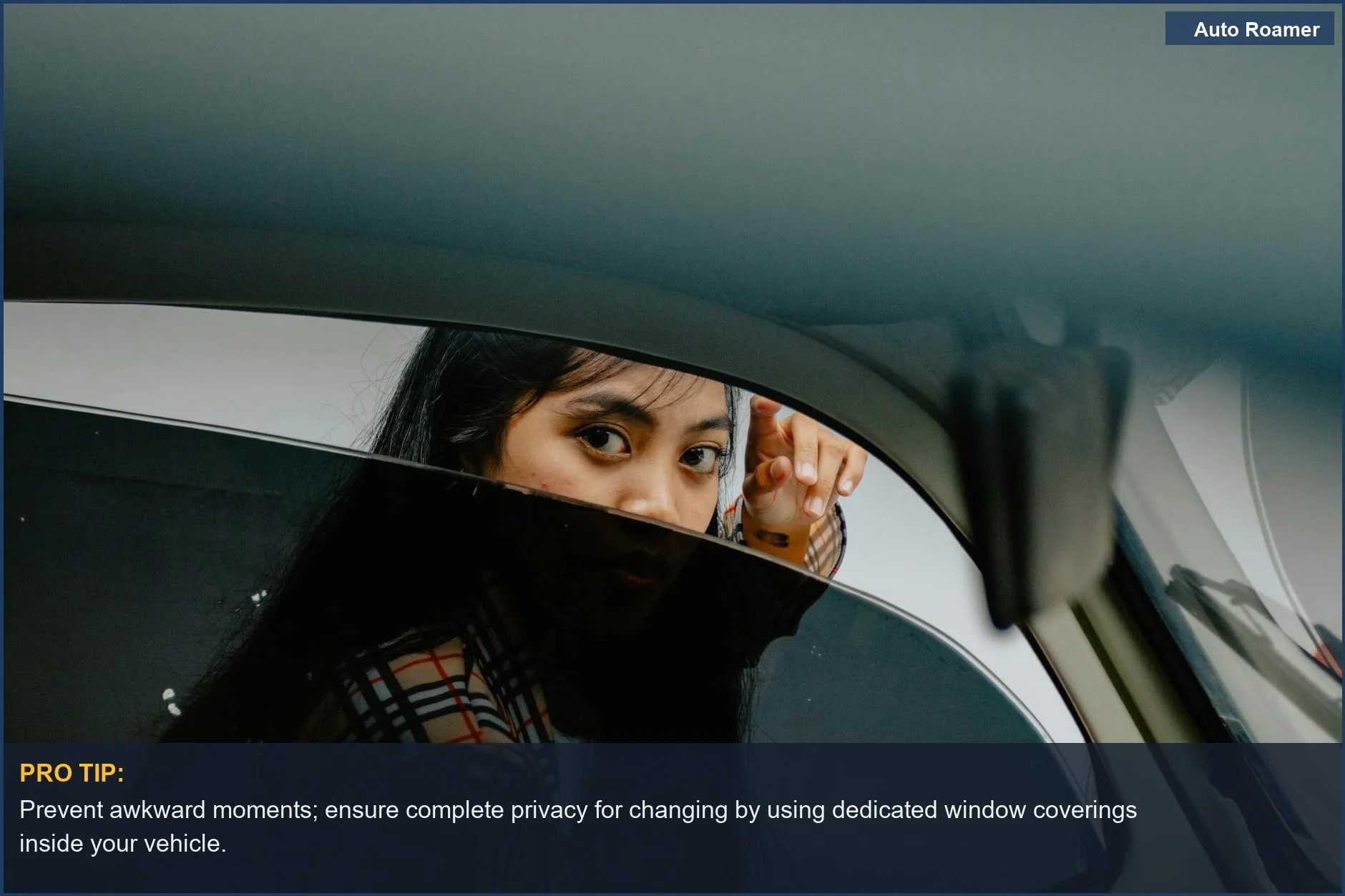
- No more awkward fumbling to change clothes. I once tried to change in my Civic at a crowded campground in the Poconos. Let's just say the guy in the next RV probably saw more than he bargained for. Having a dedicated blackout solution for your windows means you can get dressed and undressed in peace. Create privacy and keep the morning sun out.
- Better sleep quality. Waking up to the sun blasting through your windows at 5 AM is a rookie mistake. Even with curtains, light can creep in. True blackout shades, whether bought or DIY, make a massive difference. My sleep improved 100% when I invested in a set of custom covers for my back windows. Privacy and safety on the road.
- Keeps your car cooler. This is huge, especially if you're camping in the summer or shoulder seasons. A good shade can block UV rays and keep the interior temperature down significantly. I've seen numbers suggesting up to a 30 degrees F difference. That's the difference between a sauna and a livable space. Car privacy shades are more than just for looks.
- Protection for your interior. Constant sun exposure can fade your upholstery and crack your dashboard. While this might not be your top concern for a weekend trip, if you plan on car camping more, it's worth considering. Think of it as protecting your investment. Superior UV protection is a real benefit.
Making the Right Choice
- Start simple and cheap. For your first few trips, try black garbage bags taped to the inside of your windows. It's ugly, but it works for basic light blocking. Then, graduate to a DIY foam board setup. My first DIY set cost me about $25 for the materials. Cheap way to block out the sun.
- Consider your vehicle. A minivan or SUV offers more surface area to cover than a small sedan. If you have a lot of windows, custom sets can get expensive. Look for universal options or focus on the windows you sleep behind. Tips for privacy while sleeping in vehicle.
- Balance privacy with ventilation. You don't want to create a sealed box that traps heat and moisture. Mesh screens are great for airflow but offer less privacy. Blackout covers are best for sleeping, but you might need to crack a window to avoid condensation. It's a game-time decision based on the weather.
- Invest when you know you'll use it. If you find yourself car camping more than once a year, then investing in quality, custom-fit shades makes sense. They're easier to use and last longer than DIY solutions. I finally bought a set of Weathertech shades for my current car after three years of camping, and they were worth the $180. Weathertech custom to my car.