Where to Start
My first car camping trip was a $47 experiment in a Honda Civic hatchback in Shenandoah Valley. Mid-October. I had a Walmart foam pad, a sleeping bag rated to 40F, and zero idea that the temperature drops 15 degrees F after midnight in the mountains. By 2AM I was wearing every piece of clothing in my bag and still shivering. The fix was a $12 fleece liner from Amazon that turned my 40F bag into a 25F bag.
Three years later I still use that same liner on every trip. TROBOLO on camping toilets is fine, but it doesn't tell you about the sheer panic of realizing you forgot the most basic human necessity when you're miles from anywhere. Let's talk about the real moves for staying comfortable and clean out there.
The Core Answer
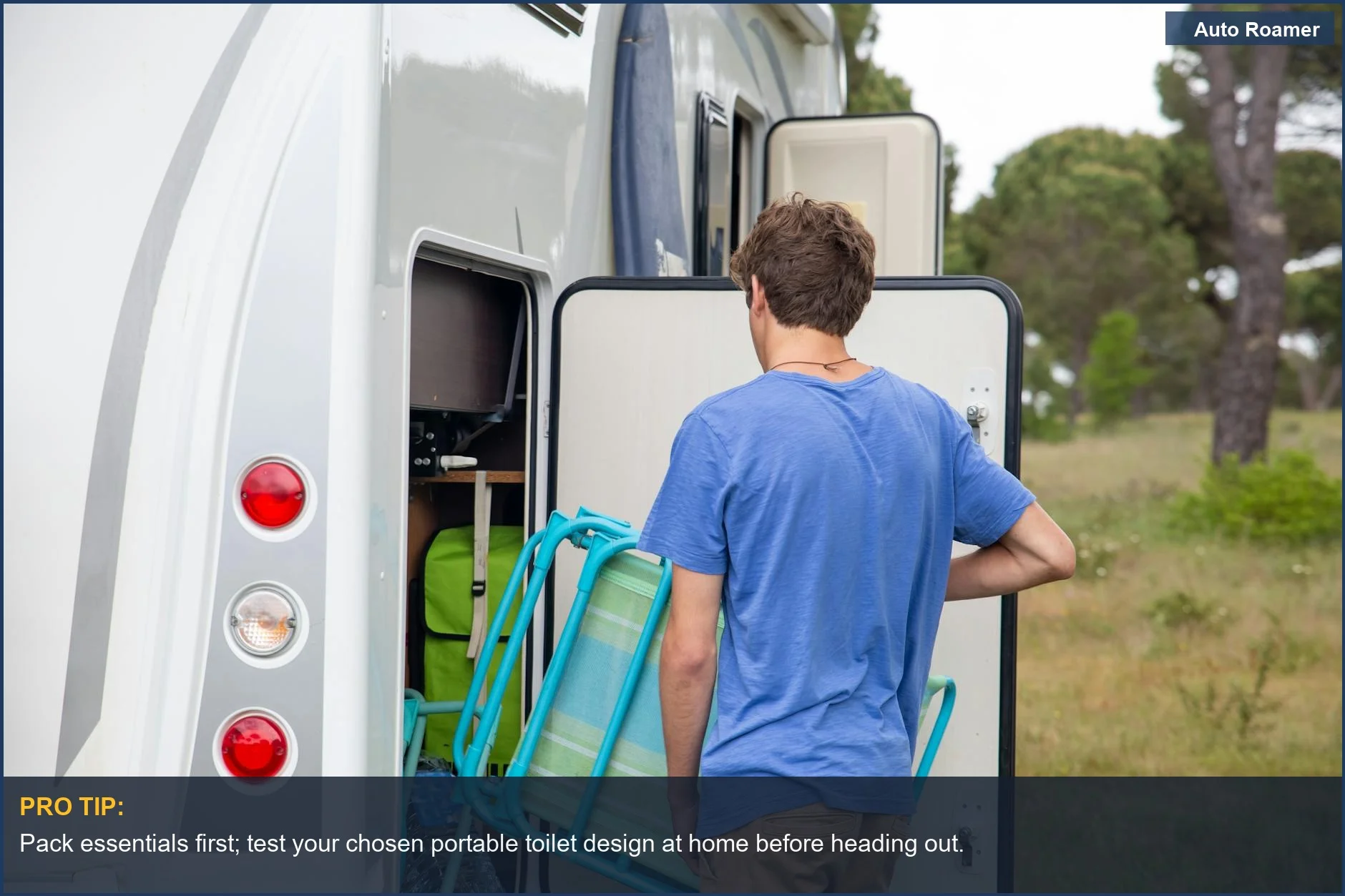
The honest version: you need a sleeping setup, water, food that does not need cooking, and a headlamp. Everything else is optional until you figure out what you actually use. My second trip had half the gear and was twice as comfortable. And that includes the toilet situation. For car camping, forget fancy RV setups. We're talking about portable, packable solutions that don't require a plumbing degree.
BOXIO and others talk about composting toilets, but that's usually for longer, more serious trips where you're really off-grid. For a weekend warrior, there are simpler options.
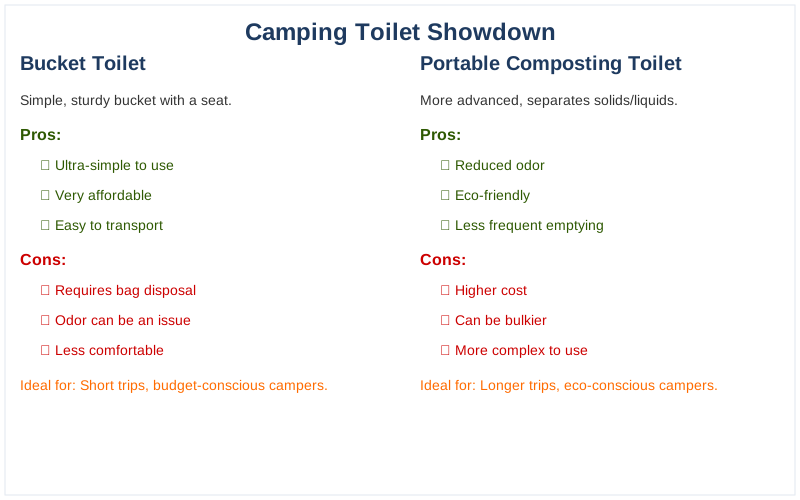
First up, the classic "bucket toilet." This is literally a sturdy bucket with a toilet seat on top. You line it with a heavy-duty bag, do your business, tie it up, and dispose of it properly. I saw this on a Reddit thread and thought it was brilliant in its simplicity. It's the $50 version of a real toilet. You can get a decent seat attachment for around $20-$30, and then you just need good quality bags.
Then you have collapsible toilets. These are often bag-based too, but they have a frame that folds up. Think of a small, portable stool with a hole. They are a step up from just a bucket, offering a bit more stability and a slightly more dignified experience. Some are as low as $30, others creep up to $80.
I snagged one for $65 before a trip to Big Bend, and while it wasn't exactly luxury, it beat digging a cathole in the dark.
Chemical toilets are the next tier. These are usually self-contained units with a freshwater tank and a waste tank, often with a flush mechanism. They're more like a miniature RV toilet. They're great for comfort and odor control because they use special chemicals to break down waste and mask smells. Brands like Dometic are popular here. The downside? They're bulkier and can cost $150-$300. Plus, you have to deal with emptying the waste tank, which isn't exactly a glamorous job.
I tried one once on a trip with my parents, and while it was clean, it took up a ton of space in my hatchback. Not ideal for a minimalist setup.
Composting toilets are the holy grail for some, but for a beginner, they're overkill. They separate liquids and solids and use natural processes to break down waste into compost. They are eco-friendly, but they're also expensive, often $500+, and require a bit more knowledge to manage properly. TROBOLO makes some, and they look neat, but for a weekend warrior just dipping their toes in, stick to the basics.
The real move is to match the toilet to your trip length and your tolerance for dealing with waste.
Why This Matters for Your Setup
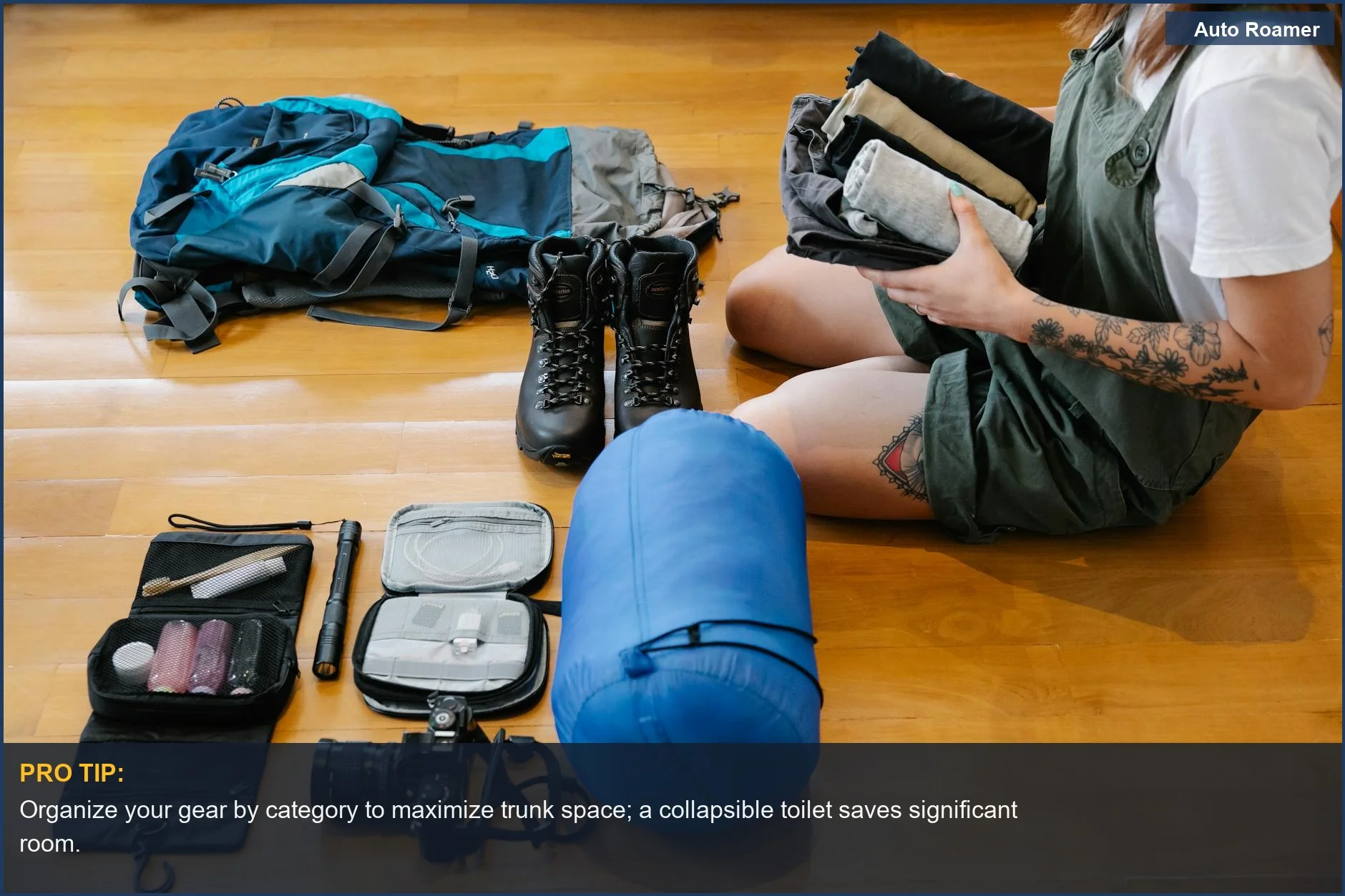
- Space is King: My first car camping trip, I packed for my first 3-day camping trip like I was moving apartments. Cooler, camp stove, folding table, lantern, tarp, extra tarp, backup tarp. My trunk was so full I could not see out the rear window. A bulky toilet just adds to that chaos. A collapsible toilet or a bucket system takes up minimal space. The Camping and Caravanning Club emphasizes ease of transport, and they're not wrong.
- Odor Control: This is where the chemical toilets shine, but even a well-bagged bucket can be managed. Nobody wants to spend their weekend smelling last night's dinner. The $50 bucket toilet, with good bags and a tight seal, is surprisingly effective if you're diligent. Don't skip this step.
- Disposal: This is the big one. You can't just dump waste anywhere. Bucket toilets and bag systems mean you pack it out. Chemical toilets require designated dump stations, which are usually found at established campgrounds. Know your campsite rules. Life inTents mentions this, and it's critical. A rookie mistake is assuming you can just bury it like in the movies.
- Comfort vs. Convenience: A $30 bucket toilet is convenient and cheap. A $200 chemical toilet is comfortable but less convenient to haul and empty. You gotta find your balance. For my first few trips, I prioritized convenience and cost. Now, I sometimes splurge for a bit more comfort, but it's always a trade-off.
Making the Right Choice
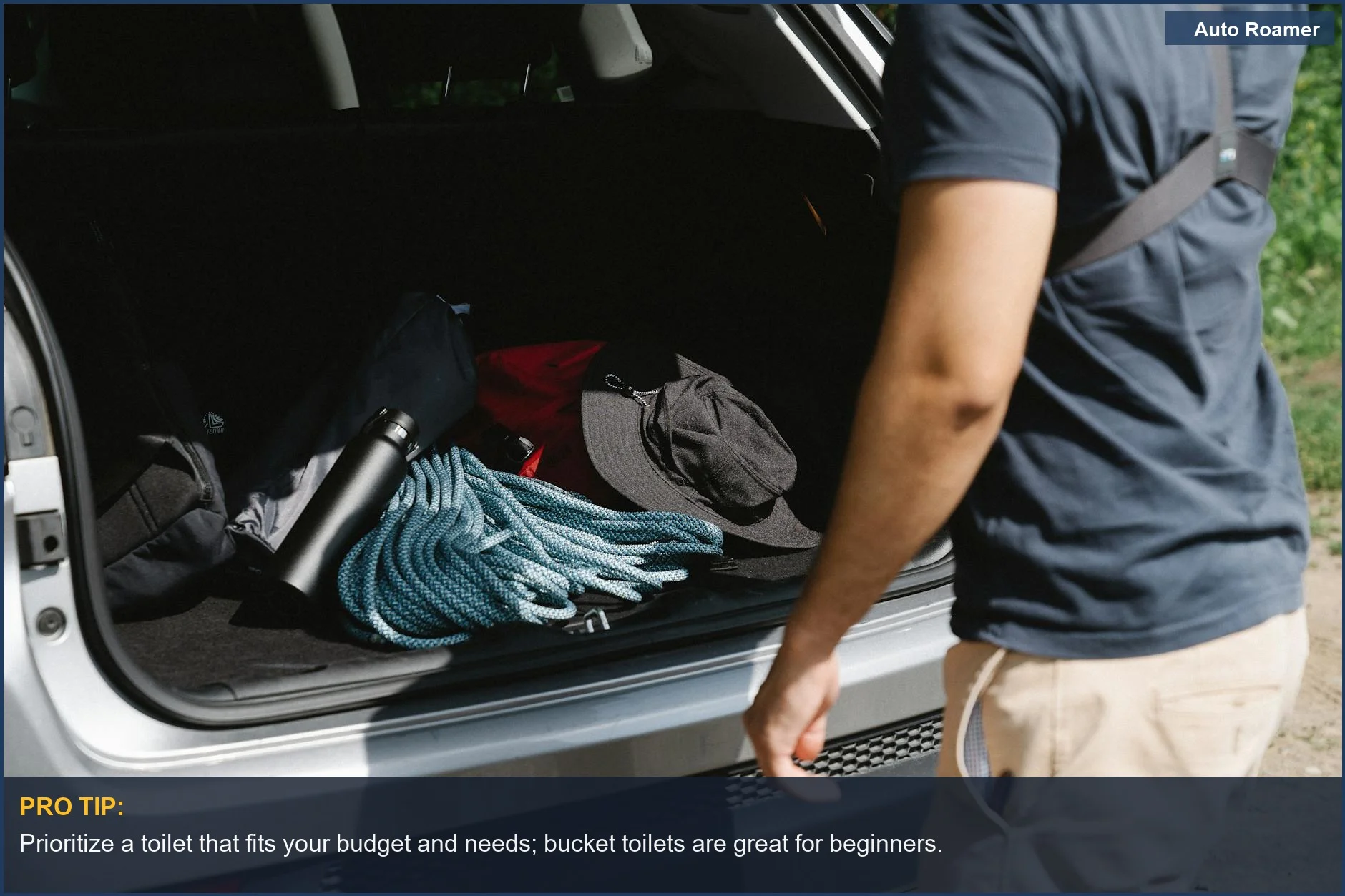
Ultimately, the best portable toilet for car camping is the one that fits your needs and your budget. For most beginners, I'd point you towards the bucket toilet or a basic collapsible model. They are accessible, affordable, and teach you the basics of camp sanitation without a huge investment. Board Brothers agrees that standard outdoor potty options are reliable.
Don't overthink it. You don't need a $500 composting toilet for a weekend trip. Start simple, learn what works for you, and upgrade if you find yourself needing more. The goal is to enjoy the outdoors, not to stress about the facilities. My $50 bucket setup has served me well on countless trips, and it's still my go-to for quick overnights.