
Gear

Understanding Different Types of Portable Toilets for Camping

Casey - The Weekend Warrior
5 min read
Includes Video

When you're car camping, the last thing you want to worry about is where to go when nature calls. The good news is there are plenty of portable toilet options out there, from simple buckets to fancy chemical contraptions. Understanding the different types can save you from a real rookie mistake: bringing the wrong kind of potty for your trip.

When you're car camping, the last thing you want to worry about is where to go when nature calls. The good news is there are plenty of portable toilet options out there, from simple buckets to fancy chemical contraptions. Understanding the different types can save you from a real rookie mistake: bringing the wrong kind of potty for your trip. My first 3-day trip had me eyeing bushes with serious regret.

Understanding the Different Types of Camping Toilets is key to a comfortable outdoor experience. It's not rocket science, but it does require knowing what you're getting into. Some are glorified buckets, others are more like mini septic systems for your trunk.
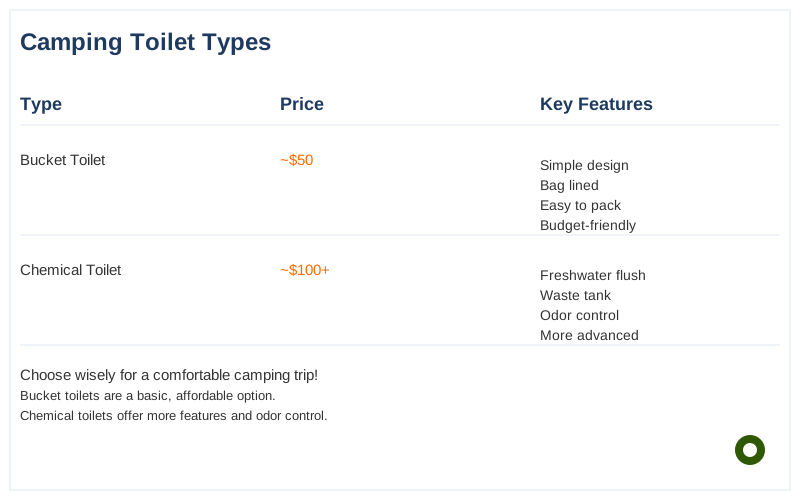
Understanding Different Types of Portable Toilets for Camping — Key Specifications Compared
Key specifications for Understanding Different Types of Portable Toilets for Camping

The Core Answer

The core answer to your portable toilet needs boils down to a few main categories, each with its own level of complexity and price point. Think of it as a spectrum from 'barely better than a hole' to 'surprisingly civilized'. Best Portable Camping Toilets for vans and RVs are a good starting point for understanding what's out there. First up, the bucket toilet. This is the $50 version of necessity. It's literally a bucket with a toilet seat on top. You line it with a special bag, do your business, and then seal it up. The honest version: it works, it's cheap, and it's easy to pack. I used one on a weekend trip to Big Meadows in Shenandoah, and while it wasn't glamorous, it beat wandering into the dark woods at 3 AM. The real move is to have plenty of those heavy-duty trash bags. Then you have chemical toilets. These are the more common 'porta-potties' you see at campsites or events, just in a smaller, portable package. They have a freshwater tank for flushing and a sealed waste tank, often with a chemical additive to break down waste and control odor. My buddy Dave swears by his for longer trips, saying the flush is a game-changer. He spent about $150 on his, which felt like a lot until I heard him describe the alternative. Composting toilets are the eco-warriors of the portable toilet world. These don't use water or chemicals. Instead, they separate liquids and solids and use a bulking material like sawdust to help break down the waste. They're generally more expensive, often starting around $500, but they produce compost. What nobody tells beginners is that they require more management and a plan for disposing of the compost. I haven't personally gone this route yet, but I've seen some impressive setups online. Expert Guide on Camping Toilets breaks down these types well. Finally, there are collapsible or folding toilets. These are often bag-style toilets with a frame that folds flat for storage. They're super portable and great for minimalists or for car camping where space is tight. I saw one at a state park in Ohio that looked like a fancy camping stool, but with a toilet seat. It was surprisingly sturdy for its $75 price tag. The trick is finding one that feels stable enough for game-time.
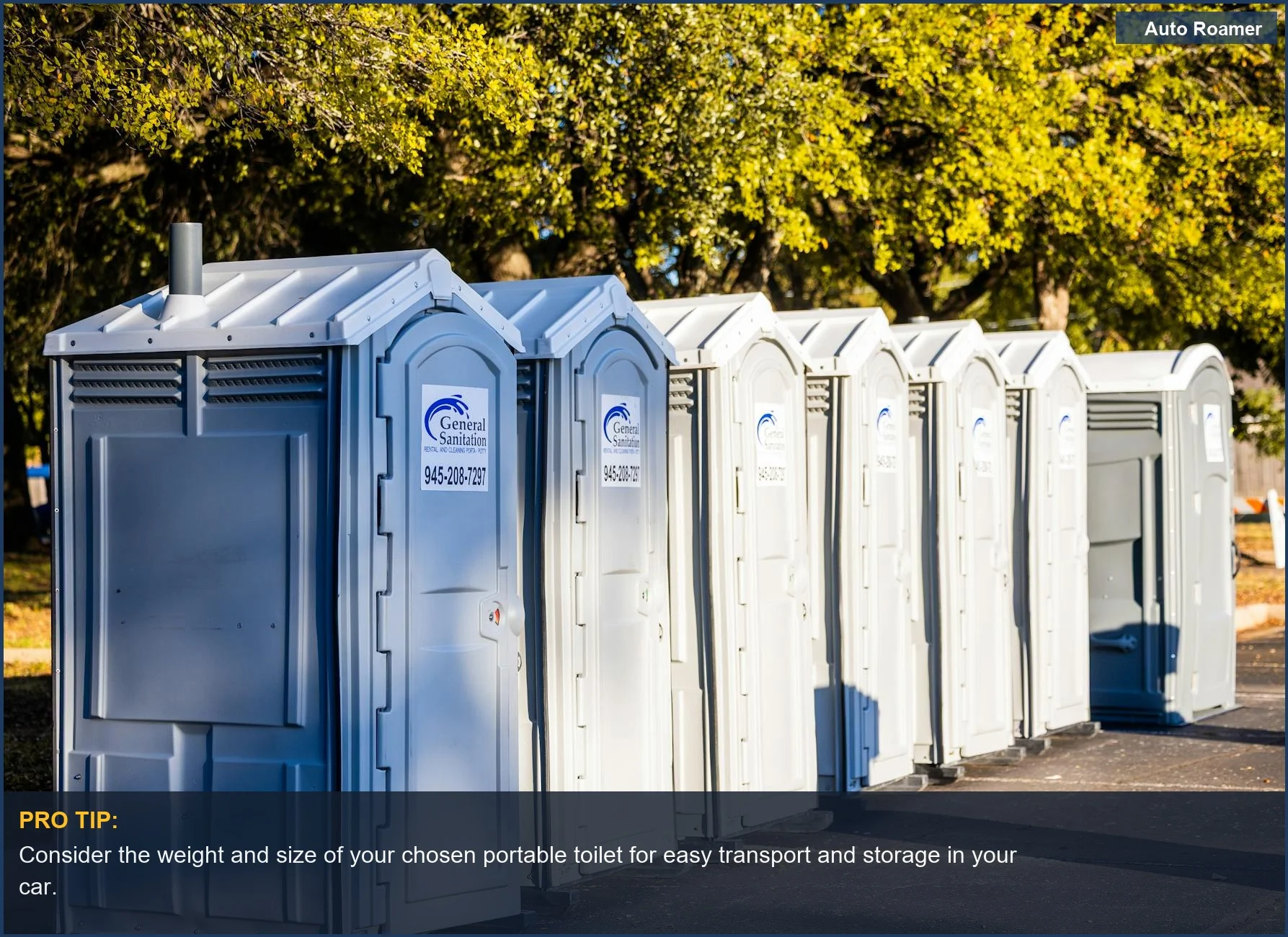
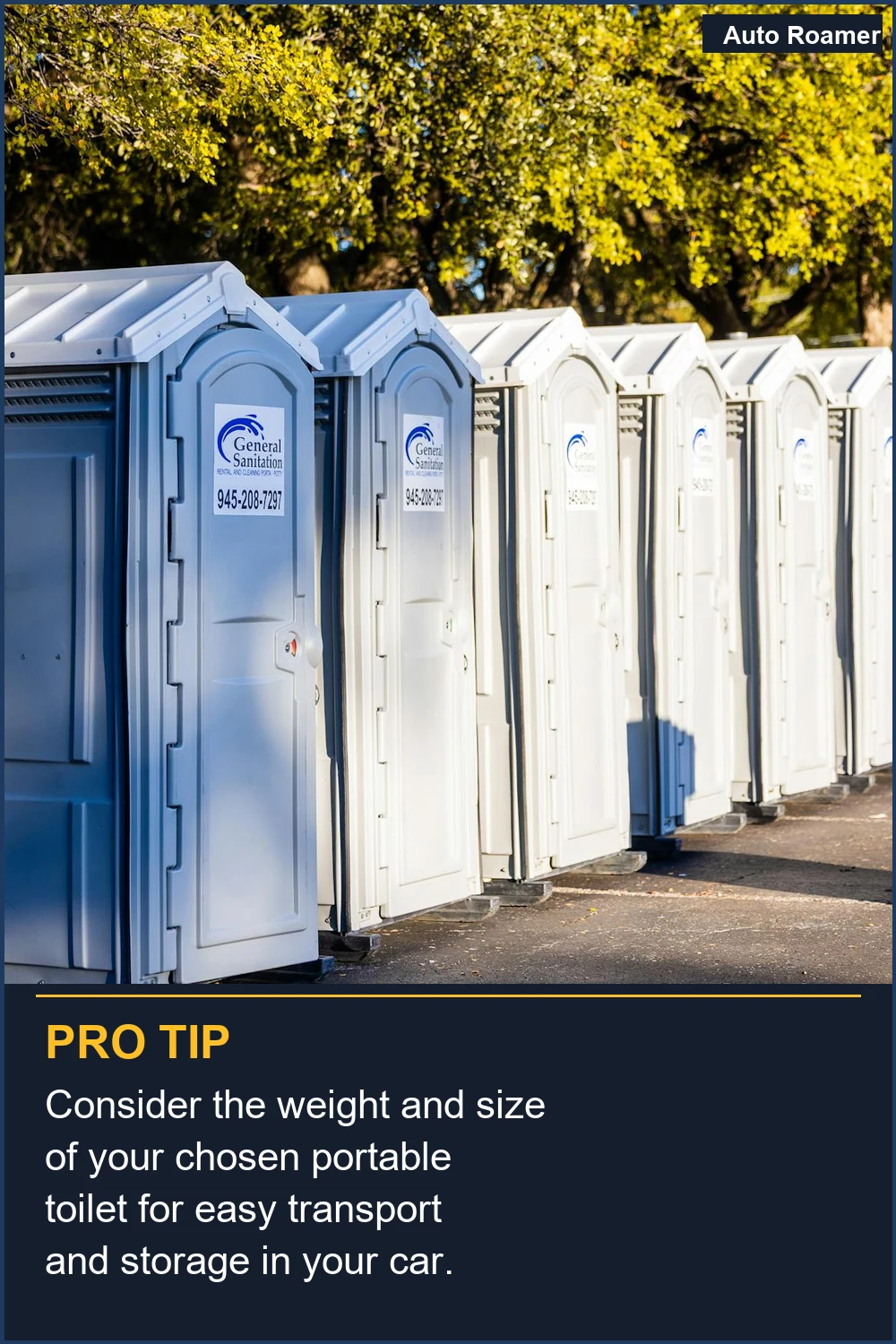
To enhance your camping experience, it's helpful to explore the various types of portable camping toilets available.
Consider the weight and size of your chosen portable toilet for easy transport and storage in your car.
Explore the diverse world of camping toilet types, with these outdoor units offering convenient solutions. Many models collapse to under 12 inches for compact storage. | Photo by Caleb Oquendo

Why This Matters for Your Setup

Why this matters for your setup is simple: comfort and legality. You don't want to end up like I did on my first trip, desperately searching for a ranger station at dawn. A Full Guide to Campsite Toilets highlights this importance.
  • Hygiene and Comfort: Having a designated toilet means no more awkward hikes into the woods. It's a basic human need, and being prepared makes your trip infinitely more enjoyable. My wife would never forgive me if I went back to the 'dig a hole' method.
  • Environmental Responsibility: Many campsites have strict rules about waste disposal to protect the environment. Using a portable toilet and disposing of waste properly is crucial. You don't want to be the reason a beautiful spot gets shut down.
  • Privacy: Let's be honest, sometimes you just want a private moment. A portable toilet, especially when paired with a pop-up privacy tent (which I highly recommend, another $50-ish investment), gives you that peace of mind. What is the best portable camping toilet for you? offers more on this.
  • Flexibility: With a portable toilet, you're not tied to established campground facilities. You can explore more remote areas with confidence, knowing you have your own private facilities. This was a game-changer for my backcountry trips.
  • To ensure you have the right fit for your needs, consider learning about choosing the right size portable toilet.
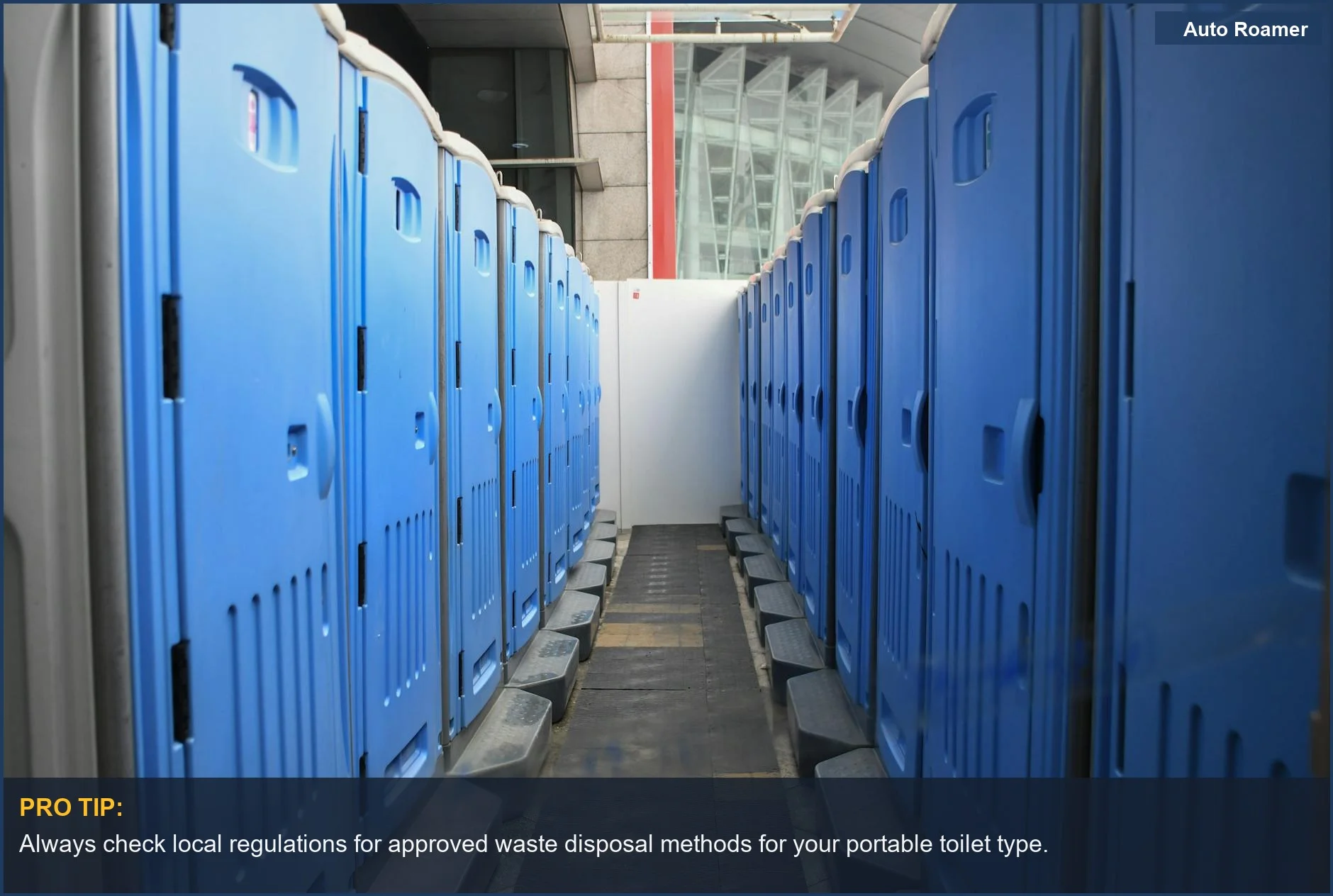
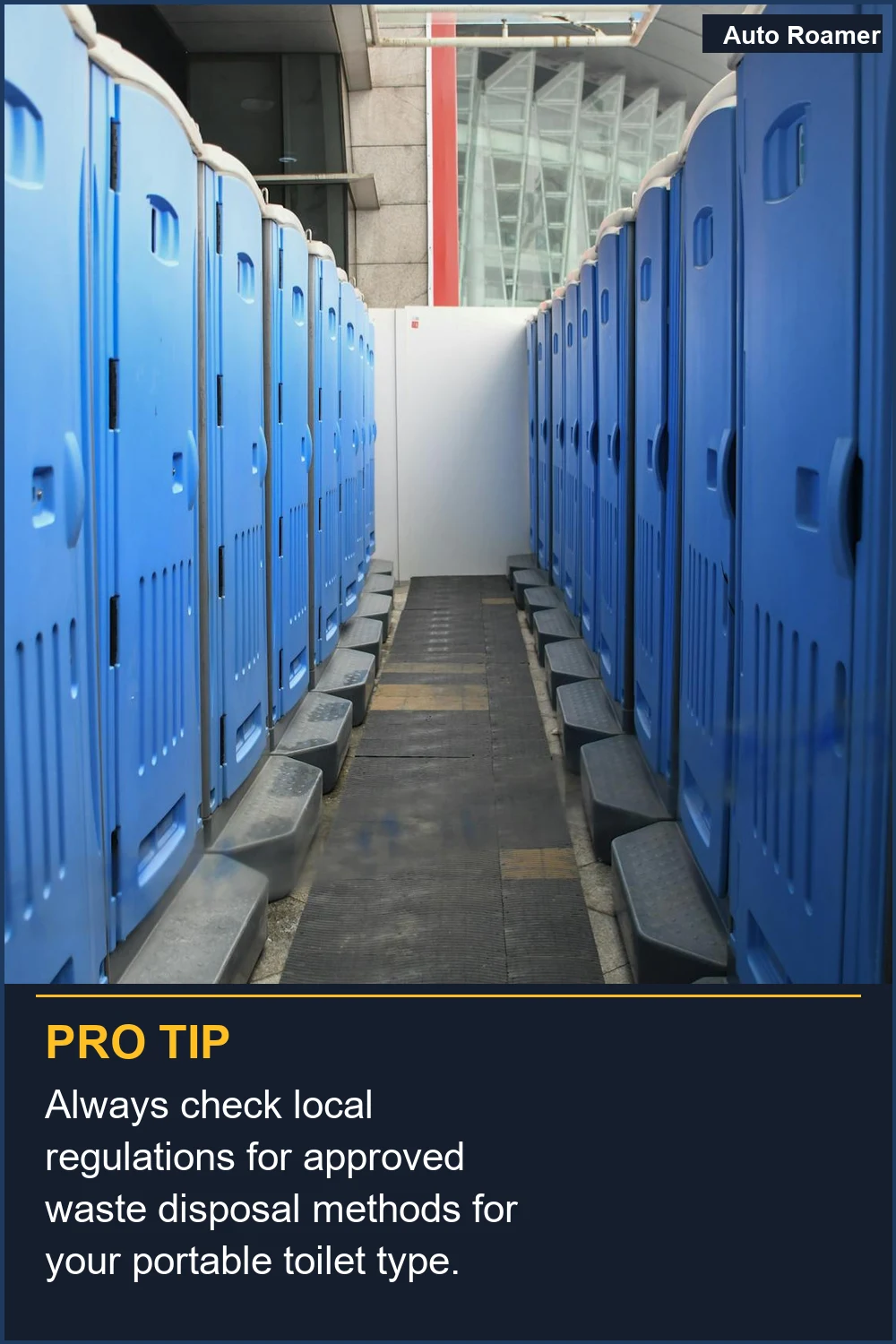
    Always check local regulations for approved waste disposal methods for your portable toilet type.
    Discover practical car camping bathroom setups like these. Ensure your portable toilet choice complies with park rules for responsible camping. | Photo by Greece-China News

    Making the Right Choice

    Making the right choice for your camping toilet depends on your priorities. Are you on a tight budget, or is convenience king? What is everyone's favourite toilet system? shows there are many opinions out there.
  • Budget: If you're just starting out, a simple bucket toilet is your best bet. You can get a decent one for under $60. My first one was the $15 Walmart special, which was... an experience.
  • Trip Length and Frequency: For weekend warriors, a chemical or bucket toilet is usually sufficient. If you're doing multi-week expeditions, you might look into a more robust composting system, but that's a whole other level of commitment.
  • Portability: How much space do you have? A collapsible toilet is great for small cars, while a larger chemical toilet might be fine for a van or RV. I once tried to cram a too-large chemical toilet into my Honda Civic hatchback and nearly broke the rear hatch. Rookie mistake.
  • Ease of Use and Maintenance: Consider how easy it is to set up, use, and most importantly, empty and clean. Nobody wants a complicated process when nature is calling. 5 Camping Toilets That Will Elevate Your Campsite gives some ideas on fancier options.
  • To ensure the best fit for your needs, consider learning more about choosing the right size for your portable toilet.
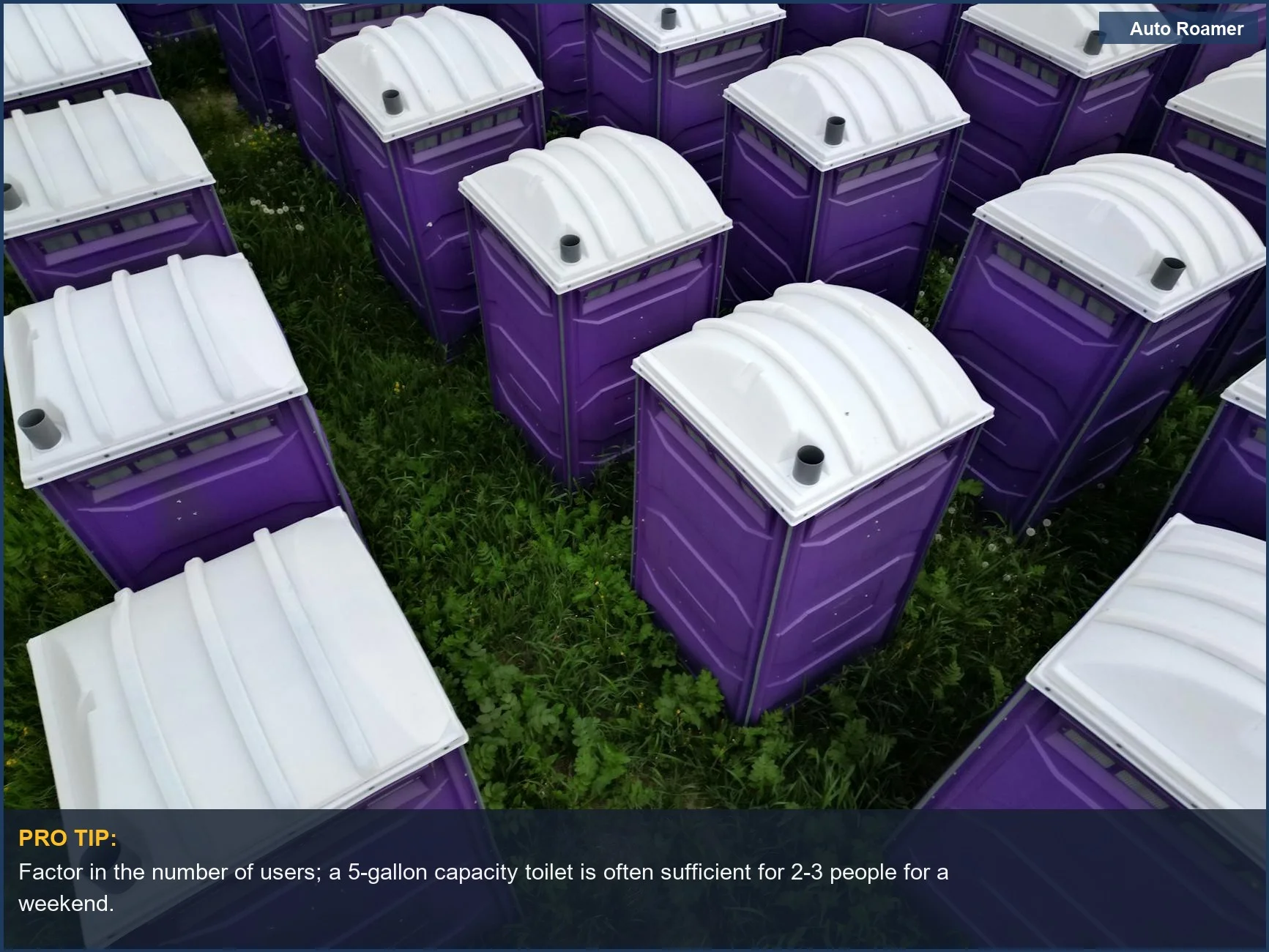
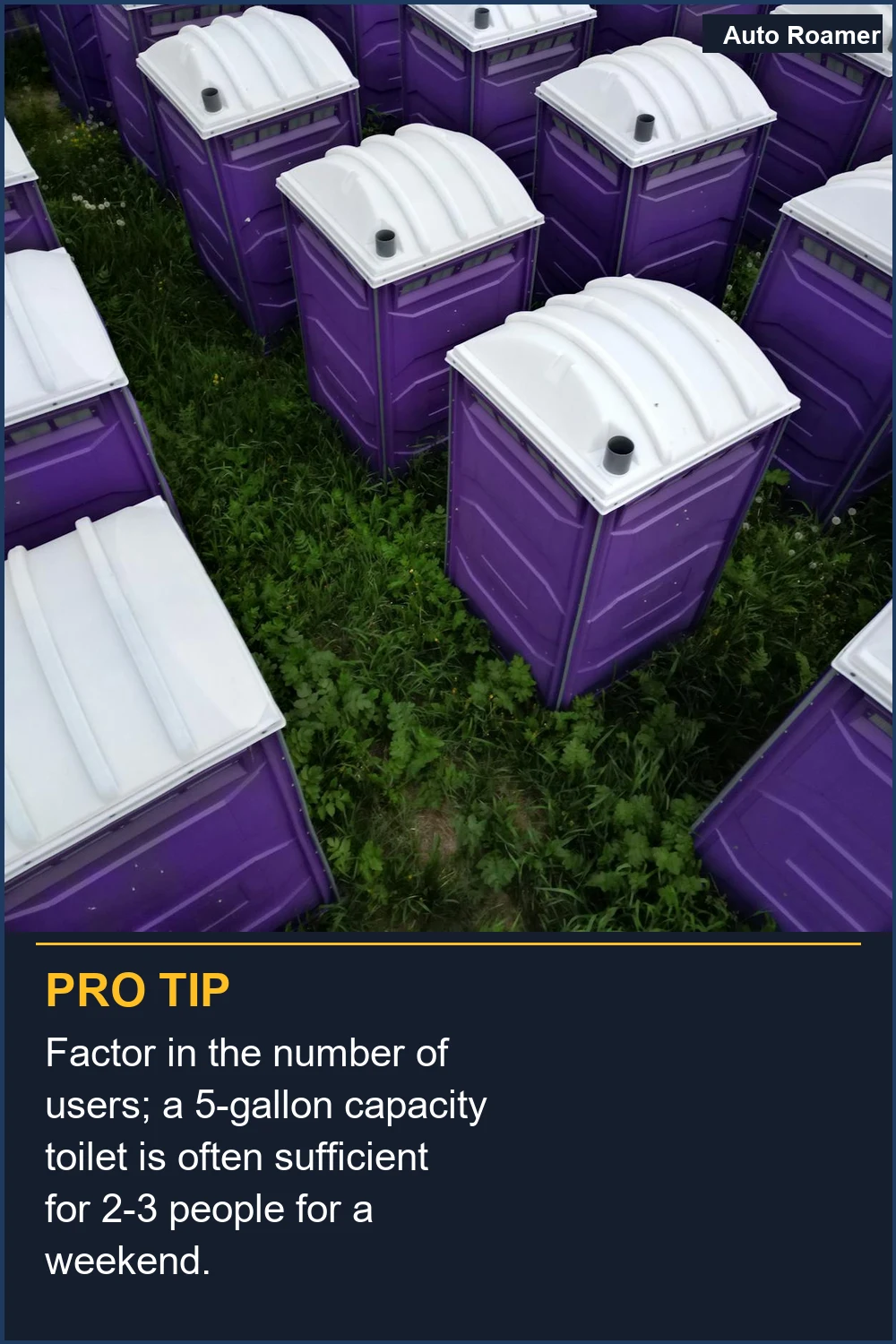
    Factor in the number of users; a 5-gallon capacity toilet is often sufficient for 2-3 people for a weekend.
    From a bird's-eye view, these purple portable toilets demonstrate the variety of options available. Choose a system that fits your group size and camping duration. | Photo by Bl∡ke

    Frequently Asked Questions

    I saw a fancy portable toilet for $600, but I can get a basic bucket setup for $30. Is it really worth spending that much more?
    That $600 toilet is likely a composting unit, which handles waste differently than a simple bucket. A bucket toilet costs about $30-$60 for the bucket and seat, plus another $20-$40 for a pack of disposal bags. The composting units, while expensive upfront, aim to process waste more sustainably and reduce odors significantly. For a first-timer, the $50 version is probably the way to go. You can always upgrade later if you get serious about off-grid living.
    Do I really need a special toilet chemical for my portable toilet, or can I just use bleach?
    Absolutely do not use bleach. Your chemical toilet is designed to work with specific toilet treatments, often sold for around $20-$30 a bottle, which last for many uses. These chemicals help break down waste and control odor without damaging the plastic components of your toilet. Bleach is way too harsh and could corrode the seals and tanks, leading to leaks and a truly awful situation. Stick to the stuff made for camping toilets.
    What if I forget to empty my portable toilet for a few days and it starts to smell really bad?
    If it's a chemical toilet, that smell is your early warning system. Empty it immediately. The chemicals are designed to neutralize odors, so a strong smell means they're overwhelmed, or the tank is full. For a bucket toilet, the smell is just... well, waste. Double-bag it, tie it off tight, and get it to a proper disposal point ASAP. I once left a bucket toilet in my car trunk for two days in July after a trip to the Smokies, and the lingering scent was a harsh reminder of my laziness for weeks. Brilliant engineering, that.
    Can using a portable toilet permanently damage my campsite's environment if I'm not careful?
    Yes, absolutely. Improper disposal of waste from any portable toilet, even a bucket one, can contaminate soil and water sources. Always dispose of waste at designated dump stations or in accordance with local regulations. Never just dump it in the woods or a random ditch. This isn't just about not being gross; it's about protecting the places we love to camp. Think about the $20-$50 you might pay for a proper dump station versus the cost of environmental cleanup.
    I heard you can just use a regular trash bag in any bucket and call it a toilet. Is that true?
    Technically, you *can* use a regular trash bag, but it's a terrible idea. Standard trash bags are not designed to hold liquid waste for long periods and can easily tear, leading to a huge mess. Dedicated toilet bags, often sold in packs for $20-$40, are thicker, leak-proof, and often biodegradable. They're built to handle the job without turning your camping trip into a biohazard cleanup. It's the $50 version of being prepared versus the $5 disaster.

    🏅 Looking for Gear Recommendations?

    Check out our tested gear guides for products that work with this setup:

    C

    Casey - The Weekend Warrior

    Weekend car camper and road trip enthusiast. Focuses on practical, budget-friendly solutions for families and first-time campers.

    Sources

    Related Articles