
Best Portable Toilets for Car Camping
The dealer wanted $300 to install a 'luxury' sanitation system in my van, which was literally just a bucket with a lid. Source: Take The Truck . Forget that noise. When you're car camping, the last thing you need is a 2 AM sprint through the dark to some questionable campground pit toilet.
The dealer wanted $300 to install a 'luxury' sanitation system in my van, which was literally just a bucket with a lid. Source: Take The Truck. Forget that noise. When you're car camping, the last thing you need is a 2 AM sprint through the dark to some questionable campground pit toilet. That's a failure mode waiting to happen, usually involving cold feet and questionable tactical decisions.
I've seen enough sketchy setups to know that a portable toilet isn't about luxury. It's about maintaining basic human dignity and preventing environmental contamination. You're trying to contain biological waste, not host a tea party.
We're talking about a sealed system that prevents outgassing and contains fluid under mechanical stress. Anything less and you're dealing with odor, leakage, and potential biohazard. Your choice impacts more than just comfort; it affects the structural integrity of your peace of mind and the local ecosystem.
My primary concern is always containment. A cheap bucket with a loose-fitting lid? That's just a time bomb of anaerobic decomposition, ready to gas off at the slightest bump. You need something engineered to handle the thermal cycling of a hot car and the shear forces of rough roads. Source: David Zer. Don't cheap out on the seal.
⭐ Quick Picks
Quick Verdict
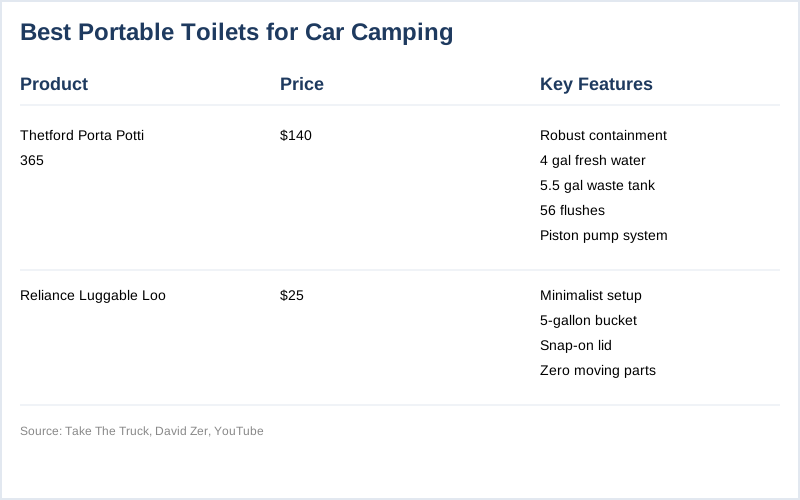
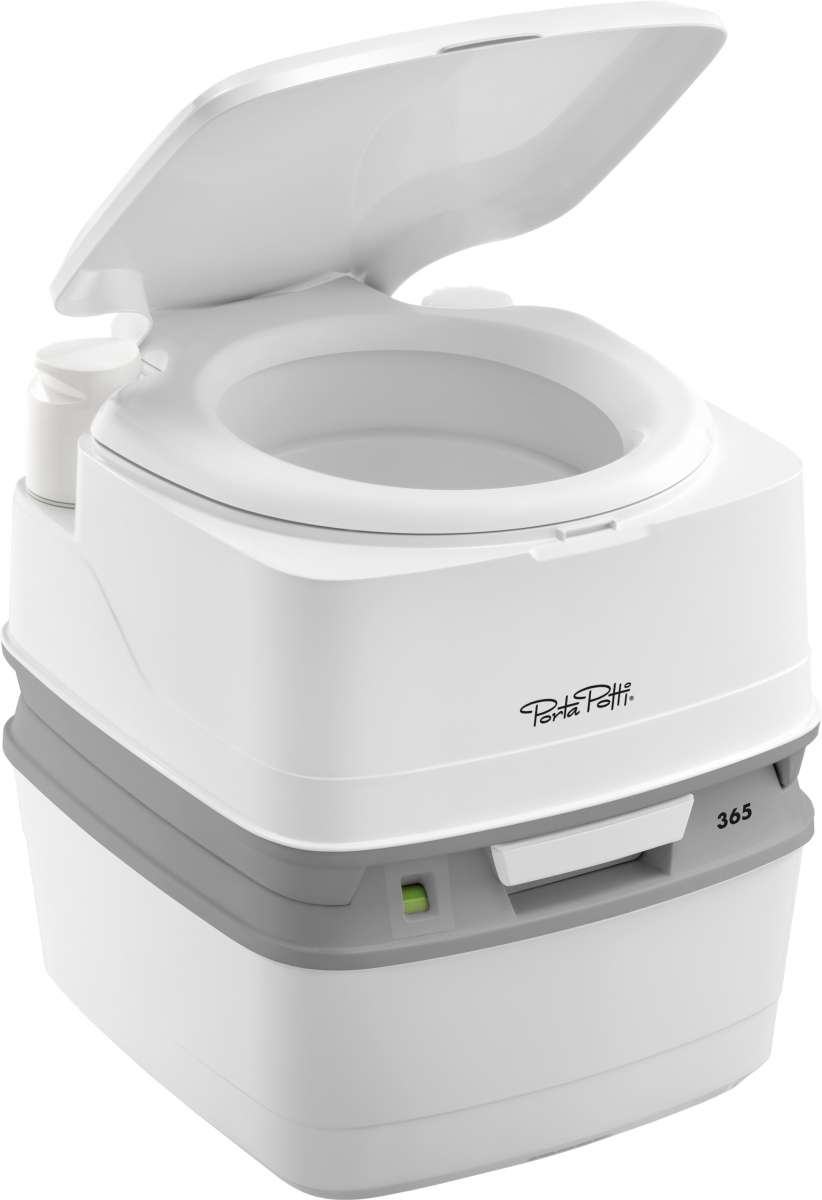
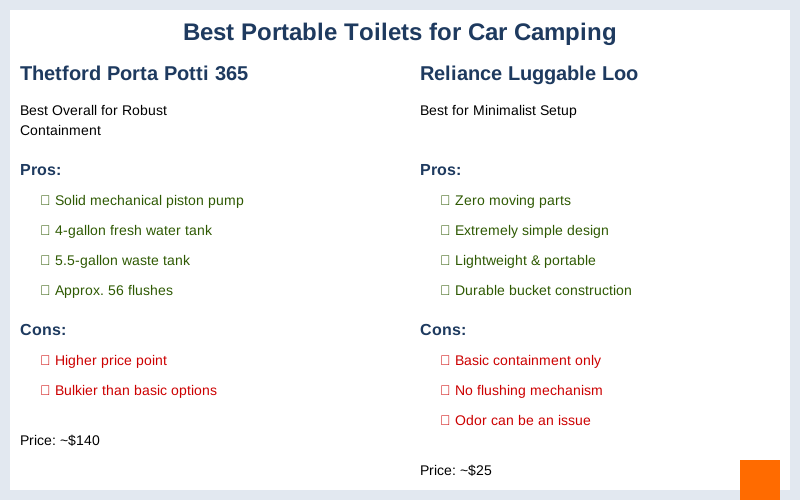
- Best Overall for Robust Containment: Thetford Porta Potti 365 (~$140). This unit boasts a 4-gallon fresh water tank and 5.5-gallon waste tank, providing 56 flushes. Source: David Zer. The piston pump is a solid mechanical system.
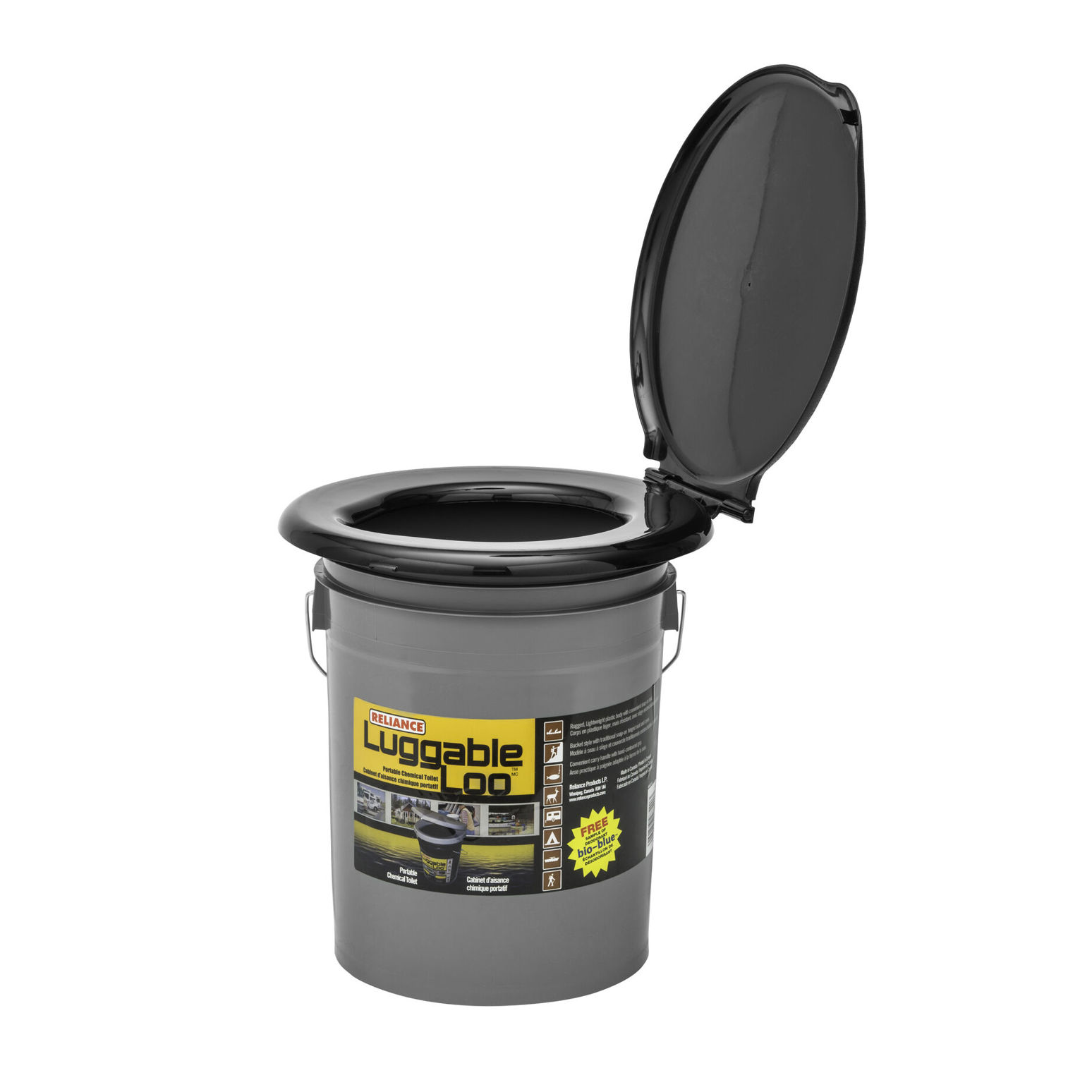
- Best for Minimalist Setup: Reliance Luggable Loo (~$25). It's a 5-gallon bucket with a snap-on lid. Source: YouTube. Zero moving parts means zero failure points, assuming you're not trying to drive 80 MPH with it full in the back seat.
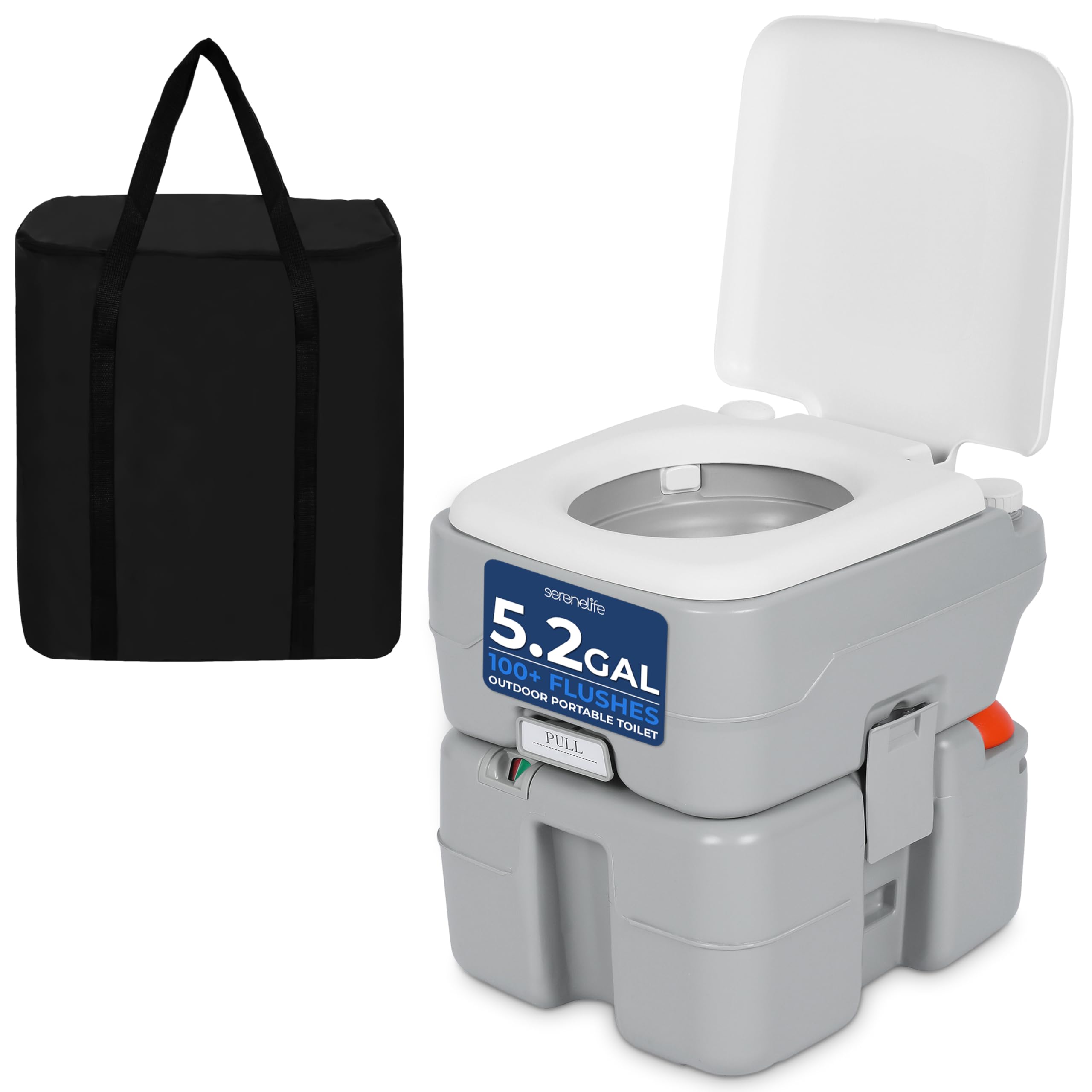
- Best for Space-Constrained Vehicles: SereneLife Portable Toilet (~$90). Compact dimensions, often around 14 inches high, make it fit under a platform bed where others won't. Lower capacity, sure, but sometimes you gotta make trade-offs.
- Best for Odor Control: Dometic 972 Portable Toilet (~$120). This unit uses a pressure-release valve to prevent vacuum lock and has a robust seal. Source: Life inTents. Less outgassing means less 'wet sock' stench permeating your sleeping bag.
- Best for Weight Capacity: Camco Portable Travel Toilet (~$110). Rated for 330 lbs. Source: TopNotch Outdoor. The plastic injection molding is thicker, giving it a higher mechanical stress tolerance. Over-engineered for your average user, which is exactly what I like to see.
- Best Composting Option (Longer Trips): Moloo Composting Toilet (~$1200). Separates solids and liquids, requires careful management of desiccants. Source: Life inTents. Not for the casual weekend warrior, but for extended off-grid use, it minimizes fluid handling.
What to Look For
When you're picking a portable toilet, you're not buying a convenience item; you're investing in a waste containment system. My focus is on preventing structural failure and fluid leaks, because one bad seal ruins a trip faster than a blown tire.
| Feature | Why It Matters (Dirtbag Engineer's Perspective) |
|---|---|
| Seal Integrity | This is the circuit integrity of your toilet system. A poor seal means outgassing of hydrogen sulfide and methane, plus potential fluid leakage under mechanical stress from vehicle movement. Look for thick rubber gaskets, not thin plastic flaps. Failure here is a biohazard. Source: Facebook. |
| Tank Capacity | Directly impacts frequency of emptying. A 2.6-gallon tank might seem fine, but with a 0.5-gallon flush, that's five flushes. You'll be emptying it every day with two people. A 5-gallon tank gives you more buffer against thermal cycling and waste volume. |
| Material Durability | Cheap, thin plastic will embrittle under UV exposure and thermal cycling. Look for high-density polyethylene (HDPE) or similar polymers. This directly relates to mechanical stress tolerance. A crack in the waste tank is a terminal failure. |
| Waste Valve Operation | A robust sliding gate valve is critical. It needs to operate smoothly without binding, indicating good manufacturing tolerances. A sticky valve will eventually fail to seal, leading to odor and seepage. I prefer a tactile, positive engagement. |
| Weight Capacity | The stated weight capacity dictates the mechanical stress limits of the plastic structure. If it's rated for 250 lbs, don't put 300 lbs on it repeatedly. That's how you get stress fractures and premature material fatigue. |
| Emptying Mechanism | How easy is it to dump without making a mess? A large diameter spout and a pressure-release button are key. You want laminar flow, not a glugging, splashing nightmare due to vacuum lock. This is fluid dynamics in action. Source: Facebook. |
Don't fall for marketing fluff. Focus on the hard specs: material thickness, seal type, and mechanical action. Anything else is just lipstick on a pig.
Our Top Picks for Reliable Performance
I've sifted through the noise to find the units that prioritize containment and durability over flashy features. These are the ones built to handle the mechanical stresses of the road and the thermal cycling of a hot car.
Thetford Porta Potti 365 (~$140)
Capacity: 4-gallon fresh, 5.5-gallon waste. 56 flushes. Source: David Zer.
Pros: Robust piston pump flush system. Excellent seal integrity. Standard toilet height (16.1 inches) for ergonomic use.
Cons: Heavier than some when full. Requires two hands to separate tanks.
Best for: Families or extended trips where reliability and comfort are non-negotiable. This is an over-engineered solution.
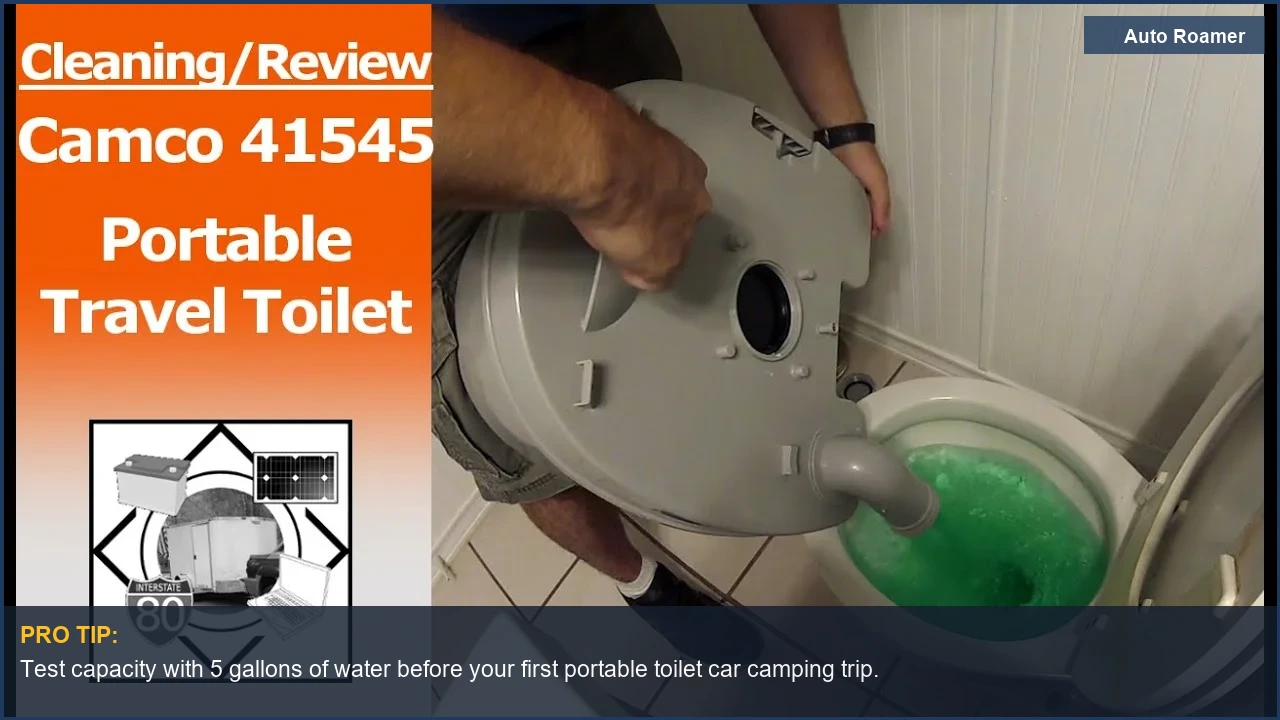
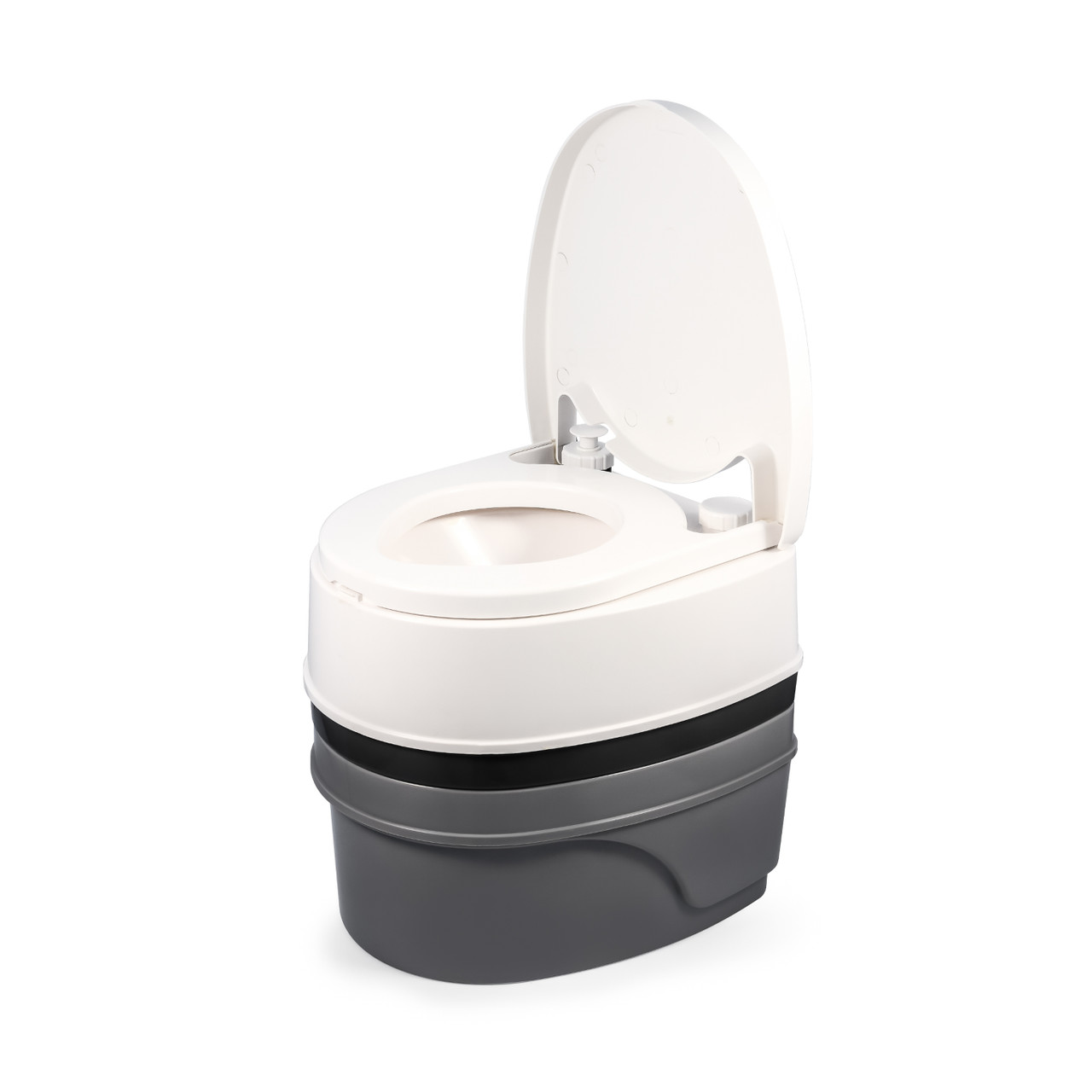
Camco Portable Travel Toilet 41545 (~$110)
Capacity: 5.3-gallon waste. Dimensions: 16" H x 16" W x 12" D. Rated for 330 lbs. Source: TopNotch Outdoor.
Pros: High weight capacity due to thicker plastic. Detachable tank system with good seal. Satisfying flush mechanism.
Cons: Can be bulky for smaller vehicles. Waste tank fill indicator is a little vague.
Best for: Heavier users or those prioritizing maximum structural integrity. This unit takes a beating.
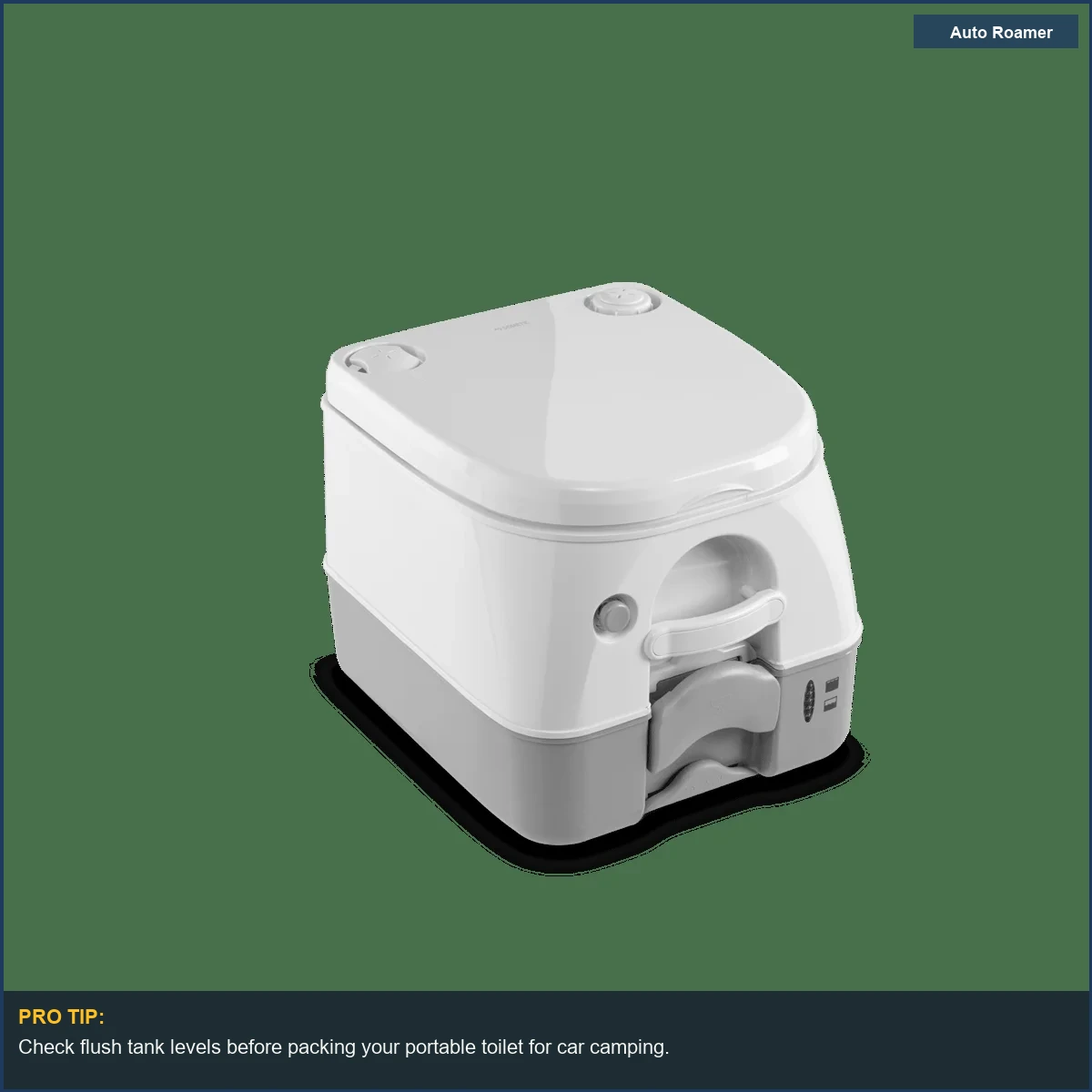
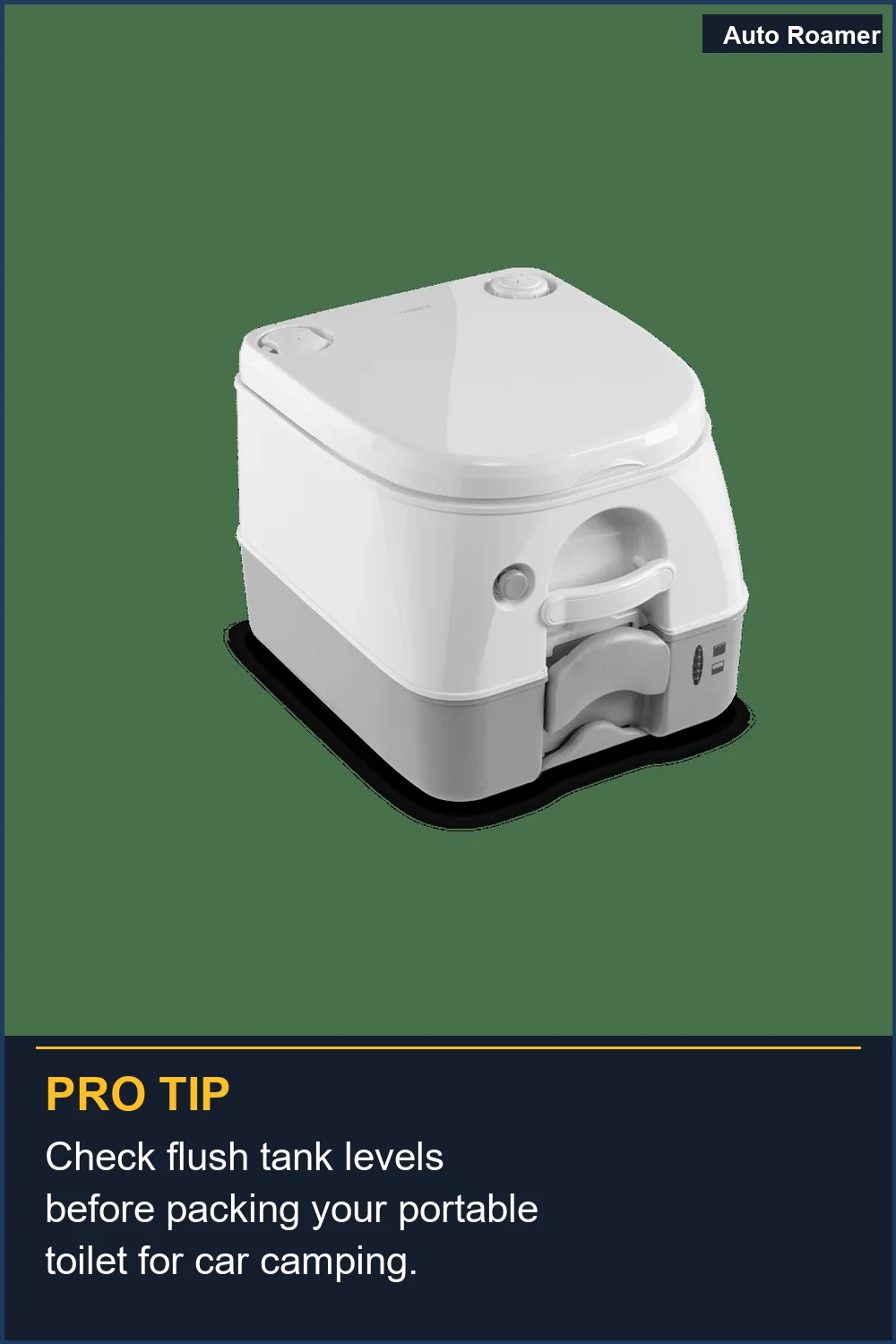
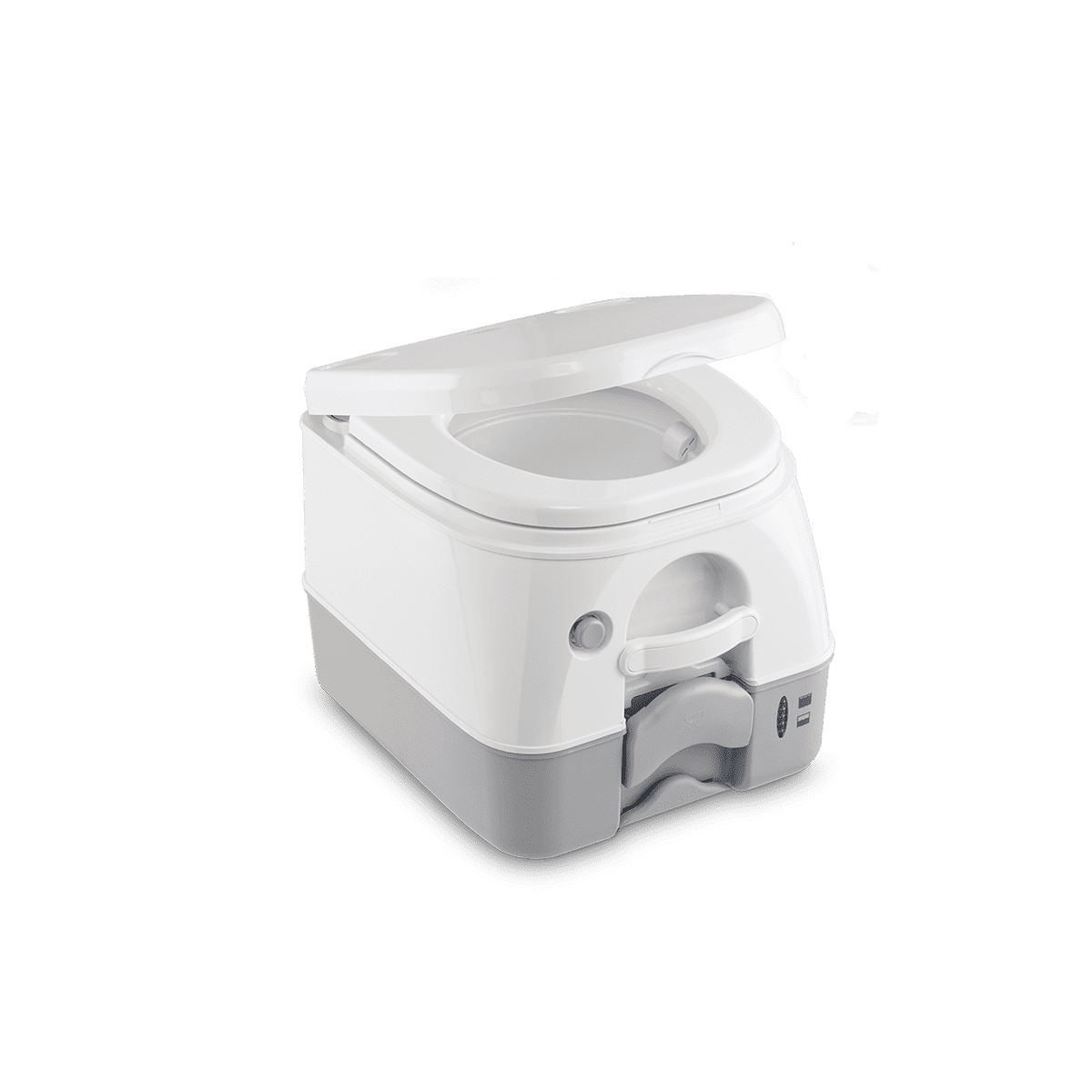
Dometic 972 Portable Toilet (~$120)
Capacity: 2.6-gallon fresh, 2.6-gallon waste. Push-button flush.
Pros: Compact size for tight spaces. Pressure-release valve prevents splash-back during emptying. Good quality plastic.
Cons: Lower capacity means more frequent emptying. The smaller seat can be less comfortable for some.
Best for: Solo travelers or couples with limited vehicle space who need a reliable, compact solution. Excellent odor control. Source: Life inTents.
Reliance Luggable Loo (~$25)
Capacity: 5-gallon bucket. Source: YouTube.
Pros: Near-zero failure rate due to simplicity. Inexpensive. Can be lined with heavy-duty waste bags.
Cons: No flush mechanism. Odor control relies solely on the lid and waste treatment. Questionable mechanical bond of the lid.
Best for: Budget-conscious users who understand the limitations and are willing to manage waste actively. It's a bucket. It works.
SereneLife Portable Toilet (~$90)
Capacity: 3.2-gallon fresh, 5.3-gallon waste. Piston pump.
Pros: Good balance of capacity and portability. Relatively easy to clean. Often comes with a travel bag.
Cons: Plastic quality can vary; check for molding flash or thin spots. Flush mechanism can feel less robust than Thetford.
Best for: General car camping where a mid-range solution is desired. It's a decent compromise between cost and function.
View on Amazon — Thetford Porta Potti 365
View on Amazon — Camco Portable Travel Toilet 41545
View on Amazon — Dometic 972 Portable Toilet
Head-to-Head Comparison
Comparing these units isn't about features, it's about how well they manage mechanical stress and fluid dynamics. A cheap unit might save you $50, but it'll cost you in cleanup and regret.
| Feature | Thetford Porta Potti 365 | Camco Portable Travel Toilet | Reliance Luggable Loo |
|---|---|---|---|
| Seal Design | Double-sealed waste valve. Piston pump creates positive pressure for flush, then seals. Excellent. | Sliding gate valve with a single robust rubber seal. Good, but requires periodic lubrication. | Snap-on lid. Relies on friction and a thin gasket. Minimal odor barrier, prone to outgassing. Source: Board Brothers. |
| Plastic Thickness (Approx.) | 3-4mm HDPE. Good rigidity, resists flex. | 4-5mm HDPE. Very rigid, high impact resistance. Excellent for mechanical stress. | 2-3mm HDPE. Flexible, can deform under load. Not designed for continuous seating. |
| Emptying Ease | Large spout, pressure-release button. Smooth, controlled flow. High marks for fluid dynamics. | Large spout, but no dedicated pressure release on some models, can glug. | Remove lid, pour. High risk of splash. Zero control over fluid dynamics. |
| Durability/Failure Mode | Pump seal can degrade over years of thermal cycling. Replacable. | Sliding valve can bind if not cleaned, leading to incomplete seal. | Lid can pop off under sudden vehicle movement. Bucket itself is robust, but the containment is weak. |
| Cost per Flush (Estimated) | ~$2.50 per gallon of waste capacity. Good value for engineered containment. | ~$2.00 per gallon of waste capacity. Solid. | ~$5.00 per gallon of bucket capacity (if you consider the bucket the 'toilet'). You get what you pay for. |
The difference between a $25 bucket and a $140 porta-potty isn't just comfort. It's the difference between a controlled system and a potential biohazard spill on your upholstery.

Budget vs Premium: Where Your Money Actually Goes
When you're looking at a $25 bucket versus a $150 flushable unit, the price difference isn't for 'comfort.' It's for engineering. You're paying for better material science, tighter tolerances, and superior mechanical design.
| Feature | Budget (e.g., Reliance Luggable Loo) | Premium (e.g., Thetford Porta Potti) |
|---|---|---|
| Plastic Material | Thin (2-3mm) consumer-grade HDPE. Prone to UV degradation and stress cracking over time. Source: NOMADasaurus. | Thicker (3-5mm) virgin HDPE/ABS blend. UV stabilized, higher impact strength, better thermal cycling resistance. |
| Seal & Gasket | Basic friction-fit plastic lid, often with a thin foam gasket. Poor outgassing control. Low shear strength. | Multi-lip rubber seals, often with a positive mechanical lock. Excellent outgassing control and fluid retention under dynamic loads. |
| Waste Valve | Non-existent, or a simple flap. No fluid control, high splash potential. | Precision-molded sliding gate valve with lubricated surfaces. Provides a tight seal and controlled fluid transfer. |
| Flush Mechanism | None. You add water manually, if at all. | Manual piston or bellows pump. Designed for specific volume per stroke, ensuring effective rinsing without excessive water use. |
| Emptying Port | Open bucket rim. High risk of spillage and contact with waste. | Dedicated, sealed spout with a large diameter and often a pressure-release button for controlled, clean emptying. |
A $25 bucket toilet has a failure rate of 100% for odor control, given enough time and temperature. A premium unit, with proper maintenance, can maintain its seal integrity for years. That's the difference between a functional system and a glorified trash can.
The Bottom Line
The bottom line is simple: don't skimp on your waste containment system. A cheap portable toilet isn't just uncomfortable; it's a potential environmental and health hazard. The mechanical stress on a flimsy plastic unit, combined with fluid sloshing, is a recipe for disaster.- Prioritize Seal Integrity: This is non-negotiable. A good seal prevents outgassing and leakage. Look for robust rubber gaskets and positive-locking mechanisms. Source: Outdoor Life.
- Consider Material Thickness: Thin plastic embrittles over time, especially with UV exposure and thermal cycling. Thicker HDPE means better mechanical stress tolerance.
- Match Capacity to Use: Don't buy a 2.6-gallon unit for a family of four on a week-long trip. You'll be emptying it constantly, increasing the risk of mechanical failure during handling.
- Understand the Trade-Offs: A budget bucket has zero moving parts, which means nothing to break. But its containment relies entirely on a friction lid and your waste bags. A flushable unit has more components, thus more potential failure points, but offers superior containment.
My advice? Spend the extra $100 for a well-engineered unit like the Thetford Porta Potti 365. It's a small investment for peace of mind, and it prevents the kind of cleanup job that makes you question all your life choices. Your vehicle's interior will thank you.
Frequently Asked Questions
Can I just use a regular 5-gallon bucket with a trash bag instead of buying a 'Luggable Loo'?
Do I really need those expensive 'toilet chemicals' for odor control?
What if my portable toilet leaks during transport, even if the valve is closed?
Can leaving waste in the portable toilet for too long permanently damage it?
Is it true that composting toilets don't smell at all?
🏅 Looking for Gear Recommendations?
Check out our tested gear guides for products that work with this setup:
Sources
- Portable Camping Toilet Guide [2026] - Take The Truck
- What are the best portable toilets for camping that are comfortable ...
- What are the best toilets for car camping? - Facebook
- Ultimate Guide to Choosing the Best Camping Toilet Gear
- Best Portable Camping Toilets for Families (2026): Top Tested Picks ...
- Top 5 Best Camping Toilets [ 2026 Buyer's Guide ] - YouTube
- The Best Portable Toilets for Camping - Life inTents
- 10 Best Camping Toilets (2026) Definitive Review (Buyer's Guide)
- Best Camping Toilets of 2026, Tested and Reviewed | Outdoor Life
- 6 Great Campervan Toilets for 2026 - NOMADasaurus