
How to Choose the Right Size Portable Toilet for Your Car Camping Trip
Choosing a portable toilet for car camping isn't about picking the fanciest RV accessory; it's about figuring out how to handle nature's call without, well, making a bigger mess than you started with. My first time out, I underestimated this whole 'waste management' thing.
Choosing a portable toilet for car camping isn't about picking the fanciest RV accessory; it's about figuring out how to handle nature's call without, well, making a bigger mess than you started with. My first time out, I underestimated this whole 'waste management' thing. I figured a sturdy bucket and some strategically placed garbage bags would do the trick. That lasted about 12 hours before I realized I needed something a bit more sophisticated, especially when camping with my kid.
The real move is to match the toilet's capacity to your trip length and your personal comfort level. Don't overthink it, but don't under-prepare either. This whole portable bathroom thing is surprisingly crucial for a decent trip.
The Core Answer
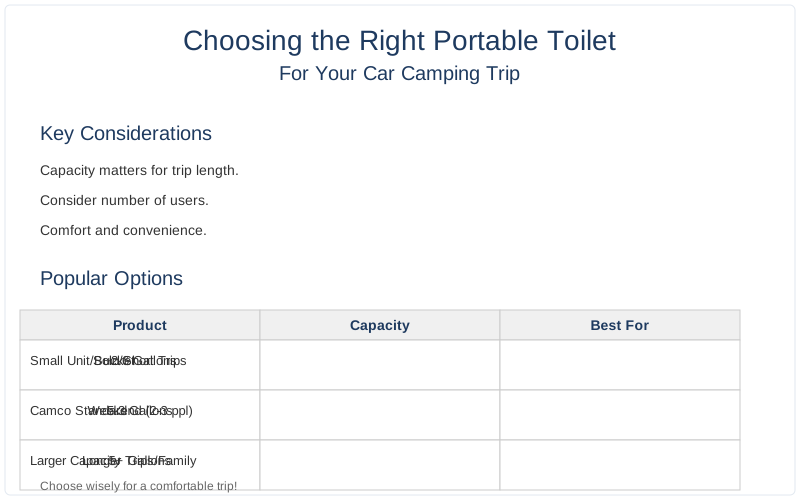
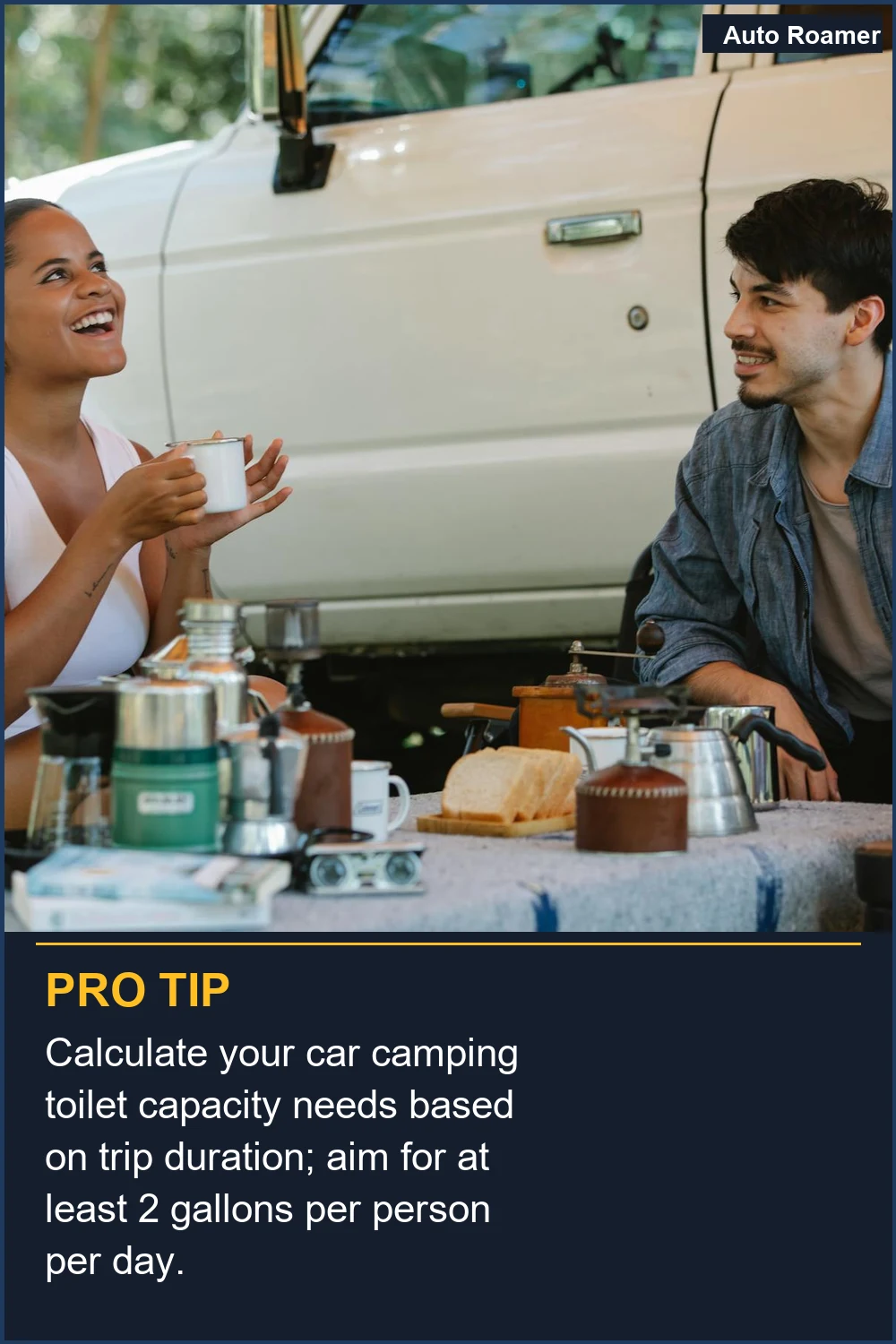
The core answer to choosing a portable toilet size boils down to capacity and how long you'll be out. Think of it like fuel tanks for your car: too small and you're constantly stopping; too big and you're lugging around dead weight. For a weekend trip, say two nights, a smaller unit, maybe around 2.6 gallons, can often suffice if it's just you or one other person. I learned this the hard way on a trip to the Adirondacks. My buddy brought a tiny thing that filled up by Saturday morning. We spent the rest of the weekend doing the dreaded 'nature hike' to find a discreet spot, which is zero fun after a big campfire meal. This is where units like the Camco, which come in different sizes, come into play. A 5.3-gallon model is usually a safer bet for a typical weekend for two to three people. It gives you breathing room and means you're not emptying it every five minutes. If you're going for three or more days, or if you're a family of four, you're definitely looking at a larger capacity, probably 5 gallons or more. Some of the more robust flushing models have tanks that hold up to 6 gallons or even more like some Dometic options. The honest version: always err on the side of slightly too big. The extra weight is minimal compared to the peace of mind. Nobody wants to be rationing toilet paper or praying the tank doesn't overflow on day three. And remember, the 'flushing' type often has two tanks: one for fresh water to flush, and one for waste. So the total capacity you're looking at is primarily for the waste tank. Simple bucket toilets, often just a sturdy 5-gallon bucket with a seat lid, are basically whatever you can fit in the bucket, which is usually a couple of days' worth for one person if you're using proper liners and bags. Folks on forums often use these and just tie off the bags. It's the $50 version, but requires more frequent emptying and careful handling. The key is to match the size to your group and trip duration, and then add a buffer for comfort. Trust me, you'll thank yourself later. The real move is to avoid that 'uh oh' moment when you realize you're out of space.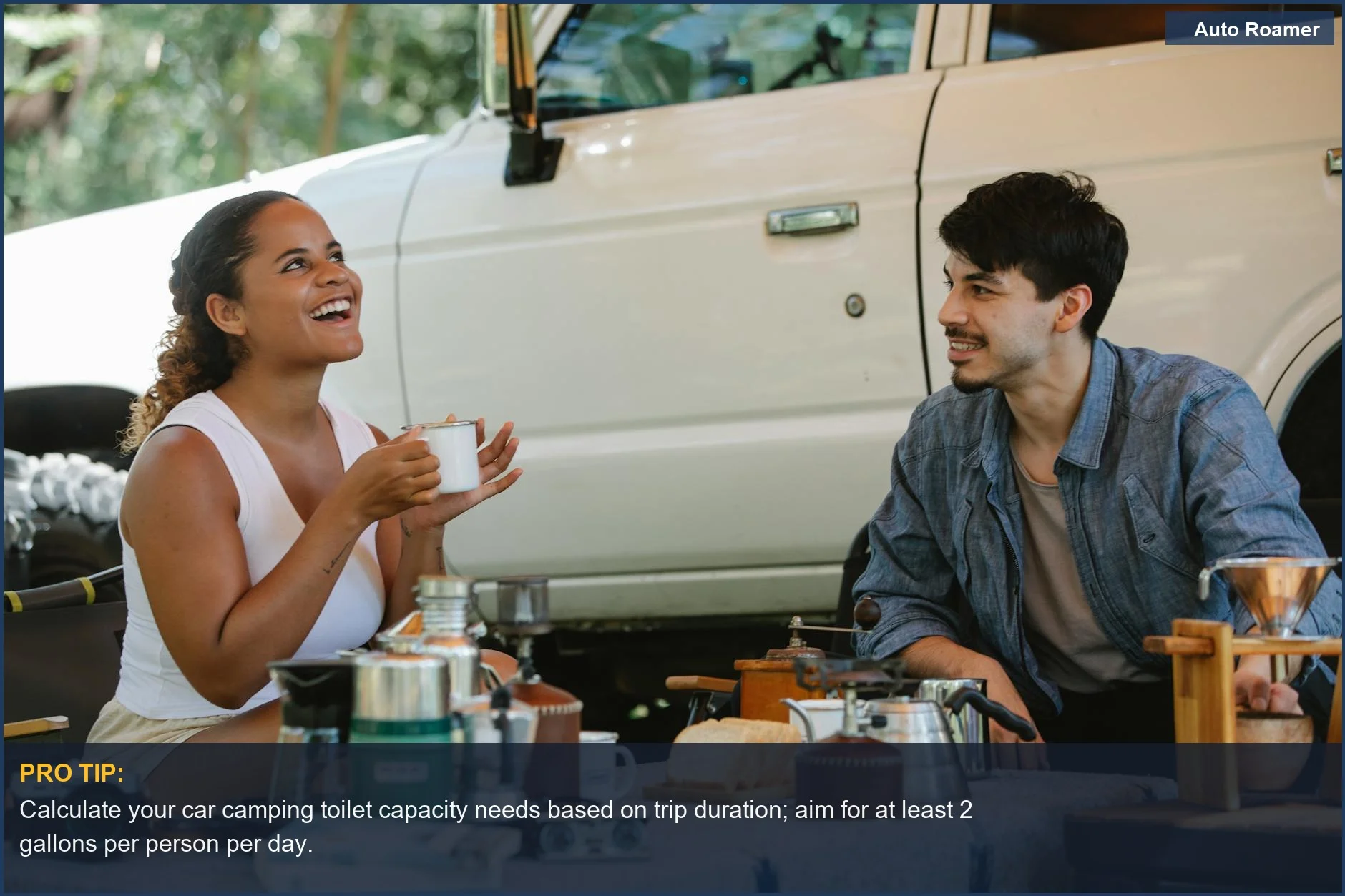
Why This Matters for Your Setup
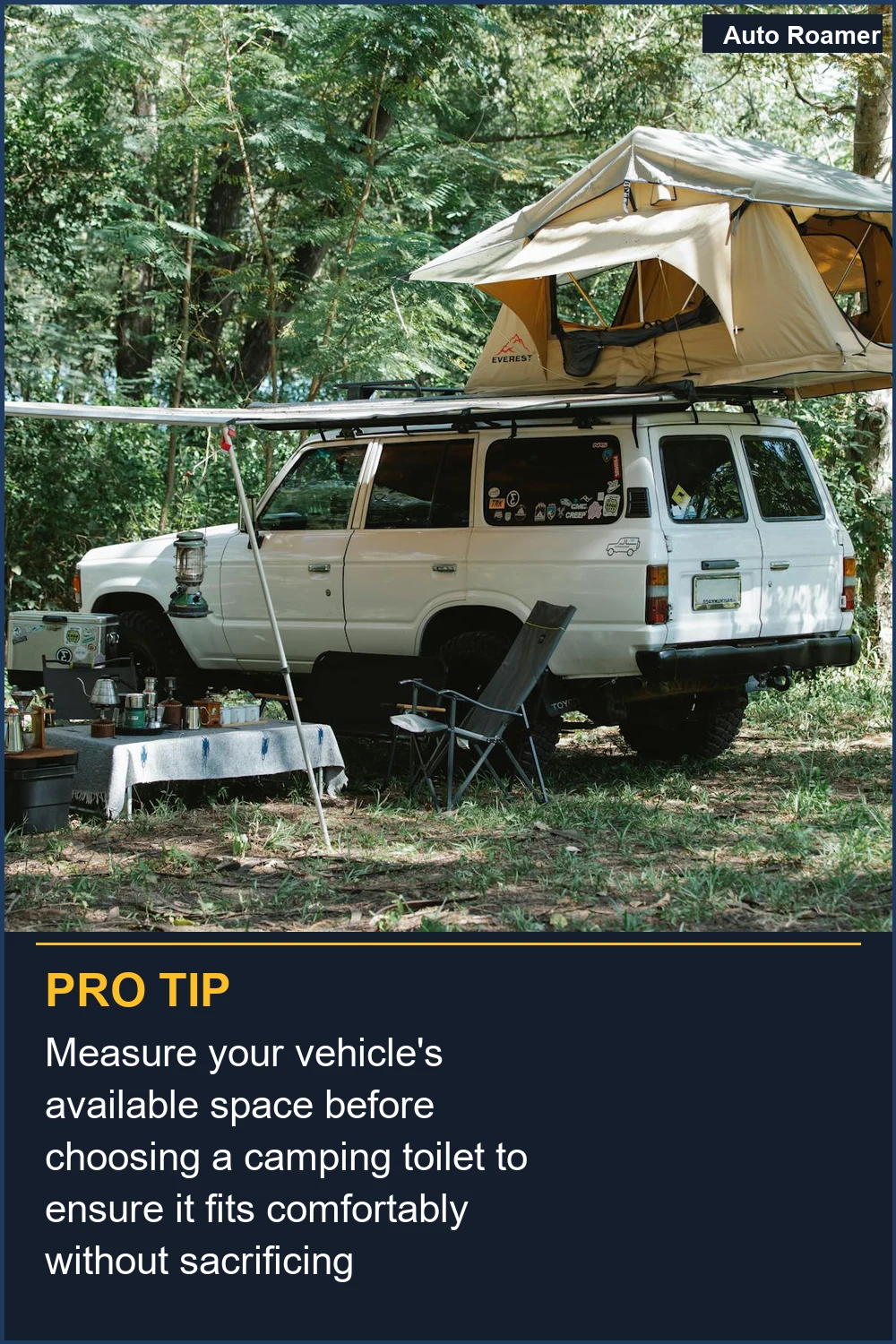
Why this matters for your setup is pretty simple: it dictates where you can put it and how often you have to deal with the 'business' end of things. My first car camping trip, I crammed everything into my little hatchback. I didn't even consider that a bulky, 5-gallon toilet might take up prime real estate. I ended up having to put it outside the tent, which was fine until a rogue raccoon decided to investigate. The size impacts your vehicle packing significantly. A smaller, 2.6-gallon unit might fit under a seat or in a cargo net, while a larger 5-gallon model will likely need its own dedicated spot in the trunk or truck bed. It also affects how much you have to carry to a dump station. If you're at a campground with facilities, it's less of an issue. But if you're dispersed camping, you'll be hauling that tank yourself. A full 5-gallon tank can weigh 40 pounds or more. That's not something you want to be lugging a mile down a trail. Conversely, a bucket toilet is super easy to pack and haul, but you'll likely be emptying it much more often. It's a trade-off between convenience and effort. The real move is to visualize your campsite and your vehicle. Where will this thing live? How much space does it realistically need? And can you handle the weight if you need to move it?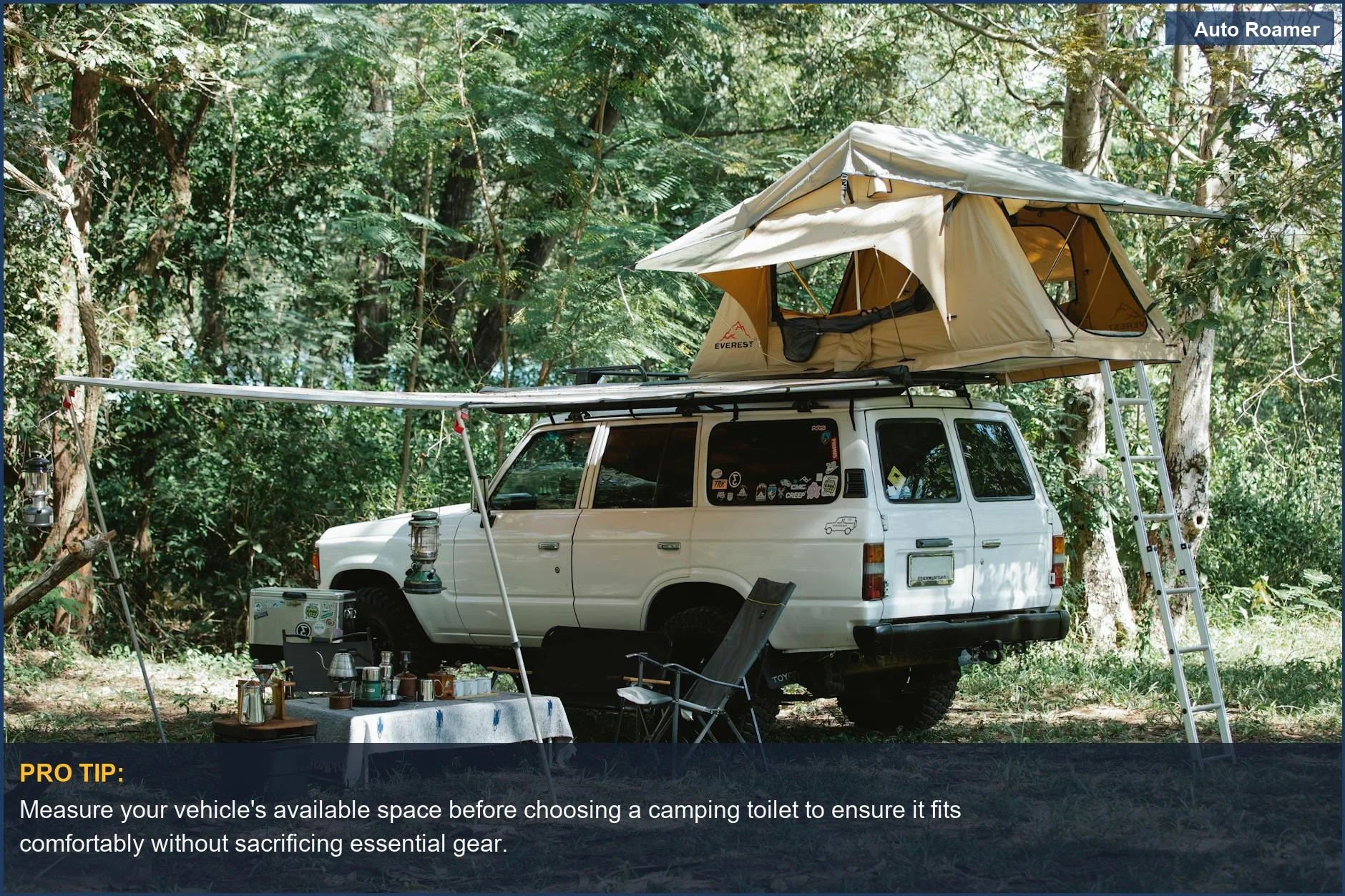
Making the Right Choice
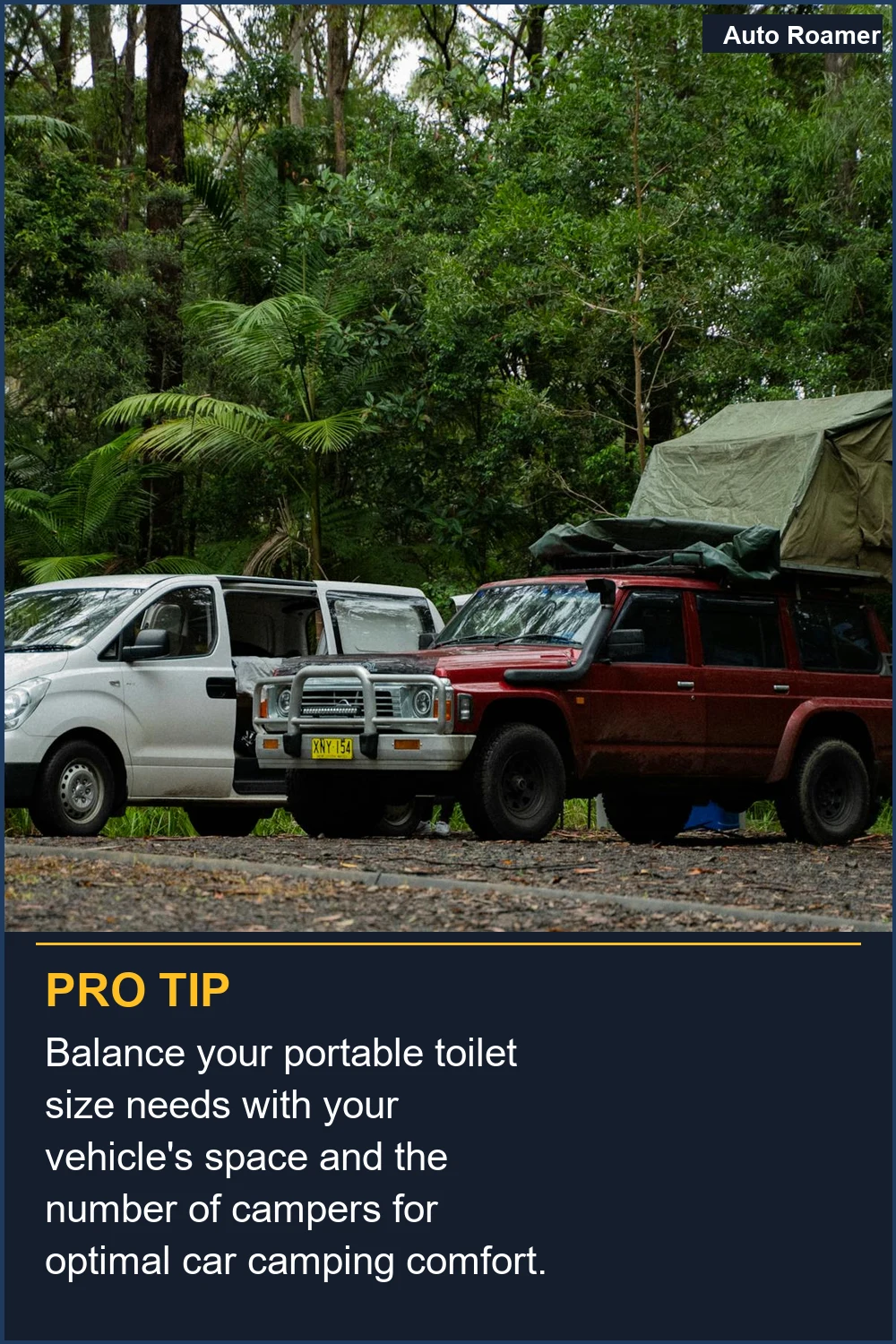
Ultimately, choosing the right size portable toilet is about balancing your needs with the realities of car camping. Don't just grab the first one you see. Consider your trip length, the number of people, and your vehicle's space. For a quick weekend trip with just one or two people, a smaller unit, maybe around 2.6 gallons, can work. However, for most first-timers and families, a 5-gallon model offers a good balance of capacity and manageability. It's the sweet spot that avoids the constant emptying of a bucket but doesn't require a dedicated cargo trailer. If you're planning longer excursions or have a larger group, then definitely look at units with 5+ gallon capacities. The $50 bucket toilet is fine for emergencies or super short trips, but for comfort and convenience, a dedicated portable toilet is the way to go. My field notes say always go a little bigger than you think you need. You won't regret the extra space, but you'll definitely regret not having it.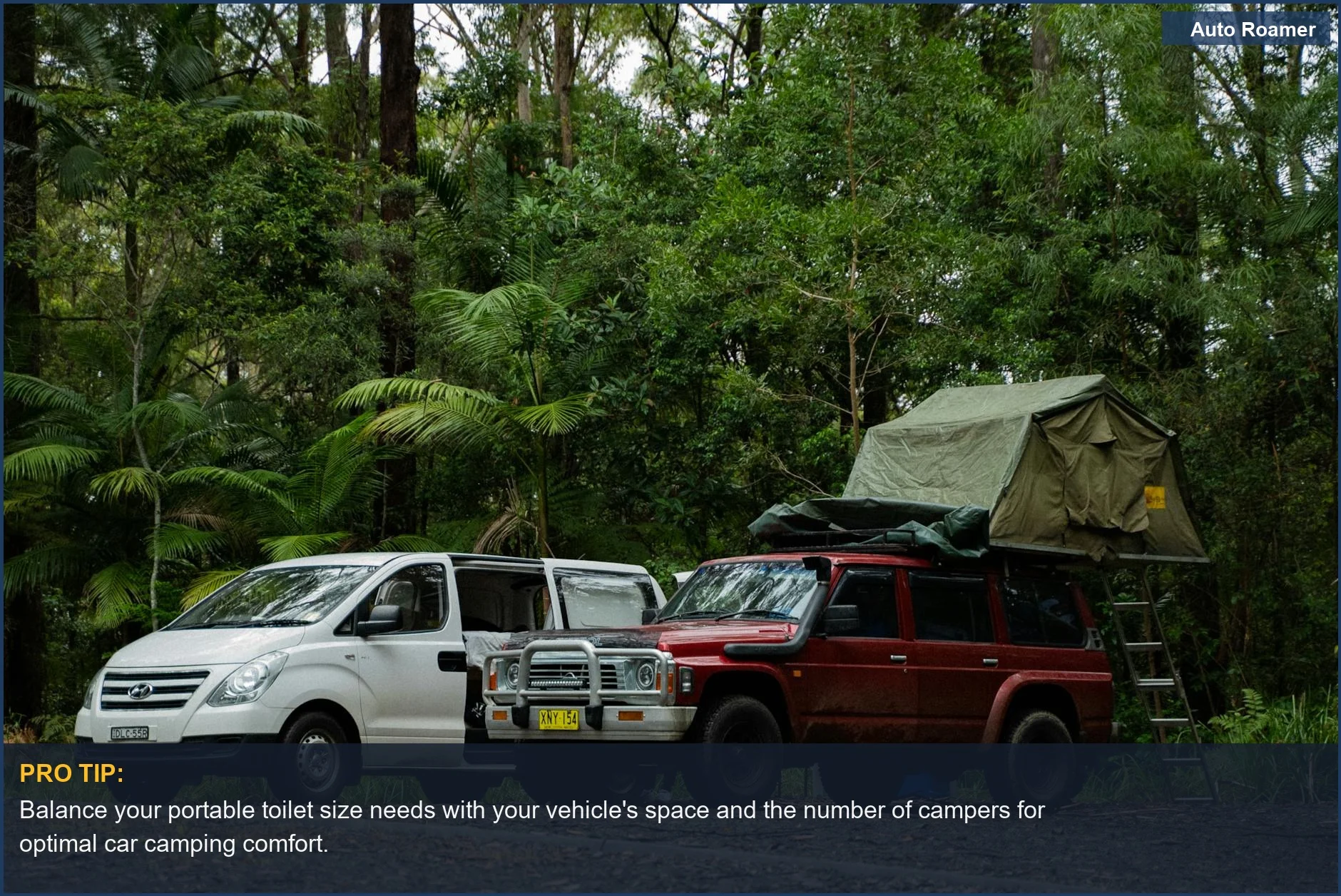
Frequently Asked Questions
I saw a fancy portable toilet for $300. My buddy said I could just get a 5-gallon bucket and a toilet seat from Home Depot for like $25. Is that really the same thing?
Do I really need to buy those special chemicals for the flushing portable toilets, or can I just use regular dish soap and water?
What if I fill up my portable toilet on the last day of a trip and there are no dump stations nearby? Can I just dump it in the woods?
Can using a portable toilet for a weekend trip permanently damage my car if I store it inside?
I heard that some portable toilets are 'composting toilets' and that they don't smell at all. Is that true?
🏅 Looking for Gear Recommendations?
Check out our tested gear guides for products that work with this setup: