What You Need to Know
As an Amazon Associate I earn from qualifying purchases.
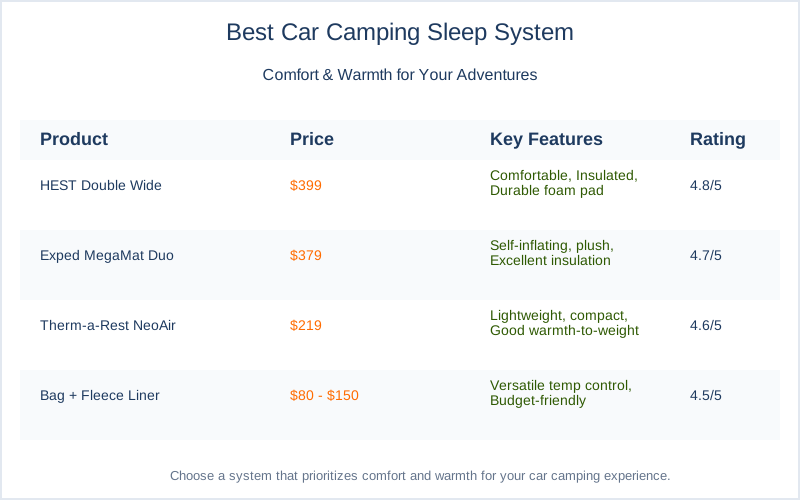
My first car camping trip was a $47 experiment in a Honda Civic hatchback in Shenandoah Valley. Mid-October. I had a Walmart foam pad, a sleeping bag rated to 40F, and zero idea that the temperature drops 15 degrees after midnight in the mountains. By 2AM I was wearing every piece of clothing in my bag and still shivering. The fix was a $12 fleece liner from Amazon that turned my 40F bag into a 25F bag. Three years later I still use that same liner on every trip. That rookie mistake taught me the first rule of car camping: your sleep system is everything. Forget fancy stoves or elaborate lighting. If you can't sleep, you're just cold and miserable in your car. I've spent too many mornings chugging lukewarm coffee, trying to thaw my feet, to ever understate this. What nobody tells beginners is that "car camping sleep system" sounds like something NASA engineers designed. It's not. It's just your bed, but in your car. The goal is to make it feel as close to your actual bed as possible, without buying a whole new house on wheels. I've tried the thin foam pads, the self-inflating nightmares, and even just a pile of blankets. Each one taught me something, usually the hard way. The honest version: you want comfort, warmth, and something that doesn't take 43 minutes to inflate or deflate. HEST's guide even breaks down foam vs. air, which is a good starting point. This isn't about buying the most expensive gear. It's about smart choices that make your first weekend out feel like a vacation, not a survival test. My goal is to get you sleeping soundly, even if your first setup is just a yoga mat and a thrift store blanket. Because if I can do it, so can you. Luno's mattress guide talks about this too.Key Features to Consider
When I first started, I thought a sleeping bag was just a sleeping bag. Wrong. There are about 100 different kinds, and each one promises to be the 'best.' My field notes tell a different story. Here's what actually matters.
| Feature | Weekend Warrior Take |
|---|---|
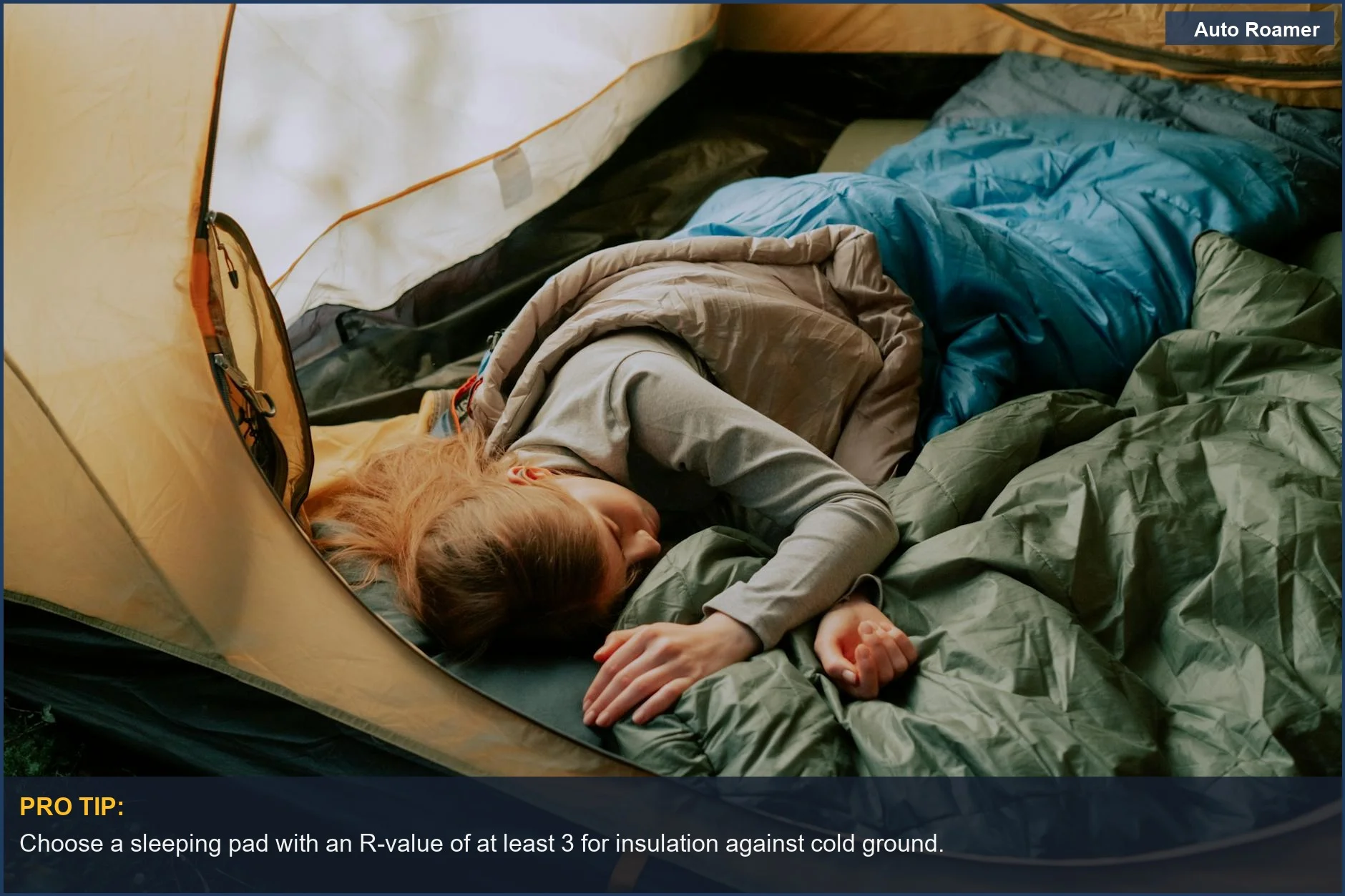
| R-Value (Insulation) | This is the big one. It's how warm your pad keeps you off the cold ground. My first foam pad had an R-value of maybe 2.0. Sleeping in a Subaru Forester in March at Big Meadows campground, it felt like I was sleeping on a block of ice. Aim for 4.0 or higher for anything but summer trips. The higher the number, the better. HEST's guide confirms this. |
| Mattress Type | Foam: Simple, durable, never deflates. Like my $15 Walmart pad. Great for beginners because there's no setup. Self-Inflating: A hybrid. Has foam inside that sucks in air when you unroll it. My $80 version from REI took 15 minutes to fully inflate the first time. Air Mattress: Like your guest bed. Super comfy if it doesn't leak. My $30 Coleman sprung a leak on its second trip to George Washington National Forest. Air pads are often lighter for backpacking, but for car camping, comfort is king. Nemo's Tensor is a good example of a high-end air pad. |
| Sleeping Bag Temp Rating | The number on the bag (e.g., 20F) is the *survival* rating, not the *comfort* rating. If it says 20F, you'll be comfortable around 30F-35F. My 40F bag in 25F was a disaster. Always go for a rating 10-15 degrees F lower than the coldest temp you expect. Wirecutter recommends the REI Co-op Siesta Hooded 20 for car camping. |
| Size and Fit | Measure your car's interior. Seriously. My first setup barely fit in the back of my Civic. A queen air mattress is great for a full-size SUV, but a compact car needs a twin. Don't eyeball it. A mattress that's too big will bend and be uncomfortable. Too small, and you'll roll off. |
I learned the hard way that a little planning saves a lot of shivering. My $12 fleece liner was a game-changer for warmth, proving that sometimes the simplest additions make the biggest difference.
Our Top Picks
Budget vs Premium Options
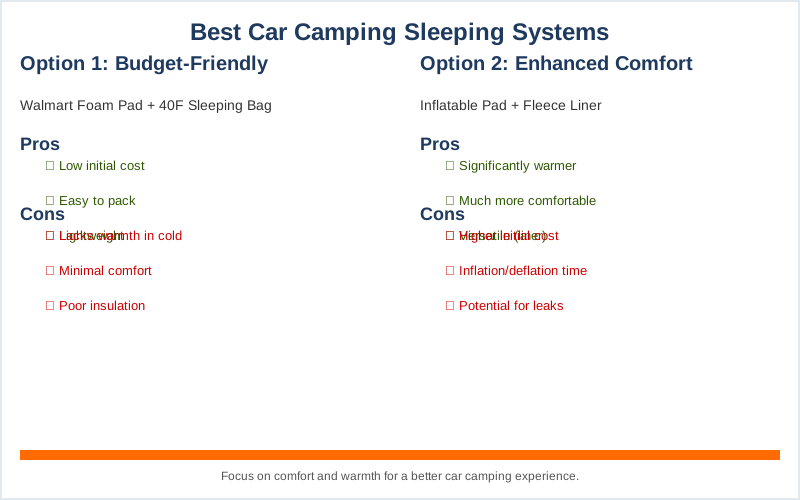
When I started car camping, my budget was basically whatever was left after gas money. I learned that 'premium' doesn't always mean 'better,' but 'budget' can definitely mean 'miserable.'
| Feature | Budget Option (My First Setup) | Premium Option (My Current Setup) |
|---|---|---|
| Mattress | Walmart Foam Pad ($15): Thin, no insulation. My back hated me after two nights. It was basically a yoga mat. Some Reddit users recommend a high air mattress from Walmart. | Exped MegaMat LXW ($270): 4 inches of self-inflating bliss. Feels like my bed at home. Worth every penny for consistent comfort. CleverHiker calls it super cushy. |
| Sleeping Bag | Ozark Trail 40F ($30): Worked fine above 50F. Below that, I was wearing my jacket, hat, and socks inside it. The zipper snagged constantly. | REI Siesta Hooded 20 ($150): Roomy, warm, good zipper. It's a reliable workhorse for three-season camping. It just works. |
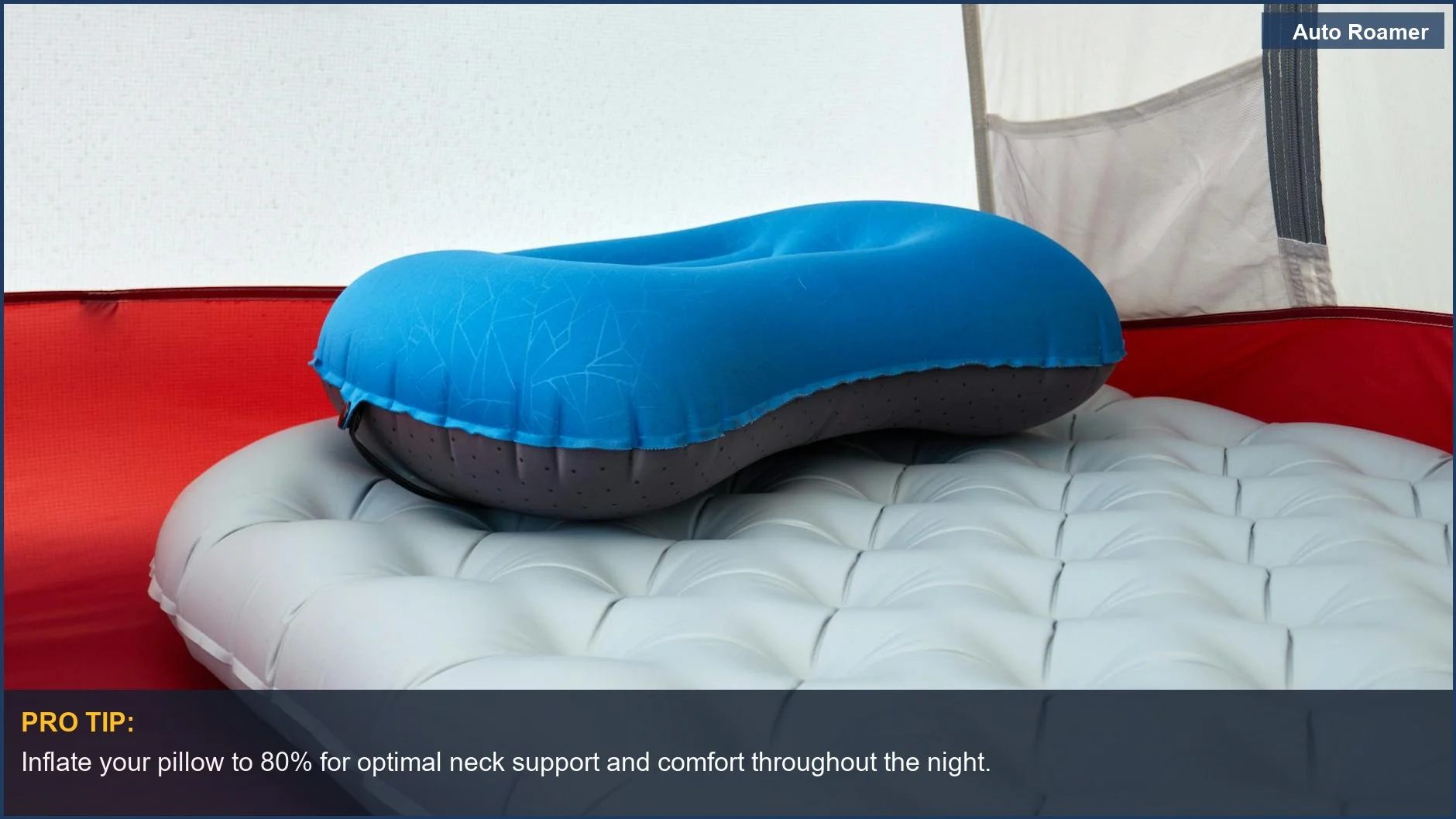
| Pillow | Folded Hoodie ($0): Surprisingly effective for a night or two. After that, my neck started to complain. | Inflatable Camping Pillow ($25): Packs small, inflates in 3 breaths. Much more comfortable than a lumpy hoodie. |
| Total Cost | ~$45 | ~$445 |
My $45 version got me out there, which was the point. But the $445 version keeps me coming back. The real move is to start cheap, figure out what bothers you most, and then upgrade that one thing. For me, it was always the mattress. Your mileage may vary. The comfort difference is not just marginal; it's the difference between sleep and shivering.
Setup and Installation Tips
Setting up your sleeping system inside a car sounds simple, but I've managed to screw it up enough times to write a manual. My first attempt in a Honda Civic took me 30 minutes, mostly because I kept hitting my head on the hatchback.
- Clear the Deck (10 minutes): First, get everything out of the back. I mean everything. My first trip, I just pushed stuff aside, and spent the night sleeping on a lumpy pile of jackets. Remove seats if you can, or fold them completely flat. You want a clear, flat surface. HEST suggests checking for a flat surface.
- Level Your Vehicle (5 minutes): Every car camping guide tells you to 'level your vehicle' before sleeping. Nobody tells you HOW. I spent 20 minutes at a state park in West Virginia trying to figure if my Subaru was level by rolling a water bottle across the mattress. The real move: park nose-slightly-uphill so your head is higher than your feet. That is it. You do not need a bubble level.
You need to not wake up with a headache from blood pooling in your skull.
- Lay Down Your Mattress (3 minutes): Unroll your foam pad or inflate your air mattress. If it's a self-inflating one, open the valve and let it do its thing while you do something else. For an air mattress, use a small 12V pump. My cheap pump from Amazon inflates a twin mattress in about 2 minutes. Switchback Travel mentions the ease of setup for some mattresses.
- Add Your Sleeping Bag/Liner (2 minutes): Lay out your sleeping bag. If you use a liner, put it inside the bag now. I usually bring an extra blanket too, just in case. My $12 fleece liner takes about 30 seconds to slide in.
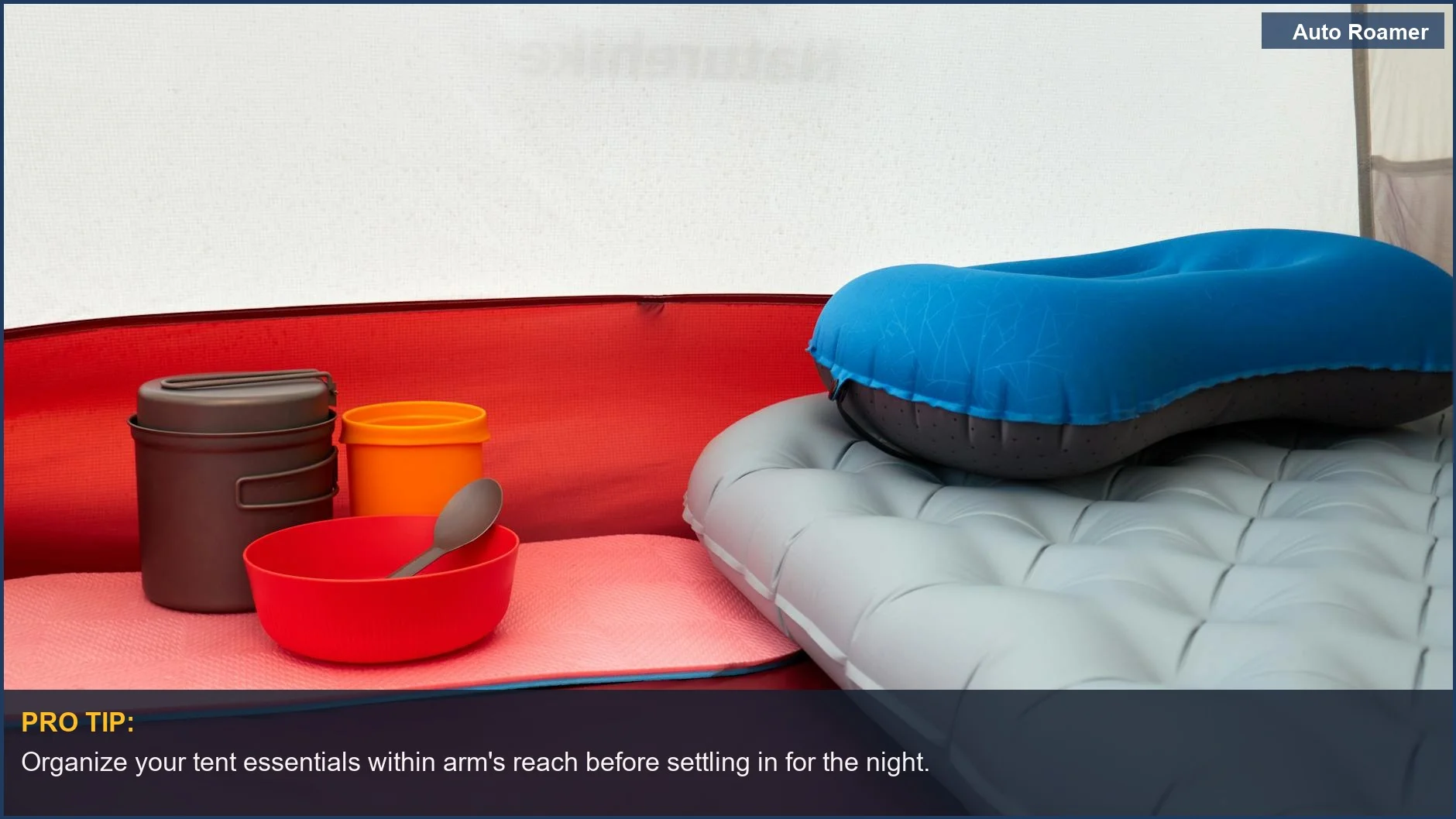
- Pillow and Comfort Items (1 minute): Throw in your pillow, maybe a book, and your headlamp. That's it. You're ready for game-time. The whole process should take under 20 minutes, not the 45 minutes it took me on my third trip to Prince William Forest Park.
Care and Maintenance Tips
You've invested in your sleep system, now don't trash it on your first trip. I learned this the hard way with a sleeping bag that smelled like damp dog after a rainy weekend in Assateague. Keeping your gear clean and dry isn't just about hygiene; it's about making it last.
- Air It Out (Daily, 15 minutes): Every morning, open your car doors or tent flaps and let your sleeping bag and mattress air out. Especially if it was a cold night and you were generating a lot of body heat. That moisture needs to escape, or you'll get that damp dog smell I mentioned. I do this while I'm making coffee.
- Spot Clean (As Needed, 5 minutes): Spilled coffee on your sleeping bag? Mud on your mattress? Don't let it sit. Use a damp cloth and a little mild soap to spot clean immediately. For sleeping bags, check the care tag - some are machine washable, others require special treatment. Backcountry's guide suggests basic care for your platform.
- Store Properly (After Each Trip, 10 minutes): When you get home, don't just shove your sleeping bag into its stuff sack and forget it. Take it out, let it fully air dry for 24 hours (even if it felt dry), and then store it loosely in a large mesh bag or old duvet cover. This keeps the insulation fluffy. For air mattresses, make sure they are completely dry before deflating and storing to prevent mildew.
My cheap air mattress got mildew spots after I stored it damp for a month.
- Check for Leaks (Air Mattresses, Annually, 20 minutes): If you have an air mattress, inflate it at home and let it sit for a day to check for slow leaks. A small leak at home is better than waking up on the cold ground at 3 AM in Catoctin Mountain Park. A little dish soap and water in a spray bottle can help find tiny holes.
Final Recommendations
Getting a good night's sleep while car camping isn't rocket science, but it does take a bit of planning and learning from your mistakes. My first few trips were a masterclass in what not to do, but each one taught me something valuable about staying comfortable.
Here's the game-time summary for your first successful car camping sleep:
- Prioritize the Pad: A good sleeping pad with a high R-value (4.0+) is more important than a fancy sleeping bag for warmth. My Exped MegaMat LXW changed everything. Outside Online also highlights the importance of a good pad.
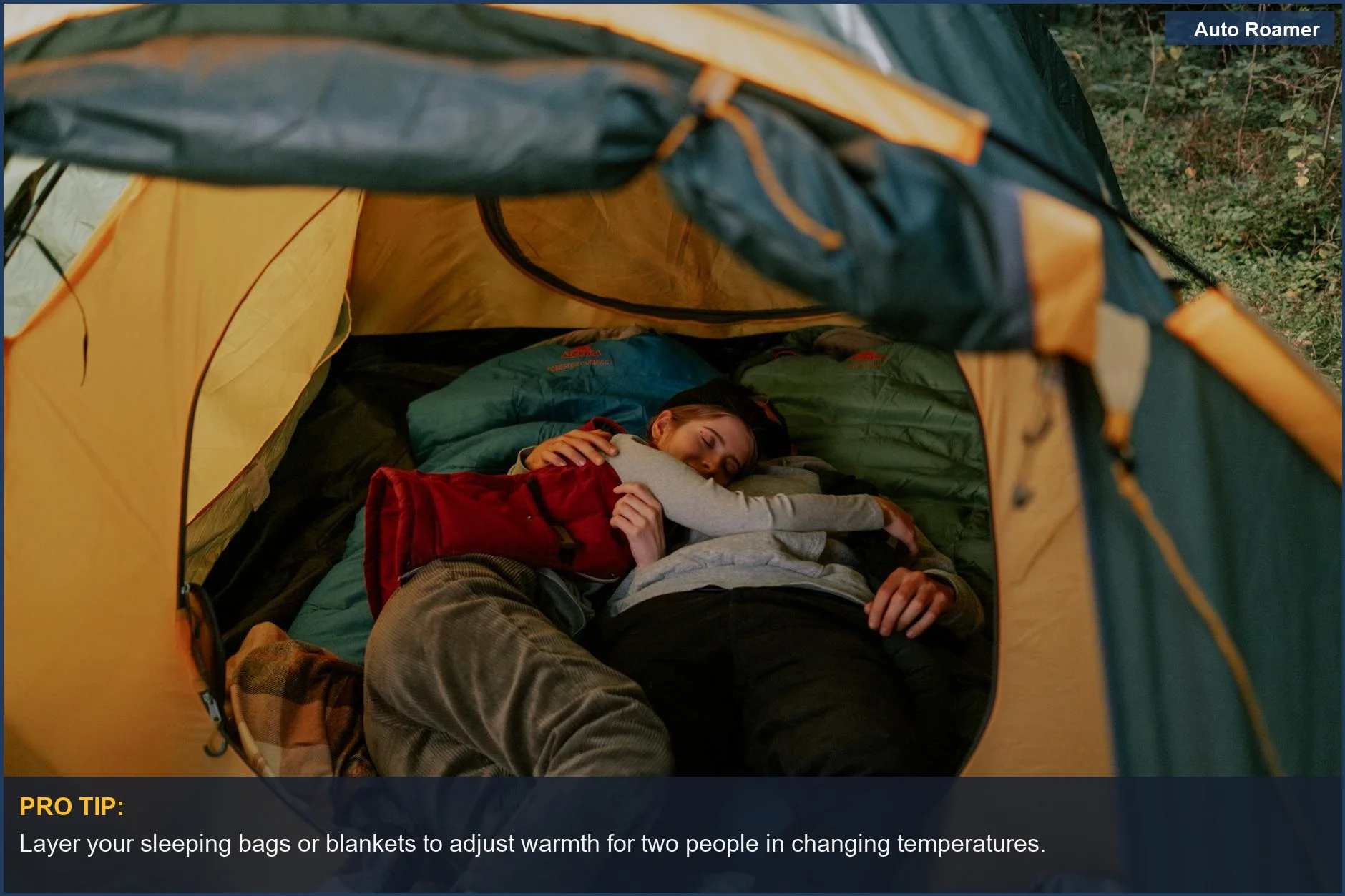
- Bag for the Temp: Always choose a sleeping bag rated 10-15 degrees F lower than the coldest temperature you expect. And a fleece liner is your $12 secret weapon.
- Measure Your Space: Don't guess.
Measure the length and width of your sleeping area in your vehicle. My Honda Civic taught me that 6 inches can make all the difference.
- Keep it Simple: For your first few trips, focus on the essentials: pad, bag, pillow, headlamp. You can add the fancy stuff later. My second trip with half the gear was twice as comfortable.
- Air it Out: A little daily maintenance keeps your gear fresh and extends its life.
No one wants to sleep in a damp, musty sleeping bag. Trust me on this one.
Don't let the overwhelming gear lists scare you off. Start with the basics, learn what works for you, and build from there. The open road and a good night's sleep are waiting.