
Are All-Weather Car Floor Mats Suitable for Camping Adventures?
My first car camping trip was a $47 experiment in a Honda Civic hatchback in Shenandoah Valley. Mid-October. I had a Walmart foam pad, a sleeping bag rated to 40F, and zero idea that the temperature drops 15 degrees F after midnight in the mountains.
My first car camping trip was a $47 experiment in a Honda Civic hatchback in Shenandoah Valley. Mid-October. I had a Walmart foam pad, a sleeping bag rated to 40F, and zero idea that the temperature drops 15 degrees F after midnight in the mountains. By 2AM I was wearing every piece of clothing in my bag and still shivering. The fix was a $12 fleece liner from Amazon that turned my 40F bag into a 25F bag.
Three years later I still use that same liner on every trip.
Now, about your car. Specifically, the floor. You track in dirt, mud, and whatever else the trail decides to throw at you. It ruins your carpets and makes your vehicle smell like a damp dog. The honest version: your car's interior deserves some protection, especially when you're treating it like a mobile campsite. That's where all-weather mats come in.
These aren't just for bad weather; they're your first line of defense against trail grime.

The Core Answer
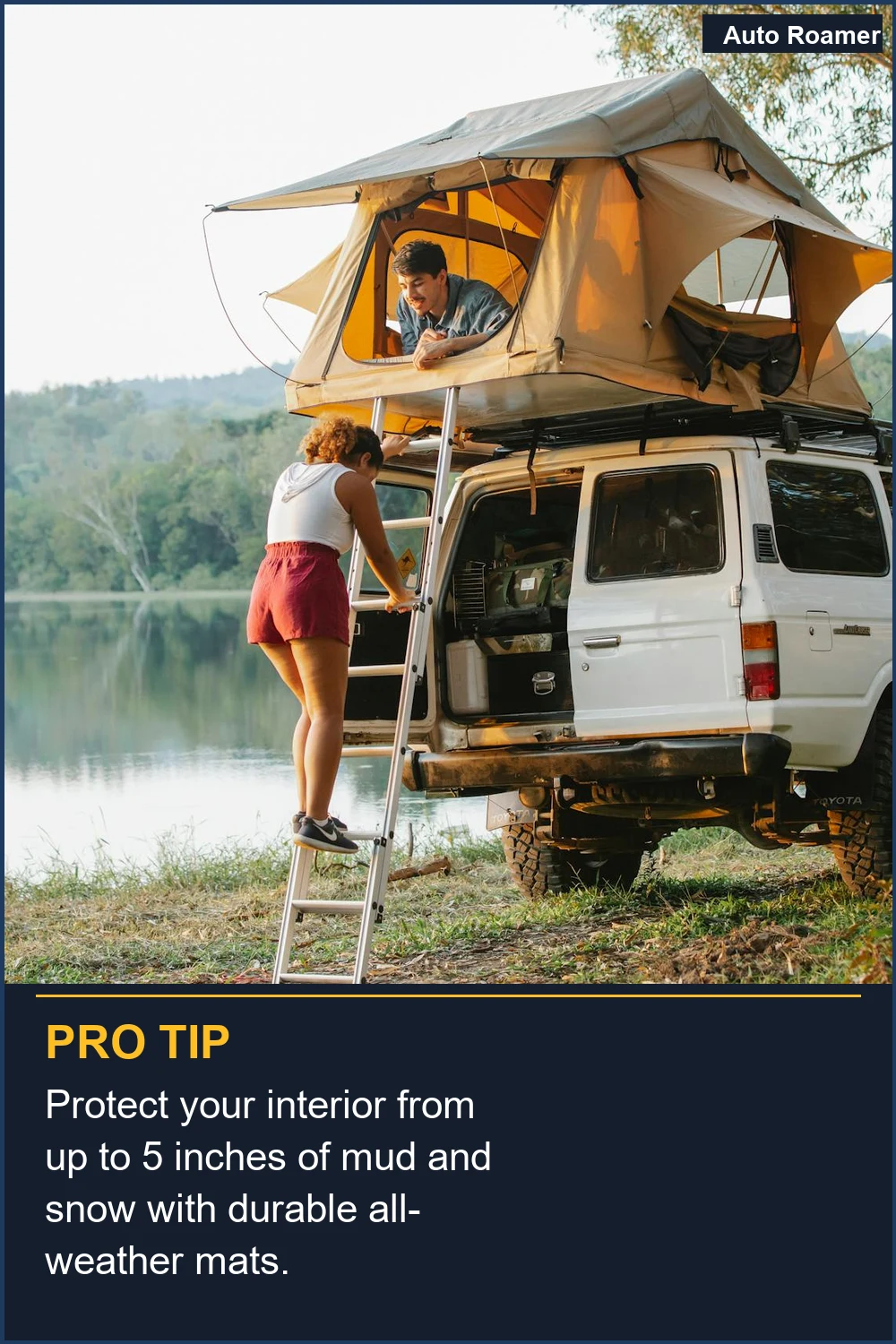
Look, I'm not going to lie. When I first started car camping, I thought floor mats were just for keeping your feet clean on the daily commute. My Subaru's carpet was a disaster zone after just a few trips. Sand from the beach, mud from a sudden downpour at Big Meadows State Park - it all became one with my rug.The real move here is to get mats that can handle actual abuse. We're talking about stuff that can contain spills, mud, and whatever else you track in from a day of exploring. Think of it as a barrier between your campsite adventures and your car's factory carpet. All-weather mats are built for this. They're usually made of rubber or TPE, which means they're waterproof and easy to wipe down.
My first set of 'all-weather' mats were some cheap generic ones I got for $30. They fit okay, but the edges curled up and mud just flowed right underneath. Rookie mistake. The good news is, you don't need to spend a fortune. Many brands offer custom-fit options for specific vehicles, like a Subaru Outback or a Toyota Tacoma. I eventually upgraded to a set that cost me $150, but they fit like a glove and have saved my carpets countless times. They have deep channels that trap all the nastiness.
The honest version: You can get away with basic mats if you're super careful, but if you're planning on more than one or two trips, investing in decent ones is worth it. I saw a post on Reddit where someone mentioned how their all-weather mats let water pool, which sounds weird, but it actually makes them easy to clean. You just tip them out.
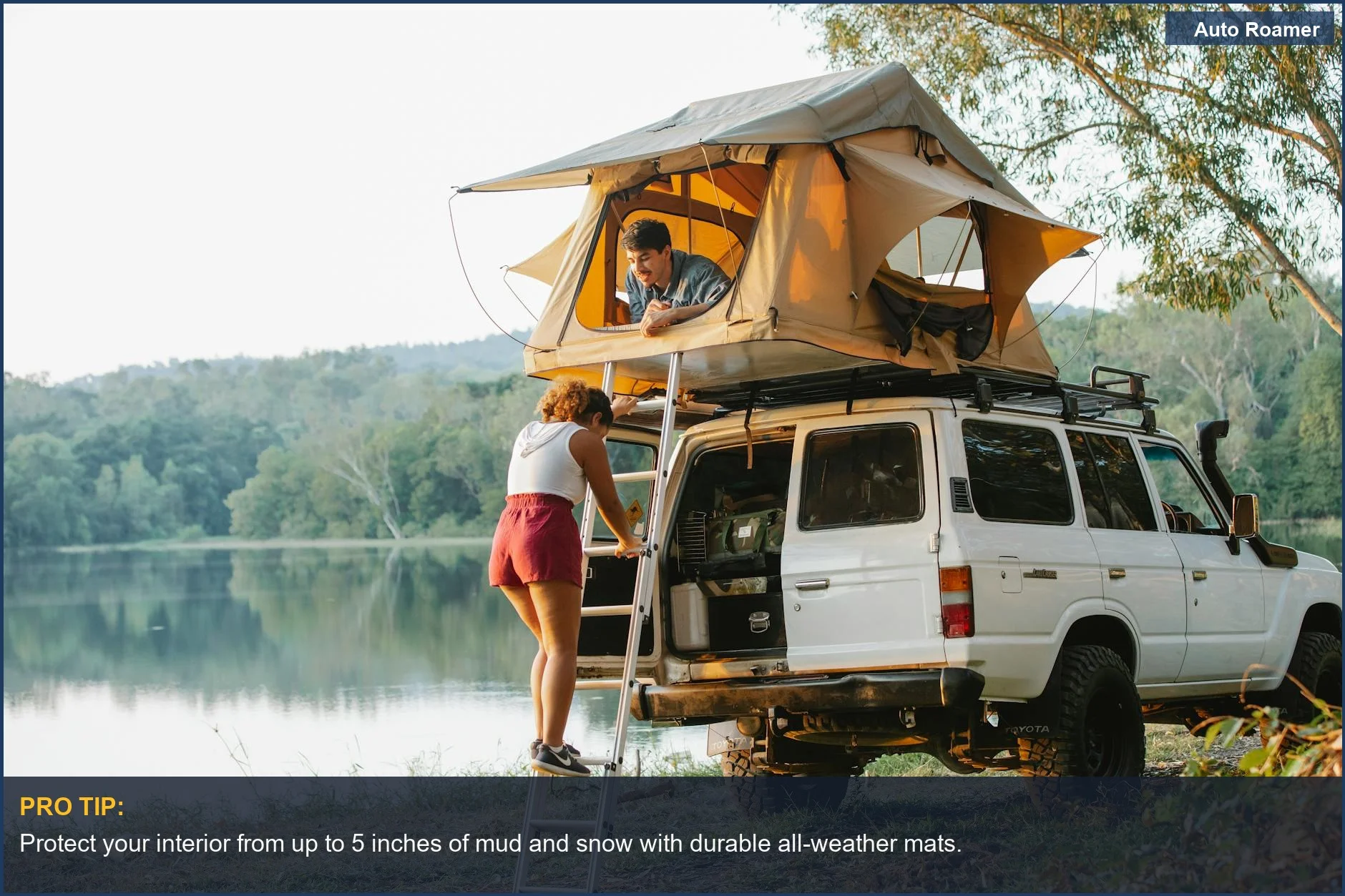
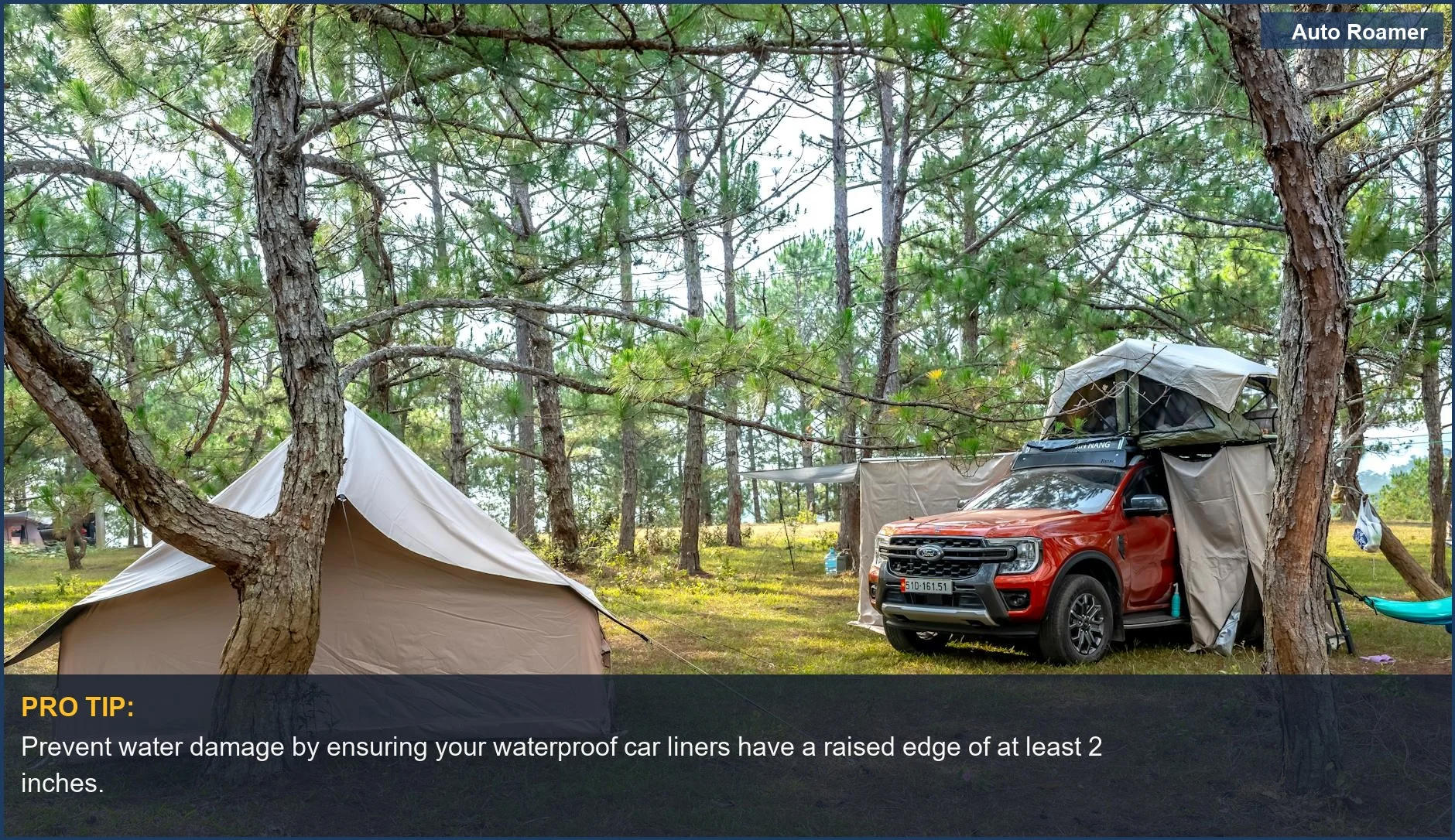
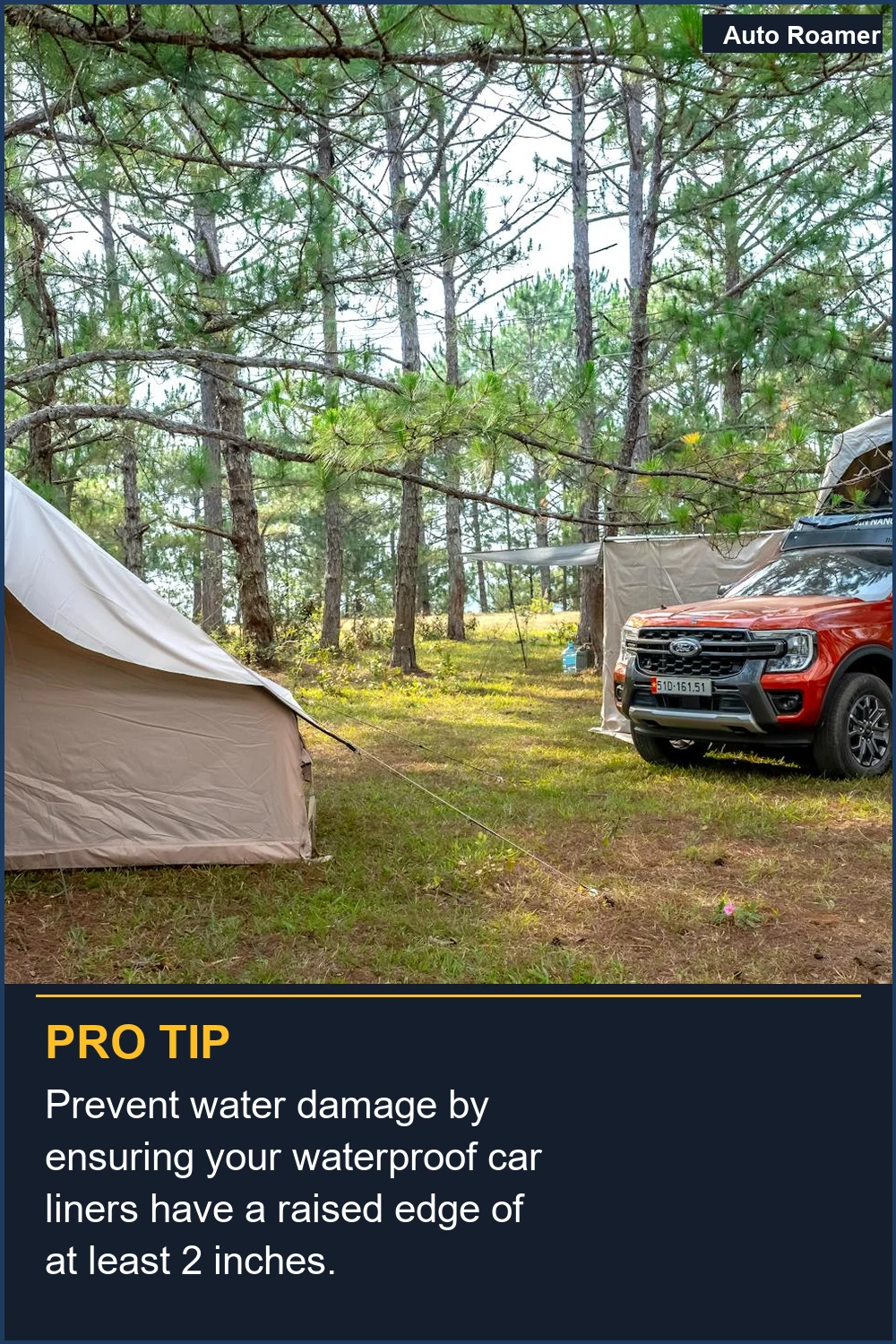
Some mats are designed with a high lip that goes up the sides of your car's footwell. This is clutch for preventing spills from reaching your carpet. I remember one time, I spilled a whole water bottle of lukewarm coffee on a bumpy road. If it weren't for those raised edges, my car would have smelled like a stale diner for weeks. This is why waterproof liners matter.
The $50 version might seem tempting, but often they're not as durable or as well-fitting. You end up with the same problem of dirt and water seeping underneath. It's like buying the cheapest sleeping bag and then freezing your butt off. You pay for it in the end, just in discomfort instead of dollars.
Ultimately, whether you need them depends on your camping style. If you only camp on perfectly paved roads and never bring more than a toothbrush, maybe not. But if you're like me, heading out to dirt roads, dealing with unpredictable weather, and tracking in whatever you step on, then yes, they're a game-changer for keeping your car clean and protected. They're an easy upgrade.
Why This Matters for Your Setup
So, why does this even matter for your weekend warrior setup? Because your car is more than just a way to get to the trailhead; it's often your changing room, your storage unit, and sometimes, your emergency shelter.When you're pulling gear out of your trunk, or just getting back in after a hike, you're inevitably bringing dirt and moisture with you. All-weather mats act like a welcome mat for your car's interior, trapping the mess before it ruins your carpet. It's a simple concept.
I learned this the hard way. On a trip to the Adirondacks, it rained for two solid days. My boots were caked in mud, and I tracked it all over my car. The carpet absorbed it like a sponge. Cleaning it took hours, and I could still smell damp earth for weeks. A set of good all-weather mats would have saved me so much grief.
Think about it: you're investing in tents, sleeping bags, and cooking gear. Protecting the vehicle that hauls all of it should be just as important. It's about preserving your investment, and frankly, making your car more pleasant to be in after a muddy adventure.
Making the Right Choice
Making the right choice for your car's floor protection isn't rocket science, but it does require a little common sense. If you're the type of camper who treats their vehicle like a museum piece, maybe stick with your carpet mats. But if you're actually going to use your car for its intended purpose - hauling you and your gear to cool places - then all-weather mats are a no-brainer.The honest version: You don't need the most expensive set on the market. Look for ones that fit your specific vehicle well and have a good reputation for durability. I've seen decent sets for around $80, and they've held up fine for my needs. There are plenty of solid options.
Ultimately, it's about preventing future headaches. Do you want to spend your weekends scrubbing mud out of your carpet, or do you want to spend them enjoying the outdoors? The choice is yours, but I know which one I prefer. My vote is for less cleaning.
Frequently Asked Questions
I saw some custom-fit all-weather mats online for $250, but I can get generic ones at Walmart for $40. Is the $210 difference really worth it?
Do I need to measure my car's floor space before buying all-weather mats?
What if I get all-weather mats, but I still track in a ton of mud? Will they even help?
Can leaving all-weather mats in my car for years damage the original carpet underneath?
I heard all-weather mats make your car look less 'premium.' Is that true?
🏅 Looking for Gear Recommendations?
Check out our tested gear guides for products that work with this setup:
Sources
- Do you need or prefer some sort of floor mat when using an suv with ...
- Best car mats to protect your car from sand and dirt - Prime EVA
- Best Car Floor Mats of 2026, Tested - RoadandTrack.com
- Floor Mats for Camping Adventures | AmericanTrucks
- All-Weather vs. Carpet Floor Mats: Which is Best for Your Car? - Lasfit
- Which Van Floor Mat Matches Your Adventure? Inhabit vs. Weather ...
- Subaru owners: Would you use an all-weather car mat that ... - Reddit