The Short Version
Your engine oil is the lifeblood of your car, and knowing how to extend its life can save you money and hassle. I learned this lesson the hard way after a particularly gnarly road trip where I skipped an oil change and started hearing some... concerning noises. This isn't about magic potions; it's about understanding what the oil does and how to keep it doing its job longer.
It's about smart maintenance, not cutting corners that'll cost you big time later. Take 5 Oil Change lays out some basics, but the real moves are in the details.
The Core Answer
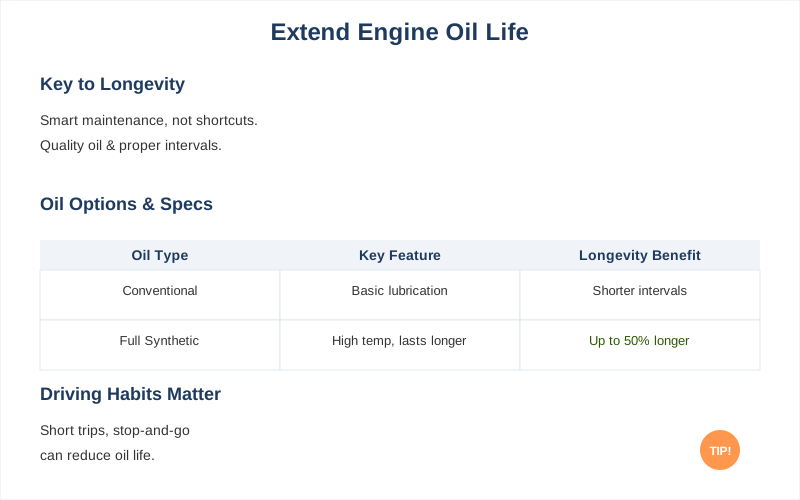
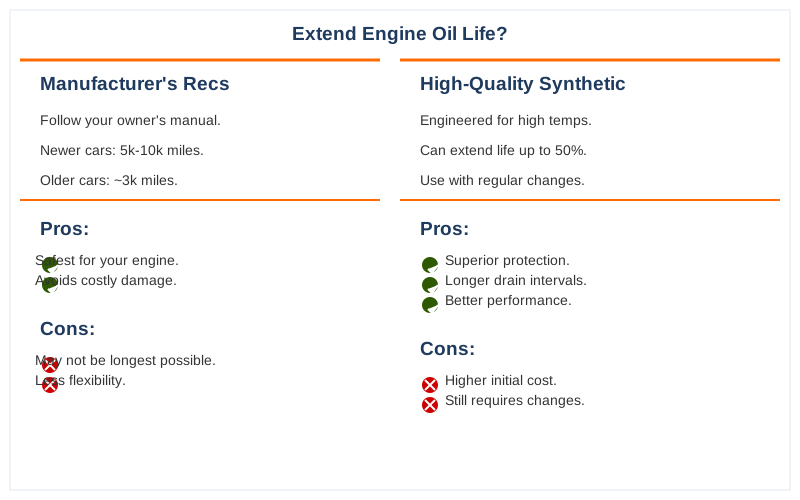
Alright, let's talk about making that oil last. The honest version is that modern synthetic oils are pretty darn tough. Your owner's manual is your best friend here; it'll tell you the manufacturer's recommended interval, which for newer cars is often 5,000 to 7,500 miles, sometimes even 10,000 miles if you're rolling with full synthetic Take 5 Oil Change. My old Civic chugged along on conventional oil, and yeah, that meant closer to 3,000 miles.
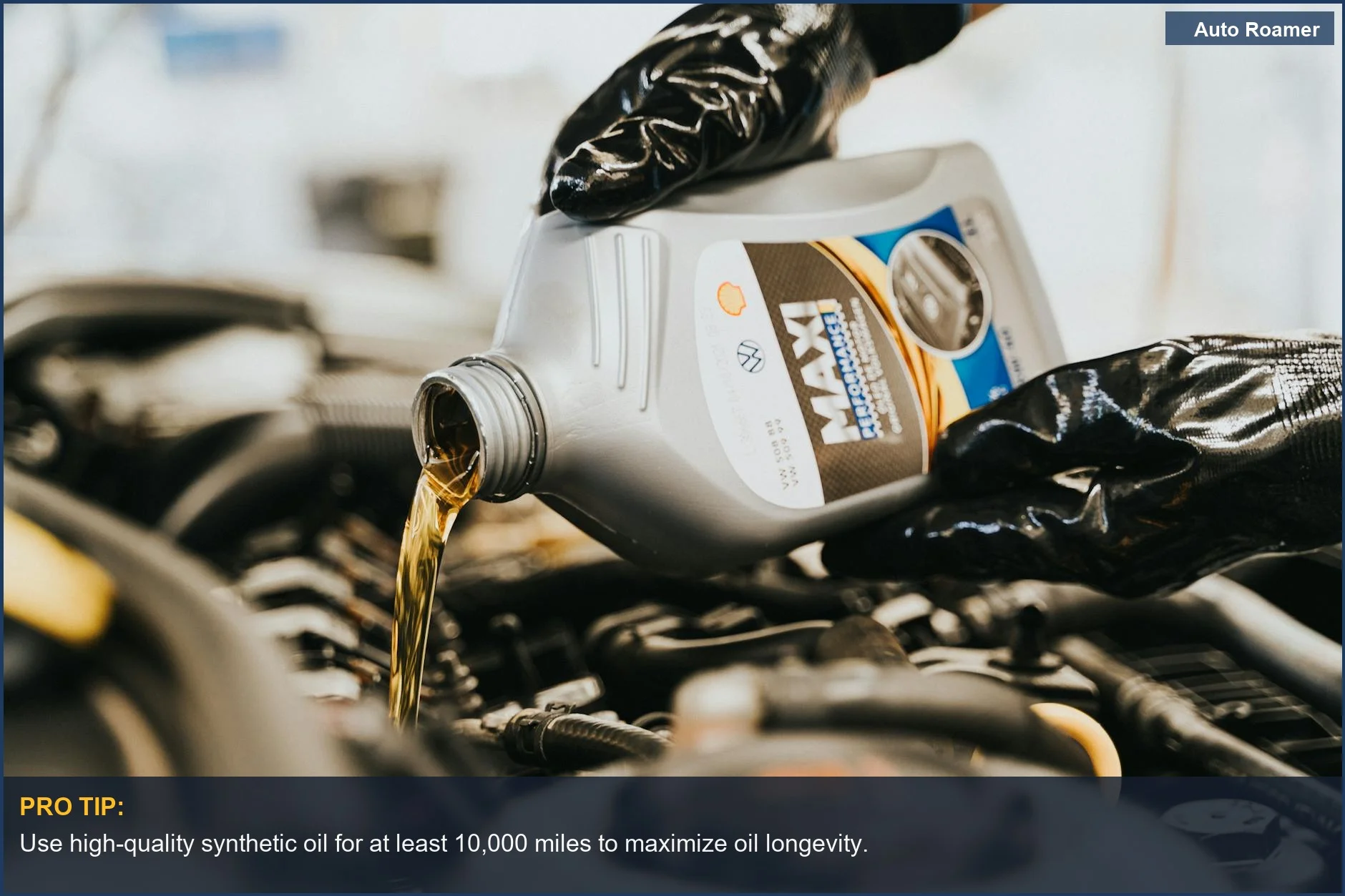
Now, what about those additives everyone talks about? Some people swear by them, claiming they reduce friction and keep the oil cleaner. I've never personally thrown a bottle of 'miracle' additive into my oil, mostly because I'm cheap and skeptical. The real move is to start with good quality oil in the first place. Using synthetic oil can extend your engine's life by up to 50% compared to conventional oil with regular changes Great Falls Auto Repair.
It's engineered to handle higher temperatures and last longer. Think of it like this: you wouldn't fill a high-performance race car with the cheapest gas, right? Same idea with oil. Driving habits matter too. Lots of stop-and-go traffic, short trips where the engine never fully warms up, or extreme heat are all oil killers.
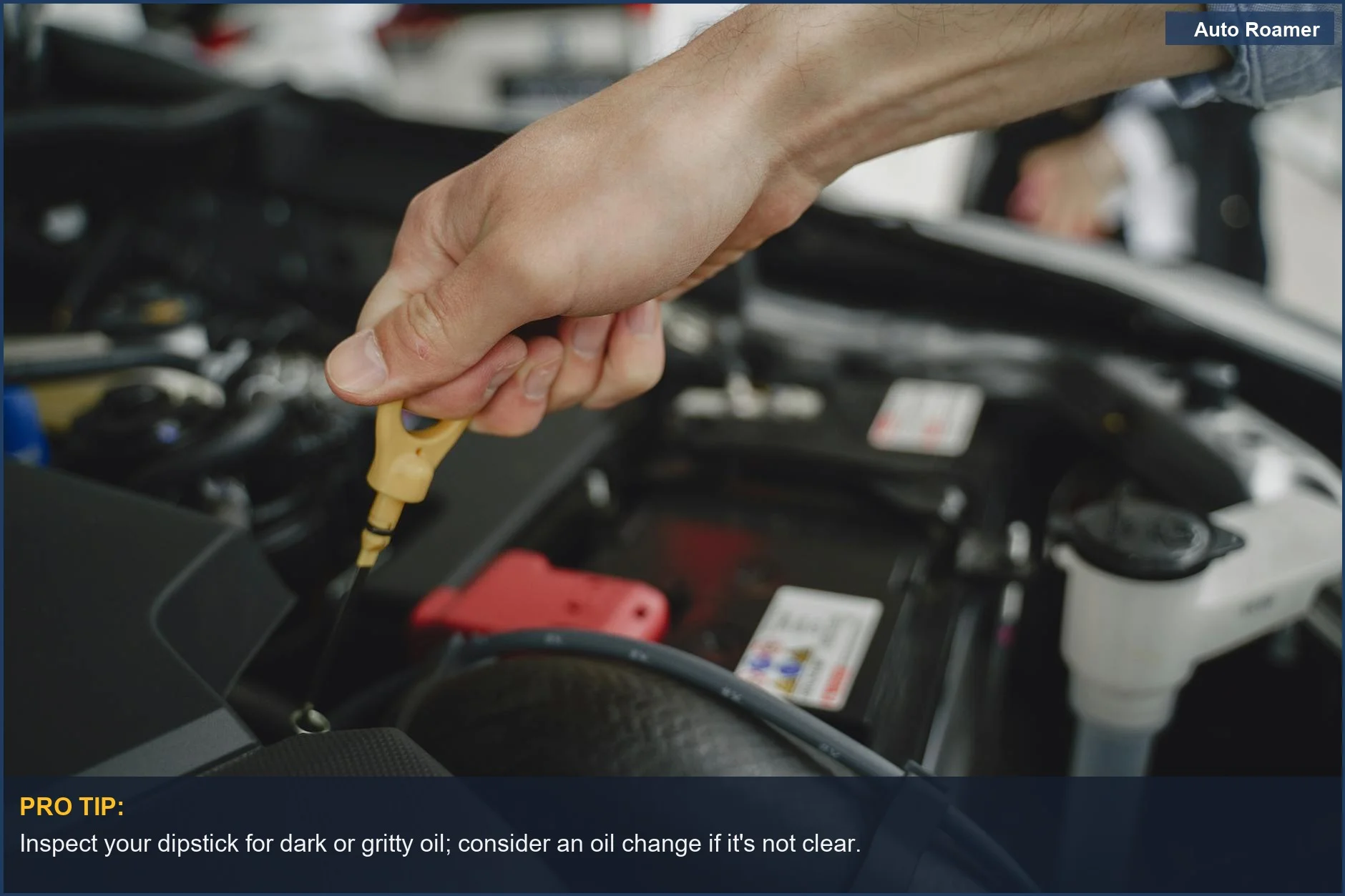
My buddy Steve, who lives in Phoenix, has to be way more diligent about his oil than I do living up here in the mountains where it's mostly highway miles. He says his oil looks like black sludge after only 4,000 miles in his truck because of the constant AC use and city driving. The goal is to keep the oil from breaking down and collecting too much gunk. This gunk, often called sludge, is the enemy.
It clogs oil passages and starves parts of the engine. Regular oil changes are crucial to remove contaminants and prevent this buildup Great Falls Auto Repair. The oil filter is also key; it's like the kidneys of your oil system, filtering out the bad stuff. Always change your filter with your oil. It's a rookie mistake to skip it.
I saw a forum post once where a guy skipped the filter, and his engine sounded like a bag of rocks tumbling down a hill. Don't be that guy. The consensus in the mechanic world is that going a little over 10,000 miles on synthetic isn't going to instantly ruin your engine, but it's not ideal Reddit. It's a gamble you don't need to take. Sticking to your manufacturer's recommendations is the safest bet for long-term engine health.
It's not about squeezing every last mile out of your oil; it's about keeping your engine happy and healthy for the long haul. The $50 version of this advice is: buy good oil, change it when your manual says to, and change the filter too. Everything else is just noise.
Why This Matters for Your Setup
Why does this even matter for us weekend warriors? Because we often push our vehicles. My old Subaru Outback was my mobile base camp for years. I'd load it up with gear, drive for hours on dusty forest roads, and then let it sit for weeks before the next adventure. That kind of use is tough on oil.
- Stop-and-Go Traffic vs. Open Road: If your daily commute is mostly highway miles, your oil stays hotter for longer and burns off moisture and contaminants more effectively. If you're constantly in city traffic, inching along, your oil is doing a lot more work and collecting more gunk. I learned this when I moved from a rural area to a city and noticed my oil change light came on way sooner.
Brilliant engineering, right?
- Short Trips Are the Enemy: Driving only a few miles at a time means your engine never really gets up to operating temperature. This traps moisture and unburned fuel in the oil, turning it into a corrosive sludge. My neighbor only drives his vintage truck to the corner store, and he swears he has to change his oil every three months regardless of mileage.
I think he's nuts, but I also see his truck rusting away.
- Extreme Temperatures: Both extreme heat and cold put extra stress on your oil. In the heat, it can break down faster. In the cold, it can thicken up and not lubricate as effectively. I remember one particularly brutal winter camping trip in the Adirondacks where my car struggled to start, and I swear I could almost hear the oil groaning.
The real move is to consider your typical driving conditions, not just the miles on the odometer. Oilteck has some good points on this.
Making the Right Choice
- Follow Your Manual: Seriously, this is the easiest and most important step. Your car's manufacturer knows it best Take 5 Oil Change.
- Synthetic is King (Usually): For most modern cars, synthetic oil offers superior protection and longevity. It costs more upfront, but it can save you down the road.
- Don't Fear Time Intervals: Even if you don't drive much, oil can degrade over time.
Most experts recommend changing oil at least every six to twelve months, regardless of mileage Oil Changers. My buddy who drives his classic muscle car maybe 1,000 miles a year still changes his oil annually. Smart guy.
- Additives? Buyer Beware: While some folks swear by oil additives, I've never found a compelling reason to use them. Good oil and regular changes are usually sufficient. The $50 version of this is: stick to the basics. Don't overcomplicate it.
My second camping trip had half the gear and was twice as comfortable; same principle applies here.