Where to Start
Figuring out the right size pet carrier is less about rocket science and more about not having your cat think they're in a clown car. It's a common mistake to shove a 12-pound cat into a shoebox-sized carrier for a vet visit. She spent the entire 20-minute drive trying to claw her way out, convinced she was being transported to a tax audit. The vet said she was stressed. No kidding.
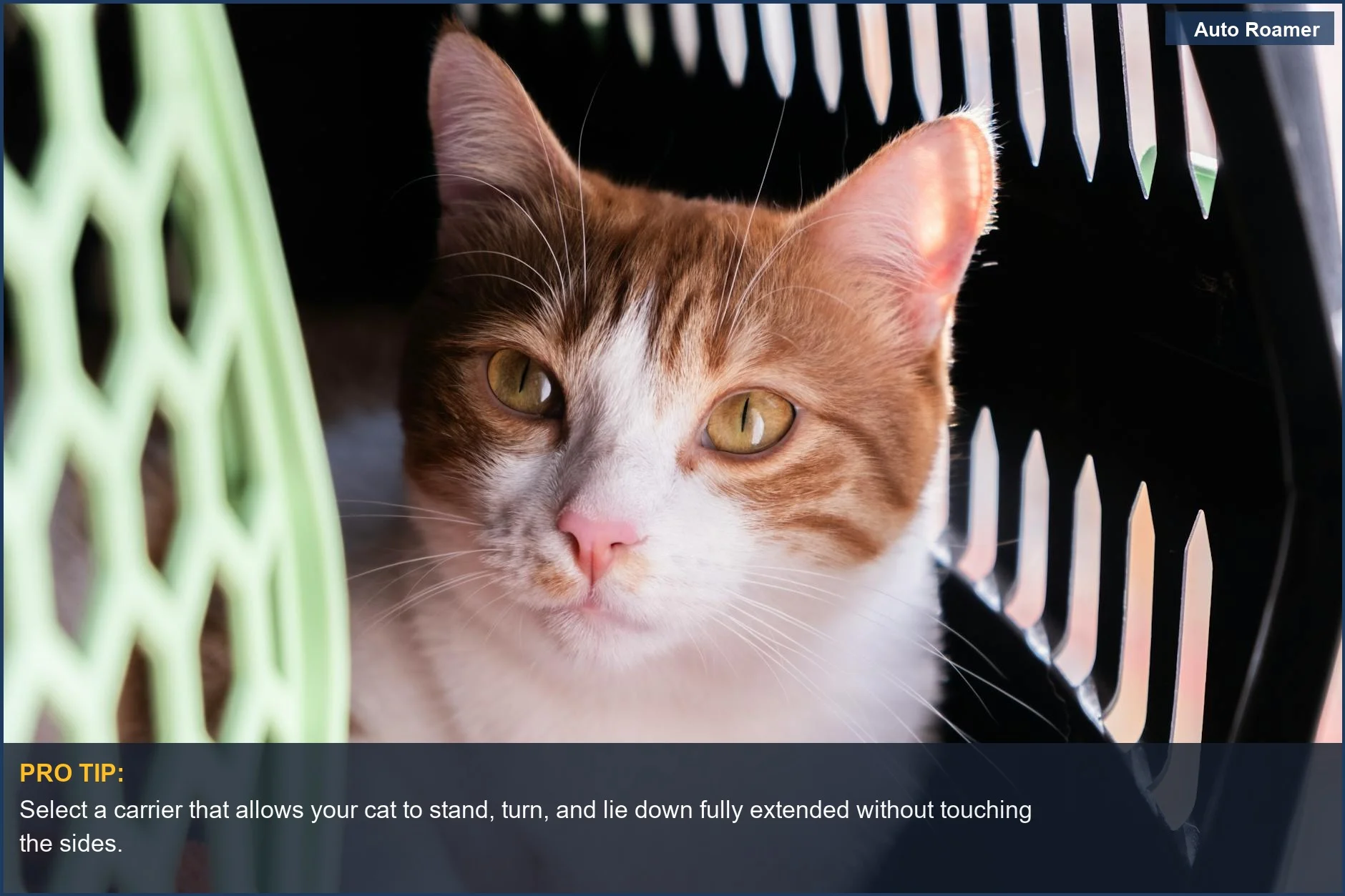
The real move is to give them enough space to stand, turn, and lie down without doing yoga. It's not a judgment on their weight, it's about physics and not having a screaming furball on your hands. This isn't about luxury; it's about basic comfort and not ruining your car's upholstery with desperate claw marks. Roverlund gives you a starting point, but your pet is the ultimate guide.
The Core Answer
Okay, let's break down how to actually pick the right carrier size without guessing. The honest version is, you need to measure your pet. Don't just eyeball it and hope for the best. The dog looked miserable, and the handbag looked like it was about to file for divorce. Brilliant engineering, that.
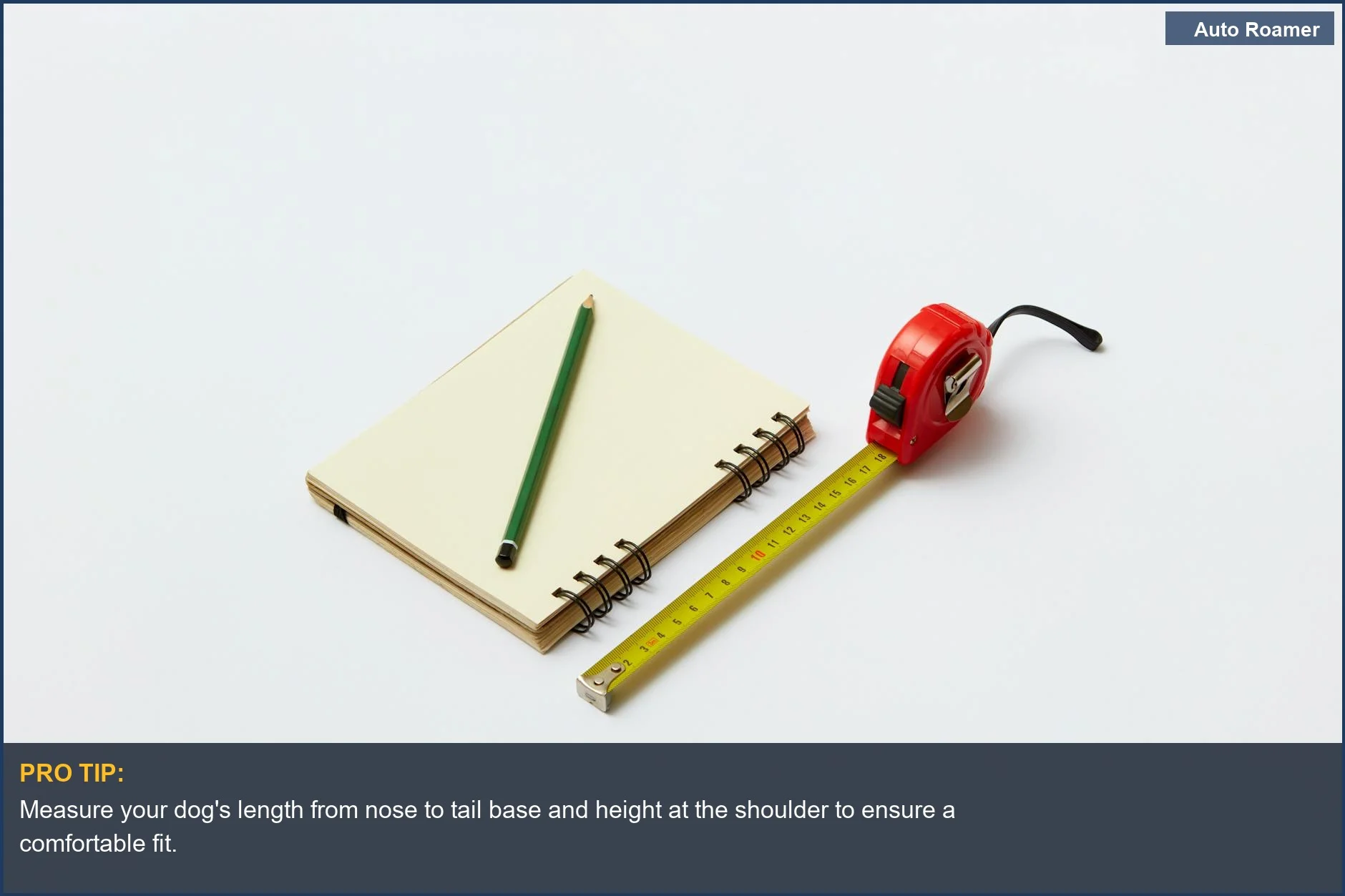
Measure their length from the tip of their nose to the base of their tail. Then, measure their height from the floor to the top of their head or their ears, whichever is higher. This is game-time information. You need to add at least an inch or two to these measurements for clearance, so they can actually move around in there. Think of it as giving them a little wiggle room, not a ballroom.
Petsfit has charts, but they're useless without your pet's actual numbers. Weight is also a factor, but it's secondary to dimensions. A tiny chihuahua might be under 10 pounds but still need a bit more length than a super short bulldog. Most carriers will list weight limits, but those are often optimistic. My 15-pound cat fits comfortably in a carrier meant for up to 20 pounds.
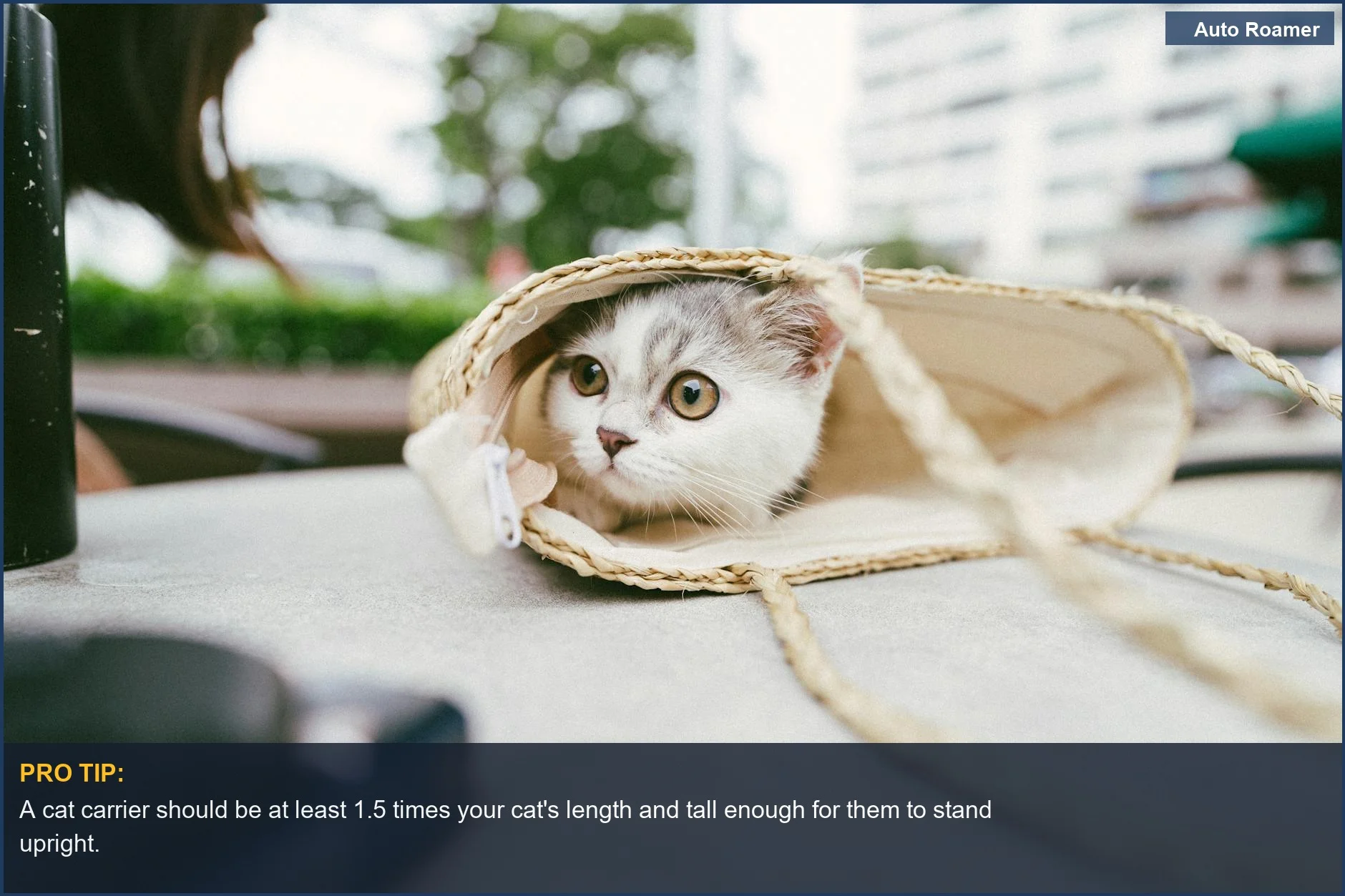
Roverlund suggests going up a size if you're on the fence, and I agree. It's better to have a little extra space than not enough. Remember, they need to be able to stand up and turn around without feeling like they're auditioning for Cirque du Soleil. PetSmart says a carrier should be no more than 1.5 times the size of your cat, which is a good rule of thumb. If your cat is between sizes, always go bigger.
It's the real move for a less stressed pet and a more peaceful journey. The AKC also mentions height is key, especially for air travel, where they need to sit and move. Don't skimp on this. A cramped pet is a loud pet. Online advice often points to specific dimensions, like 23x15 inches for a 3.5kg cat, which sounds roomy enough to stand and turn. The whole point is they shouldn't feel trapped, just secure.
Ocean State Job Lot gives general ranges: small carriers for up to 10 pounds, medium for up to 15, and large for over 15. But again, measurements trump weight. And if you're flying, double-check airline restrictions. Some have very specific dimensions, like the 17"x8"x13" limit for under-seat compartments. That's tight, so measure your pet and the carrier carefully. Don't be the person holding up the boarding line because your dog's carrier is too big.
That's a rookie mistake you only make once.
Why This Matters for Your Setup
Why does this matter? Because a carrier that's too small is basically a furry stress ball waiting to happen. A carrier meant for a guinea pig is far too small for even a chihuahua. The AKC points out that proper sizing is crucial for travel.
If your pet can't comfortably stand, turn around, and lie down, they're going to be miserable. This isn't just about comfort; it's about safety. A stressed animal can try to escape, potentially injuring themselves or even getting out of the carrier. Ocean State Job Lot emphasizes that too small is cramped and stressful, while too big makes them feel insecure. It's a fine balance.
For car trips, a carrier that's too large can slide around, which is also not ideal. You want them secure, not doing a dance routine in the back seat. Think about it: if you were stuck in a space where you couldn't stretch or move, how would you feel? Pretty awful, right? Your pet feels the same way.
A cat given a carrier she can actually stand up in often goes from panicked to a relatively calm observer on vet visits. It was a revelation. And the peace of mind knowing she wasn't actively trying to dig her way to freedom was worth every penny. It's the real move for pet travel.
Making the Right Choice
So, to wrap this up, the size of your pet carrier is a big deal. Don't just grab the first one you see. Measure your pet accurately - length and height are key. Then, add a couple of inches for comfort. Weight is a guideline, but dimensions are king. If you're unsure, go bigger; it's better to have a little extra space than not enough.
Petsfit and other sources agree: your pet needs to stand, turn, and lie down comfortably. This isn't just about convenience; it's about their well-being. A properly sized carrier means a less stressed pet and a much smoother trip for everyone. It's the $50 version of a happy pet. Don't be the person with the distressed animal; be the one with the prepared pet. Your pet will thank you, and so will your eardrums.
Roverlund even recommends going up a size if you're iffy, and I'm all about that advice. Give them room to breathe, literally.
After sizing, the next step is securing the pet carrier once you have the size.